Blog

  • Whisky & Food Pairing Guide 2026: The Best Combinations You Need to Try Right Now

    A few months ago, I was at a small tasting dinner in Edinburgh — the kind where the host sets out six glasses before you even sit down and says, “We’ll eat around the whisky tonight, not the other way around.” It flipped everything I thought I knew about pairing. I’d always treated whisky as the after-dinner act, the curtain call once the food had already left the stage. But that night, a peaty Islay single malt alongside a slow-braised lamb shoulder wasn’t just complementary — it was revelatory. That experience is really what sent me down this rabbit hole of whisky and food pairing in 2026, and I’m genuinely excited to think through it all with you.
    whisky glass food pairing elegant dinner table 2026

    Why Whisky Pairing Is Having Its Moment in 2026

    Let’s set the scene first. According to the Scotch Whisky Association’s 2026 Market Outlook Report, global whisky consumption has risen roughly 18% over the past three years, with a notable surge in Asia-Pacific and North American markets among diners aged 28–45. More interestingly, Michelin-starred restaurants filing new tasting menu proposals in 2026 are increasingly offering whisky flight pairings alongside their standard wine lists — something that would have felt niche just five years ago.

    The science behind this is actually pretty fascinating. Whisky’s flavor compounds — esters, aldehydes, phenols — interact with food in layered ways that wine sometimes can’t replicate. The higher alcohol content (typically 40–60% ABV) acts as a palate cleanser between bites, while the oak-aged tannins mirror the tannins in certain aged cheeses and cured meats. So pairing whisky with food isn’t a gimmick — it’s genuinely grounded in flavor chemistry.

    The Core Pairing Framework: Think Region, Then Flavor

    Before we dive into specific pairings, here’s the mental model I find most useful: match the whisky’s regional character to the food’s dominant flavor profile. Not every pairing has to be “similar complements similar” — contrast can be just as powerful — but having a regional anchor gives you a starting point that rarely fails.

    • Speyside Scotch (e.g., Glenfiddich, Macallan): Fruity, honeyed, gentle vanilla notes. These work beautifully with smoked salmon, mild aged cheddar, apple tart, and dark chocolate. The sweetness bridges the gap between savory and dessert courses effortlessly.
    • Islay Scotch (e.g., Laphroaig, Ardbeg): Heavy peat, brine, medicinal smoke. Surprisingly excellent with oysters, shellfish, grilled lamb, and blue cheese. The smoke amplifies the umami in seafood rather than overwhelming it.
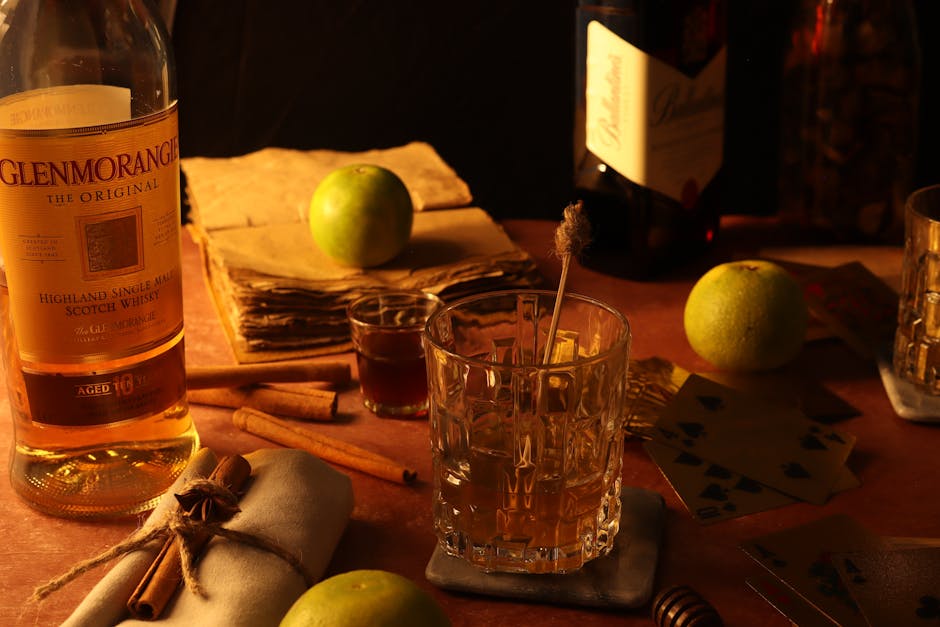
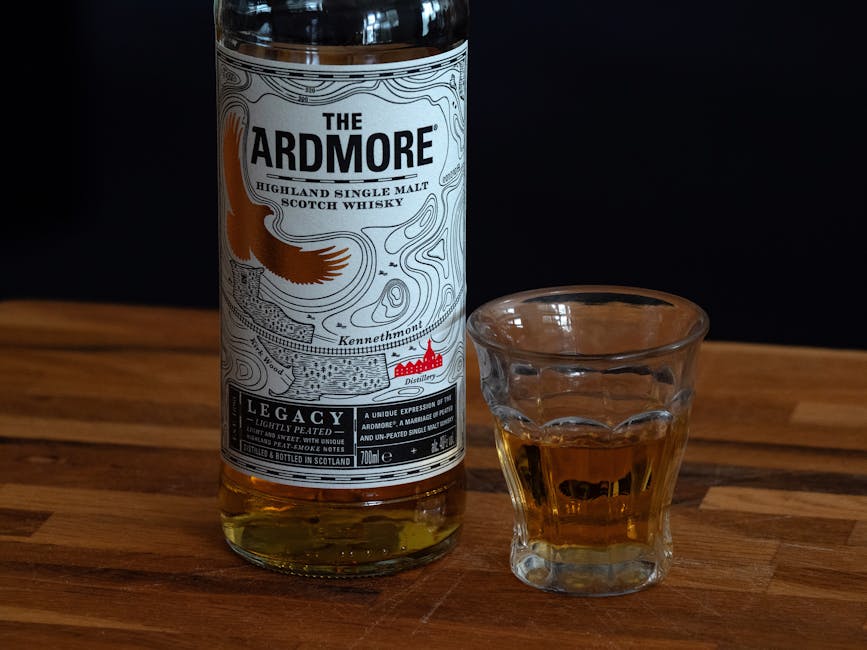
    • Highland Scotch (e.g., Glenmorangie, Dalmore): Balanced, slightly heathery, dried fruit undertones. Pairs wonderfully with game meats like venison, mushroom risotto, and walnut-based desserts.
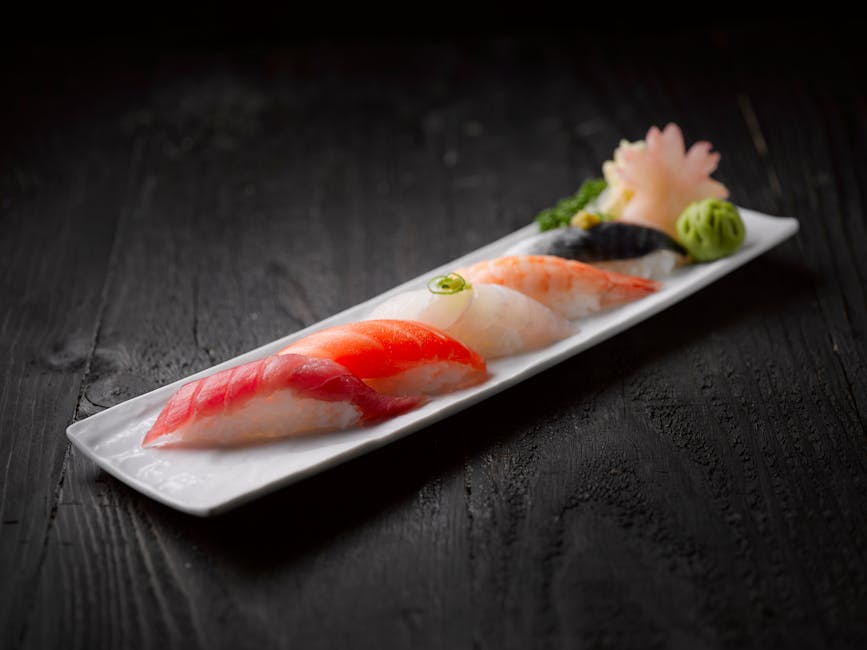
    • Japanese Whisky (e.g., Nikka, Suntory Toki): Delicate, floral, green apple, subtle smoke. Designed almost perfectly for sushi, yakitori, miso-glazed fish, and even light egg custard desserts. The refinement is unmatched for Asian cuisine.
    • American Bourbon (e.g., Maker’s Mark, Woodford Reserve): Rich caramel, vanilla, toasted corn sweetness. Fantastic with BBQ brisket, pecan pie, fried chicken, and sharp aged gouda. The sweetness acts as a sauce in itself.
    • Irish Whiskey (e.g., Jameson, Redbreast): Triple-distilled smoothness, light orchard fruit, gentle spice. A crowd-pleaser with charcuterie boards, mild sushi rolls, salmon gravlax, and bread pudding.
    • Rye Whiskey (e.g., Rittenhouse, WhistlePig): Spicy, dry, peppery backbone. Cuts through rich, fatty foods spectacularly — think braised short ribs, aged parmesan, charcuterie, and spiced dark chocolate truffles.

    Real-World Examples: Restaurants Leading the Way in 2026

    It’s one thing to theorize, but let’s look at who’s actually doing this well right now.

    Internationally, The Balmoral Hotel in Edinburgh relaunched their whisky dinner series in early 2026 with a seven-course menu built specifically around cask-strength expressions from five Scottish distilleries. Their standout course? A 25-year Glenfarclas paired with Orkney crab bisque — the sherry-cask sweetness playing against the briny cream in a way that left guests genuinely speechless according to their March 2026 guest review digest.

    In Japan, the Tokyo omakase scene has quietly adopted whisky pairings as a premium upsell. Several kaiseki restaurants in Ginza now offer a Nikka From the Barrel alongside their wagyu tataki course, noting that the whisky’s mild smoke lifts the fat of the wagyu without competing with the delicate soy-based tare.

    In the United States, a Louisville, Kentucky steakhouse called The Bourbon & Barrel Room has built its entire identity around bourbon-anchored food pairing tasting menus since 2024, and their 2026 spring menu introduces a fascinating contrast pairing: a high-rye mash bourbon alongside a citrus-brined halibut — the spice of the rye cutting through the acidity of the citrus in an unexpectedly harmonious way.

    In Korea, Seoul’s Itaewon whisky bar scene has evolved dramatically in 2026. Bars like Whisky Library and Cheers have begun hosting monthly pairing nights where local Korean bar snacks — anju like dried squid, cheese corn, and smoked duck skewers — are matched with both Scotch and Japanese expressions. It’s a brilliant cultural crossover that proves whisky pairing doesn’t have to be Eurocentric.
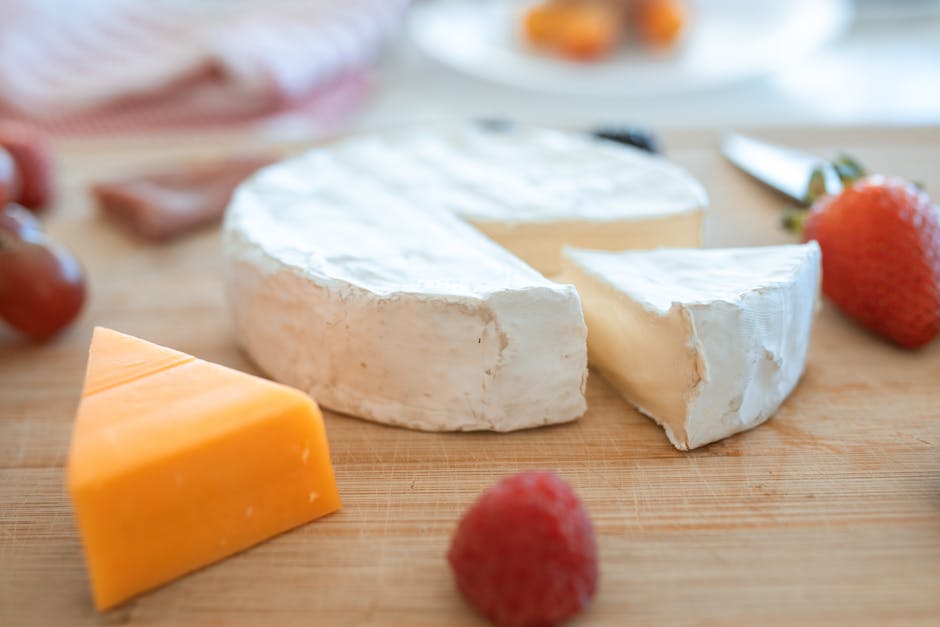
    whisky bottle tasting flight artisan cheese charcuterie board pairing

    Practical Tips for Pairing at Home

    Look, not everyone is heading to a Michelin-starred restaurant every weekend (and you absolutely don’t have to in order to explore this). Here’s how to build a genuinely impressive pairing experience at home without overthinking it:

    • Start with a small pour: Use 20–25ml per pairing course so your palate (and judgment) stays intact throughout the evening.
    • Add a few drops of still water: This opens up the aromatics in cask-strength whiskies and makes pairing notes easier to detect. Room temperature water only — never ice initially.
    • Use a Glencairn glass: The tulip shape concentrates aromatics in a way that a tumbler simply cannot replicate, and it makes the whole experience feel intentional.
    • Taste the whisky before the food: Establish the baseline flavor profile, then take a bite of food, chew fully, swallow, and then sip again. Notice what changed.
    • Don’t fear contrast: Sweet whisky with salty or spicy food often works better than sweet-on-sweet. Balance the experience, don’t just echo it.
    • Keep a pairing journal: Sounds nerdy, but writing down what worked and what clashed helps you build genuine intuition over time rather than guessing every time.

    Realistic Alternatives If Whisky Isn’t Your Thing

    Now, here’s where I want to be honest with you — whisky pairing is genuinely wonderful, but it’s not for everyone, and that’s completely fine. If the alcohol intensity of whisky feels like too much at the dinner table, consider these alternatives that follow similar logic:

    Whisky-adjacent: A good aged rum (like Ron Zacapa 23) follows many of the same pairing rules as bourbon — caramel, vanilla, oak — and tends to be smoother at the same ABV. The food matches are nearly interchangeable.

    Lower ABV option: A smoky mezcal (30–35% ABV versions exist) gives you some of that peaty, earthy character of Islay Scotch without the full alcohol punch, especially next to grilled meats or rich stews.

    Non-alcoholic whisky alternatives: Brands like Lyre’s and Spiritless (whose Julep Kentucky 74 has actually become quite popular in 2026) offer 0% expressions that mimic the oak and vanilla notes of bourbon reasonably well. They won’t replicate the complexity of a 12-year single malt, but for guests who don’t drink, they allow everyone at the table to participate in the pairing conversation.

    The bottom line is that whisky pairing in 2026 is no longer a specialists-only club. Whether you’re cracking open a bottle of Japanese blended whisky alongside homemade sushi on a Friday night or venturing to a proper tasting dinner, the framework is accessible, the logic is learnable, and the rewards — honestly — are some of the best flavor experiences you’ll have all year.

    Editor’s Comment : Whisky pairing genuinely rewards curiosity more than expertise. You don’t need a sommelier certificate or a cabinet full of rare bottles — just one good whisky, one thoughtful food choice, and a willingness to pay attention. Start with a Speyside and a piece of good dark chocolate tonight. Seriously, just try it. I suspect you’ll be building a full pairing menu by next weekend.

    태그: [‘whisky food pairing 2026’, ‘best whisky pairings’, ‘scotch whisky dinner’, ‘bourbon food pairing’, ‘Japanese whisky pairing’, ‘whisky tasting guide’, ‘food and whisky combinations’]
    📚 관련된 다른 글도 읽어 보세요

  • 위스키 음식 페어링 추천 2026 — 어떤 안주가 위스키를 가장 맛있게 만들까?

    몇 달 전, 친한 지인이 집들이 자리에서 꽤 좋은 싱글몰트 위스키를 한 병 열었어요. 그런데 테이블 위에는 치킨과 매운 떡볶이가 한가득이었죠. 위스키를 홀짝이다가 다들 뭔가 아쉽다는 표정을 지었고, 결국 그 위스키는 두 잔도 채 안 나가고 장식품이 되어버렸어요. 그때 든 생각이 “위스키는 혼자 마시는 술이 아니라, 음식과 함께 완성되는 술이구나”였습니다. 2026년 현재, 위스키 문화가 국내에서도 빠르게 성숙해지면서 단순히 ‘어떤 위스키가 좋냐’를 넘어 ‘어떤 음식과 함께 마셔야 하냐’를 고민하는 분들이 정말 많아졌어요. 오늘은 그 고민을 함께 풀어보려 합니다.

    whisky food pairing gourmet flat lay

    1. 위스키 페어링, 왜 ‘맛의 과학’이라 부를까?

    위스키와 음식의 궁합은 단순한 취향의 문제가 아니라, 향미 화학(Flavor Chemistry)의 영역에 가깝다고 봅니다. 위스키에는 평균적으로 200~300가지 이상의 방향족 화합물(aromatic compounds)이 존재하는데요, 이 성분들이 음식 속 지방, 단백질, 당분과 어떻게 반응하느냐에 따라 전체적인 풍미가 확장되기도 하고 충돌하기도 해요.

    특히 2026년 들어 ‘가스트로노미 바(Gastronomy Bar)’ 트렌드가 서울 성수동과 한남동을 중심으로 확산되면서, 소믈리에처럼 위스키 페어링을 안내해주는 ‘위스키 스튜어드(Whisky Steward)’ 직군이 생겨나고 있을 정도입니다. 단순한 유행이 아니라, 음식과 위스키를 함께 설계하는 문화가 자리 잡고 있다고 볼 수 있어요.

    핵심 원칙은 크게 세 가지로 정리됩니다:

    • 보완(Complement): 비슷한 풍미끼리 서로를 강화하는 조합. 예) 바닐라 향의 버번 위스키 + 캐러멜 디저트
    • 대조(Contrast): 서로 다른 성질이 균형을 맞추는 조합. 예) 피티(Peaty)한 아이라 위스키 + 짭조름한 훈제 연어
    • 세정(Cleanse): 음식의 기름기나 강한 여운을 위스키가 깔끔하게 정리해주는 역할. 예) 하이랜드 싱글몰트 + 숙성 치즈

    2. 위스키 종류별 추천 음식 페어링

    위스키는 크게 스카치(스페이사이드, 하이랜드, 아이라 등), 아이리시, 버번, 재패니즈로 나뉘는데요, 각각의 스타일에 따라 잘 맞는 음식이 꽤 다릅니다. 하나씩 살펴볼게요.

    ① 스페이사이드 싱글몰트 (예: 글렌피딕, 맥캘란)
    과일향과 꿀, 은은한 오크 뉘앙스가 특징이에요. 이 스타일에는 연어 카르파초, 생햄(프로슈토), 부드러운 브리 치즈, 그리고 감귤류를 곁들인 샐러드가 잘 어울립니다. 풍미가 너무 강한 음식보다는 섬세한 감칠맛을 가진 요리와 함께했을 때 위스키의 과일 향이 더 살아나는 느낌이라고 봅니다.

    ② 아이라 피트 위스키 (예: 라프로익, 아드벡)
    스모키하고 요오드 향이 강한, 호불호가 갈리는 스타일이죠. 오히려 이 강렬함 덕분에 훈제 연어, 굴, 가리비 같은 해산물과 놀라울 정도로 잘 맞아요. 2026년 국내 오마카세 바들이 아이라 위스키를 해산물 코스에 페어링하는 사례가 급격히 늘어난 것도 이 궁합 때문이라고 할 수 있습니다.

    ③ 버번 위스키 (예: 메이커스 마크, 버팔로 트레이스)
    바닐라, 카라멜, 옥수수 계열의 달콤하고 묵직한 향미가 특징이에요. 바비큐 립, 풀드포크처럼 달콤하고 스모키한 소스의 육류 요리와 거의 완벽에 가까운 조합을 이룹니다. 디저트와 함께할 때는 피칸 파이나 다크초콜릿이 정석이라 할 수 있어요.

    ④ 재패니즈 위스키 (예: 야마자키, 히비키)
    繊細(섬세함)를 최우선으로 설계된 스타일인 만큼, 음식도 그 방향에 맞춰야 해요. 스시, 사시미, 두부 요리처럼 재료 본연의 맛이 살아있는 일식이 가장 잘 어울립니다. 국내에서는 와규 채끝 스테이크와 야마자키 12년을 매칭하는 페어링이 화제가 되기도 했어요.

    ⑤ 아이리시 위스키 (예: 제임슨, 레드브레스트)
    트리플 디스틸링(Triple Distilling)으로 만들어진 부드럽고 가벼운 스타일이에요. 아이리시 위스키는 진입 장벽이 낮은 만큼 대중적인 음식과도 잘 맞는데, 특히 아일랜드식 스튜, 체다 치즈, 그리고 애플파이와의 조합은 꼭 한번 시도해 볼 만합니다.

    Japanese whisky sushi pairing elegant dining

    3. 국내외 사례로 보는 위스키 페어링 트렌드

    일본 도쿄의 바 ‘벤 피들러(Bar Ben Fiddich)’는 수년 전부터 식물 기반의 가니쉬와 희귀 위스키를 매칭하는 ‘보타니컬 페어링’으로 세계적인 주목을 받았어요. 이 흐름이 2026년에는 서울까지 직접적인 영향을 미치고 있는 것 같습니다. 한남동의 한 위스키 바는 제주도산 흑돼지 하몽과 아이라 위스키를 매칭한 코스를 운영 중인데, 예약이 2주 이상 밀릴 정도로 인기라고 해요.

    또한 스카치위스키협회(SWA)가 2025년 말 발표한 자료에 따르면, 아시아 시장에서 위스키 소비 중 ‘식사와 함께한 경우’의 비중이 2023년 대비 약 18% 증가했다고 합니다. 위스키가 더 이상 식후주나 스탠드얼론 음료가 아니라, 식사 전반에 걸쳐 함께하는 ‘테이블 와인’의 역할을 대체하고 있다는 분석이라고 봅니다.

    4. 초보자를 위한 홈 페어링 실전 팁

    • 향부터 맞춰보세요: 위스키 향을 먼저 맡고, 그 향의 결(달콤, 스모키, 과일, 견과류 등)과 비슷한 맛의 안주를 고르는 것이 가장 간단한 방법이에요.
    • 소금과 지방은 친구입니다: 짭조름한 음식과 지방이 풍부한 음식은 대부분의 위스키와 잘 어울려요. 치즈 플레이트나 견과류는 실패 확률이 거의 없는 조합이라 봅니다.
    • 매운 음식은 주의하세요: 고추의 캡사이신은 위스키의 알코올 자극과 시너지를 일으켜 혀를 압도해버릴 수 있어요. 매운 안주를 원한다면 도수가 낮거나 달콤한 스타일의 위스키를 선택하는 것이 현실적입니다.
    • 물 한 잔은 필수: 전문가들도 페어링 사이사이에 물로 입안을 헹구는 것을 권장해요. 이전 음식의 잔향이 위스키 본연의 맛을 방해할 수 있거든요.
    • 온도를 신경 쓰세요: 위스키는 상온(약 18~22도)에서 향미가 가장 잘 열려요. 지나치게 차갑게 마시면 음식과의 향미 대화가 줄어들 수 있습니다.

    결론 — 정답은 없지만, 방향은 있다

    위스키 페어링에는 절대적인 정답이 없다고 생각해요. 같은 위스키라도 사람마다 감지하는 향미가 다르고, 그날의 컨디션과 분위기도 맛에 영향을 미치니까요. 하지만 오늘 소개한 원칙들을 가이드라인 삼아 조금씩 시도해본다면, 그 과정 자체가 굉장히 즐거운 경험이 될 거라고 봅니다.

    처음이라면 너무 어렵게 생각하지 말고, 집에 있는 위스키 한 잔과 체다 치즈 조각 하나부터 시작해보세요. 거창한 레스토랑이 아니어도 충분히 좋은 페어링을 경험할 수 있습니다.

    에디터 코멘트 : 저도 처음엔 위스키는 그냥 스트레이트로 마셔야 진짜라고 생각했는데, 훈제 연어 한 점과 라프로익을 함께 먹어본 순간 완전히 생각이 바뀌었어요. 2026년 지금은 좋은 위스키를 구하는 것만큼, 그 위스키에 맞는 음식을 고르는 안목도 위스키 라이프의 일부가 된 것 같아요. 오늘 소개한 조합 중 하나만이라도 직접 경험해보시길 추천드립니다. 분명 “아, 이래서 페어링이구나” 하는 순간이 올 거예요.

    태그: [‘위스키페어링’, ‘위스키안주추천’, ‘싱글몰트페어링’, ‘버번위스키음식’, ‘위스키문화2026’, ‘가스트로노미바’, ‘홈위스키페어링’]


    📚 관련된 다른 글도 읽어 보세요

  • Japanese Whisky vs Scotch Whisky: Which One Should You Actually Be Drinking in 2026?

    A few years back, I found myself sitting at a dimly lit bar in Tokyo’s Shinjuku district, watching the bartender spend nearly four minutes — yes, I timed it — crafting a single Highball with Suntory Toki. The care, the precision, the near-ritualistic ice-carving… it hit me that I was witnessing something that went far beyond just pouring a drink. That moment sparked a question I’ve been exploring ever since: how does Japanese whisky really stack up against its ancestral counterpart, Scotch? And more importantly, in 2026, which one deserves a place on your shelf?

    Let’s think through this together — not just from a flavor perspective, but from the angles of value, availability, craftsmanship philosophy, and what’s actually changed in the global whisky market this year.

    Japanese whisky Suntory Nikka bottle Scotch whisky comparison bar

    The Origin Story: Shared Roots, Diverging Paths

    Japanese whisky didn’t emerge in a vacuum. Masataka Taketsuru traveled to Scotland in the early 1900s, studied distillation at the University of Glasgow, and brought those techniques home — but then something fascinating happened. Japanese distillers didn’t just replicate Scotch; they refined it through a distinctly Japanese lens of meticulous craftsmanship (what the Japanese call monozukuri, or “the art of making things”). The result is a style that shares Scotch’s DNA but expresses an entirely different personality.

    Scotch whisky, on the other hand, is protected by strict legal definitions under the Scotch Whisky Regulations. It must be distilled and matured in Scotland for a minimum of three years in oak casks. Japanese whisky, notably, only tightened its own domestic labeling standards in 2021 — meaning bottles labeled “Japanese Whisky” now must use malted grain, be distilled and matured in Japan, and aged at least three years. This is a big deal for consumers who were previously buying blends that contained imported spirits.

    Flavor Profiles: The Sensory Showdown

    Here’s where things get delightfully subjective — but there are some reliable patterns worth knowing:

    • Japanese Whisky: Tends toward elegance and subtlety. Expect lighter, more delicate profiles — think floral notes, green apple, white peach, gentle smoke, and refined oak. The water used in Japanese distilleries (often from mountain springs) contributes to a notably smooth texture.
    • Scotch — Highlands: Richer, often with honey, dried fruit, and heather notes. Think Dalmore or GlenDronach — robust and warming.
    • Scotch — Islay: The bold, polarizing sibling. Heavy peat smoke, iodine, seaweed, and maritime salinity. Lagavulin and Ardbeg are the poster children here.
    • Scotch — Speyside: The crowd-pleaser. Fruity, sweet, often vanilla-forward. Glenfiddich and Macallan live here.
    • Japanese Blended Whisky: Brands like Suntory Hibiki Harmony layer complexity beautifully — stone fruit, sandalwood, a whisper of smoke — making them arguably the most “accessible luxury” in the whisky world right now.

    The Price Reality in 2026

    Let’s talk numbers, because this matters enormously for practical decision-making. The Japanese whisky boom that started around 2014 sent prices skyrocketing, and in 2026, that pressure hasn’t fully eased. Here’s the current landscape:

    • Hibiki Japanese Harmony (700ml): Retailing around $75–$95 USD globally, but frequently out of stock at that price. Secondary market prices hover around $120–$150.
    • Yamazaki 12 Year: MSRP sits near $110–$130 USD, but good luck finding it at that price — auction prices routinely hit $200+.
    • Nikka From the Barrel: Arguably the best value in Japanese whisky right now at $70–$85 USD, and actually available in most markets.
    • Glenfiddich 12 Year (Scotch, Speyside): Consistently around $40–$50 USD and reliably stocked everywhere.
    • Laphroaig 10 Year (Scotch, Islay): About $50–$60 USD — incredible value for its intensity and character.
    • Macallan 12 Year Double Cask: Around $65–$80 USD — premium but accessible compared to Japanese equivalents.

    The uncomfortable truth? For comparable age statements and quality tiers, Japanese whisky now costs 30–60% more than equivalent Scotch, largely due to constrained production capacity and sustained global demand.

    Real-World Examples: Who’s Drinking What and Why

    In Japan’s domestic market, Suntory’s Toki has become the go-to Highball whisky in izakayas and convenience stores alike — priced accessibly and designed specifically for that long, cold, effervescent serve. Meanwhile, in the UK, Diageo (which owns Lagavulin, Talisker, and others) reported in early 2026 that Talisker Storm saw a 22% volume increase in Asia-Pacific markets, signaling that Scotch is winning back customers in Japan’s own backyard.

    In the US market, craft cocktail bars in cities like New York, Chicago, and Los Angeles have increasingly moved toward Nikka Coffey Grain as a mixing whisky — its vanilla-rich, surprisingly approachable profile makes it a bartender’s secret weapon in Whisky Sours and Old Fashioneds, often at a friendlier price point than Yamazaki.

    Meanwhile, the Scotch industry has been quietly innovating. Distilleries like Ardnamurchan and Nc’nean in Scotland have embraced sustainable production and younger age statements with impressive results, attracting the same adventurous drinker who once gravitated toward Japanese whisky’s novelty.

    whisky tasting flight glass Scotch Japanese comparison wooden table

    The Sustainability Angle (Worth Knowing in 2026)

    One underreported story this year: Japanese distilleries are facing real climate and resource pressures. The water sources that define their whisky character — particularly in the Yamazaki and Yoichi regions — are being monitored more carefully as climate patterns shift. Several Scottish distilleries, conversely, have made carbon-neutral pledges with measurable 2026 milestones, with Bruichladdich and Nc’nean leading the charge on organic barley and renewable energy use.

    So Which Should You Choose? Let’s Reason Through It

    Rather than declaring a winner, let’s match whisky type to your actual situation:

    • If you’re new to whisky: Start with a Speyside Scotch (Glenfiddich 12 or Glenlivet 12). Approachable, affordable, widely available.
    • If you want Japanese style without the premium price: Look at Nikka From the Barrel or even Taiwan’s Kavalan Concertmaster — heavily influenced by Japanese philosophy, often easier to find.
    • If you love cocktails: Japanese blended whiskies like Toki shine in Highballs. But Scotch Grain whiskies work beautifully in spirit-forward cocktails at a fraction of the cost.
    • If you’re a collector or gifter: Japanese single malts still carry cultural prestige and gift value. A bottle of Yamazaki 18 Year communicates something a comparably priced Scotch might not in many Asian contexts.
    • If you want sheer flavor adventure on a budget: Islay Scotch is unmatched. No Japanese equivalent delivers that peaty, coastal drama at $50–$60 USD.

    Conclusion: It’s Not a Competition — It’s a Conversation

    Here’s my honest take after years of exploring both categories: Japanese whisky and Scotch aren’t rivals — they’re dialogue partners. Japanese whisky grew up learning from Scotch, then taught the world something new about restraint and precision. Scotch, for its part, has been quietly innovating and diversifying in ways that don’t always get the same Instagram attention but absolutely deserve your palate’s consideration.

    In 2026, the smartest move isn’t picking a side. It’s knowing when each style serves you best — and being willing to let the value equation guide you toward some genuinely underrated bottles in both categories.

    My personal recommendation for right now? Keep a bottle of Nikka From the Barrel for daily enjoyment and special Highball nights, and a bottle of Laphroaig 10 Year for those contemplative evenings when you want whisky to challenge you. Both under $90. Both extraordinary.

    Editor’s Comment : The whisky world rewards curiosity over loyalty. Whether you’re Team Japan or Team Scotland, the most important thing is to keep tasting, keep asking questions, and never let a price tag alone tell you what’s worth your glass. Cheers — kampai and slàinte.

    태그: [‘Japanese whisky vs Scotch’, ‘best whisky 2026’, ‘Suntory vs Glenfiddich’, ‘Japanese whisky guide’, ‘Scotch whisky comparison’, ‘whisky buying guide 2026’, ‘Nikka Yamazaki Scotch review’]


    📚 관련된 다른 글도 읽어 보세요

  • 일본 위스키 vs 스코치 위스키 비교 — 2026년, 어떤 한 병을 골라야 할까?

    얼마 전 지인의 집들이 선물을 고르다가 꽤 오래 고민했어요. 위스키 한 병을 사려고 들른 주류 전문점에서 점원이 슬쩍 물었습니다. “일본 거 좋아하세요, 아니면 스코틀랜드 거 선호하세요?” 그 한 마디에 10분 넘게 서 있었던 기억이 납니다. 둘 다 매력적이고, 둘 다 훌륭한데, 대체 무슨 기준으로 골라야 하는 걸까요? 오늘은 이 두 거인을 나란히 놓고 차근차근 뜯어보려 합니다.

    Japanese whisky vs Scotch whisky bottles comparison wooden table

    1. 역사의 무게 — 스코치는 500년, 일본은 100년

    스코치 위스키(Scotch Whisky)의 역사는 1494년 수도사 존 코어(John Cor)의 기록까지 거슬러 올라갑니다. 약 530년이라는 장구한 시간 동안 스코틀랜드의 기후, 이탄(peat), 물이 결합해 독자적인 풍미 체계를 구축해 왔죠. 반면 일본 위스키는 1923년 야마자키(山崎) 증류소 설립을 공식적인 기점으로 봅니다. 겨우 100여 년의 역사지만, 이 짧은 시간 동안 일본 위스키는 2001년 닛카 요이치(Nikka Yoichi) 10년산이 세계 최고 싱글몰트로 선정되면서 세계 무대를 발칵 뒤집었어요.

    역사가 짧다는 건 ‘전통이 없다’는 뜻이 아니라, ‘빠르게 정제됐다’는 의미라고 봅니다. 일본의 장인 정신(모노즈쿠리, ものづくり)이 위스키 제조에도 그대로 녹아든 결과라는 평가가 많습니다.

    2. 생산 방식의 차이 — 규제 vs 유연성

    스코치 위스키는 스카치 위스키 규정(Scotch Whisky Regulations, SWR)이라는 엄격한 법적 기준 아래 생산됩니다. 핵심 조건을 정리하면 다음과 같아요.

    • 스코틀랜드 내에서만 증류·숙성 가능
    • 최소 3년 이상 오크통(용량 700리터 이하) 숙성 의무
    • 알코올 도수 94.8% ABV 이하로 증류
    • 물과 캐러멜 색소(E150a) 외 첨가물 금지
    • 싱글몰트, 블렌디드 몰트, 그레인, 블렌디드 등 5가지 카테고리로 엄격히 분류

    반면 일본 위스키는 2021년까지 사실상 법적 규제가 거의 없었어요. 해외에서 수입한 원액에 일본산 물만 섞어도 ‘일본 위스키’라고 표기할 수 있었을 정도입니다. 이를 인식한 일본양주주조조합(JSLMA)은 2021년부터 자체 가이드라인을 도입해, 일본산 원료·일본 내 증류·숙성·병입을 요건으로 정했습니다. 2026년 현재는 이 기준이 업계 표준으로 자리잡아가는 중이라 볼 수 있어요.

    3. 풍미 프로파일 — 두 세계의 맛을 숫자로

    위스키 전문 매체 Whisky AdvocateJim Murray’s Whisky Bible 2026 등의 최근 평가를 종합하면, 두 카테고리의 평균적인 풍미 성향은 꽤 뚜렷하게 갈립니다.

    • 스코치 (특히 아일라 지역): 피트(peat) 훈연향이 강하며, 요오드·해조류·짠맛이 특징. 아벨라워(Aberlour), 라프로익(Laphroaig) 등은 페놀 수치가 40~50 ppm(parts per million)에 달하기도 해요.
    • 스코치 (스페이사이드 지역): 과일향·꿀·바닐라가 풍부하고 부드러운 편. 글렌피딕(Glenfiddich), 맥캘란(Macallan)이 대표적입니다.
    • 일본 위스키: 전반적으로 균형미(balance)를 최우선으로 합니다. 과일, 꽃, 오크의 조화가 섬세하고, 피트향을 사용하더라도 비교적 절제된 편이에요. 히비키(響) 블렌디드는 페놀 수치가 5 ppm 내외로 매우 낮습니다.
    whisky tasting glass amber liquid close up Japanese distillery

    4. 가격과 희소성 — 2026년 시장의 현실

    일본 위스키의 인기가 폭발하면서 가격 상승세는 여전히 현재 진행형입니다. 2026년 기준 국내 주류 시장에서 야마자키 12년산은 병당 20만 원 중후반~30만 원대에 형성되어 있고, 히비키 21년산은 100만 원을 훌쩍 넘기는 경우도 흔합니다. 심각한 원액 부족으로 인해 산토리(Suntory)와 닛카(Nikka) 모두 일부 연산(年産) 제품을 단종하거나 NAS(No Age Statement) 제품으로 대체한 상황이에요.

    스코치는 상대적으로 다양한 가격대의 선택지가 넓습니다. 입문용 조니워커 블랙(Johnnie Walker Black)은 4~5만 원대, 싱글몰트 입문작인 글렌리벳 12년(Glenlivet 12)은 7~9만 원대로 접근성이 훨씬 좋은 편이라고 봅니다.

    5. 국내외 위스키 마니아들의 시선

    국내 위스키 커뮤니티(위스키갤러리, 보틀노트 앱 리뷰 등)를 살펴보면 2026년 현재 흥미로운 경향이 보입니다. 입문자들은 여전히 일본 위스키의 부드럽고 균형 잡힌 풍미에 먼저 매료되는 경우가 많고, 경험이 쌓일수록 스코치의 다양한 지역성(테루아, terroir)에 빠져드는 패턴이 꽤 일반적인 것 같아요.

    해외에서는 미국의 위스키 전문 매체 The Whisky Wash가 2025년 말 발표한 독자 설문에서 “가성비 최고의 위스키 원산지”로 스코틀랜드 스페이사이드가 1위를 차지했고, “선물용 프리미엄 위스키”로는 일본이 2년 연속 1위를 기록했습니다. 이 두 결과가 각 위스키의 포지셔닝을 꽤 잘 보여준다고 생각해요.

    6. 결국 어떤 위스키를 선택해야 할까?

    어떤 위스키가 “더 낫다”고 단정 짓기는 어렵고, 사실 그런 질문 자체가 조금 의미없을 수도 있어요. 상황에 따라 선택이 달라지는 게 자연스럽습니다. 몇 가지 기준으로 나눠보면 아래와 같습니다.

    • 위스키 입문자라면 → 일본 위스키(닛카 프롬 더 배럴, 토키 블렌디드 등)부터 시작하는 게 거부감이 적을 수 있어요.
    • 가성비를 중시한다면 → 스코치 위스키, 특히 스페이사이드나 하이랜드 싱글몰트를 탐색해 볼 것을 권합니다.
    • 선물·컬렉션 목적이라면 → 희소성과 브랜드 인지도 면에서 일본 위스키가 여전히 강점을 가집니다.
    • 개성 강한 풍미를 원한다면 → 아일라 스카치의 피트향은 그 어떤 위스키도 대체하기 어려운 독보적인 경험을 선사해요.
    • 다양성을 즐기고 싶다면 → 스코치는 지역(Region)별로 완전히 다른 캐릭터를 보여주므로, 마치 와인처럼 테루아를 탐험하는 재미가 있습니다.

    에디터 코멘트 : 솔직히 말하면, 저는 두 스타일 모두 포기하지 못하는 쪽입니다. 평일 저녁 혼술엔 부드러운 일본 위스키가 편하고, 주말 밤 친구들과 이야기를 나눌 땐 아일라 스카치의 거친 스모키함이 더 잘 어울리더라고요. 결국 ‘어느 것이 더 낫냐’보다는 ‘지금 나에게 어느 것이 더 필요한가’를 묻는 게 위스키를 즐기는 더 현명한 방법인 것 같습니다. 처음 한 병을 고른다면, 저는 닛카 프롬 더 배럴(Nikka From The Barrel)이나 글렌리벳 12년(Glenlivet 12)을 슬쩍 권해드리고 싶어요. 둘 다 가격 대비 세계관을 충분히 경험하게 해주는 훌륭한 입문작이라고 봅니다.

    태그: [‘일본위스키’, ‘스코치위스키’, ‘위스키추천2026’, ‘싱글몰트위스키’, ‘위스키비교’, ‘야마자키’, ‘글렌피딕’]


    📚 관련된 다른 글도 읽어 보세요

  • Irish Whiskey Types & Characteristics: The Ultimate Guide to Ireland’s Liquid Gold in 2026

    Picture this: It’s a rainy Tuesday evening, and you’re tucked into a corner booth at a dimly lit Dublin pub. The bartender slides a glass of amber liquid across the worn wooden bar with a quiet nod. You take a sip — and suddenly, everything makes sense. That silky smoothness, the gentle warmth, the faint hint of vanilla and toasted grain… welcome to the world of Irish whiskey. Whether you stumbled onto this page as a total newbie or a seasoned spirits enthusiast, let’s think through Irish whiskey together — what it is, why it’s different, and how to find your perfect pour.

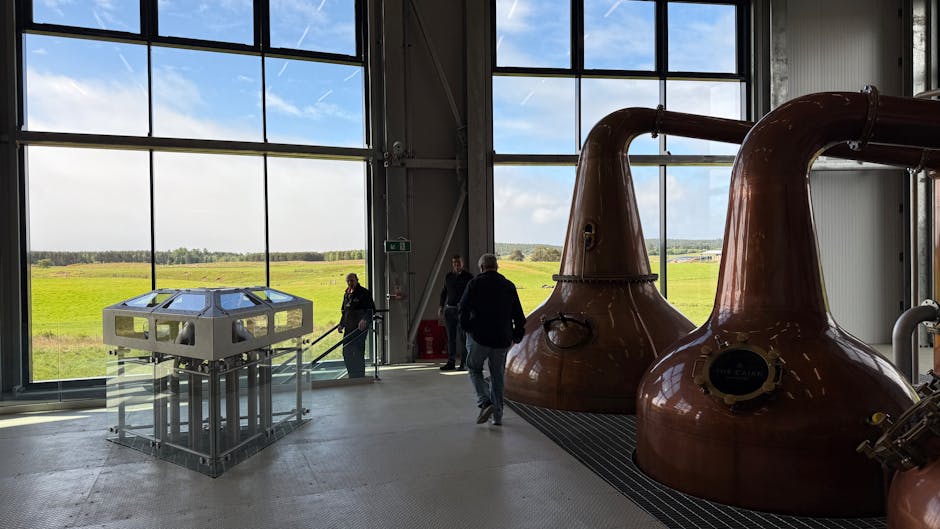
    Irish whiskey distillery copper pot stills Ireland countryside

    Why Irish Whiskey Is Having Its Biggest Moment Yet

    Irish whiskey is no longer just the underdog hiding in Scotch’s shadow. As of 2026, global Irish whiskey exports have surpassed €1.4 billion annually, with the U.S., France, and increasingly Southeast Asia driving demand. The category has grown at an average of 7–9% per year over the past decade — outpacing Scotch and Bourbon in several key markets. There are now over 50 active distilleries on the island of Ireland, compared to just two in the 1980s. That’s a renaissance, and it’s bringing exciting new styles, flavors, and producers to the table.

    But here’s the thing — Irish whiskey isn’t one monolithic style. It’s actually a beautifully diverse family of spirits united by geography, legal requirements, and a shared cultural soul. Let’s break it down properly.

    The Legal Backbone: What Makes Irish Whiskey “Irish”?

    Before diving into types, it helps to understand the rules. Under EU and Irish law, Irish whiskey must:

    • Be produced and aged on the island of Ireland (Republic of Ireland or Northern Ireland)
    • Be distilled from a mash of malted cereals, with or without whole unmalted cereals
    • Be aged in wooden casks for a minimum of 3 years
    • Have a minimum bottling strength of 40% ABV
    • Retain the color, aroma, and taste derived from the raw materials and production process

    These rules provide the guardrails, but within them, distillers have enormous creative latitude — which is exactly where things get interesting.

    The Four Main Types of Irish Whiskey

    1. Single Malt Irish Whiskey
    Made from 100% malted barley in a pot still at a single distillery. Sound familiar? Yes, the definition mirrors Scotch single malt — but the key difference is that Irish single malts are almost never peated. Instead of smoky campfire notes, expect lush stone fruit, honeysuckle, and creamy vanilla. Bushmills 10 Year Old and Teeling Single Malt are textbook examples. For beginners: this is one of the most approachable starting points because of its clean, fruit-forward profile.

    2. Single Pot Still Irish Whiskey
    This one is uniquely Irish — you literally cannot find this style anywhere else in the world. It’s made from a mash of both malted AND unmalted barley, distilled in a traditional copper pot still. The unmalted barley gives it a distinctively spicy, creamy, and oily texture that whiskey geeks describe as “pot still spice” — think green apple, cinnamon, nutmeg, and a rich, almost savory creaminess. Redbreast 12, Green Spot, and Powers John’s Lane are the standard-bearers here. If you want the most “authentically Irish” whiskey experience, this is it.

    3. Single Grain Irish Whiskey
    Produced from grains other than malted barley (typically corn or wheat) in a column still at a single distillery. Grain whiskeys are lighter and more neutral by nature — think gentle toffee, vanilla, and soft cereal notes. On their own, they’re pleasant and easy-drinking, but their real magic happens in the blending room. Teeling Single Grain and Glendalough Double Barrel are making grain whiskey stand on its own feet in 2026.

    4. Blended Irish Whiskey
    The category’s workhorse — and the most commercially dominant style globally. A blend combines two or more of the above types (typically single malt + grain whiskey, or pot still + grain). Master blenders craft these to achieve consistency, accessibility, and a specific flavor profile year after year. Jameson, Tullamore D.E.W., and Proper No. Twelve dominate bar shelves worldwide. Don’t dismiss blends as “lesser” — when done well, blending is genuinely a high craft.

    Irish whiskey glass comparison single malt pot still grain blended

    International & Craft Examples Worth Knowing in 2026

    The Irish whiskey landscape in 2026 looks radically different from even five years ago. Here’s a quick tour:

    • Redbreast 12 (Midleton Distillery) — Widely considered the gold standard of single pot still whiskey. Rich, complex, and deeply satisfying. It regularly tops global whiskey rankings.
    • Teeling Whiskey Co. (Dublin) — One of the first new distilleries to open in Dublin in over 125 years. Their small batch and single malt expressions are beloved by modernists and traditionalists alike.
    • Waterford Distillery — The philosophical provocateur of Irish whiskey. Founder Mark Reynier applies Burgundy wine’s terroir philosophy to whiskey — each release tracks the specific farm where the barley was grown. Controversial? Yes. Fascinating? Absolutely.
    • Dingle Distillery (Kerry) — Small-batch, pot still focused, and deeply regional. Their single malt batches sell out almost instantly each year.
    • Bushmills (Northern Ireland) — One of the world’s oldest licensed distilleries (1608). Their 16 and 21 Year Old expressions showcase what patient aging does to Irish single malt.
    • Glendalough (Wicklow) — An indie craft producer leaning into Irish botanicals and experimental cask finishes. Great entry point for gin crossover drinkers exploring whiskey.

    Flavor Profiles at a Glance: Where to Start?

    Here’s a practical framework if you’re figuring out where to begin:

    • If you like light & approachable: Start with a blended Irish whiskey like Jameson Original or Tullamore D.E.W. No rough edges, just smooth sipping.
    • If you like fruity & floral: Move toward a single malt like Teeling or Bushmills 10 Year Old.
    • If you like spice & complexity: Go straight to single pot still. Green Spot is an affordable but genuinely impressive entry point.
    • If you’re a whiskey adventurer: Explore experimental cask finishes — sherry casks, rum casks, wine casks. Redbreast Lustau (Sherry finish) is revelatory.
    • If you’re on a budget: Writers’ Tears or Method & Madness grain whiskey offer excellent quality-to-price ratios in 2026.

    Realistic Alternatives for Every Situation

    Not everyone can drop €80 on a bottle of Redbreast 21 — and honestly, you don’t need to. Here’s how to navigate Irish whiskey smartly:

    If you’re buying for a crowd or cocktails, a good blended whiskey is your best friend — economical, consistent, and crowd-pleasing in an Irish Coffee or Whiskey Sour. If you’re gifting to a whiskey enthusiast, a single pot still expression will always impress more than a fancy-labeled blend. And if you’re genuinely curious about terroir-driven craft spirits but find Waterford’s philosophical approach overwhelming, start with Dingle’s accessible single malt — it’s rooted in place without requiring a PhD to appreciate.

    For home bartenders: keeping both a blended Irish whiskey (for mixing) and a single pot still (for sipping) covers essentially every occasion without breaking the bank.


    Editor’s Comment: Irish whiskey in 2026 sits at a genuinely exciting crossroads — it has the heritage credibility of centuries-old tradition AND the innovation energy of a craft spirits boom happening in real time. What I love most about this category is that it rewards curiosity without demanding expertise. You don’t have to decode smoke levels or regional dialects of peat. Irish whiskey, at its best, just wants you to enjoy it. So pick up a bottle of Green Spot or Teeling Single Malt this week, pour it neat (or with just a tiny splash of water to open it up), and settle in. The island of Ireland has been perfecting this art for centuries — the least we can do is pay attention.

    태그: [‘Irish whiskey types’, ‘single pot still whiskey’, ‘Irish whiskey guide 2026’, ‘best Irish whiskey brands’, ‘Irish whiskey flavor profiles’, ‘single malt Irish whiskey’, ‘blended Irish whiskey’]


    📚 관련된 다른 글도 읽어 보세요

  • 아이리시 위스키 종류와 특징 완벽 정리 – 2026년 입문자를 위한 가이드

    몇 해 전, 더블린의 작은 펍에서 처음으로 제대로 된 아이리시 위스키를 마셨을 때의 기억이 아직도 선명해요. 스카치 위스키의 강렬한 피트 향에 익숙했던 터라 처음엔 ‘이게 위스키 맞아?’라는 생각까지 들 정도로 부드럽고 달콤했거든요. 그날 바텐더가 슬쩍 웃으며 건넨 한마디가 있었습니다. “아이리시는 먼저 당신을 환영하고, 그다음에 매혹시킵니다.

    태그: []


    📚 관련된 다른 글도 읽어 보세요

  • Bourbon Whiskey & the American South: A Deep Dive Into Culture, History, and Craft in 2026

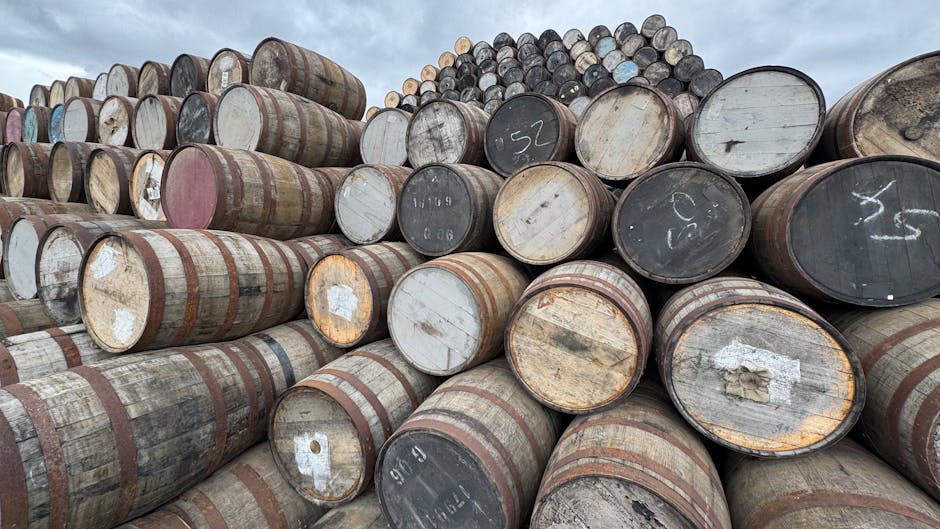
    Picture this: It’s a humid summer evening in Louisville, Kentucky. A weathered oak barrel sits in a rickhouse — a warehouse specifically built for aging whiskey — and inside it, amber liquid is slowly transforming. The wood breathes in the heat, expanding and contracting, coaxing flavor from charred oak into every drop. That process, repeated millions of times across the American South, is more than distillation. It’s identity.

    Bourbon whiskey isn’t just a drink — it’s a living, breathing artifact of Southern American culture. And in 2026, with craft distilleries booming and global demand soaring, there’s never been a better time to dig into where this spirit came from, what it means, and why it resonates so deeply with people around the world. Let’s explore it together.

    bourbon whiskey barrel aging rickhouse Kentucky distillery golden light

    What Exactly Makes a Bourbon a Bourbon?

    Before we go time-traveling through history, let’s get the basics straight — because bourbon has strict legal rules that set it apart from other whiskeys. Under U.S. federal law, a whiskey can only be called bourbon if it meets all of the following criteria:

    • Made in the USA — Bourbon can technically be produced anywhere in the country, but roughly 95% still comes from Kentucky.
    • Grain mash of at least 51% corn — Corn gives bourbon its signature sweetness. The remaining grain bill usually includes rye (for spice) or wheat (for softness), plus malted barley.
    • Distilled to no more than 160 proof (80% ABV) and entered into the barrel at no more than 125 proof (62.5% ABV).
    • Aged in new, charred oak containers — This is the big one. Unlike Scotch whisky, which can reuse barrels, bourbon demands virgin charred oak every time. This is what creates those deep vanilla, caramel, and toasted wood notes.
    • Bottled at a minimum of 80 proof (40% ABV).
    • No added coloring, flavoring, or spirits — What’s in the glass is purely what came from the grain and the barrel.

    Here’s the thing most people miss: there’s no minimum aging requirement for regular bourbon (though “Straight Bourbon” must be aged at least two years, and anything under four years must display an age statement). That means a technically legal bourbon could be bottled after a single day in the barrel — though you’d never want to drink it.

    Tracing the Roots: How Bourbon Was Born in the American South

    The origin story of bourbon is beautifully messy — exactly like the frontier culture that produced it. In the late 18th century, European settlers (primarily Scots-Irish and German immigrants) poured into the frontier lands of what is now Kentucky, then part of Virginia. They brought their distilling traditions with them, but they adapted to what the land offered.

    Corn was everywhere. The limestone-filtered water of Kentucky was unusually pure and iron-free — perfect for distilling. And the dense forests provided plenty of white oak for barrel-making. The conditions were almost suspiciously perfect for whiskey-making.

    The name “bourbon” itself is widely believed to derive from Bourbon County, Kentucky — named after the French royal House of Bourbon to honor France’s support during the American Revolution. Some historians point to Bourbon Street in New Orleans as the naming origin, arguing that barrels shipped down the Ohio and Mississippi Rivers were labeled with their port of origin. The debate continues in academic circles today, and honestly, the ambiguity is part of the charm.

    By the early 1800s, Kentucky whiskey was already being traded as currency on the frontier. Dr. James Crow — a Scottish-born physician who settled in Kentucky in the 1820s — is often credited with refining the sour mash process, a technique where a portion of previously fermented mash is added to new batches to ensure consistency and control acidity. This was a genuinely scientific innovation in an era when most distillers operated largely on intuition.

    Bourbon and the Soul of the American South

    To understand bourbon’s cultural weight, you have to understand the American South’s complicated and layered identity. The region has always been shaped by tension — between agrarian traditions and industrial ambition, between isolation and hospitality, between hardship and celebration. Bourbon sits right at the intersection of all of it.

    In the antebellum South, whiskey production was deeply tied to plantation agriculture — and here, we have to be honest about the fact that enslaved African Americans played a substantial, often uncredited role in the bourbon industry. Recent historical research, including the work being done at distilleries like Nearest Green Distillery in Tennessee (celebrating its history in 2026 with a new visitor center), has brought this reckoning to the forefront. Nathan “Nearest” Green, an enslaved man who taught Jack Daniel himself to distill, is perhaps the most famous example of erased Black contributions to American whiskey culture.

    After the Civil War and through Prohibition (1920–1933), bourbon’s story became one of resilience. The Volstead Act nearly killed the industry, but a handful of distilleries were granted permits to produce “medicinal whiskey” — a delightfully absurd legal carveout that kept places like Stitzel-Weller alive. When Prohibition ended, the survivors rebuilt an industry, and the post-WWII bourbon boom made it America’s spirit.

    vintage bourbon distillery American South history old bottles whiskey heritage

    The Modern Bourbon Renaissance: Data and Trends in 2026

    The numbers tell an exciting story. According to the Distilled Spirits Council of the United States (DISCUS), American whiskey exports surpassed $1.4 billion in 2025, with bourbon representing the lion’s share. The Kentucky Distillers’ Association reports that as of early 2026, Kentucky alone is home to over 100 distilleries — up from just 19 in 2009. That’s a more than five-fold increase in under two decades.

    What’s driving this? A few interconnected forces:

    • The craft movement: Consumers in 2026 want to know the story behind what they’re drinking. Small-batch and single-barrel offerings from distilleries like Wilderness Trail, Castle & Key, and Bardstown Bourbon Company have captured a premium market willing to pay $60–$200+ per bottle for provenance and craftsmanship.
    • Global demand: Japan, the UK, and increasingly South Korea and India have developed sophisticated bourbon cultures. Japanese whisky connoisseurs, already trained to appreciate nuanced barrel aging, have taken to high-rye bourbons with particular enthusiasm.
    • Tourism: The Kentucky Bourbon Trail now attracts over 2 million visitors annually. The trail functions almost like a wine route, with passport stamp programs encouraging people to visit dozens of distilleries across the state. It’s a significant economic engine — bourbon tourism contributed an estimated $2.5 billion to Kentucky’s economy in 2025.
    • The secondary market: Allocated bottles of Pappy Van Winkle, Buffalo Trace Antique Collection, and George T. Stagg regularly fetch 10–20x their retail price on secondary markets. This has created both excitement and frustration in the bourbon community.

    Regional Variations: It’s Not All Kentucky

    While Kentucky dominates, the bourbon landscape in 2026 is genuinely national. Texas distilleries like Garrison Brothers and Balcones have leveraged extreme heat cycles in their aging warehouses to accelerate maturation — producing intensely flavored bourbons in 3–4 years that might take 8–10 years in Kentucky’s milder climate. Colorado’s Stranahan’s (technically a Colorado whiskey, not bourbon) and Wyoming Whiskey show how terroir — the concept borrowed from wine about how geography shapes flavor — applies to American spirits too.

    Even New York, Indiana, and Colorado now have notable distilling scenes. Indiana, in particular, is an interesting case: MGP Ingredients (Midwest Grain Products) in Lawrenceburg is one of the largest bourbon producers in the country, supplying whiskey to dozens of brands that then bottle and label it as their own. This “sourced whiskey” practice is legal but has sparked considerable debate about authenticity and transparency in labeling.

    How to Actually Taste and Appreciate Bourbon (Without Pretension)

    Here’s where we make this practical. You don’t need to be a connoisseur to enjoy bourbon — and you absolutely don’t need to spend $100 a bottle. Here are some realistic entry points:

    • Start with a wheated bourbon: Brands like Maker’s Mark or Larceny use wheat as the secondary grain instead of rye, producing a softer, sweeter flavor profile. These are forgiving and approachable for newcomers.
    • Use a Glencairn glass: The tulip shape concentrates aromas and genuinely changes the experience compared to a rocks glass. They cost about $10–$15 each and are worth every penny.
    • Add a few drops of water: This is not cheating. A small amount of water (especially with higher-proof bourbons above 50% ABV) opens up aroma compounds and can reveal flavors that were hidden.
    • Nose before you sip: Hold the glass a few inches from your nose and breathe gently. Look for vanilla, caramel, oak, fruit, spice, and grain notes. Take your time — the first impression matters.
    • Try a flight at a reputable bar: Many craft cocktail bars in 2026 offer curated bourbon flights for $20–$35. This is an efficient way to compare styles (high-rye vs. wheated, young vs. aged, single barrel vs. small batch) without committing to full bottles.

    Realistic Alternatives for Every Type of Enthusiast

    Not everyone can or wants to spend big on allocated bottles, and that’s completely fine. Let’s think through this logically based on different situations:

    If you’re budget-conscious: Wild Turkey 101, Buffalo Trace (when you can find it at retail), and Evan Williams Single Barrel consistently over-deliver for their price points ($20–$35). These are not consolation prizes — they’re genuinely excellent whiskeys.

    If you’re bourbon-curious but not sure yet: Start with bourbon-based cocktails like an Old Fashioned or a Whiskey Sour before committing to neat sipping. Many people discover they love bourbon’s flavor in a cocktail context before they’re ready to appreciate it straight.

    If you’re interested in the history but not the alcohol: Visit the Oscar Getz Museum of Whiskey History in Bardstown, Kentucky, or explore the growing number of distillery tours that include non-alcoholic tasting options. The craftsmanship and heritage are genuinely fascinating regardless of whether you drink.

    If you’re outside the U.S.: Import availability varies significantly. In the UK, Master of Malt and The Whisky Exchange carry extensive bourbon selections. In Japan, dedicated whisky shops in Tokyo’s Nakameguro and Ginza neighborhoods often stock American bottles that are hard to find stateside. Online import communities have also grown significantly in 2026, though always check local regulations.

    Bourbon’s story is ultimately a story about transformation — of grain into spirit, of frontier hardship into cultural pride, of a regional tradition into a global phenomenon. Every bottle carries that history in its amber depths, whether it costs $25 or $250. The beauty of it is that the exploration never really ends.

    Editor’s Comment : What strikes me most about bourbon in 2026 is how it manages to be simultaneously democratic and aspirational. You can have a genuinely excellent experience for $30, or you can chase rare bottles for years. But the most meaningful bourbon moments I’ve encountered aren’t about price — they’re about the stories that get told around the glass. Whether you’re a seasoned enthusiast or someone who’s never thought twice about whiskey, the rabbit hole of bourbon history and culture is one worth tumbling into. Start simple, drink curiously, and let the story unfold.

    태그: [‘bourbon whiskey history’, ‘American South culture’, ‘Kentucky bourbon trail’, ‘craft distillery 2026’, ‘bourbon tasting guide’, ‘American whiskey heritage’, ‘bourbon culture and tradition’]


    📚 관련된 다른 글도 읽어 보세요

  • 버번 위스키 완전 정복: 미국 남부 문화와 역사 속 황금빛 술의 모든 것 (2026)

    켄터키주 바즈타운(Bardstown), 한 노인이 낡은 오크 배럴을 두드리며 말합니다. “이 나무 안에서 최소 2년은 기다려야 해. 서두르면 버번이 아니야.\

    태그: []


    📚 관련된 다른 글도 읽어 보세요

  • Bourbon vs. Single Malt Whisky: The Real Differences Every Drinker Should Know in 2026

    A few months ago, I was at a rooftop bar in Nashville when a friend leaned over and whispered, “Wait — is bourbon the same as Scotch?” She’d been sipping her Old Fashioned with total confidence up until that moment. I laughed, not because it was a silly question, but because so many people have exactly that confusion. And honestly? The whisky world doesn’t make it easy. Between the spelling (whisky vs. whiskey), the geography, the grain bills, and the aging rules, it can feel like you need a degree just to order a drink.

    So let’s slow down, pour something neat, and actually think through what separates bourbon whiskey from single malt whisky — not just in a textbook way, but in a way that changes how you taste, shop, and talk about them.

    bourbon whiskey barrel aging warehouse Kentucky

    🌽 What Actually Makes Bourbon… Bourbon?

    Bourbon is an American whiskey with a surprisingly strict legal definition. Under U.S. federal law, bourbon must meet all of the following criteria:

    • Made in the USA — Though most comes from Kentucky, it can technically be produced anywhere in the country.
    • Grain bill: at least 51% corn — This is the big one. Corn gives bourbon its characteristic sweetness and body.
    • Distilled to no more than 160 proof (80% ABV) — Higher distillation strips away too much flavor.
    • Aged in new, charred oak barrels — And here’s the kicker: the barrels can only be used once for bourbon. This is why those barrels get exported to Scotland afterward.
    • Entered into the barrel at no more than 125 proof (62.5% ABV)
    • Bottled at a minimum of 80 proof (40% ABV)
    • No added color, flavoring, or other spirits — What goes in is what comes out.

    There’s no minimum aging requirement for standard bourbon, but straight bourbon must be aged at least two years, and if aged less than four years, the age must be stated on the label. Think of brands like Buffalo Trace, Maker’s Mark, and Wild Turkey — all playing by these exact rules.

    🏴󠁧󠁢󠁳󠁣󠁴󠁿 And What Defines Single Malt Whisky?

    Single malt is most commonly associated with Scotch whisky, though Ireland, Japan, and even Taiwan now produce celebrated versions. The term “single malt” breaks down like this:

    • “Single” means it comes from a single distillery — not a blend of multiple distilleries’ spirits.
    • “Malt” means it’s made entirely from malted barley — barley that has been soaked in water, allowed to germinate, then kiln-dried.
    • Pot still distillation is used, which preserves more congeners (flavor compounds) than column distillation.
    • For Scotch specifically, it must be aged a minimum of 3 years in oak casks in Scotland — most reputable expressions are aged 10, 12, 15, or 18+ years.
    • The oak casks used are typically ex-bourbon barrels (yes, those once-used barrels from Kentucky!) or ex-sherry casks from Spain.

    The result? A spirit that’s deeply influenced by its regional terroir, distillery character, and cask provenance. A 12-year Glenfiddich from Speyside tastes nothing like a 10-year Laphroaig from Islay — yet both are single malts.

    📊 Side-by-Side: The Core Differences at a Glance

    Let’s put the two head-to-head on the variables that matter most for flavor and experience:

    • Primary grain: Bourbon = corn (≥51%); Single Malt = 100% malted barley
    • Country of origin: Bourbon = USA; Single Malt = Scotland (most famous), Japan, Ireland, etc.
    • Cask type: Bourbon = new charred American oak; Single Malt = typically used casks (ex-bourbon, ex-sherry)
    • Flavor profile: Bourbon = sweeter, vanilla, caramel, oak; Single Malt = more complex, ranging from fruity and floral to smoky and peaty
    • Spelling: American and Irish producers use “whiskey” (with an ‘e’); Scotch and Japanese use “whisky” (without)
    • Price range in 2026: Entry-level bourbon starts around $25–$35; entry-level single malt Scotch typically $40–$60
    single malt scotch whisky glass tasting flight comparison

    🌍 Real-World Examples Worth Knowing

    Let’s ground this in actual bottles you might encounter:

    Bourbon side: Four Roses Single Barrel (Kentucky) is a fantastic gateway — high rye content gives it spice on top of that classic corn sweetness. Blanton’s Original, though increasingly hard to find, remains the gold standard conversation piece. For something accessible in 2026, Elijah Craig Small Batch offers tremendous value at around $30.

    Single Malt side: Glenfiddich 12 (Speyside, Scotland) is practically the “Hello, World” of single malts — approachable, fruity, and widely available. For peat lovers, Ardbeg 10 from Islay is a smoky masterclass. On the Asian front, Nikka From The Barrel (Japan) has been turning heads globally as Japanese whisky continues its 2026 surge in popularity. Taiwan’s Kavalan Solist series has also won multiple international awards, proving this category has gone truly global.

    🤔 So Which One Should YOU Start With?

    This is where I want to think through your situation rather than just give a blanket recommendation. Here’s a loose decision framework:

    • If you like sweeter, dessert-adjacent drinks (think vanilla lattes, caramel, brown sugar) → Start with bourbon. Something like Maker’s Mark or Buffalo Trace won’t overwhelm you.
    • If you’re curious about complexity and regional variation → Single malt is your rabbit hole. Start with a Speyside (like Glenlivet 12) before going peaty.
    • If budget is a concern → Bourbon gives you more bang for your buck at the entry level in 2026’s market.
    • If you want to impress at a dinner party → Bring a Japanese single malt. It’s a guaranteed conversation starter right now.
    • If you’re mixing cocktails → Bourbon wins easily. Its sweetness and robustness hold up beautifully in an Old Fashioned or Manhattan.

    💡 Realistic Alternatives If Neither Feels Right Yet

    Not everyone falls in love with either style immediately — and that’s perfectly fine. Here are some bridge options worth exploring:

    • Irish Whiskey (like Jameson or Redbreast 12) — typically triple-distilled, smoother, and approachable. A great middle ground.
    • Blended Scotch (like Monkey Shoulder or Johnnie Walker Black) — more affordable, less intimidating, and still introduces you to malt character.
    • Tennessee Whiskey (like Jack Daniel’s) — technically not bourbon due to the Lincoln County Process (charcoal filtering), but very close in style and palate-friendly.
    • American Single Malt — yes, this is a growing category! Distilleries like Westland (Washington State) are producing 100% malted barley American whiskies that bridge both worlds beautifully.

    The whisky world in 2026 is more exciting and accessible than ever. Craft distilleries are experimenting with heritage grains, alternative cask finishes, and cross-cultural production methods that blur the traditional lines between these categories. The “rules” are worth knowing — but they’re also just the starting point for a much more interesting conversation.

    Whatever you pour next, I hope you taste it a little differently now.

    Editor’s Comment : Don’t let whisky snobbery intimidate you into a corner. Whether you reach for a $28 bourbon or a $65 single malt, the goal is always the same — to find something that genuinely delights your palate. Start curious, taste widely, and never feel bad about liking what you like. The best whisky is always the one in your glass.

    태그: [‘bourbon vs single malt’, ‘bourbon whiskey guide’, ‘single malt scotch whisky’, ‘whiskey types explained’, ‘best whisky for beginners 2026’, ‘bourbon vs scotch differences’, ‘whisky tasting guide’]


    📚 관련된 다른 글도 읽어 보세요

  • 버번 위스키 vs 싱글몰트 위스키 차이점 완벽 정리 | 2026년 위스키 입문 가이드

    얼마 전 지인의 홈 바 초대를 받아 자리에 앉았는데, 테이블 위에 버번 위스키 한 병과 스카치 싱글몰트 한 병이 나란히 놓여 있었어요. 주인장이 “어떤 걸로 드릴까요?” 하고 묻는 순간, 저는 잠시 머뭇거렸습니다. ‘버번이 더 달달하다고 들었는데… 싱글몰트는 뭔가 고급스럽다던데…’ 사실 위스키를 제법 마셔온 사람도 이 두 카테고리를 정확히 구분하지 못하는 경우가 꽤 많은 것 같아요. 오늘은 그 헷갈리는 지점을 함께 파헤쳐 보겠습니다.

    bourbon whiskey vs single malt scotch whisky bottles comparison

    1. 가장 근본적인 차이 — 원료와 법적 정의

    두 위스키의 차이는 단순히 ‘맛’이 아니라 법적으로 규정된 생산 기준에서 출발합니다.

    버번 위스키(Bourbon Whiskey)는 미국 연방법(27 CFR Part 5)에 따라 다음 조건을 충족해야 합니다:

    • 원료(매시빌, Mash Bill) 중 옥수수 비율이 최소 51% 이상이어야 함 (실제 주요 브랜드 평균은 65~78%)
    • 반드시 미국산 새 오크통(New Charred Oak Container)에서 숙성
    • 증류 원액의 알코올 도수는 160 proof(80 ABV) 이하
    • 오크통 입통 시 125 proof(62.5 ABV) 이하
    • 별도의 최소 숙성 기간 규정은 없으나, ‘Straight Bourbon’을 표방하려면 최소 2년 숙성 필요

    싱글몰트 스카치 위스키(Single Malt Scotch Whisky)는 스코틀랜드 위스키 협회(SWA) 규정에 따라:

    • 원료는 오직 물, 효모, 맥아 보리(Malted Barley)만 사용
    • ‘싱글’은 단일 증류소에서 생산됨을 의미 (여러 빈티지 혼합 가능)
    • 반드시 스코틀랜드 내 오크통에서 숙성
    • 최소 숙성 기간 3년 이상 (실제 시장 주류는 12년, 15년, 18년)
    • 병입 시 최소 알코올 도수 40 ABV 이상

    여기서 핵심은 버번은 옥수수 기반의 그레인 위스키이고, 싱글몰트는 맥아 보리만 사용하는 몰트 위스키라는 점이라고 봅니다. 원료 자체가 다르기 때문에 풍미 프로파일이 근본적으로 달라질 수밖에 없어요.

    2. 숙성 방식과 풍미의 차이 — 오크통이 만드는 세계

    버번의 가장 독특한 특성 중 하나는 반드시 새 오크통을 사용해야 한다는 규정입니다. 한 번만 쓰고 버리는 이 오크통들, 어디로 갈까요? 바로 스카치 위스키 생산자들에게 팔립니다. 실제로 스코틀랜드 싱글몰트 브랜드의 상당수가 이 ‘익스-버번 캐스크(Ex-Bourbon Cask)’를 1차 숙성에 활용하는 것으로 알려져 있어요. 글렌피딕(Glenfiddich), 글렌리벳(The Glenlivet) 같은 브랜드가 대표적인 사례입니다.

    이 연결고리 때문에 두 위스키는 미묘하게 닮아 있으면서도 또 전혀 다른 방향으로 발전합니다.

    • 버번의 풍미: 바닐라, 카라멜, 오크, 옥수수 특유의 달콤함, 때로는 민트나 체리 계열의 향 → 새 오크통의 강한 타닌과 당분이 스며드는 구조
    • 싱글몰트의 풍미: 지역(Speyside, Islay, Highlands 등)과 오크통 종류에 따라 천차만별. 꽃향기, 훈연(피트), 바다향, 과일, 셰리, 견과류 등 훨씬 넓은 스펙트럼

    숙성 기간 면에서도 차이가 있어요. 버번은 켄터키의 극단적인 기후(여름 40°C 이상, 겨울 영하권)로 인해 오크통과 원액의 팽창·수축이 빠르게 일어나 4~8년으로도 충분한 숙성감을 얻는 경우가 많습니다. 반면 스코틀랜드의 서늘하고 습한 기후는 숙성이 느리고 섬세하게 진행되어 12년 이상의 장기 숙성이 일반적이라고 봅니다.

    whiskey aging barrels oak casks distillery warehouse

    3. 국내외 소비 트렌드 — 2026년 위스키 시장의 풍경

    2026년 현재 글로벌 위스키 시장은 흥미로운 양상을 보이고 있어요. 미국 증류주 협회(DISCUS) 자료에 따르면 버번 및 아메리칸 위스키는 프리미엄 라인 중심으로 수출이 꾸준히 성장세를 유지하고 있으며, 특히 아시아 시장에서의 인지도가 빠르게 높아지고 있습니다. 와일드 터키(Wild Turkey), 메이커스 마크(Maker’s Mark), 블랑톤(Blanton’s) 같은 브랜드들이 국내 바에서도 어렵지 않게 눈에 띄죠.

    국내 시장에서는 2020년대 초반부터 이어진 ‘홈술·혼술’ 트렌드와 하이볼 열풍이 위스키 입문 장벽을 크게 낮췄습니다. 싱글몰트 진영에서는 발베니(Balvenie), 맥캘란(The Macallan), 라프로익(Laphroaig) 등 개성이 강한 브랜드들이 위스키 애호가 커뮤니티를 중심으로 확고한 팬덤을 형성하고 있어요. 특히 국내 편의점과 대형마트에서도 싱글몰트를 취급하기 시작하면서, 진입 장벽이 낮아진 것이 인상적인 변화라고 봅니다.

    4. 가격대와 접근성 — 입문자라면 어디서 시작할까?

    현실적인 부분도 짚어볼게요. 일반적으로 버번은 같은 품질 대비 싱글몰트보다 가격 효율이 높은 편입니다. 예를 들어 국내 시장 기준으로 짐빔(Jim Beam) 화이트 레이블은 2만 원대 초반, 메이커스 마크는 4~5만 원대에서 구매 가능한 경우가 많아요. 반면 입문용 싱글몰트인 글렌피딕 12년은 6~7만 원대, 맥캘란 12년 더블 캐스크는 10만 원 내외인 것을 감안하면 꽤 차이가 납니다.

    • 버번 추천 입문 라인업: 버팔로 트레이스(Buffalo Trace), 메이커스 마크(Maker’s Mark), 에반 윌리엄스(Evan Williams) 블랙 라벨
    • 싱글몰트 추천 입문 라인업: 글렌피딕 12년, 글렌리벳 12년, 발베니 더블우드 12년 (버번 캐스크 → 셰리 캐스크 피니싱 구조라 두 세계를 잇는 경험 가능)

    에디터 코멘트 : 버번과 싱글몰트 중 어느 쪽이 ‘더 좋다’는 건 사실 없는 것 같아요. 달콤하고 친근한 첫인상을 원한다면 버번, 지역과 생산자의 개성이 담긴 복잡한 풍미를 탐험하고 싶다면 싱글몰트가 더 맞는 선택일 수 있습니다. 개인적으로는 버번으로 위스키의 문을 두드리고, 익스-버번 캐스크 숙성 싱글몰트로 자연스럽게 이어지는 루트가 가장 부드러운 입문 코스라고 봐요. 어느 쪽이든, 서두르지 않고 한 모금씩 천천히 탐색하는 과정 자체가 위스키의 진짜 즐거움이 아닐까 싶습니다. 🥃

    태그: [‘버번위스키’, ‘싱글몰트’, ‘위스키차이점’, ‘위스키입문’, ‘버번vs싱글몰트’, ‘스카치위스키’, ‘위스키추천2026’]


    📚 관련된 다른 글도 읽어 보세요