Blog

  • Whisky for Beginners: The Ultimate Starter Guide You Actually Need in 2026

    A few years back, a friend of mine — let’s call him Marcus — walked into a whisky bar, pointed confidently at the menu, and ordered something called a “peated Islay single malt.” He had no idea what he was getting into. One sip later, his face contorted like he’d accidentally licked a campfire-soaked leather boot. “That’s not whisky,” he insisted. “That’s a punishment.”

    Here’s the thing — Marcus wasn’t wrong to try it. He was just missing the roadmap. And that’s exactly what we’re building together today. Whether you’ve never touched whisky or you’ve been circling the category cautiously for a while, this 2026 guide is designed to walk you from curious outsider to genuinely confident beginner — without the snobbery that so often surrounds this world.

    Let’s dig in.
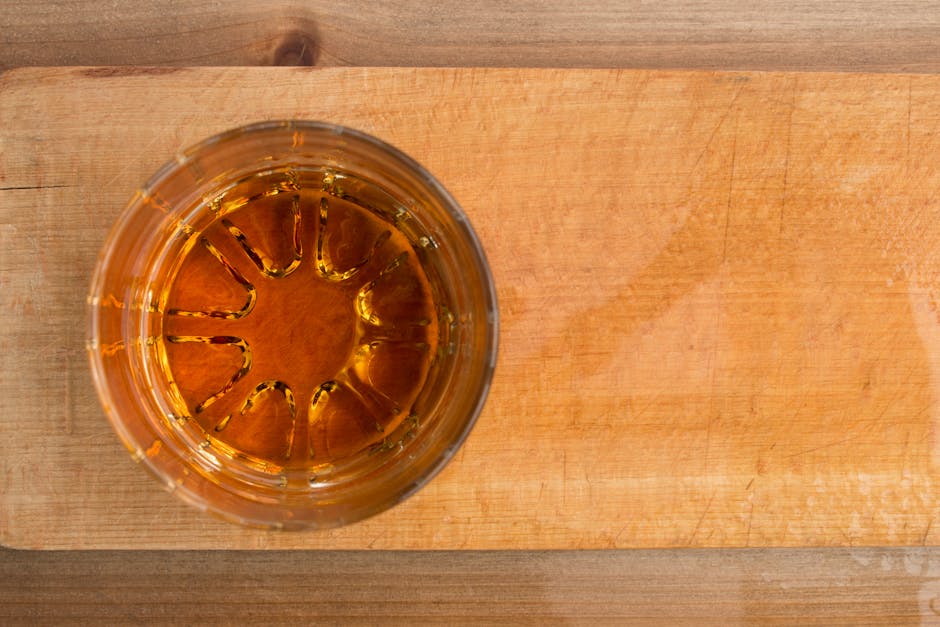
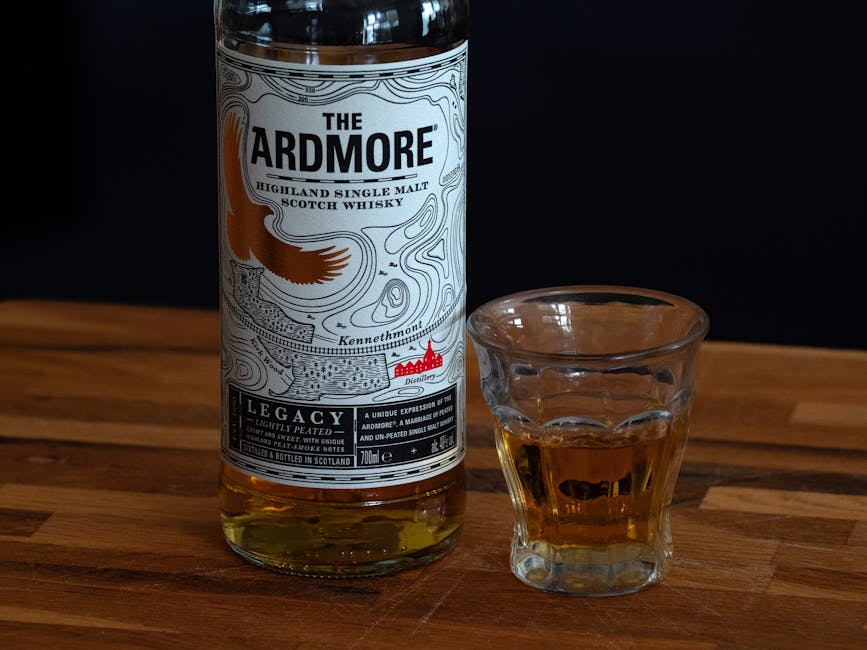
    whisky glass amber liquid wooden barrel beginner tasting

    Why Whisky? Understanding What’s Actually in Your Glass

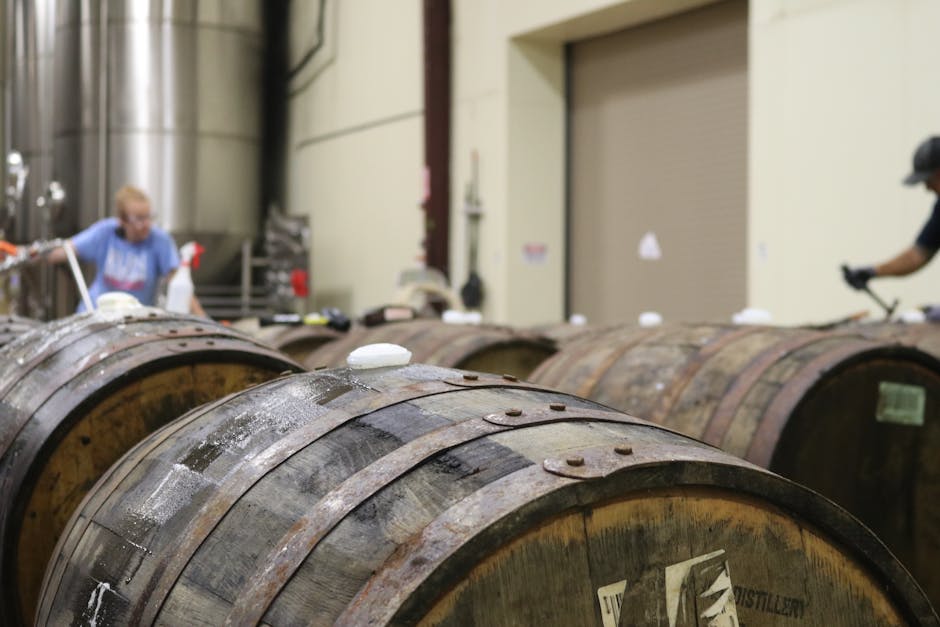
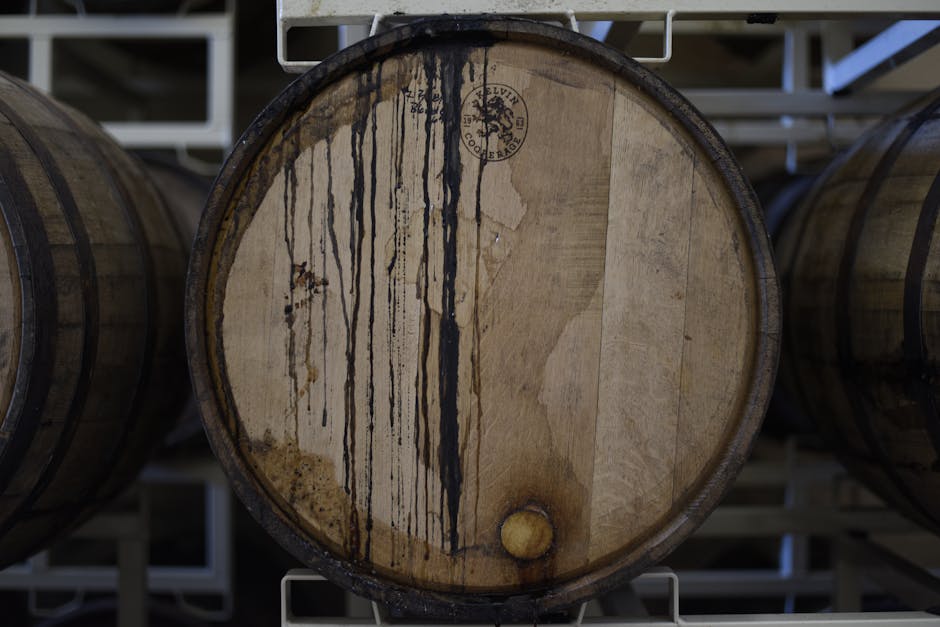
    Whisky (or “whiskey” if it’s Irish or American — yes, the spelling differs by region) is a distilled spirit made from fermented grain mash. Grains like barley, corn, rye, or wheat are fermented, distilled, and then aged in wooden casks — usually oak. That aging process is where most of the magic happens. The spirit interacts with the wood over years, sometimes decades, picking up color, tannins, vanilla notes, and layers of complexity that raw spirit simply doesn’t have.

    In 2026, the global whisky market is valued at over $95 billion USD, with demand surging particularly across Asia-Pacific markets, the United States, and increasingly, Africa. That’s not just a trend — it’s a cultural shift. People want to understand what they’re drinking, not just consume it. And that curiosity is the perfect starting point.

    The Major Whisky Styles: Your First Real Map

    Here’s where beginners often get overwhelmed — there are so many styles. But let’s simplify this logically. Think of whisky styles as flavor neighborhoods. Some are smoky and bold, others are sweet and approachable. Here’s a breakdown:

    • Scotch Whisky: Made in Scotland, aged at least 3 years in oak casks. Subcategories include Single Malt (one distillery, malted barley), Blended Scotch (multiple distilleries blended together), and regional expressions like the smoky Islays or the fruity Speysides. Brands like Glenfiddich, Laphroaig, and The Macallan live here.
    • Irish Whiskey: Generally triple-distilled, making it notably smoother and lighter. It’s a fantastic entry point for newcomers. Jameson and Redbreast are classics worth knowing.
    • American Bourbon: Made primarily from corn (at least 51%), aged in new charred oak barrels — which gives it that distinctive sweetness and vanilla warmth. Think Maker’s Mark, Buffalo Trace, or Woodford Reserve.
    • Japanese Whisky: Heavily influenced by Scotch tradition but refined with Japanese precision. Brands like Suntory’s Hibiki and Nikka’s From the Barrel have earned global acclaim. Expect balanced, elegant profiles.
    • Rye Whiskey: Made primarily from rye grain. Spicier and drier than bourbon. It’s had a major resurgence since the mid-2010s, and in 2026, craft rye distilleries are booming across Canada and the U.S.
    • World Whisky: A catch-all for everything outside the above — including increasingly impressive bottles from India (Amrut, Paul John), Taiwan (Kavalan), and Australia (Starward).

    How to Actually Taste Whisky (Without Feeling Silly)

    Here’s something most guides skip over: there’s no wrong way to enjoy whisky — but there IS a smarter way to explore it, especially as a beginner. Let’s think through this step by step.

    Glassware matters more than you’d think. A tulip-shaped glass (like the Glencairn) concentrates the aromas toward your nose. Avoid wide-mouthed rocks glasses for serious tasting — those are great for a relaxed evening, not for learning a spirit’s nuances.

    Add a few drops of water. This isn’t weakness — it’s chemistry. A tiny splash of still water (around 3-5 drops) opens up aromatic compounds in cask-strength or high-ABV whiskies, revealing layers that alcohol intensity would otherwise mask. Even the late master blender Richard Paterson advocated for this. In 2026, this technique is now standard practice at whisky education events worldwide.

    Engage all three phases:

    • Nose: Swirl gently, hover your nose just above the rim, mouth slightly open. What do you smell? Fruit? Wood? Vanilla? Smoke? There are no wrong answers.
    • Palate: Take a small sip, let it coat your tongue. Where do you feel it — front, middle, back? What flavors emerge? Let it breathe in your mouth for 5-10 seconds.
    • Finish: The sensation after you swallow. Does it linger? Is it warm? Dry? Spicy? A long, complex finish is often the mark of a quality dram.

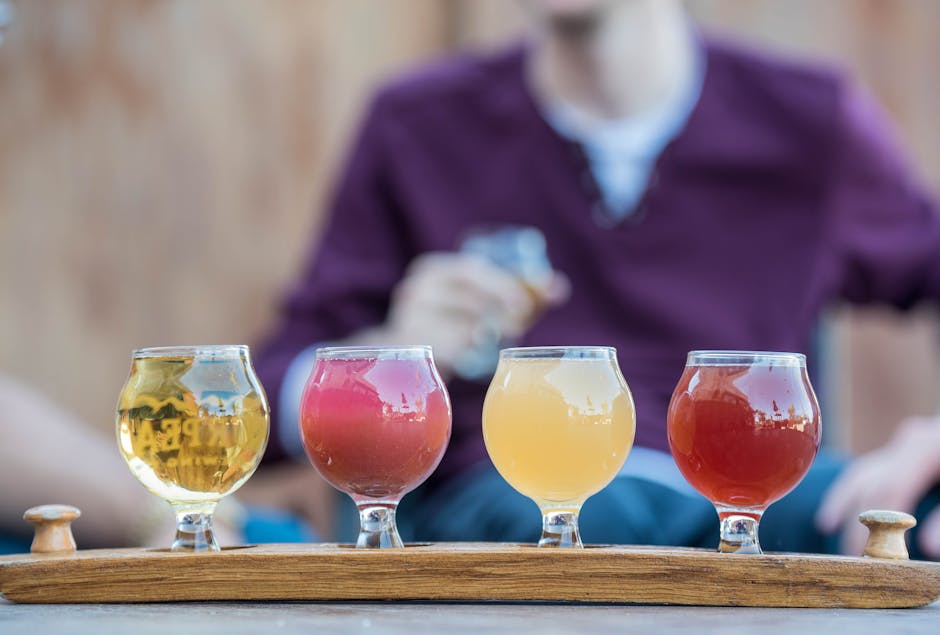
    whisky tasting flight glencairn glasses overhead view notes journal

    Real-World Starting Points: What to Actually Buy in 2026

    Let’s get practical. Based on flavor profile and price-to-quality ratio, here are logically sound starting recommendations for 2026:

    • For the smoothness seeker: Jameson Irish Whiskey or Nikka Coffey Grain — both approachable, no harsh edges, great for neat or on the rocks.
    • For the sweet tooth: Buffalo Trace Bourbon or Maker’s Mark — corn-forward sweetness, vanilla, caramel. Easy to love immediately.
    • For the adventurous beginner: Kavalan Concertmaster (Taiwan) — fruity, approachable complexity from port cask finishing. It wins awards for a reason.
    • For the budget-conscious: Monkey Shoulder (Blended Scotch) — approachable, versatile, under $35 in most U.S. markets in 2026, and genuinely enjoyable neat or in cocktails.
    • For those who want to go deeper: GlenDronach 12 Year — sherry cask matured Scotch that introduces you to rich dried fruit and chocolate notes without the smoke intimidation factor.

    The Peated Whisky Problem (And How to Approach It Smartly)

    Remember Marcus? He jumped straight into peated Islay Scotch — something like Laphroaig or Ardbeg — without preparation. These are incredible whiskies, but their intense smoke and medicinal character (think iodine, seaweed, bonfire) is genuinely polarizing. The logical approach isn’t to avoid them forever, but to work toward them gradually.

    Try this progression: Start with a lightly peated option like Bowmore 12 or Highland Park 12, where smoke is present but balanced with sweetness. Once you appreciate that interplay, Ardbeg 10 becomes thrilling rather than shocking. The key insight here is that your palate is trainable — and the journey of training it is genuinely fun.

    Building a Whisky Vocabulary (So You Sound Like You Know What You’re Doing)

    A quick glossary for navigating menus, bottles, and conversations without feeling lost:

    • ABV (Alcohol by Volume): Standard whisky sits at 40-46% ABV. Cask strength bottles can reach 55-65%+.
    • Age Statement: The number on the bottle (e.g., “12 Year”) refers to the youngest whisky in the bottle — not the average age.
    • NAS (No Age Statement): Not necessarily inferior — many award-winning whiskies have no age statement. Judge by taste, not age.
    • Cask Finish: When whisky is moved into a second barrel (sherry, port, wine, rum casks) for additional maturation, adding extra flavor layers.
    • Dram: A serving of whisky. Use this word confidently.
    • Neat: Whisky served at room temperature with nothing added — no ice, no water.
    • On the Rocks: Served over ice. Note that ice significantly mutes aromas and flavors, especially in complex bottles.

    Realistic Alternatives If Whisky Still Feels Overwhelming

    Not every palate takes to whisky immediately — and that’s completely okay. Here’s how to think about alternatives that can actually build the bridge:

    If you love wine already, start with sherry cask-aged Scotch or port-finished Irish whiskey, since those flavor profiles will feel familiar. If you’re a cocktail person, bourbon-based drinks like the Old Fashioned or Whiskey Sour are excellent entry points — the sweetness and dilution make the spirit approachable before you try it neat. If gin or rum is your comfort zone, Japanese whisky’s delicate, clean profile may feel more welcoming than heavy, oaky American bourbons.

    The point is: there’s a whisky — or a whisky-adjacent pathway — for nearly every flavor preference. It’s about logical sequencing, not forcing yourself into an experience you’re not ready for.

    The whisky world in 2026 is more diverse, more inclusive, and more accessible than it’s ever been. There are masterclasses happening in Seoul and Nairobi, online whisky communities with thousands of active members, and distilleries in places no one expected — like Vietnam and South Africa — producing remarkable spirits. The barriers to entry have never been lower. The only thing left is your curiosity.

    Start with one bottle. Take notes — even just on your phone. Share it with someone. And trust that your palate will grow naturally from there.

    Editor’s Comment : The whisky world can feel gatekept — but it genuinely isn’t, not anymore. The best advice I can give any beginner in 2026 is this: buy one approachable bottle, open it with an open mind (and maybe open notes app), and resist the urge to compare yourself to seasoned drinkers. Your journey is your own, and honestly, the early discoveries are some of the most exciting ones you’ll ever have with this spirit. Cheers — or as the Scots say, slàinte mhath.

    태그: [‘whisky for beginners’, ‘whisky guide 2026’, ‘how to taste whisky’, ‘best beginner whisky’, ‘scotch vs bourbon’, ‘whisky types explained’, ‘whisky tasting tips’]
    📚 관련된 다른 글도 읽어 보세요

  • 초보자를 위한 위스키 입문 가이드 2026 — 어디서부터 시작해야 할까?

    초보자를 위한 위스키 입문 가이드 2026 — 어디서부터 시작해야 할까?

    얼마 전, 회사 동료가 “위스키 한번 마셔보고 싶은데, 뭘 사야 할지 모르겠어”라는 말을 꺼냈습니다. 편의점 앞에서 두 손 가득 맥주캔을 들고 말이죠. 그 눈빛이 꼭 수백 개의 라벨이 가득한 위스키 전문 바에 혼자 던져진 것 같은 막막함이었어요. 사실 위스키 입문은 많은 분들이 비슷하게 느끼는 관문인 것 같아요. 종류는 왜 이렇게 많은지, 가격은 왜 천차만별인지, ‘피트(Peat)’는 또 뭔지… 오늘은 그 막막함을 함께 풀어보려고 합니다.

    whisky bottles bar beginner guide amber glass


    📌 위스키, 도대체 얼마나 복잡한 세계일까?

    1. 숫자로 보는 위스키 시장 — 2026년 현재

    먼저 위스키가 얼마나 대중화되고 있는지 짚어볼게요. 국제주류연구기관(IWSR) 최근 자료에 따르면 아시아 태평양 지역의 프리미엄 위스키 소비량은 2022년 대비 2026년 기준으로 약 38% 이상 성장한 것으로 추정됩니다. 특히 한국 시장은 싱글몰트 위스키 수입량이 꾸준히 증가하고 있으며, 20~30대 입문자 비중이 전체 소비층의 약 42%를 차지할 정도로 젊어지고 있는 추세입니다.

    이런 흐름이 의미하는 건 간단해요. 위스키는 더 이상 “중년 남성의 취미”가 아니라는 것입니다. 접근 방식만 잘 잡으면, 누구든 즐길 수 있는 술이 된 거라고 봅니다.

    2. 위스키의 주요 카테고리 — 이것만 알면 절반은 성공

    위스키의 세계는 크게 생산 지역과 원료에 따라 나뉩니다. 초보자가 꼭 알아야 할 5가지 카테고리를 정리해 드릴게요.

    • 스카치 위스키 (Scotch Whisky) — 스코틀랜드에서 생산. 몰트(보리)와 그레인(옥수수 등)으로 나뉘며, 최소 3년 숙성이 법적으로 의무화되어 있어요. “싱글몰트”는 단일 증류소에서 몰트보리만 사용해 만든 제품입니다.
    • 아이리시 위스키 (Irish Whiskey) — 아일랜드 산. 일반적으로 3회 증류로 부드러운 편이라 입문자에게 추천하는 카테고리입니다.
    • 버번 위스키 (Bourbon Whiskey) — 미국산. 옥수수 함량이 51% 이상이어야 하며, 새 오크통에서 숙성하는 게 특징이에요. 달콤하고 바닐라 향이 강해서 초보자에게도 친숙하게 다가옵니다.
    • 재패니즈 위스키 (Japanese Whisky) — 스카치 방식을 기반으로 일본만의 섬세함을 더한 스타일. 2026년 현재도 희귀성으로 인해 가격이 상당히 높은 편이에요.
    • 한국 위스키 (Korean Whisky) — 최근 국내 증류소들이 성장하면서 주목받고 있는 카테고리. 쓰리소사이어티스, 기원증류소 등이 국제 무대에서 수상 실적을 쌓고 있습니다.

    🌍 국내외 입문자 사례 — 어떻게 시작했을까?

    3. 영국 입문자가 먼저 간 길

    스코틀랜드 현지의 위스키 투어 프로그램 “Scotch Whisky Experience”는 매년 수십만 명의 관광객을 유치하는데, 재미있는 통계가 있어요. 방문자의 약 67%가 위스키를 “거의 마셔본 적 없는” 입문자라고 답했습니다. 그들이 가장 먼저 배우는 건 테이스팅 노트(Tasting Note)를 억지로 외우는 게 아니라, “내가 좋아하는 향이 무엇인지”를 파악하는 것이에요. 과일향, 꽃향, 훈연향(스모키), 달콤함 중 본인의 취향을 먼저 찾는 방식이라고 봅니다.

    4. 국내 위스키 바 문화의 변화

    서울 이태원, 성수동, 한남동을 중심으로 2026년 현재 “싱글몰트 위스키 바”의 수는 2022년 대비 약 두 배 이상 늘었다는 게 업계 관계자들의 공통된 이야기입니다. 흥미로운 건 이 바들이 “하프샷(30ml)” 서비스를 적극적으로 도입했다는 점이에요. 한 잔에 3만~5만 원을 선뜻 내기 어려운 입문자들이 15,000원~20,000원 정도의 소액으로 다양한 위스키를 경험할 수 있게 된 거죠. 실제로 성수동의 한 위스키 바 운영자는 “하프샷 도입 이후 2030 신규 고객이 40% 이상 늘었다”고 전하기도 했습니다.

    whisky tasting glass flight sampler wooden board


    🥃 입문자를 위한 현실적인 위스키 선택 팁

    5. 처음 고르는 위스키, 이렇게 접근해 보세요

    “좋은 위스키”는 비싼 위스키가 아니라 내 취향에 맞는 위스키라고 봅니다. 입문자라면 아래 순서대로 접근하는 게 현실적이에요.

    • Step 1. 스모키함에 대한 취향 파악: 스모키(피트향)한 위스키가 맞는지 아닌지부터 확인하세요. 아드벡(Ardbeg), 라프로익(Laphroaig) 같은 아일라(Islay) 위스키는 호불호가 극명히 갈려요.
    • Step 2. 부드러운 것부터 시작: 아이리시 위스키(예: 제임슨 Jameson)나 버번(예: 메이커스 마크 Maker’s Mark)은 입문자 친화적입니다.
    • Step 3. 싱글몰트 도전: 글렌피딕(Glenfiddich) 12년, 더 글렌리벳(The Glenlivet) 12년 등 가성비 좋은 입문용 싱글몰트로 넘어가 보세요.
    • Step 4. 물이나 얼음 활용: 위스키에 몇 방울의 물을 첨가하면(“워터 드롭” 기법) 향이 활짝 열립니다. 부담스럽다면 하이볼(위스키+탄산수)로 시작하는 것도 훌륭한 방법이에요.
    • Step 5. 테이스팅 노트 억지로 맞추지 않기: “바닐라향”이 안 느껴진다고 실망하지 마세요. 테이스팅은 훈련이 필요한 감각이고, 즐기는 것이 우선입니다.

    💡 결론 — 완벽한 시작보다 즐거운 첫 모금이 먼저입니다

    위스키 입문에서 가장 흔히 범하는 실수는 “제대로 알고 마셔야 한다”는 강박인 것 같아요. 수십 년의 숙성 연수와 증류 방식을 전부 꿰어야 진짜 위스키 애호가가 되는 게 아닙니다. 취향을 조금씩 발견하고, 맛있다고 느끼는 순간이 쌓이면서 자연스럽게 지식도 따라오는 여정이라고 봅니다.

    2026년 현재, 다양한 위스키 바, 소용량 샘플 구매 서비스, 위스키 클래스까지 진입 장벽이 그 어느 때보다 낮아진 상황입니다. 지금이 오히려 가장 좋은 입문 시점일 수 있어요.

    에디터 코멘트 : 처음엔 꼭 5만 원짜리 싱글몰트를 살 필요 없어요. 동네 위스키 바에서 하프샷 두어 잔으로 시작하거나, 편의점에서 구할 수 있는 메이커스 마크 미니어처로 조용히 탐색해 보는 것도 충분히 좋은 출발선입니다. 중요한 건 ‘나에게 맞는 한 잔’을 찾아가는 과정 자체가 즐거움이라는 것. 그 여정을 너무 서두르지 않으셨으면 해요. 🥃

    태그: [‘위스키입문’, ‘위스키추천2026’, ‘싱글몰트위스키’, ‘버번위스키’, ‘위스키종류’, ‘위스키하이볼’, ‘주류입문가이드’]


    📚 관련된 다른 글도 읽어 보세요

  • Japan vs. Scotland vs. Korea: A Deep Dive Into Traditional Distilled Spirit Cultures in 2026

    A few years ago, I found myself sitting in a quiet izakaya in Kyoto, nursing a small ceramic cup of aged shochu that the owner had been keeping behind the counter for a decade. He didn’t offer it on the menu — it was simply something he shared with guests he felt deserved it. That moment crystallized something for me: distilled spirits aren’t just beverages. They’re living archives of a culture’s relationship with land, time, and community.

    Fast-forward to 2026, and the global conversation around traditional distilled spirits has never been more dynamic. Japan’s whisky scene continues to command record auction prices. Scotch whisky exports are navigating post-Brexit trade reshuffles. And Korea’s soju and makgeolli-adjacent craft distilling movement is quietly becoming one of the most exciting stories in the spirits world. So let’s think through all three — not just as products, but as entire cultural ecosystems.

    traditional distilled spirits Japan Scotland Korea ceramic bottles barrels

    The Philosophy of Distillation: How Each Culture Frames the Craft

    Before we get into numbers and tasting notes, it’s worth asking: why does each culture distill? The answer shapes everything from ingredient choice to aging philosophy.

    • Japan: Distillation is framed through the lens of monozukuri (the art of making things), where precision, restraint, and respect for ingredients are paramount. Japanese whisky, for instance, draws heavily on the idea of mizuwari (diluting with water) — the spirit is designed to be versatile and harmonious, not domineering.
    • Scotland: The Scottish distilling philosophy is deeply tied to terroir and legacy. The concept of a “distillery character” — the unique fingerprint of a single site — is almost sacred. Speyside single malts taste fundamentally different from Islay peated expressions, and Scots will argue passionately that geography is destiny in whisky.
    • Korea: Traditional Korean distillation, particularly of andong soju (the original pot-distilled variety, not the modern low-ABV commercial version), is rooted in Confucian ceremony and medicinal tradition. Spirits were historically served at ancestral rites (jesa) and shared communally. The 2026 craft distilling revival is reclaiming this heritage aggressively.

    By the Numbers: Market Realities in 2026

    Let’s ground ourselves in some data, because the numbers tell a fascinating story about where each culture’s spirits industry currently stands.

    Scotch Whisky remains the global benchmark by sheer export volume. As of early 2026, Scotch accounts for approximately 25% of all global spirits exports by value, with the US, India, and France remaining its top three markets. The industry weathered significant tariff turbulence over 2023–2025 but has stabilized, with premium single malts continuing to outperform blended categories in growth rate.

    Japanese Whisky officially entered regulated territory in 2021 when the Japan Spirits & Liqueurs Makers Association introduced labeling standards requiring Japanese-made ingredients and aging. By 2026, this has meaningfully sorted the market — consumers now have clearer signals about authenticity, and premium expressions from Nikka and Suntory consistently fetch $300–$1,500+ at retail. The secondary market remains frothy.

    Korean Craft Spirits represent the smallest but fastest-growing segment of the three. The number of licensed craft distilleries in Korea has grown from roughly 40 in 2020 to over 140 by early 2026, according to Korea’s Ministry of Food and Drug Safety licensing data. Traditional andong soju, goryeo soju, and emerging Korean single malts are finding audiences both domestically and among Korean diaspora communities globally.

    Ingredient Philosophy: Grain, Peat, and Rice

    One of the most enjoyable ways to understand these three cultures is through their base ingredients — because ingredients are never just practical choices. They’re ecological and historical ones.

    • Scotland: Malted barley is king, with peat smoke being the most iconic flavor variable. Islay distilleries like Laphroaig and Ardbeg use locally cut peat to dry their malt, creating those famous medicinal, smoky, coastal flavors. Water source (often from peat bogs or granite springs) is considered equally critical.
    • Japan: While Japanese whisky mirrors Scottish grain selection, the shochu tradition is far more diverse — sweet potato (imo), barley (mugi), rice (kome), buckwheat (soba), and even chestnuts or sesame are used. This ingredient diversity is something Japanese distillers wear as a badge of honor.
    • Korea: Traditional soju and related spirits historically used rice, but regional variations incorporated barley, millet, and various nuruk (a fermentation starter unique to Korea). The nuruk is arguably Korea’s most underappreciated contribution to world fermentation science — it’s a complex mold-and-bacteria culture that gives Korean spirits their distinctive earthy, floral character.

    Korean nuruk fermentation starter barley peat Scotland whisky distillery

    Aging & Time: Three Very Different Relationships

    How a culture relates to time in its distilling process is deeply revealing. Scotland built an entire regulatory framework around time — Scotch whisky must age a minimum of three years in oak casks, and age statements are a major commercial and cultural marker. The “12-year,” “18-year,” and “25-year” expressions aren’t just flavor profiles; they’re status signals.

    Japan adopted oak aging enthusiastically from Scotland but brought its own sensibility — including the use of Mizunara oak (Japanese oak), which imparts incense-like, sandalwood notes that are entirely distinct from American or European oak. Mizunara is notoriously difficult to work with (it’s porous and prone to leaking), but the flavor payoff is unique enough that it commands a serious premium.

    Korea’s traditional spirits, by contrast, often valued freshness over aging. Andong soju was historically consumed relatively young, with the focus on the purity of the distillate rather than wood influence. The current craft movement is experimenting with Korean oak and even onggi (traditional Korean earthenware) aging — producing results that have genuinely excited international spirits writers in 2026.

    Cultural Ritual: How Spirits Are Consumed and Shared

    This is where the cultures diverge most dramatically from Western spirits norms, and where I think the most interesting lessons lie.

    In Scotland, whisky appreciation culture has a strong solo or connoisseur dimension — the lone dram by the fire, the whisky society tasting, the personal cask. It’s contemplative and individualistic in a particularly Scottish way.

    In Japan, spirits etiquette is deeply social but structured. Who pours for whom, whether you drink straight, mizuwari, or on the rocks, the pace of drinking — all of these are loaded with social meaning. Refusing to pour for your senior colleague or rushing your drink sends clear signals.

    Korea’s drinking culture is perhaps the most communal and egalitarian of the three — at least in its modern form. The tradition of pouring for others (never yourself), turning away from elders when drinking, and the one-shot culture all reflect Confucian values of hierarchy and togetherness simultaneously. The craft spirits movement is introducing a more contemplative, wine-style appreciation approach, which is creating a genuinely interesting cultural negotiation in 2026.

    Realistic Alternatives for the Curious Drinker: Where to Start

    If you’re reading this and thinking “I want to explore all three cultures but I don’t know where to begin,” here’s a practical, budget-conscious entry path:

    • For Scotland: Start with a blended Scotch like Monkey Shoulder or Johnnie Walker Black before investing in single malts. This gives you a flavor baseline without a steep price barrier.
    • For Japan: Rather than chasing expensive Japanese whisky, explore mugi shochu (barley shochu) first — it’s far more accessible, genuinely traditional, and gives you insight into Japanese distilling sensibility at a fraction of the cost.
    • For Korea: Seek out authentic andong soju (45% ABV, pot-distilled — NOT the green-bottle commercial variety) or try one of the new Korean craft distillery releases now appearing on specialist import sites in the US and Europe. The price-to-experience ratio is exceptional right now.

    The beauty of approaching all three cultures through their spirits is that you’re essentially taking a master class in how geography, history, and social values ferment (quite literally) into something you can taste. Each sip is an argument about what matters.

    In 2026, as craft and heritage distilling continues to push back against mass-market homogenization, these three traditions offer a compelling reminder that the most interesting things in food and drink are almost always the ones rooted in a specific place, time, and community — things that can’t be easily replicated at industrial scale.

    Editor’s Comment : If there’s one takeaway from comparing these three distilling cultures, it’s that the spirits themselves are almost secondary to the systems of meaning surrounding them. Scotland’s reverence for provenance, Japan’s obsession with process harmony, and Korea’s reclamation of ceremonial heritage are all doing the same essential work — insisting that how and why something is made is inseparable from what it tastes like. Whether you’re a seasoned collector or someone who’s never thought much about what’s in your glass, that’s a lens worth keeping.

    태그: [‘traditional distilled spirits’, ‘Japanese whisky culture’, ‘Scotch whisky 2026’, ‘Korean craft soju’, ‘andong soju’, ‘global spirits comparison’, ‘whisky culture Japan Scotland Korea’]


    📚 관련된 다른 글도 읽어 보세요

  • 일본 위스키 vs 스코틀랜드 싱글몰트 vs 한국 전통 증류주: 2026년 세계가 주목하는 증류주 문화 완전 비교

    몇 해 전, 도쿄의 한 작은 바에서 있었던 일이에요. 바텐더가 아무 말 없이 앰버색 액체가 담긴 글라스를 내밀었고, 한 모금 마신 손님은 “스코틀랜드산이죠?”라고 물었습니다. 바텐더는 조용히 미소 지으며 “야마자키 12년입니다”라고 답했죠. 그 짧은 순간이 일본 위스키가 세계 무대에서 어떤 위상을 갖게 됐는지를 상징적으로 보여주는 것 같습니다. 그런데 요즘은 여기에 새로운 반전이 하나 더 붙어요. 서울의 한 증류소에서 만들어진 소주 증류원액을 맛본 외국인 바이어가 “이건 그라파와 싱글몰트 사이 어딘가에 있는데요?”라고 반응한 것처럼, 한국의 전통 증류주도 이제 글로벌 레이더에 잡히기 시작했거든요. 오늘은 일본, 스코틀랜드, 그리고 한국, 세 나라의 증류주 문화를 함께 뜯어보면서 왜 이 차이가 생겼는지, 그리고 앞으로 어떤 가능성이 있는지 생각해 보려 합니다.

    traditional distillery whisky japan scotland korea wooden barrels

    📊 숫자로 보는 세 나라 증류주 산업의 현재 (2026년 기준)

    먼저 규모와 수치로 현황을 잡아볼게요. 시장 규모와 성장 궤적을 보면 세 나라의 전략 차이가 꽤 선명하게 드러나는 것 같습니다.

    • 스코틀랜드 스카치 위스키: 2025년 기준 연간 수출액 약 60억 파운드(한화 약 10조 5천억 원) 규모로, 영국 전체 식음료 수출의 70% 이상을 차지합니다. 증류소 수는 현재 145개 이상이며, 특히 하이랜드·아일라 지역 증류소는 관광 산업과 결합해 연간 200만 명 이상의 위스키 투어리즘을 창출하고 있어요.
    • 일본 위스키: 2021년 원산지 표시 규정(Japan Whisky 표기 기준) 도입 이후 품질 관리가 엄격해졌고, 2026년 현재 프리미엄 싱글몰트 제품의 경매 낙찰가는 꾸준히 상승 중입니다. 니카(Nikka), 산토리(Suntory) 외에도 가라사와(Karasawa), 마르스(Mars) 등 중소 증류소들이 글로벌 시장에 이름을 알리며 일본 위스키 증류소 수는 2026년 현재 60개를 넘어선 것으로 추산됩니다.
    • 한국 전통 증류주: 농림축산식품부 자료에 따르면 전통주 시장은 2022년 이후 연평균 12~15% 성장세를 보이고 있어요. 특히 문경오미자 증류주, 안동소주, 이강주 등 지역 원산지 기반 제품들이 해외 수출을 늘리고 있으며, 2026년 현재 주요 프리미엄 전통 증류주의 미국·유럽 수출 물량이 전년 대비 20% 이상 증가한 것으로 보고됩니다.

    수치만 놓고 보면 스코틀랜드가 압도적이고 일본이 그 뒤를 추격하는 구도이지만, 성장 속도와 문화적 스토리텔링 면에서는 한국이 가장 빠른 변화를 겪고 있다고 봅니다.

    🥃 증류 철학의 차이: 왜 맛과 문화가 다를 수밖에 없는가

    세 나라의 증류주 문화가 각기 다른 방향으로 발전한 데는 단순히 원료나 기후 차이만이 아니라, 각 문화가 ‘술’을 어떻게 바라봐 왔는지의 철학적 차이가 깔려 있는 것 같아요.

    스코틀랜드는 ‘테루아(Terroir)’의 개념을 위스키에 적용한 선구자라 할 수 있어요. 피트(Peat·이탄)로 훈연한 맥아, 스코틀랜드의 냉습한 기후, 오크통 숙성 환경이 만들어내는 복잡한 풍미는 “이 땅이 아니면 만들 수 없다”는 원산지 정체성을 강하게 내세우는 전략으로 연결됩니다. 법적으로도 스카치 위스키는 스코틀랜드에서 최소 3년 이상 오크통 숙성이 의무화되어 있고, 이 규정 자체가 하나의 브랜드 보호막 역할을 해요.

    일본은 스코틀랜드 방식을 기술적으로 정밀하게 흡수한 뒤, 일본 특유의 ‘장인 정신(匠, 다쿠미)’과 결합시켰다고 봐야 할 것 같습니다. 소수 생산량, 극도로 통제된 품질, 블렌딩의 예술성을 강조하면서 “희소성”을 가치의 핵심으로 삼았어요. 여기에 미즈나라(水楢, 일본 참나무) 오크통이라는 독자적 재료가 더해지면서 스카치와 구별되는 고유한 캐릭터를 만들어냈죠. 이건 단순한 모방이 아니라, 배운 것을 자기 언어로 재해석한 케이스라고 생각해요.

    한국의 전통 증류주는 조금 다른 맥락에 서 있어요. 고려시대부터 이어진 소주(燒酒) 증류의 역사, 누룩(麴)을 이용한 자연 발효 방식, 그리고 쌀·보리·조 등 다양한 곡물 원료는 세계 어디서도 찾기 힘든 독자적인 풍미 구조를 갖고 있습니다. 안동소주처럼 45도 이상의 고도수 증류원액이 오랫동안 ‘격식 있는 술’로 소비된 문화, 이강주처럼 배와 생강·울금 등 한약재를 가향 재료로 쓰는 방식은 스코틀랜드나 일본과는 전혀 다른 결의 복잡성을 보여줘요. 문제는 이 매력을 아직 충분히 언어화하고 스토리텔링하지 못했다는 점인데, 그 부분이 지금 변화하고 있다고 봅니다.

    Korean traditional distilled spirits andong soju craft bottle premium

    🌍 글로벌 사례로 본 전통 증류주의 성공 방정식

    비교 대상을 조금 더 넓혀보면 흥미로운 패턴이 보여요. 켄터키 버번이 미국의 국민 술에서 프리미엄 글로벌 증류주로 진화한 것, 아일랜드 위스키가 한때 쇠락했다가 부활한 것, 그리고 멕시코 메스칼이 테킬라의 그늘에서 벗어나 하이엔드 시장을 개척한 것 모두 공통된 구조를 가지고 있습니다.

  • Single Malt Whisky for Beginners: The Ultimate Starter’s Guide to Choosing Your First Bottle in 2026

    Picture this: you’re standing in front of a whisky shop wall — dozens of amber-filled bottles staring back at you, each with a name you can barely pronounce. Glenfiddich? Laphroaig? Yamazaki? You pick one up, squint at the label, and quietly put it back. Sound familiar? I’ve been there too, and honestly, that moment of paralysis is where most whisky journeys either begin or quietly die.

    The good news? Choosing your first single malt whisky doesn’t have to feel like deciphering ancient runes. Let’s think through this together — logically, practically, and with a little bit of fun.

    single malt whisky bottles collection, whisky tasting beginners amber glass

    What Exactly Is a Single Malt Whisky?

    Before we dive into recommendations, let’s get our terminology straight — because understanding what you’re drinking is half the pleasure.

    A single malt whisky is made from 100% malted barley, distilled at a single distillery, and aged in oak casks. The word “single” doesn’t mean it comes from one barrel — it refers to the single distillery of origin. This is what separates it from blended whisky (like Johnnie Walker), which combines malts from multiple distilleries.

    In 2026, the global single malt market has expanded dramatically beyond its Scottish roots, with Japan, Ireland, India, and even Taiwan producing world-class expressions. So your first bottle doesn’t have to come from Scotland — though Scotland remains the gold standard for good reason.

    The Five Flavor Families: Finding Your Taste Map

    Single malts speak in a language of flavor profiles. Think of them as five broad “flavor families” — knowing which one appeals to you narrows down hundreds of options to a manageable few.

    • Light & Floral (Gateway Style): Gentle, approachable, with notes of honey, green apple, and fresh grass. Perfect for first-timers. Best example: Glenlivet 12 or Auchentoshan Three Wood.
    • Fruity & Rich: Think dried fruits, sherry sweetness, and warming spice. Often aged in ex-sherry casks. Best example: Glenfarclas 15 or Aberlour A’bunadh.
    • Malty & Nutty: Think digestive biscuits, toasted almonds, and cereal sweetness. Very food-friendly. Best example: Glenfiddich 12 or The Dalmore 12.
    • Smoky & Peaty: Campfires, coastal air, medicinal notes — this is the polarizing one. Love it or hate it, but always try it at least once. Best example: Laphroaig 10 or Ardbeg 10.
    • Complex & Aged: Multi-layered expressions with oak, leather, and deep spice. Usually 18 years or older. Best example: Macallan 18 or Yamazaki 18.

    For most beginners in 2026, I genuinely recommend starting with the Light & Floral or Fruity & Rich categories. They’re forgiving, versatile, and won’t shock your palate before you’ve had a chance to appreciate the craft.

    Breaking Down the Label: Age Statements, ABV & Cask Types

    A whisky label is actually a mini data sheet — here’s how to read the key signals:

    Age Statement: The number on the bottle (e.g., “12 Year Old”) tells you the minimum number of years the youngest whisky in that bottle spent maturing. More years generally means more complexity — but not always more enjoyment. Some excellent NAS (No Age Statement) whiskies like Monkey Shoulder or Glenfiddich IPA Cask are crafted for flavor rather than age.

    ABV (Alcohol by Volume): Most standard releases sit around 40-46% ABV. Cask strength expressions (58-65%) deliver raw intensity but can overwhelm new drinkers. As a beginner, stay in the 40-46% zone — you can always add a few drops of water to open up the aroma anyway.

    Cask Type: This is arguably the biggest influence on flavor. Ex-bourbon casks produce vanilla and honey notes (common in Speyside whiskies). Ex-sherry casks deliver rich fruit and chocolate. Ex-wine casks add complexity and a rosy sweetness. When you see “Double Cask” or “Triple Cask” on the label, it means the whisky was finished in multiple cask types — usually a more approachable, layered result.

    Regional Logic: Why Geography Matters

    Scottish whisky is divided into recognized regions, each with loose flavor tendencies — a useful mental shortcut for beginners:

    • Speyside (most popular region): Elegant, fruity, and sweet. Home to Glenfiddich, The Macallan, and Glenlivet. A very safe starting point.
    • Highlands: Diverse and robust — ranging from light and floral (Glenmorangie) to rich and peaty (Oban).
    • Islay (pronounced “Eye-luh”): The smoky, peaty powerhouse. Bold, coastal, and utterly unforgettable — but not for the faint-hearted newcomer.
    • Lowlands: Light, grassy, triple-distilled (sometimes). Very gentle — great for those transitioning from gin or vodka.
    • Islands: Coastal character, often with a hint of brine and smoke. Highland Park from Orkney is a fan favorite globally.

    Beyond Scotland, Yamazaki 12 from Japan remains one of the most recommended gateway whiskies worldwide in 2026, with its silky texture and balance of fruit and oak. Teeling Single Malt from Ireland brings a lighter, wine-cask-finished approach that’s wonderfully beginner-friendly.

    scotch whisky regions map Scotland distillery, whisky tasting flight glasses comparison

    Real Beginner-Friendly Picks Worth Considering in 2026

    Let me give you a concrete shortlist — bottles I’d genuinely hand to a curious friend with no whisky background, based on flavor reward, availability, and price-to-quality logic:

    • Glenmorangie Original 10 (Highlands) — ~$45: Vanilla, peach, and cream. One of the smoothest entry points ever made.
    • Glenfiddich 12 (Speyside) — ~$40: The world’s most sold single malt for a reason — accessible, fruit-forward, reliable.
    • Auchentoshan American Oak (Lowlands) — ~$35: Triple-distilled, coconut-forward, excellent value for the money.
    • Monkey Shoulder (Blended Malt, NAS) — ~$30: Technically a blended malt, but often recommended as a stepping stone before going full single malt.
    • Yamazaki 12 (Japan) — ~$90–110: Premium-priced but worth it for those ready to invest — refined, complex, and uniquely Japanese in character.
    • Highland Park 12 (Islands) — ~$55: A perfect introduction to both smokiness and sweetness in one bottle — the ideal “bridge” whisky.

    How to Drink It: The Ritual Matters

    This might surprise you, but how you drink single malt makes an enormous difference in what you experience. Here’s a practical process for beginners:

    • Use a tulip-shaped glass (a Glencairn glass is ideal) — it concentrates the aromas beautifully compared to a highball tumbler.
    • Nose before you sip — hold the glass just below your nose, not directly under it. Let the alcohol volatiles dissipate and look for fruit, wood, or floral notes.
    • Take a small, slow first sip — let it coat your tongue. Don’t gulp.
    • Try adding a few drops of water — even for a 46% bottle, a little water “opens up” the whisky and reveals hidden layers. This is not diluting it; it’s unlocking it.
    • Skip the ice for now — ice numbs aromas and flavors. Room temperature or slightly cool is ideal for tasting.

    Realistic Alternatives If Budget Is a Concern

    Let’s be honest — quality single malts can range from $35 to $350+. If you’re not ready to commit that kind of money to an unfamiliar bottle, here are smarter strategies:

    Option 1 — Whisky Bars First: Before buying a full bottle, visit a whisky bar and order a pour of two or three different styles. In 2026, most well-curated bars offer 1 oz pours, meaning you can taste a $100 bottle for $15–20. This is genuinely the most cost-efficient education available.

    Option 2 — Miniature Tasting Sets: Many distilleries and retailers now offer 50ml miniature packs or curated tasting flight sets. Brands like Glenfiddich, Laphroaig, and Glenlivet all have multi-pack samplers available online.

    Option 3 — Whisky Subscription Boxes: Services like Flaviar or Whisky Loot (both still thriving in 2026) send curated monthly samples with tasting notes — a smart way to explore without committing to full bottles.

    Option 4 — Whisky Tasting Events: Distillery roadshows and whisky festivals are surprisingly common now. Check your city’s local event calendar — many brands offer free or low-cost tasting events at specialty liquor stores.

    Editor’s Comment : The best whisky isn’t the most expensive one — it’s the one that makes you curious enough to pour a second glass. Starting your single malt journey doesn’t require expertise or a big budget. It just requires the right first bottle and the patience to actually pay attention while you sip. Pick one from the beginner-friendly list above, find a quiet evening, and let the glass do the talking. You might be surprised where the conversation goes.

    태그: [‘single malt whisky guide’, ‘whisky for beginners 2026’, ‘best beginner whisky’, ‘scotch whisky regions’, ‘how to choose whisky’, ‘whisky tasting tips’, ‘Speyside whisky recommendations’]


    📚 관련된 다른 글도 읽어 보세요

  • 입문자를 위한 싱글몰트 위스키 선택 가이드 2026 — 처음인데 뭘 마셔야 할까?

    얼마 전 지인이 이런 말을 했어요. “위스키 한 번 제대로 마셔보고 싶은데, 마트 주류 코너 앞에 서면 어디서부터 시작해야 할지 모르겠어.” 병마다 낯선 게일어 이름이 적혀 있고, 가격대도 2만 원대부터 수십만 원대까지 천차만별이니 그 기분, 충분히 이해가 가죠. 사실 싱글몰트 위스키는 입문 장벽이 높아 보이지만, 몇 가지 기준만 알고 나면 생각보다 훨씬 쉽게 ‘나에게 맞는 한 병’을 고를 수 있답니다. 2026년 현재, 국내 위스키 시장은 하이볼 열풍과 함께 저변이 크게 넓어졌고 다양한 가격대의 선택지도 늘어났어요. 오늘은 그 문 앞에서 망설이는 분들과 함께 천천히 살펴보려고 합니다.


    싱글몰트 위스키란 정확히 무엇인가요?

    먼저 용어 정리부터 해볼게요. 싱글몰트(Single Malt)는 두 가지 조건을 동시에 충족해야 해요.

    • Single — 단일 증류소(Distillery)에서만 만들어진 위스키일 것.
    • Malt — 원료가 100% 맥아(Malted Barley)일 것.

    즉, 여러 증류소의 원액을 섞은 블렌디드(Blended) 위스키와는 달리, 한 증류소의 개성이 오롯이 담겨 있는 술이라고 봐도 무방해요. 생산지에 따라 스코틀랜드, 아일랜드, 일본, 대만 등으로 나뉘는데, 각 지역마다 기후·물·전통 공법의 차이로 맛 프로파일이 확연히 다릅니다.

    single malt whisky distillery barley casks Scotland

    숫자로 보는 싱글몰트 시장 — 왜 지금이 입문하기 좋은 시기인가

    2026년 국내 주류 시장 동향을 보면, 위스키 수입량은 2022년 하이볼 열풍을 기점으로 3년 연속 두 자릿수 성장률을 유지하고 있는 것으로 알려져 있어요. 특히 싱글몰트 카테고리는 전체 위스키 수입액의 약 35~40%를 차지할 만큼 비중이 높아졌습니다. 편의점과 대형마트에서도 3만~5만 원대 입문용 싱글몰트를 상시 취급하기 시작했고, 국내 주류 스타트업들이 직수입 루트를 다양화하면서 병당 마진이 낮아진 영향도 있어요. 쉽게 말해, ‘좋은 위스키를 비교적 합리적인 가격에 접근할 수 있는 환경’이 갖춰진 셈이라고 봅니다.

    숙성 연수(Age Statement)의 경우, 12년산이 입문자 가성비의 스위트 스폿으로 꼽혀요. 업계 통계상 글로벌 싱글몰트 판매량의 약 55%가 12년산 제품에 집중된다는 점도 이를 뒷받침하죠. 반면 NAS(No Age Statement, 연수 미기재) 제품들도 증류소 측에서 블렌딩 역량을 발휘해 만든 경우가 많아, 반드시 연수가 높아야 좋은 건 아닙니다.

    지역별 맛 특징 — 나는 어떤 스타일에 끌리는 사람인가

    싱글몰트 선택의 첫 번째 분기점은 산지(Region)예요. 아래에서 주요 산지별 풍미 특징을 살펴볼게요.

    • 스코틀랜드 스페이사이드(Speyside) — 달콤하고 과일향이 풍부. 사과, 배, 바닐라 노트가 중심. 입문자에게 가장 친근한 스타일. 대표 증류소: 글렌피딕(Glenfiddich), 맥캘란(Macallan), 발베니(Balvenie)
    • 스코틀랜드 하이랜드(Highlands) — 균형 잡힌 바디감, 꿀·헤더꽃·약간의 스파이시함. 대표 증류소: 달모어(Dalmore), 오반(Oban), 글렌모렌지(Glenmorangie)
    • 스코틀랜드 아일라(Islay) — 피트(Peat·이탄) 훈연향이 강렬. 요오드, 해초, 스모키한 특성. 호불호가 갈리므로 입문 초반에는 소량 시음 권장. 대표 증류소: 라프로익(Laphroaig), 보모어(Bowmore), 브룩라디(Bruichladdich)
    • 아일랜드(Ireland) — 3회 증류로 부드럽고 가벼운 편. 그린애플, 크림, 시트러스 계열. 대표 증류소: 부시밀스(Bushmills), 글렌달로흐(Glendalough)
    • 일본(Japan) — 繊細함과 균형미가 특징. 화과자, 백단향, 섬세한 과일향. 국내 접근성이 높아진 편. 대표 증류소: 야마자키(Yamazaki), 닛카(Nikka) 요이치
    • 대만(Taiwan) — 카발란(Kavalan) 중심. 열대과일, 진한 오크, 아열대 기후 숙성 특유의 빠른 숙성감. 가성비 면에서 재평가 중인 지역이에요.

    whisky tasting flight glasses different regions comparison

    입문자에게 실제로 추천하는 첫 번째 병 — 국내외 사례 중심

    여러 바텐더와 위스키 애호가들이 공통적으로 입문 추천 1순위로 꼽는 건 글렌피딕 12년(Glenfiddich 12)이에요. 이유는 명확합니다. 스페이사이드 특유의 과일향과 오크의 균형이 좋고, 국내 어디서든 4만 원 내외로 구매 가능하며, 스트레이트·온더락·하이볼 어떤 방식으로 마셔도 개성이 유지되거든요. 영국의 주류 전문 미디어 Whisky Magazine 역시 2025~2026년 입문 가이드에서 지속적으로 이 제품을 기준점(Benchmark)으로 제시하고 있어요.

    국내 사례로는, 서울 이태원과 성수동 일대 위스키 바들이 ‘입문 테이스팅 세트’를 운영하면서 글렌모렌지 오리지널 10년보모어 12년을 나란히 제공하는 경우가 많아졌어요. 훈연 없는 스타일과 가벼운 훈연 스타일을 직접 비교해 보도록 유도하는 방식인데, 이게 의외로 자신의 취향 방향을 빠르게 파악하는 데 효과적이라고 봅니다.

    예산이 조금 더 여유롭다면 맥캘란 12년 더블 캐스크(Macallan 12 Double Cask)도 고려해 볼 만해요. 아메리칸 오크와 유러피언 오크를 혼합 숙성해 달콤하고 진한 셰리 노트가 매력적인데, 처음 마셨을 때 “이게 위스키야?

    태그: []


    📚 관련된 다른 글도 읽어 보세요

  • World Alcohol Festivals 2026: The Ultimate Global Calendar You Can’t Miss This Year

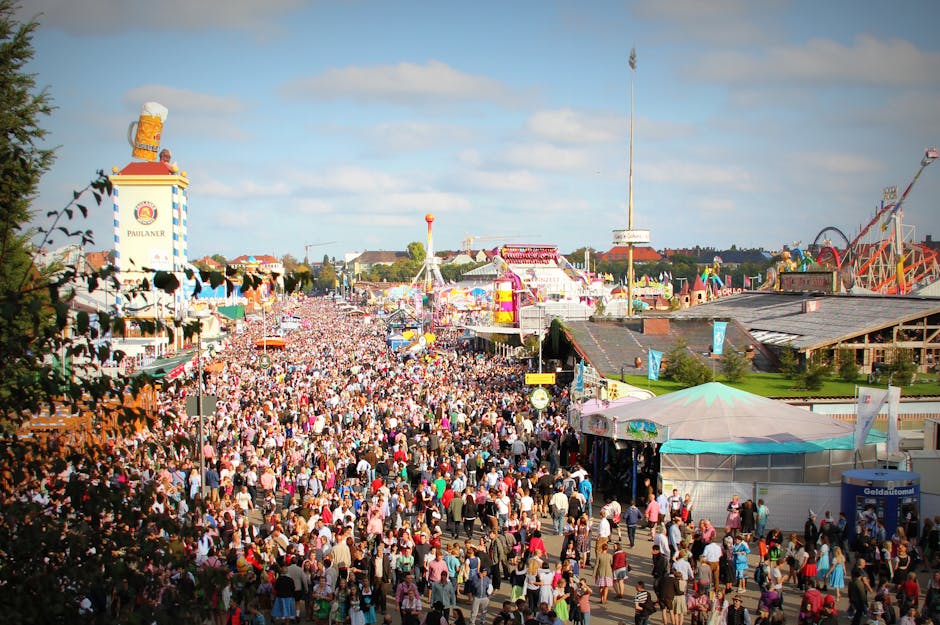
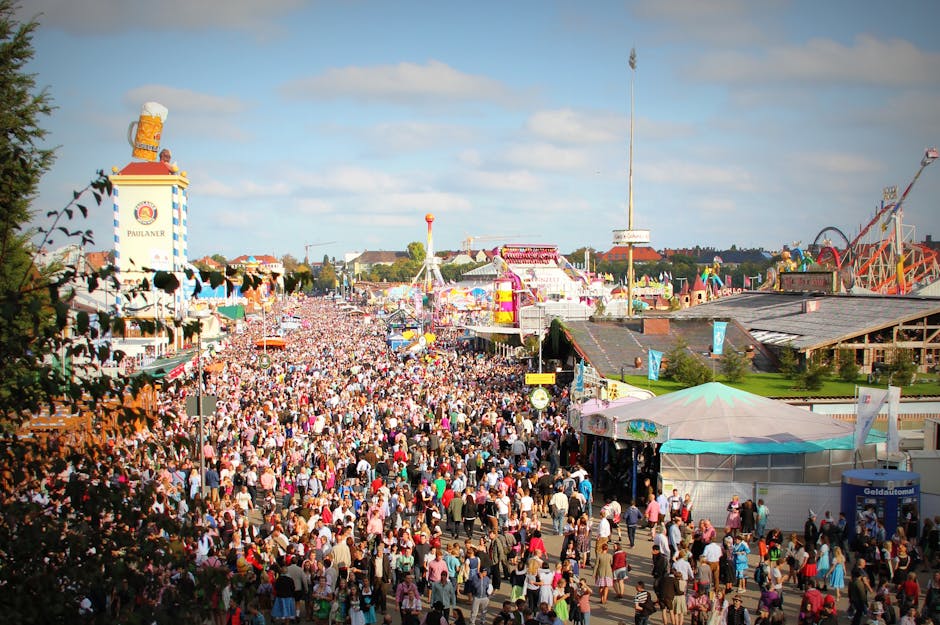
    A few years back, I found myself completely unprepared at Munich’s Oktoberfest — no hotel reservation, no dirndl, and absolutely no clue that the best beer tents require reservations made months in advance. That trip taught me one golden rule about the world’s greatest liquor and spirits festivals: planning early isn’t just helpful, it’s survival. And with 2026 shaping up to be one of the most event-packed years for global alcohol culture in recent memory, I figured it was high time we mapped out the entire landscape together.

    Whether you’re a craft beer aficionado, a whisky connoisseur, a wine romantic, or someone who just really loves a good cocktail in a beautiful setting — this guide is for you. Let’s think through the calendar strategically, so you can choose the festivals that actually match your lifestyle, budget, and taste preferences.

    world alcohol festival crowd 2026 beer wine spirits celebration

    🍺 Spring 2026 — Where the Festival Season Wakes Up

    Spring is deceptively underrated in the global spirits calendar. While most people associate big drink fests with fall, some of the most intimate and genuinely educational events happen between March and May.

    • Whisky Live Paris — March 2026 (Paris, France): One of Europe’s most prestigious whisky showcases, typically held in mid-March at the Palais Brongniart. Over 300 expressions from Scotland, Japan, Ireland, and emerging distilleries make this essential for spirit nerds. Expect master classes to sell out within days of ticket release.
    • World Beer Cup — April 2026 (Nashville, USA): Organized by the Brewers Association, this is essentially the Olympics of craft beer. Over 10,000 beers from 90+ countries compete across 100+ categories. Open to industry professionals and serious enthusiasts alike.
    • Vinitaly — April 6–9, 2026 (Verona, Italy): The world’s largest wine trade fair, with a particular spotlight on Italian regional varietals like Barolo, Amarone, and Brunello. The public “Vinitaly and the City” program runs parallel for non-trade visitors.
    • Sake Experience Tokyo — May 2026 (Tokyo, Japan): Japan’s domestic sake culture has been globalizing rapidly, and this annual showcase at venues across Shinjuku and Ginza gives international visitors access to over 400 breweries in one weekend.

    ☀️ Summer 2026 — Outdoor, Adventurous, and Often Underbooked

    Summer festivals tend to blend lifestyle and liquor in the most cinematic ways — think hilltop vineyard tastings in Tuscany or gin bars on Scottish coastlines. Here’s where the calendar gets genuinely exciting.

    • Bordeaux Wine & Food Festival (Fête le Vin) — June 25–28, 2026 (Bordeaux, France): Held biennially along the Garonne riverfront, this 2026 edition is particularly anticipated since the last one drew over 300,000 visitors. Free entry to most zones, with paid tasting passes available.
    • Edinburgh Whisky Festival — July 2026 (Edinburgh, Scotland): Scotland’s capital hosts dozens of whisky-related micro-events throughout July, culminating in distillery open days across the Highlands and Speyside regions. It’s less a single event and more a month-long whisky immersion.
    • Gin Festival UK Tour — Rolling through summer 2026 (Various UK cities): This touring festival visits cities including London, Bristol, Manchester, and Leeds, each hosting weekend pop-ups with 100+ gin brands and craft cocktail workshops.
    • International Beer Festival (Mondial de la Bière) — June 2026 (Montréal, Canada): One of North America’s most beloved beer gatherings, with a distinctly multicultural flavor thanks to Montréal’s unique Francophone character. Over 600 beers from 40+ countries typically featured.

    🍂 Fall 2026 — The Peak Season You Already Know (and Need to Book Now)

    Let’s be honest — fall is when the alcohol festival world goes into full overdrive. If you’re targeting any of these events, you need to be thinking about logistics right now.

    • Oktoberfest 2026 — September 19 – October 4, 2026 (Munich, Germany): The global benchmark. Six million visitors, 14 main tents, and roughly 8 million liters of Bavarian beer consumed over two weeks. Key logistics tip: tent reservations for groups open as early as January each year, and the most popular tents like Hofbräu and Augustiner are fully booked by February. Solo travelers can often find bench seats by arriving before 10 AM on weekdays.
    • Rumfest Global — October 2026 (London, UK): The world’s premier rum festival, showcasing over 500 rums from the Caribbean, Latin America, and emerging rum nations like India and Taiwan. The master blender sessions are a particular highlight.
    • Brussels Beer Challenge — October 2026 (Brussels, Belgium): A judged competition involving over 2,500 beers from 60+ countries. Consumers can attend the public “Beer Passion Weekend” to sample medal-winning brews directly.
    • Wine Paris & Vinexpo Paris — November 2026 (Paris, France): A trade-heavy event but increasingly open to informed consumers, this is the place where emerging wine regions like Georgia, Lebanon, and Uruguay make their loudest statements to European buyers.
    Oktoberfest 2026 Munich beer tent festival atmosphere

    🌏 Asia-Pacific Festivals Worth the Long-Haul Flight

    Often overlooked in Western-centric festival guides, the Asia-Pacific region has quietly built a world-class spirits event circuit — particularly around whisky, sake, and craft beer.

    • Taiwan Craft Beer Festival — August 2026 (Taipei, Taiwan): Taiwan’s craft beer scene has matured dramatically, and this Taipei-based summer festival now rivals some European counterparts in terms of quality and diversity.
    • WhiskyL — September 2026 (Seoul, South Korea): South Korea has become one of the world’s fastest-growing whisky markets, and this Seoul showcase reflects that energy — expect Korean-exclusive bottlings and collaborations between Scottish and Japanese distilleries.
    • Melbourne Whisky Week — October 2026 (Melbourne, Australia): Australia’s serious whisky culture, centered on Tasmanian distilleries like Sullivans Cove and Lark, gets a proper showcase during this week-long event combining tastings, dinners, and distillery tours.

    💡 Realistic Alternatives: If You Can’t Fly Across the World

    Here’s the thing — not everyone has the budget or the vacation days for international travel, and that’s completely okay. Let me offer some genuinely useful alternatives:

    • Virtual Master Classes: Distilleries like Glenfiddich, Patrón, and Suntory now offer premium virtual tasting kits shipped to your home, paired with live-streamed expert sessions. These aren’t consolation prizes — they’re legitimately educational experiences.
    • Local Craft Festivals: Almost every major city now hosts at least one credible craft beer or spirits festival. Search databases like Eventbrite or local brewers’ guild websites for 2026 listings in your area.
    • Embassy & Cultural Center Events: Many embassies (especially French, Italian, Japanese, and German) host food and drink cultural nights that feature authentic spirits at a fraction of travel cost.
    • Subscription Boxes with Festival Themes: Services like Flaviar, Caskers, and Master of Malt curate festival-themed monthly boxes that track what’s trending at global events — a great way to stay connected to the scene without leaving home.

    The global alcohol festival landscape in 2026 is richer, more diverse, and more internationally accessible than it has ever been. Whether you’re building a full festival travel itinerary or just looking to deepen your appreciation from home, the key is intentionality — knowing why you want to attend, what you hope to learn or experience, and how to prepare logistics far enough in advance that you’re not that person sleeping in a Munich alley because they forgot to book a hotel.

    Plan smart, travel curious, and drink thoughtfully. The world’s best festivals are waiting for you.

    Editor’s Comment : The world’s alcohol festival circuit in 2026 is genuinely one of the best entry points into understanding global food and drink culture at a deep level. But here’s my honest take: you don’t need to hit the biggest names first. Some of the most transformative tasting experiences I’ve had were at regional festivals with 500 attendees rather than 50,000. Start where your curiosity is strongest — not where Instagram says you should be.

    태그: [‘world alcohol festivals 2026’, ‘global spirits events 2026’, ‘Oktoberfest 2026’, ‘wine festival calendar 2026’, ‘whisky festival 2026’, ‘craft beer festival 2026’, ‘international liquor events 2026’]


    📚 관련된 다른 글도 읽어 보세요

  • 세계 주류 축제 행사 2026 완벽 일정 총정리 — 맥주부터 위스키까지 놓치면 후회하는 글로벌 페스티벌

    몇 해 전, 지인 한 명이 뮌헨 옥토버페스트에 다녀와서 이런 말을 했어요. “그냥 맥주 마시는 축제인 줄 알았는데, 그게 아니더라고. 문화를 마신 거야.” 그 말이 꽤 오래 머릿속에 남았어요. 주류 축제는 단순히 ‘술을 즐기는 이벤트’가 아니라, 그 나라와 지역의 역사, 기후, 사람들의 정서가 한 잔 안에 압축된 경험이라고 봅니다. 2026년에는 팬데믹 이후 완전히 정상화된 글로벌 여행 수요와 맞물려, 세계 각지의 주류 페스티벌이 그 어느 때보다 규모가 크고 다채롭게 펼쳐질 것 같아요. 올해 여행 버킷리스트에 주류 축제를 올려두고 싶은 분들을 위해, 대륙별 핵심 일정을 함께 정리해봤습니다.

    world beer festival crowd celebration 2026

    📊 2026년 세계 주류 축제, 숫자로 먼저 보기

    규모를 가늠하면 기대치가 달라지죠. 몇 가지 수치를 먼저 살펴볼게요.

    • 옥토버페스트(독일 뮌헨): 매년 약 600만~700만 명이 방문하며, 2025년 기준 소비된 맥주량은 약 700만 리터. 2026년 행사는 9월 19일(토) ~ 10월 4일(일) 예정.
    • 그레이트 브리티시 비어 페스티벌(영국 런던): 900종 이상의 영국산 에일과 사이더가 집결하는 행사로, 2026년은 8월 4일(화) ~ 8월 8일(토) 런던 올림피아 전시장에서 개최 예정.
    • 벨기에 브뤼셀 위켄드 비어 페스티벌: 400개 이상의 브루어리, 2,000종 이상의 벨기에 맥주를 한자리에서 경험할 수 있어요. 2026년 일정은 9월 첫째 주 금~일(9월 4일~6일)로 예상됩니다.
    • 스카치 위스키 익스피리언스(스코틀랜드 에든버러): 스코틀랜드 증류소 500곳 이상의 위스키를 테이스팅. 2026년 4월 말~5월 초(4월 29일~5월 3일) 개최 예정.
    • 사케 엑스포(일본 도쿄/니가타): 전국 400개 이상 주조장 참가, 2026년 10월 중순 개최 예정.

    ※ 일정은 주최 측 사정에 따라 변동될 수 있으니, 공식 홈페이지에서 최종 확인하시는 걸 꼭 권장합니다.

    🌍 대륙별 핵심 축제 심층 분석

    유럽 — 전통과 깊이의 본고장
    옥토버페스트는 이미 너무 유명하지만, 사실 ‘진짜 맥주 덕후’들은 벨기에 브뤼셀 위켄드 비어 페스티벌을 더 선호한다는 말이 있어요. 상업화된 대형 텐트 문화보다, 소규모 수제 브루어리의 실험적인 맥주를 직접 양조자와 이야기하며 마실 수 있는 환경이기 때문이에요. 트라피스트 에일, 람빅(Lambic), 과일 맥주 등 벨기에 특유의 스타일은 그 자체로 유네스코 무형문화유산에 등재되어 있을 만큼 가치가 있습니다.

    스코틀랜드 에든버러의 스카치 위스키 익스피리언스는 단순 시음 행사가 아니라, 증류 방식 강연, 지역별 풍미 차이 비교 세션, 배럴 저장고 투어 등 교육적 요소가 강한 편이에요. ‘위스키는 어렵다’는 인식을 가진 입문자에게도 꽤 친절한 구성이라고 봅니다.

    아시아 — 빠르게 성장하는 주류 문화
    일본의 사케 엑스포(Sake Expo)는 글로벌 주류 트렌드 안에서 사케가 얼마나 진지하게 재평가되고 있는지를 보여주는 축제예요. 최근 몇 년 사이 유럽과 북미에서 사케 소비량이 연평균 7~10%씩 성장하고 있다는 통계가 있을 만큼, 이 축제의 국제적 참가자 비율도 눈에 띄게 늘고 있어요.

    한국에서도 2026년 대한민국 주류대상 & 막걸리 페스티벌이 서울 코엑스 일원에서 5월 중순 예정되어 있고, 전통주에 관심 있는 분들에게는 좋은 시작점이 될 것 같아요.

    북미 — 크래프트 문화의 심장
    미국 콜로라도 덴버에서 열리는 그레이트 아메리칸 비어 페스티벌(GABF)은 크래프트 비어 무브먼트의 성지라고 불려요. 2026년은 10월 1일(목) ~ 4일(일) 개최 예정이며, 800개 이상의 브루어리에서 4,000종 이상의 맥주가 출품됩니다. 단순 시음 외에도 홈브루잉 챔피언십, 블라인드 테이스팅 컴피티션 등 참여형 프로그램이 풍성한 게 특징이에요.

    craft beer whisky tasting festival international

    🗓️ 2026년 세계 주류 축제 월별 캘린더 한눈에 보기

    • 4월: 스카치 위스키 익스피리언스 (스코틀랜드 에든버러, 4월 29일~)
    • 5월: 대한민국 막걸리 & 전통주 페스티벌 (서울, 5월 중순 예정)
    • 6월: 콘야크 & 스피릿 페스티벌 (프랑스 코냑, 6월 초 예정)
    • 8월: 그레이트 브리티시 비어 페스티벌 (런던, 8월 4일~8일)
    • 9월: 브뤼셀 위켄드 비어 페스티벌 (벨기에, 9월 4일~6일)
    • 9~10월: 옥토버페스트 (독일 뮌헨, 9월 19일~10월 4일)
    • 10월: 그레이트 아메리칸 비어 페스티벌 (미국 덴버, 10월 1일~4일)
    • 10월: 사케 엑스포 (일본 도쿄/니가타, 10월 중순 예정)

    💡 처음 참가하는 분들을 위한 현실적인 팁

    옥토버페스트처럼 규모가 큰 축제는 6개월 전 숙소 예약이 사실상 필수예요. 뮌헨 시내 숙소는 행사 기간 평소 대비 3~5배 가격이 오르는 게 일반적이거든요. 반면 벨기에 브뤼셀 위켄드 비어 페스티벌처럼 상대적으로 덜 알려진 축제는 2~3개월 전에도 합리적인 가격으로 숙박을 잡을 수 있어요. ‘덜 유명하지만 더 깊은 경험’을 원한다면 중소형 축제를 노려보는 것도 좋은 전략이라고 봅니다.

    또한 대부분의 주류 축제는 대중교통 접근성이 특히 강조되는 편이에요. 행사 주최 측에서도 음주 후 차량 이동을 엄격히 제한하는 경우가 많으니, 현지 이동 계획은 반드시 대중교통 위주로 세우는 게 맞습니다.


    에디터 코멘트 : 주류 축제는 단순히 ‘마시러 가는 여행’이 아니라, 그 지역의 농업·기후·역사가 어떻게 한 잔의 음료로 응축되는지를 배우는 여정이라고 생각해요. 예산이나 일정이 여의치 않다면, 국내에서 열리는 전통주 페스티벌이나 크래프트 비어 행사도 충분히 훌륭한 출발점이 될 수 있어요. 꼭 해외 대형 행사가 아니어도, 잘 만든 한 잔의 술 앞에서 나누는 이야기가 결국 그 자체로 축제 아닐까요.

    태그: [‘세계주류축제2026’, ‘옥토버페스트2026’, ‘맥주축제일정’, ‘위스키페스티벌’, ‘크래프트비어여행’, ‘그레이트아메리칸비어페스티벌’, ‘전통주페스티벌’]


    📚 관련된 다른 글도 읽어 보세요

  • 2026 Best Single Malt Whisky Rankings: Your Ultimate Guide to Bottles Worth Every Sip

    Let me paint you a picture. It’s a quiet Friday evening in March 2026, and a friend slides a glass of amber liquid across the table toward you. “Just try it,” he says with that insufferable smirk of someone who’s discovered something remarkable. One sip later, you’re mentally rearranging your entire weekend budget. Sound familiar? That’s the magic — and the danger — of single malt whisky.

    Whether you’re a seasoned dram enthusiast or someone who just graduated from blended Scotch and is wondering what all the fuss is about, 2026 is genuinely one of the most exciting years to explore the world of single malts. Distilleries are releasing age-stated expressions that were laid down during some of the most innovative periods in modern distilling, and new craft players are disrupting the old guard in ways we haven’t seen in decades. So let’s think through this together — what’s actually worth your attention (and your wallet) right now?

    single malt whisky glass amber liquid distillery barrel scotland 2026

    What Exactly Is a Single Malt, and Why Does It Matter?

    Before we dive into rankings, let’s quickly set the stage for newcomers. A single malt whisky is made from 100% malted barley, distilled at a single distillery, using pot stills. That last part is crucial — “single” refers to the distillery, not a single barrel. This distinction gives single malts their terroir-driven personality, much like how a wine from Burgundy tastes fundamentally different from one made in Napa, even if both are Pinot Noir.

    In 2026, the global single malt market has expanded well beyond Scotland’s borders, with Japanese, Irish, Indian, and even Taiwanese distilleries commanding serious respect at international competitions. The playing field has never been more level — or more interesting.

    2026 Single Malt Whisky Rankings: The Bottles That Are Turning Heads

    Here’s the thing about rankings — they’re inherently subjective, but we can use a combination of industry scores, retail demand data, release scarcity, and value-for-money ratios to build a genuinely useful list. Let’s break it down by category so you can find your perfect match.

    • 🥇 Glenfarclas 25 Year Old (Speyside, Scotland) — Still the quiet giant of the Speyside region in 2026. Aged in first-fill Oloroso sherry casks, this expression delivers rich dried fruit, dark chocolate, and a warming spice finish that lingers beautifully. At roughly $180–220 USD, it punches far above its price point compared to flashier competitors. Distillery scores consistently sit at 94–96/100 across major tasting panels.
    • 🥈 Nikka Yoichi 10 Year Old (Hokkaido, Japan) — Japanese whisky has had its rollercoaster years, but Nikka’s Yoichi 10 has found renewed availability in 2026 after production scaling efforts. Coal-fired distillation gives it a distinctive peaty-maritime character unlike anything in Scotland. Expect notes of brine, smoked apple, and dark toffee. Around $120–150 USD.
    • 🥉 Bruichladdich Port Charlotte 10 (Islay, Scotland) — For peat lovers who want complexity beyond “just smoke,” Port Charlotte 10 is the 2026 answer. At 50% ABV and heavily peated (40 PPM), it balances maritime saltiness with vanilla and citrus in a way that surprises even seasoned Islay fans. Exceptional value at $80–100 USD.
    • 🏅 Amrut Fusion (Bangalore, India) — Indian whisky in 2026 is no longer a novelty — it’s a benchmark. Amrut Fusion blends Indian barley with Scottish peated malt, aged in American oak in Bangalore’s extreme heat, which accelerates maturation dramatically. The result is a whisky that tastes 15+ years old at just 8–10 years of aging. Widely available at $70–90 USD.
    • 🏅 Kavalan Solist Vinho Barrique (Taiwan) — Kavalan continues to dominate Asian whisky awards in 2026. The Vinho Barrique expression, finished in Portuguese wine casks, offers tropical fruit, passion fruit, and a creamy vanilla backbone. If you want to impress guests who think whisky is “too harsh,” this is your gateway bottle. Around $130–160 USD.
    • 🏅 GlenDronach 18 Parliament (Highland, Scotland) — Named after the rooks that nest on the distillery’s roof, this 18-year-old sherry bomb has become the cult favorite of 2026 for those stepping up from entry-level drams. Deeply layered with walnut, espresso, and Christmas cake. Budget around $150–180 USD.
    whisky bottle collection ranking tasting flight wooden table 2026

    Real-World Context: How These Bottles Are Performing Globally

    To ground this in something tangible — at the 2026 World Whiskies Awards held earlier this month, Kavalan and Amrut both claimed category gold medals, continuing a trend we’ve seen building since the early 2020s where Asian distilleries are no longer just “interesting alternatives” but outright champions. Meanwhile, in the secondary market, bottles like GlenDronach 21 and older Nikka expressions are trading at 2–4x retail on platforms like Whisky Auctioneer, which tells you something important: the smart money is buying these mid-tier expressions now before they become the collectibles of 2030.

    Domestically in South Korea — which is one of the fastest-growing single malt markets in Asia right now — the trend has shifted noticeably. Local enthusiasts are moving away from trophy bottles (your 30-year Macallans priced at $1,000+) toward what industry insiders call “the intelligent middle tier”: bottles in the $80–200 range that offer genuine complexity without requiring a second mortgage.

    Realistic Alternatives: Not Everyone Needs to Spend $200

    Here’s where I want to have an honest conversation with you. The bottles above are all genuinely excellent, but I understand that not everyone is ready to drop $150+ on a single bottle, especially if you’re still exploring your palate. So let’s think about some smarter entry points for 2026:

    • Glenfiddich 15 Solera Reserve (~$65 USD) — The Solera system means every batch has a consistent, honeyed, fruit-forward richness. It’s the reliable all-rounder that won’t disappoint guests.
    • Auchentoshan Three Wood (~$60 USD) — Triple distilled Lowland Scotch with a silky, approachable character. Great for people transitioning from Irish whiskey.
    • Old Pulteney 12 (~$55 USD) — Coastal Highland malt with subtle brine and vanilla. Underrated and widely available in 2026.
    • Tomatin 12 (~$45 USD) — Perhaps the best value Highland malt on the market right now. Criminally underpriced for what’s in the bottle.

    The honest truth? Your palate develops fastest not by buying one expensive bottle but by trying many different expressions across regions and styles. Consider a whisky tasting flight at a bar before committing to a full bottle — your future shelf will thank you.

    How to Choose: A Quick Decision Framework

    Rather than telling you what to buy, let’s think through how to decide:

    • If you love rich, fruity, dessert-like flavors → go sherry-cask (GlenDronach, Glenfarclas)
    • If you want smoke and coastal drama → Islay or Japanese peated (Port Charlotte, Yoichi)
    • If you prefer light, floral, and approachable → Lowland or Speyside (Auchentoshan, Glenfiddich)
    • If you want to impress and surprise → Asian distilleries (Kavalan, Amrut) — guaranteed conversation starters
    • If you’re on a tight budget but refuse to compromise → Tomatin 12 or Old Pulteney 12, full stop

    The single malt world in 2026 rewards curiosity over brand loyalty. The most interesting bottles aren’t always the most famous labels — they’re the ones that tell a story of place, time, and craft that you can taste with every sip.

    Editor’s Comment : I’ve been following the single malt scene for years now, and 2026 genuinely feels like a turning point. The democratization of great whisky — where a $70 Indian malt can outperform a $300 Scotch on pure pleasure — is the best thing to happen to this category in decades. My personal recommendation? Buy one bottle from your comfort zone and one bottle that makes you slightly nervous. That second bottle is usually where the magic happens. Sláinte! 🥃

    태그: [‘single malt whisky 2026’, ‘best whisky ranking 2026’, ‘Scotch whisky recommendations’, ‘Japanese whisky 2026’, ‘whisky buying guide’, ‘premium whisky bottles’, ‘Asian whisky distilleries’]


    📚 관련된 다른 글도 읽어 보세요

  • 2026 싱글몰트 위스키 추천 순위 TOP 7 | 입문자부터 애호가까지 완벽 가이드

    얼마 전 지인이 이런 말을 했어요. “위스키 마셔보고 싶은데, 뭐부터 시작해야 할지 모르겠어. 종류가 너무 많잖아.\

    태그: []


    📚 관련된 다른 글도 읽어 보세요