Picture this: you’re at a bar in 2026, and your well-meaning friend slides two glasses toward you — one a golden-amber Irish pour, the other a smokier, darker Scotch. “They’re basically the same thing,” they say confidently. If you’ve ever nodded along to that statement while secretly wondering if it’s actually true, you’re in the right place. Spoiler: they are not the same thing, and the differences are fascinating enough to completely change how you shop, sip, and appreciate whisky.
Let’s think through this together — from the grain fields of Ireland to the misty Scottish Highlands — and figure out exactly what sets these two legendary spirits apart.
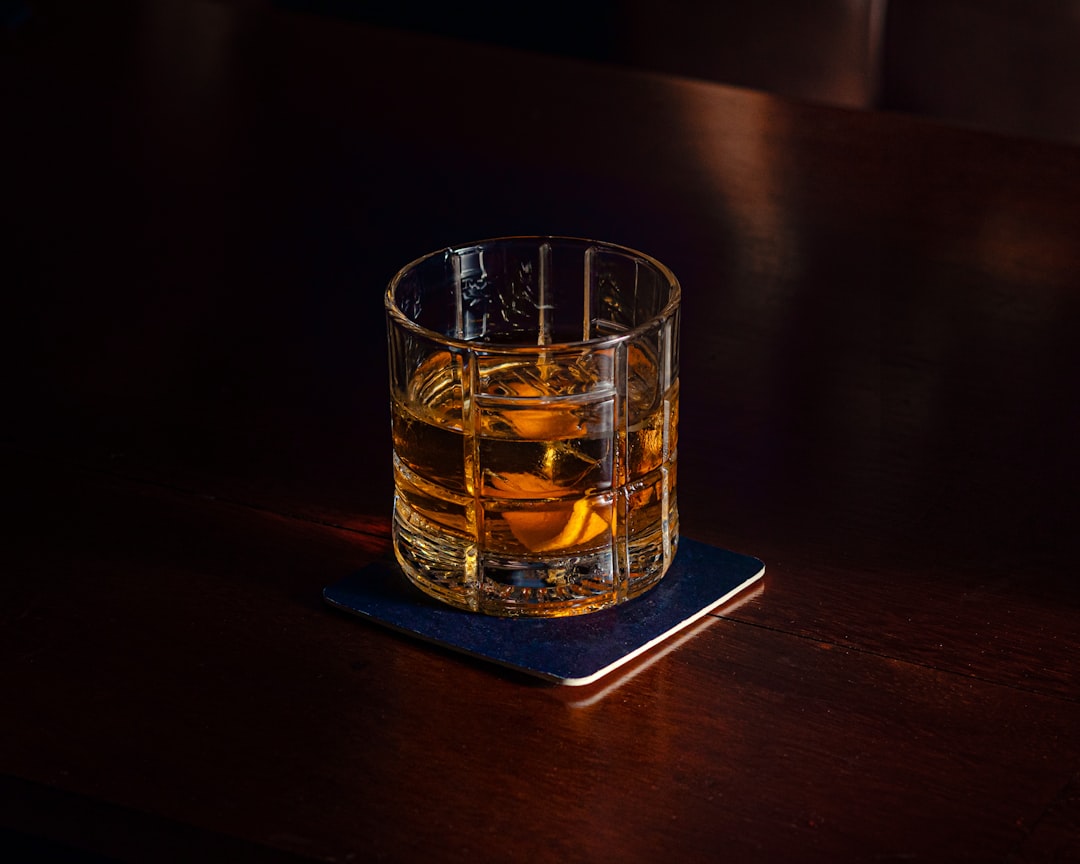
1. Spelling Is the First Clue (And It’s Not Trivial)
Here’s something most casual drinkers overlook: the Irish spell it whiskey (with an ‘e’), while the Scots spell it whisky (without the ‘e’). This isn’t a typo — it’s a badge of national identity. The Irish introduced the extra ‘e’ in the 19th century to differentiate their product from Scotch in the export market. Even today, if you see a bottle labeled “whiskey,” it’s almost certainly Irish or American. “Whisky” points to Scotland, Japan, or Canada.
2. The Distillation Process: Triple vs. Double
This is arguably the biggest functional difference between the two spirits, and it directly shapes what ends up in your glass.
- Irish Whiskey: Traditionally distilled three times in pot stills. This triple distillation strips away more congeners (flavor compounds), resulting in a smoother, lighter, and more approachable spirit. That’s why Irish whiskey is often recommended as a gateway whisky for beginners.
- Scotch Whisky: Typically distilled twice. The extra layer of flavor compounds that remain give Scotch its characteristic complexity — ranging from fruity and honeyed to intensely peaty and medicinal, depending on the region.
- Exception worth noting: Some Irish distilleries now experiment with double distillation, and a handful of Scotch producers use triple distillation (notably Auchentoshan in the Lowlands), so the line isn’t absolute — but it holds as a general rule.
3. The Grain Bill: What Goes Into the Mash
Both spirits use malted barley as a core ingredient, but what else goes into the mix is quite different.
- Irish Whiskey — especially the uniquely Irish “Single Pot Still” style — uses a combination of malted and unmalted barley. This unmalted barley gives Irish whiskey a distinctive spicy, creamy, oily texture that you simply won’t find in Scotch. Brands like Redbreast and Green Spot are celebrated for this quality.
- Scotch Single Malt uses 100% malted barley. Scottish grain whiskies use other cereals like wheat or corn, but the premium single malt category sticks firmly to malted barley only.
4. The Peat Factor: Smoke Signals
Ask someone to describe Scotch, and “smoky” is usually one of the first words out of their mouth. That smokiness comes from peat — partially decomposed organic matter used to dry malted barley during production. When peat burns, its smoke infuses the barley with earthy, medicinal, and even coastal flavors.
Scottish regions like Islay (home to Laphroaig, Ardbeg, and Bruichladdich) are legendary for intensely peated whiskies measured in phenol parts per million (ppm). Ardbeg’s Uigeadail, for example, clocks in at around 54 ppm — a serious smoke bomb.
Irish whiskey, on the other hand, traditionally uses kiln-dried barley, largely bypassing peat entirely. This is a deliberate stylistic choice that contributes to Ireland’s reputation for smooth, accessible drams. There are some notable exceptions emerging — Connemara by Cooley Distillery has been producing peated Irish whiskey for years, and in 2026, several craft Irish distilleries are experimenting with light peat — but it remains the minority, not the norm.
5. Aging Requirements and Legal Definitions
Both countries have strict legal frameworks governing what can be called their respective spirits:
- Irish Whiskey must be aged for a minimum of 3 years in wooden casks on the island of Ireland.
- Scotch Whisky must also be aged for a minimum of 3 years in oak casks in Scotland.
- Both must have a minimum ABV of 40% when bottled.
- The key difference: Scotch regulations specify oak casks with a maximum capacity of 700 liters, while Irish regulations are slightly more flexible on cask type and size, which has opened the door to interesting wine cask and rum cask finishes from Irish producers.
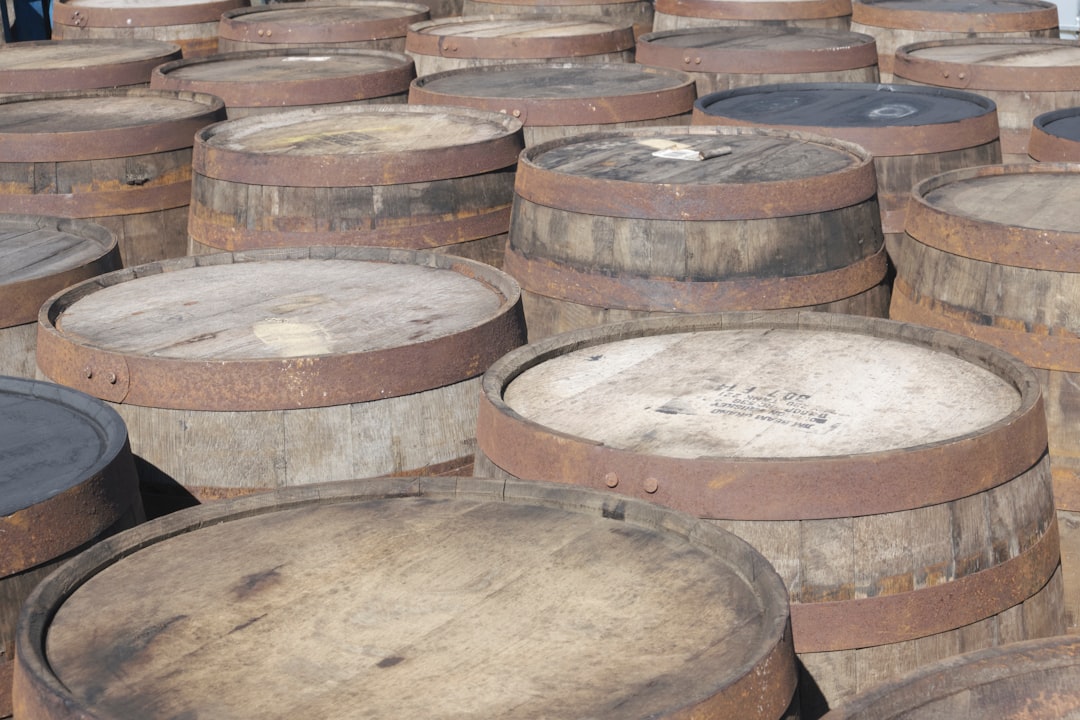
6. Regional Diversity Within Each Category
This is where things get really exciting — both countries offer incredible regional variety that most newcomers don’t realize exists.
Scotch Whisky Regions (2026 recognized):
- Speyside: Fruity, floral, often sherried. Think Macallan, Glenfiddich, Balvenie.
- Islay: Heavy peat, maritime, medicinal. Think Laphroaig, Ardbeg, Kilchoman.
- Highlands: Highly diverse — heathery, rich, fruity. Think Dalmore, Glenmorangie, Oban.
- Lowlands: Light, grassy, delicate. Think Auchentoshan, Ailsa Bay.
- Campbeltown: Briny, complex, slightly smoky. Think Springbank, Glen Scotia.
- Islands: Often peaty with coastal character. Think Talisker (Skye), Highland Park (Orkney).
Irish Whiskey Styles:
- Single Pot Still: The most uniquely Irish style. Spicy, creamy, full-bodied. Think Redbreast 12, Powers John’s Lane.
- Single Malt: 100% malted barley, single distillery. Think Teeling Single Malt, Bushmills 10.
- Single Grain: Lighter, column-distilled. Think Teeling Single Grain (often wine-cask finished).
- Blended Irish Whiskey: Most commercially consumed category. Think Jameson, Powers Gold Label, Tullamore D.E.W.
7. Flavor Profile Side-by-Side: What Should You Actually Expect?
Let’s cut to the practical part. If you’re standing in a shop or at a bar, here’s a rough sensory map:
- Irish Whiskey (typical): Light to medium body, vanilla, fresh fruit (green apple, pear), honey, light spice, creamy mouthfeel. Very approachable. Almost never smoky unless specifically labeled as peated.
- Scotch Single Malt (typical Speyside/Highland): Medium to full body, dried fruit, toffee, oak, sometimes sherry richness, subtle spice. More complexity, slightly drier finish.
- Scotch Single Malt (Islay): Smoke, ash, seaweed, iodine, sometimes dark chocolate or tropical fruit underneath the peat. Bold and polarizing — you’ll either love it or want to politely push the glass away.
8. Market Trends in 2026: Where Are Both Categories Heading?
The whisky world in 2026 is more vibrant than ever. Irish whiskey has been on an extraordinary growth trajectory — exports from Ireland hit record highs in 2025, and that momentum has continued into 2026, with markets in Southeast Asia and Latin America showing particularly strong demand. The number of active Irish distilleries has grown from just 4 in 2010 to over 50 today, meaning consumers now have access to a far more diverse range of Irish expressions than ever before.
Scotch, meanwhile, remains the global prestige benchmark, with premium and ultra-premium expressions (particularly from Speyside and Islay) continuing to command strong auction prices. Japanese whisky’s ongoing influence has also pushed Scotch producers toward more experimental cask finishes — a trend that’s benefiting drinkers enormously.
Realistic Alternatives: Which One Should You Choose?
The right choice really does depend on your situation and preferences. Here’s a practical guide:
- If you’re new to whisky: Start with an Irish whiskey. Jameson is the obvious entry point, but if you want something more interesting right away, try Redbreast 12 or Teeling Small Batch. The smoothness will make the learning curve much gentler.
- If you enjoy complex, nuanced flavors: A Speyside Scotch like Glenfiddich 15 or Balvenie DoubleWood 12 offers remarkable depth without overwhelming your palate.
- If you’re adventurous and love bold flavors: Jump into Islay Scotch. Start with Laphroaig 10 or Kilchoman Machir Bay — but go in knowing it’s intentionally intense.
- If budget matters: Irish whiskey generally offers better value per bottle at the entry-to-mid level. Powers Gold Label and Tullamore D.E.W. 12 are excellent overperformers for their price point in 2026.
- If you want to impress a whisky enthusiast: Bring a Redbreast 15 or a lesser-known distillery expression like Dingle Single Malt (Irish) or Springbank 10 (Scotch). Either will earn serious respect.
The beautiful thing is that you don’t have to choose a permanent side. Many enthusiasts — myself included — rotate freely between Irish and Scotch depending on mood, occasion, and food pairing. Exploring both is far more rewarding than pledging allegiance to one.
Editor’s Comment : After thinking through everything together, the Irish vs. Scotch debate isn’t really a competition — it’s a spectrum. Irish whiskey’s approachable smoothness and Scotch’s complex regionality serve completely different moments and moods. The smartest move in 2026 is to keep a bottle of each at home: something smooth and Irish for casual evenings or cocktail hours, and a quality Scotch for those moments when you want to slow down and really pay attention to what’s in the glass. Your palate — and your guests — will thank you.
태그: [‘Irish whiskey vs Scotch’, ‘whiskey differences explained’, ‘best Irish whiskey 2026’, ‘Scotch whisky guide’, ‘single malt vs pot still whiskey’, ‘whisky tasting guide’, ‘Irish whiskey recommendations’]
Leave a Reply