A few months ago, I found myself sitting at a small counter in Seoul’s Itaewon district, watching a bartender pour a 12-year Speyside Scotch alongside a delicate seared duck breast with juniper berry reduction. I had eaten duck a hundred times before — but never like that. The whisky’s honeyed oak notes didn’t compete with the dish; they completed it. That evening fundamentally changed how I think about dining out.
If you’ve ever wondered why your favorite cocktail tastes better with certain foods, or why sommeliers spend years studying just wine pairings — welcome to the fascinating, surprisingly science-backed world of premium spirits and food pairing. And in 2026, restaurants around the world are taking this concept to extraordinary new heights.
Let’s think through this together: what actually makes a spirits-forward dining experience worth the splurge, and where should you actually go?
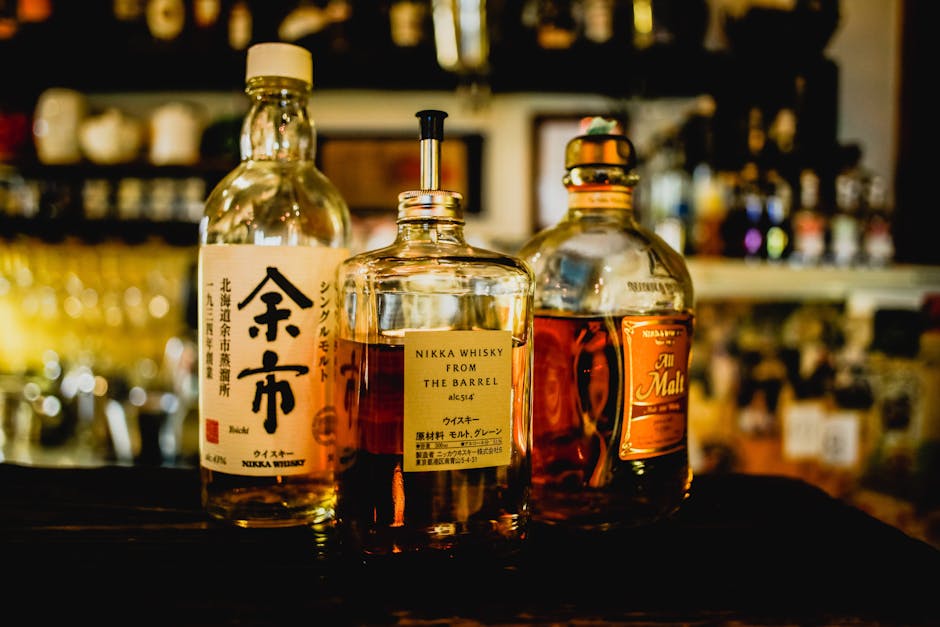
Why Spirits-Food Pairing Has Become a Serious Culinary Movement in 2026
For decades, wine dominated the fine dining table. Spirits — whisky, mezcal, rum, gin — were considered an aperitif or digestif, bookending the meal rather than weaving through it. That paradigm has genuinely shifted. According to the 2026 Global Beverage Dining Report by Drinks International, over 43% of Michelin-recognized restaurants now offer structured spirits pairing menus, up from just 18% in 2021. That’s a massive leap in less than five years.
So why the surge? A few key drivers:
- Flavor complexity: Premium spirits carry aromatic profiles — smoke, fruit, spice, floral, mineral — that can mirror and contrast food ingredients in ways wine sometimes can’t. A peated Islay Scotch, for instance, creates a stunning counterpoint to fatty, rich foods like wagyu beef or foie gras.
- Lower volume, higher concentration: Because spirits are served in smaller pours (typically 30–45ml), diners can experience multiple pairings across a tasting menu without palate fatigue.
- The craft cocktail revolution: The bartending community’s obsession with technique — infusions, fat-washing, clarification — has blurred the line between kitchen and bar. Chefs and mixologists are now genuinely co-creating dishes and drinks.
- Consumer sophistication: Today’s premium dining guest has traveled more, attended more tasting events, and watched more food content than any previous generation. They’re genuinely curious and ready to engage.
The Science Behind the Sip: What Actually Pairs Well
Here’s where it gets genuinely interesting. Spirits pairing isn’t arbitrary — it follows some of the same chemical logic as wine pairing, but with unique rules. Let me break down the core principles restaurants are using in 2026:
Congruent pairing amplifies shared flavor compounds. A bourbon with caramel and vanilla notes alongside a crème brûlée dessert? The lactones and aldehydes in both reinforce each other for an almost surreal depth of sweetness.
Contrasting pairing uses tension for effect. Think mezcal’s smokiness against the bright acidity of a ceviche — the contrast cleanses the palate and makes each element taste more vivid.
Bridge ingredients act as a culinary translator. A chef might use a mezcal-infused mole sauce in a dish to literally bridge the gap between the food and the paired spirit, creating a seamless transition.
Top pairing restaurants in 2026 now employ dedicated spirits sommeliers (sometimes called “whisky ambassadors” or “spirits curators”) who understand these principles at a professional level — much like a wine sommelier would.
Global Restaurants Leading the Premium Spirits Pairing Scene in 2026
Let’s get specific, because that’s where the real value is. These are establishments that have genuinely distinguished themselves this year:
🇯🇵 Bar Benfiddich Elevated Dining, Tokyo, Japan — The legendary Hiroyasu Kayama’s concept has evolved into a full tasting menu experience in 2026, pairing housemade botanical spirits with Japanese-French fusion dishes. Their “Forest Floor” course — pairing a pine-needle-infused gin with matsutake mushroom risotto — has been cited by food critics as one of the most cohesive flavor experiences in Asia right now.
🇺🇸 Penicillin Table, New York City, USA — Named after the iconic cocktail, this lower Manhattan spot built its entire menu philosophy around smoky and citrus-forward Scotch whisky pairings. Their chef, a former Eleven Madison Park alumna, designs seasonal dishes specifically around their curated barrel-select spirits program.
🇬🇧 The Grain & Smoke, Edinburgh, Scotland — Honestly, it would be strange if Scotland wasn’t leading in whisky dining. This restaurant offers a six-course tasting menu where every course is paired with a different Scotch expression, including rare single casks from independent bottlers. Local sourcing — Orkney lamb, Hebridean seafood — makes the Scottish terroir connection feel genuine rather than gimmicky.
🇰🇷 Proof, Seoul, South Korea — Seoul’s cocktail culture has exploded in the 2020s, and Proof in Hannam-dong represents its most refined expression. They focus on Asian spirits — Korean soju premium expressions, Japanese shochu, and Chinese baijiu — alongside a contemporary Korean tasting menu. It’s a genuinely exciting local perspective on a global trend.
🇲🇽 Mezcalería La Venenosa Dining Room, Guadalajara, Mexico — For agave spirit enthusiasts, this is a pilgrimage destination. Their multi-course menu pairs rare artisanal mezcals (including tobaziche and tepextate expressions) with traditional Jalisco cuisine elevated through modern technique. The regional ingredient connection here is extraordinary.
What to Realistically Expect (and Budget)
Let me be honest with you here, because I think lifestyle content often glosses over this. Premium spirits pairing dinners are a genuine investment. Here’s what you’re typically looking at in 2026:
- Entry level (casual spirits pairing, 2–3 courses): $60–$120 per person, often at gastropubs or craft cocktail bars with a food menu. Great starting point.
- Mid-tier (dedicated pairing menu, 4–5 courses with 4–5 spirit pours): $150–$280 per person. This is where you’ll find the best value-to-experience ratio.
- Fine dining premium (full tasting menu, rare/allocated spirits): $350–$700+ per person. Includes service, rare pours, and often a highly personalized experience.
If the high-end tier isn’t accessible right now — and that’s completely reasonable — here’s a realistic alternative that I actually recommend to a lot of friends: spirits pairing events at local distilleries. Most craft distilleries now host pairing evenings with local food producers. You get a curated, intimate experience for $40–$80, often with the distiller present. It’s arguably more educational than a Michelin-starred tasting menu.
Another underrated option: build your own pairing evening at home. Purchase two or three premium spirits expressions (a blended Scotch, a reposado tequila, and a Japanese whisky make an excellent starter trio), prepare or order complementary dishes, and use free online pairing guides from brands like Glenfiddich or Patrón. The learning is genuinely fun.
Tips for First-Timers at a Spirits Pairing Restaurant
- Communicate your palate preferences upfront. Tell your spirits sommelier if you dislike smoke, prefer fruit-forward profiles, or have heat sensitivity. They’ll build around you.
- Sip before you eat. Get the spirit’s baseline aroma and flavor before introducing food. This is the professional approach and makes a real difference.
- Use water strategically. A small sip of still water between pairings resets your palate without numbing it the way bread can.
- Ask about provenance. The best pairing restaurants love talking about where their spirits come from. A question like “Is this a single cask expression?” or “What region is this mezcal from?” will unlock great conversations.
- Pace yourself. Even at 30ml pours, five or six spirits across an evening adds up. Eat substantial amounts between pours and hydrate.
Editor’s Comment : The rise of premium spirits pairing dining in 2026 reflects something genuinely beautiful about where food culture is heading — toward deeper curiosity, regional storytelling, and cross-disciplinary creativity between chefs and bartenders. My honest take? You don’t need to spend $500 to access this world. Start with a craft distillery pairing evening or even a thoughtful home experiment. The goal is to slow down, pay attention, and let flavors surprise you. Once you’ve had that moment — where a single sip of the right spirit transforms a dish you thought you knew — you’ll understand exactly why this movement isn’t a passing trend. It’s a permanent shift in how we think about the table.
태그: [‘premium spirits food pairing’, ‘whisky dining 2026’, ‘fine dining cocktail pairing’, ‘spirits pairing restaurants’, ‘mezcal food pairing’, ‘luxury dining experience’, ‘craft spirits tasting menu’]
Leave a Reply