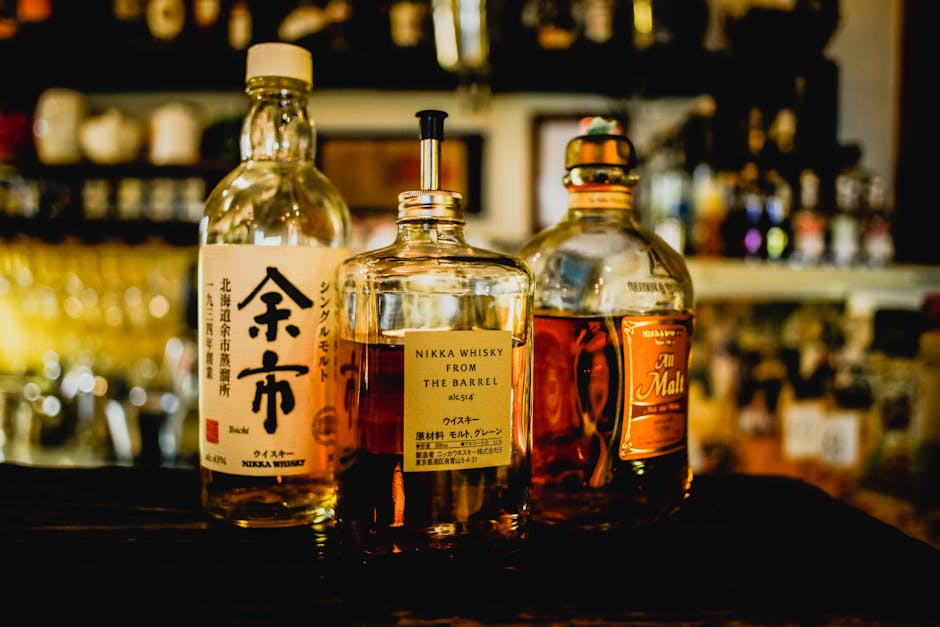
Picture this: it’s a rainy Tuesday evening in Tokyo, and you’re sitting at a quiet izakaya in Shinjuku. The bartender slides a glass of Nikka From The Barrel across the counter, then places a small plate of yakitori beside it without saying a word. You take a sip, then a bite, and suddenly — something clicks. That moment of effortless harmony between a glass of Japanese whisky and the right food isn’t accidental. It’s a philosophy that’s been quietly refined for decades, and in 2026, it’s finally getting the global spotlight it deserves.
Japanese whisky culture has exploded internationally over the past few years. With bottles like Yamazaki 18 Year and Hibiki 21 regularly fetching over $500 USD at auction, and newer craft distilleries emerging from Hokkaido to Kyushu, this is no longer a niche enthusiasm — it’s a full-blown global movement. But here’s what most people are still missing: the food pairing dimension. Let’s think through this together, because pairing Japanese whisky with the right food is genuinely one of the most rewarding sensory adventures you can have in 2026.
Why Japanese Whisky Plays by Different Rules
Before we dive into pairings, it helps to understand what makes Japanese whisky structurally different from, say, a smoky Islay Scotch or a bold Kentucky Bourbon. Japanese distilleries — led historically by Suntory and Nikka — drew inspiration from Scottish traditions but layered in local philosophy. Think mizunara (Japanese oak) barrel aging, softer water sources, and a meticulous blending culture rooted in the concept of wa (harmony).
According to the Japan Spirits & Liqueurs Makers Association’s 2026 market report, domestic Japanese whisky consumption has grown by approximately 34% since 2022, with export volume to North America and Europe reaching record highs. New distilleries like Akkeshi (Hokkaido), Mars Shinshu, and Nagahama have diversified the flavor landscape dramatically. This means we’re no longer just talking about one style — we have:
- Light & Floral styles (e.g., Hakushu 12 Year) — think green apple, white peach, fresh herbs
- Rich & Fruity styles (e.g., Yamazaki 12 Year) — dried fruit, vanilla, a hint of sandalwood from mizunara
- Smoky & Maritime styles (e.g., Akkeshi Distillery releases) — peat influenced by Hokkaido’s coastal climate
- Complex Blended styles (e.g., Hibiki Harmony) — layered, soft, almost symphonic in structure
- Grain Whisky-forward styles (e.g., Nikka Coffey Grain) — sweet, creamy, almost dessert-like
Each of these styles demands a different food companion. This is where most people get stuck — they treat Japanese whisky as a single category. It’s not. It’s a spectrum.
Classic Japanese Food Pairings: Logic, Not Luck
Let’s reason through this logically. The guiding principle in Japanese whisky pairing is complementarity without competition. Unlike aggressive red wine pairings where tannins clash with fat, Japanese whisky’s relatively softer profile means we’re often looking for foods that either mirror its delicacy or provide gentle contrast.
Here’s how the logic plays out with specific examples:
- Yamazaki 12 + Aged Miso Soup or Tofu Dengaku: The whisky’s dried fruit and vanilla notes find a savory echo in fermented miso’s umami depth. The sweetness of the tofu glaze bridges the two perfectly.
- Hakushu 12 + Shiso Leaf Wrapped Salmon or Cucumber Sushi: Light, herbaceous whisky calls for light, clean food. Anything heavier would simply overwhelm the whisky’s elegance.
- Hibiki Harmony + Wagyu Beef Sashimi or Shabu-Shabu: The blended whisky’s layered softness mirrors the buttery, intricate fat structure of high-grade wagyu. This is arguably one of the finest pairings in modern gastronomy.
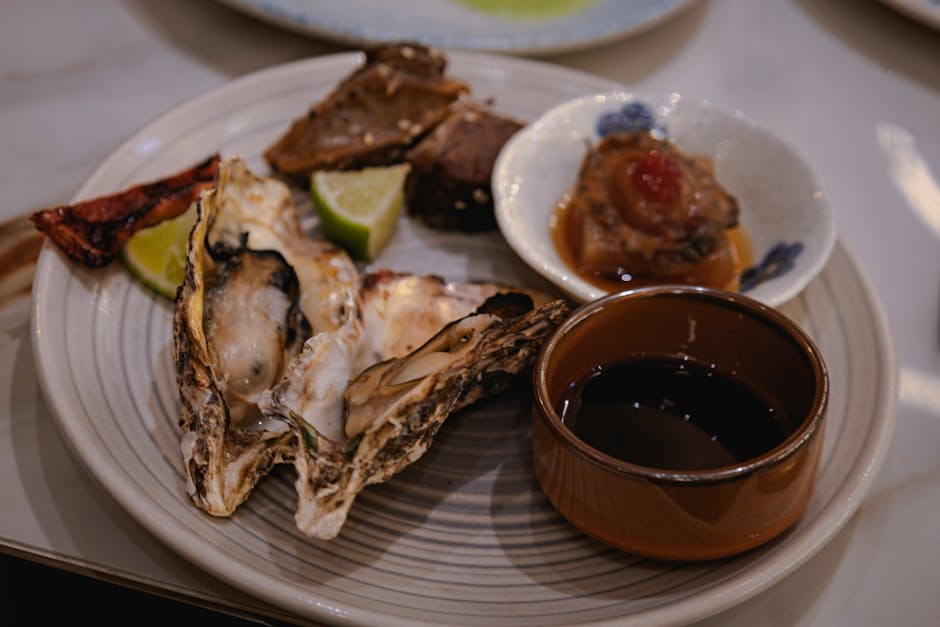
- Akkeshi Smoky Expression + Grilled Hokke (Atka Mackerel) or Oysters: Coastal peat meets coastal seafood. The smokiness amplifies the brine of the oyster rather than fighting it — deeply satisfying.
- Nikka Coffey Grain + Matcha Desserts or Dark Chocolate: The creamy sweetness of this grain whisky is practically made for a good nama chocolate or a bitter matcha tart. The contrast between whisky sweetness and cocoa/matcha bitterness is extraordinary.
International Fusion Pairings Making Waves in 2026
Here’s where things get really interesting. In 2026, the conversation around Japanese whisky pairing has moved well beyond traditional Japanese cuisine. Michelin-starred chefs globally are now experimenting with cross-cultural combinations, and honestly, some of them are genuinely brilliant.
At London’s acclaimed Kioku Bar within The OWO hotel, their 2026 menu features a Yamazaki 18-year paired with a truffle and parmesan arancini — the logic being that the whisky’s mizunara oak imparts a coconut-vanilla note that softens the richness of fried risotto rice. Meanwhile, in New York, Suntory’s official tasting events have been showcasing Hibiki 21 alongside aged Gruyère cheese, demonstrating that Japanese whisky’s gentle smoke and fruit can act almost like a dessert wine with the right dairy fat.
In Seoul — where Japanese whisky culture has surged dramatically in 2025-2026 — high-end omakase restaurants are building whisky pairing menus that alternate between Japanese and Korean fermented flavors. Doenjang-marinated dishes, for instance, pair surprisingly well with Nikka Pure Malt because both share deep, layered umami profiles built through fermentation.
The Highball Factor: Japan’s Most Versatile Food Format
One thing we absolutely cannot ignore in 2026 is the highball (hai-bōru) culture. In Japan, whisky highball — typically a 1:4 ratio of whisky to cold, highly carbonated soda water — has become the dominant format for food pairing at casual dining. The carbonation acts as a palate cleanser, the dilution opens up the whisky’s aromatics, and the cold temperature makes it incredibly versatile across food types.
Think about it: a Suntory Toki highball with a bowl of tonkotsu ramen? The effervescence cuts through the rich pork fat in a way still water simply can’t. This format has even been adopted by Western cocktail bars now — in 2026, you’re as likely to find a whisky highball menu in Melbourne or Toronto as you are in Tokyo.
Realistic Alternatives: If You Can’t Access Premium Bottles
Let’s be honest — Yamazaki 18 and Hibiki 21 are difficult to find and expensive when you do. But that doesn’t mean you’re locked out of this experience. Here are some genuinely accessible alternatives that still deliver excellent pairing potential in 2026:
- Suntory Toki (~$35-45 USD): Designed specifically for highballs. Light, citrusy, incredibly food-friendly. Pair with sushi, salads, or light pasta.
- Nikka Days (~$45-55 USD): Soft, approachable, great with lighter meat dishes and mild cheeses.
- Akashi White Label (~$30-40 USD): An underrated gem from Eigashima Distillery. Works beautifully with seafood.
- Mars Iwai Tradition (~$40-50 USD): American oak-forward with cherry and vanilla. Pair with barbecue or smoked dishes.
- Fuji Single Grain (~$60-75 USD): Rich, creamy, and increasingly available globally. A fantastic dessert pairing whisky.
The point is: you don’t need a $500 bottle to explore this pairing culture. Start accessible, develop your palate, then work your way up when the opportunity arises.
A Quick Note on How to Actually Taste the Pairing
Here’s a practical framework: take a sip of whisky, let it coat your palate, then take a small bite of food, chew, and take another small sip. Notice what changes — does the food bring out a new note in the whisky? Does the whisky make the food taste differently? That feedback loop is the essence of pairing discovery. It’s not about following rules rigidly; it’s about paying attention to what your own senses are telling you.
One last tip: temperature matters more than most people realize. Japanese whisky is often best around 18-20°C (neat) for serious tasting, or ice-cold for highballs. Avoid room temperature highballs — flat and warm soda water actively works against the whisky’s aromatics.
Japanese whisky culture in 2026 is rich, evolving, and more accessible than it’s ever been. Whether you’re pairing a $35 Toki highball with tonkotsu ramen at home on a weeknight or splurging on a Hibiki 21 alongside wagyu at a Tokyo omakase, the underlying logic is the same: seek harmony, stay curious, and let the flavors tell you something new.
Editor’s Comment : What strikes me most about Japanese whisky pairing culture is how deeply it reflects Japanese aesthetic philosophy — nothing is accidental, everything serves the whole. In 2026, as more distilleries emerge and more food cultures engage with Japanese whisky, we’re entering what I genuinely believe is the golden era of this pairing art. Don’t just drink it — experience it with food. Your palate will thank you.
태그: [‘Japanese whisky pairing 2026’, ‘Japanese whisky food culture’, ‘Yamazaki Hibiki food pairing’, ‘Japanese whisky guide 2026’, ‘whisky and Japanese food’, ‘highball culture Japan’, ‘Japanese whisky recommendations’]
Leave a Reply