Picture this: it’s a warm evening in Guadalajara, the heart of Jalisco state, and you’re sitting at a rustic cantina table. A small ceramic cup of blanco tequila arrives — no salt, no lime — just pure, earthy agave spirit. The bartender slides over a plate of birria tacos without a word. One sip, one bite, and suddenly everything clicks. That’s the moment tequila stops being a party shot and becomes a full cultural experience. If you’ve never thought of tequila as something to pair with food, 2026 is genuinely the best time to start rethinking that.
🌵 What Actually Makes Tequila, Tequila?
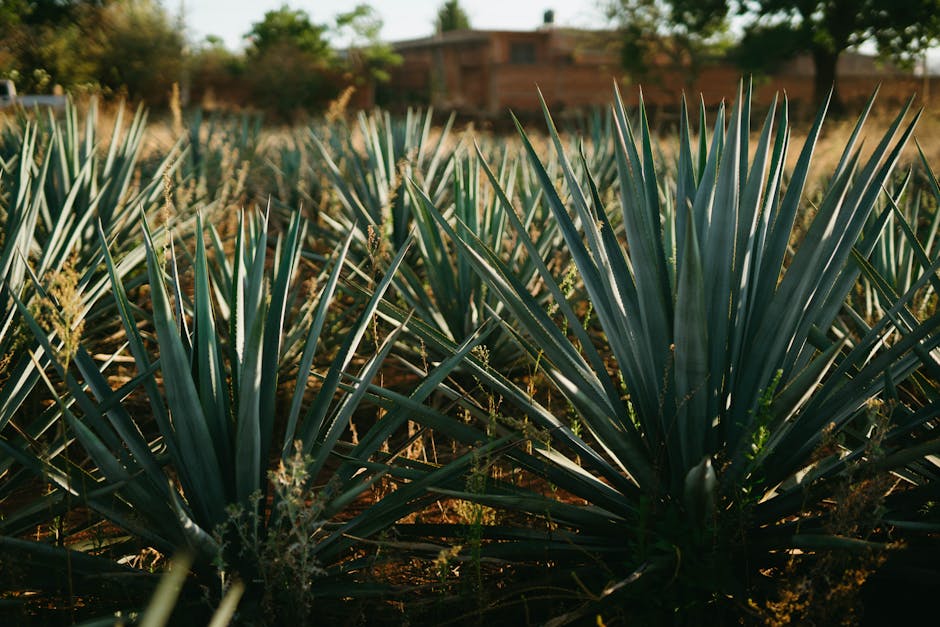
Before we dive into pairings, let’s get grounded. Tequila is a denomination of origin (DO) spirit, meaning it can only legally be produced in five Mexican states: Jalisco, Guanajuato, Michoacán, Nayarit, and Tamaulipas — with Jalisco dominating nearly 90% of all production. It’s distilled exclusively from the blue agave plant (Agave tequilana Weber), which takes 7–10 years to mature before harvest. The jimadores (agave harvesters) cut the heart of the plant — called the piña — which can weigh anywhere from 40 to 200 pounds.
According to the Tequila Regulatory Council (CRT), as of early 2026, there are over 2,000 registered tequila brands operating across Mexico, a significant jump from just under 1,700 in 2020. Global tequila exports surpassed $5 billion USD annually, reflecting a cultural shift — people are no longer just drinking tequila, they’re studying it.
📊 The Five Categories You Need to Know
Understanding tequila categories is the key to smart food pairing. Think of them like wine varieties — each has a distinct personality:
- Blanco (Silver): Unaged, bottled right after distillation. Crisp, peppery, raw agave flavor. Best for bright, acidic foods.
- Joven (Gold): A blend of blanco and aged tequila (or added caramel coloring). Smooth and slightly sweet. Great for casual pairing.
- Reposado: Aged 2–12 months in oak barrels. Subtle vanilla and wood notes emerge. Ideal with grilled and roasted dishes.
- Añejo: Aged 1–3 years. Rich, complex — almost bourbon-like. Think dark chocolate, mole, and aged cheeses.
- Extra Añejo: Aged over 3 years. Rare and sipping-only territory. Pairs with desserts or is enjoyed neat as a digestif.
🍽️ The Art of Tequila & Food Pairing — Let’s Think It Through
Here’s where it gets genuinely exciting. The logic behind tequila pairing follows a few core principles borrowed from sommelier science: contrast, complement, and cut. Tequila’s natural acidity and vegetal brightness can cut through fat, contrast spice, and complement earthy or smoky flavors.
Blanco + Ceviche or Fish Tacos: The bright citrus notes in blanco mirror the lime-forward acidity of ceviche. Michelin-starred chef Enrique Olvera of Mexico City’s Pujol (currently ranked among the World’s 50 Best Restaurants in 2026) has long championed this pairing, using blanco as a “palate cleanser” course between ocean dishes.
Reposado + Carnitas or Grilled Corn (Elote): The gentle oak in reposado harmonizes beautifully with the char on slow-cooked pork or street corn. The fat from carnitas softens the alcohol heat, revealing the tequila’s sweet agave core. In Los Angeles’s expanding Mexican culinary scene, upscale taquerias in 2026 now list reposado pairings directly on menus alongside dishes.
Añejo + Mole Negro or Dark Chocolate: This is the power pairing. Oaxacan mole negro — which can contain over 30 ingredients including dried chilies, chocolate, and spices — matches the depth of an aged añejo almost beat for beat. Internationally, Casa Dragones (a premium Mexican tequila brand) hosted pairing dinners across Tokyo and London in 2025–2026 specifically around this combination, and the response was overwhelming.
🌍 Global & Domestic Examples Worth Noting
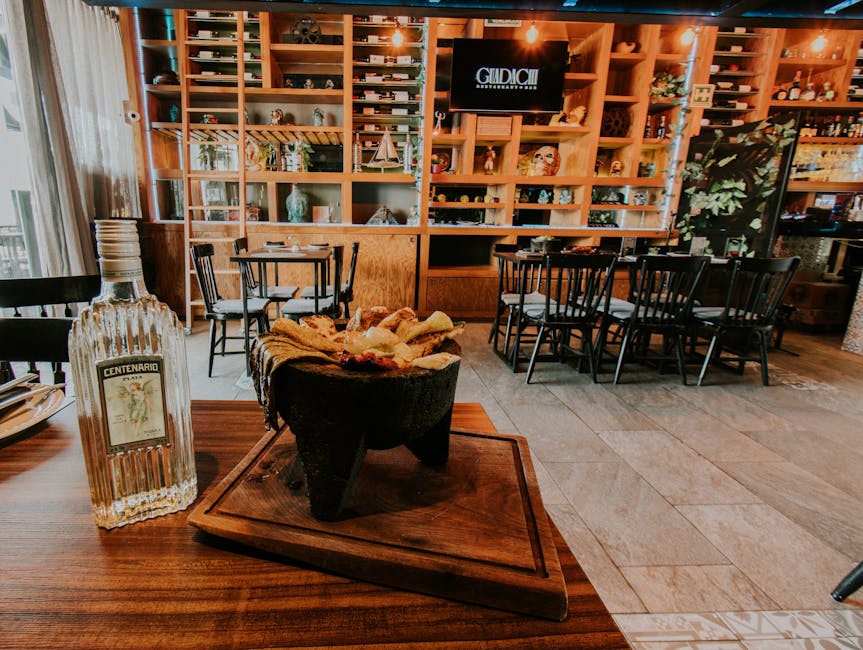
Tequila culture has truly gone global, but there’s a difference between how it’s consumed abroad versus in Mexico itself — and that contrast is instructive.
In Mexico, tequila is rarely a “shot” with salt and lime (that’s actually a tourist adaptation). Locals sip it slowly alongside food, often with sangrita — a non-alcoholic chaser made from tomato, orange juice, and chili. This slow sip culture is what we should be borrowing when pairing at home.
In Japan, izakayas in Tokyo’s Shinjuku district began incorporating tequila flights with small plates (omakase-style) as early as 2024, and by 2026, it’s become a legitimate dining trend. The pairing of Extra Añejo with yuzu-marinated sashimi is surprisingly elegant — the tequila’s dried fruit notes soften the fish’s brininess.
In the United States, the James Beard Award-winning restaurant Cosme in New York continues to lead the way in sophisticated tequila pairing menus, offering curated flights with multi-course Mexican tasting menus — a model many U.S. restaurants are now replicating in 2026.
💡 Realistic Alternatives If You’re Just Starting Out
Not everyone has access to a premium bottle of Extra Añejo or a Michelin-starred restaurant. That’s completely fine — and honestly, tequila culture is accessible at every price point. Here’s how to build your pairing experience realistically:
- Budget option: Grab a mid-range blanco (like Espolòn or El Jimador) and pair it with homemade guacamole and tortilla chips. The fat in avocado softens tequila’s sharpness beautifully.
- Mid-range exploration: A bottle of Olmeca Altos Reposado alongside store-bought birria ramen (yes, this fusion exists and it works!) gives you the oak-meets-broth combination at minimal cost.
- For the curious non-drinker: Ask for a tasting flight at a Mexican restaurant and order the mole enchiladas — even a small sip alongside each course teaches you the pairing logic without overindulging.
- At-home dinner party: Set up three glasses — blanco, reposado, añejo — with three small bites: ceviche, pulled pork tostada, and a square of dark chocolate. Walk your guests through it. It becomes an experience, not just a meal.
🥂 The Takeaway: Tequila Is a Cuisine, Not a Party Trick
The biggest shift in how people are approaching tequila in 2026 is the move from consumption to appreciation. Mexico’s tequila culture is deeply tied to land, labor, tradition, and terroir — concepts that should feel familiar to anyone who loves wine or craft beer. When you pair a well-made reposado with the right dish, you’re not just enhancing the drink; you’re honoring a tradition that took decades — literally, because those agave plants took a decade to grow — to reach your glass.
So next time you reach for tequila, slow down. Pick a category intentionally. Choose a dish thoughtfully. And sip the way they do in Jalisco — with patience, and with food.
Editor’s Comment : Tequila pairing is one of those rare areas where beginner curiosity and expert knowledge genuinely meet in the middle — you don’t need to spend a fortune or travel to Mexico to get it right. Start simple: a good blanco, some fresh ceviche, and the willingness to pay attention to what’s happening on your palate. That’s all it takes to begin a genuinely rewarding food-and-spirit journey. And if you ever do make it to Jalisco, skip the tourist shot bars and find a local cantina. Your taste buds will thank you.
태그: [‘tequila food pairing’, ‘Mexico tequila culture’, ‘agave spirits guide’, ‘tequila and food 2026’, ‘Mexican cuisine pairings’, ‘blanco reposado anejo differences’, ‘tequila lifestyle guide’]
Leave a Reply