A few years back, I found myself sitting at a dimly lit bar in Tokyo’s Shinjuku district, watching the bartender spend nearly four minutes — yes, I timed it — crafting a single Highball with Suntory Toki. The care, the precision, the near-ritualistic ice-carving… it hit me that I was witnessing something that went far beyond just pouring a drink. That moment sparked a question I’ve been exploring ever since: how does Japanese whisky really stack up against its ancestral counterpart, Scotch? And more importantly, in 2026, which one deserves a place on your shelf?
Let’s think through this together — not just from a flavor perspective, but from the angles of value, availability, craftsmanship philosophy, and what’s actually changed in the global whisky market this year.
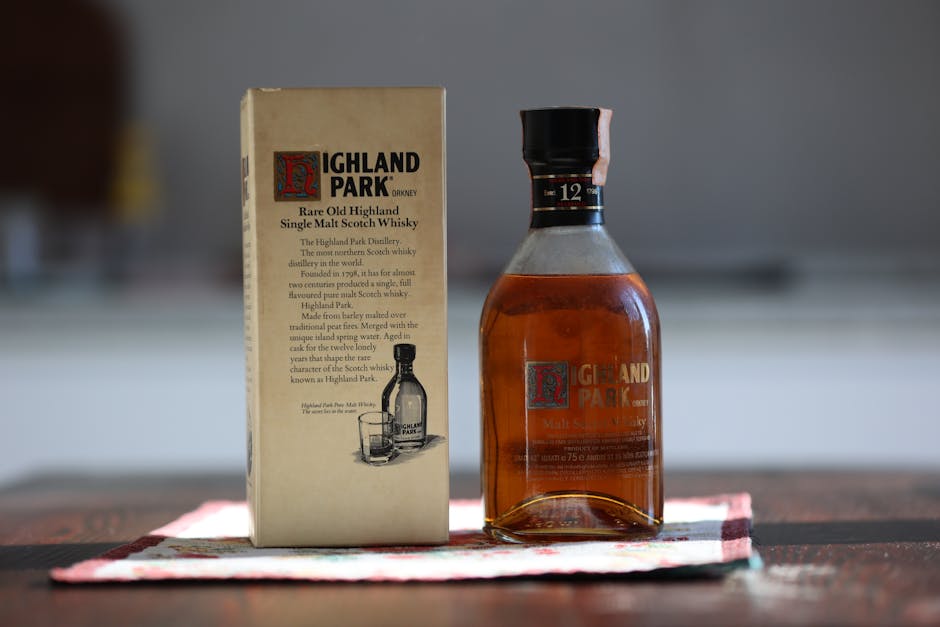
The Origin Story: Shared Roots, Diverging Paths
Japanese whisky didn’t emerge in a vacuum. Masataka Taketsuru traveled to Scotland in the early 1900s, studied distillation at the University of Glasgow, and brought those techniques home — but then something fascinating happened. Japanese distillers didn’t just replicate Scotch; they refined it through a distinctly Japanese lens of meticulous craftsmanship (what the Japanese call monozukuri, or “the art of making things”). The result is a style that shares Scotch’s DNA but expresses an entirely different personality.
Scotch whisky, on the other hand, is protected by strict legal definitions under the Scotch Whisky Regulations. It must be distilled and matured in Scotland for a minimum of three years in oak casks. Japanese whisky, notably, only tightened its own domestic labeling standards in 2021 — meaning bottles labeled “Japanese Whisky” now must use malted grain, be distilled and matured in Japan, and aged at least three years. This is a big deal for consumers who were previously buying blends that contained imported spirits.
Flavor Profiles: The Sensory Showdown
Here’s where things get delightfully subjective — but there are some reliable patterns worth knowing:
- Japanese Whisky: Tends toward elegance and subtlety. Expect lighter, more delicate profiles — think floral notes, green apple, white peach, gentle smoke, and refined oak. The water used in Japanese distilleries (often from mountain springs) contributes to a notably smooth texture.
- Scotch — Highlands: Richer, often with honey, dried fruit, and heather notes. Think Dalmore or GlenDronach — robust and warming.
- Scotch — Islay: The bold, polarizing sibling. Heavy peat smoke, iodine, seaweed, and maritime salinity. Lagavulin and Ardbeg are the poster children here.
- Scotch — Speyside: The crowd-pleaser. Fruity, sweet, often vanilla-forward. Glenfiddich and Macallan live here.
- Japanese Blended Whisky: Brands like Suntory Hibiki Harmony layer complexity beautifully — stone fruit, sandalwood, a whisper of smoke — making them arguably the most “accessible luxury” in the whisky world right now.
The Price Reality in 2026
Let’s talk numbers, because this matters enormously for practical decision-making. The Japanese whisky boom that started around 2014 sent prices skyrocketing, and in 2026, that pressure hasn’t fully eased. Here’s the current landscape:
- Hibiki Japanese Harmony (700ml): Retailing around $75–$95 USD globally, but frequently out of stock at that price. Secondary market prices hover around $120–$150.
- Yamazaki 12 Year: MSRP sits near $110–$130 USD, but good luck finding it at that price — auction prices routinely hit $200+.
- Nikka From the Barrel: Arguably the best value in Japanese whisky right now at $70–$85 USD, and actually available in most markets.
- Glenfiddich 12 Year (Scotch, Speyside): Consistently around $40–$50 USD and reliably stocked everywhere.
- Laphroaig 10 Year (Scotch, Islay): About $50–$60 USD — incredible value for its intensity and character.
- Macallan 12 Year Double Cask: Around $65–$80 USD — premium but accessible compared to Japanese equivalents.
The uncomfortable truth? For comparable age statements and quality tiers, Japanese whisky now costs 30–60% more than equivalent Scotch, largely due to constrained production capacity and sustained global demand.
Real-World Examples: Who’s Drinking What and Why
In Japan’s domestic market, Suntory’s Toki has become the go-to Highball whisky in izakayas and convenience stores alike — priced accessibly and designed specifically for that long, cold, effervescent serve. Meanwhile, in the UK, Diageo (which owns Lagavulin, Talisker, and others) reported in early 2026 that Talisker Storm saw a 22% volume increase in Asia-Pacific markets, signaling that Scotch is winning back customers in Japan’s own backyard.
In the US market, craft cocktail bars in cities like New York, Chicago, and Los Angeles have increasingly moved toward Nikka Coffey Grain as a mixing whisky — its vanilla-rich, surprisingly approachable profile makes it a bartender’s secret weapon in Whisky Sours and Old Fashioneds, often at a friendlier price point than Yamazaki.
Meanwhile, the Scotch industry has been quietly innovating. Distilleries like Ardnamurchan and Nc’nean in Scotland have embraced sustainable production and younger age statements with impressive results, attracting the same adventurous drinker who once gravitated toward Japanese whisky’s novelty.
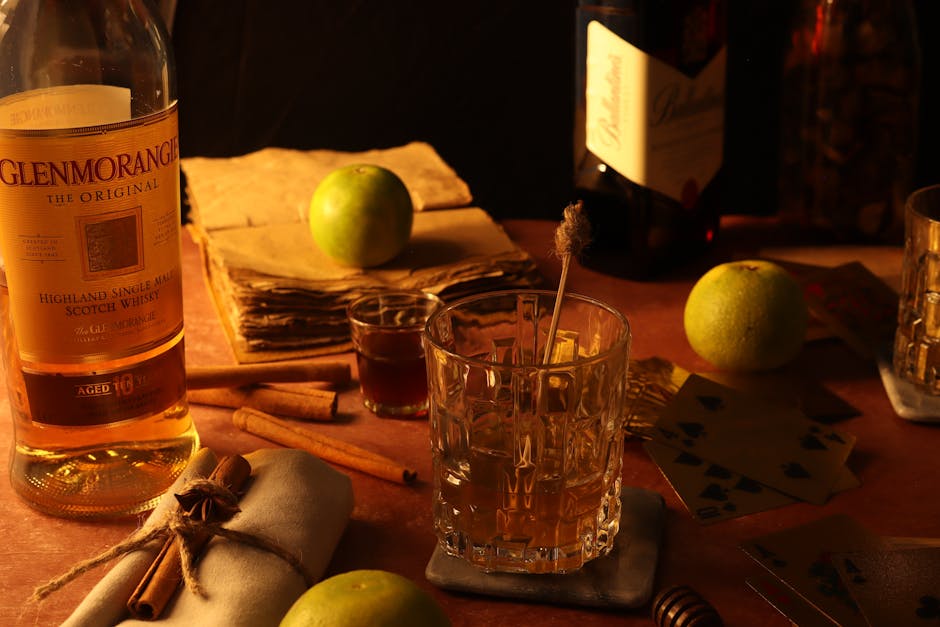
The Sustainability Angle (Worth Knowing in 2026)
One underreported story this year: Japanese distilleries are facing real climate and resource pressures. The water sources that define their whisky character — particularly in the Yamazaki and Yoichi regions — are being monitored more carefully as climate patterns shift. Several Scottish distilleries, conversely, have made carbon-neutral pledges with measurable 2026 milestones, with Bruichladdich and Nc’nean leading the charge on organic barley and renewable energy use.
So Which Should You Choose? Let’s Reason Through It
Rather than declaring a winner, let’s match whisky type to your actual situation:
- If you’re new to whisky: Start with a Speyside Scotch (Glenfiddich 12 or Glenlivet 12). Approachable, affordable, widely available.
- If you want Japanese style without the premium price: Look at Nikka From the Barrel or even Taiwan’s Kavalan Concertmaster — heavily influenced by Japanese philosophy, often easier to find.
- If you love cocktails: Japanese blended whiskies like Toki shine in Highballs. But Scotch Grain whiskies work beautifully in spirit-forward cocktails at a fraction of the cost.
- If you’re a collector or gifter: Japanese single malts still carry cultural prestige and gift value. A bottle of Yamazaki 18 Year communicates something a comparably priced Scotch might not in many Asian contexts.
- If you want sheer flavor adventure on a budget: Islay Scotch is unmatched. No Japanese equivalent delivers that peaty, coastal drama at $50–$60 USD.
Conclusion: It’s Not a Competition — It’s a Conversation
Here’s my honest take after years of exploring both categories: Japanese whisky and Scotch aren’t rivals — they’re dialogue partners. Japanese whisky grew up learning from Scotch, then taught the world something new about restraint and precision. Scotch, for its part, has been quietly innovating and diversifying in ways that don’t always get the same Instagram attention but absolutely deserve your palate’s consideration.
In 2026, the smartest move isn’t picking a side. It’s knowing when each style serves you best — and being willing to let the value equation guide you toward some genuinely underrated bottles in both categories.
My personal recommendation for right now? Keep a bottle of Nikka From the Barrel for daily enjoyment and special Highball nights, and a bottle of Laphroaig 10 Year for those contemplative evenings when you want whisky to challenge you. Both under $90. Both extraordinary.
Editor’s Comment : The whisky world rewards curiosity over loyalty. Whether you’re Team Japan or Team Scotland, the most important thing is to keep tasting, keep asking questions, and never let a price tag alone tell you what’s worth your glass. Cheers — kampai and slàinte.
태그: [‘Japanese whisky vs Scotch’, ‘best whisky 2026’, ‘Suntory vs Glenfiddich’, ‘Japanese whisky guide’, ‘Scotch whisky comparison’, ‘whisky buying guide 2026’, ‘Nikka Yamazaki Scotch review’]
Leave a Reply