Blog

  • World’s Best Single Malt Whiskies Ranked in 2026: What’s Actually Worth Your Money?

    I still remember the first time I genuinely understood what all the fuss was about. It was a rainy Thursday evening, and a friend slid a small pour of Yamazaki 18 across the table without saying a word. One sip, and suddenly years of dismissing whisky as “just another brown spirit” evaporated instantly. That moment of revelation is exactly what great single malt whisky does โ€” it doesn’t just taste like something, it says something. So let’s think through this together: what actually makes a single malt whisky world-class in 2026, and which bottles are genuinely earning their legendary reputations right now?

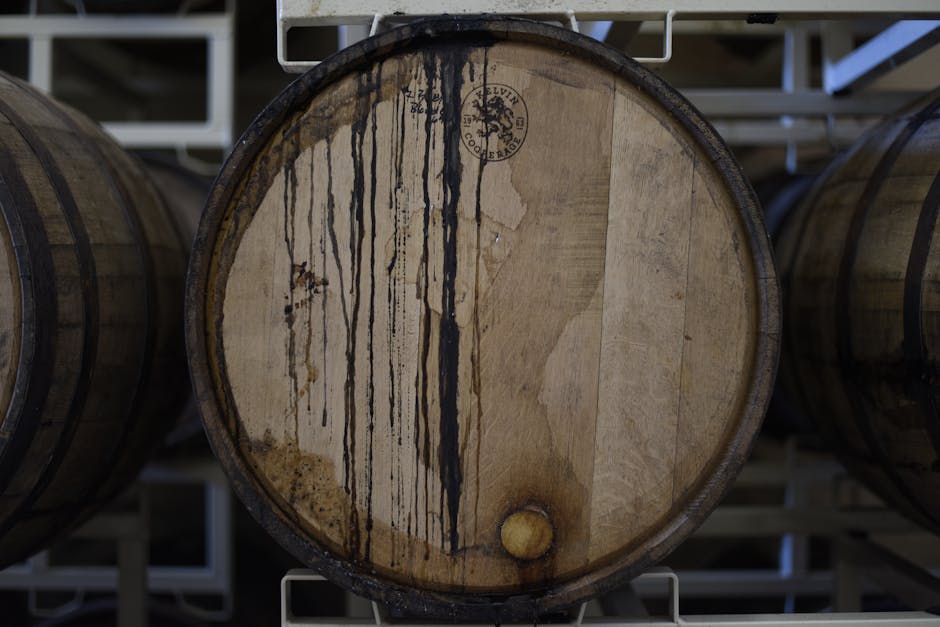
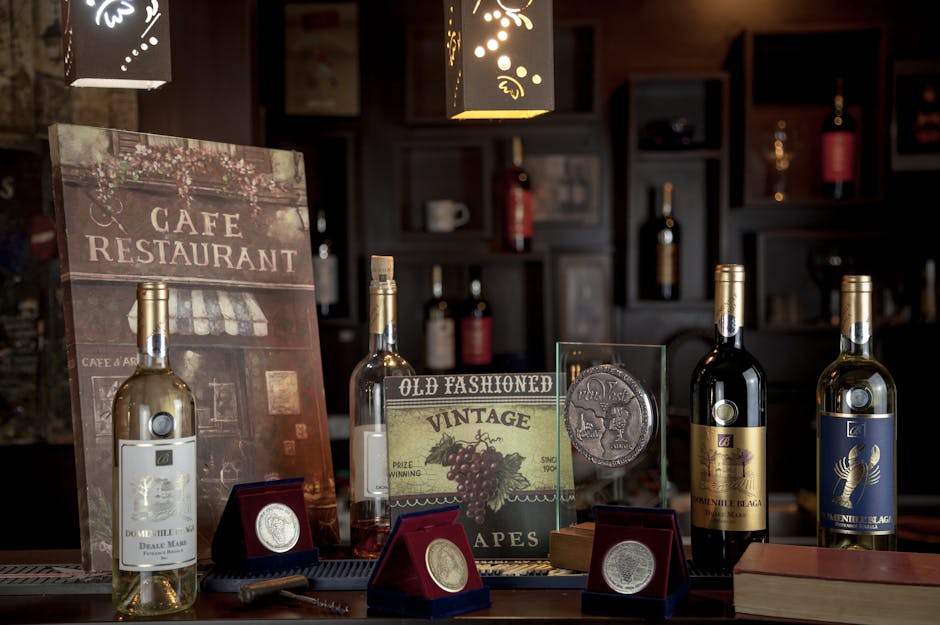
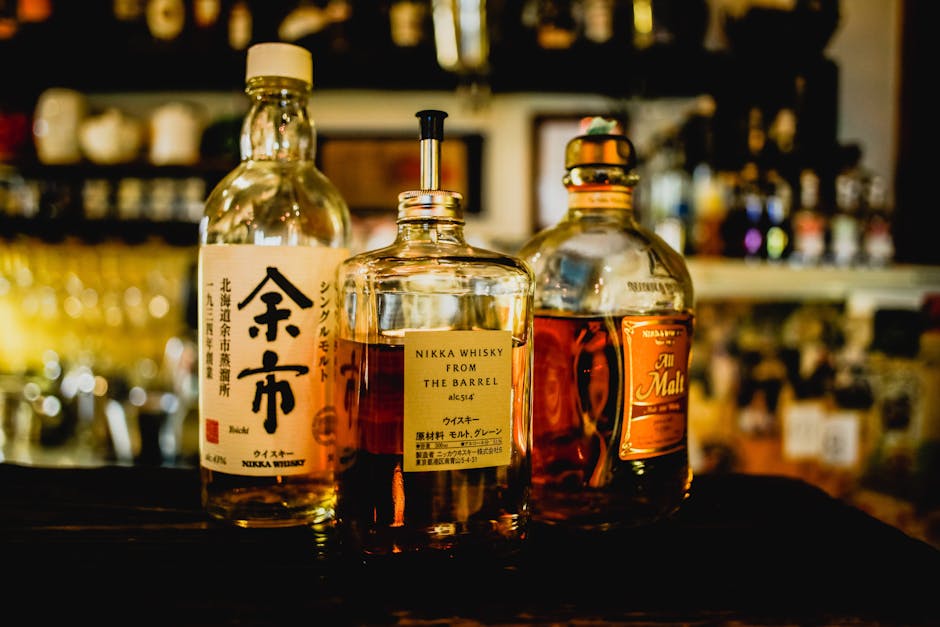
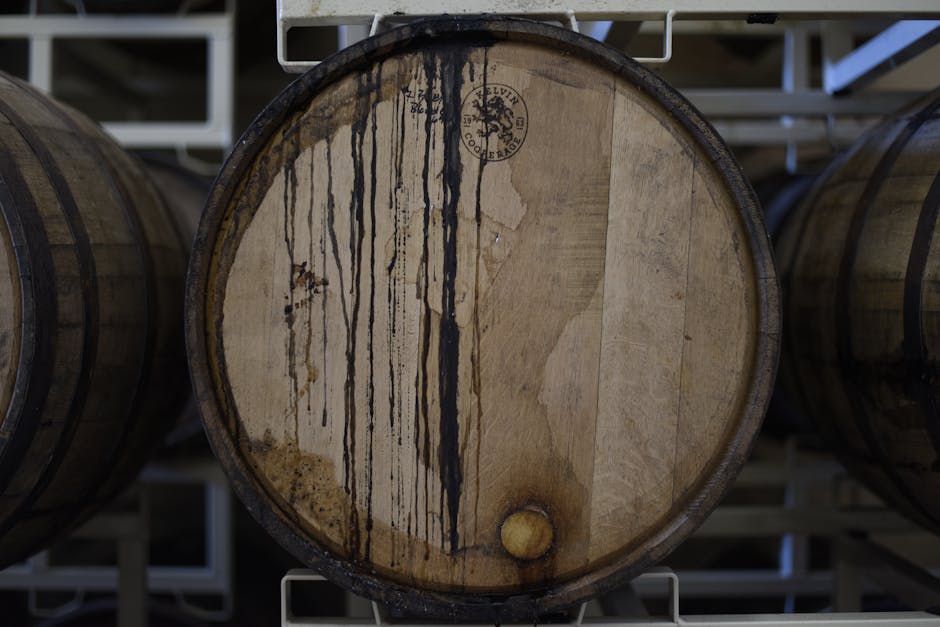
    premium single malt whisky collection aged barrels distillery

    What Exactly Is a Single Malt Whisky? (Quick Primer)

    Before we dive into rankings, let’s get our bearings. A single malt whisky must come from a single distillery, be made entirely from malted barley, and be distilled in pot stills. That’s it โ€” no blending from multiple distilleries. This constraint is actually what makes the category so fascinating, because each bottle is essentially a fingerprint of one specific place, one specific process, and often one specific master distiller’s vision. The terroir concept here rivals that of fine wine in many respects.

    The 2026 Global Rankings: Who’s Leading the Pack?

    Drawing from the 2026 results of the World Whiskies Awards, International Spirits Challenge, and the influential Whisky Advocate 100-point scale, here’s how the landscape looks right now:

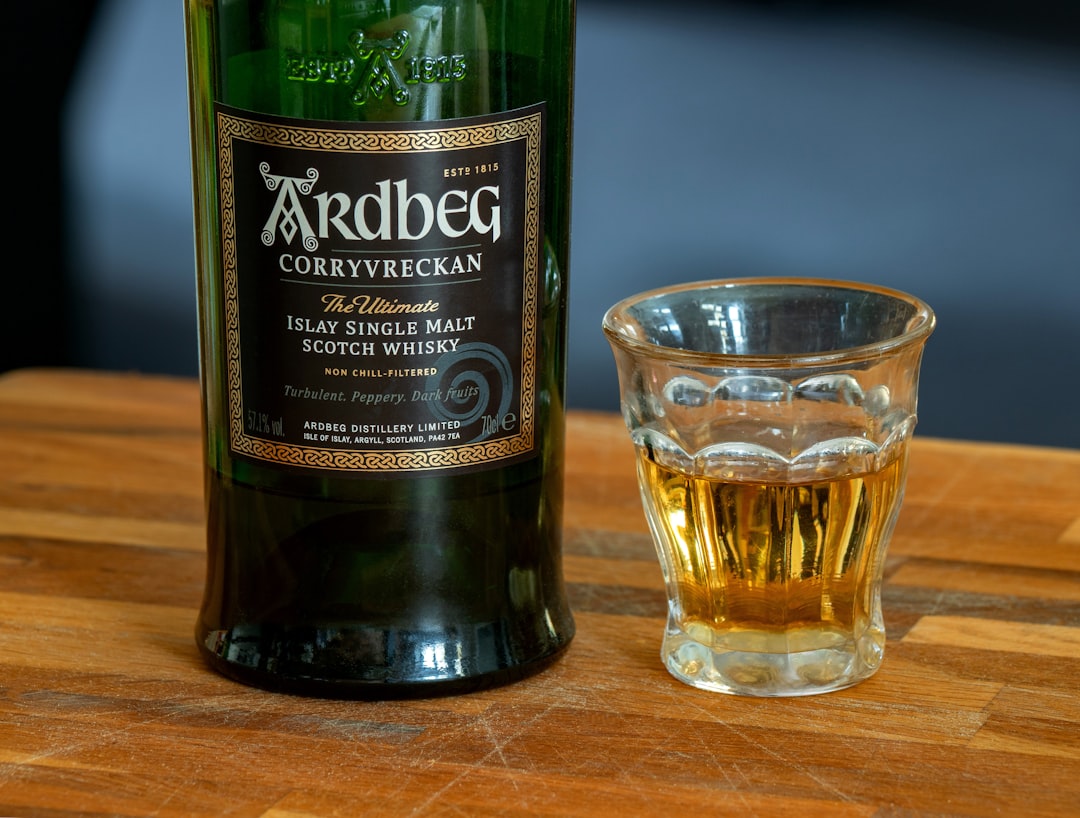
    • ๐Ÿฅ‡ Ardbeg Uigeadail (Islay, Scotland) โ€” Consistently rated 95โ€“97 points, this non-age-statement expression from Ardbeg combines ex-bourbon and oloroso sherry casks to produce an almost paradoxical whisky: intensely peaty yet rich with dried fruit and chocolate. It retails around $75โ€“$90 USD, making it arguably the best value-per-quality ratio on this list.
    • ๐Ÿฅˆ Yamazaki 18 Year Old (Japan) โ€” Japan’s flagship continues its dominance in 2026. Mizunara oak influence gives it an unmistakable sandalwood and incense character that no Scottish distillery can replicate. Retail price has climbed to $300โ€“$400, but the secondary market tells the real story of demand.
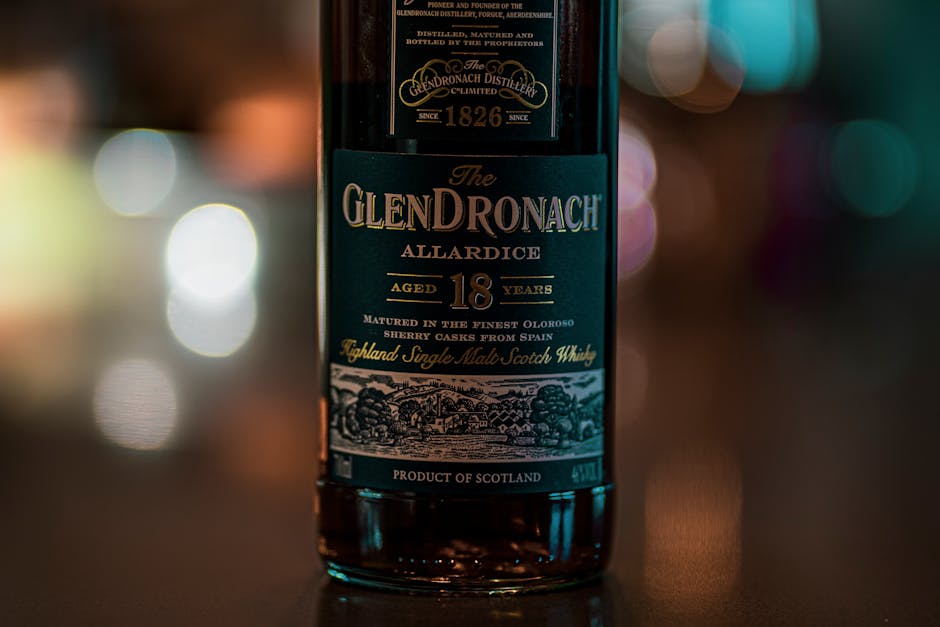
    • ๐Ÿฅ‰ GlenDronach 18 Parliament (Highlands, Scotland) โ€” Fully matured in Pedro Ximรฉnez and oloroso sherry casks, this is the quintessential dessert whisky. Rich, decadent, and remarkably approachable. Priced around $130โ€“$160.
    • Glenfarclas 25 Year Old (Speyside, Scotland) โ€” An independent family distillery that refuses to sell out to conglomerates, and it shows in the liquid. Complex, sherried, and built for contemplation. Around $200โ€“$250.
    • Springbank 15 Year Old (Campbeltown, Scotland) โ€” Campbeltown is Scotland’s rarest whisky region, and Springbank is its jewel. Slightly waxy, coastal, and deeply layered. Frustratingly hard to find at retail ($120โ€“$150) but worth the hunt.
    • Kavalan Solist Vinho Barrique (Taiwan) โ€” Taiwan’s tropical climate accelerates maturation dramatically, and Kavalan keeps proving it belongs at the top table. Multiple gold medals in 2026 competitions. Around $150โ€“$200.
    • Bruichladdich Octomore 15 Series (Islay, Scotland) โ€” The world’s most heavily peated whisky, yet somehow elegant. For peat fanatics, this is the benchmark. Limited release, expect to pay $200+.

    The Science Behind “Best”: How Judges Actually Score These

    Here’s something most casual whisky drinkers don’t think about โ€” competition scoring isn’t purely subjective magic. Judges evaluate across five systematic dimensions: color (depth and clarity), nose (aroma complexity and balance), palate (flavor development and mouthfeel), finish (length and quality of aftertaste), and overall balance. A whisky that scores a 95 has essentially demonstrated mastery across all five. What’s particularly interesting in 2026 is that non-age-statement (NAS) whiskies like the Ardbeg Uigeadail are routinely outscoring older age-statement expressions โ€” a sign that master blenders are increasingly skilled at sourcing the right casks regardless of age.

    whisky tasting glass nosing aroma competition judge

    Regional Character: Why Geography Still Matters Deeply

    One of the most rewarding ways to approach single malts is through regional lenses. Think of it like wine appellations:

    • Islay (Scotland): Coastal, heavily peated, medicinal, smoky. Ardbeg, Laphroaig, Lagavulin.
    • Speyside (Scotland): Fruit-forward, elegant, often sherried. GlenDronach, Glenfarclas, Macallan.
    • Highlands (Scotland): Diverse and rugged โ€” from honeyed Dalmore to robust Glenmorangie.
    • Japan: Delicate, precise, layered with unique oak influences. Yamazaki, Nikka, Chichibu.
    • Taiwan: Tropical fruit, rapid maturation, exceptional sherry finishes. Kavalan leads here.
    • Ireland: Triple-distilled, smooth, light. Redbreast 21 is turning serious heads in 2026.

    The Emerging Contenders You Should Watch

    2026 is genuinely exciting because the whisky world is expanding geographically. Amrut Fusion from India continues climbing critic rankings with its barley blend. Stauning PEATED from Denmark is winning European awards. And perhaps most surprisingly, Starward Two-Fold from Australia โ€” while technically a blend โ€” has pushed that country’s single malt producers like Lark Distillery into serious global conversation. The days of single malt whisky being exclusively a Scottish story are well and truly over.

    Realistic Alternatives: What If You Can’t Spend $200+ Per Bottle?

    Let’s be honest โ€” most of us aren’t buying Yamazaki 18 on a Tuesday night. And that’s completely fine, because here’s the thing: the whisky landscape has never been more democratic. Some genuinely excellent alternatives at accessible price points include:

    • Glenfiddich 15 Solera ($60โ€“$70): The solera vatting system gives this unusual richness for the price point.
    • Benriach The Smoky Ten ($55โ€“$65): Lightly peated Speyside that offers complexity without requiring a finance degree to afford.
    • Auchentoshan Three Wood ($70โ€“$85): Triple-distilled and finished across three cask types โ€” extraordinary complexity under $100.
    • Glenmorangie The Original 10 ($40โ€“$50): The entry point that’s never boring. Consistently reliable and food-friendly.

    My honest advice? Start here, develop your palate, and then you’ll appreciate the $200 bottles far more when you do eventually treat yourself.

    The world of single malt whisky in 2026 is more global, more creative, and more accessible than it’s ever been. Whether you’re chasing Ardbeg’s smoky thunder, Yamazaki’s meditative elegance, or Kavalan’s tropical exuberance, there’s a perfect dram out there waiting to have its own “Thursday evening” moment with you. The trick isn’t finding the “objectively best” bottle โ€” it’s finding the one that speaks to your palate and your moment.

    Editor’s Comment : In an era when whisky marketing can feel overwhelming, the most important ranking is the one you build for yourself through exploration. Start with a regional flight at a good whisky bar before committing to a full bottle โ€” your taste buds will thank you for the education, and your wallet will appreciate the strategy. The 2026 market is genuinely exciting, and the best part? You don’t need to spend a fortune to start discovering what makes this category so endlessly compelling.

    ํƒœ๊ทธ: [‘single malt whisky 2026’, ‘best whisky rankings’, ‘Scotch whisky guide’, ‘Japanese whisky’, ‘Ardbeg Yamazaki’, ‘whisky buying guide’, ‘world whisky awards 2026’]


    ๐Ÿ“š ๊ด€๋ จ๋œ ๋‹ค๋ฅธ ๊ธ€๋„ ์ฝ์–ด ๋ณด์„ธ์š”

  • 2026๋…„ ์„ธ๊ณ„ ์ตœ๊ณ  ์‹ฑ๊ธ€๋ชฐํŠธ ์œ„์Šคํ‚ค ์ˆœ์œ„ TOP 10 โ€” ์ „๋ฌธ๊ฐ€๋“ค์ด ์‹ค์ œ๋กœ ๋งˆ์‹œ๋Š” ๊ทธ ์ˆ 

    ์Šค์ฝ”ํ‹€๋žœ๋“œ ์—๋“ ๋ฒ„๋Ÿฌ์˜ ํ•œ ๋ฐ”์—์„œ ์ฒ˜์Œ ๊ธ€๋ Œํ”ผ๋”• 18๋…„์„ ๋งˆ์…จ์„ ๋•Œ, ์†”์งํžˆ ๋งํ•˜๋ฉด ‘์ด๊ฒŒ ๊ทธ๋ ‡๊ฒŒ ๋Œ€๋‹จํ•œ๊ฐ€?’ ์‹ถ์—ˆ์–ด์š”. ๊ทธ๋Ÿฐ๋ฐ ๋‘ ๋ฒˆ์งธ ์ž”์—์„œ ๋‹ฌ๋ผ์กŒ์Šต๋‹ˆ๋‹ค. ์‚ฌ๊ณผ์™€ ๋ฐฐ์˜ ํ–ฅ์ด ํ”ผํŠธ(Peat, ์ดํƒ„) ํ–ฅ๊ณผ ์ ˆ๋ฌ˜ํ•˜๊ฒŒ ๋’ค์„ž์ด๋ฉฐ ๋ชฉ ๋’ค๋กœ ๊ธด ์—ฌ์šด์„ ๋‚จ๊ธฐ๋Š” ์ˆœ๊ฐ„ โ€” ๋น„๋กœ์†Œ ์‹ฑ๊ธ€๋ชฐํŠธ ์œ„์Šคํ‚ค์˜ ์„ธ๊ณ„๊ฐ€ ์—ด๋ฆฌ๋Š” ๋А๋‚Œ์ด๋ž„๊นŒ์š”. ์‹ฑ๊ธ€๋ชฐํŠธ๋Š” ๋‹จ์ˆœํ•œ ์ˆ ์ด ์•„๋‹ˆ๋ผ, ํ•œ ์ฆ๋ฅ˜์†Œ์—์„œ ๋‹จ์ผ ๋งฅ์•„๋งŒ์œผ๋กœ ๋งŒ๋“  ์‹œ๊ฐ„์˜ ๊ฒฐ์ •์ฒด๋ผ๊ณ  ๋ด…๋‹ˆ๋‹ค. 2026๋…„ ํ˜„์žฌ, ์„ธ๊ณ„ ์œ„์Šคํ‚ค ์‹œ์žฅ์€ ๋”์šฑ ๋‹ค์–‘ํ•ด์กŒ๊ณ  ์ƒˆ๋กœ์šด ๊ฐ•์ž๋“ค๋„ ์†์† ๋“ฑ์žฅํ•˜๊ณ  ์žˆ์–ด์š”. ์˜ค๋Š˜์€ ๊ทธ ์น˜์—ดํ•œ ๊ฒฝ์Ÿ ์†์—์„œ๋„ ๊พธ์ค€ํžˆ ์ •์ƒ๊ถŒ์„ ์ง€ํ‚ค๋Š” ์‹ฑ๊ธ€๋ชฐํŠธ ์œ„์Šคํ‚ค๋“ค์„ ํ•จ๊ป˜ ์‚ดํŽด๋ณด๊ฒ ์Šต๋‹ˆ๋‹ค.

    single malt whisky collection bottles scotland distillery

    ๐Ÿ“Š 2026๋…„ ์„ธ๊ณ„ ์‹ฑ๊ธ€๋ชฐํŠธ ์œ„์Šคํ‚ค ์ˆœ์œ„ โ€” ์ˆ˜์น˜๋กœ ๋ณด๋Š” ํ˜„ํ™ฉ

    ์œ„์Šคํ‚ค ์ˆœ์œ„๋Š” ๋‹จ์ˆœํ•œ ‘๋ง› ํˆฌํ‘œ’๊ฐ€ ์•„๋‹ˆ์—์š”. ISC(International Spirits Challenge), WWA(World Whiskies Awards), Whisky Advocate ๋“ฑ ์ „๋ฌธ ๊ตญ์ œ ๋Œ€ํšŒ์˜ ์ ์ˆ˜์™€ ๋ธ”๋ผ์ธ๋“œ ํ…Œ์ด์ŠคํŒ… ๊ฒฐ๊ณผ, ๊ทธ๋ฆฌ๊ณ  ์‹ค์ œ ํŒ๋งค๋Ÿ‰ ๋ฐ์ดํ„ฐ๋ฅผ ์ข…ํ•ฉ์ ์œผ๋กœ ๋ฐ˜์˜ํ•œ๋‹ค๊ณ  ๋ณด๋Š” ๊ฒŒ ์ •ํ™•ํ•ฉ๋‹ˆ๋‹ค. 2026๋…„ ๊ธฐ์ค€ ๊ธ€๋กœ๋ฒŒ ์‹ฑ๊ธ€๋ชฐํŠธ ์‹œ์žฅ ๊ทœ๋ชจ๋Š” ์•ฝ 180์–ต ๋‹ฌ๋Ÿฌ(ํ•œํ™” ์•ฝ 24์กฐ ์›)์— ๋‹ฌํ•˜๋ฉฐ, ์ „๋…„ ๋Œ€๋น„ ์•ฝ 8.3% ์„ฑ์žฅํ•œ ์ˆ˜์น˜์˜ˆ์š”. ์Šค์ฝ”ํ‹€๋žœ๋“œ์‚ฐ์ด ์ „์ฒด ์‹œ์žฅ์˜ ์•ฝ 62%๋ฅผ ์ ์œ ํ•˜์ง€๋งŒ, ์ผ๋ณธยท์•„์ผ๋žœ๋“œยท๋Œ€๋งŒ์‚ฐ์ด ๋น ๋ฅด๊ฒŒ ์ ์œ ์œจ์„ ๋†’์ด๊ณ  ์žˆ๋Š” ์ƒํ™ฉ์ž…๋‹ˆ๋‹ค.

    • ๐Ÿฅ‡ ๋งฅ์บ˜๋ž€ ๋”๋ธ” ์บ์Šคํฌ 18๋…„ (The Macallan Double Cask 18Y) โ€” ์…ฐ๋ฆฌ ์˜คํฌ ์บ์Šคํฌ ํŠน์œ ์˜ ๊ฑด๊ณผ์ผยท์ดˆ์ฝœ๋ฆฟ ํ’๋ฏธ. WWA 2026 ์ตœ๊ณ  ์Šค์ฝ”์–ด 96์ . ์Šค์ฝ”ํ‹€๋žœ๋“œ ์ŠคํŽ˜์ด์‚ฌ์ด๋“œ ์ง€์—ญ์˜ ๋Œ€ํ‘œ์ฃผ์ž๋กœ, ํ•œ ๋ณ‘ ๊ตญ๋‚ด ์†Œ๋น„์ž๊ฐ€ ์•ฝ 45~60๋งŒ ์›๋Œ€.
    • ๐Ÿฅˆ ์•ผ๋งˆ์žํ‚ค 18๋…„ (Yamazaki 18Y, ์‚ฐํ† ๋ฆฌ) โ€” ๋ฏธ์ฆˆ๋‚˜๋ผ(ๆฐดๆฅข, ์ผ๋ณธ ์ฐธ๋‚˜๋ฌด) ์บ์Šคํฌ ์ˆ™์„ฑ์œผ๋กœ ๋…๋ณด์ ์ธ ํ–ฅ์‹ ๋ฃŒยท๋ฐฑ๋‹จํ–ฅ ๋‰˜์•™์Šค. 2026๋…„์—๋„ ๊ตฌํ•˜๊ธฐ ์–ด๋ ค์šด ์œ„์Šคํ‚ค 1์œ„์— ๊ผฝํžˆ๋ฉฐ, ๊ฒฝ๋งค ์‹œ์„ธ 80๋งŒ ์› ์ด์ƒ.
    • ๐Ÿฅ‰ ๊ธ€๋ Œ๋“œ๋กœ๋‚™ 21๋…„ ํŒŒ๋ฅผ๋ฆฌ์•„๋ฉ˜ํŠธ (GlenDronach 21Y Parliament) โ€” ์…ฐ๋ฆฌ ๋ฒ„ํŠธ 100% ์ˆ™์„ฑ. ํ…Œ์ด์ŠคํŒ… ์ ์ˆ˜ 94์ . ๋น„๊ต์  ํ•ฉ๋ฆฌ์ ์ธ ๊ฐ€๊ฒฉ(์•ฝ 25~35๋งŒ ์›)์œผ๋กœ ‘๊ฐ€์„ฑ๋น„ ๋ช…ํ’ˆ’์œผ๋กœ ํ‰๊ฐ€๋ฐ›์•„์š”.
    • 4์œ„ ์นด๋ฐœ๋ž€ ์†”๋ฆฌ์ŠคํŠธ ๋น„๋…ธ ๋ฐ”๋ฆฌํฌ (Kavalan Solist Vinho Barrique) โ€” ๋Œ€๋งŒ ์œ„์Šคํ‚ค์˜ ์ž์กด์‹ฌ. ์•„์—ด๋Œ€ ๊ธฐํ›„ ๋•๋ถ„์— ์ˆ™์„ฑ ์†๋„๊ฐ€ ๋น ๋ฅด๊ณ  ์—ด๋Œ€๊ณผ์ผยท๋ฐ”๋‹๋ผ ํ–ฅ์ด ๊ฐ•๋ ฌ. ISC 2025ยท2026 ์—ฐ์† ๊ธˆ๋ฉ”๋‹ฌ.
    • 5์œ„ ์•„๋“œ๋ฒก ์šฐ๊ฐ€๋‹ฌ (Ardbeg Uigeadail) โ€” ์•„์ผ๋ผ(Islay) ์ง€์—ญ ํŠน์œ ์˜ ๊ฐ•๋ ฌํ•œ ์Šค๋ชจํ‚คยทํ”ผํŠธ ํ–ฅ. 90์ ๋Œ€๋ฅผ ๊พธ์ค€ํžˆ ์œ ์ง€ํ•˜๋ฉฐ ํ”ผํŠธ ์œ„์Šคํ‚ค ํŒฌ๋“ค์˜ ‘์ตœ์• ’.
    • 6์œ„ ๋ฐœ๋ฒ ๋‹ˆ ๋”๋ธ”์šฐ๋“œ 21๋…„ (Balvenie DoubleWood 21Y) โ€” ๋‘ ์ข…๋ฅ˜์˜ ์บ์Šคํฌ๋ฅผ ๊ฑฐ์น˜๋Š” ‘์šฐ๋“œ ํ”ผ๋‹ˆ์‹ฑ’ ๊ธฐ๋ฒ•์˜ ๊ต๊ณผ์„œ. ํ—ˆ๋‹ˆยท์‹œ๋‚˜๋ชฌยท๊ฑดํฌ๋„์˜ ์กฐํ™”.
    • 7์œ„ ๊ธ€๋ ŒํŒŒํด๋ผ์Šค 25๋…„ (Glenfarclas 25Y) โ€” ๊ฐ€์กฑ ๊ฒฝ์˜ ์ฆ๋ฅ˜์†Œ์˜ ์ €๋ ฅ. ์…ฐ๋ฆฌ ์บ์Šคํฌ ์ˆ™์„ฑ์œผ๋กœ ๋ณตํ•ฉ์ ์ธ ๋ ˆ์ด์–ด๋“œ ํ”Œ๋ ˆ์ด๋ฒ„. ๊ฐ€๊ฒฉ ๋Œ€๋น„ ๋งŒ์กฑ๋„ ์ตœ์ƒ์œ„๊ถŒ.
    • 8์œ„ ํ•˜์ด๋žœ๋“œ ํŒŒํฌ 18๋…„ (Highland Park 18Y) โ€” ์˜คํฌ๋‹ˆ ์ œ๋„์˜ ํ—ค๋”(Heather) ๊ฝƒํ–ฅ๊ธฐ์™€ ๊ฐ€๋ฒผ์šด ํ”ผํŠธ์˜ ๊ท ํ˜•. ์Šค๋ชจํ‚ค์™€ ๋‹ฌ์ฝคํ•จ์„ ๋™์‹œ์— ์›ํ•˜๋Š” ์ด๋“ค์—๊ฒŒ ์ถ”์ฒœ.
    • 9์œ„ ๋‹ฌ๋ชจ์–ด ํ‚น ์•Œ๋ ‰์‚ฐ๋” III (Dalmore King Alexander III) โ€” 6๊ฐ€์ง€ ๋‹ค๋ฅธ ์บ์Šคํฌ๋ฅผ ๊ฑฐ์นœ ๋ณตํ•ฉ ์ˆ™์„ฑ. ์ดˆ์ฝœ๋ฆฟยท์˜ค๋ Œ์ง€ ์ œ์ŠคํŠธยทํฌ๋ฆผ์˜ ํ’๋ฏธ. ์„ ๋ฌผ์šฉ์œผ๋กœ๋„ ๋งค์šฐ ์ธ๊ธฐ.
    • 10์œ„ ๊ธ€๋ Œ๋ฆฌ๋ฒณ 25๋…„ (The Glenlivet 25Y) โ€” ์‹ฑ๊ธ€๋ชฐํŠธ์˜ ์—ญ์‚ฌ๋ฅผ ์“ด ์ฆ๋ฅ˜์†Œ. 2026๋…„ ๋ฆฌ๋‰ด์–ผ ํŒจํ‚ค์ง€๋กœ ์žฌ์กฐ๋ช…. ์‚ฌ๊ณผยทํฐ ๊ฝƒยท๋ฐ”๋‹๋ผ์˜ ๊ฐ€๋ฒผ์šด ์Šคํƒ€์ผ.

    ๐ŸŒ ๊ตญ๋‚ด์™ธ ์‹ฑ๊ธ€๋ชฐํŠธ ํŠธ๋ Œ๋“œ โ€” ํ•œ๊ตญ ์‹œ์žฅ์ด ๋‹ฌ๋ผ์ง€๊ณ  ์žˆ์–ด์š”

    ๊ตญ๋‚ด์—์„œ๋„ ์‹ฑ๊ธ€๋ชฐํŠธ์— ๋Œ€ํ•œ ์ธ์‹์ด ๋น ๋ฅด๊ฒŒ ๋ณ€ํ•˜๊ณ  ์žˆ๋‹ค๊ณ  ๋ด…๋‹ˆ๋‹ค. 2026๋…„ ๊ตญ๋‚ด ํ”„๋ฆฌ๋ฏธ์—„ ์œ„์Šคํ‚ค(5๋งŒ ์› ์ด์ƒ) ์ˆ˜์ž…์•ก์€ ์ „๋…„ ๋Œ€๋น„ ์•ฝ 17% ์ฆ๊ฐ€ํ–ˆ์œผ๋ฉฐ, ๊ทธ์ค‘ ์‹ฑ๊ธ€๋ชฐํŠธ ๋น„์ค‘์ด ์ฒ˜์Œ์œผ๋กœ 40%๋ฅผ ๋„˜์–ด์„ฐ์–ด์š”. ์ด์ „๊นŒ์ง€๋Š” ์กฐ๋‹ˆ์›Œ์ปค ๋ธ”๋ž™ ๊ฐ™์€ ๋ธ”๋ Œ๋””๋“œ ์œ„์Šคํ‚ค๊ฐ€ ์••๋„์ ์ด์—ˆ๋Š”๋ฐ, MZ์„ธ๋Œ€๋ฅผ ์ค‘์‹ฌ์œผ๋กœ ‘์›์‚ฐ์ง€์™€ ์ฆ๋ฅ˜์†Œ๋ฅผ ์•Œ๊ณ  ๋งˆ์‹œ๋Š” ๋ฌธํ™”’๊ฐ€ ์ž๋ฆฌ ์žก์€ ๊ฒฐ๊ณผ๋ผ๊ณ  ๋ด์š”.

    ํ•ด์™ธ์—์„œ๋Š” ์ผ๋ณธ ์œ„์Šคํ‚ค์˜ ๊ณต๊ธ‰ ๋ถ€์กฑ ๋ฌธ์ œ๊ฐ€ ์—ฌ์ „ํžˆ ์ด์Šˆ์ž…๋‹ˆ๋‹ค. ์•ผ๋งˆ์žํ‚คยทํ•˜์ฟ ์Šˆ๋Š” ๋ฉด์„ธ์ ์—์„œ์กฐ์ฐจ ๊ตฌํ•˜๊ธฐ ์–ด๋ ค์šด ์ƒํ™ฉ์ด ์ง€์†๋˜๊ณ  ์žˆ์–ด์š”. ์ด์— ๋”ฐ๋ผ ํ‹ˆ์ƒˆ ๊ฐ•์ž๋กœ ๋Œ€๋งŒ ์นด๋ฐœ๋ž€๊ณผ ์ธ๋„ ์•”๋ฃจํŠธ(Amrut)๊ฐ€ ๊ธ‰๋ถ€์ƒํ•˜๊ณ  ์žˆ๊ณ , ์•„์ผ๋žœ๋“œ์˜ ๋ ˆ๋“œ๋ธŒ๋ ˆ์ŠคํŠธ 21๋…„(Redbreast 21Y)๋„ ์œ ๋Ÿฝ ์‹œ์žฅ์—์„œ ์ฃผ๋ชฉ๋ฐ›๊ณ  ์žˆ์Šต๋‹ˆ๋‹ค.

    whisky tasting glass amber liquid luxury bar

    ๐Ÿ’ก ์ž…๋ฌธ์ž๋ฅผ ์œ„ํ•œ ํ˜„์‹ค์ ์ธ ์„ ํƒ ๊ฐ€์ด๋“œ

    ์ˆœ์œ„ ์•ˆ์˜ ์œ„์Šคํ‚ค๋“ค์ด ๋ชจ๋‘ ์ข‹์ง€๋งŒ, ํ˜„์‹ค์ ์œผ๋กœ ์ฒ˜์Œ๋ถ€ํ„ฐ ๋งฅ์บ˜๋ž€ 18๋…„์ด๋‚˜ ์•ผ๋งˆ์žํ‚ค 18๋…„์„ ์‚ด ํ•„์š”๋Š” ์—†์–ด์š”. ์ž…๋ฌธ์ž๋ผ๋ฉด ์˜คํžˆ๋ ค ‘์Šคํƒ€์ผ ํƒ์ƒ‰’์ด ๋จผ์ €๋ผ๊ณ  ์ƒ๊ฐํ•ฉ๋‹ˆ๋‹ค. ํฌ๊ฒŒ ์„ธ ๊ฐ€์ง€ ๋ฐฉํ–ฅ์œผ๋กœ ์ ‘๊ทผํ•ด๋ณด์„ธ์š”.

    • ๋‹ฌ์ฝคํ•˜๊ณ  ๋ถ€๋“œ๋Ÿฌ์šด ์Šคํƒ€์ผ ์›ํ•œ๋‹ค๋ฉด โ†’ ๊ธ€๋ Œ๋“œ๋กœ๋‚™ 12๋…„, ๋ฐœ๋ฒ ๋‹ˆ ๋”๋ธ”์šฐ๋“œ 12๋…„ (3~8๋งŒ ์›๋Œ€)
    • ์Šค๋ชจํ‚คยทํ”ผํŠธ ํ–ฅ ๋„์ „ํ•ด๋ณด๊ณ  ์‹ถ๋‹ค๋ฉด โ†’ ์•„๋“œ๋ฒก 10๋…„, ๋ผํ”„๋กœ์ต 10๋…„ (5~10๋งŒ ์›๋Œ€)
    • ๊ณผ์ผํ–ฅยท๊ฐ€๋ฒผ์šด ์Šคํƒ€์ผ ์„ ํ˜ธํ•œ๋‹ค๋ฉด โ†’ ๊ธ€๋ Œํ”ผ๋”• 15๋…„, ์Šคํ”„๋ง๋ฑ…ํฌ 10๋…„ (10~15๋งŒ ์›๋Œ€)

    ์œ„์Šคํ‚ค ๋ฐ”์—์„œ 30~50ml ๋‹จ์œ„๋กœ ์—ฌ๋Ÿฌ ์ข…๋ฅ˜๋ฅผ ๋จผ์ € ํ…Œ์ด์ŠคํŒ…ํ•ด๋ณด๋Š” ๊ฒƒ๋„ ์•„์ฃผ ์ข‹์€ ๋ฐฉ๋ฒ•์ด์—์š”. ์„œ์šธ ๊ธฐ์ค€์œผ๋กœ ์ดํƒœ์›ยท์„ฑ์ˆ˜ยท๋งˆํฌ ์ผ๋Œ€์— ์‹ฑ๊ธ€๋ชฐํŠธ ์ „๋ฌธ ๋ฐ”๊ฐ€ ๋งŽ์ด ์ƒ๊ฒผ๊ณ , 2026๋…„ ํ˜„์žฌ๋Š” ‘์œ„์Šคํ‚ค ํ…Œ์ด์ŠคํŒ… ํด๋ž˜์Šค’๋ฅผ ์šด์˜ํ•˜๋Š” ๊ณณ๋„ ๋Š˜๊ณ  ์žˆ์Šต๋‹ˆ๋‹ค.


    ์—๋””ํ„ฐ ์ฝ”๋ฉ˜ํŠธ : ์‹ฑ๊ธ€๋ชฐํŠธ ์œ„์Šคํ‚ค๋Š” ์ˆœ์œ„๋ณด๋‹ค ๋‚ด ์ž…๋ง›๊ณผ์˜ ๊ถํ•ฉ์ด ๋” ์ค‘์š”ํ•œ ๊ฒƒ ๊ฐ™์•„์š”. ์„ธ๊ณ„ 1์œ„ ๋งฅ์บ˜๋ž€์ด ๋‚ด ์ทจํ–ฅ์ด ์•„๋‹ ์ˆ˜๋„ ์žˆ๊ณ , 10์œ„๊ถŒ ๋ฐ–์˜ ์œ„์Šคํ‚ค๊ฐ€ ๋‚ด ์ธ์ƒ ์ˆ ์ด ๋  ์ˆ˜๋„ ์žˆ๊ฑฐ๋“ ์š”. ์ˆœ์œ„๋Š” ‘ํƒ์ƒ‰์˜ ์‹œ์ž‘์ ’์œผ๋กœ ํ™œ์šฉํ•˜๋˜, ๊ฒฐ๊ตญ์€ ์ง์ ‘ ๋งˆ์…”๋ณด๊ณ  ์ž์‹ ๋งŒ์˜ ๋ฆฌ์ŠคํŠธ๋ฅผ ๋งŒ๋“ค์–ด๊ฐ€๋Š” ๊ณผ์ • ์ž์ฒด๊ฐ€ ์‹ฑ๊ธ€๋ชฐํŠธ์˜ ์ง„์งœ ๋งค๋ ฅ์ด๋ผ๊ณ  ๋ด…๋‹ˆ๋‹ค. ์˜ฌํ•ด ํ•œ ๋ณ‘, ๋„์ „ํ•ด๋ณด์‹œ๊ฒ ์–ด์š”? ๐Ÿฅƒ

    ํƒœ๊ทธ: [‘์‹ฑ๊ธ€๋ชฐํŠธ์œ„์Šคํ‚ค’, ‘์„ธ๊ณ„์œ„์Šคํ‚ค์ˆœ์œ„’, ‘๋งฅ์บ˜๋ž€’, ‘์•ผ๋งˆ์žํ‚ค’, ‘์œ„์Šคํ‚ค์ถ”์ฒœ2026’, ‘์Šค์นด์น˜์œ„์Šคํ‚ค’, ‘์œ„์Šคํ‚ค์ž…๋ฌธ’]


    ๐Ÿ“š ๊ด€๋ จ๋œ ๋‹ค๋ฅธ ๊ธ€๋„ ์ฝ์–ด ๋ณด์„ธ์š”

  • Japanese Whisky vs Scotch Whisky: Which One Deserves a Spot in Your Glass in 2026?

    Let me paint you a picture. It’s a rainy evening, and a friend slides two glasses across the table โ€” one filled with a golden, delicately floral liquid, the other a deeper amber with a smoky, almost peaty promise. “Pick one,” she says. That’s the eternal dilemma whisky lovers face when choosing between Japanese whisky and Scotch whisky. I’ve been sitting with this question for years, and honestly? The more I explore it, the more fascinating the answer becomes.

    Both traditions are world-class, both have fiercely loyal fans, and both have some seriously jaw-dropping bottles at wildly different price points. So instead of crowning a winner (there isn’t one, really), let’s reason through what makes each style unique โ€” and figure out which one actually fits your lifestyle and palate.

    Japanese whisky bottle versus Scotch whisky bottle side by side tasting comparison

    ๐Ÿ”๏ธ Origins & Philosophy: Tradition vs. Adaptation

    Scotch whisky has been distilled in Scotland for over 500 years. The Scots didn’t invent whisky because they wanted to โ€” they invented it because Scottish barley and cold, damp conditions made fermentation almost inevitable. The result is a deeply terroir-driven spirit. Scotch is legally protected by the Scotch Whisky Regulations, requiring aging in oak casks for a minimum of three years in Scotland itself.

    Japanese whisky, on the other hand, is a beautiful story of intentional craft. Masataka Taketsuru traveled to Scotland in 1918, studied distillation at Glasgow University, and brought the techniques home. But here’s where it gets interesting: Japanese distillers didn’t just copy Scotland โ€” they filtered those methods through a Japanese aesthetic sensibility called monozukuri (the art of making things), prioritizing harmony, subtlety, and precision over boldness.

    As of 2026, Japan has also introduced stricter labeling regulations (effective since 2024), meaning a bottle now labeled “Japanese Whisky” must be distilled, aged, and bottled entirely in Japan. This was a long time coming and actually brings Japanese standards closer to Scotch regulations in terms of authenticity.

    ๐ŸŒŠ Flavor Profiles: What’s Actually in the Glass?

    This is where most people get genuinely surprised. The two styles aren’t just “different” โ€” they’re philosophically different in how they approach flavor construction.

    • Scotch Whisky (Single Malt): Bold, expressive, and regionally distinct. A Speyside Scotch like Glenfiddich 18 Year tends toward rich fruit and honey, while an Islay Scotch like Laphroaig 10 Year hits you with medicinal peat, seaweed, and smoke. There’s a robustness that says, “I’m here, pay attention.”
    • Japanese Whisky (Single Malt): Think Yamazaki 12 Year โ€” it opens with red berry, Mizunara oak spice, and a clean finish. Hakushu 12 Year leans herbal and slightly smoky but in a delicate, forest-breeze way. Japanese expressions are layered rather than loud.
    • Blended Scotch: Think Johnnie Walker Black Label or Monkey Shoulder โ€” accessible, crowd-pleasing, and excellent for cocktails. These represent the gateway category for most whisky beginners.
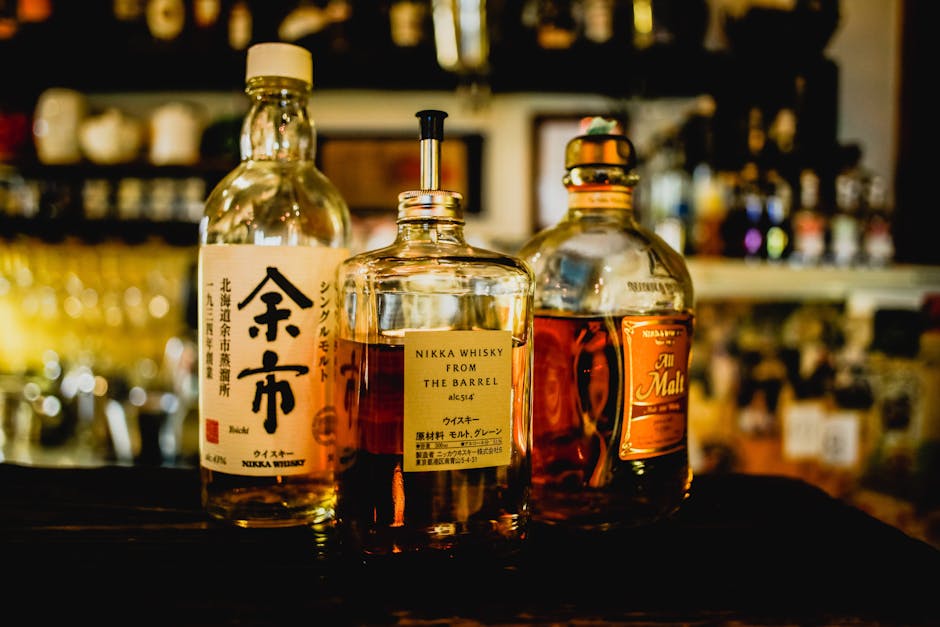
    • Japanese Blended Whisky: Suntory Toki and Nikka From The Barrel are standout examples. They’re remarkably food-friendly and shine in a Highball (whisky + sparkling water over ice), which is practically a cultural institution in Japan.

    ๐Ÿ’ด The Price Reality in 2026: Where Has All the Affordable Whisky Gone?

    Let’s be honest about the elephant in the room. The global whisky boom of the 2010s hit Japanese whisky hardest. Demand far outpaced supply, and aged expressions like Hibiki 21 Year and Yamazaki 18 Year now regularly fetch $500โ€“$1,200+ on the secondary market. Even Nikka Coffey Grain, once a $60 bottle, hovers around $90โ€“$110 retail in most markets in 2026.

    Scotch has had its own price inflation โ€” a bottle of Macallan 18 Year Sherry Oak now retails for $300โ€“$400 โ€” but the sheer volume of Scottish production means there are still extraordinary value options. Consider Glencadam 10 Year (around $45), GlenAllachie 10 Year (around $55), or the criminally underrated Tamnavulin Double Cask (under $40 in many markets).

    For budget-conscious whisky lovers, Scotch currently offers better bang for your buck at the entry-to-mid tier. Japanese whisky rewards you more at the premium tier โ€” if you can find it at retail.

    ๐ŸŒ International & Domestic Market Trends

    In the United States and Europe, Japanese whisky imports have stabilized after the post-COVID supply crunch, but allocation systems from major retailers remain common for sought-after bottles. In Japan itself, lottery systems for releases like Yamazaki 25 Year have become standard practice.

    Meanwhile, Scotland’s whisky tourism industry has rebounded strongly through 2025โ€“2026. The Scotch Whisky Experience in Edinburgh reported record visitor numbers, and distillery exclusives (bottles only available at the source) have become a growing category โ€” think Springbank’s local barley releases or Bruichladdich’s distillery-only expressions.

    Globally, the “whisky adjacent” category โ€” Japanese-inspired craft distilleries in Taiwan (Kavalan), India (Amrut, Paul John), and Australia โ€” has exploded, offering legitimately excellent alternatives for those priced out of both Scotch and Japanese premium tiers.

    whisky tasting flight with tasting notes cards Japanese and Scottish drams

    ๐Ÿฅƒ Food Pairing & Lifestyle Fit: Think Beyond the Sip

    Japanese whisky, especially in Highball form, is extraordinarily food-friendly. Suntory Toki Highball pairs beautifully with ramen, grilled fish, and even sushi โ€” something Scotch would struggle to do given its bolder flavor profile. If you’re a food-first person who loves pairing drinks with meals, Japanese whisky (or blends, in particular) fits your lifestyle better.

    Scotch, on the other hand, is the undisputed king of the post-dinner contemplative sip. A peated Islay Scotch with a square of dark chocolate? A Speyside with a slice of aged cheddar? These are life’s simple pleasures.

    ๐Ÿ” Realistic Alternatives: For Every Budget & Preference

    Not everyone can (or should) drop $300 on a bottle. Here’s how I’d honestly steer different readers:

    • If you love Japanese whisky but not the prices: Try Akashi White Oak, Togouchi, or the Nikka Days expression โ€” all under $60 and legitimately enjoyable.
    • If you love Scotch but want to explore something new: Try Taiwan’s Kavalan Concertmaster or India’s Amrut Fusion โ€” both are inspired by Scotch traditions with a tropical twist.
    • If you’re a cocktail maker: Blended Scotch (Monkey Shoulder, Naked Malt) and Japanese blends (Suntory Toki) are your best friends โ€” consistent, mixable, and affordable.
    • If you want a special occasion bottle under $100: GlenAllachie 12 Year (Scotch) or Nikka Pure Malt Black (Japanese) are both stunning over-deliverers.
    • If budget truly isn’t a concern: Scotch โ€” Springbank 21 Year. Japanese โ€” Yamazaki 18 Year. No further questions.

    At the end of the day, the Japanese whisky vs. Scotch debate isn’t a competition โ€” it’s a conversation. These two traditions push each other to be better, and we, the drinkers, are the ones who benefit. The best whisky isn’t necessarily the rarest or most expensive one. It’s the one in your hand right now, shared with someone who appreciates it as much as you do.

    Editor’s Comment : If I had to choose just one bottle to bring to a dinner party in 2026, I’d probably reach for Nikka From The Barrel โ€” it’s Japanese, it’s bold enough to surprise Scotch lovers, delicate enough to charm newcomers, and it still (barely) clears $80 retail in most markets. But honestly? The smartest move is to buy one of each and let the evening decide. Life’s too short for a single whisky tradition. ๐Ÿฅƒ

    ํƒœ๊ทธ: [‘Japanese whisky vs Scotch’, ‘best whisky 2026’, ‘Japanese whisky guide’, ‘Scotch whisky comparison’, ‘whisky tasting notes’, ‘Yamazaki vs Glenfiddich’, ‘whisky buying guide 2026’]


    ๐Ÿ“š ๊ด€๋ จ๋œ ๋‹ค๋ฅธ ๊ธ€๋„ ์ฝ์–ด ๋ณด์„ธ์š”

  • ์ผ๋ณธ ์œ„์Šคํ‚ค vs ์Šค์ฝ”ํ‹€๋žœ๋“œ ์œ„์Šคํ‚ค ๋น„๊ต โ€” 2026๋…„, ๋‹น์‹ ์˜ ์ฒซ ์ž”์€ ์–ด๋””์„œ ์‹œ์ž‘ํ•ด์•ผ ํ• ๊นŒ?

    ์–ผ๋งˆ ์ „ ์นœ๊ตฌ์™€ ํ•จ๊ป˜ ์„œ์šธ ํ•œ๋‚จ๋™์˜ ์ž‘์€ ์œ„์Šคํ‚ค ๋ฐ”์— ๋“ค๋ €์„ ๋•Œ์˜ ์ด์•ผ๊ธฐ์˜ˆ์š”. ๋ฉ”๋‰ดํŒ์„ ํŽผ์ณ ๋“  ์นœ๊ตฌ๊ฐ€ “์•ผ๋งˆ์žํ‚ค 12๋…„์ด๋ž‘ ๊ธ€๋ Œ๋ฆฌ๋ฒณ 12๋…„, ๊ฐ€๊ฒฉ๋„ ๋น„์Šทํ•œ๋ฐ ๋ญ๊ฐ€ ๋‹ฌ๋ผ?”๋ผ๊ณ  ๋ฌป๋”๋ผ๊ณ ์š”. ๊ทธ ์งˆ๋ฌธ ํ•˜๋‚˜์— ์‚ฌ์‹ค ์œ„์Šคํ‚ค์˜ ์„ธ๊ณ„๊ฐ€ ํ†ต์งธ๋กœ ๋‹ด๊ฒจ ์žˆ๋‹ค๊ณ  ๋ด…๋‹ˆ๋‹ค. ๋‹จ์ˆœํžˆ ‘์–ด๋А ๋‚˜๋ผ ์ˆ ์ด๋ƒ’์˜ ์ฐจ์ด๊ฐ€ ์•„๋‹ˆ๋ผ, ๊ธฐํ›„์™€ ๋ฌผ, ์ฆ๋ฅ˜ ์ฒ ํ•™, ์ˆ™์„ฑ ๋ฌธํ™”๊ฐ€ ์ „๋ถ€ ๋‹ค๋ฅธ ๋‘ ์„ธ๊ณ„์˜ ์ด์•ผ๊ธฐ๋‹ˆ๊นŒ์š”. ์˜ค๋Š˜์€ ์ผ๋ณธ ์œ„์Šคํ‚ค์™€ ์Šค์ฝ”ํ‹€๋žœ๋“œ ์œ„์Šคํ‚ค๋ฅผ ์—ฌ๋Ÿฌ ๊ฐ๋„์—์„œ ์ฐฌ์ฐฌํžˆ ๋น„๊ตํ•ด ๋ณด๋ ค๊ณ  ํ•ฉ๋‹ˆ๋‹ค.

    Japanese whisky Yamazaki vs Scotch whisky Glenfiddich comparison bottles

    ๐Ÿ“Š ์‹œ์žฅ ๊ทœ๋ชจ์™€ ๊ฐ€๊ฒฉ๋Œ€ โ€” ์ˆซ์ž๋กœ ๋จผ์ € ์‚ดํŽด๋ณด๊ธฐ

    2026๋…„ ํ˜„์žฌ, ์ผ๋ณธ ์œ„์Šคํ‚ค ์‹œ์žฅ์€ ์ „ ์„ธ๊ณ„์ ์œผ๋กœ ํญ๋ฐœ์ ์ธ ์„ฑ์žฅ์„ธ๋ฅผ ์ด์–ด๊ฐ€๊ณ  ์žˆ์–ด์š”. ์ผ๋ณธ์ฃผ๋ฅ˜์ˆ˜์ถœํ˜‘ํšŒ(JETRO ์—ฐ๊ณ„ ํ†ต๊ณ„ ๊ธฐ์ค€)์— ๋”ฐ๋ฅด๋ฉด, 2025๋…„ ์ผ๋ณธ ์œ„์Šคํ‚ค ์ˆ˜์ถœ์•ก์€ ์ „๋…„ ๋Œ€๋น„ ์•ฝ 18% ์ฆ๊ฐ€ํ•˜๋ฉฐ 600์–ต ์—”์„ ๋ŒํŒŒํ•œ ๊ฒƒ์œผ๋กœ ์ถ”์ •๋ฉ๋‹ˆ๋‹ค. ๋ฐ˜๋ฉด ์Šค์ฝ”ํ‹€๋žœ๋“œ ์œ„์Šคํ‚ค(์Šค์นด์น˜)๋Š” ์Šค์นด์น˜ ์œ„์Šคํ‚ค ํ˜‘ํšŒ(SWA) ๊ธฐ์ค€ 2025๋…„ ์ˆ˜์ถœ์•ก์ด ์•ฝ 62์–ต ํŒŒ์šด๋“œ ์ˆ˜์ค€์œผ๋กœ, ์ ˆ๋Œ€์ ์ธ ๊ทœ๋ชจ๋กœ๋Š” ์—ฌ์ „ํžˆ ์„ธ๊ณ„ 1์œ„ ์ž๋ฆฌ๋ฅผ ๊ตณ๊ฑดํžˆ ์ง€ํ‚ค๊ณ  ์žˆ์–ด์š”.

    ๊ฐ€๊ฒฉ๋Œ€๋ฅผ ๋ณด๋ฉด ์ฐจ์ด๊ฐ€ ๋”์šฑ ์„ ๋ช…ํ•ด์ง‘๋‹ˆ๋‹ค.

    • ์ผ๋ณธ ์œ„์Šคํ‚ค ์—”ํŠธ๋ฆฌ ๋ผ์ธ (์‚ฐํ† ๋ฆฌ ํ† ํ‚ค, ๋‹›์นด ํ”„๋กฌ ๋” ๋ฐฐ๋Ÿด): ๊ตญ๋‚ด ๊ธฐ์ค€ 5๋งŒ~8๋งŒ ์›๋Œ€. ๋‹จ, ํฌ์†Œ์„ฑ ํ”„๋ฆฌ๋ฏธ์—„์ด ๋ถ™์–ด ์˜คํ”ˆ๋Ÿฐ์ด ๋ฐœ์ƒํ•˜๋Š” ๊ฒฝ์šฐ๋„ ์žˆ์–ด์š”.
    • ์ผ๋ณธ ์œ„์Šคํ‚ค ํ”„๋ฆฌ๋ฏธ์—„ ๋ผ์ธ (์•ผ๋งˆ์žํ‚ค 12๋…„, ํ•˜์ฟ ์Šˆ 12๋…„): ์ •๊ฐ€ ๊ธฐ์ค€ 15๋งŒ~20๋งŒ ์›์ด์ง€๋งŒ, 2์ฐจ ์‹œ์žฅ(๋ฆฌ์…€)์—์„œ๋Š” 30๋งŒ~50๋งŒ ์›์„ ํ›Œ์ฉ ๋„˜๊ธฐ๋„ ํ•ฉ๋‹ˆ๋‹ค.
    • ์Šค์นด์น˜ ์—”ํŠธ๋ฆฌ ๋ผ์ธ (๊ธ€๋ Œ๋ฆฌ๋ฒณ 12๋…„, ๊ธ€๋ Œํ”ผ๋”• 12๋…„): 5๋งŒ~8๋งŒ ์›๋Œ€๋กœ ์ผ๋ณธ ์œ„์Šคํ‚ค์™€ ๋น„์Šทํ•˜์ง€๋งŒ ๊ตฌํ•˜๊ธฐ๋Š” ํ›จ์”ฌ ์‰ฌ์›Œ์š”.
    • ์Šค์นด์น˜ ํ”„๋ฆฌ๋ฏธ์—„ ๋ผ์ธ (๋งฅ์บ˜๋ž€ 12๋…„, ๋ฐœ๋ฒ ๋‹ˆ 12๋…„): 12๋งŒ~20๋งŒ ์›๋Œ€. ์ผ๋ณธ ์œ„์Šคํ‚ค ๋™๊ธ‰ ๋Œ€๋น„ ํ•ฉ๋ฆฌ์ ์ธ ๊ฐ€๊ฒฉ ์ ‘๊ทผ์„ฑ์„ ๋ณด์—ฌ์ค๋‹ˆ๋‹ค.
    • ์Šค์นด์น˜ ํ•˜์ด์—”๋“œ (๋งฅ์บ˜๋ž€ 18๋…„ ์ด์ƒ, ์Šคํ”„๋ง๋ฑ…ํฌ 21๋…„): 50๋งŒ ์›~์ˆ˜๋ฐฑ๋งŒ ์›๊นŒ์ง€ ์ฒœ์ฐจ๋งŒ๋ณ„.

    ๊ฒฐ๋ก ์ ์œผ๋กœ ๋™๊ธ‰ ์ˆ™์„ฑ ์—ฐ์ˆ˜ ๊ธฐ์ค€, ์ผ๋ณธ ์œ„์Šคํ‚ค๋Š” ํฌ์†Œ์„ฑ ํ”„๋ฆฌ๋ฏธ์—„์œผ๋กœ ์ธํ•ด ์Šค์นด์น˜ ๋Œ€๋น„ 20~40% ๋” ๋น„์‹ผ ๊ฒฝํ–ฅ์ด ์žˆ๋‹ค๊ณ  ๋ด…๋‹ˆ๋‹ค. ์ด๋Š” ๋‹›์นดยท์‚ฐํ† ๋ฆฌ ๋‘ ๋ธŒ๋žœ๋“œ๊ฐ€ ์‚ฌ์‹ค์ƒ ์‹œ์žฅ์„ ๊ณผ์ ํ•˜๊ณ  ์žˆ์–ด ๊ณต๊ธ‰์ด ์ œํ•œ์ ์ด๊ธฐ ๋•Œ๋ฌธ์ด์—์š”.

    ๐Ÿฅƒ ํ’๋ฏธ ํ”„๋กœํŒŒ์ผ โ€” ์–ด๋””์„œ ์ด ์ฐจ์ด๊ฐ€ ๋งŒ๋“ค์–ด์ง€๋Š” ๊ฑธ๊นŒ?

    ์ด ๋ถ€๋ถ„์ด ๊ฐ€์žฅ ํฅ๋ฏธ๋กญ๋‹ค๊ณ  ์ƒ๊ฐํ•ด์š”. ๋‘ ์œ„์Šคํ‚ค์˜ ๋ง› ์ฐจ์ด๋Š” ๋‹จ์ˆœํžˆ ‘๋ ˆ์‹œํ”ผ’๊ฐ€ ์•„๋‹ˆ๋ผ, ์ž์—ฐํ™˜๊ฒฝ๊ณผ ๋ฌธํ™”์  ๋ฏธ์˜์‹์—์„œ ๋น„๋กฏ๋œ๋‹ค๊ณ  ๋ด…๋‹ˆ๋‹ค.

    ์Šค์นด์น˜ ์œ„์Šคํ‚ค๋Š” ์Šค์ฝ”ํ‹€๋žœ๋“œ์˜ ์ฐจ๊ฐ‘๊ณ  ์Šตํ•œ ๊ธฐํ›„ ์†์—์„œ ์ฒœ์ฒœํžˆ ์ˆ™์„ฑ๋ฉ๋‹ˆ๋‹ค. ํ”ผํŠธ(์ดํƒ„)๋ฅผ ์‚ฌ์šฉํ•œ ํ›ˆ์—ฐ ํ–ฅ์ด ํŠน์ง•์ ์ธ ์•„์ผ๋ผ(Islay) ์ง€์—ญ, ๊ณผ์ผํ–ฅ๊ณผ ๊ฝƒํ–ฅ์ด ์‚ด์•„์žˆ๋Š” ํ•˜์ด๋žœ๋“œ(Highland), ๋ถ€๋“œ๋Ÿฝ๊ณ  ์„ฌ์„ธํ•œ ์ŠคํŽ˜์ด์‚ฌ์ด๋“œ(Speyside) ๋“ฑ ์ง€์—ญ๋งˆ๋‹ค ๊ฐœ์„ฑ์ด ๋šœ๋ ทํ•˜๊ฒŒ ๊ฐˆ๋ฆฌ๋Š” ๊ฒƒ์ด ์Šค์นด์น˜์˜ ๋งค๋ ฅ์ด์—์š”. ๋˜ํ•œ 1915๋…„ ์ œ์ •๋œ ์Šค์นด์น˜ ์œ„์Šคํ‚ค ๊ทœ์ •์— ๋”ฐ๋ผ ์ตœ์†Œ 3๋…„ ์ด์ƒ ์˜คํฌํ†ต ์ˆ™์„ฑ์ด ๋ฒ•์ ์œผ๋กœ ์˜๋ฌดํ™”๋˜์–ด ์žˆ์Šต๋‹ˆ๋‹ค.

    ์ผ๋ณธ ์œ„์Šคํ‚ค๋Š” ์Šค์ฝ”ํ‹€๋žœ๋“œ์˜ ์ฆ๋ฅ˜ ๊ธฐ์ˆ ์„ ์ˆ˜์ž…ํ•ด ์ผ๋ณธํ™”ํ•œ ๊ฒฐ๊ณผ๋ฌผ์ด์—์š”. ์ฐฝ์—…์ž ๋งˆ์‚ฌํƒ€์นด ํƒ€์ผ€์ธ ๋ฃจ๊ฐ€ ์Šค์ฝ”ํ‹€๋žœ๋“œ์—์„œ ์ง์ ‘ ๊ธฐ์ˆ ์„ ๋ฐฐ์›Œ ์™€ 1923๋…„ ์•ผ๋งˆ์žํ‚ค ์ฆ๋ฅ˜์†Œ๋ฅผ ์„ค๋ฆฝํ•œ ๊ฒƒ์ด ๊ทธ ์‹œ์ž‘์ด์ฃ . ์ผ๋ณธ์˜ ์‚ฌ๊ณ„์ ˆ์ด ๋šœ๋ ทํ•œ ๊ธฐํ›„๋Š” ์˜คํฌํ†ต ์ˆ˜์ถ•ยทํŒฝ์ฐฝ์„ ๋ฐ˜๋ณต์‹œ์ผœ ์ˆ™์„ฑ์„ ๊ฐ€์†ํ™”ํ•˜๋Š” ๊ฒฝํ–ฅ์ด ์žˆ์–ด์š”. ๊ทธ ๊ฒฐ๊ณผ๋กœ ๋‚˜ํƒ€๋‚˜๋Š” ํŠน์ง•์€ ์ด๋ ‡์Šต๋‹ˆ๋‹ค.

    • ์ „๋ฐ˜์ ์œผ๋กœ ๋ถ€๋“œ๋Ÿฝ๊ณ  ๊ท ํ˜• ์žกํžŒ ํ’๋ฏธ โ€” ์Šค์นด์น˜๋ณด๋‹ค ์ž๊ทน์ด ์ ๊ณ  ๋งค๋„๋Ÿฌ์šด ์งˆ๊ฐ
    • ๋ฏธ์ฆˆ๋‚˜๋ผ(ๆฐดๆฅข) ์˜คํฌ ์ˆ™์„ฑ ์‹œ ๋ฐฑ๋‹จํ–ฅ, ์ฝ”์ฝ”๋„›, ์€์€ํ•œ ํ–ฅ์ด ๊ฐ€๋ฏธ๋จ (์ผ๋ณธ ๊ณ ์œ ์˜ ํŠน์ง•)
    • ๊ณผ์ผํ–ฅ์€ ์‚ด์•„์žˆ๋˜, ์Šค์นด์น˜์ฒ˜๋Ÿผ ๊ฐ•๋ ฌํ•˜๊ธฐ๋ณด๋‹ค ‘์—ฌ์šด์ฒ˜๋Ÿผ ๋‚จ๋Š”’ ์„ฌ์„ธํ•จ์ด ํŠน์ง•
    • ํ”ผํŠธ ํ–ฅ์€ ์•„์ฃผ ์ผ๋ถ€ ์ œํ’ˆ(ํ•˜์ฟ ์Šˆ ํ”ผํ‹ฐ๋“œ ๋“ฑ)์—๋งŒ ์กด์žฌํ•˜๋ฉฐ, ์ผ๋ฐ˜์ ์œผ๋กœ ์Šค์นด์น˜๋ณด๋‹ค ์•ฝํ•จ
    whisky tasting notes flavor profile comparison chart Japanese Scotch

    ๐ŸŒ ๊ตญ๋‚ด์™ธ ์œ„์Šคํ‚ค ๋ฌธํ™” ํŠธ๋ Œ๋“œ โ€” 2026๋…„์˜ ์‹œ์„ 

    ๊ตญ๋‚ด์—์„œ๋Š” 2023๋…„๋ถ€ํ„ฐ ์‹œ์ž‘๋œ ‘ํ•˜์ด๋ณผ ๋ถ’์ด 2026๋…„์—๋„ ํ˜„์žฌ์ง„ํ–‰ํ˜•์ด์—์š”. ํŽธ์˜์  RTD(Ready to Drink) ํ•˜์ด๋ณผ์ด ์—ฐ๊ฐ„ ์ˆ˜์ฒœ๋งŒ ์บ” ํŒ๋งค๋˜๊ณ , ์ด์ž์นด์•ผ ์Šคํƒ€์ผ ๋ฐ”์—์„œ ํ•˜์ด๋ณผ์„ ์ฆ๊ธฐ๋Š” ๋ฌธํ™”๊ฐ€ ์™„์ „ํžˆ ์ž๋ฆฌ๋ฅผ ์žก์•˜์Šต๋‹ˆ๋‹ค. ํฅ๋ฏธ๋กœ์šด ์ ์€ ์ด ํ•˜์ด๋ณผ ๋ฌธํ™”๊ฐ€ ์ž์—ฐ์Šค๋Ÿฝ๊ฒŒ ์ผ๋ณธ ์œ„์Šคํ‚ค์— ๋Œ€ํ•œ ๊ด€์‹ฌ์œผ๋กœ ์ด์–ด์กŒ๋‹ค๋Š” ๊ฑฐ์˜ˆ์š”. ‘์นด์ฟ ํ•˜์ด'(๊ฐํ•˜์ด๋ณผ)๋กœ ์œ ๋ช…ํ•œ ์‚ฐํ† ๋ฆฌ ๊ฐ€์ฟ ๋นˆ์˜ ๊ตญ๋‚ด ํŒ๋งค๋Ÿ‰์ด ๊ธ‰์ฆํ•œ ๊ฒƒ์ด ๊ทธ ์ฆ๊ฑฐ๋ผ๊ณ  ๋ด…๋‹ˆ๋‹ค.

    ๋ฐ˜๋ฉด ์„ธ๊ณ„ ์œ„์Šคํ‚ค ์–ด์›Œ๋“œ(WWA)๋‚˜ ๊ตญ์ œ ์™€์ธยท์Šคํ”ผ๋ฆฟ ๊ฒฝ์Ÿ(IWSC) ๋ฌด๋Œ€์—์„œ๋Š” ์Šค์นด์น˜๊ฐ€ ์—ฌ์ „ํžˆ ์ˆ˜์ƒ ์„๊ถŒ์— ๊ฐ€๊นŒ์šด ์œ„์šฉ์„ ๋ณด์—ฌ์ค๋‹ˆ๋‹ค. 2025๋…„ WWA์—์„œ๋„ ๊ทธ๋žœํŠธ ํŒจ๋ฐ€๋ฆฌ(๊ธ€๋ Œํ”ผ๋”•ยท๋ฐœ๋ฒ ๋‹ˆ)์™€ ๋งฅ์บ˜๋ž€์ด ๋ณต์ˆ˜์˜ ์นดํ…Œ๊ณ ๋ฆฌ์—์„œ ์ˆ˜์ƒํ–ˆ๊ณ , ์ผ๋ณธ ์œ„์Šคํ‚ค๋Š” ‘์„ธ๊ณ„ ์ตœ๊ณ  ๋ธ”๋ Œ๋””๋“œ ์œ„์Šคํ‚ค’ ๋ถ€๋ฌธ์—์„œ ์•ผ๋งˆ์žํ‚ค๊ฐ€ ์ˆ˜์ƒํ•˜๋ฉฐ ๊ฐ€์น˜๋ฅผ ์žฌํ™•์ธํ–ˆ์–ด์š”.

    ๋˜ํ•œ ์ฃผ๋ชฉํ•  ๋งŒํ•œ ๊ตญ๋‚ด ์‚ฌ๋ก€๋กœ, 2026๋…„ ํ˜„์žฌ ๊ตญ์‚ฐ ์œ„์Šคํ‚ค ๋ธŒ๋žœ๋“œ๋“ค(์“ฐ๋ฆฌ์†Œ์‚ฌ์ด์–ดํ‹ฐ์Šค, ๊ณจ๋“ ๋ธ”๋ฃจ์˜ ์ฆ๋ฅ˜ ๋ผ์ธ์—… ๋“ฑ)์ด ์Šค์นด์น˜์™€ ์ผ๋ณธ ์œ„์Šคํ‚ค์˜ ์ค‘๊ฐ„ ์–ด๋”˜๊ฐ€๋ฅผ ์ง€ํ–ฅํ•˜๋ฉฐ ์„ฑ์žฅํ•˜๊ณ  ์žˆ๋‹ค๋Š” ์ ๋„ ํฅ๋ฏธ๋กญ์Šต๋‹ˆ๋‹ค. ์ด๋Š” ๋‘ ์œ„์Šคํ‚ค ๋ฌธํ™”๊ฐ€ ํ•œ๊ตญ ์†Œ๋น„์ž๋“ค์—๊ฒŒ ๋ชจ๋‘ ๋‚ด์žฌํ™”๋˜์—ˆ๋‹ค๋Š” ์‹ ํ˜ธ๋ผ๊ณ  ๋ณผ ์ˆ˜ ์žˆ์–ด์š”.

    ๐Ÿค” ๊ทธ๋ž˜์„œ ์–ด๋–ค ์œ„์Šคํ‚ค๋ฅผ ์„ ํƒํ•ด์•ผ ํ• ๊นŒ?

    ์„ ํƒ ๊ธฐ์ค€์„ ๊ฐ„๋‹จํžˆ ์ •๋ฆฌํ•ด ๋ณด๋ฉด ์ด๋ ‡๊ฒŒ ๋ด…๋‹ˆ๋‹ค.

    • ์œ„์Šคํ‚ค ์ž…๋ฌธ์ž๋ผ๋ฉด โ†’ ์Šค์นด์น˜ ์ŠคํŽ˜์ด์‚ฌ์ด๋“œ(๊ธ€๋ Œ๋ฆฌ๋ฒณ, ๊ธ€๋ Œํ”ผ๋”• 12๋…„)๋ถ€ํ„ฐ ์‹œ์ž‘ํ•˜๋Š” ๊ฒƒ์ด ๊ฐ€์„ฑ๋น„์™€ ์ ‘๊ทผ์„ฑ ๋ฉด์—์„œ ์œ ๋ฆฌํ•ด์š”.
    • ๋ถ€๋“œ๋Ÿฝ๊ณ  ์„ฌ์„ธํ•œ ๋ง›์„ ์›ํ•œ๋‹ค๋ฉด โ†’ ์ผ๋ณธ ์œ„์Šคํ‚ค(๋‹›์นด ํ”„๋กฌ ๋” ๋ฐฐ๋Ÿด, ์‚ฐํ† ๋ฆฌ ํ† ํ‚ค)๊ฐ€ ์ž˜ ๋งž์„ ์ธ ๊ฒƒ ๊ฐ™์•„์š”.
    • ๊ฐ•๋ ฌํ•˜๊ณ  ๊ฐœ์„ฑ ์žˆ๋Š” ๋ง›์„ ์›ํ•œ๋‹ค๋ฉด โ†’ ์Šค์นด์น˜ ์•„์ผ๋ผ ์ง€์—ญ(๋ผํ”„๋กœ์ต, ์•„๋“œ๋ฒก)์ด ๋‹จ์—ฐ ๋…๋ณด์ ์ž…๋‹ˆ๋‹ค.
    • ํ•˜์ด๋ณผ์šฉ ๋ฐ์ผ๋ฆฌ ์œ„์Šคํ‚ค๋ฅผ ์ฐพ๋Š”๋‹ค๋ฉด โ†’ ์‚ฐํ† ๋ฆฌ ๊ฐ€์ฟ ๋นˆ์ด๋‚˜ ์กฐ๋‹ˆ์›Œ์ปค ๋ธ”๋ž™ ๋ผ๋ฒจ์ด ๊ฐ€๊ฒฉ ๋Œ€๋น„ ๋งŒ์กฑ๋„๊ฐ€ ๋†’๋‹ค๊ณ  ๋ด์š”.
    • ์„ ๋ฌผ์šฉ ํ”„๋ฆฌ๋ฏธ์—„์„ ์ฐพ๋Š”๋‹ค๋ฉด โ†’ ์ผ๋ณธ ์œ„์Šคํ‚ค(์•ผ๋งˆ์žํ‚ค 12๋…„ ์ด์ƒ)๊ฐ€ ํฌ์†Œ์„ฑ๊ณผ ํŒจํ‚ค์ง€ ๋ฉด์—์„œ ์ž„ํŒฉํŠธ๊ฐ€ ์žˆ๊ณ , ์Šค์นด์น˜์—์„œ๋Š” ๋งฅ์บ˜๋ž€ ๋”๋ธ” ์บ์Šคํฌ ์‹œ๋ฆฌ์ฆˆ๊ฐ€ ๋ฌด๋‚œํ•˜๊ฒŒ ์„ ํƒ๋ฉ๋‹ˆ๋‹ค.

    ์—๋””ํ„ฐ ์ฝ”๋ฉ˜ํŠธ : ์†”์งํžˆ ๋งํ•˜๋ฉด, ‘์ผ๋ณธ ์œ„์Šคํ‚ค vs ์Šค์นด์น˜’๋Š” ์šฐ์—ด์˜ ๋ฌธ์ œ๊ฐ€ ์•„๋‹ˆ๋ผ ์ทจํ–ฅ์˜ ์ง€๋„๋ฅผ ๊ทธ๋ ค๊ฐ€๋Š” ๊ณผ์ •์ธ ๊ฒƒ ๊ฐ™์•„์š”. ์Šค์นด์น˜๋Š” ์ˆ˜๋ฐฑ ๋…„์˜ ์—ญ์‚ฌ์™€ ์ง€์—ญ์  ๋‹ค์–‘์„ฑ์ด๋ผ๋Š” ๊นŠ์ด๊ฐ€ ์žˆ๊ณ , ์ผ๋ณธ ์œ„์Šคํ‚ค๋Š” ‘์กฐํ™”์™€ ์„ฌ์„ธํ•จ’์ด๋ผ๋Š” ๋™์–‘์  ๋ฏธํ•™์„ ์ˆ  ํ•œ ์ž”์— ๋‹ด์•„๋‚ธ ๋…์ฐฝ์ ์ธ ๊ฒฐ๊ณผ๋ฌผ์ด๋ผ๊ณ  ๋ด…๋‹ˆ๋‹ค. 2026๋…„ ํ˜„์žฌ ๊ฐ€๊ฒฉ๊ณผ ๊ตฌํ•˜๊ธฐ ์–ด๋ ค์›€์„ ํ˜„์‹ค์ ์œผ๋กœ ๊ฐ์•ˆํ•œ๋‹ค๋ฉด, ์ž…๋ฌธ์€ ์Šค์นด์น˜๋กœ ์‹œ์ž‘ํ•ด์„œ ์ผ๋ณธ ์œ„์Šคํ‚ค๋ฅผ ‘ํŠน๋ณ„ํ•œ ๋‚ ์˜ ํ•œ ์ž”’์œผ๋กœ ์ฆ๊ธฐ๋Š” ๋ฐฉ์‹์ด ๊ฐ€์žฅ ํ˜„๋ช…ํ•œ ์ ‘๊ทผ์ด ์•„๋‹๊นŒ ์‹ถ์–ด์š”. ๊ทธ๋ฆฌ๊ณ  ๋ฌด์—‡๋ณด๋‹ค โ€” ์ข‹์€ ์‚ฌ๋žŒ๊ณผ ํ•จ๊ป˜๋ผ๋ฉด ์–ด๋А ์ชฝ์ด๋“  ์ตœ๊ณ ์˜ ์œ„์Šคํ‚ค๊ฐ€ ๋  ํ…Œ๋‹ˆ๊นŒ์š”. ๐Ÿฅƒ

    ํƒœ๊ทธ: [‘์ผ๋ณธ์œ„์Šคํ‚ค’, ‘์Šค์นด์น˜์œ„์Šคํ‚ค’, ‘์œ„์Šคํ‚ค์ถ”์ฒœ2026’, ‘์•ผ๋งˆ์žํ‚คvs๊ธ€๋ Œํ”ผ๋”•’, ‘์œ„์Šคํ‚ค์ž…๋ฌธ’, ‘ํ•˜์ด๋ณผ์œ„์Šคํ‚ค’, ‘์œ„์Šคํ‚ค๋น„๊ต’]


    ๐Ÿ“š ๊ด€๋ จ๋œ ๋‹ค๋ฅธ ๊ธ€๋„ ์ฝ์–ด ๋ณด์„ธ์š”

  • 2026 World Whisky Awards Winners: Every Drop-Worthy Bottle You Need to Know Right Now

    Picture this: it’s a crisp evening, you’re settling into your favorite chair, and you’re holding a glass of something that judges from across the globe just declared the finest whisky on the planet. That’s the magic of the 2026 World Whisky Awards (WWA) โ€” they don’t just hand out trophies; they essentially hand you a curated roadmap to the world’s most extraordinary drams. This year’s ceremony, held in Edinburgh in February 2026, drew over 600 entries from 30+ countries, making it arguably the most competitive lineup in the award’s history. Let’s dig into what won, why it matters, and โ€” critically โ€” what you should actually buy based on your taste and budget.

    2026 World Whisky Awards ceremony whisky bottles trophy Edinburgh

    ๐Ÿ† The Big Winners: A Category-by-Category Breakdown

    The 2026 WWA judges evaluated whiskies across blind tasting panels, scoring on nose, palate, finish, and balance. Here’s where the gold went this year:

    • World’s Best Single Malt: Glenfarclas 25 Year Old (Scotland) โ€” a sherried Speyside powerhouse that scored near-perfect marks for its dried fruit complexity and velvety oak integration.
    • World’s Best Blended Malt: Compass Box Hedonism Felicitas (Scotland) โ€” a limited grain whisky blend that wowed panels with its coconut cream and vanilla depth.
    • World’s Best Single Grain: Nikka Coffey Grain (Japan) โ€” consistent, crowd-pleasing, and a benchmark entry point for grain whisky enthusiasts.
    • World’s Best Bourbon: William Larue Weller 2025 Release (USA) โ€” the Buffalo Trace Antique Collection continues its reign; this uncut, unfiltered wheated bourbon hit judges like a velvet freight train.
    • World’s Best Rye: Michter’s 10 Year Single Barrel Rye (USA) โ€” spiced, structured, and unmistakably American in the best possible way.
    • World’s Best Asian Whisky: Kavalan Solist Vinho Barrique (Taiwan) โ€” a perennial contender that once again proved Taiwan’s tropical aging climate creates extraordinary accelerated maturation.
    • World’s Best Emerging Market: Amrut Fusion (India) โ€” the pioneer of Indian single malt keeps earning its place at the global table.

    ๐Ÿ“Š What the Data Tells Us About 2026 Whisky Trends

    Looking at the 2026 WWA results as a whole dataset, three macro-trends emerge clearly. First, sherry cask maturation is dominant again โ€” roughly 40% of gold medal winners used European oak ex-sherry casks as either primary or finishing vessels. Second, Asian distilleries now hold gold in multiple categories, a seismic shift from a decade ago when Scotland and the US split virtually every major award. Third, non-age-statement (NAS) whiskies struggled compared to age-declared expressions this year โ€” panels seemed to reward patience and transparency in 2026’s lineup.

    From a pricing standpoint, the average retail price of a 2026 gold medalist sits around $120โ€“$180 USD, which is notably higher than the 2023 average of ~$95. Inflation, global grain costs, and collector demand are all feeding into this premium creep.

    ๐ŸŒ International Spotlight: Scotland vs. The World in 2026

    Scotland still dominates in sheer volume โ€” 14 out of 28 gold medals went to Scotch whisky. But here’s the intellectually honest take: Scotland’s lead is shrinking proportionally every year. In 2026, Japan, Taiwan, India, and the USA collectively took 11 golds, up from 8 in the previous cycle. Distilleries like Kavalan (Taiwan) and Paul John (India) aren’t just competing โ€” they’re actively reshaping what “world-class whisky” looks like.

    In the domestic South Korean market, there’s been a notable surge in interest following these awards. Major retailers like Hyundai Department Store and platforms like Market Kurly reported a 37% spike in whisky searches within 48 hours of the 2026 WWA announcement โ€” particularly for Kavalan and Amrut, which have recently expanded their Korean distribution.

    Kavalan Glenfarclas whisky bottles lineup tasting glasses comparison

    ๐Ÿ’ก Realistic Alternatives: What to Buy Based on YOUR Situation

    Let’s be real โ€” not everyone can (or should) drop $300 on a bottle of William Larue Weller. Here’s how to navigate the 2026 WWA results intelligently:

    • Budget under $50: Nikka Coffey Grain is your gateway drug. It won World’s Best Single Grain, is widely available in Asia and Europe, and hovers around $45โ€“$55. Alternatively, Amrut Fusion at a similar price point lets you taste an award-winning Indian single malt without the sticker shock.
    • Budget $50โ€“$120: Look at Glenfarclas 15 Year Old instead of the 25. Same DNA, same sherry-forward house style, but at roughly $75 โ€” you’re getting a sibling of the World’s Best Single Malt winner at a fraction of the cost.
    • Budget $120โ€“$200: Go straight for Kavalan Solist Vinho Barrique. It wins every year for a reason, it’s consistently available (unlike Weller), and it genuinely delivers a singular experience that nothing else quite replicates.
    • For bourbon lovers frustrated by Weller allocations: Try Michter’s US*1 Toasted Barrel Finish Bourbon โ€” not a WWA winner, but from the same award-winning Michter’s stable, and far easier to find than the 10 Year Rye.
    • For gift-giving in 2026: Compass Box expressions are phenomenal gifts โ€” beautiful packaging, award-winning liquid, and a story that any recipient can immediately engage with.

    ๐Ÿ” How to Read WWA Results Like a Pro

    One thing casual whisky fans often miss: the WWA uses a tiered system of Trophy, Gold, Silver, and Bronze. A “World’s Best” designation is a Trophy โ€” the pinnacle. But Gold medalists are often the smarter buy, because they sit just below Trophy level in quality while sometimes being half the price and twice as available. In 2026, golds went to expressions like Springbank 10 Year Old and Four Roses Single Barrel, both of which punch well above their price point and are legitimately more accessible than their Trophy-winning counterparts.

    The 2026 World Whisky Awards, taken as a whole, paint a picture of a category that’s more global, more diverse, and more exciting than it’s ever been. Whether you’re a seasoned collector or someone who just wants to crack open something special on a Friday night, there is genuinely a 2026 WWA-endorsed bottle with your name on it โ€” at almost every price point.

    Editor’s Comment : My honest recommendation? Don’t fixate on the Trophy winners alone โ€” half the fun of the 2026 WWA season is chasing the Gold medalists that most people scroll past. Pick up a Springbank 10 or a Kavalan Distillery Select (the entry-level sibling of the Solist), sit with it slowly, and you’ll understand exactly why these awards matter. Whisky at its best isn’t about status โ€” it’s about that specific, unrepeatable moment when a glass tells you a story you weren’t expecting to hear.

    ํƒœ๊ทธ: [‘2026 World Whisky Awards’, ‘best whisky 2026’, ‘WWA 2026 winners’, ‘single malt whisky’, ‘Kavalan whisky’, ‘Glenfarclas 25’, ‘whisky buying guide 2026’]


    ๐Ÿ“š ๊ด€๋ จ๋œ ๋‹ค๋ฅธ ๊ธ€๋„ ์ฝ์–ด ๋ณด์„ธ์š”

  • 2026 ์„ธ๊ณ„ ์œ„์Šคํ‚ค ์–ด์›Œ๋“œ ์ˆ˜์ƒ์ž‘ ์ด์ •๋ฆฌ | ์˜ฌํ•ด ๊ผญ ๋งˆ์…”๋ด์•ผ ํ•  ๋ณ‘๋“ค

    ์ง€๋‚œ 2์›”, ๋Ÿฐ๋˜์˜ ํ•œ ๋ฐ”์—์„œ ์Šค์ฝ”ํ‹€๋žœ๋“œ ์นœ๊ตฌ์™€ ๋งˆ์ฃผ ์•‰์•„ ๋ธ”๋ผ์ธ๋“œ ํ…Œ์ด์ŠคํŒ…์„ ํ–ˆ๋˜ ์ ์ด ์žˆ์–ด์š”. ์•„๋ฌด ์ •๋ณด ์—†์ด ์ž”์„ ๋ฐ›์•„๋“ค๊ณ  ํ–ฅ์„ ๋งก๋Š” ์ˆœ๊ฐ„, ๋ญ”๊ฐ€ ๋‹ค๋ฅธ ๊นŠ์ด๊ฐ€ ๋А๊ปด์กŒ๊ฑฐ๋“ ์š”. ๋‚˜์ค‘์— ๋ ˆ์ด๋ธ”์„ ํ™•์ธํ•ด๋ณด๋‹ˆ ๊ทธ ํ•ด ์„ธ๊ณ„ ์œ„์Šคํ‚ค ์–ด์›Œ๋“œ(WWA, World Whisky Awards)์—์„œ ์ƒ์„ ๋ฐ›์€ ์ œํ’ˆ์ด์—ˆ์Šต๋‹ˆ๋‹ค. ๊ทธ๋•Œ ์ฒ˜์Œ์œผ๋กœ ‘์ˆ˜์ƒ์ž‘’์ด๋ผ๋Š” ํƒ€์ดํ‹€์ด ๊ทธ๋ƒฅ ๋งˆ์ผ€ํŒ… ๋ฌธ๊ตฌ๊ฐ€ ์•„๋‹ˆ๋ผ๋Š” ๊ฑธ ์ฒด๊ฐํ–ˆ๋‹ฌ๊นŒ์š”. 2026๋…„, ์˜ฌํ•ด๋„ ์–ด๊น€์—†์ด WWA ๊ฒฐ๊ณผ๊ฐ€ ๋ฐœํ‘œ๋๊ณ , ์œ„์Šคํ‚ค ์• ํ˜ธ๊ฐ€๋“ค ์‚ฌ์ด์—์„  ๋ฒŒ์จ๋ถ€ํ„ฐ ํ™”์ œ๊ฐ€ ๋œจ๊ฒ์Šต๋‹ˆ๋‹ค. ์˜ค๋Š˜์€ ๊ทธ ์ˆ˜์ƒ์ž‘๋“ค์„ ํ•จ๊ป˜ ์‚ดํŽด๋ณด๋ฉด์„œ, ์–ด๋–ค ์œ„์Šคํ‚ค๋ฅผ ๊ณจ๋ผ์•ผ ํ• ์ง€ ๊ฐ€์ด๋“œ๋ฅผ ์ œ์‹œํ•ด ๋ณด๋ ค๊ณ  ํ•ด์š”.

    World Whisky Awards 2026 trophy bottle collection

    ๐Ÿ“Š 2026 WWA, ์ˆซ์ž๋กœ ๋ณด๋Š” ์ด๋ฒˆ ์‹œ์ฆŒ์˜ ๊ทœ๋ชจ

    ์ด๋ฒˆ 2026 ์„ธ๊ณ„ ์œ„์Šคํ‚ค ์–ด์›Œ๋“œ์—๋Š” ์ด 28๊ฐœ๊ตญ, 1,400์ข… ์ด์ƒ์˜ ์œ„์Šคํ‚ค๊ฐ€ ์ถœํ’ˆ๋œ ๊ฒƒ์œผ๋กœ ์•Œ๋ ค์กŒ์–ด์š”. ์ด๋Š” ์ „๋…„๋„ ๋Œ€๋น„ ์•ฝ 12% ์ฆ๊ฐ€ํ•œ ์ˆ˜์น˜๋กœ, ์œ„์Šคํ‚ค ์‹œ์žฅ์ด ๊ณ„์†ํ•ด์„œ ํ™•์žฅ๋˜๊ณ  ์žˆ๋‹ค๋Š” ๊ฑธ ๋ฐฉ์ฆํ•œ๋‹ค๊ณ  ๋ด…๋‹ˆ๋‹ค. ํŠนํžˆ ๋ˆˆ์— ๋„๋Š” ๊ฑด ์•„์‹œ์•„ ์นดํ…Œ๊ณ ๋ฆฌ์˜ ์„ฑ์žฅ์ธ๋ฐ์š”, ์ผ๋ณธยท๋Œ€๋งŒยท์ธ๋„ ์ถœํ’ˆ์ž‘์ด ์ „์ฒด์˜ ์•ฝ 22%๋ฅผ ์ฐจ์ง€ํ–ˆ์Šต๋‹ˆ๋‹ค. ์Šค์นด์น˜ ์œ„์Šคํ‚ค๊ฐ€ ์ „ํ†ต์ ์ธ ๊ฐ•์„ธ๋ฅผ ์œ ์ง€ํ•˜๋ฉด์„œ๋„ ์นดํ…Œ๊ณ ๋ฆฌ ์ ์œ ์œจ์€ ์ „๋…„ ๋Œ€๋น„ ์†Œํญ ํ•˜๋ฝ(์•ฝ 3%p)ํ•œ ๋ฐ˜๋ฉด, ์ธ๋„ ์‹ฑ๊ธ€๋ชฐํŠธ์˜ ์ ์œ ์œจ์€ 5%์—์„œ 9%๋กœ ๋‘ ๋ฐฐ ๊ฐ€๊นŒ์ด ๋›ฐ์–ด์˜ฌ๋ž์–ด์š”. ์ด๊ฑด ๋‹จ์ˆœํ•œ ์ˆ˜์น˜ ์ด์ƒ์˜ ์˜๋ฏธ๊ฐ€ ์žˆ๋‹ค๊ณ  ๋ด์š”. ์ „ ์„ธ๊ณ„ ํŒ”๋ ˆํŠธ๊ฐ€ ์ ์  ๋‹ค์–‘ํ•ด์ง€๊ณ  ์žˆ๋‹ค๋Š” ์‹ ํ˜ธ๊ฑฐ๋“ ์š”.

    ๐Ÿ† 2026 ์ฃผ์š” ์นดํ…Œ๊ณ ๋ฆฌ๋ณ„ ์ˆ˜์ƒ์ž‘ ํ•˜์ด๋ผ์ดํŠธ

    ์–ด์›Œ๋“œ๋Š” ํฌ๊ฒŒ ‘์›”๋“œ ๋ฒ ์ŠคํŠธ(World’s Best)’, ์ง€์—ญ๋ณ„ ๋ฒ ์ŠคํŠธ, ๊ทธ๋ฆฌ๊ณ  ์Šคํƒ€์ผ๋ณ„ ๋ฒ ์ŠคํŠธ๋กœ ๋‚˜๋‰ฉ๋‹ˆ๋‹ค. ์˜ฌํ•ด ํŠนํžˆ ์ฃผ๋ชฉ๋ฐ›์€ ์ˆ˜์ƒ ๋ผ์ธ์—…์„ ์ •๋ฆฌํ•ด๋ณด๋ฉด ๋‹ค์Œ๊ณผ ๊ฐ™์•„์š”.

    • World’s Best Single Malt โ€” ์Šค์ฝ”ํ‹€๋žœ๋“œ ์ŠคํŽ˜์ด์‚ฌ์ด๋“œ ์ง€์—ญ ์ฆ๋ฅ˜์†Œ ์ถœ์‹ ์˜ ์ œํ’ˆ์ด 3๋…„ ์—ฐ์† ์ด ๋ถ€๋ฌธ์„ ์„๊ถŒํ–ˆ์–ด์š”. 18๋…„ ์ด์ƒ ์ˆ™์„ฑ, ์…ฐ๋ฆฌ ๋ฒ„ํŠธ ํ”ผ๋‹ˆ์‹ฑ์ด ์ฃผ๋Š” ๋ง๋ฆฐ ๊ณผ์ผ๊ณผ ๋‹คํฌ ์ดˆ์ฝœ๋ฆฟ ๋‰˜์•™์Šค๊ฐ€ ์‹ฌ์‚ฌ์œ„์›๋“ค์„ ์‚ฌ๋กœ์žก์€ ๊ฒƒ์œผ๋กœ ํ‰๊ฐ€๋ฉ๋‹ˆ๋‹ค.
    • World’s Best Blended Malt โ€” ์•„์ผ๋žœ๋“œ ์ฆ๋ฅ˜์†Œ์˜ ๋ธ”๋ Œ๋””๋“œ ๋ชฐํŠธ๊ฐ€ ์ˆ˜์ƒํ–ˆ์–ด์š”. ํ”ผํŠธ(Peat) ์ฒ˜๋ฆฌ ์—†์ด๋„ ์–ผ๋งˆ๋‚˜ ๋ณต์žกํ•œ ๋ ˆ์ด์–ด๋ฅผ ๋งŒ๋“ค์–ด๋‚ผ ์ˆ˜ ์žˆ๋Š”์ง€๋ฅผ ๋ณด์—ฌ์ค€ ์ž‘ํ’ˆ์ด๋ผ๋Š” ํ‰์ด ๋งŽ์Šต๋‹ˆ๋‹ค.
    • Best Asian Single Malt โ€” ์ธ๋„ ์•”๋ฃจํŠธ(Amrut) ๊ณ„์—ด ์ฆ๋ฅ˜์†Œ์˜ ์‹ ์ž‘์ด ์ด ๋ถ€๋ฌธ์„ ๊ฐ€์ ธ๊ฐ”์–ด์š”. ์ธ๋„ ์•„์—ด๋Œ€ ๊ธฐํ›„ ํŠน์œ ์˜ ๋น ๋ฅธ ์ˆ™์„ฑ ๋•๋ถ„์— 10๋…„ ๋ฏธ๋งŒ์˜ ์›์•ก์ž„์—๋„ ๊นŠ์ด๊ฐ์ด ์ƒ๋‹นํ•˜๋‹ค๋Š” ํ‰๊ฐ€๋ฅผ ๋ฐ›์•˜์Šต๋‹ˆ๋‹ค.
    • Best Japanese Single Malt โ€” ์ผ๋ณธ์˜ ํ•œ ์‹ ํฅ ํฌ๋ž˜ํ”„ํŠธ ์ฆ๋ฅ˜์†Œ๊ฐ€ ๋ฝ‘ํ˜”๋Š”๋ฐ, ๋ฏธ์ฆˆ๋‚˜๋ผ(ๆฐดๆฅข, Japanese Oak) ์บ์Šคํฌ ์ˆ™์„ฑ ํŠน์œ ์˜ ํ–ฅ์‹ ๋ฃŒ์™€ ๋ฐฑ๋‹จํ–ฅ ๋…ธํŠธ๊ฐ€ ์ผํ’ˆ์ด๋ผ๊ณ  ์•Œ๋ ค์ ธ ์žˆ์–ด์š”.
    • Best American Single Malt โ€” ๋ฏธ๊ตญ ํƒœํ‰์–‘ ์—ฐ์•ˆ ์ง€์—ญ์˜ ์†Œ๊ทœ๋ชจ ์ฆ๋ฅ˜์†Œ ์ž‘ํ’ˆ์ด ์ˆ˜์ƒํ–ˆ์Šต๋‹ˆ๋‹ค. ๋ฏธ๊ตญ์—์„œ ์‹ฑ๊ธ€๋ชฐํŠธ ์นดํ…Œ๊ณ ๋ฆฌ๊ฐ€ ๊ณต์‹ ๊ทœ์ •์„ ๊ฐ–์ถ˜ ๊ฑด ๋น„๊ต์  ์ตœ๊ทผ ์ผ์ธ๋ฐ, ๊ทธ ์ดํ›„๋กœ ํ’ˆ์งˆ ๊ฒฝ์Ÿ์ด ํ™•์—ฐํžˆ ์˜ฌ๋ผ๊ฐ”๋‹ค๋Š” ์‹œ๊ฐ์ด ๋งŽ์•„์š”.
    • Best Scotch Blended Whisky โ€” ๋ธ”๋ Œ๋””๋“œ ์Šค์นด์น˜์˜ ๋ช…๊ฐ€๋กœ ๊ผฝํžˆ๋Š” ๋ธŒ๋žœ๋“œ์˜ ํ•œ์ •ํŒ ์—๋””์…˜์ด ์ด ๋ถ€๋ฌธ์„ ๊ฐ€์ ธ๊ฐ”์–ด์š”. NAS(No Age Statement, ์—ฐ์‚ฐ ๋ฏธํ‘œ๊ธฐ) ์ œํ’ˆ์ž„์—๋„ ๋ถˆ๊ตฌํ•˜๊ณ  ๊ท ํ˜•๊ฐ๊ณผ ์™„์„ฑ๋„์—์„œ ๋†’์€ ์ ์ˆ˜๋ฅผ ๋ฐ›์•˜์Šต๋‹ˆ๋‹ค.
    whisky tasting glass amber scotch Japanese single malt 2026

    ๐ŸŒ ๊ตญ๋‚ด์™ธ ๋ฐ˜์‘ โ€” ํ•œ๊ตญ ์œ„์Šคํ‚ค ์‹œ์žฅ์˜ ๋ˆˆ์œผ๋กœ ๋ณด๊ธฐ

    ํ•ด์™ธ์—์„œ๋Š” ์ด๋ฒˆ ์ˆ˜์ƒ ๊ฒฐ๊ณผ๋ฅผ ๋‘๊ณ  “์•„์‹œ์•„ ์œ„์Šคํ‚ค์˜ ์‹œ๋Œ€๊ฐ€ ๋ณธ๊ฒฉ์ ์œผ๋กœ ์—ด๋ ธ๋‹ค”๋Š” ๋ถ„์œ„๊ธฐ๊ฐ€ ๊ฐ•ํ•ด์š”. ์˜๊ตญ ใ€ŠWhisky Magazineใ€‹๋„ ์ธ๋„์™€ ์ผ๋ณธ ์ˆ˜์ƒ์ž‘์— ์ƒ๋‹นํ•œ ์ง€๋ฉด์„ ํ• ์• ํ–ˆ๊ณ , ๋ฏธ๊ตญ์˜ ์œ„์Šคํ‚ค ์ปค๋ฎค๋‹ˆํ‹ฐ ‘r/Scotch’์—์„œ๋„ ์•„์‹œ์•„ ๋ถ€๋ฌธ ์ˆ˜์ƒ์ž‘์— ๋Œ€ํ•œ ๊ด€์‹ฌ์ด ํญ์ฆํ–ˆ์Šต๋‹ˆ๋‹ค.

    ๊ตญ๋‚ด ์ƒํ™ฉ๋„ ํฅ๋ฏธ๋กญ์Šต๋‹ˆ๋‹ค. ํ•œ๊ตญ์€ ํ˜„์žฌ ์•„์‹œ์•„์—์„œ ์œ„์Šคํ‚ค ์†Œ๋น„๋Ÿ‰ ๊ธฐ์ค€ ์ƒ์œ„๊ถŒ์— ํ•ด๋‹นํ•˜๋Š” ์‹œ์žฅ์ด์—์š”. 2026๋…„ ํ˜„์žฌ, ๊ตญ๋‚ด ์ฃผ๋ฅ˜ ์ˆ˜์ž…์‚ฌ๋“ค์€ WWA ์ˆ˜์ƒ ์ด๋ ฅ์„ ๋งˆ์ผ€ํŒ…์˜ ํ•ต์‹ฌ ํฌ๋ ˆ๋ด์…œ๋กœ ํ™œ์šฉํ•˜๋Š” ๊ฒฝํ–ฅ์ด ๊ฐ•ํ•ด์กŒ๊ณ ์š”, ์‹ค์ œ๋กœ ์ˆ˜์ƒ ๋ฐœํ‘œ ์ดํ›„ ์˜จ๋ผ์ธ ๋ชฐ์—์„œ ๊ด€๋ จ ์ œํ’ˆ ๊ฒ€์ƒ‰๋Ÿ‰์ด ๋‹จ๊ธฐ๊ฐ„์— ์ˆ˜๋ฐฐ ๋›ฐ์–ด์˜ค๋ฅด๋Š” ํ˜„์ƒ๋„ ๋ฐ˜๋ณต๋˜๊ณ  ์žˆ์Šต๋‹ˆ๋‹ค. ๊ทธ๋Ÿฐ๋ฐ ์—ฌ๊ธฐ์„œ ํ•œ ๊ฐ€์ง€ ์งš์–ด๋ณผ ์ง€์ ์ด ์žˆ์–ด์š”. ์ˆ˜์ƒ ํƒ€์ดํ‹€์ด ‘๋‚˜์—๊ฒŒ ๋งž๋Š” ์œ„์Šคํ‚ค’๋ฅผ ๋ณด์žฅํ•ด์ฃผ์ง„ ์•Š๋Š”๋‹ค๋Š” ๊ฑฐ์˜ˆ์š”. ์‹ฌ์‚ฌ ๊ธฐ์ค€๊ณผ ๋‚ด ์ทจํ–ฅ์€ ๋ถ„๋ช…ํžˆ ๋‹ค๋ฅผ ์ˆ˜ ์žˆ์œผ๋‹ˆ๊นŒ์š”.

    ๐Ÿ’ก ์ˆ˜์ƒ์ž‘, ์–ด๋–ป๊ฒŒ ์ ‘๊ทผํ•˜๋ฉด ์ข‹์„๊นŒ?

    ์ˆ˜์ƒ์ž‘์„ ๊ณ ๋ฅผ ๋•Œ ํ”ํžˆ ํ•˜๋Š” ์‹ค์ˆ˜๊ฐ€ “์ผ๋‹จ ๊ฐ€์žฅ ํฐ ์ƒ ๋ฐ›์€ ๊ฑฐ ์‚ฌ๋ฉด ๋˜์ง€ ์•Š๋‚˜”๋ผ๋Š” ์ƒ๊ฐ์ด์—์š”. ๋ฌผ๋ก  ์ตœ๊ณ ์ƒ ์ˆ˜์ƒ์ž‘์ด ํ’ˆ์งˆ ๋ฉด์—์„œ ๊ฒ€์ฆ๋œ ๊ฑด ๋งž์Šต๋‹ˆ๋‹ค. ํ•˜์ง€๋งŒ WWA ์‹ฌ์‚ฌ ๊ธฐ์ค€์€ ๋ณต์žก์„ฑ(complexity), ๊ท ํ˜•๊ฐ(balance), ํ”ผ๋‹ˆ์‹œ(finish)์˜ ๊ธธ์ด์™€ ๊นŠ์ด์— ํฌ๊ฒŒ ์˜์กดํ•˜๋Š” ํŽธ์ด๋ผ, ๊ฐ€๋ณ๊ณ  ๋“œ๋ผ์ดํ•œ ์Šคํƒ€์ผ์„ ์ข‹์•„ํ•˜๋Š” ๋ถ„๋“ค์—๊ฒ ์˜คํžˆ๋ ค ๊ณผํ•œ ๋А๋‚Œ์ด ๋“ค ์ˆ˜ ์žˆ์–ด์š”. ๋ณธ์ธ์˜ ์ทจํ–ฅ ๋ฒกํ„ฐ๋ฅผ ๋จผ์ € ํŒŒ์•…ํ•œ ๋’ค, ์ˆ˜์ƒ ์นดํ…Œ๊ณ ๋ฆฌ๋ฅผ ์ฐธ๊ณ ํ•˜๋Š” ๋ฐฉ์‹์ด ํ›จ์”ฌ ํ˜„๋ช…ํ•˜๋‹ค๊ณ  ๋ด…๋‹ˆ๋‹ค.

    ์˜ˆ๋ฅผ ๋“ค์–ด, ํ‰์†Œ ํ”ผํŠธ ํ–ฅ์„ ์ฆ๊ธด๋‹ค๋ฉด ์•„์ผ๋ผ(Islay) ์ง€์—ญ ์ˆ˜์ƒ์ž‘์„, ๋‹ฌ์ฝคํ•˜๊ณ  ํ”„๋ฃจํ‹ฐํ•œ ์Šคํƒ€์ผ์„ ์„ ํ˜ธํ•œ๋‹ค๋ฉด ์ŠคํŽ˜์ด์‚ฌ์ด๋“œ๋‚˜ ์•„์ด๋ฆฌ์‹œ ์ˆ˜์ƒ์ž‘์„ ์šฐ์„  ํƒ์ƒ‰ํ•ด๋ณด์‹œ๋Š” ๊ฑธ ์ถ”์ฒœ๋“œ๋ ค์š”. ์•„์‹œ์•„ ์œ„์Šคํ‚ค์— ๊ด€์‹ฌ์ด ์ƒ๊ฒผ๋‹ค๋ฉด, ์ด๋ฒˆ Best Asian ์ˆ˜์ƒ์ž‘์€ ์ž…๋ฌธ ๊ฐ€์ด๋“œ๋กœ ์†์ƒ‰์ด ์—†๋‹ค๊ณ  ๋ด…๋‹ˆ๋‹ค.


    ์—๋””ํ„ฐ ์ฝ”๋ฉ˜ํŠธ : ์œ„์Šคํ‚ค ์–ด์›Œ๋“œ๋Š” ์ง€๋„์™€ ๊ฐ™์•„์š”. ๋ชฉ์ ์ง€๋ฅผ ์ •ํ•ด์ฃผ๋Š” ๊ฒŒ ์•„๋‹ˆ๋ผ ๋ฐฉํ–ฅ์„ ์ œ์‹œํ•ด์ฃผ๋Š” ๊ฒƒ์— ๊ฐ€๊น๋‹ค๊ณ  ์ƒ๊ฐํ•ด์š”. 2026๋…„์—๋Š” ์ˆ˜์ƒ ํƒ€์ดํ‹€์— ์ด๋Œ๋ ค ์ง€๊ฐ‘์„ ์—ฌ๋Š” ๊ฒƒ๋„ ์ข‹์ง€๋งŒ, ๊ทธ ์ „์— ‘๋‚ด๊ฐ€ ์™œ ์ด ์œ„์Šคํ‚ค์— ๋Œ๋ฆฌ๋Š”๊ฐ€’๋ฅผ ํ•œ ๋ฒˆ์ฏค ์ƒ๊ฐํ•ด๋ณด์‹œ๊ธธ ๊ถŒํ•ฉ๋‹ˆ๋‹ค. ๊ฐ€์žฅ ์ข‹์€ ์œ„์Šคํ‚ค๋Š” ๊ฒฐ๊ตญ, ๋‚ด๊ฐ€ ์˜ค๋Š˜ ๊ฐ€์žฅ ์ฆ๊ฒ๊ฒŒ ๋งˆ์‹œ๋Š” ํ•œ ์ž”์ด๋‹ˆ๊นŒ์š”. ๐Ÿฅƒ

    ํƒœ๊ทธ: [‘์„ธ๊ณ„์œ„์Šคํ‚ค์–ด์›Œ๋“œ’, ‘WWA2026’, ‘2026์œ„์Šคํ‚ค์ถ”์ฒœ’, ‘์‹ฑ๊ธ€๋ชฐํŠธ์œ„์Šคํ‚ค’, ‘์œ„์Šคํ‚ค์ˆ˜์ƒ์ž‘’, ‘์•„์‹œ์•„์œ„์Šคํ‚ค’, ‘์œ„์Šคํ‚ค์ž…๋ฌธ’]


    ๐Ÿ“š ๊ด€๋ จ๋œ ๋‹ค๋ฅธ ๊ธ€๋„ ์ฝ์–ด ๋ณด์„ธ์š”

  • Japanese Sake vs. Korean Makgeolli: A Deep Dive into Two Radically Different Drinking Cultures in 2026

    Picture this: it’s a rainy Tuesday evening in Seoul, and you’re ducking into a pojangmacha โ€” one of those beloved street-side tented stalls โ€” where a middle-aged woman ladles out a milky, swirling cup of makgeolli alongside a plate of pajeon. Now rewind that scene to Kyoto, where a sommelier in a quiet izakaya lifts a small ceramic tokkuri of chilled junmai daiginjo toward a paper lantern, explaining its floral nose with quiet reverence. Both moments involve fermented rice and a deep cultural ritual โ€” yet they feel like they belong to entirely different universes. So what exactly separates Japanese sake culture from Korean makgeolli culture? Let’s think through this together, because the differences go way deeper than the drink itself.

    Japanese sake ceramic bottle izakaya versus Korean makgeolli bowl pojangmacha side by side

    The Fermentation Science: Same Rice, Completely Different Philosophies

    Both beverages start with fermented rice, but the similarity ends there pretty quickly. Sake is a parallel fermentation brew โ€” meaning saccharification (converting starches to sugars) and alcoholic fermentation happen simultaneously, which is actually a pretty rare process globally. Brewers use a mold called Aspergillus oryzae (koji) to kick-start this dual process. The result? A clear, refined liquid with alcohol content typically ranging from 14% to 16% ABV.

    Makgeolli, on the other hand, uses nuruk โ€” a wild fermentation starter packed with multiple microorganisms including yeast, lactic acid bacteria, and various molds all competing in a gloriously chaotic ferment. This produces a cloudy, lightly carbonated beverage sitting at a modest 5% to 8% ABV. The cloudiness isn’t a flaw; it’s the whole point. That milky suspension contains live probiotics and unfiltered rice solids that give makgeolli its distinctive tangy-sweet flavor.

    Here’s a useful way to think about it: sake culture prioritizes refinement through control, while makgeolli culture embraces vitality through wildness. These aren’t just brewing choices โ€” they’re philosophical statements about what drinking is supposed to be.

    Historical Roots and Social Context: Who Drinks This, and Why?

    Sake’s history stretches back roughly 2,000 years in Japan, and for much of that history, it was closely tied to Shinto religious ceremony. The word itself is believed to derive from sakeru (to prosper) or connections to ritual purification. High-grade sake was literally offered to the gods at shrines. This sacred association elevated sake into an aspirational, prestige product โ€” a beverage that demanded ceremony, proper glassware, appropriate temperature, and a knowledgeable server.

    Makgeolli’s story runs in almost the opposite social direction. Historically known as nongju (farmers’ liquor), it was the everyday drink of the working class โ€” consumed in the fields, shared between neighbors, brewed at home by grandmothers with generations of passed-down recipes. During the Joseon Dynasty, home brewing was actually widespread before colonial-era Japanese policies in the early 20th century tried to standardize and tax alcohol production, pushing traditional home brewing underground. That rebellious, grassroots origin is baked into makgeolli’s DNA even today.

    The Market Numbers Tell a Fascinating Story

    Let’s look at where both beverages stand in 2026. According to industry tracking from the Japan Sake and Shochu Makers Association, sake exports hit a record high through 2025, with the United States, China, and Singapore leading as top markets. Premium ginjo and daiginjo categories now account for over 35% of export revenue, reflecting how the global market gravitates toward sake’s luxury positioning.

    Meanwhile, makgeolli has been undergoing its own fascinating renaissance. The Korean Ministry of Food and Agriculture reported that premium craft makgeolli producers โ€” particularly those using heirloom rice varieties like heuk๋ฏธ (black rice) and flavored varieties incorporating omija berries or chrysanthemum โ€” grew by over 40% in the domestic craft segment between 2023 and 2025. Internationally, K-culture’s continued global influence through K-dramas and K-food tourism has pushed makgeolli into specialty Korean restaurants from London to Los Angeles.

    Drinking Rituals: Ceremony vs. Communal Joy

    The social rituals around each drink are where the cultural personality really shines through. Consider these contrasts:

    • Temperature ritual: Sake can be served chilled (reishu), room temperature (hiya), or warmed (kanzake), and the choice signals the grade of the sake and the season. Warming a premium daiginjo is considered a serious faux pas. Makgeolli is almost always served cold or at room temperature โ€” temperature formality simply isn’t part of the conversation.
    • Vessel culture: Sake is served in a tokkuri (flask) and poured into small ochoko cups or elegant masu boxes. The smallness of the vessel slows consumption and encourages mindful sipping. Makgeolli arrives in a large communal bowl (donglee) or a simple tin cup โ€” the implicit message is “share freely and drink heartily.”
    • Food pairing: Sake pairing has become an entire professional discipline, with sommeliers trained to match specific sake grades to courses. Makgeolli’s traditional pairing is beautifully simple: pajeon (savory pancakes), kimchi, or dubu kimchi. There’s even a Korean saying that rain makes you crave makgeolli and pajeon โ€” a cultural reflex encoded into daily life.
    • Pouring etiquette: In Japanese sake culture, you pour for others, never yourself โ€” a gesture of respect and attentiveness. Korean drinking culture shares this norm but adds the dimension of seniors pouring for juniors as an expression of warmth, and the two-handed receiving gesture as a sign of gratitude.
    • Brewery visits: Japanese sake breweries (kura) have developed sophisticated tourism infrastructure, with tasting rooms and educational experiences. Korean makgeolli breweries are increasingly following suit โ€” the Gyeonggi-do region, historically the heartland of makgeolli production, now features dedicated makgeolli tasting routes attracting domestic and international visitors.
    Korean makgeolli bowl with pajeon savory pancake rainy day traditional Korean setting

    Global Reception and the Craft Movement in 2026

    Both beverages have found themselves caught in the global craft alcohol wave, but their trajectories differ interestingly. Sake rode the wave of fine dining culture โ€” Michelin-starred restaurants from New York to Paris now maintain thoughtful sake lists, and the “sake sommelier” (kikizakeshi) certification has gained international recognition. This has been powerful for premium positioning but risks making sake feel intimidating or inaccessible to casual drinkers.

    Makgeolli’s craft resurgence has leaned into approachability and novelty. In Seoul right now, you’ll find makgeolli bars serving sparkling versions, barrel-aged variants, and fruit-infused seasonal releases that read almost like a natural wine bar menu. International craft breweries in New York, Berlin, and Melbourne have begun experimenting with nuruk-based fermentation โ€” attracted by the wild, complex microbial ecosystem it produces. The probiotic health angle has also made makgeolli particularly interesting to the wellness-oriented drinking demographic that has exploded since the mid-2020s.

    Realistic Alternatives: Which One Should You Explore First?

    If you’re new to both and trying to decide where to start, here’s honest, practical guidance rather than a blanket recommendation:

    Choose sake first if: you enjoy wine culture, appreciate nuanced flavor gradations, and want a beverage that rewards slow, attentive sipping. Start with a junmai (pure rice sake) at room temperature before diving into the premium grades โ€” it’s more forgiving and gives you a genuine baseline flavor profile.

    Choose makgeolli first if: you prefer lower-alcohol communal drinks, enjoy tangy or lightly sour flavor profiles (think: natural wine, kefir, kombucha), and want something that pairs effortlessly with food without overthinking it. A chilled bottle of craft makgeolli with some Korean fried chicken on a weekend evening is honestly one of the most joyful, low-pressure drinking experiences available right now.

    And if you’re feeling adventurous? Host a comparison tasting at home with both. Pour a light junmai alongside a traditional makgeolli, use the same rice cracker as a palate cleanser, and let the contrast do the talking. You’ll understand centuries of cultural difference in about fifteen minutes.

    Editor’s Comment : What strikes me most after thinking through these two cultures is that sake and makgeolli aren’t really competing โ€” they’re answering entirely different human needs. Sake asks you to slow down, pay attention, and appreciate craft as a kind of quiet luxury. Makgeolli invites you to sit down, loosen up, and connect with whoever’s sitting across the table. In a world where drinking culture is increasingly polarized between ultra-premium experiences and mindless consumption, both of these traditions offer something genuinely valuable: intentionality. Whether that intentionality looks like a sommelier’s careful pour or a grandmother’s ladle into a shared bowl, it’s worth savoring either way.

    ํƒœ๊ทธ: [‘Japanese sake culture’, ‘Korean makgeolli’, ‘sake vs makgeolli’, ‘Asian fermented beverages’, ‘craft alcohol 2026’, ‘Korean drinking culture’, ‘Japanese food culture’]


    ๐Ÿ“š ๊ด€๋ จ๋œ ๋‹ค๋ฅธ ๊ธ€๋„ ์ฝ์–ด ๋ณด์„ธ์š”

  • ์ผ๋ณธ ์‚ฌ์ผ€ vs ํ•œ๊ตญ ๋ง‰๊ฑธ๋ฆฌ ๋ฌธํ™” ์ฐจ์ด โ€” 2026๋…„, ๋‘ ์ˆ ์ด ์„ธ๊ณ„๋ฅผ ๋ฐ”๋ผ๋ณด๋Š” ์ „ํ˜€ ๋‹ค๋ฅธ ๋ฐฉ์‹

    ๋ช‡ ํ•ด ์ „, ๋„์ฟ„์˜ ํ•œ ์ด์ž์นด์•ผ์—์„œ ์‚ฌ์ผ€ ํ•œ ์ž”์„ ์•ž์— ๋†“๊ณ  ์ผ๋ณธ์ธ ์นœ๊ตฌ๊ฐ€ ์ด๋Ÿฐ ๋ง์„ ํ–ˆ์–ด์š”. “์ด ์ˆ ์€ ๊ทธ๋ƒฅ ๋งˆ์‹œ๋Š” ๊ฒŒ ์•„๋‹ˆ์•ผ. ์˜จ๋„๋ž‘ ์ž”์ด๋ž‘, ์•ˆ์ฃผ๊นŒ์ง€ ๋‹ค ๋งž์•„์•ผ ํ•ด.” ๊ทธ ๋ง์ด ๋ฌ˜ํ•˜๊ฒŒ ๋งˆ์Œ์— ๋‚จ์•˜์Šต๋‹ˆ๋‹ค. ๊ทธ๋ฆฌ๊ณ  ์–ผ๋งˆ ํ›„ ์„œ์šธ ์–ด๋А ๊ณจ๋ชฉ ํฌ์ฐจ์—์„œ ๋ง‰๊ฑธ๋ฆฌ ํ•œ ์‚ฌ๋ฐœ์„ ๋ฐ›์•„๋“ค์—ˆ์„ ๋•Œ, ์ฃผ์ธ ํ• ๋จธ๋‹ˆ๊ฐ€ ์›ƒ์œผ๋ฉฐ ๊ฑด๋„จ ๋ง์€ ๋‹ฌ๋ž์–ด์š”. “๊ทธ๋ƒฅ ๋ฒŒ์ปฅ ๋งˆ์…”์š”, ๋ง›์žˆ์–ด.” ๋‘ ์žฅ๋ฉด์ด ๋„ˆ๋ฌด ์„ ๋ช…ํ•˜๊ฒŒ ๋Œ€๋น„๋์ฃ . ์‚ฌ์ผ€์™€ ๋ง‰๊ฑธ๋ฆฌ, ๋‘˜ ๋‹ค ์Œ€๋กœ ๋งŒ๋“  ๋ฐœํšจ์ฃผ์ธ๋ฐ ์™œ ์ด๋ ‡๊ฒŒ ๋А๋‚Œ์ด ๋‹ค๋ฅผ๊นŒ์š”? ๋‹จ์ˆœํ•œ ์ทจํ–ฅ ์ฐจ์ด๊ฐ€ ์•„๋‹ˆ๋ผ ๋ฌธํ™”์  DNA ์ž์ฒด๊ฐ€ ๋‹ค๋ฅด๋‹ค๊ณ  ๋ด…๋‹ˆ๋‹ค. 2026๋…„ ํ˜„์žฌ, ๋‘ ์ˆ ์ด ๊ธ€๋กœ๋ฒŒ ์‹œ์žฅ์—์„œ ์–ด๋–ป๊ฒŒ ๊ฒฝ์Ÿํ•˜๊ณ  ๊ณต์กดํ•˜๋Š”์ง€ ํ•จ๊ป˜ ์‚ดํŽด๋ณผ๊ฒŒ์š”.

    japanese sake bottle traditional ceremony vs korean makgeolli bowl street food

    ๐Ÿ“Š ์ˆซ์ž๋กœ ๋ณด๋Š” ๋‘ ์ˆ ์˜ ํ˜„์žฌ ์œ„์น˜ โ€” 2026๋…„ ๊ธฐ์ค€

    ๋จผ์ € ๊ทœ๋ชจ๋ถ€ํ„ฐ ์งš์–ด๋ณด๋ฉด, ์ผ๋ณธ ์‚ฌ์ผ€ ์‚ฐ์—…์€ 2025๋…„ ๊ธฐ์ค€ ์ˆ˜์ถœ์•ก์ด ์•ฝ 450์–ต ์—”(์•ฝ 4,000์–ต ์›)์„ ๋„˜์–ด์„œ๋ฉฐ ์‚ฌ์ƒ ์ตœ๊ณ ์น˜๋ฅผ ๊ฐฑ์‹ ํ–ˆ์Šต๋‹ˆ๋‹ค. ์ฃผ์š” ์ˆ˜์ถœ๊ตญ์€ ๋ฏธ๊ตญ(์•ฝ 38%), ์ค‘๊ตญ(์•ฝ 18%), ์‹ฑ๊ฐ€ํฌ๋ฅด(์•ฝ 9%) ์ˆœ์ด๋ผ๊ณ  ์•Œ๋ ค์ ธ ์žˆ์–ด์š”. ํŠนํžˆ ๋ถ๋ฏธ์™€ ์œ ๋Ÿฝ์—์„œ ‘ํ”„๋ฆฌ๋ฏธ์—„ ์•„์‹œ์•ˆ ์Œ๋ฃŒ’ ์นดํ…Œ๊ณ ๋ฆฌ๋กœ ์ž๋ฆฌ๋ฅผ ์žก์€ ๊ฒƒ์ด ๋ˆˆ์— ๋„๋Š” ํ๋ฆ„์ด๋ผ๊ณ  ๋ด…๋‹ˆ๋‹ค.

    ํ•œ๊ตญ ๋ง‰๊ฑธ๋ฆฌ๋Š” ์–ด๋–จ๊นŒ์š”? ํ•œ๊ตญ๋†์ˆ˜์‚ฐ์‹ํ’ˆ์œ ํ†ต๊ณต์‚ฌ(aT) ์ž๋ฃŒ๋ฅผ ๊ธฐ๋ฐ˜์œผ๋กœ ๋ณด๋ฉด, ๋ง‰๊ฑธ๋ฆฌ ์ˆ˜์ถœ์•ก์€ 2025๋…„ ์•ฝ 5,200๋งŒ ๋‹ฌ๋Ÿฌ(์•ฝ 700์–ต ์›) ์ˆ˜์ค€์œผ๋กœ ์ถ”์ •๋ฉ๋‹ˆ๋‹ค. ์‚ฌ์ผ€ ์ˆ˜์ถœ์— ๋น„ํ•˜๋ฉด ์•ฝ 1/5~1/6 ๊ทœ๋ชจ์ง€๋งŒ, 2020๋…„ ๋Œ€๋น„ ์•ฝ 40% ์ด์ƒ ์„ฑ์žฅํ•œ ์ˆ˜์น˜์˜ˆ์š”. ํŠนํžˆ ๋™๋‚จ์•„์‹œ์•„์™€ ๋ฏธ๊ตญ ๋‚ด ํ•œ์ธ ์ปค๋ฎค๋‹ˆํ‹ฐ๋ฅผ ๋„˜์–ด ํ˜„์ง€์ธ ์†Œ๋น„์ธต์œผ๋กœ ํ™•์‚ฐ๋˜๊ณ  ์žˆ๋‹ค๋Š” ์ ์ด ๊ณ ๋ฌด์ ์ธ ๊ฒƒ ๊ฐ™์Šต๋‹ˆ๋‹ค.

    ์•Œ์ฝ”์˜ฌ ๋„์ˆ˜ ๋ฉด์—์„œ๋„ ์ฐจ์ด๊ฐ€ ์žˆ์–ด์š”.

    • ์‚ฌ์ผ€(์ผ๋ฐ˜ ์ค€๋งˆ์ด/๊ธด์ฃ  ๊ธฐ์ค€): ์•ฝ 15~16% โ€” ์™€์ธ๊ณผ ๋น„์Šทํ•œ ๋Œ€์—ญ์—์„œ ‘๊ณ ๊ธ‰ ์Œ์šฉ’์„ ์ง€ํ–ฅ
    • ๋ง‰๊ฑธ๋ฆฌ(์‹œํŒ ์ œํ’ˆ ๊ธฐ์ค€): ์•ฝ 5~8% โ€” ๋งฅ์ฃผ์™€ ๋น„์Šทํ•œ ๋Œ€์—ญ์—์„œ ‘์ผ์ƒ์„ฑ’์„ ๋ฌด๊ธฐ๋กœ ์‚ผ์Œ
    • ์ƒ๋ง‰๊ฑธ๋ฆฌ(๋ˆ„๋ฃฉ ๋ฐœํšจ, ๋น„๊ฐ€์—ด): ๋„์ˆ˜๊ฐ€ ์œ ๋™์ ์ด๋ฉฐ ํƒ„์‚ฐ๊ฐ์ด ์‚ด์•„์žˆ์–ด ‘์‚ด์•„์žˆ๋Š” ์ˆ ’์ด๋ผ๋Š” ์ฝ˜์…‰ํŠธ๋กœ ํ”„๋ฆฌ๋ฏธ์—„ํ™” ์ค‘
    • ๋‹ค์ด๊ธด์ฃ (ๅคงๅŸ้‡€)๊ธ‰ ํ”„๋ฆฌ๋ฏธ์—„ ์‚ฌ์ผ€: ์ •๋ฏธ์œจ 50% ์ดํ•˜, ๋ณ‘๋‹น ์†Œ๋น„์ž๊ฐ€ 1๋งŒ~10๋งŒ ์—”๋Œ€๊นŒ์ง€ ํ˜•์„ฑ โ€” ์™„์ „ํžˆ ๋‹ค๋ฅธ ๋Ÿญ์…”๋ฆฌ ์‹œ์žฅ ๊ณต๋žต

    ๐Ÿฎ ‘์˜๋ก€(ๅ„€็ฆฎ)์˜ ์ˆ ’ ์‚ฌ์ผ€ vs ‘๋‚˜๋ˆ”(ๅ…ฑๆœ‰)์˜ ์ˆ ’ ๋ง‰๊ฑธ๋ฆฌ โ€” ๋ฌธํ™”์  ๋งฅ๋ฝ์˜ ์ฐจ์ด

    ์‚ฌ์ผ€๊ฐ€ ์ผ๋ณธ ๋ฌธํ™” ์•ˆ์—์„œ ์ฐจ์ง€ํ•˜๋Š” ์œ„์น˜๋Š” ์ƒ๊ฐ๋ณด๋‹ค ํ›จ์”ฌ ์˜๋ก€์ ์ž…๋‹ˆ๋‹ค. ์‹ ์‚ฌ(็ฅž็คพ) ๋ด‰๋‚ฉ์ฃผ(ๅฅ‰็ด้…’), ๊ฒฐํ˜ผ์‹ ์‚ฐ์‚ฐ์ฟ ๋„(ไธ‰ไธ‰ไนๅบฆ) ์˜์‹, ํšŒ์‚ฌ ์‹ ๋…„ํšŒ์˜ ์—ฐ๋ก€์  ๊ฑด๋ฐฐ๊นŒ์ง€ โ€” ์‚ฌ์ผ€๋Š” ‘๊ณต์ ์ธ ์ˆœ๊ฐ„์„ ๊ฒฉ์‹ ์žˆ๊ฒŒ ์žฅ์‹ํ•˜๋Š” ๋„๊ตฌ’๋กœ ๊ธฐ๋Šฅํ•ด ์™”์–ด์š”. ์ด ๋•Œ๋ฌธ์— ์‚ฌ์ผ€๋ฅผ ๋‘˜๋Ÿฌ์‹ผ ๋ฌธํ™”๋Š” ์ž์—ฐ์Šค๋Ÿฝ๊ฒŒ ์˜จ๋„ ๊ด€๋ฆฌ(๋ƒ‰ยท์ƒ์˜จยท๋ฐ์šฐ๊ธฐ), ์ž”์˜ ์žฌ์งˆ๊ณผ ํ˜•ํƒœ, ์Œ์‹ ํŽ˜์–ด๋ง ๊ฐ™์€ ์„ธ๋ฐ€ํ•œ ๊ทœ๋ฒ”์œผ๋กœ ๋ฐœ์ „ํ–ˆ๋‹ค๊ณ  ๋ด…๋‹ˆ๋‹ค. ํ‹€์ด ์žˆ๊ณ , ๊ทธ ํ‹€์„ ์ง€ํ‚ค๋Š” ๊ฒƒ์ด ์˜ˆ์˜์ธ ๋ฌธํ™”์ธ ๊ฑฐ์ฃ .

    ๋ฐ˜๋ฉด ๋ง‰๊ฑธ๋ฆฌ๋Š” ์‹œ์ž‘๋ถ€ํ„ฐ ๋‹ฌ๋ž์–ด์š”. ๋…ผ์ผ์ด ๋๋‚œ ๋†๋ถ€๋“ค์ด ๋ง‰ ๊ฑธ๋Ÿฌ๋‚ธ ์ˆ ์„ ๋ฐ”๊ฐ€์ง€์— ๋– ๋งˆ์‹œ๋˜ ๋ฐ์„œ ์ถœ๋ฐœํ•œ ์ˆ ์ด๋‹ˆ๊นŒ์š”. ‘๋ง‰(๋งˆ๊ตฌ) + ๊ฑธ๋ฆฌ(๊ฑฐ๋ฅธ)’ โ€” ์ด๋ฆ„ ์ž์ฒด์— ๊ฒฉ์‹ ์—†์Œ์ด ๋‹ด๊ฒจ ์žˆ์Šต๋‹ˆ๋‹ค. ๋ˆ„๊ตฐ๊ฐ€์˜ ์ž”์ด ๋น„๋ฉด ์ฑ„์›Œ์ฃผ๊ณ , ์ž”์ด ๋ถ€์กฑํ•˜๋ฉด ๊ทธ๋ฆ‡์— ๋”ฐ๋ผ ๋Œ๋ ค๋งˆ์‹œ๋Š” ๊ฒƒ์ด ์ž์—ฐ์Šค๋Ÿฌ์šด ์ˆ ์ด์—์š”. ์ด๊ฒƒ์€ ๋‚ฎ์€ ํ’ˆ๊ฒฉ์ด ์•„๋‹ˆ๋ผ, ์ˆ˜์ง์  ์œ„๊ณ„๊ฐ€ ์•„๋‹Œ ์ˆ˜ํ‰์  ๊ณต๋™์ฒด๋ฅผ ์ง€ํ–ฅํ•˜๋Š” ๋ฏธํ•™์ด๋ผ๊ณ  ๋ด๋„ ์ข‹์„ ๊ฒƒ ๊ฐ™์Šต๋‹ˆ๋‹ค.

    korean makgeolli modern craft brewery glass pairing food 2026

    ๐ŸŒ ๊ธ€๋กœ๋ฒŒ ์‹œ์žฅ์—์„œ์˜ ํฌ์ง€์…”๋‹ ์ „๋žต โ€” ์„œ๋กœ ๋‹ค๋ฅธ ๊ธธ์„ ๊ฑท๊ณ  ์žˆ์–ด์š”

    ์‚ฌ์ผ€๊ฐ€ ์„ธ๊ณ„ ์‹œ์žฅ์—์„œ ์„ฑ๊ณตํ•œ ๋ฐฉ์‹์€ ‘์™€์ธ ๋ฌธ๋ฒ•’์„ ์ฐจ์šฉํ•œ ๊ฒƒ์ด๋ผ๊ณ  ๋ด…๋‹ˆ๋‹ค. ์†Œ๋ฏˆ๋ฆฌ์— ์ž๊ฒฉ์ฆ ์ฒด๊ณ„์ฒ˜๋Ÿผ ‘์‚ฌ์ผ€ ์–ด๋“œ๋ฐ”์ด์ €’, ‘๊ธฐํ‚ค์ž์ผ€์‹œ(ๅ”Ž้…’ๅธซ)’ ๊ฐ™์€ ๊ตญ์ œ ์ž๊ฒฉ ํ”„๋กœ๊ทธ๋žจ์„ ๋งŒ๋“ค๊ณ , ํŒŒ์ธ๋‹ค์ด๋‹ ๋ ˆ์Šคํ† ๋ž‘์— ๊ณต์‹์ ์œผ๋กœ ์ง„์ž…ํ–ˆ์–ด์š”. ๋‰ด์š•, ๋Ÿฐ๋˜, ํŒŒ๋ฆฌ์˜ ๋ฏธ์А๋žญ ๋ ˆ์Šคํ† ๋ž‘ ์™€์ธ ๋ฆฌ์ŠคํŠธ์— ์‚ฌ์ผ€๊ฐ€ ์˜ค๋ฅธ ๊ฒƒ์€ ์ด๋ฏธ ์˜ค๋ž˜๋œ ์ด์•ผ๊ธฐ์ž…๋‹ˆ๋‹ค. ์ด ์ „๋žต์˜ ํ•ต์‹ฌ์€ ‘๊ต์œก๊ณผ ๊ถŒ์œ„’์˜ˆ์š”. ์•Œ์ˆ˜๋ก ๊นŠ์–ด์ง€๋Š” ์ˆ , ์ „๋ฌธ๊ฐ€์˜ ์„ค๋ช…์ด ํ•„์š”ํ•œ ์ˆ ๋กœ ํฌ์ง€์…”๋‹ํ•œ ๊ฑฐ์ฃ .

    ๋ง‰๊ฑธ๋ฆฌ์˜ ์ตœ๊ทผ ์ „๋žต์€ ํฅ๋ฏธ๋กญ๊ฒŒ๋„ ๋‘ ๊ฐˆ๋ž˜๋กœ ๋‚˜๋‰˜๊ณ  ์žˆ์Šต๋‹ˆ๋‹ค. ํ•˜๋‚˜๋Š” ‘K-์ปฌ์ฒ˜ ๋ฐ”์ด๋Ÿด’ ๋…ธ์„ ์ด์—์š”. K-๋“œ๋ผ๋งˆ, K-ํŒ ํŒฌ๋ค์ด ์ž์—ฐ์Šค๋Ÿฝ๊ฒŒ ๋ง‰๊ฑธ๋ฆฌ๋ฅผ ์ ‘ํ•˜๋ฉด์„œ ์ผ๋ณธ์ด๋‚˜ ํƒœ๊ตญ, ๋ฏธ๊ตญ์˜ ์ Š์€ ์ธต์ด ํŽธ์˜์  ๋ง‰๊ฑธ๋ฆฌ๋ถ€ํ„ฐ ์ž…๋ฌธํ•˜๋Š” ๊ฒฝ๋กœ๊ฐ€ ์ƒ๊ฒผ์ฃ . ๋˜ ํ•˜๋‚˜๋Š” ‘ํฌ๋ž˜ํ”„ํŠธ ๋ง‰๊ฑธ๋ฆฌ’ ๋…ธ์„ ์ž…๋‹ˆ๋‹ค. ๊ตญ์ˆœ๋‹น, ๋А๋ฆฐ๋งˆ์„, ๋ณต์ˆœ๋„๊ฐ€ ๊ฐ™์€ ๋ธŒ๋žœ๋“œ๋“ค์ด ๋‹จ์ผ ์Œ€ ํ’ˆ์ข…, ์ง€์—ญ ๋ˆ„๋ฃฉ, ๋น„์—ด์ฒ˜๋ฆฌ ๋“ฑ์„ ๊ฐ•์กฐํ•˜๋ฉฐ ์‚ฌ์ผ€์˜ ‘ํ”„๋ฆฌ๋ฏธ์—„ ์ „๋žต’์„ ๋ฒค์น˜๋งˆํ‚นํ•˜๊ณ  ์žˆ์–ด์š”. 2026๋…„ ํ˜„์žฌ, ์„œ์šธ ์„ฑ์ˆ˜๋™๊ณผ ํ•ฉ์ • ์ผ๋Œ€์˜ ๋ง‰๊ฑธ๋ฆฌ ๋ฐ”๊ฐ€ ์™ธ๊ตญ์ธ ๊ด€๊ด‘๊ฐ ํ•„์ˆ˜ ์ฝ”์Šค๊ฐ€ ๋œ ๊ฒƒ๋„ ์ด ํ๋ฆ„๊ณผ ๋ฌด๊ด€ํ•˜์ง€ ์•Š๋‹ค๊ณ  ๋ด…๋‹ˆ๋‹ค.

    ๐Ÿ”ฌ ์ œ์กฐ ๋ฐฉ์‹์˜ ์ฐจ์ด โ€” ๋น„์Šทํ•ด ๋ณด์ด์ง€๋งŒ ์™„์ „ํžˆ ๋‹ค๋ฅธ ๋ฐœํšจ์˜ ์„ธ๊ณ„

    ๋‘˜ ๋‹ค ์Œ€ ๋ฐœํšจ์ฃผ์ง€๋งŒ ๋ฉ”์ปค๋‹ˆ์ฆ˜์ด ๋‹ฌ๋ผ์š”.

    • ์‚ฌ์ผ€: ๋ˆ„๋ฃฉ๊ณฐํŒก์ด(์ฝ”์ง€๊ท , Aspergillus oryzae)๋กœ ์Œ€ ์ „๋ถ„์„ ๋‹นํ™”ํ•œ ๋’ค, ํšจ๋ชจ๋กœ ์•Œ์ฝ”์˜ฌ ๋ฐœํšจํ•˜๋Š” ๋ณ‘ํ–‰๋ณต๋ฐœํšจ ๋ฐฉ์‹. ์ด ๊ณผ์ •์—์„œ ์ฐŒ๊บผ๊ธฐ๋ฅผ ์ฒ ์ €ํžˆ ๊ฑธ๋Ÿฌ๋‚ด ๋ง‘์€ ์ฒญ์ฃผ(ๆทธ้…’)๋ฅผ ๋งŒ๋“ค์–ด์š”.
    • ๋ง‰๊ฑธ๋ฆฌ: ํ•œ๊ตญ ์ „ํ†ต ๋ˆ„๋ฃฉ(๋ฐ€ยท์Œ€ ๋“ฑ์— ์ž์—ฐ ๋ฒˆ์‹ํ•œ ๋ณตํ•ฉ ๋ฏธ์ƒ๋ฌผ)์„ ์‚ฌ์šฉํ•ด ๋‹นํ™”์™€ ๋ฐœํšจ๊ฐ€ ๋™์‹œ์—, ๋œ ์ •์ œ๋œ ์ฑ„๋กœ ์ง„ํ–‰๋ผ์š”. ๊ทธ๋ž˜์„œ ๋ฝ€์–€ ํƒ์ฃผ(ๆฟ้…’) ์ƒํƒœ๊ฐ€ ๋˜๋Š” ๊ฒƒ์ด๊ณ , ์‚ด์•„์žˆ๋Š” ์œ ์‚ฐ๊ท ์ด ๋‚จ์•„ ๊ฑด๊ฐ• ๊ธฐ๋Šฅ์„ฑ ๋ฉด์—์„œ๋„ ์ฃผ๋ชฉ๋ฐ›๊ณ  ์žˆ์ฃ .
    • ์‚ฌ์ผ€์˜ ‘์ •๋ฏธ์œจ(็ฒพ็ฑณ็އ)’์€ ์Œ€์„ ์–ผ๋งˆ๋‚˜ ๊นŽ์•„๋ƒˆ๋Š”์ง€๋ฅผ ๋‚˜ํƒ€๋‚ด๋Š” ์ˆ˜์น˜๋กœ, ๋‚ฎ์„์ˆ˜๋ก ๊ณ ๊ธ‰. ๋ง‰๊ฑธ๋ฆฌ์—๋Š” ์ด๋Ÿฐ ๊ฐœ๋…์ด ์—†๋Š” ๋Œ€์‹  ์Œ€ ํ’ˆ์ข…๊ณผ ๋ˆ„๋ฃฉ์˜ ๋‹ค์–‘์„ฑ์ด ํ’๋ฏธ ์ฐจ๋ณ„ํ™”์˜ ํ•ต์‹ฌ์ด์—์š”.
    • 2026๋…„ ํ˜„์žฌ ๋ง‰๊ฑธ๋ฆฌ ์—…๊ณ„์—์„  ๋‹จ์–‘์ฃผ(๋‹จ๋ฒˆ์— ๋นš๋Š” ๋ฐฉ์‹) vs ์ด์–‘์ฃผยท์‚ผ์–‘์ฃผ(์—ฌ๋Ÿฌ ๋ฒˆ ๋ง๋‹ด๊ธˆ) ๋ฐฉ์‹์— ๋”ฐ๋ฅธ ํ’๋ฏธ ์ฐจ์ด๋ฅผ ์†Œ๋น„์ž์—๊ฒŒ ์ ๊ทน์ ์œผ๋กœ ์„ค๋ช…ํ•˜๋Š” ์ถ”์„ธ์ž…๋‹ˆ๋‹ค.

    ๐Ÿ’ก ๊ฒฐ๋ก  โ€” ์šฐ์—ด์ด ์•„๋‹Œ, ๋‹ค๋ฅธ ์ฒ ํ•™์„ ์ดํ•ดํ•˜๋Š” ๊ฒƒ

    ์‚ฌ์ผ€์™€ ๋ง‰๊ฑธ๋ฆฌ๋ฅผ ๋น„๊ตํ•  ๋•Œ ‘์–ด๋А ๊ฒŒ ๋” ์ข‹์€๊ฐ€’๋ผ๋Š” ์งˆ๋ฌธ์€ ์‚ฌ์‹ค ๋ณ„ ์˜๋ฏธ๊ฐ€ ์—†๋Š” ๊ฒƒ ๊ฐ™์•„์š”. ์‚ฌ์ผ€๊ฐ€ ์™„์„ฑ๋œ ํ˜•ํƒœ์˜ ์•„๋ฆ„๋‹ค์›€, ํ†ต์ œ๋œ ๊ฐ๊ฐ์˜ ๋ฏธํ•™์„ ์ถ”๊ตฌํ•œ๋‹ค๋ฉด, ๋ง‰๊ฑธ๋ฆฌ๋Š” ์‚ด์•„์žˆ๋Š” ๋ณ€ํ™”, ๋œ ์ •์ œ๋œ ์ƒ๋ช…๋ ฅ์„ ๊ทธ ๋งค๋ ฅ์œผ๋กœ ์‚ผ์œผ๋‹ˆ๊นŒ์š”. ์–ด๋А ์ชฝ์ด ‘๋” ๋ฐœ์ „๋œ’ ๊ฒƒ์ด ์•„๋‹ˆ๋ผ, ์™„์ „ํžˆ ๋‹ค๋ฅธ ๋ฏธ์  ๊ฐ๊ฐ์ด ๊ฐ์ž์˜ ๋ฐฉํ–ฅ์œผ๋กœ ์ง„ํ™”ํ•ด์˜จ ๊ฒฐ๊ณผ๋ผ๊ณ  ๋ด…๋‹ˆ๋‹ค.

    2026๋…„ ์ง€๊ธˆ, ๋‘ ์ˆ  ๋ชจ๋‘ ์ž๊ตญ ๋ฌธํ™”์˜ ๊ฒฝ๊ณ„๋ฅผ ๋„˜์–ด ์„ธ๊ณ„ ์‹œ์žฅ์—์„œ ์ž๊ธฐ ์–ธ์–ด๋ฅผ ๋งŒ๋“ค์–ด๊ฐ€๊ณ  ์žˆ์–ด์š”. ์‚ฌ์ผ€๋Š” ‘๊ต์œก ๊ฐ€๋Šฅํ•œ ๊ณ ๊ธ‰์ˆ ’๋กœ, ๋ง‰๊ฑธ๋ฆฌ๋Š” ‘์ง„์ž… ์žฅ๋ฒฝ ๋‚ฎ์€ K-์ปฌ์ฒ˜์˜ ๋™๋ฐ˜์ž’๋กœ. ๊ทธ ์ „๋žต ์ž์ฒด๋„ ๊ฐ ์ˆ ์˜ ๋ฌธํ™”์  ์„ฑ๊ฒฉ์„ ๊ณ ์Šค๋ž€ํžˆ ๋ฐ˜์˜ํ•˜๊ณ  ์žˆ๋Š” ์…ˆ์ด์ฃ .

    ๋งŒ์•ฝ ๋ง‰๊ฑธ๋ฆฌ๋ฅผ ์ฒ˜์Œ ์ ‘ํ•˜๋Š” ์™ธ๊ตญ์ธ ์นœ๊ตฌ์—๊ฒŒ ์ถ”์ฒœํ•œ๋‹ค๋ฉด, ์ €๋Š” ๊ตณ์ด ์ „ํ†ต์„ ์„ค๋ช…ํ•˜๊ธฐ๋ณด๋‹ค ๊ทธ๋ƒฅ “๊ฐ™์ด ๋งˆ์…”๋ด์š””๋ผ๊ณ  ๋งํ•  ๊ฒƒ ๊ฐ™์•„์š”. ๊ทธ๊ฒŒ ๋ง‰๊ฑธ๋ฆฌ๋‹ค์šด ๋ฐฉ์‹์ด๋‹ˆ๊นŒ์š”.

    ์—๋””ํ„ฐ ์ฝ”๋ฉ˜ํŠธ : ์‚ฌ์ผ€์™€ ๋ง‰๊ฑธ๋ฆฌ, ๋‘˜ ๋‹ค ๊ด€์‹ฌ ์žˆ๋‹ค๋ฉด ๋น„๊ต ํ…Œ์ด์ŠคํŒ…์„ ์ง์ ‘ ํ•ด๋ณด์‹œ๊ธธ ์ถ”์ฒœํ•ด์š”. ๊ฐ™์€ ๊ณ„์ ˆ ์Œ์‹ โ€” ์˜ˆ๋ฅผ ๋“ค์–ด ๋ด„์ฒ  ๋‘๋ถ€๊น€์น˜ โ€” ์— ๊ฐ๊ฐ ํŽ˜์–ด๋งํ•ด๋ณด๋ฉด ๋ฌธํ™” ์ฐจ์ด๊ฐ€ ์ž… ์•ˆ์—์„œ ์ง์ ‘ ๋А๊ปด์ง‘๋‹ˆ๋‹ค. ์ด๋ก ๋ณด๋‹ค ํ›จ์”ฌ ๋น ๋ฅธ ๊ณต๋ถ€๋ฒ•์ด๋ผ๊ณ  ๋ด์š”. ๊ทธ๋ฆฌ๊ณ  ๋ง‰๊ฑธ๋ฆฌ๋ฅผ ๊ณ ๋ฅผ ๋•Œ๋Š” ‘์ œ์กฐ์ผ์ž’๋ฅผ ๊ผญ ํ™•์ธํ•˜์„ธ์š”. ์‹ ์„ ํ• ์ˆ˜๋ก ํƒ„์‚ฐ๊ฐ๊ณผ ์œ ์‚ฐ๊ท ์ด ์‚ด์•„์žˆ์–ด์„œ ๋ง›์ด ์ „ํ˜€ ๋‹ฌ๋ผ์ง‘๋‹ˆ๋‹ค.

    ํƒœ๊ทธ: [‘์ผ๋ณธ์‚ฌ์ผ€’, ‘ํ•œ๊ตญ๋ง‰๊ฑธ๋ฆฌ’, ‘์‚ฌ์ผ€๋ง‰๊ฑธ๋ฆฌ๋น„๊ต’, ‘์ „ํ†ต์ฃผ๋ฌธํ™”’, ‘๋ง‰๊ฑธ๋ฆฌ์„ธ๊ณ„ํ™”’, ‘K์ „ํ†ต์ฃผ’, ‘๋ฐœํšจ์ฃผํŠธ๋ Œ๋“œ2026’]


    ๐Ÿ“š ๊ด€๋ จ๋œ ๋‹ค๋ฅธ ๊ธ€๋„ ์ฝ์–ด ๋ณด์„ธ์š”

  • The Irish Whiskey Renaissance: Why 2026 Is the Golden Age of Ireland’s Liquid Gold

    Picture this: It’s a rainy Tuesday evening in Dublin, and a group of twenty-somethings are crowded around a sleek tasting bar โ€” not sipping craft beer, not swirling wine, but carefully nosing a flight of single pot still Irish whiskeys. The bartender rattles off flavor notes like a sommelier, and the crowd is genuinely riveted. This scene, unthinkable a decade ago, is now playing out from Dublin to Detroit, from Tokyo to Toronto. Irish whiskey isn’t just back โ€” it’s rewriting its own story.

    So what’s actually driving this revival, and more importantly, how do you โ€” whether you’re a curious newcomer or a seasoned spirits enthusiast โ€” navigate this exciting landscape in 2026? Let’s think through this together.

    Irish whiskey distillery copper pot stills golden light

    The Numbers Don’t Lie: Irish Whiskey’s Explosive Growth Trajectory

    Let’s ground ourselves in some hard data first. According to the Irish Whiskey Association’s 2026 market report, Irish whiskey exports have surpassed โ‚ฌ1.2 billion annually, with the United States still commanding roughly 40% of global demand. But here’s the fascinating shift โ€” emerging markets in Asia-Pacific, particularly South Korea, Japan, and Vietnam, now collectively account for nearly 18% of export volume, up from a modest 7% just five years ago.

    The distillery count tells an equally compelling story. In 2010, Ireland had only four operating distilleries. As of early 2026, that number has surged past 45 active distilleries, with another dozen in various stages of development. Compare that to Scotland’s 130+ and you start to appreciate just how young and hungry this industry still is โ€” which, paradoxically, is one of its greatest competitive advantages.

    • Global export value (2026 est.): โ‚ฌ1.2 billion+
    • Active distilleries in Ireland: 45+
    • Fastest-growing market: Asia-Pacific (+18% volume share)
    • CAGR over last decade: Approximately 10-12% annually
    • Premium/super-premium segment growth: Up 34% since 2022
    • New product releases in 2026 alone: Over 80 new expressions launched

    What’s Actually Fueling the Renaissance? Three Core Drivers

    When I dig into why Irish whiskey is resonating so powerfully right now, three forces stand out โ€” and they’re more interconnected than they might first appear.

    1. The Approachability Advantage. Irish whiskey has always been defined by its triple-distillation process (for most expressions), which produces a notoriously smooth, lighter spirit compared to Scotch’s more aggressive peat profiles. In 2026’s wellness-conscious, flavor-curious drinking culture, that smoothness isn’t a weakness โ€” it’s a strategic asset. Younger drinkers who find heavily peated Scotch overwhelming, or who are transitioning from sweeter American bourbon, find Irish whiskey to be an ideal on-ramp into the broader whiskey world.

    2. The Authenticity Economy. Consumers in 2026 don’t just want a drink โ€” they want a story, a place, a heritage. Irish whiskey brands have become increasingly sophisticated at communicating their terroir (yes, whiskey terroir is a thing โ€” local barley varieties, water sources, and even the humid Atlantic climate all influence flavor). Distilleries like Waterford have gone so far as to release single-farm-origin expressions, essentially doing for whiskey what Burgundy did for wine generations ago.

    3. Premium Trading-Up Behavior. Post-pandemic spending patterns have consolidated around a “drink less, drink better” philosophy. The average transaction price for an Irish whiskey bottle has increased by roughly 22% since 2021. Consumers are bypassing mid-shelf options entirely and reaching directly for aged statements, limited editions, and cask-strength releases โ€” a segment where Irish distilleries are now investing heavily.

    Spotlight: Key Players Redefining the Category in 2026

    Let me walk you through some of the most exciting examples from both established giants and exciting newcomers โ€” because this renaissance is being written by very different hands.

    Irish whiskey tasting flight wooden board artisan bar

    Jameson (Irish Distillers/Pernod Ricard) remains the category’s global ambassador, shifting approximately 10 million cases annually. But what’s interesting in 2026 is how Jameson has successfully “premiumized upward” without abandoning its approachable image. The Jameson Caskmates series โ€” finished in craft beer and whiskey barrels โ€” has been a masterstroke in cross-community marketing, pulling in craft beer enthusiasts who might never have reached for a whiskey otherwise.

    Teeling Whiskey, operating out of Dublin’s Liberties district since 2015, has become the poster child for the craft revival. Their single pot still expressions have won consistent international awards, and their visitor center now draws over 120,000 tourists annually โ€” making it one of Dublin’s top cultural attractions. In 2026, their 10-year aged expressions are generating serious conversation among collectors.

    Waterford Distillery deserves special mention for its almost obsessively philosophical approach to provenance. Founder Mark Reynier (previously of Bruichladdich Scotch fame) has built an entire operating system around traceability โ€” every bottle references specific farms, harvest dates, and barley varieties. It’s polarizing among traditionalists but deeply compelling to the new generation of whiskey geeks.

    Connacht Whiskey Company in County Mayo represents a wave of genuinely regional Irish distilleries โ€” producers committed to hyper-local ingredients and reflecting their specific geographic terroir. These smaller operations are creating a level of diversity within the Irish category that simply didn’t exist a decade ago.

    On the international reception front, South Korea’s craft whiskey bar scene โ€” particularly concentrated in Seoul’s Itaewon and Seongsu districts โ€” has embraced Irish expressions with notable enthusiasm. Korean whiskey importers report that single pot still expressions from Redbreast and Green Spot are now frequently requested alongside Japanese and Scotch whiskies at high-end establishments, a positioning that would have been almost inconceivable five years ago.

    The Challenges Worth Talking About Honestly

    Now, because we’re thinking this through together rather than just cheering from the sidelines, let’s acknowledge the headwinds. The age statement shortage is real โ€” with so many distilleries opening in the 2015-2020 wave, the industry is facing a temporary gap in mature stock. Some releases that command premium prices are surprisingly young (3-5 years), and consumers need to be discerning. Always check the age statement, and don’t conflate price with maturity.

    There’s also the consolidation risk. Several of the most exciting craft distilleries have already been acquired by large multinationals (Slane Castle by Brown-Forman being one prominent example). This isn’t inherently negative โ€” investment brings quality infrastructure โ€” but it does raise questions about whether the authentic, independent spirit of the renaissance can survive at scale.

    Your Realistic Path Into Irish Whiskey: A Starter Framework

    Whether you’re brand new to the category or looking to deepen your exploration, here’s how I’d approach 2026’s Irish whiskey landscape:

    • Start here (newcomers): Jameson Original, Tullamore D.E.W. Original โ€” approachable, affordable, genuinely representative of the style
    • Step up to (intermediate): Redbreast 12 Year, Green Spot Single Pot Still โ€” these are considered benchmarks of the single pot still style
    • Explore the craft tier: Teeling Single Malt, Waterford Gaia 2.1 โ€” flavor complexity without the age-statement premium
    • For serious collectors: Redbreast 21, Midleton Very Rare 2026 release, Teeling 24 Year โ€” limited allocation, genuine investment-grade bottles
    • If budget is a concern: Powers Gold Label and Writers’ Tears Copper Pot offer excellent quality-to-price ratios well under โ‚ฌ40

    One practical tip that’s easy to overlook: explore the single pot still style specifically. It’s uniquely Irish โ€” a legal requirement that the mash must include a combination of malted and unmalted barley โ€” and produces a creamy, spicy complexity that no other whiskey tradition replicates. If you want to understand what makes Irish whiskey genuinely distinct (not just a smoother alternative to Scotch), this is your entry point.

    Editor’s Comment : The Irish whiskey renaissance of 2026 isn’t hype built on marketing budgets โ€” it’s a convergence of genuine quality improvement, intelligent category storytelling, and shifting global consumer tastes. What excites me most isn’t the headline export figures or the celebrity endorsements; it’s the 40-something distilleries quietly aging their first serious batches right now, waiting for the moment their 10 and 12-year expressions hit the shelves around 2030-2032. That’s when this story gets really interesting. For now, there’s never been a better โ€” or more affordable โ€” moment to start paying attention to what Ireland is pouring. Slรกinte. ๐Ÿฅƒ

    ํƒœ๊ทธ: [‘Irish whiskey 2026’, ‘Irish whiskey renaissance’, ‘single pot still whiskey’, ‘craft distillery Ireland’, ‘whiskey trends 2026’, ‘Teeling Redbreast Waterford whiskey’, ‘premium spirits market’]


    ๐Ÿ“š ๊ด€๋ จ๋œ ๋‹ค๋ฅธ ๊ธ€๋„ ์ฝ์–ด ๋ณด์„ธ์š”

  • ์•„์ด๋ฆฌ์‹œ ์œ„์Šคํ‚ค ๋ถ€ํฅ ํŠธ๋ Œ๋“œ 2026 โ€“ ์™œ ์ง€๊ธˆ ์ „ ์„ธ๊ณ„๊ฐ€ ์•„์ด๋ฆฌ์‹œ์— ์—ด๊ด‘ํ•˜๋Š”๊ฐ€

    ๋ช‡ ๋‹ฌ ์ „, ์„œ์šธ ์ดํƒœ์›์˜ ํ•œ ๋ฐ”์—์„œ ์žˆ์—ˆ๋˜ ์ผ์ด์—์š”. ๋ฐ”ํ…๋”๊ฐ€ ์†๋‹˜์—๊ฒŒ ๋ฉ”๋‰ดํŒ์„ ๊ฑด๋„ค๋ฉฐ ์กฐ์‹ฌ์Šค๋Ÿฝ๊ฒŒ ๋งํ–ˆ์Šต๋‹ˆ๋‹ค. “์š”์ฆ˜ ์Šค์นด์น˜ ๋Œ€์‹  ์•„์ด๋ฆฌ์‹œ ์œ„์Šคํ‚ค ๋“œ์‹œ๋Š” ๋ถ„๋“ค์ด ๋ถ€์ฉ ๋Š˜์—ˆ์–ด์š”.” ์†๋‹˜์€ ์˜์•„ํ•œ ํ‘œ์ •์„ ์ง€์œผ๋ฉด์„œ๋„ ์ถ”์ฒœ์„ ๋ฐ›์•„ ํ•œ ๋ชจ๊ธˆ ๊ธฐ์šธ์˜€๊ณ , ์ž ์‹œ ํ›„ ์ด๋ ‡๊ฒŒ ์ค‘์–ผ๊ฑฐ๋ ธ๋‹ค๊ณ  ํ•ด์š”. “์ด๊ฒŒ ์™œ ์ด๋ ‡๊ฒŒ ๋ถ€๋“œ๋Ÿฝ์ง€?” ์ด ์ž‘์€ ์žฅ๋ฉด ํ•˜๋‚˜๊ฐ€ ์ง€๊ธˆ ์ „ ์„ธ๊ณ„ ์œ„์Šคํ‚ค ์‹œ์žฅ์—์„œ ๋ฒŒ์–ด์ง€๊ณ  ์žˆ๋Š” ๊ฑฐ๋Œ€ํ•œ ํ๋ฆ„์„ ์•„์ฃผ ์ž˜ ๋ณด์—ฌ์ฃผ๋Š” ๊ฒƒ ๊ฐ™์Šต๋‹ˆ๋‹ค. ์•„์ด๋ฆฌ์‹œ ์œ„์Šคํ‚ค๊ฐ€ ๋Œ์•„์™”์–ด์š”. ์•„๋‹ˆ, ์ •ํ™•ํžˆ๋Š” ๋‹จ์ˆœํ•œ ๊ท€ํ™˜์ด ์•„๋‹ˆ๋ผ ์™„์ „ํžˆ ๋‹ค๋ฅธ ๋ชจ์Šต์œผ๋กœ ์žฌํƒ„์ƒํ•˜๊ณ  ์žˆ๋‹ค๊ณ  ๋ด์•ผ ํ•  ๊ฒƒ ๊ฐ™์Šต๋‹ˆ๋‹ค.

    ์ด๋ฒˆ ๊ธ€์—์„œ๋Š” ์ˆ˜์น˜์™€ ์‚ฌ๋ก€๋ฅผ ํ†ตํ•ด ์•„์ด๋ฆฌ์‹œ ์œ„์Šคํ‚ค ๋ถ€ํฅ ํ˜„์ƒ์„ ํ•จ๊ป˜ ๋“ค์—ฌ๋‹ค๋ณด๊ณ , ์ด ํŠธ๋ Œ๋“œ๊ฐ€ ์šฐ๋ฆฌ ์ผ์ƒ์˜ ์Œ์ฃผ ๋ฌธํ™”์— ์–ด๋–ค ์˜๋ฏธ๋ฅผ ๊ฐ–๋Š”์ง€ ์ฐจ๊ทผ์ฐจ๊ทผ ์‚ดํŽด๋ณผ๊ฒŒ์š”.


    Irish whiskey distillery copper pot still golden liquid barrels

    ๐Ÿ“Š ์ˆซ์ž๋กœ ๋ณด๋Š” ์•„์ด๋ฆฌ์‹œ ์œ„์Šคํ‚ค์˜ ๊ท€ํ™˜ โ€“ 20๋…„ ๋งŒ์˜ ๊ธฐ์ 

    ์•„์ด๋ฆฌ์‹œ ์œ„์Šคํ‚ค์˜ ๋ถ€ํฅ์„ ์ดํ•ดํ•˜๋ ค๋ฉด ๋จผ์ € ๊ทธ ๋ฐ”๋‹ฅ์ด ์–ผ๋งˆ๋‚˜ ๊นŠ์—ˆ๋Š”์ง€๋ฅผ ์•Œ์•„์•ผ ํ•ด์š”. 20์„ธ๊ธฐ ์ดˆ ์•„์ผ๋žœ๋“œ์—๋Š” ๋ฌด๋ ค 30๊ฐœ๊ฐ€ ๋„˜๋Š” ์ฆ๋ฅ˜์†Œ๊ฐ€ ์žˆ์—ˆ์ง€๋งŒ, 20์„ธ๊ธฐ ์ค‘๋ฐ˜์—๋Š” ๋‹จ 2~3๊ฐœ๋งŒ ์‚ด์•„๋‚จ์„ ์ •๋„๋กœ ์ฒ˜์ฐธํ•˜๊ฒŒ ๋ชฐ๋ฝํ–ˆ์Šต๋‹ˆ๋‹ค. ๊ธˆ์ฃผ๋ฒ•, ์•„์ผ๋žœ๋“œ ๋…๋ฆฝ ์ „์Ÿ, ๋ฌด์—ญ ์ œ์žฌ ๋“ฑ์ด ๋ณตํ•ฉ์ ์œผ๋กœ ์ž‘์šฉํ•œ ๊ฒฐ๊ณผ์˜€์ฃ .

    ๊ทธ๋Ÿฐ๋ฐ ์ด ๊ทธ๋ž˜ํ”„๊ฐ€ ๊ทน์ ์œผ๋กœ ๋’ค์ง‘ํžˆ๊ธฐ ์‹œ์ž‘ํ–ˆ์–ด์š”. ์ฃผ์š” ์‹œ์žฅ ๋ฐ์ดํ„ฐ๋ฅผ ์ข…ํ•ฉํ•ด ๋ณด๋ฉด ๋‹ค์Œ๊ณผ ๊ฐ™์Šต๋‹ˆ๋‹ค.

    • ๊ธ€๋กœ๋ฒŒ ํŒ๋งค๋Ÿ‰: 2010๋…„ ์•ฝ 450๋งŒ ์ผ€์ด์Šค(9L ๊ธฐ์ค€)์—์„œ 2025๋…„ ๊ธฐ์ค€ 1,400๋งŒ ์ผ€์ด์Šค ์ด์ƒ์œผ๋กœ, 15๋…„ ๋งŒ์— 3๋ฐฐ ์ด์ƒ ์„ฑ์žฅํ–ˆ์–ด์š”.
    • ์ฆ๋ฅ˜์†Œ ์ˆ˜: 2010๋…„๋Œ€ ์ดˆ ๋ถˆ๊ณผ 4๊ฐœ์— ๋ถˆ๊ณผํ•˜๋˜ ์•„์ผ๋žœ๋“œ ์ฆ๋ฅ˜์†Œ๊ฐ€ 2026๋…„ ํ˜„์žฌ 45๊ฐœ ์ด์ƒ์œผ๋กœ ํญ๋ฐœ์ ์œผ๋กœ ์ฆ๊ฐ€ํ–ˆ์Šต๋‹ˆ๋‹ค. ์•„์ด๋ฆฌ์‹œ ์œ„์Šคํ‚ค ํ˜‘ํšŒ(IWA) ๊ธฐ์ค€.
    • ํ”„๋ฆฌ๋ฏธ์—„ํ™” ์†๋„: ๊ธ€๋กœ๋ฒŒ ์ฃผ๋ฅ˜ ๋ฆฌ์„œ์น˜ ๊ธฐ๊ด€ IWSR์˜ ์ตœ์‹  ๋ฐ์ดํ„ฐ์— ๋”ฐ๋ฅด๋ฉด, ์•„์ด๋ฆฌ์‹œ ์œ„์Šคํ‚ค ์นดํ…Œ๊ณ ๋ฆฌ ๋‚ด ํ”„๋ฆฌ๋ฏธ์—„ ๋ฐ ์Šˆํผ ํ”„๋ฆฌ๋ฏธ์—„ ์„ธ๊ทธ๋จผํŠธ ๋น„์ค‘์ด 2020๋…„ ๋Œ€๋น„ ์•ฝ 38% ์ฆ๊ฐ€ํ•œ ๊ฒƒ์œผ๋กœ ์ถ”์ •๋ผ์š”.
    • ๊ตญ๋‚ด ์‹œ์žฅ: ํ•œ๊ตญ ์ฃผ๋ฅ˜ ์ˆ˜์ž… ํ†ต๊ณ„์—์„œ ์•„์ด๋ฆฌ์‹œ ์œ„์Šคํ‚ค ์ˆ˜์ž…์•ก์€ 2023๋…„ ๋Œ€๋น„ 2025๋…„ ์•ฝ 22% ์ฆ๊ฐ€ํ•œ ๊ฒƒ์œผ๋กœ ์ง‘๊ณ„๋˜๊ณ  ์žˆ์œผ๋ฉฐ, 2026๋…„์—๋„ ์ด ํ๋ฆ„์ด ์ด์–ด์ง€๊ณ  ์žˆ๋‹ค๊ณ  ๋ด…๋‹ˆ๋‹ค.
    • ๋ฏธ๊ตญ ์‹œ์žฅ ์ ์œ : ์„ธ๊ณ„ ์ตœ๋Œ€ ์œ„์Šคํ‚ค ์†Œ๋น„๊ตญ์ธ ๋ฏธ๊ตญ์—์„œ ์•„์ด๋ฆฌ์‹œ ์œ„์Šคํ‚ค๋Š” ์Šค์นด์น˜๋ฅผ ์ œ์น˜๊ณ  ์ˆ˜์ž… ์œ„์Šคํ‚ค ์นดํ…Œ๊ณ ๋ฆฌ 1์œ„ ์ž๋ฆฌ๋ฅผ ์ˆ˜๋…„์งธ ์œ ์ง€ ์ค‘์ด์—์š”.

    ์ด ์ˆ˜์น˜๋“ค์ด ์˜๋ฏธํ•˜๋Š” ๊ฑด ๋‹จ์ˆœํ•œ ์ผ์‹œ์  ์œ ํ–‰์ด ์•„๋‹Œ ๊ตฌ์กฐ์  ๋ณ€ํ™”๋ผ๊ณ  ๋ด์•ผ ํ•  ๊ฒƒ ๊ฐ™์•„์š”. ํŠนํžˆ ์ฆ๋ฅ˜์†Œ ์ˆ˜์˜ ๊ธ‰์ฆ์€ ๊ณต๊ธ‰์ž ์ธก์—์„œ๋„ ์ด ์‹œ์žฅ์˜ ์„ฑ์žฅ ๊ฐ€๋Šฅ์„ฑ์„ ์–ผ๋งˆ๋‚˜ ํ™•์‹ ํ•˜๊ณ  ์žˆ๋Š”์ง€๋ฅผ ์ž˜ ๋ณด์—ฌ์ค€๋‹ค๊ณ  ๋ด…๋‹ˆ๋‹ค.


    ๐ŸŒ ๊ตญ๋‚ด์™ธ ์‚ฌ๋ก€๋กœ ๋ณด๋Š” ๋ถ€ํฅ์˜ ์‹ค์ฒด โ€“ ๋ธŒ๋žœ๋“œ์™€ ์†Œ๋น„์ž์˜ ๊ณต์ง„ํ™”

    ์ˆซ์ž๋งŒ ๋ณด๋ฉด “๊ทธ๋ž˜์„œ ๋ญ๊ฐ€ ์ž˜ ํŒ”๋ฆฌ๋Š” ๊ฑด๋ฐ?” ์‹ถ์„ ์ˆ˜ ์žˆ์–ด์š”. ๊ตฌ์ฒด์ ์ธ ์‚ฌ๋ก€๋“ค์„ ํ•จ๊ป˜ ๋ณด๋ฉด ํ๋ฆ„์ด ํ›จ์”ฌ ์„ ๋ช…ํ•ด์ง‘๋‹ˆ๋‹ค.

    โ‘  ์ œ์ž„์Šจ(Jameson)์˜ ๋Œ€์ค‘ํ™” ์ „๋žต โ€“ ํŠธ๋กœ์ด๋ชฉ๋งˆ ํšจ๊ณผ
    ์•„์ด๋ฆฌ์‹œ ์œ„์Šคํ‚ค ๋ถ€ํฅ์˜ ์„ ๋ด‰์— ์„  ๊ฑด ๋‹จ์—ฐ ์ œ์ž„์Šจ์ด์—์š”. ํŽ˜๋ฅด๋…ธ๋ฆฌ์นด ์‚ฐํ•˜์˜ ์ด ๋ธŒ๋žœ๋“œ๋Š” “์œ„์Šคํ‚ค๋Š” ์–ด๋ ต๋‹ค”๋Š” ์ธ์‹์„ ์ •๋ฉด์œผ๋กœ ๊นจ๋ถ€์ˆ˜๋ฉฐ ์ฝœ๋ผ, ์ง„์ €์—์ผ๊ณผ ์„ž์–ด ๋งˆ์‹œ๋Š” ์นตํ…Œ์ผ ๋ฌธํ™”๋ฅผ ์ ๊ทน์ ์œผ๋กœ ์ „ํŒŒํ–ˆ์Šต๋‹ˆ๋‹ค. ์†Œ์œ„ ‘Jameson Ginger & Lime’ ์บ ํŽ˜์ธ์€ ์ Š์€ ์ธต์ด ์œ„์Šคํ‚ค์— ์ง„์ž…ํ•˜๋Š” ๊ด€๋ฌธ์„ ๋‚ฎ์ถ˜ ๊ฒฐ์ •์  ๊ณ„๊ธฐ๊ฐ€ ๋์–ด์š”. ์œ„์Šคํ‚ค ์ž…๋ฌธ ์ธต์ด ๋„“์–ด์ง€๋ฉด์„œ ์ž์—ฐ์Šค๋Ÿฝ๊ฒŒ ์‹ฑ๊ธ€ ํŒŸ ์Šคํ‹ธ ๋“ฑ ๊ณ ๊ธ‰ ๋ผ์ธ์—…์œผ๋กœ์˜ ์—…๊ทธ๋ ˆ์ด๋“œ ์ˆ˜์š”๋„ ํ•จ๊ป˜ ๋Š˜์–ด๋‚ฌ๋‹ค๊ณ  ๋ณด๋Š” ์‹œ๊ฐ์ด ๋งŽ์Šต๋‹ˆ๋‹ค.

    โ‘ก ๋ฏธ๋“คํ„ด ์ฆ๋ฅ˜์†Œ์™€ ๋ ˆ์–ด ์บ์Šคํฌ ์ „๋žต
    ์ œ์ž„์Šจ๋ฅผ ๋งŒ๋“œ๋Š” ๋ฏธ๋“คํ„ด ์ฆ๋ฅ˜์†Œ(Midleton Distillery)๋Š” 2025๋…„ ์‹ ๊ทœ ์ฆ๋ฅ˜ ์‹œ์„ค ํ™•์žฅ์„ ์™„๋ฃŒํ•˜๋ฉฐ ํ”„๋ฆฌ๋ฏธ์—„ ๋ผ์ธ์ธ ‘๋ฉ”์†Œ๋“œ ์•ค๋“œ ๋งค๋“œ๋‹ˆ์Šค(Method & Madness)’์™€ ํ•œ์ •ํŒ ๋ฆด๋ฆฌ์ฆˆ๋ฅผ ์ง€์†์ ์œผ๋กœ ์„ ๋ณด์ด๊ณ  ์žˆ์–ด์š”. ํฌ์†Œ์„ฑ์„ ํ™œ์šฉํ•œ ์ปฌ๋ ‰ํ„ฐ ๋งˆ์ผ€ํŒ…์ด ์‹œ์žฅ์˜ ์ƒํ•œ์„ ์„ ๋Œ์–ด์˜ฌ๋ฆฌ๋Š” ์—ญํ• ์„ ํ•˜๊ณ  ์žˆ๋Š” ๊ฒƒ ๊ฐ™์Šต๋‹ˆ๋‹ค.

    โ‘ข ๊ตญ๋‚ด ์‚ฌ๋ก€ โ€“ ๋ฐ”(Bar) ๋ฌธํ™”์˜ ๋ณ€ํ™”
    ์„œ์šธ ์„ฑ์ˆ˜๋™๊ณผ ํ•œ๋‚จ๋™ ์ผ๋Œ€์˜ ํ•˜์ด์—”๋“œ ๋ฐ”์—์„œ๋Š” 2025๋…„๋ถ€ํ„ฐ ์•„์ด๋ฆฌ์‹œ ์œ„์Šคํ‚ค ์ „์šฉ ์„น์…˜์„ ๋”ฐ๋กœ ๋‘๋Š” ๊ณณ๋“ค์ด ๋ˆˆ์— ๋„๊ฒŒ ๋Š˜์—ˆ์–ด์š”. ๊ณผ๊ฑฐ์—๋Š” ์Šค์นด์น˜ ์œ„์Šคํ‚ค๊ฐ€ “๊ณ ๊ธ‰ ์œ„์Šคํ‚ค”์˜ ๋Œ€๋ช…์‚ฌ์˜€๋‹ค๋ฉด, ์ด์ œ๋Š” ๋ ˆ๋“œ๋ธŒ๋ ˆ์ŠคํŠธ 15๋…„์‚ฐ, ๊ทธ๋ฆฐ ์ŠคํŒŸ, ๋” ํฌ๊ทธํ˜ธ๋ฅธ(Foghorn) ๊ฐ™์€ ์•„์ด๋ฆฌ์‹œ ํ”„๋ฆฌ๋ฏธ์—„ ๋ผ์ธ์ด ๋ฐ” ๋ฉ”๋‰ด์˜ ํ•ต์‹ฌ์œผ๋กœ ์ž๋ฆฌ ์žก๊ณ  ์žˆ๋‹ค๊ณ  ๋ด…๋‹ˆ๋‹ค. ์œ„์Šคํ‚ค ์• ํ˜ธ๊ฐ€ ์ปค๋ฎค๋‹ˆํ‹ฐ์—์„œ๋„ “์‹ฑ๊ธ€ ํŒŸ ์Šคํ‹ธ(Single Pot Still)” ์ด๋ผ๋Š” ์•„์ด๋ฆฌ์‹œ ์œ„์Šคํ‚ค๋งŒ์˜ ๊ณ ์œ ํ•œ ์ฆ๋ฅ˜ ๋ฐฉ์‹์— ๋Œ€ํ•œ ๊ด€์‹ฌ์ด ๋ถ€์ฉ ๋†’์•„์ง„ ๊ฑธ ๋А๋‚„ ์ˆ˜ ์žˆ์–ด์š”.

    โ‘ฃ ๋ถ€ํ‹ฐํฌ ์ฆ๋ฅ˜์†Œ์˜ ์•ฝ์ง„ โ€“ ๋‹ค์–‘์„ฑ์˜ ํญ๋ฐœ
    ์Šฌ๋ ˆ์ธ(Slane), ํ‹ฐ๋ง(Teeling), ๋”๋ธ”๋ฆฐ ์œ„์Šคํ‚ค ์ปดํผ๋‹ˆ ๋“ฑ ์‹ ์ƒ ์ฆ๋ฅ˜์†Œ๋“ค์ด ๊ฐ์ž์˜ ๊ฐœ์„ฑ ์žˆ๋Š” ์บ์Šคํฌ ํ”ผ๋‹ˆ์‹ฑ๊ณผ ์Šคํ† ๋ฆฌํ…”๋ง์œผ๋กœ ํ‹ˆ์ƒˆ์‹œ์žฅ์„ ๊ณต๋žตํ•˜๊ณ  ์žˆ์–ด์š”. ์ด๋“ค์€ ๊ธฐ์กด์˜ “๊ฐ€๋ฒผ์šด ์•„์ด๋ฆฌ์‹œ” ์ด๋ฏธ์ง€๋ฅผ ๋„˜์–ด ๋ณต์žกํ•œ ํ’๋ฏธ ํ”„๋กœํŒŒ์ผ์„ ์„ ๋ณด์ด๋ฉฐ ์Šค์นด์น˜ ์‹ฑ๊ธ€๋ชฐํŠธ ํŒฌ๋“ค๊นŒ์ง€ ๋Œ์–ด๋“ค์ด๊ณ  ์žˆ๋‹ค๊ณ  ๋ด…๋‹ˆ๋‹ค.


    Irish whiskey premium bottles bar counter candlelight tasting

    ๐Ÿ” ์™œ ์ง€๊ธˆ์ธ๊ฐ€? โ€“ ๋ถ€ํฅ์„ ์ด๋„๋Š” ์„ธ ๊ฐ€์ง€ ํ•ต์‹ฌ ๋™๋ ฅ

    ํŠธ๋ Œ๋“œ๋ฅผ ๋ถ„์„ํ•  ๋•Œ ๊ฐ€์žฅ ์ค‘์š”ํ•œ ์งˆ๋ฌธ์€ “์™œ ํ•˜ํ•„ ์ง€๊ธˆ?”์ธ ๊ฒƒ ๊ฐ™์•„์š”. ์•„์ด๋ฆฌ์‹œ ์œ„์Šคํ‚ค ๋ถ€ํฅ์—๋Š” ๋ช‡ ๊ฐ€์ง€ ๊ตฌ์กฐ์ ์ธ ์ด์œ ๊ฐ€ ์žˆ๋‹ค๊ณ  ๋ด…๋‹ˆ๋‹ค.

    • ์ ‘๊ทผ์„ฑ(Approachability): ์•„์ด๋ฆฌ์‹œ ์œ„์Šคํ‚ค๋Š” ์ „ํ†ต์ ์œผ๋กœ 3ํšŒ ์ฆ๋ฅ˜๋ฅผ ๊ฑฐ์ณ ์Šค์นด์น˜๋ณด๋‹ค ๋ถ€๋“œ๋Ÿฝ๊ณ  ๊ฐ€๋ฒผ์šด ํ’๋ฏธ๋ฅผ ๊ฐ€์ ธ์š”. “์œ„์Šคํ‚ค๋Š” ๋…ํ•˜๊ณ  ์–ด๋ ต๋‹ค”๋Š” ํŽธ๊ฒฌ์„ ํ—ˆ๋ฌด๋Š” ๋ฐ ๊ฐ€์žฅ ์œ ๋ฆฌํ•œ ์นดํ…Œ๊ณ ๋ฆฌ์ธ ์…ˆ์ด์ฃ . MZ์„ธ๋Œ€ ์Œ์ฃผ ๋ฌธํ™”์—์„œ “๋œ ์ทจํ•˜๊ณ  ๋” ์ฆ๊ธฐ๋Š”” ํŠธ๋ Œ๋“œ์™€ ์™„๋ฒฝํ•˜๊ฒŒ ๋งž์•„ ๋–จ์–ด์ง„๋‹ค๊ณ  ๋ด…๋‹ˆ๋‹ค.
    • ๊ฐ€์„ฑ๋น„ ํ”„๋ฆฌ๋ฏธ์—„(Value Premium): ๋™๊ธ‰์˜ ์Šค์นด์น˜ ์‹ฑ๊ธ€๋ชฐํŠธ์— ๋น„ํ•ด ์ƒ๋Œ€์ ์œผ๋กœ ๊ฐ€๊ฒฉ ๊ฒฝ์Ÿ๋ ฅ์ด ์žˆ์–ด์š”. ํ’ˆ์งˆ์€ ์˜ฌ๋ผ๊ฐ€๊ณ  ์žˆ๋Š”๋ฐ ๊ฐ€๊ฒฉ์€ ์•„์ง ์Šค์นด์น˜๋งŒํผ ์˜ฌ๋ผ๊ฐ€์ง€ ์•Š์€, ์ผ์ข…์˜ “๋ฏธ๋ฐœ๊ฒฌ ๊ฐ€์น˜” ๊ตฌ๊ฐ„์— ์žˆ๋‹ค๊ณ  ๋ณผ ์ˆ˜ ์žˆ์Šต๋‹ˆ๋‹ค.
    • ์Šคํ† ๋ฆฌํ…”๋ง์˜ ํž˜: ์•„์ผ๋žœ๋“œ๋ผ๋Š” ๊ตญ๊ฐ€ ์ž์ฒด๊ฐ€ ๊ฐ€์ง„ ๋ฌธํ™”์  ๋งค๋ ฅ โ€“ ์ผˆํŠธ ์‹ ํ™”, ํŽ ๋ฌธํ™”, ์Œ์•… โ€“ ์ด ์œ„์Šคํ‚ค ๋ธŒ๋žœ๋”ฉ๊ณผ ๊ฒฐํ•ฉํ•˜๋ฉด์„œ ๊ฐ•๋ ฅํ•œ ๊ฐ์„ฑ์  ์ฝ˜ํ…์ธ ๊ฐ€ ๋˜๊ณ  ์žˆ์–ด์š”. ๊ฒฝํ—˜ ์†Œ๋น„๋ฅผ ์ค‘์‹œํ•˜๋Š” ํ˜„๋Œ€ ์†Œ๋น„์ž๋“ค์—๊ฒŒ ๋‹จ์ˆœํ•œ ์ˆ  ์ด์ƒ์˜ ์˜๋ฏธ๋ฅผ ์ค„ ์ˆ˜ ์žˆ๋Š” ๊ฒƒ ๊ฐ™์Šต๋‹ˆ๋‹ค.

    ๐Ÿฅƒ ์‹ฑ๊ธ€ ํŒŸ ์Šคํ‹ธ(Single Pot Still) โ€“ ์•„์ด๋ฆฌ์‹œ ์œ„์Šคํ‚ค์˜ ์ •์ฒด์„ฑ

    ์•„์ด๋ฆฌ์‹œ ์œ„์Šคํ‚ค๋ฅผ ์ดํ•ดํ•˜๋Š” ๋ฐ ์žˆ์–ด “์‹ฑ๊ธ€ ํŒŸ ์Šคํ‹ธ”์ด๋ผ๋Š” ๊ฐœ๋…์„ ๋นผ๋†“์„ ์ˆ˜ ์—†์–ด์š”. ์ด๊ฑด ์•„์ด๋ฆฌ์‹œ ์œ„์Šคํ‚ค๋งŒ์˜ ๋ฒ•์ ์œผ๋กœ ๋ณดํ˜ธ๋œ ๊ณ ์œ ํ•œ ์นดํ…Œ๊ณ ๋ฆฌ๋กœ, ๋ฐœ์•„๋œ ๋ชฐํŠธ์™€ ๋ฐœ์•„๋˜์ง€ ์•Š์€ ์ƒ๋ณด๋ฆฌ(Unmalted Barley)๋ฅผ ํ˜ผํ•ฉํ•ด ๋‹จ์‹ ์ฆ๋ฅ˜๊ธฐ(Pot Still)์—์„œ ์ฆ๋ฅ˜ํ•˜๋Š” ๋ฐฉ์‹์ž…๋‹ˆ๋‹ค. ์ด ๋•๋ถ„์— ํฌ๋ฆฌ๋ฏธํ•˜๊ณ  ์ŠคํŒŒ์ด์‹œํ•œ ๋…ํŠนํ•œ ํ’๋ฏธ๊ฐ€ ๋‚˜์˜ค๋Š”๋ฐ, ์ด๊ฒŒ ์Šค์นด์น˜๋‚˜ ๋ฒ„๋ฒˆ๊ณผ ๊ตฌ๋ถ„๋˜๋Š” ์•„์ด๋ฆฌ์‹œ๋งŒ์˜ ๊ฐ€์žฅ ํฐ ๋ฌด๊ธฐ๋ผ๊ณ  ๋ด์š”. ๋ ˆ๋“œ๋ธŒ๋ ˆ์ŠคํŠธ 12๋…„, ๊ทธ๋ฆฐ ์ŠคํŒŸ, ์˜๋กœ์šฐ ์ŠคํŒŸ ๊ฐ™์€ ์ œํ’ˆ๋“ค์ด ๋Œ€ํ‘œ์ ์ธ ์‹ฑ๊ธ€ ํŒŸ ์Šคํ‹ธ ์œ„์Šคํ‚ค์ž…๋‹ˆ๋‹ค.


    ์—๋””ํ„ฐ ์ฝ”๋ฉ˜ํŠธ : ์•„์ด๋ฆฌ์‹œ ์œ„์Šคํ‚ค์˜ ๋ถ€ํฅ์€ ๋‹จ์ˆœํ•œ ๋งˆ์ผ€ํŒ…์˜ ๊ฒฐ๊ณผ๊ฐ€ ์•„๋‹Œ ๊ฒƒ ๊ฐ™์•„์š”. ์†Œ๋น„์ž๋“ค์ด “๋œ ์–ด๋ ต๊ณ , ๋” ์ฆ๊ฑฐ์šด” ์œ„์Šคํ‚ค ๊ฒฝํ—˜์„ ์›ํ•˜๊ฒŒ ๋œ ๊ฒƒ, ๊ทธ๋ฆฌ๊ณ  ๊ณต๊ธ‰์ž๋“ค์ด ๊ทธ ์ˆ˜์š”์— ๋ถ€์‘ํ•ด ํ’ˆ์งˆ๊ณผ ๋‹ค์–‘์„ฑ์„ ๋™์‹œ์— ๋Œ์–ด์˜ฌ๋ฆฐ ๊ฒƒ์ด ๋งŒ๋“ค์–ด๋‚ธ ํ•ฉ์ž‘ํ’ˆ์ด๋ผ๊ณ  ๋ด…๋‹ˆ๋‹ค. ์ด ํŠธ๋ Œ๋“œ์— ์ฒ˜์Œ ์ž…๋ฌธํ•˜๊ณ  ์‹ถ๋‹ค๋ฉด, ๋ถ€๋‹ด ์—†์ด ์ œ์ž„์Šจ ์ฝœ๋“œ ๋ธŒ๋ฃจ๋‚˜ ํ‹ฐ๋ง ์‹ฑ๊ธ€ ๊ทธ๋ ˆ์ธ์œผ๋กœ ์‹œ์ž‘ํ•ด๋ณด์‹œ๋Š” ๊ฑธ ๊ถŒํ•ด๋“œ๋ ค์š”. ๊ทธ๋ฆฌ๊ณ  ์กฐ๊ธˆ ๋” ๊นŠ์ด ๋“ค์–ด๊ฐ€๊ณ  ์‹ถ๋‹ค๋ฉด ๋ ˆ๋“œ๋ธŒ๋ ˆ์ŠคํŠธ 12๋…„์„ ํ•œ ๋ณ‘ ์‚ฌ๋‘๊ณ  ์ฒœ์ฒœํžˆ ์ฆ๊ฒจ๋ณด์„ธ์š”. ์•„๋งˆ “์•„์ด๋ฆฌ์‹œ๊ฐ€ ์ด๋ ‡๊ฒŒ ๋ณต์žกํ–ˆ์–ด?\

    ํƒœ๊ทธ: []


    ๐Ÿ“š ๊ด€๋ จ๋œ ๋‹ค๋ฅธ ๊ธ€๋„ ์ฝ์–ด ๋ณด์„ธ์š”