Picture this: you’re at a dinner party in 2026, someone slides a beautifully amber-colored glass across the table and says, “Try this — it’s a 12-year Speyside single malt.” You smile, take a sip, and… have absolutely no idea what you’re tasting. Sound familiar? That was me about five years ago, standing in a Glasgow whisky bar, completely overwhelmed by a menu that might as well have been written in ancient Gaelic. I nodded along, ordered something that sounded impressive, and spent the next hour pretending I understood what “peaty finish” meant.
If that resonates with you, welcome — you’re in exactly the right place. Let’s think through single malt whisky together, from the ground up, with zero judgment and a whole lot of curiosity.
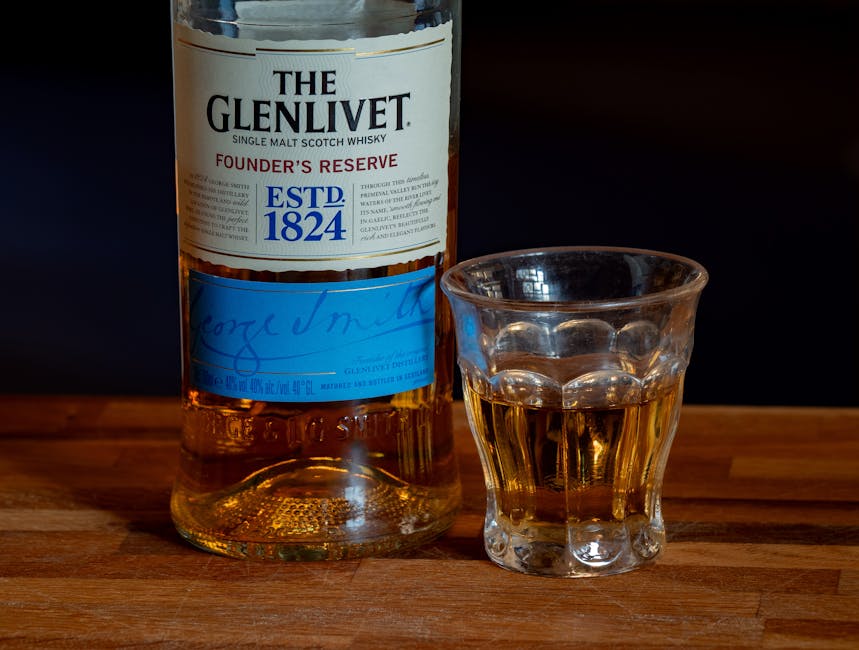
So, What Exactly Is Single Malt Whisky?
Before we dive into tasting notes and regional styles, let’s nail down the basics. The term “single malt” is actually regulated by law in most whisky-producing countries. In Scotland — the spiritual home of the drink — a Scotch Single Malt must meet three key criteria:
- Single distillery: It must be produced at one distillery only (that’s the “single” part — not single grain or single batch).
- Malted barley: The only grain used is malted barley, giving it a distinctive richness compared to grain whiskies.
- Pot still distillation: It must be distilled in copper pot stills, which preserves more of the spirit’s character and complexity.
- Oak cask maturation: It must mature in oak casks for at least three years (in Scotland), though most quality expressions age far longer.
- Bottled in Scotland: For Scotch, it must be bottled in Scotland at a minimum of 40% ABV.
This is fundamentally different from a “blended Scotch” (like Johnnie Walker), which combines whiskies from multiple distilleries. Single malts are considered more terroir-driven — meaning the environment, water source, and distillery character deeply influence the final flavor. Think of it like the difference between a house wine and a single-vineyard Burgundy.
The Five Scottish Whisky Regions — And Why They Matter in 2026
Scotland is divided into five official whisky-producing regions, and each has a distinct personality. In 2026, with global whisky tourism booming (Scotland’s Whisky Trail reported record visitor numbers this spring), understanding regions is your fastest shortcut to finding what you’ll actually enjoy.
- Speyside: The most densely packed distillery region in the world, sitting along the River Spey. Expect sweet, fruity, approachable drams — think Glenfiddich, The Macallan, and Balvenie. Perfect entry point for beginners.
- Highlands: Scotland’s largest region with enormous diversity. You’ll find everything from the floral and delicate Glenmorangie to the more robust and spicy Dalmore. No single flavor profile dominates.
- Islay (pronounced “Eye-lah”): The famous island of smoke and peat. Lagavulin, Laphroaig, and Ardbeg produce intensely smoky, medicinal, almost iodine-like whiskies. Divisive — you’ll either love it or need time to warm up to it.
- Lowlands: Lighter, grassy, and often triple-distilled. Auchentoshan is the flag-bearer here. Very gentle on new palates — often recommended as a whisky gateway.
- Campbeltown: Tiny but historically significant. Glen Scotia and Springbank offer briny, slightly oily, complex whiskies that punch well above their weight.
Beyond Scotland: The Global Single Malt Landscape in 2026
Here’s where things get genuinely exciting. Scotland invented the concept, but the world has run with it. Japan has been producing world-class single malts since the 1920s — Yamazaki 12 Year and Hakushu 12 Year from Suntory are consistently rated among the top expressions globally. In 2026, Japanese whisky remains incredibly difficult to source due to ongoing demand surges, with primary market retail prices for Yamazaki 18 Year sitting around $300–$500 USD in most markets.
But there are incredible alternatives worth exploring. Taiwanese distillery Kavalan (from King Car Group) has been stunning competition judges since the early 2010s and continues to deliver exceptional value in 2026 — their Solist Vinho Barrique expression often outscores whiskies three times its price in blind tastings. Indian single malts, particularly Amrut Fusion and Paul John Edited, have also carved out serious reputations. The accelerated maturation caused by India’s tropical climate means a 6-year Indian malt can rival complexity found in a 12-year Scotch — fascinating from a chemistry standpoint.
Closer to home for American readers, craft American single malts have exploded since the official American Single Malt Whiskey Commission established formal standards. Westland Distillery in Seattle and Balcones in Texas are producing genuinely compelling expressions that hold their own internationally.
How to Actually Taste Whisky (Without Faking It)
Let’s be honest — “tasting notes” can feel intimidating and sometimes absurd. “Notes of ripe apricot, old leather, and burning autumn leaves” — really? But here’s the thing: flavor perception is deeply personal and tied to your memory bank. There’s no wrong answer when you’re learning. Here’s a simple framework to use:
- Appearance: Look at the color. Deeper amber/mahogany often (not always) suggests longer cask maturation or sherry cask influence. Note its viscosity — does it leave thick “legs” on the glass?
- Nose (aroma): Don’t jam your nose into the glass immediately. Hold it a few inches away and breathe gently. Adding a few drops of water can actually “open up” the aromatics by reducing alcohol burn. Look for broad categories first: fruity, floral, smoky, spicy, woody, sweet.
- Palate (taste): Take a small sip and let it coat your entire mouth. Notice the texture — is it oily, light, creamy? Then focus on flavors as they evolve from first sip to mid-palate..
- Finish: How long does the flavor last after you swallow? A “long finish” is generally considered a mark of quality. What lingers — warmth, sweetness, smoke?
One practical tip that works brilliantly in 2026: use a copita-style nosing glass (tulip-shaped) rather than a rocks glass. The narrowing rim concentrates aromas beautifully. Glencairn glasses, widely available for under $15 a piece, are the industry standard and genuinely make a difference.
Realistic Starting Points — What to Actually Buy First
Rather than overwhelming you with options, let’s think logically about where to start based on what you already like:
- If you enjoy smooth bourbon: Start with Glenfiddich 12 Year or Glenlivet 12 Year. Both are approachable, slightly sweet, and widely available at around $35–$45 USD.
- If you enjoy bold red wine: Try Glendronach 12 Year (heavily sherry-cask influenced) or Aberlour A’bunadh. Rich, fruity, and complex.
- If you’re adventurous and want something different: Start with Laphroaig 10 Year. Yes, it’s smoky and medicinal — but if it clicks, you’ll be hooked for life.
- Budget-conscious? (Under $40 USD): Auchentoshan Three Wood, Monkey Shoulder (technically a blended malt but a great gateway), or Tomatin 12 Year offer excellent quality-to-price ratios in 2026.
- Want the best bang for your buck in 2026? Seriously consider Kavalan Classic or Amrut Fusion — both punch significantly above their $50–$60 USD price points.
Common Beginner Mistakes to Avoid
- Adding too much ice: Ice rapidly chills and dulls flavors. If you want dilution, use a few drops of room-temperature water instead.
- Starting with heavily peated whiskies: Jumping straight to Ardbeg Uigeadail is like starting a wine journey with a funky natural orange wine. Work up to it.
- Over-relying on age statements: A 12-year expression from an exceptional distillery frequently outperforms a 21-year from a mediocre one. Age is one variable, not the only variable.
- Ignoring independent bottlers: Companies like Gordon & MacPhail, Signatory Vintage, and Compass Box release fascinating expressions — often at better prices than official distillery bottlings.
Conclusion: Your Whisky Journey Is Just Beginning
Here’s what I want you to take away from this guide: single malt whisky isn’t a club with a secret handshake or an exclusive hobby for tweed-jacketed connoisseurs. It’s one of humanity’s most fascinating fermented and distilled crafts, and 2026 is genuinely one of the best times to explore it — global production has diversified dramatically, and there’s more variety at more price points than ever before.
If you’re feeling overwhelmed by where to start, here’s my realistic recommendation: visit a local whisky bar (most major cities now have dedicated whisky bars with tasting flight menus), order a three-flight sampler across different regions, and pay attention to which flavor profile made you want another sip. That’s your compass. From there, buy a bottle, share it with friends, and let curiosity lead you forward.
You don’t need to become an expert. You just need to enjoy the process of learning — and with whisky, that process tastes very, very good.
Editor’s Comment : Whisky discovery in 2026 is wonderfully accessible — but don’t let anyone rush you or make you feel like you need expensive bottles to appreciate the craft. Some of the most memorable drams I’ve had cost under $40. Start with what’s available, take notes (even mental ones), and trust your own palate above all else. The “best” whisky is always the one you enjoy most in that moment.
태그: [‘single malt whisky beginner guide 2026’, ‘scotch whisky regions explained’, ‘best single malt whisky for beginners’, ‘how to taste whisky’, ‘whisky tasting tips 2026’, ‘japanese vs scottish whisky’, ‘best affordable single malt whisky’]
Leave a Reply