A few years ago, I found myself standing in a tiny whisky bar in Edinburgh, completely overwhelmed by a chalkboard menu listing 200+ single malts. The bartender — a wonderfully patient Scotsman named Alasdair — leaned over and said, “Don’t think about the bottle. Think about where it came from. The land tells you everything.” That single piece of advice completely changed how I approach Scotch whisky, and honestly, it’s the best framework I can offer you today.
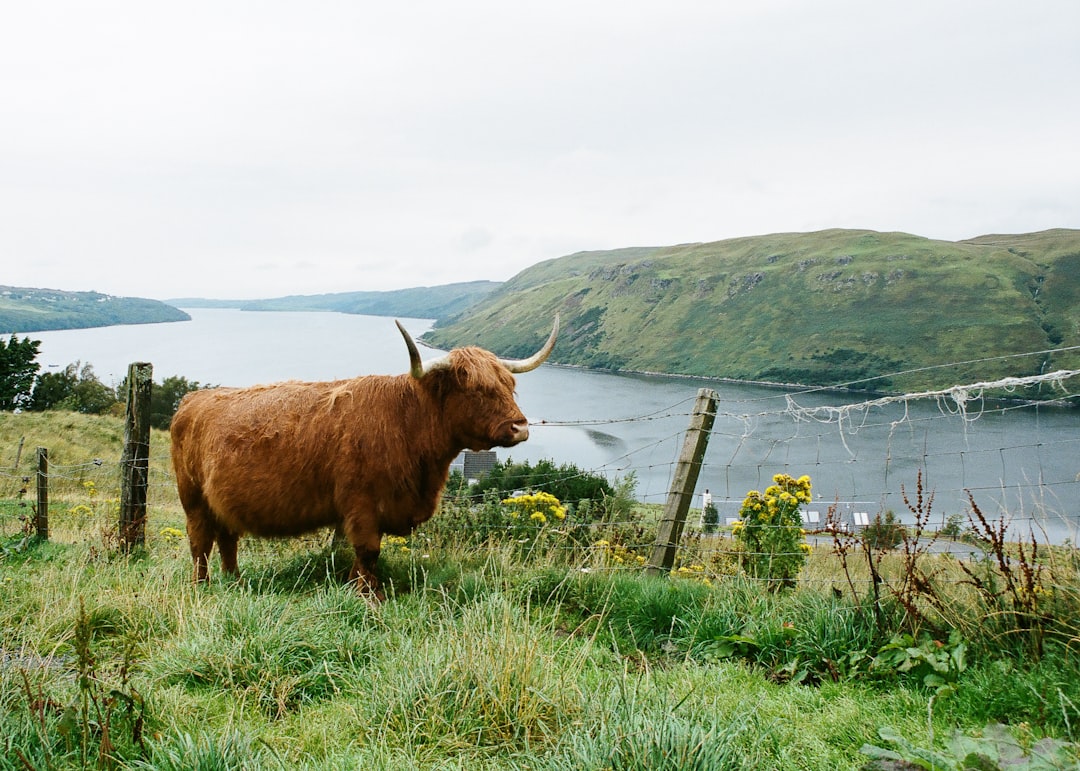
Scotland’s single malt whisky tradition is deeply geographical. The country is divided into five officially recognized regions — each shaped by climate, water sources, local barley, and centuries of distilling culture. Once you understand the regions, you stop feeling lost in a whisky menu and start feeling genuinely excited by it. So let’s walk through Scotland together, glass in hand.
🗺️ Why Regions Matter: More Than Just a Label
In the whisky world, a “single malt” means the spirit was produced at a single distillery using malted barley and pot stills. But two single malts from different regions can taste as different as a Burgundy and a Bordeaux. The terroir concept — yes, whisky has terroir — encompasses the local water chemistry, peat composition, coastal air, and even aging warehouse conditions. In 2026, with the global whisky market valued at over $90 billion USD and Scottish exports hitting record highs, understanding regional identity is more relevant than ever for both casual drinkers and collectors.
1. The Highlands: Scotland’s Vast, Diverse Heart
The Highlands is the largest whisky-producing region by geographic area, stretching across most of northern Scotland. Because it’s so large, it’s almost unfair to assign it a single flavor profile — think of it as a continent rather than a country. Sub-regions like Northern Highlands (Glenmorangie, Balblair), Western Highlands, and Perthshire each carry their own nuance.
- General flavor profile: Medium-bodied, often honeyed and fruity with a gentle spice. Less smoky than Islay, less delicate than Speyside.
- Key distilleries to try: Glenmorangie (floral, citrus-forward), Dalmore (rich sherry influence), Oban (coastal with a hint of brine), Balblair (elegant orchard fruit)
- Good for: Newcomers who want variety without extreme flavors
2. Speyside: The Densest Whisky Landscape on Earth
If the Highlands is a continent, Speyside is a city. Nestled along the River Spey in northeastern Scotland, this region hosts over 50 active distilleries — more distilleries per square mile than anywhere else on the planet. The soft, mineral-rich water flowing from the Cairngorm mountains is widely credited for Speyside’s signature elegance.
- General flavor profile: Fruity, floral, honeyed, often with rich dried-fruit and sherry-cask notes. Generally lighter and more approachable.
- Key distilleries to try: Glenfiddich (iconic pear and vanilla), Macallan (sherry-dominant, deep and complex), Aberlour (chocolate, plum, walnut), Balvenie (sweet malt with honey tones)
- Fun fact: Macallan’s 2026 limited releases have continued their upward trajectory in auction prices, with some expressions fetching over £4,000 at Bonhams Edinburgh.
- Good for: Those who love rich, layered drams without heavy smoke
3. Islay: Scotland’s Smoky, Peaty Powerhouse
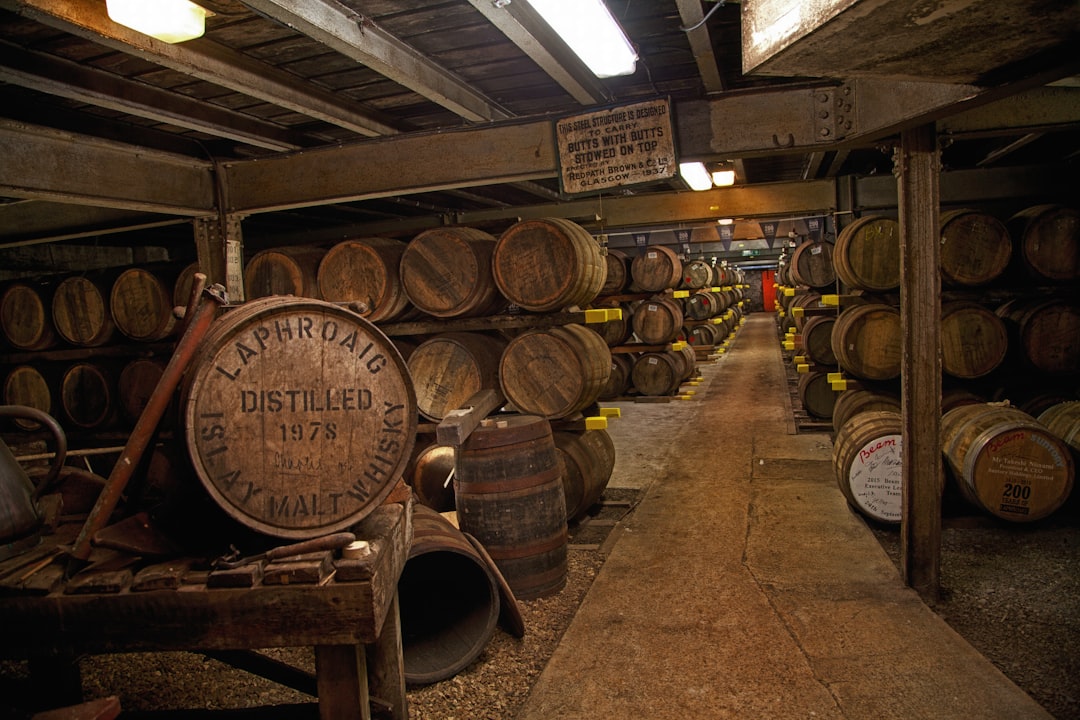
Islay (pronounced “EYE-luh”) is a small island off the west coast, but its cultural footprint in the whisky world is enormous. The island’s abundant peat bogs give Islay whiskies their legendary medicinal, smoky, sea-salt character. If you’ve ever described a whisky as tasting like “a campfire on a beach” — congratulations, you’ve met Islay.
- General flavor profile: Heavily peated and smoky, iodine and seaweed notes, maritime brine, sometimes sweet vanilla underneath the smoke
- Key distilleries to try: Ardbeg (intense, tarry, complex), Laphroaig (medicinal peat, seaweed), Lagavulin (rich, peaty, slightly sweet — the connoisseur’s choice), Bruichladdich (surprisingly unpeated, floral — an Islay outlier)
- Good for: Adventurous drinkers who want bold, unforgettable experiences
- Realistic alternative: Not ready for full Islay intensity? Start with Bowmore 12 — it bridges fruity sweetness and moderate smoke beautifully.
4. Campbeltown: The Fallen Giant That Refuses to Quit
Once home to over 30 distilleries in the 19th century, Campbeltown — a small peninsula town in Kintyre — nearly vanished from the whisky map. Today, only three distilleries remain: Springbank, Glen Scotia, and Glengyle. But those three are producing some of the most respected and cult-followed whisky in Scotland right now. In 2026, Springbank’s hand-crafted production methods and intentionally limited output have made it one of the most sought-after brands in the secondary market.
- General flavor profile: Briny, slightly oily, complex mix of fruit, vanilla, light peat, and sea salt. Unique character unlike any other region.
- Good for: Serious enthusiasts who appreciate history and rarity
5. The Lowlands: Scotland’s Underrated Gem
Often overlooked in favor of more dramatic regional profiles, the Lowlands produce whiskies that are deliberately lighter, softer, and more approachable. Historically associated with triple-distilled grain whisky, the Lowlands are now seeing a genuine renaissance. Distilleries like Auchentoshan, Glenkinchie, and the exciting newer entrant Borders Distillery are winning over drinkers who want elegance over intensity.
- General flavor profile: Light, floral, grassy, gentle citrus — sometimes compared to a lighter Irish whiskey style
- Good for: Beginners, aperitif-style drinking, or whisky fans who want a palate-cleanser between heavier drams
Bonus: The Islands (Unofficial but Important)
Technically grouped under the Highlands officially, the Islands region is increasingly discussed as its own category by enthusiasts. This grouping covers distilleries on Orkney (Highland Park, Scapa), Skye (Talisker), Jura, Mull (Tobermory), and Arran. Each island imparts unique maritime influence and varying levels of peat. Talisker, in particular, with its peppery, volcanic smoke character, is a must-try for anyone wanting a coastal experience without going full Islay.
Practical Tasting Roadmap for 2026
If you’re building your regional understanding from scratch, here’s a sensible progression I’d recommend:
- Start: Glenlivet 12 (Speyside) — gentle and welcoming
- Build: Oban 14 (Highland/Islands) — adds coastal complexity
- Contrast: Auchentoshan Three Wood (Lowlands) — shows how different Scotch can be
- Challenge: Talisker 10 (Islands) — first encounter with maritime peat
- Commitment: Lagavulin 16 (Islay) — the full peated experience
- Obsession: Springbank 15 (Campbeltown) — once you’re here, you’re a true enthusiast
In the current market, most of these expressions are available globally through retailers like Master of Malt, The Whisky Exchange, or increasingly through brand-owned subscription clubs that have expanded significantly in 2026.
A Note on Budget and Accessibility
Premium Scotch doesn’t require a premium budget to explore. The regional journey above can largely be completed in the $50–$100 USD range per bottle. Where collector editions and age statements push beyond that, consider purchasing single drams at a specialist bar before committing to a full bottle — this is exactly how Alasdair in Edinburgh first taught me, and it remains the most economical and educational approach.
Editor’s Comment : What strikes me most about Scotland’s whisky geography is that it rewards curiosity above all else. You don’t need to be an expert to appreciate why an Ardbeg tastes nothing like a Glenlivet — you just need to ask where it came from and let the story unfold in your glass. In 2026, with more distilleries offering virtual tours, regional tasting kits shipped globally, and whisky communities thriving online, there has genuinely never been a better time to start this journey. Pick a region, pick a bottle, and let Scotland’s landscape guide your palate. Sláinte! 🥃
태그: [‘Scotland single malt whisky regions’, ‘Islay whisky guide 2026’, ‘Speyside distilleries’, ‘Highland whisky flavors’, ‘Scotch whisky beginner guide’, ‘best single malt Scotch 2026’, ‘Campbeltown whisky Springbank’]
Leave a Reply