I still remember the first time I genuinely understood what all the fuss was about. It was a rainy Thursday evening, and a friend slid a small pour of Yamazaki 18 across the table without saying a word. One sip, and suddenly years of dismissing whisky as “just another brown spirit” evaporated instantly. That moment of revelation is exactly what great single malt whisky does — it doesn’t just taste like something, it says something. So let’s think through this together: what actually makes a single malt whisky world-class in 2026, and which bottles are genuinely earning their legendary reputations right now?
What Exactly Is a Single Malt Whisky? (Quick Primer)
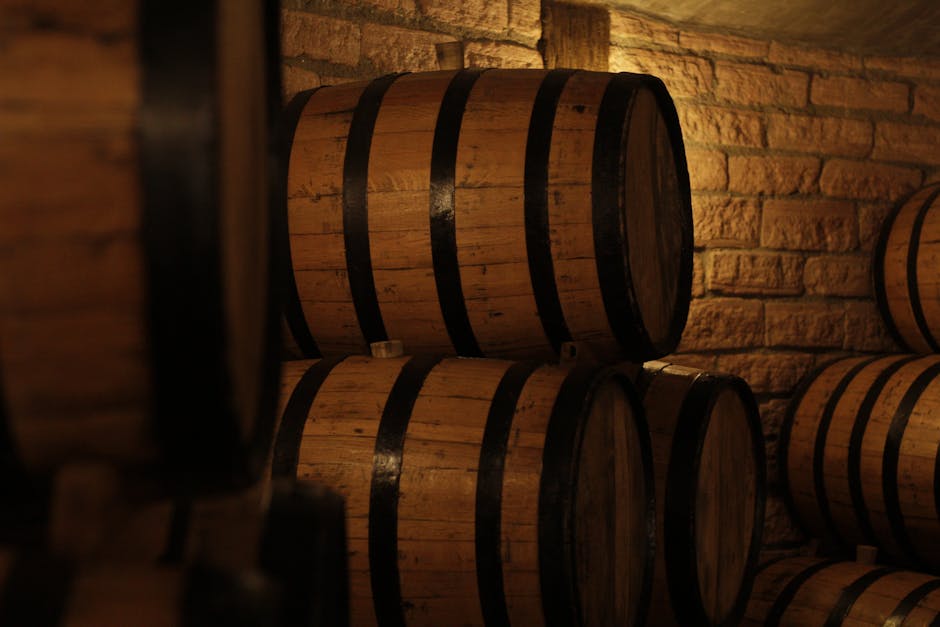
Before we dive into rankings, let’s get our bearings. A single malt whisky must come from a single distillery, be made entirely from malted barley, and be distilled in pot stills. That’s it — no blending from multiple distilleries. This constraint is actually what makes the category so fascinating, because each bottle is essentially a fingerprint of one specific place, one specific process, and often one specific master distiller’s vision. The terroir concept here rivals that of fine wine in many respects.
The 2026 Global Rankings: Who’s Leading the Pack?
Drawing from the 2026 results of the World Whiskies Awards, International Spirits Challenge, and the influential Whisky Advocate 100-point scale, here’s how the landscape looks right now:
- 🥇 Ardbeg Uigeadail (Islay, Scotland) — Consistently rated 95–97 points, this non-age-statement expression from Ardbeg combines ex-bourbon and oloroso sherry casks to produce an almost paradoxical whisky: intensely peaty yet rich with dried fruit and chocolate. It retails around $75–$90 USD, making it arguably the best value-per-quality ratio on this list.
- 🥈 Yamazaki 18 Year Old (Japan) — Japan’s flagship continues its dominance in 2026. Mizunara oak influence gives it an unmistakable sandalwood and incense character that no Scottish distillery can replicate. Retail price has climbed to $300–$400, but the secondary market tells the real story of demand.
- 🥉 GlenDronach 18 Parliament (Highlands, Scotland) — Fully matured in Pedro Ximénez and oloroso sherry casks, this is the quintessential dessert whisky. Rich, decadent, and remarkably approachable. Priced around $130–$160.
- Glenfarclas 25 Year Old (Speyside, Scotland) — An independent family distillery that refuses to sell out to conglomerates, and it shows in the liquid. Complex, sherried, and built for contemplation. Around $200–$250.
- Springbank 15 Year Old (Campbeltown, Scotland) — Campbeltown is Scotland’s rarest whisky region, and Springbank is its jewel. Slightly waxy, coastal, and deeply layered. Frustratingly hard to find at retail ($120–$150) but worth the hunt.
- Kavalan Solist Vinho Barrique (Taiwan) — Taiwan’s tropical climate accelerates maturation dramatically, and Kavalan keeps proving it belongs at the top table. Multiple gold medals in 2026 competitions. Around $150–$200.
- Bruichladdich Octomore 15 Series (Islay, Scotland) — The world’s most heavily peated whisky, yet somehow elegant. For peat fanatics, this is the benchmark. Limited release, expect to pay $200+.
The Science Behind “Best”: How Judges Actually Score These
Here’s something most casual whisky drinkers don’t think about — competition scoring isn’t purely subjective magic. Judges evaluate across five systematic dimensions: color (depth and clarity), nose (aroma complexity and balance), palate (flavor development and mouthfeel), finish (length and quality of aftertaste), and overall balance. A whisky that scores a 95 has essentially demonstrated mastery across all five. What’s particularly interesting in 2026 is that non-age-statement (NAS) whiskies like the Ardbeg Uigeadail are routinely outscoring older age-statement expressions — a sign that master blenders are increasingly skilled at sourcing the right casks regardless of age.
Regional Character: Why Geography Still Matters Deeply
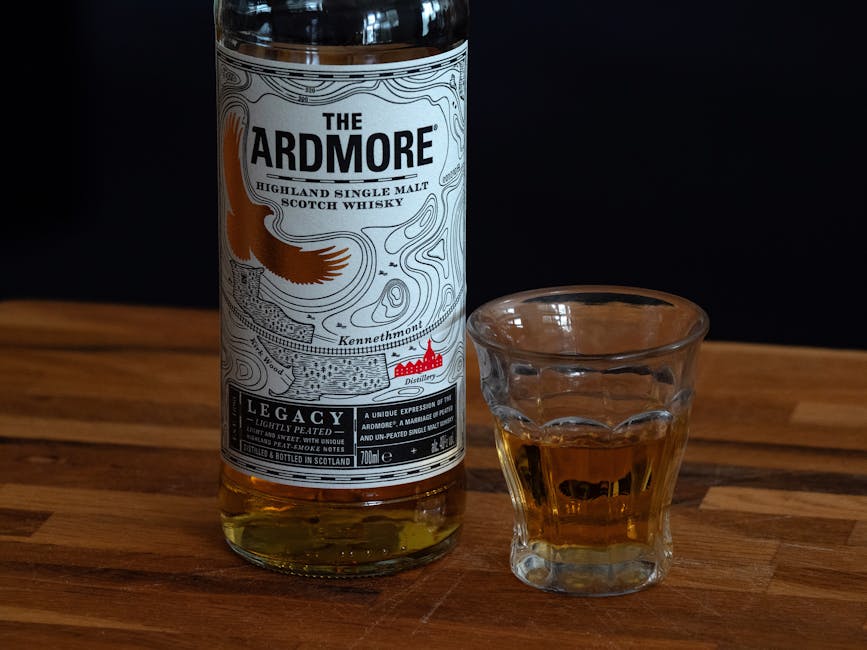
One of the most rewarding ways to approach single malts is through regional lenses. Think of it like wine appellations:
- Islay (Scotland): Coastal, heavily peated, medicinal, smoky. Ardbeg, Laphroaig, Lagavulin.
- Speyside (Scotland): Fruit-forward, elegant, often sherried. GlenDronach, Glenfarclas, Macallan.
- Highlands (Scotland): Diverse and rugged — from honeyed Dalmore to robust Glenmorangie.
- Japan: Delicate, precise, layered with unique oak influences. Yamazaki, Nikka, Chichibu.
- Taiwan: Tropical fruit, rapid maturation, exceptional sherry finishes. Kavalan leads here.
- Ireland: Triple-distilled, smooth, light. Redbreast 21 is turning serious heads in 2026.
The Emerging Contenders You Should Watch
2026 is genuinely exciting because the whisky world is expanding geographically. Amrut Fusion from India continues climbing critic rankings with its barley blend. Stauning PEATED from Denmark is winning European awards. And perhaps most surprisingly, Starward Two-Fold from Australia — while technically a blend — has pushed that country’s single malt producers like Lark Distillery into serious global conversation. The days of single malt whisky being exclusively a Scottish story are well and truly over.
Realistic Alternatives: What If You Can’t Spend $200+ Per Bottle?
Let’s be honest — most of us aren’t buying Yamazaki 18 on a Tuesday night. And that’s completely fine, because here’s the thing: the whisky landscape has never been more democratic. Some genuinely excellent alternatives at accessible price points include:
- Glenfiddich 15 Solera ($60–$70): The solera vatting system gives this unusual richness for the price point.
- Benriach The Smoky Ten ($55–$65): Lightly peated Speyside that offers complexity without requiring a finance degree to afford.
- Auchentoshan Three Wood ($70–$85): Triple-distilled and finished across three cask types — extraordinary complexity under $100.
- Glenmorangie The Original 10 ($40–$50): The entry point that’s never boring. Consistently reliable and food-friendly.
My honest advice? Start here, develop your palate, and then you’ll appreciate the $200 bottles far more when you do eventually treat yourself.
The world of single malt whisky in 2026 is more global, more creative, and more accessible than it’s ever been. Whether you’re chasing Ardbeg’s smoky thunder, Yamazaki’s meditative elegance, or Kavalan’s tropical exuberance, there’s a perfect dram out there waiting to have its own “Thursday evening” moment with you. The trick isn’t finding the “objectively best” bottle — it’s finding the one that speaks to your palate and your moment.
Editor’s Comment : In an era when whisky marketing can feel overwhelming, the most important ranking is the one you build for yourself through exploration. Start with a regional flight at a good whisky bar before committing to a full bottle — your taste buds will thank you for the education, and your wallet will appreciate the strategy. The 2026 market is genuinely exciting, and the best part? You don’t need to spend a fortune to start discovering what makes this category so endlessly compelling.
태그: [‘single malt whisky 2026’, ‘best whisky rankings’, ‘Scotch whisky guide’, ‘Japanese whisky’, ‘Ardbeg Yamazaki’, ‘whisky buying guide’, ‘world whisky awards 2026’]
Leave a Reply