Category: Uncategorized

  • Rare Single Malt Whisky Auctions in 2026: What’s Selling, What’s Soaring, and How to Play Smart

    A friend of mine — a mild-mannered accountant by day — once told me he’d spent more time researching a single bottle of Macallan 1967 than he did buying his first car. At the time, I laughed. Now, watching the rare single malt whisky auction market explode in early 2026, I completely understand the obsession. These aren’t just bottles of aged spirit anymore. They’re liquid assets, conversation pieces, and for some, a surprisingly serious investment vehicle.

    So let’s think through this together — what’s actually happening in the rare whisky auction space right now, who’s winning, who’s getting burned, and what smart alternatives exist if you’re not ready to drop $50,000 on a single cask.

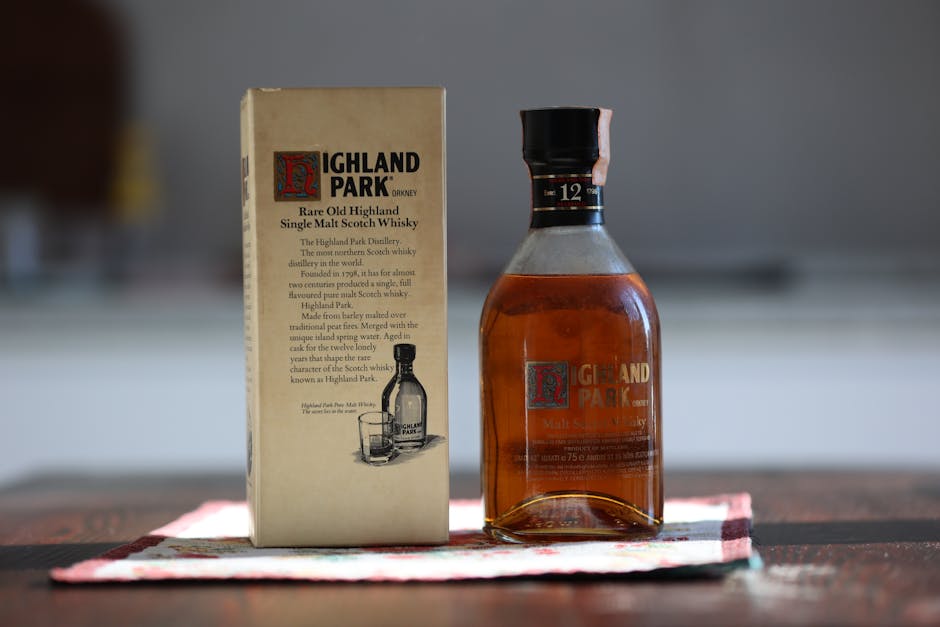
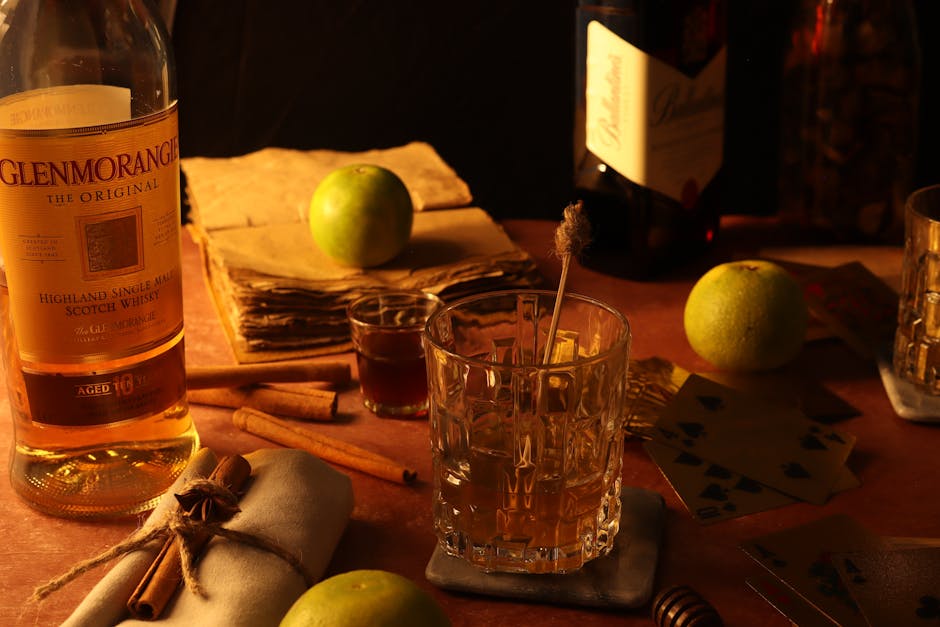
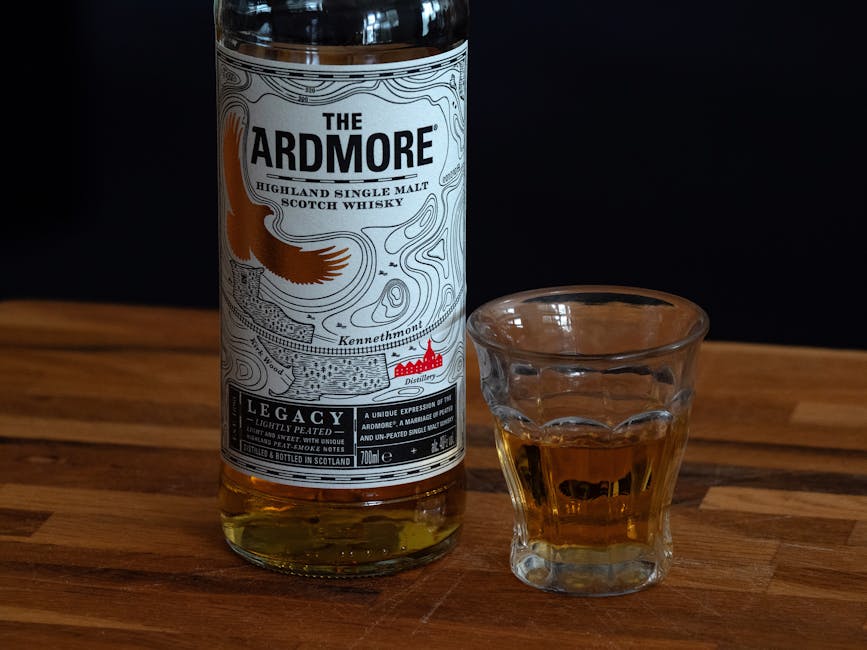
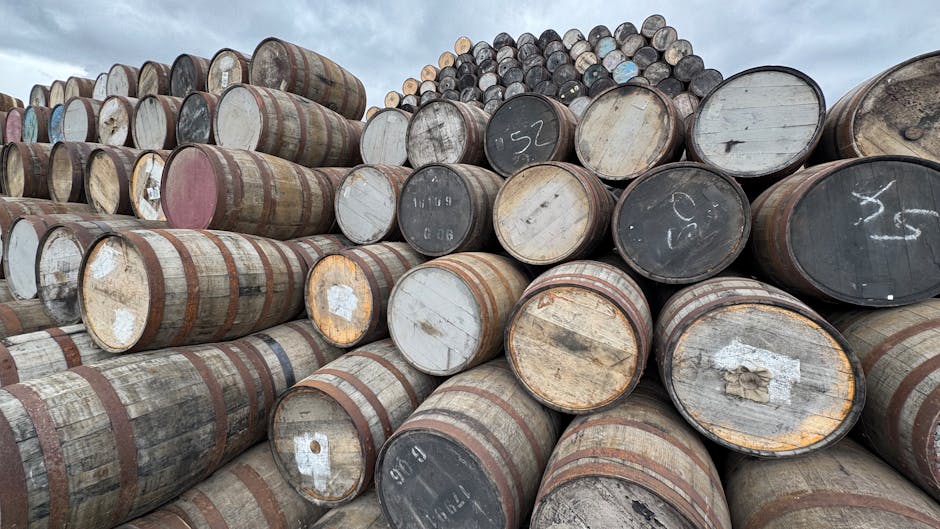
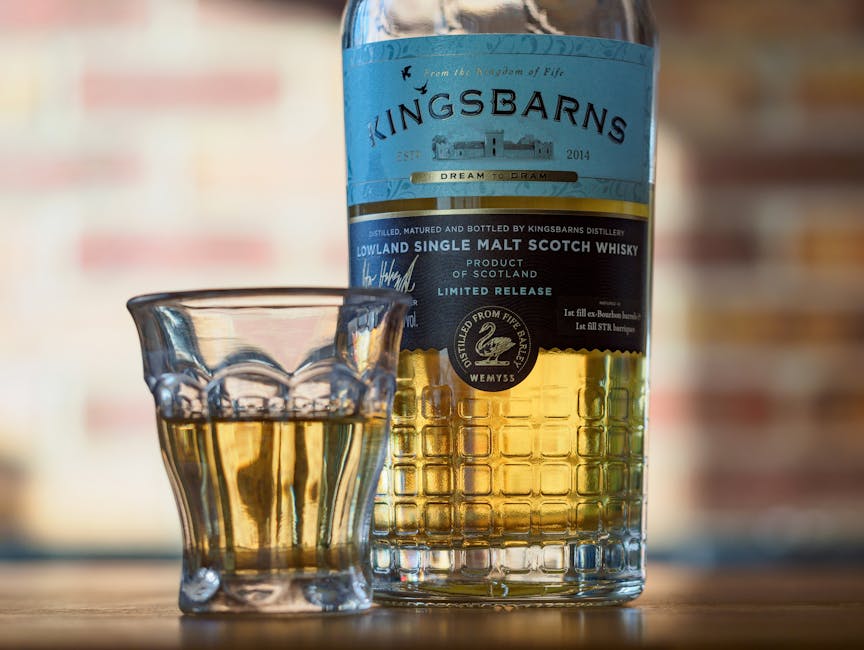
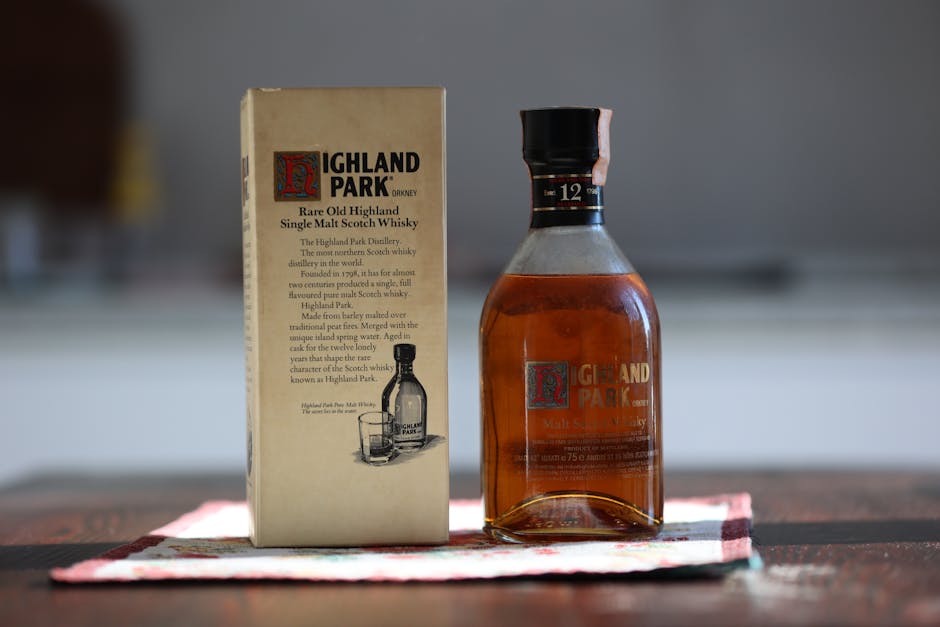
    rare single malt whisky auction bottles 2026 luxury collection

    The 2026 Auction Landscape: Numbers Worth Knowing

    The global rare whisky auction market has continued its remarkable trajectory into 2026. According to data aggregated from major platforms including Whisky Auctioneer, Sotheby’s Wine & Spirits, and Hart Davis Hart, Q1 2026 has already seen average hammer prices for age-stated single malts (25 years and above) climb approximately 14% compared to the same period in 2024. That’s not hype — that’s a measurable trend.

    Here’s what’s driving the numbers right now:

    • Japanese Distillery Scarcity: Yamazaki and Hakushu continue to release extremely limited age-stated expressions. A Yamazaki 55-Year released in limited quantity in late 2025 was already fetching over ¥15 million (~$100,000 USD) at Tokyo-based auctions by February 2026.
    • Macallan’s Archival Series Dominance: Bottles from The Macallan’s Fine & Rare Collection, particularly pre-1970 vintages, remain the blue-chip stocks of the whisky world. A 1950 Macallan in pristine condition crossed £85,000 at a London auction in January 2026.
    • Emerging Distillery Premium: Distilleries like Waterford (Ireland) and Lindores Abbey (Scotland) are seeing their early limited releases appreciate rapidly as collectors recognize early-mover advantage.
    • Cask Investment Volatility: While private cask investment boomed in 2023–2024, the market is showing correction signs in 2026, with more regulatory scrutiny in the UK around unregulated cask schemes.

    Domestic & International Case Studies: Real Bottles, Real Outcomes

    Let’s ground this in real examples, because raw data only tells half the story.

    Case 1 — South Korea’s Growing Collector Base: Seoul has quietly become one of Asia’s most active rare whisky auction hubs. Local platform Whisky Live Korea reported a 38% increase in registered bidders for their 2025–2026 season. A sealed bottle of Glenfarclas 50-Year Family Casks sold for approximately ₩18,000,000 (roughly $13,500 USD) in December 2025 — a price that would have seemed outlandish just three years prior. Korean collectors are particularly drawn to heavily sherried expressions and distillery-exclusive bottlings that never officially entered the Korean retail market.

    Case 2 — Diageo’s “Special Releases” Secondary Premium: Diageo’s annual Special Releases program remains one of the most watched calendars in whisky collecting globally. Bottles from their 2025 series — including the Port Ellen 43-Year and Brora 40-Year — were already trading at 300–400% above retail on secondary markets within weeks of release in the US and EU. This creates a genuinely uncomfortable ethical conversation: are these bottles for drinkers or purely for speculators?

    Case 3 — The Glenfiddich 50-Year Phenomenon: William Grant & Sons released a new Glenfiddich 50-Year expression in late 2025, retailing around £35,000. By March 2026, secondary auction estimates are already tracking toward £50,000–£60,000. The brand’s consistent quality narrative and global recognition make it one of the safer “premium appreciating” bets — if “safe” and “$50,000 bottle” can ever coexist in the same sentence.

    whisky auction bidding paddle luxury rare bottles Macallan Yamazaki

    The Hidden Risks Nobody Talks About Loudly Enough

    Let me be honest with you here, because I think the auction market’s glamour can make people overlook some very real pitfalls:

    • Provenance Fraud: The rare whisky market has seen increased counterfeit activity. In 2025, a European authentication body flagged over 200 bottles submitted to auctions as potentially fraudulent — most convincingly packaged. Always demand full provenance documentation and, where possible, third-party authentication like Rare Whisky 101’s verification service.
    • Storage & Insurance Costs: A collection worth £200,000 requires proper bonded warehouse storage (typically £500–£1,500/year) and specialist insurance. These aren’t dramatic costs, but they eat into returns quietly.
    • Liquidity Isn’t Guaranteed: Unlike stocks, you can’t sell a bottle in 30 seconds. Auction cycles run quarterly for most platforms. If you need cash quickly, you may accept a lower hammer price.
    • Tax Implications in 2026: Several jurisdictions — including the UK — are revisiting capital gains treatment for whisky as an asset class. Consult a tax advisor before treating your collection as a retirement plan.

    Realistic Alternatives for Every Budget Level

    Not everyone can — or should — drop five figures on a single bottle. Here’s how to participate meaningfully at different levels:

    • Entry Level (Under $500): Focus on independently bottled single malts from respected bottlers like Gordon & MacPhail, Signatory Vintage, or The Whisky Broker. These offer genuine aged character at accessible prices, and some limited releases do appreciate on secondary markets.
    • Mid-Range ($500–$5,000): Target distillery-exclusive bottlings purchased directly during distillery visits or official ballot releases. A bottle bought at retail through Springbank’s website, for example, typically trades at meaningful premiums almost immediately. Participate in online auctions for 20–30 year expressions from less-hyped but quality distilleries.
    • Serious Collector ($5,000–$25,000): Consider focusing on a specific distillery or region for depth rather than breadth. A cohesive collection with a narrative story is both more satisfying to build and often performs better at resale than a scattershot assortment of “name” bottles.
    • Alternative — Whisky Investment Funds: If you want market exposure without physical storage headaches, regulated whisky investment funds (several operating under FCA oversight in the UK as of 2026) offer fractional ownership of casks and rare bottles. Due diligence is essential — vet the fund’s track record carefully.

    The rare single malt whisky auction world in 2026 is genuinely exciting, but it rewards patient, informed participants far more than impulsive buyers chasing hype. Whether you’re drinking your collection, displaying it, or building it as an appreciating asset, the logic is the same: know what you’re buying, know why it’s valuable, and never spend money you can’t afford to have locked up in glass for a decade.

    Editor’s Comment : The whisky auction market has a seductive pull — there’s something deeply human about the idea that patience and good taste can literally pay off. But the most fulfilled collectors I’ve spoken with in 2026 share one trait: they genuinely love whisky first, and treat the investment angle as a pleasant bonus rather than the whole point. If you’re approaching this purely as a financial play, you’ll find the stress outweighs the returns. But if a bottle of 40-year-old Speyside single malt makes you feel something? Then welcome to one of the most interesting rabbit holes you’ll ever fall into.

    태그: [‘rare single malt whisky auction 2026’, ‘whisky investment 2026’, ‘Macallan auction value’, ‘Japanese whisky collecting’, ‘rare whisky market trends’, ‘whisky collector guide’, ‘single malt auction tips’]


    📚 관련된 다른 글도 읽어 보세요

  • 희귀 싱글몰트 위스키 경매 2026: 지금 당장 알아야 할 낙찰가 트렌드와 투자 전략

    작년 말, 지인 한 명이 창고 정리를 하다가 오래된 박스 하나를 발견했어요. 안에는 1970년대 보틀링된 글렌파클라스(Glenfarclas) 싱글몰트 한 병이 고스란히 들어 있었죠. 별생각 없이 경매에 올렸더니, 낙찰가가 무려 4,200만 원을 넘겼다고 합니다. 그 이야기를 듣고 저도 새삼 느꼈어요. 위스키 경매 시장은 이제 단순한 ‘술 거래’가 아니라, 하나의 진지한 자산 시장으로 자리 잡았구나 하고요.

    2026년 현재, 희귀 싱글몰트 위스키 경매 시장은 글로벌 경기 변동 속에서도 독특한 탄력성을 보여주고 있습니다. 오늘은 이 시장이 왜 이렇게 뜨거운지, 어떤 보틀이 주목받고 있는지, 그리고 일반인도 현실적으로 접근할 수 있는 방법이 무엇인지를 함께 살펴보려 해요.

    rare single malt whisky auction bottle collection 2026

    📊 2026년 위스키 경매 시장, 숫자로 보면 어떨까?

    위스키 경매 데이터 플랫폼 Rare Whisky 101WhiskyStats의 2026년 1분기 집계에 따르면, 글로벌 희귀 위스키 경매 거래 총액은 전년 동기 대비 약 18% 상승한 것으로 추정됩니다. 특히 주목할 만한 수치는 다음과 같아요.

    • 맥캘란(Macallan) 1926 Fine & Rare 60년산 — 2025년 하반기 소더비 경매에서 약 28만 파운드(한화 약 4억 7천만 원)에 낙찰되며 다시 한번 기록을 경신했습니다.
    • 야마자키(Yamazaki) 55년산 — 일본 위스키 붐의 상징으로, 2026년 경매 시장에서 평균 낙찰가가 전년 대비 22% 상승했어요.
    • 스프링뱅크(Springbank) 로컬 발리 시리즈 — 마니아 층의 수요가 폭발적으로 늘어나며, 2026년 1분기 경매 평균 낙찰가가 병당 180만~320만 원 선을 형성하고 있습니다.
    • 글렌리벳(Glenlivet) 드레스테드 스톤 50년산 — 공급이 극히 한정된 오피셜 릴리즈로, 현재 경매 추정가가 공식 소비자가의 7~9배에 달한다는 분석도 있습니다.
    • 포트 엘렌(Port Ellen) 앤뉴얼 릴리즈 2026 — 2012년 폐증류소 시리즈로 시작해 재가동 이후 출시된 최신 릴리즈가 역설적으로 구형 릴리즈 가격을 더 끌어올리는 흥미로운 현상이 관측됩니다.

    이처럼 희귀 싱글몰트의 가치는 단순히 ‘오래됐다’는 이유만으로 형성되지 않아요. 증류소의 역사성, 보틀링 연도, 캐스크 타입, 잔여 재고량, 그리고 위스키 비평가들의 평점이 복합적으로 작용한다고 보는 게 맞을 것 같습니다.

    🌍 국내외 경매 사례: 어디서, 어떻게 거래될까?

    해외에서는 소더비(Sotheby’s), 크리스티(Christie’s), 본햄스(Bonhams)가 전통적인 위스키 경매의 3대 강자로 꼽히고, 전문 플랫폼인 스카치 위스키 옥션(Scotch Whisky Auctions)이나 위스키 아우터(Whisky Auctioneer)도 월간 수천 건의 거래를 처리하고 있습니다.

    특히 2026년 들어 눈에 띄는 흐름은, 아시아 바이어의 비중이 전체 온라인 경매 낙찰자 중 약 34%를 차지하게 됐다는 점이에요. 그중 한국 바이어 비중도 꾸준히 늘고 있는 추세라고 합니다. 한국에서는 아직 위스키 전문 경매 하우스가 법적으로 제한적인 형태로 운영되고 있지만, 고가 주류 위탁 판매 플랫폼이나 소규모 프라이빗 경매 커뮤니티를 통한 거래가 활발히 이루어지고 있습니다.

    국내 사례로는, 2026년 초 서울의 한 프리미엄 경매 하우스에서 진행한 주류 섹션에서 발베니(Balvenie) DCS 컴펜디움 챕터 5 세트가 약 1억 2천만 원에 낙찰된 사례가 화제가 됐어요. 위스키가 미술품, 시계와 함께 ‘올터너티브 에셋(대체 자산)’의 한 축으로 진지하게 논의되기 시작한 신호탄이라고 봐도 좋을 것 같습니다.

    whisky auction bidding premium scotch bottles investment

    💡 초보자도 참여할 수 있을까? 현실적인 접근법

    여기서 솔직하게 말씀드리자면, 수천만 원짜리 보틀에 바로 뛰어드는 건 대부분의 분들께 현실적이지 않아요. 하지만 ‘위스키 경매 생태계’를 이해하고, 점진적으로 관심을 키워가는 방식은 충분히 가능하다고 봅니다.

    • 10만~50만 원대 인디펜던트 보틀러 탐색: 고든 앤 맥파일(Gordon & MacPhail), 시그너토리(Signatory), 더글라스 레인(Douglas Laing) 같은 인디펜던트 보틀러의 한정 릴리즈는 비교적 접근 가능한 가격대에서 시작하면서도 경매 시장에서 2~5배 상승한 사례가 많습니다.
    • 위스키 경매 플랫폼 관찰자 모드 활용: 당장 구매하지 않더라도, Whisky Auctioneer나 Scotch Whisky Auctions에서 경매 이력을 꾸준히 관찰하면 가격 흐름을 읽는 눈이 생깁니다.
    • OB(Official Bottling) vs IB(Independent Bottling) 차이 이해: 증류소 공식 출시 제품과 인디펜던트 보틀러 제품의 가치 형성 방식이 다르므로, 이 둘을 구분하는 안목을 기르는 게 우선이에요.
    • 국내 커뮤니티 활용: 네이버 카페, 오픈 카카오톡 채널 등의 위스키 마니아 커뮤니티에서는 국내외 경매 정보와 시세를 비교적 빠르게 공유하고 있어서 초보자에게 좋은 학습 공간이 된답니다.

    ⚠️ 투자로 접근할 때 반드시 고려해야 할 리스크

    위스키는 주식이나 부동산과 달리 유동성(Liquidity)이 매우 낮은 자산이에요. 원할 때 바로 팔기 어렵고, 보관 조건(온도, 습도, 직사광선 차단)을 제대로 갖추지 않으면 가치가 급락할 수도 있습니다. 또한 가품(페이크 보틀) 이슈도 무시할 수 없고, 위스키 시장 특성상 트렌드가 갑자기 바뀔 수 있다는 점도 인지해야 해요. ‘언젠간 오르겠지’라는 막연한 기대보다는 해당 카테고리에 대한 충분한 공부와 장기적인 관점이 필요하다고 생각합니다.


    에디터 코멘트 : 희귀 싱글몰트 위스키 경매 시장은 분명히 매력적인 공간이에요. 하지만 ‘투자’와 ‘취미’의 경계를 스스로 명확히 설정하는 게 먼저라고 봅니다. 당장 수억 원짜리 보틀을 노리기보다는, 관심 있는 증류소 하나를 정해 그 역사와 릴리즈 히스토리를 깊이 파고드는 것부터 시작해보세요. 그 과정에서 자연스럽게 경매 시장을 읽는 눈이 생기고, 어느 순간 당신만의 ‘올바른 타이밍’이 보일 거라고 생각합니다. 위스키는 결국 시간이 만들어내는 술이고, 그 투자도 시간이 만들어주는 법이니까요. 🥃

    태그: [‘희귀위스키경매’, ‘싱글몰트위스키2026’, ‘위스키투자’, ‘위스키경매시세’, ‘맥캘란경매’, ‘야마자키희귀보틀’, ‘위스키재테크’]


    📚 관련된 다른 글도 읽어 보세요

  • Tequila Uncorked: A Deep Dive into Mexico’s Most Iconic Spirit — Culture, History & Everything In Between (2026 Guide)

    Picture this: It’s a warm evening in the highlands of Jalisco, Mexico. The sun is melting into shades of amber and violet over endless rows of blue agave plants — their spiky silhouettes looking almost alien against the fading sky. A jimador (a skilled agave harvester) swings his coa de jima, a razor-sharp circular blade, with practiced precision, separating the massive piña from its roots. He’s been doing this since he was a teenager, just like his father and grandfather before him. That single act — repeated millions of times across the Tequila Valley — is the heartbeat of one of the world’s most culturally rich and misunderstood spirits.

    Most of us in 2026 know tequila through shots with lime and salt at a bar, or perhaps through a carefully crafted margarita. But tequila is so much more than that. It’s a UNESCO-recognized cultural heritage, a booming global industry worth over $12 billion USD, and a living artifact of Mexican civilization stretching back thousands of years. Let’s dig in — together.

    blue agave field Jalisco Mexico jimador harvesting tequila

    🌵 The Ancient Roots: From Pulque to Proto-Tequila

    Before the first drop of tequila was ever distilled, the agave plant was already sacred. The indigenous Nahua people of pre-Columbian Mexico revered the agave — calling it metl — as a gift from the goddess Mayahuel, a deity with 400 breasts who suckled 400 rabbit gods, each one representing a different level of intoxication. (Yes, ancient mythology was wonderfully creative.)

    These early civilizations fermented the sap of the agave plant into a milky, slightly sour beverage called pulque. Pulque was far more than a casual drink — it was ceremonial, medicinal, and deeply embedded in social ritual. Aztec priests consumed it during religious rites, and elderly citizens were sometimes permitted to drink it freely as a social perk of aging.

    Fast forward to the 16th century. Spanish conquistadors arrived in Mexico and, running low on their brandy supplies, began experimenting with distillation techniques applied to the agave plant. The result? A rough, smoky precursor to what we now know as tequila, sometimes called mezcal de tequila — named after the town of Tequila in the state of Jalisco.

    📜 The Birth of Modern Tequila: The 1700s and the First Official Distilleries

    The story of tequila as a formal industry begins with one family name that’s impossible to avoid: Cuervo. In 1758, King Ferdinand VI of Spain granted José Antonio de Cuervo the rights to cultivate agave in Jalisco. By 1795, his son José María Guadalupe de Cuervo received the first official license to produce vino mezcal de tequila commercially — making Jose Cuervo the world’s oldest continuously operating tequila distillery, a title it still proudly holds today.

    Not far behind was the Sauza family. Don Cenobio Sauza, a savvy entrepreneur, founded his distillery in 1873 and made a revolutionary observation that’s now tequila law: only the Agave tequilana Weber variety — better known as Blue Weber Agave — produces true tequila. This distinction is what separates tequila from mezcal (which can be made from over 30 agave species).

    • 1758: Cuervo family granted agave cultivation rights in Jalisco
    • 1795: First official tequila production license issued
    • 1873: Sauza identifies Blue Weber Agave as the key ingredient
    • 1974: Mexico declares “Tequila” a protected designation of origin (DO)
    • 1994: The Tequila Regulatory Council (CRT) is officially established
    • 2006: UNESCO recognizes the Agave Landscape and Ancient Tequila Distilleries as a World Heritage Site
    • 2026: Global tequila exports surpass $5.3 billion USD, with premiumization driving double-digit growth

    🏔️ The Geography of Flavor: Why Jalisco Is Non-Negotiable

    Here’s something that surprises a lot of people: not all of Mexico can make tequila. By law, tequila can only be produced in five specific Mexican states — Jalisco, Nayarit, Guanajuato, Michoacán, and Tamaulipas. Of these, Jalisco dominates, accounting for roughly 95% of all tequila production.

    Within Jalisco, there are two distinct terroir zones (yes, just like wine!) that produce noticeably different flavor profiles:

    • The Highlands (Los Altos): Higher elevation, richer iron-red soil, cooler temperatures. Agaves here grow larger and sweeter, producing tequilas with fruity, floral, and slightly sweeter notes. Think brands like El Tesoro and Siete Leguas.
    • The Valley (Tequila Valley / Los Valles): Lower elevation, volcanic soil, warmer climate. Agaves are leaner and earthier, producing tequilas with more herbaceous, peppery, and mineral-driven flavors. Think Jose Cuervo Tradicional and Olmeca.

    This terroir distinction is a relatively recent conversation in the tequila world — the industry spent decades treating agave like a commodity crop. But by 2026, serious tequila producers and enthusiasts have embraced terroir as central to the spirit’s identity, much like the wine world did with Burgundy and Bordeaux decades ago.

    🔬 How Tequila Is Actually Made: A Logical Walkthrough

    Understanding production demystifies tequila tasting enormously. Let’s walk through it step by step, because each stage genuinely affects flavor:

    • Harvesting (8-12 years): Blue Weber Agave takes 8 to 12 years to mature. The jimador harvests the piña (the core, resembling a giant pineapple, weighing 40–90 kg). The timing matters — harvesting too early produces thinner, less complex spirits.
    • Cooking: Piñas are cooked to convert starches into fermentable sugars. Traditional producers use hornos (stone/brick ovens) for 24–72 hours. Industrial producers use stainless steel autoclaves for as little as 7 hours. Hornos = earthier, more complex. Autoclaves = cleaner, faster, less nuanced.
    • Extraction: Cooked agave is crushed to extract the aguamiel (honey water). Traditional method: a stone wheel called a tahona pulled by a horse or mule. Modern method: mechanical roller mills. Tahona-produced tequilas tend to have a more textured, mineral mouthfeel.
    • Fermentation: Extracted juice (mosto) is fermented with yeast. Wild/ambient yeast fermentation = longer process (days to weeks), more complex flavors. Commercial yeast = faster, more predictable, cleaner profile.
    • Distillation: Tequila must be distilled at least twice. Most producers use copper pot stills or stainless column stills. Copper contributes to smoother texture; column stills produce a lighter, cleaner spirit.
    • Aging: This determines the category (see below).

    🥃 Decoding the Categories: Blanco, Reposado, Añejo, and Beyond

    One of the most practical things any tequila enthusiast can learn is the official aging classification system. These aren’t just marketing labels — they reflect genuine differences in flavor, production time, and intended use:

    • Blanco (Silver/Plata): Unaged or rested less than 2 months in stainless steel. The purest expression of agave character. Bright, crisp, herbaceous. Best for cocktails or sipping if the base agave quality is exceptional.
    • Joven (Gold): Usually a Blanco tequila mixed with caramel coloring or other additives to appear aged. Often the least premium option — approach with mild skepticism unless it’s an estate blend.
    • Reposado (“Rested”): Aged 2 months to 1 year in oak barrels. The agave soul is still present, but now softened and complemented by vanilla, light caramel, and subtle spice. The most versatile category — great for sipping and cocktails.
    • Añejo (“Aged”): 1–3 years in barrels (max 600L). Deeper wood influence — dried fruit, chocolate, toasted nuts. Best sipped neat, like a fine whisky or cognac.
    • Extra Añejo (“Extra Aged”): Aged over 3 years. Introduced as a category in 2006. Rich, complex, often challenging to distinguish from aged whisky or brandy. A meditation in a glass.
    • Cristalino: A newer style (growing dramatically by 2026) — typically an Añejo that’s been filtered through activated charcoal to remove color while retaining aged complexity. Controversial among purists but enormously popular commercially.
    tequila bottles lineup blanco reposado anejo aging barrels distillery

    🌍 Global Tequila Boom: The Numbers Telling the Real Story in 2026

    Let’s talk data, because the tequila industry’s trajectory is genuinely remarkable and tells us a lot about where consumer culture is heading globally.

    In 2026, tequila is the fastest-growing premium spirits category worldwide. According to the Consejo Regulador del Tequila (CRT), over 500 million liters of tequila were certified for production in 2025, with projections for 2026 running even higher. The United States remains the dominant market, absorbing approximately 80% of all tequila exports — a cultural integration so deep that tequila now outsells American whisky in several U.S. states.

    The premiumization trend is the defining narrative. While total volume grows at around 5–7% annually, the premium and ultra-premium segments (bottles priced above $50 USD) are growing at 15–20% annually. Consumers in 2026 are willing to pay more, but they want authenticity, terroir story, and artisanal production — the same values driving specialty coffee, craft beer, and natural wine.

    Celebrity-owned tequila brands have played a fascinating (if complicated) role in this boom. George Clooney’s Casamigos (sold to Diageo for $1 billion in 2017) essentially proved that a celebrity-backed premium tequila could scale globally. By 2026, we’ve seen Dwayne Johnson’s Teremana, Nick Jonas’s Villa One, and a dozen others follow suit. Tequila purists debate whether this dilutes authenticity — but the undeniable effect has been bringing millions of new consumers into the category, many of whom then seek out more traditional expressions.

    🇲🇽 Tequila as Living Culture: The Human Side That Gets Overlooked

    Data and history aside, it’s worth pausing to appreciate what tequila represents at street level in Mexico. The Tequila Valley — now a UNESCO World Heritage Site — is a landscape shaped over 2,000 years of human-agave coevolution. The town of Tequila itself (population ~40,000) is essentially a living museum of the spirit’s culture, complete with the National Tequila Museum (Museo Nacional del Tequila) and a growing agritourism industry.

    The jimadores remain a deeply respected, highly skilled profession. Master jimadors can identify the precise moment of agave maturity by observing the plant’s behavior — the way leaves pull inward, the sweetness of the scent — skills passed down through generations that no algorithm can replicate. In an era when automation threatens countless traditional crafts, the art of the jimador is still fundamentally human.

    There’s also a growing mezcal vs. tequila identity debate within Mexico itself. Many artisanal producers and cultural advocates argue that tequila’s industrialization (particularly the acceptance of mixto tequila — which only needs to be 51% agave sugar — and diffuser extraction) has compromised its cultural integrity. This debate is healthy and important: it’s pushing the premium end of the market toward greater transparency and tradition.

    🍹 Realistic Ways to Explore Tequila Without Breaking the Bank

    Okay, so you’re inspired — but maybe you’re not ready to book a flight to Jalisco or drop $200 on an Extra Añejo. Let’s be realistic about how to meaningfully engage with tequila culture from wherever you are in 2026:

    • Start with a quality Blanco for tasting: Brands like Olmeca Altos, Espolòn, or Cimarron offer genuine 100% agave tequila at accessible price points ($20–$35 USD). These let you taste pure agave character without the distraction of heavy oak.
    • Ditch the salt-and-lime ritual for sipping: Try your next quality Blanco neat at room temperature, then with a single ice cube. You’ll discover layers of flavor that the lime completely masks. Salt was originally used to mask poor-quality tequila — great tequila doesn’t need it.
    • Compare a Valley vs. Highlands Blanco side-by-side: This is genuinely one of the most educational tequila experiences you can have at home. Try Olmeca Altos (Valley) alongside Siete Leguas Blanco (Highlands) and notice the contrast in sweetness and earthiness.
    • Visit a local agave or mezcal bar: By 2026, most major cities globally have at least one dedicated agave spirits bar. The staff at these venues are often deeply knowledgeable and love sharing the story — tap into that resource.
    • Look for “100% Agave” on the label: This is non-negotiable if you want to understand real tequila. Avoid anything that doesn’t specify this — you’re likely getting a mixto with artificial additives.
    • Explore mezcal as a gateway to deeper appreciation: Mezcal’s smokier, wilder character often illuminates what tequila is and isn’t. The contrast builds your palate vocabulary dramatically.

    Editor’s Comment : Tequila is one of those rare subjects where the deeper you go, the more genuinely fascinating it becomes — because it’s not just about a drink. It’s about geology, biology, indigenous cosmology, colonial history, global economics, and the stubborn persistence of human craft against industrial pressure. Whether you’re approaching this as a casual drinker curious about what’s actually in your glass, or a serious spirits enthusiast building a cellar, tequila rewards attention in ways few spirits can match. In 2026, with premiumization accelerating and authenticity becoming the premium’s real currency, there’s never been a better moment to start paying that attention. Go slowly, taste thoughtfully, and respect the jimador’s hands that made it possible.

    태그: []


    📚 관련된 다른 글도 읽어 보세요

  • 테킬라의 모든 것: 멕시코 테킬라 문화와 역사 심층 분석 (2026년 최신판)

    몇 해 전, 멕시코 할리스코(Jalisco) 주의 작은 마을 테킬라(Tequila)를 여행한 친구가 이런 말을 했어요. “공장 투어를 신청했는데, 가이드 아저씨가 아가베 밭 앞에서 30분 동안 그냥 울더라.” 처음엔 웃겼지만, 알고 보니 그 아저씨의 증조부가 직접 심은 아가베 나무가 바로 그 자리에 있었던 거라고요. 아가베 한 그루가 성숙하기까지 평균 7~10년이 걸린다는 사실을 알고 나면, 그 눈물이 단순한 감상이 아니라는 걸 이해하게 됩니다.

    테킬라는 단순한 ‘독한 술’이 아니에요. 수백 년의 역사와 수십만 농부의 땀, 그리고 멕시코 정체성 그 자체가 응축된 문화적 산물이라고 봅니다. 오늘은 그 깊은 이야기를 함께 들여다볼게요.

    agave field tequila Jalisco Mexico blue agave harvest

    📜 테킬라의 기원: 풀케에서 메스칼, 그리고 테킬라로

    테킬라의 역사는 아즈텍 문명 시대로 거슬러 올라갑니다. 당시 원주민들은 아가베(용설란) 식물에서 수액을 채취해 풀케(Pulque)라는 발효주를 만들어 마셨어요. 풀케는 신에게 바치는 의례용 음료였기 때문에, 일반인이 마시면 엄격한 처벌을 받을 정도로 신성한 존재였다고 합니다.

    16세기 스페인 정복자들이 멕시코에 도착하면서 상황이 바뀌기 시작합니다. 유럽식 증류 기술이 도입되었고, 아가베를 증류한 음료인 메스칼(Mezcal)이 탄생했어요. 테킬라는 이 메스칼의 한 종류로, 특정 지역에서 특정 품종의 아가베만을 사용해 만든 것입니다. 쉽게 말하면 “모든 테킬라는 메스칼이지만, 모든 메스칼이 테킬라는 아닌

    태그: []


    📚 관련된 다른 글도 읽어 보세요

  • Baijiu Goes Global in 2026: What China’s National Spirit Means for the World’s Drinking Culture

    Picture this: it’s a chilly evening in Paris, and a Michelin-starred sommelier is uncorking — well, unscrewing — a bottle of Moutai alongside a flight of aged Burgundy. Sounds unusual? In 2026, this scene is becoming increasingly less surprising. Chinese baijiu, the fiery grain spirit that has fueled centuries of toasts, business deals, and family banquets across China, is quietly but determinedly making its presence felt on the global stage. And the story behind why that’s happening is far more layered than you might expect.

    baijiu bottle tasting glass international bar Chinese spirits

    What Exactly Is Baijiu? A Quick Primer

    Before we dive into the geopolitics of spirits, let’s get everyone on the same page. Baijiu (白酒, literally “white liquor”) is a distilled spirit made primarily from sorghum — though wheat, rice, corn, and millet all make appearances depending on the regional style. It typically clocks in between 40% and 60% ABV, and its flavor profile is… well, let’s call it assertive. Depending on the variety, you might encounter notes of fermented grain, dried fruit, floral elements, or what enthusiasts diplomatically call “sauce-like” aromas (think soy, umami, and a whisper of blue cheese).

    The spirit is categorized into several aroma types — sauce aroma (jiangxiang), strong aroma (nongxiang), and light aroma (qingxiang) being the most prominent — and each carries its own cultural geography within China. This classification system alone tells you something important: baijiu isn’t a monolith. It’s more like an entire universe of flavor traditions.

    The Numbers Don’t Lie: Baijiu’s Market Reality in 2026

    Here’s where things get genuinely fascinating from a market perspective. Baijiu is already, by volume, the best-selling spirit category on the planet. It has been for decades — but almost entirely consumed within China’s own borders. As of early 2026, China’s domestic baijiu market is valued at approximately $90 billion USD, representing roughly 35–40% of the global spirits market by value. Yet its international sales have historically hovered around a mere 1–2% of total production.

    That gap is what makes the current global expansion push so interesting. Several forces are converging simultaneously:

    • China’s growing diaspora: With over 50 million overseas Chinese worldwide, the “comfort drink” demand in cities like Toronto, Sydney, London, and Vancouver has been quietly sustaining niche baijiu imports for years.
    • Post-pandemic luxury recalibration: Global consumers have shown increasing appetite for premium, heritage-driven spirits — think the Japanese whisky boom writ large. Baijiu brands like Kweichow Moutai (茅台) and Wuliangye (五粮液) are positioning themselves squarely in this luxury conversation.
    • Craft cocktail culture: Bartenders in New York, Berlin, and Singapore have been experimenting with baijiu in cocktails since the early 2020s, and by 2026, baijiu cocktail menus are no longer a novelty — they’re a credible bar program differentiator.
    • Chinese soft power and cultural diplomacy: The Chinese government has actively promoted baijiu as a cultural export, much like France does with Champagne or Scotland with Scotch whisky.
    • Global spirits company acquisitions: Diageo’s early investment in Shui Jing Fang (水井坊) signaled to the industry that international capital sees long-term value in baijiu internationalization.

    Cultural Weight: Why Baijiu Is More Than Just a Drink

    To understand baijiu’s expansion, you genuinely need to understand what it means in Chinese culture — because the spirit carries social and symbolic freight that has no direct Western equivalent. Offering someone a glass of premium baijiu isn’t just hospitality; it’s an act of relational investment. The ritual of ganbei (干杯 — “dry cup,” the Chinese equivalent of “bottoms up”) at a business dinner isn’t just about drinking; it’s about demonstrating trust, respect, and a willingness to be vulnerable together.

    This cultural depth creates both a challenge and an opportunity for global expansion. The challenge: non-Chinese consumers don’t automatically understand the relational context, which can make the experience feel alienating. The opportunity: in a world increasingly hungry for authentic cultural experiences, baijiu offers something genuinely irreplaceable — a 3,000-year-old drinking tradition with its own philosophy, etiquette, and terroir.

    Chinese baijiu toast ganbei ceremony cultural tradition

    Real-World Examples: How Baijiu Is Landing Abroad

    Let’s look at some concrete cases that illustrate different strategies playing out in 2026:

    Kweichow Moutai’s Prestige Positioning: Moutai, the crown jewel of Chinese baijiu (a sauce-aroma style aged in Guizhou’s unique microclimate), has pursued an unapologetically luxury-first global strategy. Rather than trying to compete with everyday Scotch or vodka, Moutai has planted itself firmly in the ultra-premium tier — hosting exclusive tasting events at art fairs and luxury hotels in Dubai, Paris, and New York. A 500ml bottle of premium Moutai Feitian retails between $300–$500 USD internationally, which is a deliberate signal: this isn’t a casual Friday night drink.

    LION’s Baijiu Bar in London: One of the more interesting grassroots examples is the emergence of dedicated baijiu bars in Western cities. In London’s Soho district, a few establishments by 2026 have built entire concepts around educating Western palates — pairing flights with Chinese food, offering guided tasting notes, and demystifying the “sauce aroma” profiles that initially perplex newcomers.

    Baijiu Cocktail Programs in Singapore: Singapore is arguably the most important testing ground for baijiu’s East-meets-West fusion potential, given its culturally bilingual food and drink scene. Bars like Manhattan at the Regent Singapore have introduced baijiu-based twists on classics — imagine a sauce-aroma baijiu in place of rye in an Old Fashioned, or a light-aroma baijiu substituted for gin in a floral cocktail. These experiments are converting skeptics one sip at a time.

    The Chinese Restaurant Pipeline: Don’t underestimate this channel. As Chinese restaurants globally upgrade their beverage programs (a significant trend in 2025–2026), premium baijiu pairings with Chinese cuisine are creating natural consumer education pathways — much like how Japanese sake found its mainstream Western audience through sushi restaurants.

    The Real Barriers: What’s Slowing the Expansion?

    Let’s be honest, because a realistic picture matters more than cheerleading. Baijiu faces genuinely significant headwinds in Western markets:

    • Flavor accessibility: The sauce-aroma varieties that carry the most prestige (Moutai, etc.) are also the most challenging for uninitiated palates. The learning curve is real.
    • High import tariffs: Trade tensions between China and several Western economies have kept import costs elevated, making already-premium products even more expensive at retail.
    • Cultural translation gap: The ritualistic context of baijiu consumption is hard to export without the cultural scaffolding. A bottle without the story is just a very strong, unusual-tasting spirit.
    • Marketing budgets vs. established players: Even Moutai’s marketing spend in international markets is modest compared to what Johnnie Walker or Hennessy invest in brand-building globally.
    • Health perception: The high ABV and association with heavy drinking culture (the ganbei pressure dynamic is real) creates image challenges as global consumers trend toward moderation.

    Realistic Alternatives: How to Engage With Baijiu on Your Own Terms

    So you’re curious about baijiu but not quite ready to dive into a neat pour of 53% sauce-aroma spirit? Completely fair. Here are some genuinely practical entry points:

    • Start with light-aroma (qingxiang) styles: Brands like Er Guo Tou (二锅头) or Fenjiu (汾酒) offer much cleaner, more approachable flavor profiles — almost vodka-adjacent in their clarity, but with more character. Great gateway spirits.
    • Try it in a cocktail first: Many craft cocktail bars now offer baijiu-based drinks that ease you into the flavor profile without the full intensity of a neat pour. A baijiu sour or a baijiu-based highball with soda and ginger is remarkably approachable.
    • Pair it with bold Chinese flavors: Sichuan cuisine’s spice and umami actually harmonize beautifully with sauce-aroma baijiu — the food and drink calibrate each other. Context really does transform the experience.
    • Attend a guided tasting: Many Chinese cultural centers, upscale Chinese restaurants, and specialty spirits shops now offer baijiu tasting events. This is far and away the best way to learn — you get the cultural context alongside the sensory experience.
    • If you enjoy Scotch or whisky: Try a strong-aroma (nongxiang) style baijiu, which has some overlapping complexity and can feel more familiar to whisky drinkers than the sauce-aroma varieties.

    Ultimately, what baijiu’s global push in 2026 represents is something much bigger than market share. It’s a cultural negotiation — a question of whether the world is ready to meet Chinese drinking culture on its own terms, rather than demanding it conform to Western flavor expectations. And honestly? That’s a conversation worth having over a small glass of something extraordinary.

    Editor’s Comment : Baijiu’s global journey in 2026 is genuinely one of the more fascinating case studies in how a deeply rooted cultural artifact navigates the tension between authenticity and accessibility. My honest take: don’t approach baijiu expecting it to taste like anything you already love. Approach it the way you’d approach learning a new language — with patience, curiosity, and the understanding that the strangeness is actually the point. The people who lean into that mindset are consistently the ones who end up converted. And if it still isn’t your thing after a fair try? That’s perfectly fine too. But give it the respect of a genuine attempt.

    태그: [‘baijiu global expansion 2026’, ‘Chinese spirits culture’, ‘Moutai international market’, ‘baijiu cocktails’, ‘Chinese drinking tradition’, ‘luxury spirits trends 2026’, ‘baijiu for beginners’]


    📚 관련된 다른 글도 읽어 보세요

  • 중국 바이주, 세계 시장을 흔들다 — 2026년 글로벌 확장의 문화적 의미

    몇 년 전만 해도 바이주(白酒)는 ‘중국인만 마시는 독한 술’이라는 인식이 강했어요. 실제로 서울 이태원의 한 주류 바에서 일하는 바텐더 김씨는 이런 말을 했다고 하죠. “2022년까지만 해도 바이주를 찾는 외국인 손님은 거의 없었어요. 그런데 요즘은 ‘마오타이 한 잔 줘봐요’ 하는 분들이 꽤 있어요.” 단순한 해프닝처럼 들릴 수도 있지만, 이 짧은 일화는 지금 전 세계 주류 시장에서 벌어지고 있는 꽤 큰 지각변동을 상징하는 것 같습니다.

    2026년 현재, 바이주는 위스키·보드카·데킬라 등 서구권 스피리츠 브랜드들이 장악해 온 프리미엄 주류 시장에 조심스럽지만 단단하게 발을 들이밀고 있어요. 오늘은 이 흐름이 단순한 ‘수출 증가’를 넘어 어떤 문화적 의미를 담고 있는지 함께 들여다보려 합니다.

    baijiu bottle glass chinese spirits premium bar

    📊 숫자로 보는 바이주의 글로벌 확장 현황 (2026년 기준)

    먼저 시장 규모부터 짚어봐야 할 것 같아요. 국제 주류 시장 조사기관 IWSR의 2026년 상반기 보고서에 따르면, 바이주 글로벌 매출은 약 1,180억 달러(한화 약 160조 원) 규모로 추산됩니다. 이는 위스키 전 세계 매출(약 700억 달러)을 압도하는 수치예요. 물론 아직까지 매출의 95% 이상은 중국 내수 시장에서 발생하지만, 바로 이 ‘나머지 5%’가 의미심장하게 커지고 있다는 점이 핵심이라고 봅니다.

    • 마오타이(茅台): 2025년 해외 매출 전년 대비 약 34% 성장, 동남아·북미·유럽 3개 권역 동시 공략 중
    • 우량예(五粮液): 2026년 기준 50개국 이상 정식 유통망 확보, 프리미엄 면세점 입점 가속화
    • 루저우라오쟈오(泸州老窖): 유럽 미슐랭 레스토랑과의 페어링 이벤트로 고급 이미지 구축 시도
    • 글로벌 스피리츠 시장 내 바이주 인지도: 2022년 대비 2026년 현재 약 2.8배 상승(서구권 MZ세대 대상 설문 기준)

    특히 주목할 점은 동남아시아 시장이에요. 베트남·태국·인도네시아에서는 중산층 성장과 함께 바이주를 ‘고급 선물’로 인식하는 문화가 빠르게 확산되고 있다고 합니다. 단순한 음주 문화가 아니라 사회적 지위와 비즈니스 관계를 표현하는 매개체로 기능하고 있는 셈이에요.

    🌍 국내외 사례로 보는 바이주 문화 수출의 다층적 의미

    바이주의 세계화 전략은 단순히 술을 파는 것이 아닌 것 같아요. 브랜딩 방식을 보면 분명히 문화적 서사(Narrative)를 함께 수출하려는 의도가 읽힙니다.

    ① 마오타이의 ‘국주(國酒)’ 서사 전략
    마오타이는 1972년 닉슨-저우언라이 회담 건배 일화를 지속적으로 활용해요. 2026년에도 이 이야기는 마오타이의 공식 글로벌 마케팅에 핵심 소재로 등장합니다. 단순한 역사 마케팅이 아니라, ‘외교와 신뢰의 술’이라는 정체성을 심으려는 거라고 봐요. 이는 스카치위스키가 ‘스코틀랜드의 대지와 전통’을 전면에 내세운 전략과 구조적으로 매우 닮아 있습니다.

    ② 한국 시장에서의 흥미로운 변화
    국내에서도 변화가 감지돼요. 2026년 현재 서울 성수동·홍대 일대의 하이볼 바에서는 마오타이 혹은 고량주를 베이스로 한 칵테일을 메뉴에 올리는 곳이 생겨나고 있어요. 중국 문화에 대한 거부감이 남아 있음에도, ‘새로운 맛의 경험’을 원하는 주류 트렌드에 민감한 소비층이 이를 받아들이고 있다는 점은 꽤 인상적입니다.

    ③ 뉴욕·런던의 파인 다이닝에서
    영국 런던의 중국계 파인 다이닝 레스토랑 일부는 바이주 페어링 코스를 정식 메뉴로 채택했고, 뉴욕에서는 ‘바이주 소믈리에’ 자격증 프로그램이 등장했다는 소식도 들려옵니다. 와인이나 사케가 걸었던 길을 바이주가 따르고 있다는 인상이에요.

    baijiu cultural diplomacy global spirits tasting event

    🤔 그런데, 넘어야 할 장벽도 분명히 있어요

    장밋빛 전망만 있는 건 아니라고 봅니다. 바이주가 글로벌 시장에서 진정한 위상을 갖추기 위해선 몇 가지 구조적 한계를 극복해야 할 것 같아요.

    • 높은 알코올 도수: 일반적으로 40~60도에 달하는 도수는 서구 소비자들에게 진입 장벽으로 작용합니다. 저도수 바이주 제품 개발이 필요하다는 목소리가 커지고 있어요.
    • 향에 대한 낯섦: 장향(醬香), 농향(浓香) 등 바이주 특유의 발효향은 훈련되지 않은 미각에는 다소 이질적으로 느껴질 수 있어요.
    • 지정학적 리스크: 미·중 갈등, 한·중 관계 등 정치적 변수가 소비자 감정에 영향을 미친다는 점을 무시하기 어렵습니다.
    • 스토리텔링의 언어 장벽: ‘장인 정신’, ‘천년의 양조 전통’이라는 서사가 비중국권 소비자에게 깊이 있게 전달되려면 더 정교한 콘텐츠 전략이 필요해 보여요.

    💡 결론 — 술 한 잔에 담긴 ‘소프트파워’의 현실

    결국 바이주의 세계 시장 확장은 술 산업의 문제만이 아닌 것 같아요. 이것은 중국이 자국 문화를 ‘소비 가능한 형태’로 세계에 유통시키려는 소프트파워 전략의 일환이라고 볼 수 있어요. 일본이 사케와 위스키로, 스코틀랜드가 싱글몰트로, 프랑스가 코냑·와인으로 국가 이미지를 프리미엄화했듯이, 중국은 바이주로 그 게임을 하고 있는 셈이죠.

    우리가 이 흐름을 어떻게 받아들여야 할까요? 무조건적인 거부도, 무비판적인 수용도 아닌 것 같아요. 한 가지 음료를 통해 그 뒤에 있는 문화와 역사, 그리고 그것이 담고 있는 맥락을 읽는 연습 — 그게 어쩌면 2026년을 살아가는 우리에게 필요한 라이프스타일 리터러시가 아닐까 싶습니다.

    에디터 코멘트 : 바이주에 관심이 생겼다면, 처음부터 마오타이 정병에 도전하기보다 루저우라오쟈오의 농향형 제품이나 젊은 층을 겨냥한 저도수 라인 ‘장샤오바이(江小白)’로 시작해 보시길 권해요. ‘이게 진짜 바이주 맛이야?’라는 의문이 들 수도 있지만, 낯선 문화에 발을 들이는 첫 걸음은 언제나 낮은 문턱에서 시작하는 법이니까요. 그다음은 호기심이 알아서 데려다 줄 거예요. 🥂

    태그: [‘바이주’, ‘중국 주류 세계화’, ‘바이주 글로벌 시장 2026’, ‘마오타이 해외 진출’, ‘주류 문화 트렌드’, ‘중국 소프트파워’, ‘프리미엄 스피리츠’]


    📚 관련된 다른 글도 읽어 보세요

  • Korea’s Whisky Distillery Scene in 2026: From Niche Curiosity to Global Contender

    I still remember the raised eyebrows I got at a whisky tasting event back in 2019 when I casually mentioned that Korea might one day have a legitimate craft whisky scene. Fast-forward to 2026, and those eyebrows have done a full reversal — now people are genuinely impressed, and sometimes even a little jealous, when Korean distilleries start popping up in international competitions. So let’s sit down together and really dig into what’s happening on the Korean whisky frontier right now.

    Korean whisky distillery copper pot still mountain landscape 2026

    The Numbers Tell a Surprisingly Bold Story

    As of early 2026, South Korea boasts approximately 18 to 22 operational or actively-producing craft distilleries, a remarkable leap from just a handful five years ago. This growth tracks closely with global craft spirits trends — the Korean craft spirits market was valued at roughly KRW 85 billion (approx. USD 62 million) in 2025, and 2026 projections suggest a 14–17% year-over-year increase, driven largely by domestic premiumization and export curiosity from the U.S., Japan, and European markets.

    What’s fueling this? A few interconnected forces are worth breaking down:

    • Regulatory easing: The Korean government’s revision of the Liquor Tax Act in 2022 and its follow-up amendments in 2024 significantly lowered the barrier for small-batch distillery licensing, making it far more feasible for independent operators to enter the market.
    • Cultural tailwinds: The global K-culture wave hasn’t just exported K-pop and K-drama — it’s created genuine international curiosity about Korean food and drink culture, including spirits.
    • Terroir storytelling: Korean distillers are leaning hard into local grain sourcing — think Gangwon-do barley, Jeju Island water profiles, and even Korean oak (Quercus mongolica) cask experiments that genuinely differentiate their products.
    • Investment climate: Venture capital and lifestyle-brand investment into the premium beverage sector has remained unusually active in Korea through 2025–2026, giving distilleries runway to age their spirits properly.

    Key Players Shaping the Landscape in 2026

    Let’s talk about the distilleries actually making noise right now. Three Societies Distillery (삼사회 증류소), operating out of Gyeonggi-do, released its first 5-year single malt expression in late 2025 to considerable domestic acclaim and picked up a Bronze at the Asia Spirits Awards 2026 — not a headline-grabber yet, but absolutely a sign of trajectory. Meanwhile, Jeju Single Malt Project has been quietly building its aged inventory since 2021 and is expected to drop its first official 4-year release mid-2026, with pre-orders reportedly selling out within hours.

    On the more established side, Goldenblue continues to dominate the blended Korean whisky segment, though purists debate whether their model — blending imported Scotch malt with domestic grain spirit — truly qualifies as “Korean whisky” under the emerging geographic indication discussions currently underway at the Korean Intellectual Property Office.

    How Korea Compares: Learning from Japan, Taiwan, and India

    It’s impossible to discuss Korean whisky in 2026 without acknowledging the footsteps it’s following — and occasionally trying to leapfrog. Japan’s Nikka and Suntory spent decades building credibility before Western markets took them seriously. Taiwan’s Kavalan essentially rewrote the rulebook by winning major international awards within just a few years of production, partly because Taiwan’s subtropical climate accelerates maturation dramatically (angels’ share runs as high as 10–15% annually versus Scotland’s 2%). India’s Paul John and Amrut followed a similar fast-maturation, terroir-forward playbook.

    Korea’s climate sits interestingly between these extremes. The peninsula’s four distinct seasons — particularly the dramatic temperature swings between summer and winter — create a maturation dynamic that distillers describe as “aggressive but nuanced.” Casks breathe intensely in summer heat, then contract in the cold, which accelerates wood interaction. Early tasting notes from Korean single malts in their 3–5 year range often show more oak integration than you’d expect from comparable Scottish expressions at the same age.

    Korean whisky tasting flight craft spirits aged cask wood 2026

    The Challenges Nobody Wants to Talk About

    Let’s be honest here, because a realistic picture serves you better than cheerleading. Korean whisky faces real headwinds:

    • Age statement credibility gap: Most Korean distilleries are still working with 3–6 year spirits. The global whisky community, while increasingly open-minded, still tends to equate age with seriousness. This perception battle takes time — and more award wins — to overcome.
    • Domestic market dominance by soju: Soju still commands over 60% of Korean spirits consumption. Convincing domestic drinkers to pay KRW 80,000–150,000 for a locally-made whisky when imported Scotch sits at similar price points is a genuinely tricky value proposition.
    • Grain sourcing pressure: Ambitious distillers wanting to use 100% Korean-grown barley face supply chain inconsistencies. Agricultural infrastructure for malting-quality barley is still developing in Korea.
    • Export regulatory complexity: Navigating EU and U.S. import regulations for a category that doesn’t yet have a fully codified “Korean Whisky” geographic identity adds friction to international expansion.

    Realistic Paths Forward: What Should You Actually Do With This Information?

    Whether you’re a whisky enthusiast, a potential investor, or someone in the hospitality space, here’s how I’d think about engaging with Korea’s whisky moment:

    • For drinkers: Get in early. The next 3–5 years will see the first wave of properly aged (5–8 year) Korean single malts hit the market. Buying current younger releases helps support distilleries through their aging inventory build and gives you the fun of watching a style evolve in real time.
    • For hospitality professionals: A Korean whisky section on your menu in 2026 is still a genuine differentiator. By 2029, it’ll be expected. The window for looking ahead-of-the-curve is now.
    • For investors or entrepreneurs: The maturation infrastructure (warehousing, cooperage) is the unsexy but high-value play. Distilleries are growing faster than the ecosystem that supports them.
    • For curious travelers: Distillery tourism is quietly blossoming. Several Gangwon-do and Jeju-based distilleries now offer visitor experiences that rival early Scottish craft distillery tours in charm and educational depth.

    The Korean whisky story in 2026 is genuinely one of the most exciting slow-burn narratives in the global spirits world. It doesn’t have the explosive overnight fame of Kavalan’s early competition victories, and it doesn’t have Japan’s century of heritage to lean on. What it has is momentum, creative energy, and a food culture that has already shown the world it can turn domestic craft traditions into global obsessions.

    That feels like a pretty good foundation to me.

    Editor’s Comment : If I had to bet on one underrated spirits region to watch between now and 2030, Korean whisky would be my pick without much hesitation. The ingredients are all there — passionate distillers, a unique climate for maturation, strong cultural soft power, and a domestic premium drinks market that’s still growing. My practical suggestion? Visit at least one Korean distillery this year if you can. The conversations you’ll have with the people making these spirits are worth the trip alone, and frankly, the drams aren’t bad either.

    태그: [‘Korean whisky 2026’, ‘Korea distillery scene’, ‘craft whisky Asia’, ‘Korean single malt’, ‘Korean spirits industry’, ‘whisky terroir Korea’, ‘Asia craft distillery’]


    📚 관련된 다른 글도 읽어 보세요

  • 한국 위스키 증류소 현황 2026 — 이제 우리도 ‘싱글 몰트’를 말할 수 있다

    몇 년 전만 해도 ‘한국산 위스키’라고 하면 대부분 고개를 갸웃했어요. 스카치나 버번을 즐기는 위스키 애호가들 사이에서 국산 증류소 이야기는 거의 화제가 되지 않았죠. 그런데 2026년 현재, 분위기가 완전히 달라졌습니다. 제가 최근 경기도 모처의 한 소규모 증류소를 방문했을 때, 투어 예약이 한 달 이상 꽉 차 있는 걸 보고 적잖이 놀랐어요. 한국 위스키 씬(scene)이 조용히, 하지만 확실하게 무언가를 만들어가고 있다는 느낌을 강하게 받았습니다.

    Korean whisky distillery copper pot still interior

    📊 숫자로 보는 한국 위스키 증류소 현황 (2026 기준)

    국내에서 ‘크래프트 위스키’ 혹은 ‘싱글 몰트’ 생산을 목적으로 허가를 받고 실제 증류를 진행 중인 증류소는 2026년 3월 현재 기준으로 약 10~15개소 수준으로 파악됩니다. 2020년대 초반만 해도 손가락으로 꼽을 수 있을 정도였던 것에 비하면 상당한 성장이라고 봅니다.

    주요 수치를 정리해 보면 이렇습니다.

    • 증류 허가 취득 업체 수: 2020년 대비 약 3~4배 증가 추정 (주류면허 취득 기준)
    • 숙성 연수: 대부분 3~5년 미만의 뉴메이크(New Make) 또는 영 스피릿(Young Spirit) 단계이나, 일부 업체는 5년 이상 숙성 제품 출시를 앞두고 있음
    • 연간 생산량: 개별 증류소 기준 수천 리터(LPA, 순수 알코올 환산 리터) 수준의 소규모 생산이 주를 이룸
    • 주요 분포 지역: 경기도, 강원도, 충청도, 제주도 등 물 좋고 기후 변화가 뚜렷한 지역에 집중
    • 수출 실적: 아직 미미하나 일부 업체가 일본·미국·유럽 시장 소량 수출 시도 중

    한 가지 흥미로운 점은 한국의 사계절이 뚜렷한 기후가 오크통 숙성에 예상보다 유리하게 작용할 수 있다는 점이에요. 스코틀랜드는 연교차가 적어 숙성이 천천히 진행되는 반면, 한국은 여름과 겨울의 기온차가 크기 때문에 위스키가 오크통을 드나드는 ‘호흡’ 횟수가 많아집니다. 이는 짧은 숙성 기간에도 어느 정도 복잡한 풍미를 만들어 낼 가능성이 있다고 봅니다.

    🌍 국내외 사례로 보는 ‘크래프트 위스키 붐’의 맥락

    한국의 현상을 이해하려면 먼저 글로벌 맥락을 짚어볼 필요가 있어요. 일본은 1980~2000년대에 이미 산토리(Suntory)와 닛카(Nikka)를 중심으로 세계 무대에서 인정받는 위스키 문화를 구축했고, 이후 인도, 대만, 호주 등 ‘비전통 위스키 국가’들이 독자적인 스타일로 국제 시장에 진입했습니다. 대만의 카발란(Kavalan)이 설립 불과 4~5년 만에 국제 품평회에서 스카치를 제치고 상을 받았을 때, 많은 사람들이 “기후가 다른 곳에서도 훌륭한 위스키를 만들 수 있다”는 인식을 갖게 됐죠.

    국내 사례를 보면, 쓰리소사이어티스(Three Societies)가 경기도 남양주에서 한국 최초의 정통 크래프트 위스키 증류소로 주목받으며 길을 열었어요. 이후 제주도의 테루아(terroir)를 활용한 증류소, 강원도의 청정수를 내세운 소규모 업체들이 속속 등장하면서 각기 다른 지역 특색을 무기로 내세우는 흐름이 생기고 있습니다. 이는 스코틀랜드의 지역 구분(Highlands, Speyside, Islay 등)처럼 ‘한국형 테루아 위스키’ 문화의 씨앗이 심어지는 단계라고 볼 수 있어요.

    whisky oak barrel aging warehouse Korea

    ⚠️ 현실적인 한계와 과제는 무엇인가

    물론 장밋빛 전망만 있는 건 아닙니다. 몇 가지 구조적 한계도 짚어봐야 해요.

    • 주세 및 허가 규제: 국내 주류 면허 체계가 소규모 크래프트 증류소에 최적화되어 있지 않아, 초기 투자 및 행정 부담이 상당히 크다는 점이 진입 장벽으로 작용합니다.
    • 숙성 기간 문제: 진정한 의미의 ‘싱글 몰트 위스키’를 표방하려면 최소 3년 이상의 숙성이 필요한데, 그동안 현금 흐름을 유지하는 것이 소규모 사업자에게 큰 도전입니다.
    • 소비자 인식: 비슷한 가격대의 스카치나 버번에 비해 국산 위스키에 대한 소비자 신뢰도가 아직 낮은 편이에요. ‘한국산이면 당연히 더 저렴해야 하지 않나’라는 인식이 프리미엄 포지셔닝을 어렵게 만들기도 합니다.
    • 원재료 공급망: 피티드(peated) 몰트 등 특수 원료는 여전히 수입에 의존하는 경우가 많아 원가 경쟁력 확보가 쉽지 않습니다.

    🔮 2026년 이후, 어떤 방향으로 나아갈까

    현재의 흐름을 보면 한국 위스키 씬은 크게 두 가지 방향으로 분화할 가능성이 높다고 봅니다. 하나는 ‘한국적 정체성’을 전면에 내세우는 방향이에요. 우리 쌀이나 누룩을 일부 혼용하거나, 한국산 오크 또는 소주 숙성 배럴을 피니싱(finishing)에 활용하는 식의 실험이 이미 일부 업체에서 시도되고 있습니다. 다른 하나는 ‘스코틀랜드 정통 방식’을 한국 기후에서 재현하는 방향으로, 글로벌 위스키 마니아층을 직접 겨냥하는 전략입니다.

    어느 쪽이 맞다 틀리다보다는, 두 방향 모두 나름의 시장을 만들어 갈 수 있을 것 같아요. 중요한 건 ‘왜 한국에서 만든 위스키를 마셔야 하는가’에 대한 설득력 있는 스토리가 뒷받침되느냐겠죠.


    에디터 코멘트 : 한국 위스키 증류소의 현황은 아직 ‘태동기’라는 표현이 가장 정확한 것 같습니다. 하지만 태동기라는 게 곧 ‘볼 것 없다’는 의미는 아니에요. 오히려 지금이 가장 역동적인 시기일 수 있습니다. 관심 있는 분들이라면 단순히 완성된 제품을 기다리기보다, 직접 증류소 투어를 다녀오거나 뉴메이크 스피릿을 경험해 보는 것을 추천해 드려요. 몇 년 후 ‘그 때부터 마셨다’고 말할 수 있는 경험이 될지도 모르니까요. 한국 위스키가 세계 무대에서 자기 목소리를 내는 날, 그리 멀지 않았다고 봅니다.

    태그: [‘한국위스키’, ‘국내증류소’, ‘크래프트위스키’, ‘싱글몰트코리아’, ‘위스키증류소투어’, ‘한국위스키2026’, ‘위스키테루아’]


    📚 관련된 다른 글도 읽어 보세요

  • Why Europe’s Craft Gin Craze Is Rewriting the Rules of Spirits Culture in 2026

    Picture this: it’s a drizzly Tuesday evening in Copenhagen, and a small distillery tucked between a bicycle repair shop and a florist has a line out the door. People aren’t waiting for the latest sneaker drop or a celebrity chef’s tasting menu — they’re queuing for a limited-release botanical gin infused with locally foraged sea buckthorn and Nordic spruce tips. Sound niche? Absolutely. But this scene is playing out across hundreds of European cities right now, and it tells us something profound about where modern drinking culture is heading.

    The European craft gin movement didn’t just survive its mid-2010s hype cycle — it evolved, deepened, and in 2026, it has fully matured into a legitimate cultural force. Let’s think through what’s actually driving this, because it’s far more layered than just “people like artisanal stuff.”

    European craft gin distillery botanical ingredients artisanal spirits

    The Numbers Behind the Boom: It’s Bigger Than You Think

    To understand the scale here, let’s ground ourselves in some data. The European craft spirits market was valued at approximately €4.2 billion in 2025, with gin consistently claiming the largest share — roughly 38% of that category. More telling is the growth trajectory: the number of registered micro-distilleries across the EU has more than tripled since 2018, with Germany, Spain, and the Netherlands leading the new entrant surge in 2025–2026.

    Spain alone — once synonymous with Rioja and cava — now hosts over 600 active gin producers. That’s not a typo. The “gin-tonica” culture that exploded in Barcelona and Madrid has become a formal export identity, with Spanish craft gins regularly landing on shortlists at the London Spirits Competition and the San Francisco World Spirits Competition.

    What’s particularly interesting from a market analysis standpoint is the consumer age shift. Early craft gin adopters skewed 30–45, but 2026 data from Nielsen IQ’s European Beverage Report shows that 22–29-year-olds are now the fastest-growing segment of craft gin purchasers — and they’re prioritizing sustainability credentials and provenance storytelling over brand prestige. That’s a fundamental value realignment.

    What Makes Craft Gin Culturally Stickier Than Other Spirits Trends

    Here’s where it gets philosophically interesting. Why has craft gin outlasted, say, the craft vodka moment or the absinthe revival? A few logical reasons emerge when you dig in:

    • Botanical freedom: Unlike whisky or cognac, gin has almost no regulatory cage around its botanicals (beyond requiring juniper as the dominant flavor). This means distillers can genuinely innovate with local flora — Croatian lavender, Portuguese eucalyptus, Scottish heather — creating products that are irreducibly tied to a place and season.
    • The cocktail ecosystem: Gin plays well with others. Its complexity makes it a bartender’s favorite canvas, which means it has a natural amplification network through the global cocktail community.
    • Low barrier to entry (relatively speaking): Compared to aged spirits, gin can be produced and sold within months. This accelerates innovation cycles and keeps the category feeling fresh.
    • Tourism integration: Distillery tourism has become a genuine travel segment. Visiting a small-batch gin producer in the Basque Country or the Scottish Highlands is now a legitimate itinerary anchor — creating real-world brand loyalty that no Instagram ad can replicate.
    • Sustainability alignment: Many craft producers are leading on regenerative agriculture partnerships, minimal-waste distillation, and refillable bottle programs — values that resonate deeply with 2026’s eco-conscious consumer.

    Case Studies: Brands That Are Doing It Right

    Let’s look at some concrete examples, because theory only takes us so far.

    Empirical Spirits (Copenhagen, Denmark) — Originally known for their experimental fermentation approach, Empirical has become a reference point for the “flavor-first” philosophy. Their collaboration with local cheesemakers and winemakers to source unusual fermentation bases has attracted attention from the fine dining world, blurring the line between spirits and gastronomy. In 2026, they’ve expanded their direct-to-consumer model across 14 EU countries with remarkable retention rates.

    Ginebra Xoriguer (Menorca, Spain) — A fascinating counterpoint. This is one of Europe’s oldest gin traditions, with Protected Geographical Indication (PGI) status. Rather than chasing novelty, Xoriguer has leaned into heritage, attracting a new generation of consumers who are actually seeking authenticity over trend-chasing. Their visitor center saw a 40% year-on-year increase in 2025.

    Kyrö Distillery (Isokyrö, Finland) — Built inside a converted dairy, Kyrö has become a masterclass in brand storytelling. Their rye-based gin is distinctly Finnish — bold, earthy, unapologetically Nordic — and they’ve paired it with an export strategy that positions Finnish nature as a luxury concept. They’re a case study in how regional identity becomes a competitive advantage rather than a limitation.

    craft gin tasting flight Europe distillery tourism botanical selection

    The Challenges Nobody Talks About Enough

    It wouldn’t be an honest analysis without acknowledging the friction. The craft gin space in 2026 is also experiencing real growing pains:

    • Market saturation: In some urban markets — particularly London and Amsterdam — consumers report “gin fatigue.” When every cocktail bar has a back wall of 80 gins, differentiation becomes genuinely difficult.
    • Distribution bottlenecks: Small producers often struggle to scale beyond their local market without losing the authenticity that made them appealing in the first place.
    • Economic pressure: Rising energy costs for distillation, combined with premium botanical sourcing, have squeezed margins significantly. Several beloved small producers have closed or been acquired by larger spirits groups in the past 18 months.
    • “Craft washing”: As with craft beer before it, larger corporations are launching “small batch” sub-brands that occupy shelf space while offering none of the genuine provenance of true independent distillers.

    Realistic Alternatives: Not a Gin Person? Here’s Where the Adjacent Opportunity Lives

    If you’re a traveler, drinks enthusiast, or even a food entrepreneur reading this and thinking “I love this culture but gin specifically isn’t my entry point” — here’s the good news. The craft spirits movement is a mindset, and it’s spreading laterally:

    • Amaro and bitter liqueurs: Italian and Eastern European craft amaro producers are following almost exactly the same playbook as gin pioneers, with complex botanical heritage and distillery tourism potential.
    • Aquavit: The Scandinavian caraway-forward spirit is having its craft moment, with Norwegian and Swedish micro-distillers attracting international attention.
    • Craft rum (European style): Distillers in France (rhum agricole traditions), Germany, and even Sweden are producing terroir-driven rums that challenge Caribbean conventions.
    • Non-alcoholic craft spirits: Brands like Seedlip (UK) have validated the market, and in 2026 a wave of European “zero-proof botanical distillates” is genuinely impressive in complexity — offering the same cultural experience without alcohol.

    The underlying logic is consistent: consumers want provenance, craft process, a story they can tell, and ideally a physical place they can visit. Whatever liquid is in the bottle matters less than whether those conditions are met.

    What This Means for the Bigger Picture

    Zoom out for a moment. The craft gin movement is really a symptom of a broader cultural reorientation: people are pushing back against globalized, homogenized consumption. When every city center has the same five international spirit brands on every bar shelf, the local distillery with its hand-labeled bottles and head distiller who will actually talk to you becomes genuinely countercultural.

    In 2026, that counter-cultural impulse has gone mainstream — which is both its vindication and its challenge. The question for the next chapter of European craft spirits is whether the category can preserve its soul while scaling its reach. Based on the most resilient examples we’ve seen, the answer involves staying fiercely regional, building community before chasing distribution, and treating the distillery itself as a destination, not just a production facility.

    Editor’s Comment : What I find most compelling about the European craft gin story isn’t the gin itself — it’s the proof that people still deeply want things made with intention and rooted in a specific place. In a world of algorithmic recommendations and infinite scroll, there’s something quietly radical about a bottle of spirits that tastes like a particular forest in a particular country in a particular season. That’s not just a product. That’s a relationship with the world. And honestly? That’s worth exploring, one small pour at a time.

    태그: [‘craft gin Europe 2026’, ‘European spirits culture’, ‘craft distillery tourism’, ‘botanical gin trends’, ‘artisan spirits market’, ‘gin craze analysis’, ‘small batch distillery Europe’]


    📚 관련된 다른 글도 읽어 보세요

  • 진(Gin) 열풍, 왜 유럽 크래프트 스피리츠 문화는 지금도 성장 중인가? 2026년 완전 분석

    몇 년 전만 해도 유럽의 작은 바에서 “로컬 진 있나요?”라고 물으면 바텐더가 어리둥절한 표정을 짓던 시절이 있었어요. 그런데 지금은 어떨까요? 스코틀랜드 에든버러의 골목 증류소부터 스페인 바르셀로나의 도심 증류 바까지, 크래프트 진(Craft Gin)은 유럽 술 문화의 중심축으로 완전히 자리를 잡았습니다. 단순히 ‘힙한 음료’를 넘어서 하나의 문화 현상으로 읽어야 할 것 같아요. 오늘은 그 흐름을 같이 뜯어볼게요.

    European craft gin distillery bottles botanicals artisan

    📊 숫자로 보는 유럽 크래프트 진 시장: 2026년 현재 어디까지 왔나

    시장조사 기관 IWSR(International Wine & Spirits Research)의 최근 데이터를 기준으로 보면, 2026년 유럽 크래프트 스피리츠 시장 규모는 약 42억 유로를 상회하는 것으로 추정됩니다. 이 중 진(Gin)이 차지하는 비중은 전체 크래프트 스피리츠의 약 38%로, 위스키(약 29%), 보드카(약 14%)를 앞서며 단연 1위를 유지하고 있어요.

    특히 주목할 만한 지표는 소규모 증류소(Micro-Distillery)의 숫자예요. 영국에서만 2015년 약 100여 개였던 크래프트 증류소가 2026년 현재 1,000개 이상으로 늘었다는 점은 정말 놀랍습니다. 스페인도 마찬가지로, ‘헤뇨(Ginebra Española)’라 불리는 스페인식 진 카테고리가 별도로 형성될 만큼 자국 진 문화가 두터워졌어요. 독일과 네덜란드도 2020년대 초반 대비 증류소 수가 각각 2배 이상 증가했다는 통계가 나와 있습니다.

    이 성장의 엔진이 뭔지 짚어보면, 크게 세 가지로 볼 수 있을 것 같아요.

    • 진입 장벽이 낮은 증류 구조: 진은 위스키처럼 오랜 숙성 기간이 필요 없어요. 주니퍼 베리(Juniper Berry)를 핵심 보타니컬(Botanical, 식물 원료)로 쓰고, 비교적 단기간에 제품을 출시할 수 있다는 점이 소규모 창업자들을 끌어들인 가장 큰 이유 중 하나라고 봅니다.
    • 밀레니얼·Z세대의 ‘경험 소비’ 트렌드: 유럽의 젊은 소비자들은 ‘무엇을 마시느냐’보다 ‘어떤 이야기가 담긴 것을 마시느냐’를 더 중시하는 경향이 강해졌어요. 로컬 보타니컬로 만든 소배치(Small Batch) 진 한 병이 단순한 음료가 아니라 지역 정체성과 장인 정신을 담은 오브제가 된 거죠.
    • 코로나19 이후 ‘로컬리즘(Localism)’ 강화: 팬데믹을 거치면서 유럽 소비자들 사이에 지역 생산자를 지지하려는 의식이 뚜렷하게 높아졌고, 이것이 크래프트 스피리츠 구매로 직결된 측면이 크다고 봐요.

    🌍 국내외 주요 사례: 지역성과 창의성이 만나는 지점

    영국 — 헨드릭스(Hendrick’s)가 열고, 스코틀랜드 마이크로 증류소들이 넓히다
    헨드릭스 진은 오이와 장미 꽃잎이라는 파격적인 보타니컬 조합으로 ‘진도 개성 있을 수 있다’는 인식의 문을 연 선구자 격이에요. 하지만 지금의 트렌드는 오히려 헨드릭스보다 훨씬 더 로컬하고 작은 브랜드들에 있습니다. 오크니 섬의 해조류를 보타니컬로 쓴 Orkney Distilling의 Kirkjuvagr나, 스코틀랜드 고원지대의 야생 헤더(Heather)를 담은 소규모 증류 제품들이 런던의 트렌디한 바 메뉴에 당당히 이름을 올리고 있어요.

    스페인 — 진토닉 문화가 만들어낸 거대한 생태계
    스페인의 진 사랑은 좀 독특한 방식으로 발전했어요. ‘진 토닉(Gin Tonic)’이 단순한 칵테일이 아니라 하나의 의식(ritual)처럼 자리 잡은 나라가 스페인이거든요. 와인 잔보다 큰 벌룬 글래스에 얼음을 가득 채우고, 진과 토닉 워터를 붓고, 보타니컬을 가니시로 얹는 ‘스페니시 스타일 진 토닉’은 전 세계 바 문화에 역수출되다시피 했습니다. 이 문화적 토양 위에서 Gin Mare(지중해 허브 기반), Nordes(갈리시아 화강암 샘물과 포도 증류) 같은 독창적인 브랜드들이 글로벌 시장에서도 인정받고 있어요.

    한국 — 유럽 크래프트 진 열풍의 국내 상륙
    국내에서도 이 흐름이 감지되고 있는 건 분명해요. 서울 성수동과 한남동을 중심으로 크래프트 진을 전문으로 다루는 바들이 빠르게 늘었고, 제주도 한라봉 껍질이나 제주 조릿대를 보타니컬로 활용한 국산 크래프트 진 브랜드들도 하나둘씩 등장하고 있습니다. 한국 소비자들이 단순히 유럽 크래프트 진을 소비하는 수준을 넘어, 한국적 보타니컬로 차별화된 ‘한국판 크래프트 진’ 시장이 형성되는 과정에 있다고 봐요.

    gin tonic Spanish style balloon glass botanicals garnish bar

    🔍 크래프트 스피리츠 문화를 읽는 핵심 코드: ‘테루아(Terroir)’의 확장

    원래 테루아(Terroir)는 와인에서 쓰이던 개념이에요. 포도밭의 토양, 기후, 지형이 와인의 맛에 그대로 반영된다는 철학이죠. 흥미롭게도 지금 크래프트 진 업계에서 이 개념이 적극적으로 차용되고 있습니다. “우리 진 한 모금에는 이 지역의 땅과 공기가 담겨 있다”는 스토리텔링이 소비자의 감성을 자극하는 핵심 마케팅 언어가 된 거예요.

    이것이 단순한 마케팅 수사를 넘어서는 이유는, 실제로 보타니컬의 지역성이 풍미에 직접적인 영향을 주기 때문이에요. 스코틀랜드의 서늘하고 습한 기후에서 자란 식물이 지중해 연안의 허브와 같은 방식으로 향을 낼 수는 없거든요. 이 자연적인 차이가 크래프트 진의 무한한 다양성을 만들어내고, 소비자들이 ‘진 여행’을 즐길 수 있는 기반이 됩니다.

    • Nordic Gin: 차가운 기후에서 자란 침엽수, 크랜베리, 이끼류를 활용해 선명하고 청량한 풍미
    • Mediterranean Gin: 로즈마리, 타임, 사이프러스 열매 등 따뜻한 햇살을 품은 허브 중심의 풍성한 향
    • British Countryside Gin: 슬로 베리(Sloe Berry), 엘더플라워, 야생 라즈베리 등 영국 들판의 서정적인 풍미
    • Central European Gin: 독일·오스트리아 증류소들이 구과류(Conifer)와 허브를 조합한 심플하고 클래식한 스타일

    ⚠️ 성장 이면의 그림자: 크래프트 버블과 시장 포화 우려

    물론 장밋빛 전망만 있는 건 아니에요. 2026년 현재 업계 관계자들 사이에서는 ‘크래프트 버블’에 대한 우려도 제법 나오고 있어요. 소규모 증류소가 너무 빠르게 늘면서 품질 격차가 심해지고 있고, 소비자들도 ‘크래프트’라는 라벨만으로 프리미엄 가격을 수용하는 단계를 지나 진짜 품질을 따지기 시작했다는 거죠. 대형 주류 기업들이 크래프트 브랜드를 인수합병하면서 ‘인디 정신’이 희석된다는 비판도 있어요. 영국의 주류 분석 매체들은 이미 2025년부터 소규모 증류소의 폐업률이 전년 대비 증가세를 보이고 있다는 점을 경고 신호로 짚고 있습니다.

    이런 상황에서 살아남는 크래프트 브랜드들의 공통점은 명확해 보여요. 단순히 ‘소량 생산’이라는 점을 강조하는 것이 아니라, 증류소 방문 경험, 진 교육 워크숍, 지역 레스토랑과의 협업 같은 ‘진 주변의 문화 생태계’를 함께 구축하는 전략을 취하고 있다는 점이에요.


    에디터 코멘트 : 유럽 크래프트 진 열풍을 단순한 주류 트렌드로 보면 놓치는 게 너무 많은 것 같아요. 이건 결국 ‘나는 어디서 무엇을 먹고 마시는가’라는 정체성 소비, 그리고 글로벌화에 대한 반작용으로서의 로컬리즘이 주류 문화에 투영된 현상이라고 봅니다. 만약 진에 막 입문하는 분이라면 유명 대형 브랜드 하나 곁에, 자신이 사는 지역 혹은 좋아하는 도시의 크래프트 진 한 병을 함께 놓아두는 것을 추천드려요. 그 차이를 경험하는 순간부터, 진이 단순한 술이 아니라는 게 느껴질 거예요.

    태그: [‘크래프트진’, ‘유럽스피리츠’, ‘진열풍’, ‘크래프트스피리츠’, ‘보타니컬진’, ‘마이크로증류소’, ‘진문화2026’]


    📚 관련된 다른 글도 읽어 보세요