Picture this: It’s a warm evening in Guadalajara, the birthplace of tequila, and a local maestro tequilero — a certified tequila master — sets down a small clay cup of aged añejo beside a plate of slow-braised lamb barbacoa. No lime. No salt. Just the spirit and the food, speaking to each other in a language that took centuries to develop. That moment completely changed how I thought about tequila. It’s not a party shot. It’s a culture.
In 2026, tequila’s global reputation has undergone a fascinating evolution. With craft tequila exports reaching record highs and the UNESCO-recognized agave landscape of Jalisco drawing more culinary tourism than ever, the world is finally catching up to what Mexicans have known all along: tequila deserves a seat at the dinner table, not just the bar counter.
So let’s think through this together — what makes tequila pairing work, and how can you bring that experience into your own kitchen or next dinner party?

Understanding Tequila Types Before You Pair Anything
Before we dive into food, it’s worth spending a moment on the tequila itself, because not all tequilas are created equal — and the type dramatically changes what food works alongside it.
- Blanco (Silver): Unaged, bottled within 60 days of distillation. Crisp, herbaceous, and full of raw agave flavor. Think green pepper, citrus, and mineral notes.
- Reposado: Rested in oak barrels for 2–12 months. Smoother with light vanilla and caramel undertones — the crowd-pleaser of the category.
- Añejo: Aged 1–3 years in small oak barrels. Rich, complex, almost whiskey-adjacent. Deep toffee, dried fruit, and leather notes.
- Extra Añejo: Aged over 3 years. This is sipping territory — intensely smooth with chocolate and spice complexity.
- Cristalino: A filtered añejo that’s clear but retains aged complexity. A relatively newer style that’s surged in popularity in 2026 among mixology-forward restaurants.
The Science (and Logic) Behind Tequila and Food Pairing
Pairing alcohol with food isn’t magic — it’s mostly about flavor bridging and contrast. The key principles are:
1. Match intensity: A delicate blanco would be overwhelmed by a heavily spiced mole, while a robust extra añejo can hold its own against bold, fatty meats.
2. Use acid as a bridge: Tequila’s natural acidity (especially in blancos) mirrors citrus-forward dishes beautifully. This is why ceviche and blanco tequila are almost cosmically aligned.
3. Fat softens heat: When you’re pairing tequila with spicy Mexican food, the agave spirit’s slight sweetness in reposado cuts through the heat, while the fat in dishes like carnitas rounds out the alcohol bite.
Classic Mexican Food Pairings That Actually Make Sense
Let’s get specific. These aren’t arbitrary suggestions — each pairing has logical reasoning behind it.
- Blanco + Ceviche or Aguachile: The raw, herbaceous agave notes in blanco tequila echo the fresh lime, cilantro, and cucumber in ceviche. The shared citrus acidity creates a seamless, refreshing loop. This pairing is practically standard at high-end Mexican seafood restaurants in Mexico City’s Polanco district in 2026.
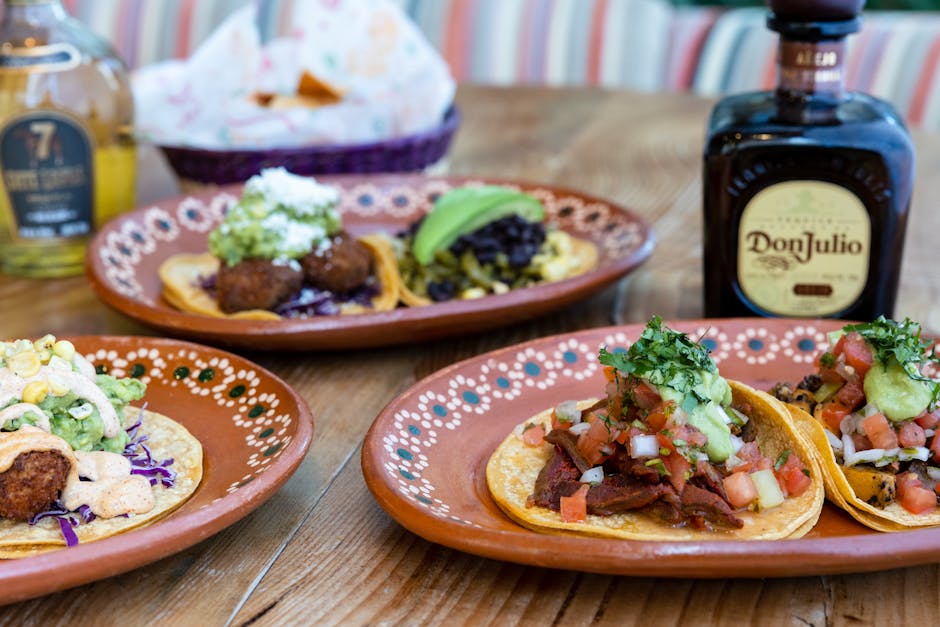
- Blanco + Tacos al Pastor: The pineapple and achiote marinade in al pastor has a sweet-acid profile that blanco’s clean agave character complements without competing.
- Reposado + Enchiladas Rojas or Mole Rojo: The mild oak and vanilla warmth in reposado softens the chili heat and earthy complexity of red mole. It’s a pairing that feels like a warm hug.
- Reposado + Queso Fundido (melted cheese dip): Fat and funk from the cheese are tamed beautifully by reposado’s smooth, slightly sweet character.
- Añejo + Barbacoa or Birria: Slow-cooked, deeply savory braised meats need a tequila with enough backbone to match. Añejo’s oak and dried fruit complexity creates a sophisticated interplay with the rich, collagen-heavy braising liquid.
- Extra Añejo + Dark Chocolate Desserts: Treat this like you would an aged whiskey pairing. A piece of 70%+ dark chocolate alongside extra añejo brings out the spirit’s cocoa and espresso undertones in a genuinely surprising way.
- Cristalino + Seafood Tostadas: Cristalino’s aged smoothness with visual clarity makes it a stunning pairing for elevated seafood presentations — think tuna tostadas with avocado crema, a dish increasingly popular at fusion taquerías across Los Angeles and Toronto in 2026.
International and Domestic Examples: Tequila Culture Going Global in 2026
It’s not just Mexico where this conversation is happening. In 2026, the global fine dining scene has embraced tequila as a serious pairing spirit:
Mexico City: Restaurants like Pujol and Quintonil have long championed tequila pairing menus alongside their tasting courses, treating aged tequilas with the same reverence as grand cru wines. In 2026, several new Oaxacan-Mexican fusion spots have extended this to include regional blanco tequilas paired with coastal ingredients.
New York and Los Angeles (USA): The “agave bar” concept has exploded, with dedicated spirits programs featuring flights of tequila and mezcal alongside small bites — think blue corn tostadas with chapulines (toasted grasshoppers) paired with a smoky Oaxacan blanco.
Tokyo, Japan: Interestingly, Japanese izakayas in the Shinjuku district have started experimenting with tequila pairings alongside Japanese-Mexican fusion dishes, reflecting the broader culinary cross-pollination trend of the mid-2020s. Blanco tequila alongside yuzu-marinated fish tacos has reportedly become a signature offering at several spots.
Seoul, South Korea: The Korean cocktail bar scene has always been adventurous. In Itaewon and Seongsu, mixologists are creating tequila-ganjang (soy sauce) highballs served alongside Korean-Mexican fusion bites — evidence that tequila’s umami-friendly acidity travels remarkably well across cuisines.
Realistic Alternatives If You’re Just Starting Out
Not everyone has access to a wide tequila selection or wants to spend on premium bottles right away — and that’s completely fine. Here’s how to explore this world practically:
- Start with a mid-range reposado: Brands widely available internationally in 2026 (like Espolòn Reposado or Olmeca Altos) offer excellent quality at accessible price points. Pair with store-bought guacamole and chips for your first experiment.
- Use tequila in cocktails with food in mind: A classic Paloma (tequila + grapefruit soda + lime) is incredibly food-friendly and works as an introductory experience with any Mexican food spread.
- Host a pairing night: Buy 2–3 small bottles (blanco, reposado, añejo), make or order 3 dishes of increasing richness, and taste through them. You’ll learn more in one evening than any article can teach you.
- If tequila isn’t available: Mezcal is tequila’s smoky cousin — both are agave spirits — and follows similar pairing logic. It’s often more accessible in craft spirits markets outside North America.
The most important thing? Ignore the shot-glass ritual and slow down. Tequila, especially quality tequila, reveals itself over minutes, not seconds.
Editor’s Comment : What genuinely surprises most people when they first explore tequila pairing is how approachable it is compared to wine pairing — there are far fewer rules and far more room for personal discovery. In 2026, with craft Mexican spirits more accessible globally than ever, there’s no better time to rethink that bottle sitting in your cabinet. Don’t save it for celebrations. Open it on a Tuesday with some good tacos. That’s exactly what it was made for.
태그: [‘tequila food pairing 2026’, ‘Mexican tequila culture’, ‘agave spirits guide’, ‘tequila and food combinations’, ‘Mexican cuisine pairings’, ‘añejo reposado blanco guide’, ‘tequila lifestyle’]
Leave a Reply