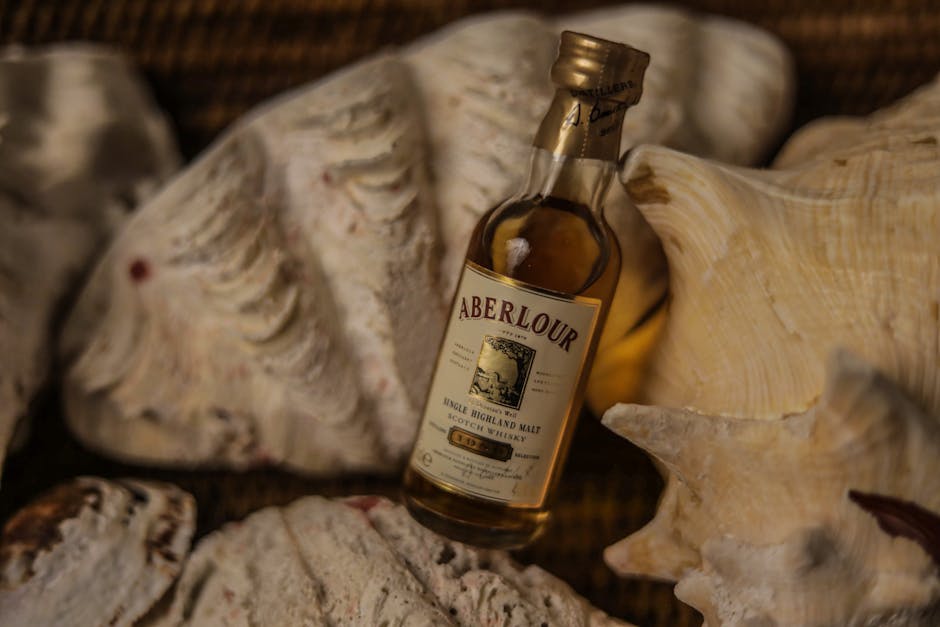
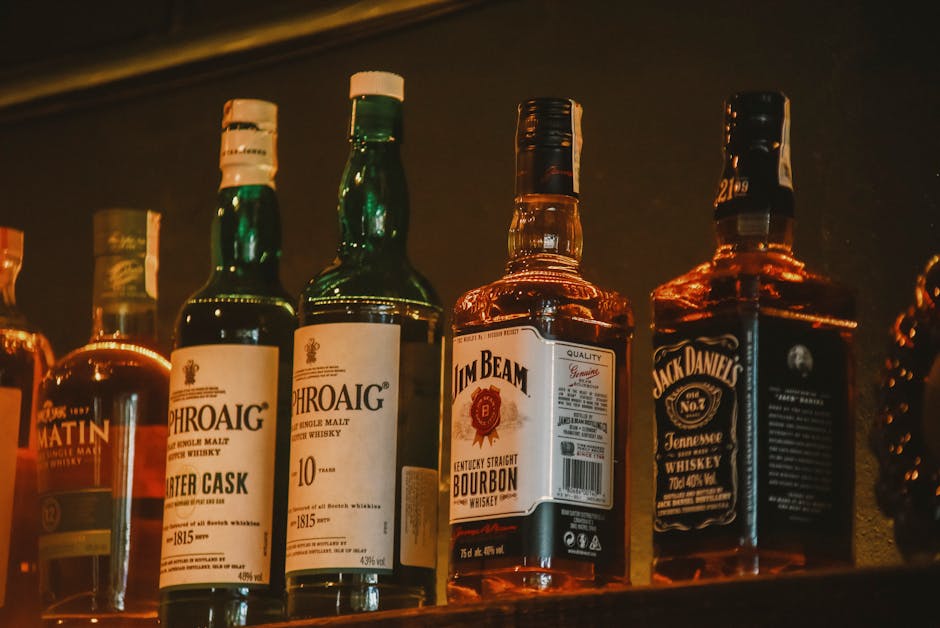
A few months ago, a collector friend of mine casually mentioned he’d passed on a bottle of 1960 Macallan at auction — not because he couldn’t afford it, but because he genuinely couldn’t justify spending more than the down payment on a decent apartment for a single bottle of whisky. That conversation stuck with me. Because honestly? The rare single malt whisky auction market in 2026 has crossed into territory that feels almost surreal, even for seasoned enthusiasts.
So let’s think through this together — what’s actually happening in the market, which bottles are commanding jaw-dropping prices, and more importantly, what are your realistic options if you love fine whisky but aren’t quite ready to liquidate your retirement fund?
The Numbers Don’t Lie: Auction Prices Are Still Climbing
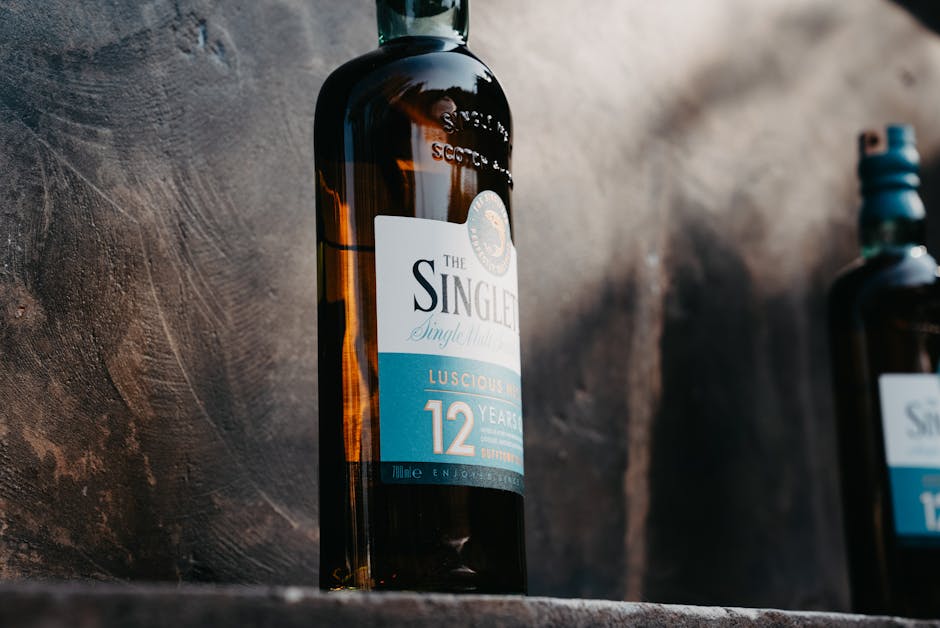
The rare whisky auction market has been on a relentless upward trajectory over the past decade, and 2026 is proving no different. According to data from leading auction platforms like Whisky Auctioneer, Sotheby’s Wine & Spirits, and Hart Davis Hart, the average hammer price for bottles in the “ultra-rare” category (typically defined as single malts over 30 years old, limited to under 500 bottles, or from closed distilleries) has increased approximately 18–22% year-over-year entering 2026.
To put that in concrete terms:
- Macallan 1926 (60-year-old): A bottle from this legendary release — considered by many the Holy Grail of single malts — last changed hands at auction for approximately £2.7 million (~$3.4M USD) in late 2025, with 2026 estimates for comparable lots now exceeding £3 million. Yes, per bottle.
- Springbank 1919 (50-year-old): Bottles from this nearly mythical Campbeltown distillery have been trading between £80,000–£120,000 depending on condition and provenance.
- Port Ellen (closed 1983) 40-year-old releases: Diageo’s annual special releases of Port Ellen have been fetching £8,000–£15,000 per bottle at auction, a significant premium over their already-steep retail prices.
- Brora 40-year-old: Another ghost distillery darling (though Brora technically reopened in 2021, original-era bottles remain highly coveted), with prices ranging from £6,500 to £12,000.
- Karuizawa (closed Japanese distillery) 1960s–1980s vintages: These have become the Asian market’s answer to Macallan collectibles, with single casks bottled by Number One Drinks regularly exceeding ¥5,000,000–¥15,000,000 (approximately $33,000–$100,000 USD).
Why Are Prices Surging This Hard in 2026?
Let’s reason through the supply-and-demand dynamics, because this isn’t just hype — there are structural reasons these prices keep climbing.
First, the supply side is brutally finite. When a distillery closes, the whisky it made is all there will ever be. Every time a collector opens a bottle of Karuizawa or Port Ellen, that bottle ceases to exist as an investment asset. The pool of tradeable bottles genuinely shrinks year by year. This is fundamentally different from, say, fine wine, where new vintages of equivalent prestige emerge annually.
Second, demand has globalized dramatically. The collector base that was once concentrated in the UK, US, and Japan has exploded into Southeast Asia, mainland China, and the Middle East. New ultra-high-net-worth buyers entering the market aren’t just pushing prices up — they’re compressing the timeframe between auction appearances as bottles trade hands more frequently.
Third, whisky has cemented its reputation as an alternative asset class. In an era of persistent economic uncertainty, tangible luxury assets with proven scarcity continue to attract capital looking for non-correlated returns.
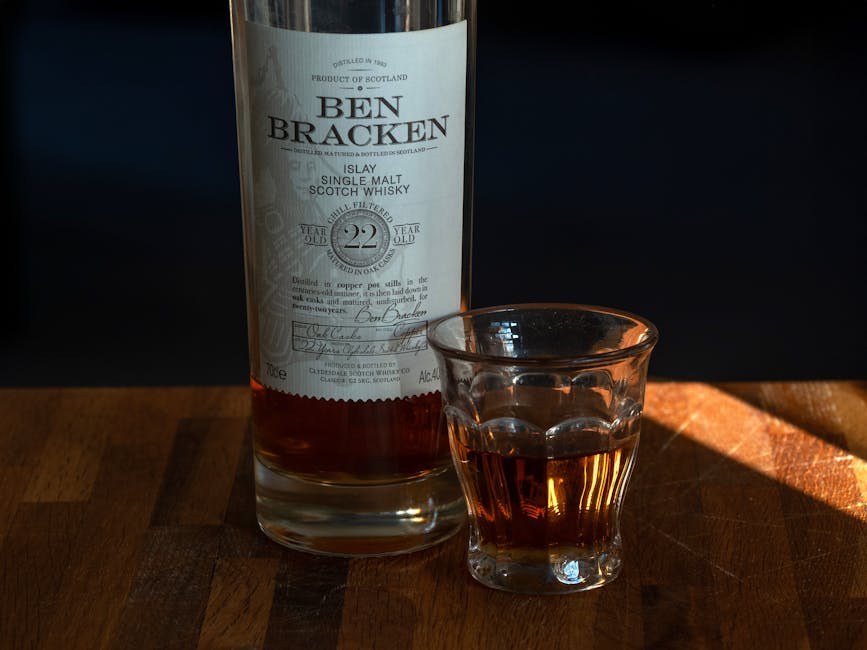
Real-World Examples: Global and Domestic Markets in 2026
Let’s look at some specific auction stories making waves this year.
Internationally: Bonhams’ Hong Kong sale in February 2026 featured a private collection of 47 Karuizawa bottles that collectively realized over HK$12 million (approximately $1.5M USD). The star lot — a 1960 vintage single cask — alone fetched HK$1.8 million. This kind of result signals that Asian collector appetite, far from cooling, is intensifying.
In Scotland, the annual Distillers One of One charity auction in 2026 raised over £3.2 million, with a hand-selected cask of 35-year-old Dalmore finishing at £285,000 — a new record for the event. The fact that charity auctions are setting records tells you something about where buyer confidence sits right now.
In the US domestic market: Chicago-based auction house Hart Davis Hart reported that their Q1 2026 whisky-focused sale saw a 31% increase in total realized value versus Q1 2025. American collectors are increasingly bidding on Japanese and Scottish rarities, while also driving prices for American rye and bourbon rarities — a Pappy Van Winkle 23-year Family Reserve recently traded at $8,200, which is notable given its original MSRP of around $300.
So You Want In: Realistic Alternatives for Every Budget
Here’s where I want to be genuinely useful rather than just dazzling you with big numbers. Let’s think practically.
If your budget is under $500: Focus on current distillery releases that have strong collector fundamentals — limited annual releases from Springbank, GlenDronach, or Glenfarclas. These won’t make you a millionaire, but they represent quality purchases that hold value and, in some cases, appreciate modestly. Springbank’s annual Local Barley release, for instance, consistently trades above retail almost immediately.
If your budget is $500–$5,000: This is actually a sweet spot. You can access bottles like Diageo’s annual Special Releases (including Caol Ila, Lagavulin 12, or even entry-tier Port Ellen), independently bottled closed distillery expressions from firms like Gordon & MacPhail or Cadenhead’s, and quality Japanese expressions from Nikka or Suntory’s limited series. These markets have proven appreciation trends without requiring lottery-winner capital.
If you’re considering whisky as a serious investment ($5,000+): Consider whisky cask ownership rather than bottles. Platforms like Cask Trade or WhiskyInvestDirect allow fractional or full cask ownership, where your whisky literally matures in value as it ages in a bonded warehouse. The key advantage? No storage hassle, full insurance, and a different tax treatment in some jurisdictions. Always consult a financial advisor, but as alternative asset classes go, it’s increasingly legitimate.
- Do your provenance homework: Counterfeit rare whisky is a growing problem. Always buy from AWRS (Alcohol Wholesaler Registration Scheme) registered auction houses or reputable retailers.
- Condition matters enormously: Fill level, label integrity, and original box/tin can swing auction prices by 20–40%.
- Think in decades: Whisky auction investing is not a quick-flip game. The collectors winning now bought in 10+ years ago.
- Drink some of it: Seriously. A collection you never open is a museum, not a passion. Balance investment bottles with bottles you actually enjoy.
The rare single malt whisky auction market in 2026 is extraordinary, occasionally absurd, and genuinely fascinating — whether you’re a participant or an observer. The key is knowing which tier you’re playing in and making decisions that align with your actual goals, whether that’s passion, investment, or both.
Editor’s Comment : The whisky auction world can feel intimidating when you see seven-figure hammer prices, but the honest truth is that the most rewarding collectors I’ve spoken with aren’t the ones chasing Macallan 1926 — they’re the ones who bought Springbank Local Barley three years ago, opened half of it with friends, and quietly watched the rest double in value. The magic of rare whisky is that it rewards patience, genuine knowledge, and the willingness to actually engage with the liquid. Start where your budget is, learn voraciously, and let the market do its thing. The best bottle is always the next one you know more about than the person bidding against you.
📚 관련된 다른 글도 읽어 보세요
- 멕시코 테킬라 문화 완벽 가이드 2026 | 종류별 특징과 최고의 음식 페어링 추천
- 2026년 세계 위스키 브랜드 순위 총정리 | 진짜 전문가들이 선택하는 위스키는?
- 아이리시 위스키 푸드 페어링 가이드 2026 – 음식과 완벽하게 어울리는 조합 총정리
태그: [‘rare single malt whisky auction 2026’, ‘whisky investment’, ‘Macallan auction price’, ‘Japanese whisky collectibles’, ‘Karuizawa whisky value’, ‘whisky cask investment’, ‘luxury spirits market’]