Category: Uncategorized

  • Scotch Whisky vs Bourbon: The Ultimate 2026 Guide to Understanding the Difference

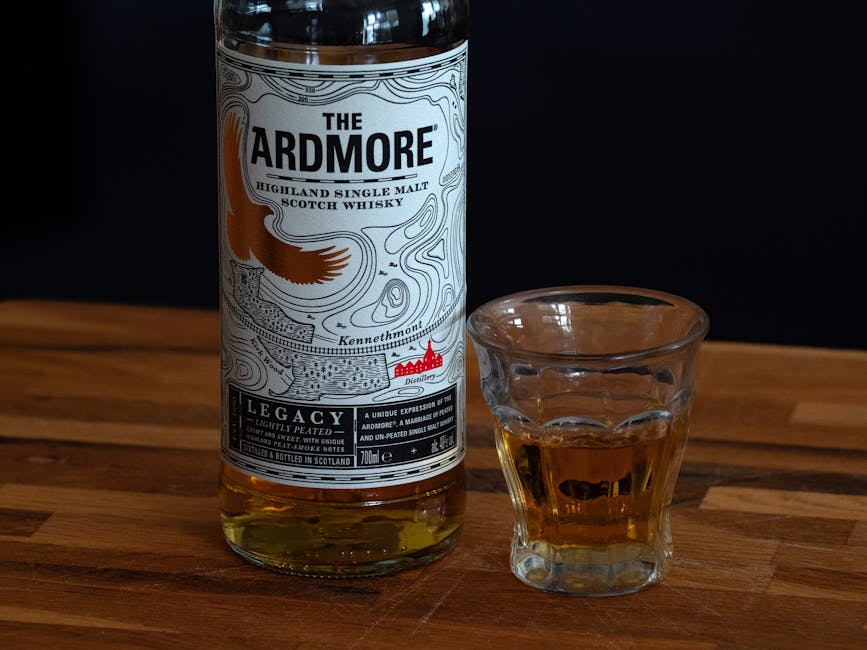
    Picture this: you’re at a cozy bar in Edinburgh, and the bartender slides a glass of deep amber liquid toward you. Meanwhile, your friend visiting from Kentucky is sipping something equally gorgeous but distinctly different. Both are whisky — but they might as well be from different planets. I’ve had this exact conversation dozens of times, and honestly, the confusion is completely understandable. Let’s untangle this together, because once you get it, your whole drinking experience changes.

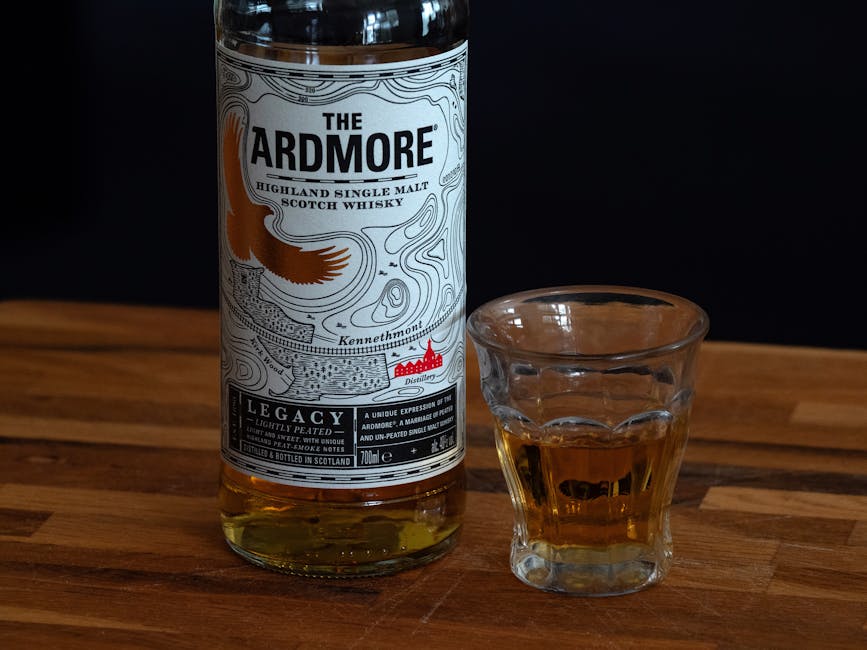
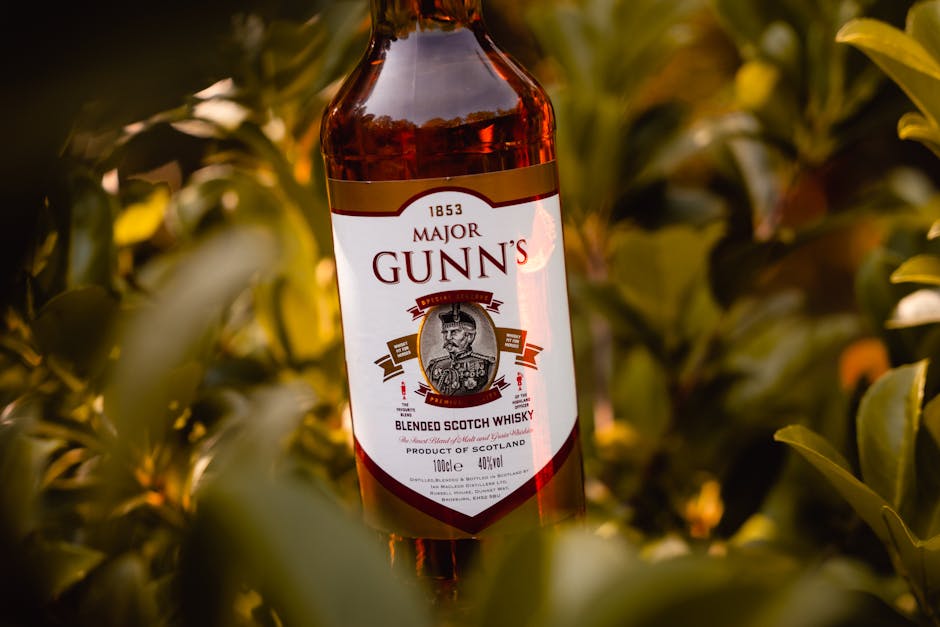
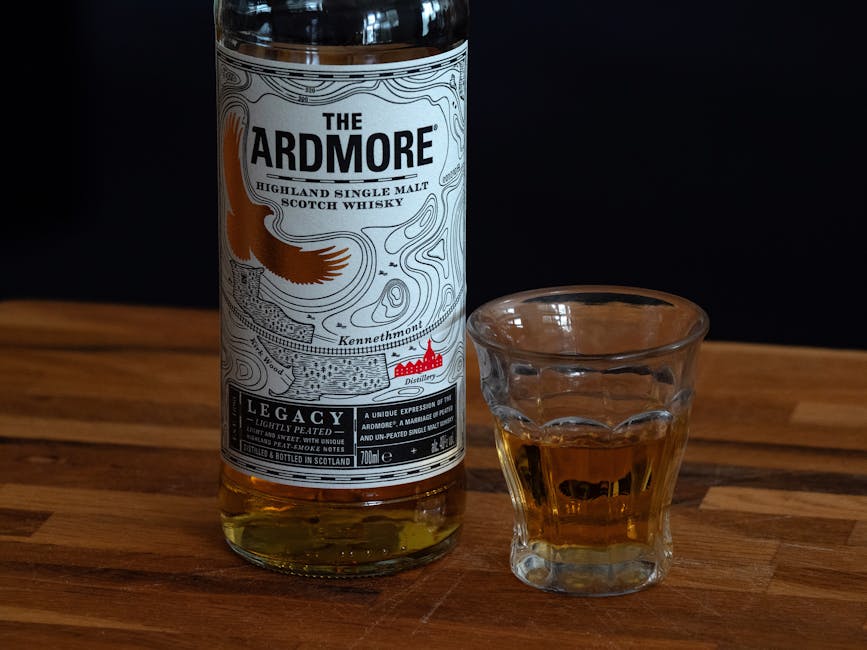
    scotch whisky vs bourbon comparison glass bar aesthetic 2026

    What Actually Makes Scotch… Scotch?

    Scotch whisky is legally defined by the Scotch Whisky Regulations (SWR), last updated and enforced rigorously through 2026. To carry the prestigious “Scotch” label, a whisky must meet these non-negotiable criteria:

    • Made in Scotland — No exceptions. Every drop must be distilled and matured on Scottish soil.
    • Aged for a minimum of 3 years in oak casks (though most premium expressions go 10, 12, 18 years or more).
    • Distilled from malted barley (for single malt) or a grain mash (for blended Scotch).
    • Minimum 40% ABV at bottling.
    • No added substances except water and plain caramel coloring (E150a) — and even that is debated hotly in the community.

    The smoky, peaty flavor many people associate with Scotch comes from drying malted barley over peat fires — a tradition especially prominent in Islay distilleries like Laphroaig and Ardbeg. However, not all Scotch is peaty! Speyside Scotches like Glenfiddich and Macallan are fruity and smooth, which surprises a lot of first-timers.

    So What’s the Deal with Bourbon?

    Bourbon is America’s native spirit, and it has its own strict legal definition under U.S. federal law (27 CFR Part 5). Here’s what bourbon must be:

    • Made in the USA — While it’s strongly associated with Kentucky (which produces about 95% of the world’s bourbon supply as of 2026), it can technically be made anywhere in the U.S.
    • Mash bill of at least 51% corn — This is the big one. That corn-forward sweetness is bourbon’s DNA.
    • Aged in new, charred oak containers — Unlike Scotch, which can reuse barrels, bourbon demands fresh charred barrels every single time. This dramatically accelerates flavor development.
    • Distilled to no more than 160 proof (80% ABV) and entered into the barrel at no more than 125 proof (62.5% ABV).
    • No minimum aging period for standard bourbon (though “straight bourbon” requires at least 2 years).
    • No additives — no coloring, no flavoring, no shortcuts.

    The Flavor Profile Battle: Head-to-Head

    This is where things get genuinely exciting. The production differences create radically different flavor worlds:

    • Scotch tends toward complexity and subtlety — think dried fruits, malt, heather honey, smoke (if peated), sea salt, and a long, warming finish. The cool Scottish climate means barrels breathe slowly, extracting flavor gently over many years.
    • Bourbon leans sweet, rich, and bold — vanilla, caramel, toasted oak, cinnamon, and sometimes a note of corn bread. The new charred oak and Kentucky’s dramatic seasonal temperature swings (the barrel literally expands and contracts, pushing spirit in and out of the wood) accelerate this flavor extraction.

    A useful analogy: if Scotch is a slow-cooked broth that’s been simmering for hours, bourbon is a beautifully glazed barbecue — intense, immediate, and unapologetically bold.

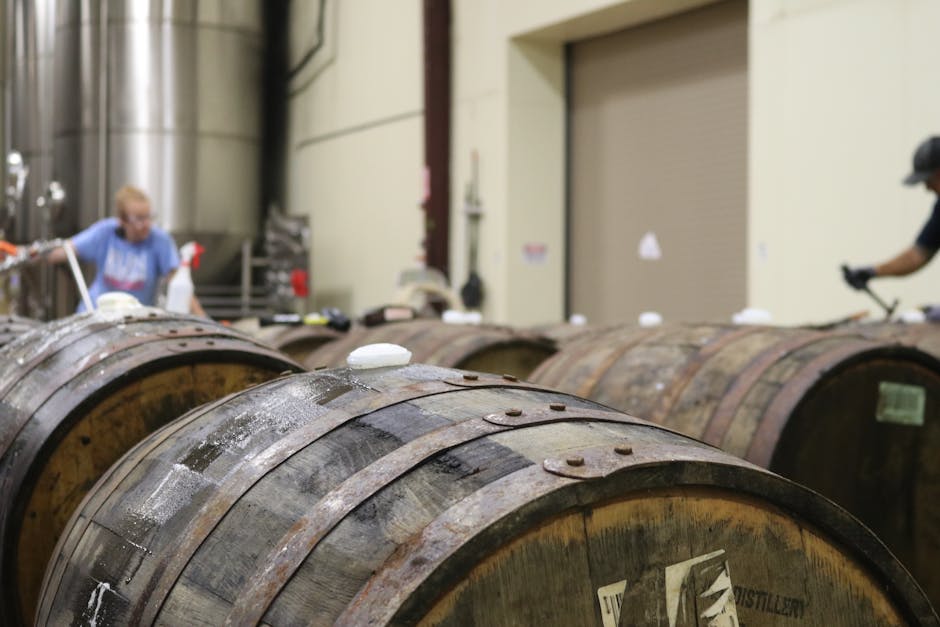
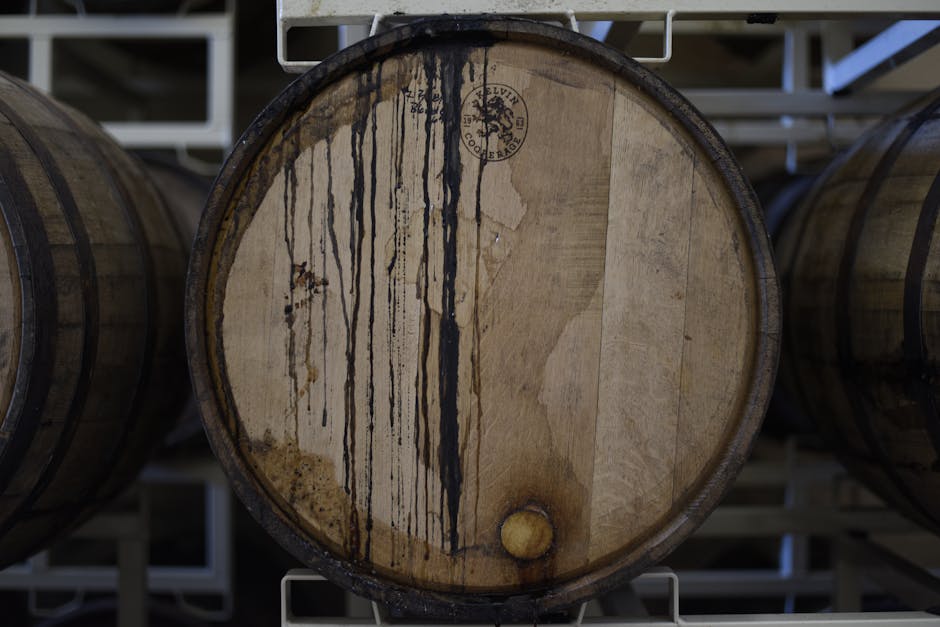
    bourbon distillery Kentucky barrel aging warehouse 2026

    Real-World Examples Worth Knowing in 2026

    The whisky market in 2026 is more dynamic than ever. Here are some iconic benchmarks on both sides:

    • Scotch — Glenfiddich 12 Year: A Speyside classic. Fresh pear, cream, and subtle oak. Perfect entry point for beginners who are wary of smoke.
    • Scotch — Laphroaig 10 Year: The quintessential Islay expression. Medicinal, smoky, briny. Divisive but unforgettable.
    • Scotch — Macallan 18 Year Sherry Oak: Rich dried fruits, chocolate, and ginger. Often cited as the benchmark of luxury Scotch.
    • Bourbon — Buffalo Trace: Accessible, well-balanced, and still a crowd-pleaser. Caramel, mint, and molasses.
    • Bourbon — Maker’s Mark: Notably uses wheat instead of rye in its secondary grain (making it a “wheated bourbon”), resulting in a softer, sweeter profile. Great for newcomers.
    • Bourbon — Blanton’s Single Barrel: The bottle with the horse stopper. Complex, with citrus, vanilla, and a long finish — now harder to find than ever due to global demand surges.

    Price, Availability, and the 2026 Market Reality

    One practical consideration: premium aged Scotch continues to command serious prices in 2026. A 25-year Scotch can easily run $300–$800+ at retail. Meanwhile, excellent bourbons can still be found in the $35–$80 range, though allocated bottles (Pappy Van Winkle, anyone?) remain absurdly priced on secondary markets.

    For casual enthusiasts building their home bar, bourbon arguably offers better value-for-money at entry and mid-tier levels. Scotch rewards patience and investment at the higher end.

    Which One Should You Choose?

    Here’s the realistic breakdown based on your situation:

    • If you enjoy sweeter, warming flavors — Start with bourbon. Maker’s Mark or Buffalo Trace are ideal entry points.
    • If you love complexity and want something to sip slowly over an evening — Explore Speyside Scotch first (Glenfiddich, Glenlivet) before venturing into peated territory.
    • If you’re mixing cocktails — Bourbon is generally more versatile for classics like Old Fashioneds and Whisky Sours. Scotch shines in a Rob Roy or Rusty Nail.
    • If budget matters — Bourbon gives you more quality per dollar at the $40–$70 range.
    • If you want to impress at a dinner party — A quality Speyside or Highland Scotch almost always sparks conversation.

    The beautiful truth? You don’t have to choose. Many serious whisky lovers keep both in their cabinet — bourbon for weeknight unwinding, Scotch for weekend contemplation. That’s not indecision; that’s wisdom.

    Editor’s Comment : After years of exploring both categories, here’s my honest take — the Scotch vs. Bourbon debate is less about which is “better” and more about understanding that they’re solving different problems. Bourbon is the warm hug after a long day; Scotch is the slow conversation that gets more interesting as the night goes on. In 2026, with both categories innovating faster than ever (Japanese distilleries are blending techniques, craft American distillers are experimenting with Scotch-style aging), the real adventure is in keeping an open palate. My suggestion? Pick one bottle from each side this month, sit with them on different evenings, and let your own palate be the final judge. No review or guide — including this one — beats that experience.

    태그: [‘scotch whisky vs bourbon’, ‘whisky guide 2026’, ‘bourbon vs scotch differences’, ‘best whisky for beginners’, ‘scotch whisky explained’, ‘bourbon flavor profile’, ‘whisky buying guide’]


    📚 관련된 다른 글도 읽어 보세요

  • 스카치 위스키 vs 버번 위스키, 뭐가 다를까? 2026년 완벽 비교 가이드

    얼마 전 지인과 함께 바(Bar)에 갔다가 꽤 난감한 상황을 목격했어요. 메뉴판을 들여다보던 친구가 “스카치랑 버번이 그냥 다 위스키 아니야?”라고 물었고, 바텐더분이 살짝 미소를 지으며 차분하게 설명해 주시는 장면이었죠. 사실 위스키를 즐겨 마시는 분들도 두 카테고리의 차이를 명확하게 설명하기가 쉽지 않은 게 현실이에요. 그래서 오늘은 스카치 위스키와 버번 위스키가 어떻게 다른지, 단순한 원산지 차이를 넘어 제조 방식, 맛, 그리고 즐기는 방법까지 함께 파고들어 볼까 합니다.

    scotch whisky vs bourbon whiskey comparison barrel distillery

    1. 가장 근본적인 차이: 원산지와 법적 정의

    스카치 위스키(Scotch Whisky)는 이름에서 알 수 있듯 반드시 스코틀랜드에서 생산되어야 합니다. 영국 법률과 SWA(Scotch Whisky Association)의 규정에 따라 스코틀랜드 내에서 증류·숙성·병입 과정을 거쳐야 ‘스카치’라는 이름을 쓸 수 있어요. 반면 버번 위스키(Bourbon Whiskey)는 미국에서 생산되며, 특히 켄터키(Kentucky) 주가 전 세계 버번 생산량의 약 95%를 차지하는 것으로 알려져 있습니다.

    법적 정의도 상당히 엄격한 편인데요, 두 위스키 모두 까다로운 기준을 충족해야 해당 이름을 사용할 수 있습니다. 아래에서 핵심 규정을 비교해 볼게요.

    • 스카치 위스키 주요 규정
      • 스코틀랜드 내에서 생산 및 숙성
      • 오크 캐스크(Oak Cask)에서 최소 3년 이상 숙성 필수
      • 증류 후 알코올 도수 94.8% ABV 이하로 제한
      • 물과 캐러멜 색소 외 첨가물 사용 불가
      • 병입 시 최소 40% ABV 이상
    • 버번 위스키 주요 규정
      • 미국에서 생산 (켄터키 한정은 아니지만, 켄터키 버번은 별도 프리미엄 인정)
      • 곡물 원료 중 옥수수(Corn) 최소 51% 이상 포함 필수
      • 내부를 태운 새 오크통(New Charred Oak Barrel)에서 숙성 필수 (법적 최소 숙성 기간은 없으나, 스트레이트 버번은 최소 2년)
      • 증류 시 알코올 도수 80% ABV 이하로 제한
      • 캐스크 입고 시 62.5% ABV 이하, 병입 시 최소 40% ABV 이상
      • 물 외 어떠한 첨가물도 사용 불가 (색소 포함)

    2. 원료의 차이가 맛을 결정한다

    스카치 위스키의 대표적인 원료는 맥아(Malted Barley)입니다. 특히 싱글 몰트 스카치는 100% 맥아보리만 사용하는데, 스코틀랜드의 일부 증류소는 보리를 건조할 때 피트(Peat, 이탄)를 연료로 써서 그 특유의 스모키하고 훈연된 향을 만들어냅니다. 이 피트향이 아이라(Islay) 위스키를 대표하는 개성이기도 하죠.

    반면 버번은 옥수수가 주원료이기 때문에 자연스럽게 달콤하고 바닐라·카라멜 풍미가 강하게 나타납니다. 여기에 내부를 숯으로 태운 새 오크통에서 숙성하면서 목재에서 우러나오는 달콤하고 스파이시한 향이 더해지는 거예요. 처음 위스키를 접하는 분들이 버번을 더 친근하게 느끼는 이유가 바로 여기에 있다고 봅니다.

    bourbon corn mash grain whiskey oak barrel charred interior

    3. 숙성 방식의 결정적 차이 — ‘새 통’ vs ‘재사용 통’

    이 부분이 두 위스키의 맛 차이를 만드는 핵심 중의 핵심이라고 생각해요. 버번은 반드시 새 오크통(New Oak Barrel)을 사용해야 합니다. 한 번 버번을 숙성한 오크통은 다시 버번을 담을 수 없어요. 그래서 이 사용된 버번 배럴들이 전 세계로 수출되어 스카치, 아이리시 위스키, 심지어 럼이나 테킬라 숙성에도 활용됩니다.

    스카치 위스키는 반대로 이런 재사용 캐스크(Used Cask)를 적극 활용해요. 버번 배럴, 셰리(Sherry) 캐스크, 포트(Port) 와인 캐스크 등 다양한 통을 사용하면서 각기 다른 복합적인 풍미를 만들어내는 것이 스카치 숙성의 묘미라고 할 수 있습니다. 같은 증류소 제품이라도 셰리 캐스크 숙성이냐 버번 캐스크 숙성이냐에 따라 맛이 완전히 달라지는 이유가 여기 있어요.

    4. 국내외 소비 트렌드 — 2026년 현황

    글로벌 위스키 시장은 2026년 현재도 꾸준한 성장세를 보이고 있습니다. 스카치 위스키는 아시아 태평양 시장, 특히 한국·일본·대만에서 ‘프리미엄 문화’ 아이콘으로 자리를 잡았고, 국내 주류 수입 시장에서도 스카치 싱글 몰트는 꾸준히 상위권을 유지하는 것으로 알려져 있어요.

    버번은 미국 내 소비는 물론이고, 전 세계적으로 크래프트 칵테일 문화가 성장하면서 하이볼과 올드 패션드(Old Fashioned) 베이스로 큰 인기를 끌고 있습니다. 특히 국내에서는 2020년대 중반부터 버번 하이볼이 젊은 층을 중심으로 빠르게 확산되면서, 편의점과 일반 식당에서도 버번 기반 RTD(Ready-to-Drink) 제품을 어렵지 않게 찾아볼 수 있게 됐어요.

    대표적인 브랜드를 비교해 보면 이렇습니다.

    • 대표 스카치 위스키 브랜드: 글렌피딕(Glenfiddich), 맥캘란(Macallan), 라프로익(Laphroaig), 발베니(Balvenie), 조니워커(Johnnie Walker) 등
    • 대표 버번 위스키 브랜드: 버팔로 트레이스(Buffalo Trace), 메이커스 마크(Maker’s Mark), 와일드 터키(Wild Turkey), 우드포드 리저브(Woodford Reserve), 짐 빔(Jim Beam) 등

    5. 어떻게 마셔야 더 맛있을까?

    스카치, 특히 복잡한 향을 가진 싱글 몰트는 니트(Neat, 상온 그대로)나 소량의 물을 첨가해서 마시는 것을 추천해요. 물 몇 방울이 알코올 분자를 흩어지게 해 향을 더 풍부하게 열어준다는 연구 결과도 있습니다. 반면 버번은 온더록스(On the Rocks)나 하이볼, 혹은 칵테일 베이스로 활용하기에 아주 좋아요. 옥수수 특유의 달콤함과 바닐라 향이 탄산수나 얼음과 만났을 때 더욱 살아나는 편이라고 봅니다.


    에디터 코멘트 : 스카치냐 버번이냐를 두고 어느 쪽이 더 낫다고 단정 짓기보다는, 상황과 취향에 맞게 선택하는 것이 가장 현실적인 접근이라고 생각해요. 피트향의 묵직한 개성을 원한다면 스카치 아이라 몰트를, 처음 위스키를 시작하거나 달콤하고 부드러운 맛을 찾는다면 버번이 훨씬 진입 장벽이 낮습니다. 예산이 부담된다면 버번 쪽이 같은 가격대에서 품질 만족도가 높은 편이기도 하고요. 오늘 저녁, 한 잔씩 비교해 보는 것만으로도 꽤 재미있는 경험이 될 거예요.

    태그: [‘스카치위스키’, ‘버번위스키’, ‘위스키차이점’, ‘싱글몰트스카치’, ‘버번추천’, ‘위스키종류비교’, ‘위스키입문’]


    📚 관련된 다른 글도 읽어 보세요

  • Scotland’s Single Malt Whisky Regions Explained: A 2026 Tasting Journey Through the Highlands, Islay & Beyond

    A few years ago, I found myself standing in a tiny whisky bar in Edinburgh, completely overwhelmed by a chalkboard menu listing 200+ single malts. The bartender — a wonderfully patient Scotsman named Alasdair — leaned over and said, “Don’t think about the bottle. Think about where it came from. The land tells you everything.” That single piece of advice completely changed how I approach Scotch whisky, and honestly, it’s the best framework I can offer you today.

    Scotland’s single malt whisky tradition is deeply geographical. The country is divided into five officially recognized regions — each shaped by climate, water sources, local barley, and centuries of distilling culture. Once you understand the regions, you stop feeling lost in a whisky menu and start feeling genuinely excited by it. So let’s walk through Scotland together, glass in hand.

    Scotland whisky regions map distillery landscape Highland Islay

    🗺️ Why Regions Matter: More Than Just a Label

    In the whisky world, a “single malt” means the spirit was produced at a single distillery using malted barley and pot stills. But two single malts from different regions can taste as different as a Burgundy and a Bordeaux. The terroir concept — yes, whisky has terroir — encompasses the local water chemistry, peat composition, coastal air, and even aging warehouse conditions. In 2026, with the global whisky market valued at over $90 billion USD and Scottish exports hitting record highs, understanding regional identity is more relevant than ever for both casual drinkers and collectors.

    1. The Highlands: Scotland’s Vast, Diverse Heart

    The Highlands is the largest whisky-producing region by geographic area, stretching across most of northern Scotland. Because it’s so large, it’s almost unfair to assign it a single flavor profile — think of it as a continent rather than a country. Sub-regions like Northern Highlands (Glenmorangie, Balblair), Western Highlands, and Perthshire each carry their own nuance.

    • General flavor profile: Medium-bodied, often honeyed and fruity with a gentle spice. Less smoky than Islay, less delicate than Speyside.
    • Key distilleries to try: Glenmorangie (floral, citrus-forward), Dalmore (rich sherry influence), Oban (coastal with a hint of brine), Balblair (elegant orchard fruit)
    • Good for: Newcomers who want variety without extreme flavors

    2. Speyside: The Densest Whisky Landscape on Earth

    If the Highlands is a continent, Speyside is a city. Nestled along the River Spey in northeastern Scotland, this region hosts over 50 active distilleries — more distilleries per square mile than anywhere else on the planet. The soft, mineral-rich water flowing from the Cairngorm mountains is widely credited for Speyside’s signature elegance.

    • General flavor profile: Fruity, floral, honeyed, often with rich dried-fruit and sherry-cask notes. Generally lighter and more approachable.
    • Key distilleries to try: Glenfiddich (iconic pear and vanilla), Macallan (sherry-dominant, deep and complex), Aberlour (chocolate, plum, walnut), Balvenie (sweet malt with honey tones)
    • Fun fact: Macallan’s 2026 limited releases have continued their upward trajectory in auction prices, with some expressions fetching over £4,000 at Bonhams Edinburgh.
    • Good for: Those who love rich, layered drams without heavy smoke

    3. Islay: Scotland’s Smoky, Peaty Powerhouse

    Islay (pronounced “EYE-luh”) is a small island off the west coast, but its cultural footprint in the whisky world is enormous. The island’s abundant peat bogs give Islay whiskies their legendary medicinal, smoky, sea-salt character. If you’ve ever described a whisky as tasting like “a campfire on a beach” — congratulations, you’ve met Islay.

    • General flavor profile: Heavily peated and smoky, iodine and seaweed notes, maritime brine, sometimes sweet vanilla underneath the smoke
    • Key distilleries to try: Ardbeg (intense, tarry, complex), Laphroaig (medicinal peat, seaweed), Lagavulin (rich, peaty, slightly sweet — the connoisseur’s choice), Bruichladdich (surprisingly unpeated, floral — an Islay outlier)
    • Good for: Adventurous drinkers who want bold, unforgettable experiences
    • Realistic alternative: Not ready for full Islay intensity? Start with Bowmore 12 — it bridges fruity sweetness and moderate smoke beautifully.

    Islay whisky distillery coastal peat smoke Ardbeg Laphroaig

    4. Campbeltown: The Fallen Giant That Refuses to Quit

    Once home to over 30 distilleries in the 19th century, Campbeltown — a small peninsula town in Kintyre — nearly vanished from the whisky map. Today, only three distilleries remain: Springbank, Glen Scotia, and Glengyle. But those three are producing some of the most respected and cult-followed whisky in Scotland right now. In 2026, Springbank’s hand-crafted production methods and intentionally limited output have made it one of the most sought-after brands in the secondary market.

    • General flavor profile: Briny, slightly oily, complex mix of fruit, vanilla, light peat, and sea salt. Unique character unlike any other region.
    • Good for: Serious enthusiasts who appreciate history and rarity

    5. The Lowlands: Scotland’s Underrated Gem

    Often overlooked in favor of more dramatic regional profiles, the Lowlands produce whiskies that are deliberately lighter, softer, and more approachable. Historically associated with triple-distilled grain whisky, the Lowlands are now seeing a genuine renaissance. Distilleries like Auchentoshan, Glenkinchie, and the exciting newer entrant Borders Distillery are winning over drinkers who want elegance over intensity.

    • General flavor profile: Light, floral, grassy, gentle citrus — sometimes compared to a lighter Irish whiskey style
    • Good for: Beginners, aperitif-style drinking, or whisky fans who want a palate-cleanser between heavier drams

    Bonus: The Islands (Unofficial but Important)

    Technically grouped under the Highlands officially, the Islands region is increasingly discussed as its own category by enthusiasts. This grouping covers distilleries on Orkney (Highland Park, Scapa), Skye (Talisker), Jura, Mull (Tobermory), and Arran. Each island imparts unique maritime influence and varying levels of peat. Talisker, in particular, with its peppery, volcanic smoke character, is a must-try for anyone wanting a coastal experience without going full Islay.

    Practical Tasting Roadmap for 2026

    If you’re building your regional understanding from scratch, here’s a sensible progression I’d recommend:

    • Start: Glenlivet 12 (Speyside) — gentle and welcoming
    • Build: Oban 14 (Highland/Islands) — adds coastal complexity
    • Contrast: Auchentoshan Three Wood (Lowlands) — shows how different Scotch can be
    • Challenge: Talisker 10 (Islands) — first encounter with maritime peat
    • Commitment: Lagavulin 16 (Islay) — the full peated experience
    • Obsession: Springbank 15 (Campbeltown) — once you’re here, you’re a true enthusiast

    In the current market, most of these expressions are available globally through retailers like Master of Malt, The Whisky Exchange, or increasingly through brand-owned subscription clubs that have expanded significantly in 2026.

    A Note on Budget and Accessibility

    Premium Scotch doesn’t require a premium budget to explore. The regional journey above can largely be completed in the $50–$100 USD range per bottle. Where collector editions and age statements push beyond that, consider purchasing single drams at a specialist bar before committing to a full bottle — this is exactly how Alasdair in Edinburgh first taught me, and it remains the most economical and educational approach.

    Editor’s Comment : What strikes me most about Scotland’s whisky geography is that it rewards curiosity above all else. You don’t need to be an expert to appreciate why an Ardbeg tastes nothing like a Glenlivet — you just need to ask where it came from and let the story unfold in your glass. In 2026, with more distilleries offering virtual tours, regional tasting kits shipped globally, and whisky communities thriving online, there has genuinely never been a better time to start this journey. Pick a region, pick a bottle, and let Scotland’s landscape guide your palate. Sláinte! 🥃

    태그: [‘Scotland single malt whisky regions’, ‘Islay whisky guide 2026’, ‘Speyside distilleries’, ‘Highland whisky flavors’, ‘Scotch whisky beginner guide’, ‘best single malt Scotch 2026’, ‘Campbeltown whisky Springbank’]


    📚 관련된 다른 글도 읽어 보세요