Category: Uncategorized

  • Irish Whiskey New Releases 2026: The Most Exciting Bottles to Watch (And Smart Alternatives If They Sell Out)

    Picture this: it’s a rainy Tuesday evening, you’re browsing a whiskey forum, and someone drops a photo of a bottle you’ve never seen before — deep amber liquid, a sleek new label, and a distillery name that makes your eyebrows shoot up. That’s been happening a lot in the Irish whiskey world lately. If you’ve been sleeping on Ireland’s spirits scene, 2026 is the year that might genuinely change your mind.

    Irish whiskey has quietly become one of the fastest-growing premium spirits categories globally, and the new releases hitting shelves this year are proof that distillers aren’t playing it safe anymore. Let’s dig into what’s out there, why it matters, and — crucially — what you can grab if the limited editions disappear before you hit the checkout button.

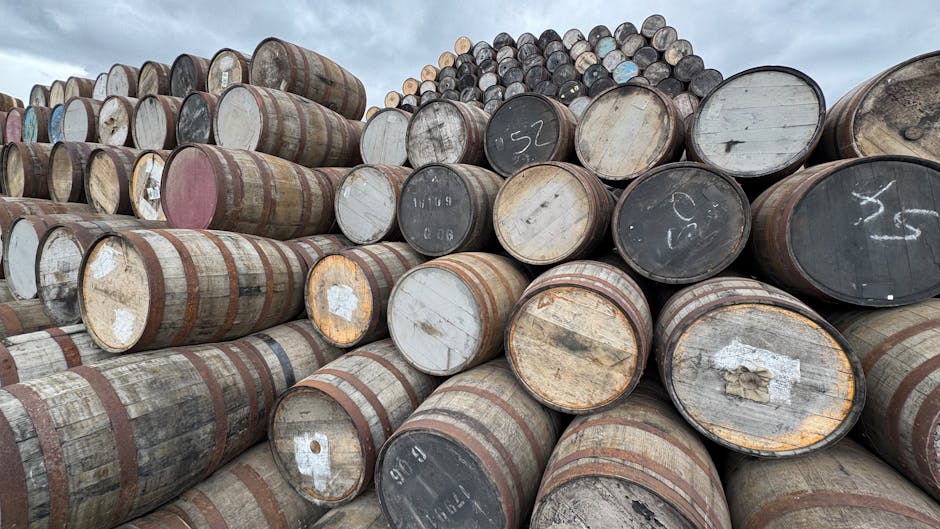
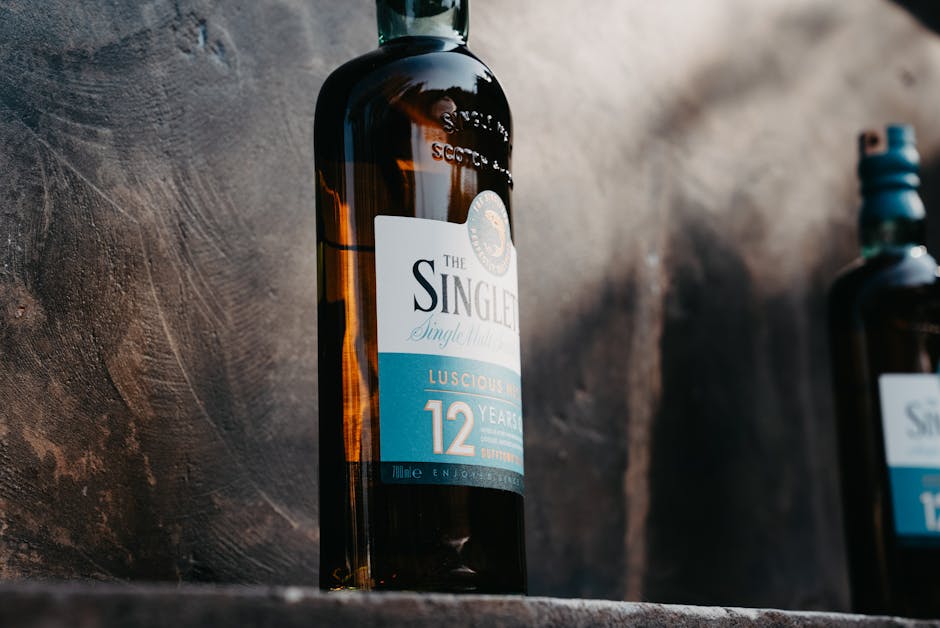
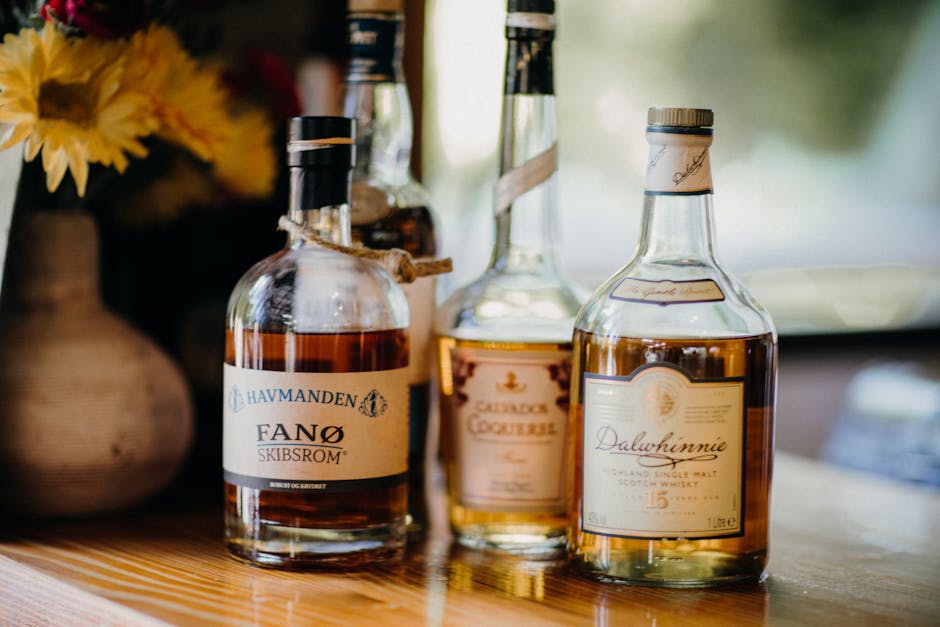
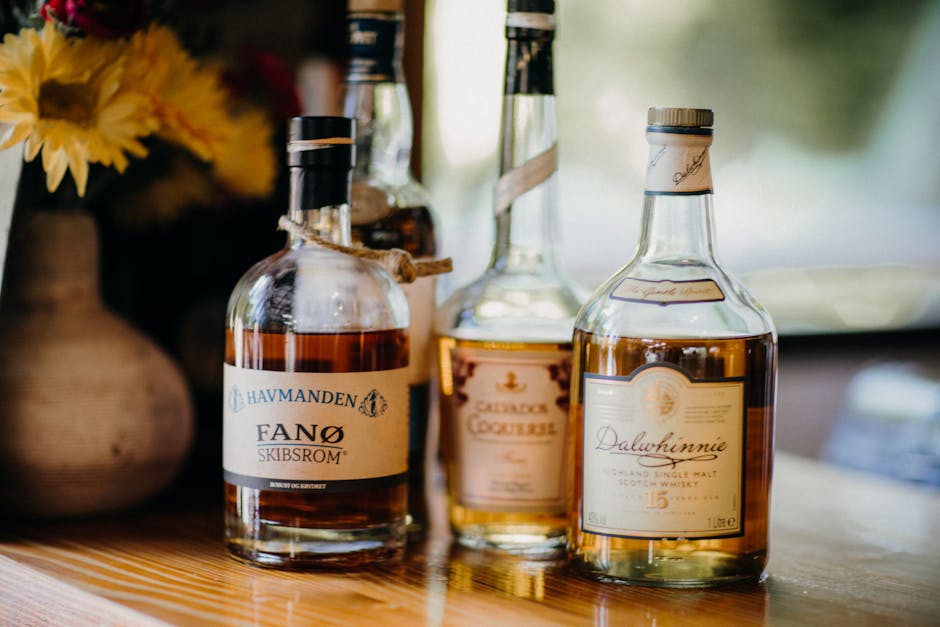
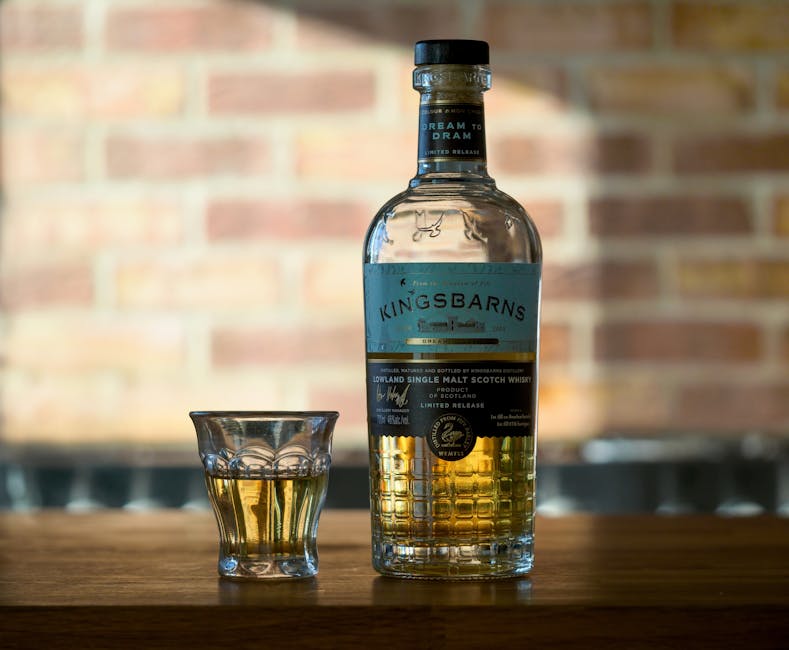
    Irish whiskey bottles 2026 new releases distillery amber glass

    Why 2026 Is a Landmark Year for Irish Whiskey

    Let’s put some numbers on the table first. According to the Irish Whiskey Association, the category grew export value by roughly 12% year-on-year heading into 2026, with over 50 active distilleries now operating on the island of Ireland — compared to just four in 2010. That kind of acceleration doesn’t happen by accident. What we’re seeing now is the maturation of new-wave distilleries that were founded between 2012 and 2018, meaning their 8-to-12-year aged expressions are finally ready to meet the world.

    The result? A flood of genuinely aged, craft-distilled Irish whiskeys that aren’t just riding the brand legacy of the big three (Jameson, Bushmills, Tullamore D.E.W.), but carving out real identities of their own.

    The Standout New Releases of 2026

    Here’s a breakdown of the bottles generating the most buzz right now:

    • Waterford Distillery — The Arcadian Series Vol. 3 (2026 Edition): Waterford has been the nerds’ darling for years, with their hyper-documented terroir-driven approach. The 2026 Arcadian release pushes the concept further, featuring single-farm barley aged 7 years in virgin Irish oak. Expect a floral, almost Burgundy-esque delicacy. Priced around $95–$110.
    • Slane Distillery — Triple Casked 12 Year Old: Slane’s flagship expression gets its first significant age statement release in 2026. Triple-casked in virgin American oak, seasoned oak, and Oloroso sherry butts, this one rewards patience. Approx. $75–$85.
    • Teeling Whiskey — Brabazon Bottling Series No. 7: Teeling’s Brabazon series remains one of the most reliable limited-release programs in the industry. No. 7 features a 14-year-old single malt finished in Sauternes casks. Wine-forward with honeyed citrus. Limited to ~6,000 bottles globally. Around $130.
    • Dingle Distillery — Single Malt Batch 9: Dingle’s small-batch releases sell out fast — like, within hours fast. Batch 9 is their oldest expression to date at an average of 9 years, using a combination of ex-bourbon and Pedro Ximénez sherry casks. Expect raisin, dark chocolate, and a touch of coastal brine. ~$120.
    • Hinch Distillery — Sherry PX Cask Finish 10 Year: Hinch is newer to the premium conversation, but this expression quietly earned serious scores at the 2026 Irish Whiskey Awards. A solid entry point into sherried Irish style at roughly $65.

    Global Reception and Domestic Market Dynamics

    In the US market, Irish whiskey shelf space has expanded noticeably in 2026, with major retailers like Total Wine and BevMo allocating dedicated Irish sections rather than folding them into general “world whiskey” zones. This is a meaningful structural shift — it signals retailers expect repeat customer demand, not just novelty purchases.

    In the UK, the craft Irish segment is being welcomed warmly partly because Scotch prices have continued climbing, making well-aged Irish whiskey look like incredible value by comparison. A 12-year Irish single malt at £60–£70 versus a comparable Speyside expression nudging £85–£100? The math is doing the marketing for Irish producers.

    Meanwhile, in Asia — particularly Japan and South Korea — Irish whiskey is benefiting from a cultural curiosity about non-Scotch, non-Japanese expressions. Korean specialty whiskey bars in Seoul have started featuring curated Irish flights, something almost unthinkable five years ago.

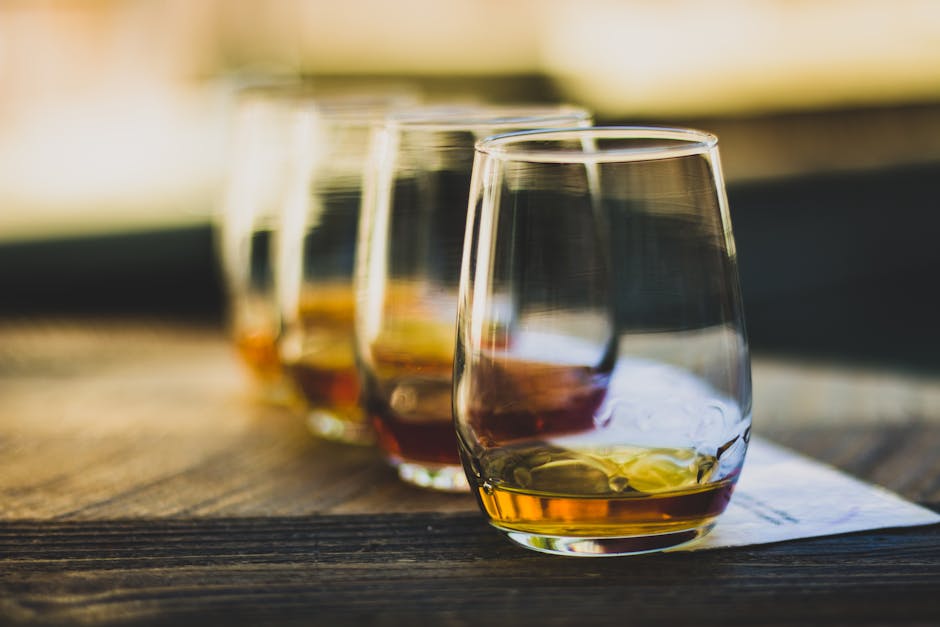
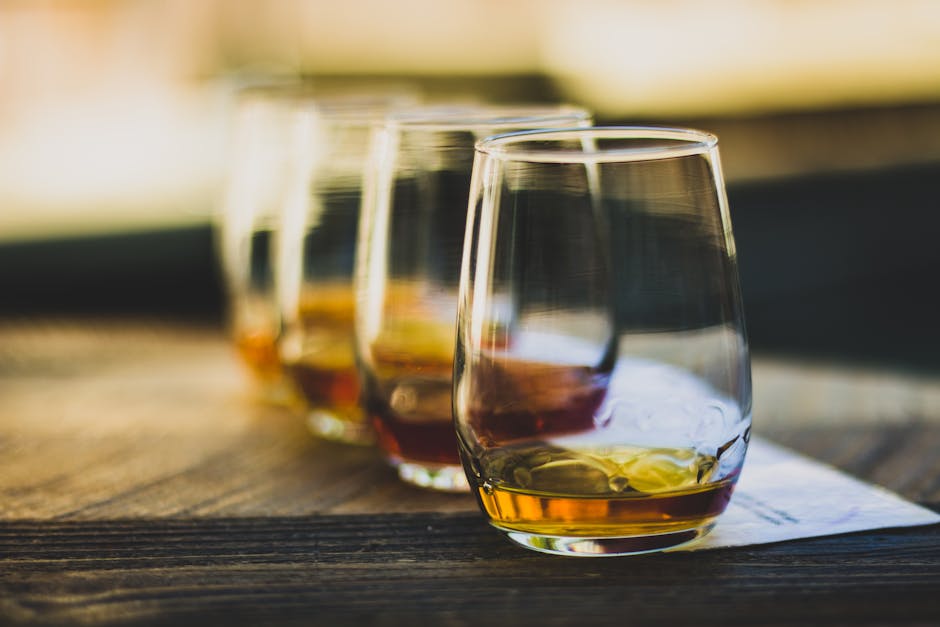
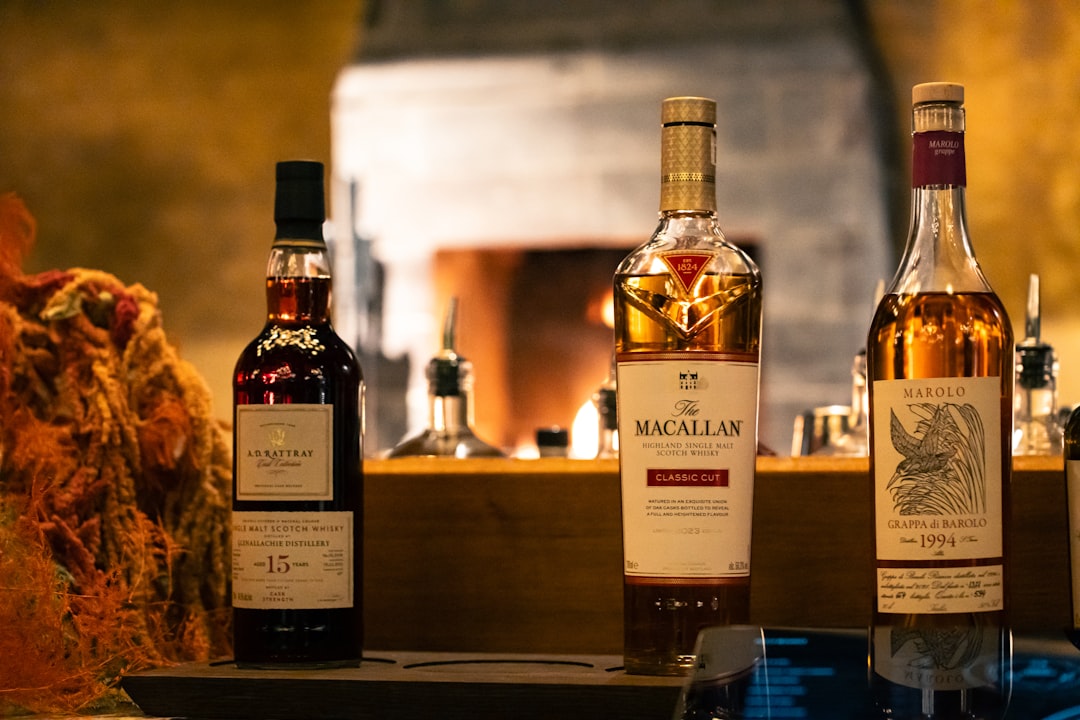
    Irish whiskey tasting flight bar wooden board amber glass pour

    What If the Limited Bottles Are Already Gone?

    Let’s be realistic: if you’re reading this after mid-year, Dingle Batch 9 and Teeling Brabazon No. 7 are probably sold out. That’s not a tragedy — it’s actually an invitation to explore some excellent alternatives that fly under the radar:

    • Redbreast 12 Year Old (Cask Strength): Still the gold standard for widely available Irish single pot still. Complex, rich, and consistently excellent. Around $70–$80 and reliably in stock.
    • Green Spot Château Léoville Barton: A wine-cask finish collaboration that punches way above its price point (~$65). If you’re chasing the Sauternes finish of Brabazon No. 7, this is a phenomenal alternative.
    • Knappogue Castle 16 Year Old: Often overlooked in favor of flashier releases, this twin-wood expression offers genuine age and complexity at around $85. A hidden gem that deserves far more attention.
    • Writers’ Tears Cask Strength: For those who love a bold, unfiltered Irish malt experience without the limited-edition hunt. Around $65 and usually available year-round.

    A Few Things Worth Thinking About Before You Buy

    One thing I’d encourage you to consider: don’t let hype completely drive your purchases. The Irish whiskey scene is genuinely exciting right now, but that excitement has also created a secondary market where some limited bottles are flipped at 2–3x retail price. My honest advice? Focus on distilleries building consistent release programs rather than one-off stunts. Waterford, Teeling, and Redbreast/Midleton (Irish Distillers) have shown they can deliver quality repeatedly — and that’s ultimately more satisfying than chasing a bottle you can’t enjoy because you paid too much for it.

    Also worth noting: if you’re new to Irish whiskey and feel overwhelmed, start with the triple-distilled style (smooth, light, approachable — think Jameson Black Barrel) before moving into pot still expressions (richer, spicier — think Redbreast) and then single malts (complex, varied — think Waterford). That progression will make every bottle you open feel like a logical next step rather than a confusing leap.

    The 2026 Irish whiskey landscape is genuinely one of the most exciting in living memory. Whether you’re a collector, a casual sipper, or someone who just wants to bring a truly memorable bottle to a dinner party, there’s something here for you — and plenty of it doesn’t require standing in a queue at 6am.

    Editor’s Comment : The Irish whiskey renaissance isn’t hype anymore — it’s structural, it’s sustained, and the 2026 releases prove that the best is genuinely still ahead. If there’s one bottle I’d tell you to prioritize from this year’s lineup, it’s the Waterford Arcadian Vol. 3. The terroir philosophy might sound like marketing fluff until you actually taste the difference between their single-farm expressions — then it clicks in a way that changes how you think about whiskey altogether. Grab it while you can, but if you miss it, don’t stress. The alternatives listed above will keep you very, very happy.

    태그: [‘Irish whiskey 2026’, ‘new Irish whiskey releases’, ‘best Irish whiskey bottles 2026’, ‘Irish single malt whiskey’, ‘Waterford Dingle Teeling whiskey’, ‘whiskey buying guide 2026’, ‘limited edition Irish whiskey’]


    📚 관련된 다른 글도 읽어 보세요

  • 아이리시 위스키 신제품 2026 완벽 정리 — 지금 주목해야 할 라인업은?

    얼마 전 서울 한남동의 한 위스키 바에서 바텐더가 조용히 꺼내든 병 하나가 눈에 들어왔어요. 라벨에는 낯선 증류소 이름이 적혀 있었고, 첫 모금에 특유의 트리플 디스틸드(Triple Distilled) 부드러움이 느껴지더니 뒤로 갈수록 셰리 캐스크의 달콤한 여운이 길게 남았습니다. “이거 아이리시예요?” 하고 물었더니 바텐더가 씩 웃으며 “2026년에 새로 들어온 거예요”라고 하더군요. 그 순간부터 아이리시 위스키 시장의 최신 흐름이 궁금해졌습니다. 스카치나 버번에 가려 ‘착한 위스키’로만 여겨졌던 아이리시 위스키가 2026년 들어 꽤 다른 얼굴로 등장하고 있거든요.

    Irish whiskey new bottles 2026 distillery lineup

    📊 숫자로 보는 아이리시 위스키 시장 — 2026년 현재

    먼저 시장 맥락을 짚어두는 게 좋을 것 같아요. 아이리시 위스키는 2010년대 중반부터 연평균 8~10%대 성장률을 기록하며 ‘위스키계의 다크호스’로 불려왔습니다. 2026년 현재 글로벌 아이리시 위스키 시장 규모는 약 60억 달러를 상회하는 것으로 추정되고 있어요. 특히 주목할 만한 수치는 아일랜드 내 운영 증류소 수인데, 2010년대 초반만 해도 손에 꼽을 수 있는 4~5곳에 불과했지만, 2026년 현재는 무려 45곳 이상이 운영 중이라고 봅니다. 이 숫자가 왜 중요하냐면, 증류소가 늘어난다는 건 곧 개성 있는 신제품 출시 속도가 빨라진다는 의미거든요.

    국내 수입 시장도 무시할 수 없습니다. 한국 주류 수입 통계 기준으로 아이리시 위스키 수입량은 2023년 대비 2025년에 약 22% 증가한 것으로 파악되고 있으며, 2026년 상반기에도 이 추세는 이어지고 있는 것 같아요. 단순 가격대 중심의 소비에서 벗어나 ‘스토리가 있는 싱글몰트’ 혹은 ‘피티드 아이리시’처럼 특색 있는 카테고리를 찾는 소비자가 늘고 있다는 점도 고무적입니다.

    🆕 2026년 주목할 아이리시 위스키 신제품 라인업

    그렇다면 실제로 어떤 제품들이 올해 위스키 애호가들의 관심을 끌고 있을까요? 국내외 바 커뮤니티와 위스키 리뷰 채널들에서 반복적으로 언급되는 라인업을 중심으로 정리해봤습니다.

    • Teeling Whiskey — Single Malt Vintage Reserve 2026 Edition
      더블린 기반의 틸링(Teeling)은 매년 한정 빈티지 에디션을 선보이는데, 2026년 에디션은 와인 캐스크 피니시를 한층 강화한 구성으로 출시됐어요. 알코올 도수 46%에 논냉 필터(Non-Chill Filtered) 방식으로 오일리한 텍스처를 살린 점이 특징입니다.
    • Waterford Distillery — Arcadian Series: Biodynamic Luna 2.1
      워터포드는 ‘테루아르(Terroir) 위스키’라는 개념을 아이리시 위스키에 접목한 곳으로 유명해요. 2026년 신작인 Luna 2.1은 생물역학 농법으로 재배된 보리를 사용해 풍미의 출처를 극단적으로 추적 가능하게 만든 제품입니다. 위스키를 와인처럼 이야기할 수 있다는 게 흥미롭죠.
    • Roe & Co — Cask Strength Batch 2026
      디아지오(Diageo) 산하의 로앤코(Roe & Co)는 2026년 들어 처음으로 캐스크 스트렝스(원액 그대로 희석 없이 병입) 버전을 선보였습니다. 도수는 배치마다 다르지만 약 55~58% 범위로 예상되며, 라이트한 이미지의 브랜드가 강렬한 방향으로 도전장을 내민 것 같아 개인적으로도 흥미롭게 보고 있어요.
    • Hinch Distillery — Sherry PX Cask Finish 12년
      북아일랜드 다운(Down) 카운티에 위치한 힌치(Hinch)는 상대적으로 신생 증류소임에도 불구하고 빠르게 숙성 포트폴리오를 구축하고 있어요. 2026년 출시된 12년 PX 셰리 캐스크 피니시는 달콤하고 묵직한 스타일을 선호하는 분들에게 특히 추천할 만한 제품이라고 봅니다.
    • Dingle Distillery — Single Malt Batch No. 7
      아일랜드 서쪽 끝 딩글 반도에 자리한 딩글(Dingle)은 소량 생산으로 마니아층을 탄탄하게 유지해온 증류소예요. 배치 7은 전작 대비 버번 캐스크 비중을 높여 바닐라와 코코넛 뉘앙스가 두드러진다고 평가받고 있습니다.
    Teeling Waterford Hinch Irish whiskey tasting glass bar

    🌍 국내외 소비 트렌드 — “피티드 아이리시”와 “숙성 연수 경쟁”

    해외, 특히 미국과 유럽 시장에서 눈에 띄는 흐름은 ‘피티드 아이리시(Peated Irish)’의 부상입니다. 전통적으로 아이리시 위스키는 피트(Peat, 이탄)를 거의 사용하지 않아 스카치보다 부드럽고 가벼운 편이었는데, 최근 컨네마라(Connemara)나 킬베그간(Kilbeggan)의 피티드 라인 같은 제품들이 스카치 팬층까지 흡수하며 확장세를 보이고 있어요. 일부 전문가들은 이 트렌드가 향후 3년간 아이리시 위스키 신제품 개발의 핵심 방향이 될 것이라고 보기도 합니다.

    국내 시장에서는 조금 다른 양상이 보여요. 한국 소비자들은 여전히 ’12년 이상 숙성’이라는 라벨에 높은 신뢰와 프리미엄 인식을 부여하는 경향이 있습니다. 그래서 NAS(No Age Statement, 연수 미표기) 제품이 주를 이루는 아이리시 위스키 시장에서 숙성 연수를 명시한 힌치 12년이나 레드브레스트(Redbreast) 15년, 21년 같은 제품들이 국내 프리미엄 채널에서 주목받고 있는 이유라고 봐요.

    💡 가격대별 구매 가이드 — 어디서부터 시작할까

    아이리시 위스키를 처음 접하거나, 이미 마셔봤지만 더 넓게 탐색하고 싶은 분들을 위해 간단히 정리해봤어요.

    • 입문 ~ 5만 원대: 제임슨 블랙 배럴(Jameson Black Barrel), 틸링 스몰 배치(Teeling Small Batch) — 아이리시 위스키 특유의 트리플 디스틸드 부드러움을 경험하기에 좋은 출발점이에요.
    • 7~15만 원대: 레드브레스트 12년 캐스크 스트렝스, 그린 스팟(Green Spot), 워터포드 라쿠알레아(Lakquale) — 복잡도와 캐릭터가 뚜렷해지는 구간입니다.
    • 15만 원 이상 프리미엄: 레드브레스트 21년, 틸링 싱글몰트 빈티지 에디션, 워터포드 바이오다이내믹 시리즈 — 선물용 혹은 컬렉션 목적으로도 충분한 가치가 있는 라인이에요.

    에디터 코멘트 : 2026년의 아이리시 위스키 시장은 단순히 ‘저렴하고 부드러운 위스키’라는 기존 공식을 조금씩 벗어나고 있는 것 같습니다. 피티드 스타일의 도전, 테루아르 개념의 도입, 캐스크 스트렝스 릴리즈 확대까지 — 스카치나 재패니즈에서 느꼈던 탐구의 재미를 아이리시에서도 충분히 경험할 수 있는 시기가 온 것 같아요. 아직 아이리시 위스키를 ‘잠깐 마시다 버번으로 넘어가는 경유지’ 정도로 여기고 있다면, 2026년 신제품들을 통해 한 번쯤 다시 들여다볼 것을 권해드립니다. 처음엔 틸링이나 힌치처럼 접근하기 쉬운 제품으로 시작하고, 워터포드나 딩글로 서서히 깊이를 더해가는 루트가 현실적으로 좋은 방법이라고 봐요.

    태그: [‘아이리시위스키’, ‘위스키신제품2026’, ‘아이리시위스키추천’, ‘틸링위스키’, ‘워터포드위스키’, ‘싱글몰트아이리시’, ‘2026위스키트렌드’]


    📚 관련된 다른 글도 읽어 보세요

  • Single Malt Whisky for Beginners in 2026: Your Honest, No-Snobbery Guide to Getting Started

    A few months back, a friend of mine — let’s call her Jamie — texted me in a mild panic from a liquor store. She was standing in front of a wall of amber bottles, each with more unpronounceable Scottish names than the last, and her message simply read: “Help. Which one?” Jamie had just decided she wanted to get into single malt whisky after watching a documentary on Scottish distilleries, but the sheer volume of choices, price points, and terminology was overwhelming her. Sound familiar?

    Here’s the thing: single malt whisky has this reputation for being an “expert’s drink” — full of gatekeeping, ancient traditions, and enthusiasts who’ll frown if you add ice. But the reality in 2026 is wonderfully different. The global whisky market has exploded with approachable, beginner-friendly expressions, and distilleries are actively inviting new drinkers in rather than shutting them out. So let’s think through this together — logically, practically, and without a drop of pretension.

    single malt whisky bottles collection amber glass scotland distillery

    What Exactly Is Single Malt Whisky? (And Why It Matters for Beginners)

    Before we dive into recommendations, let’s make sure we’re on the same page. Single malt whisky is a whisky made from 100% malted barley, produced at a single distillery, and distilled in pot stills. That’s it. The “single” refers to one distillery, not one barrel or one batch. This distinguishes it from blended whisky (like Johnnie Walker), which combines malts from multiple distilleries.

    Why does this matter for you as a beginner? Because single malts tend to have a more distinct, terroir-driven personality — you can actually taste the character of a specific region and production method. Think of it like the difference between a house wine and a specific estate-bottled Burgundy. More complex, more traceable, and honestly more fun to explore once you know what you’re looking for.

    The Global Single Malt Market in 2026: What the Data Tells Us

    The timing to start your single malt journey couldn’t be better. According to the Scotch Whisky Association’s 2025 annual report, global single malt exports grew by approximately 12% year-over-year, with Asian markets — particularly South Korea, Japan, and China — driving significant demand. In 2026, this trend has continued, and one unexpected side effect is greater price competition among entry-level expressions.

    More distilleries are now releasing “no age statement” (NAS) whiskies specifically designed for newcomers — these are bottled without a specific age declaration, allowing distilleries more flexibility in blending barrels to achieve a consistent, crowd-pleasing flavor. This means you can now find genuinely excellent single malts in the $40–$70 USD range, a sweet spot that would have felt impossible a decade ago for quality expressions.

    Here’s a quick breakdown of the major Scotch whisky regions and what flavor profiles to expect — because geography is your best friend when navigating a whisky menu:

    • Speyside (e.g., Glenfiddich, Macallan, Glenlivet): Fruity, honeyed, often with vanilla and dried fruit notes. The most beginner-friendly region overall — smooth, approachable, rarely intimidating.
    • Highlands (e.g., Dalmore, Glenmorangie, Oban): Broader and more varied — expect heather, honey, citrus, and sometimes a gentle coastal breeze. Great for those who want to explore range.
    • Islay (e.g., Laphroaig, Ardbeg, Bowmore): Peaty, smoky, medicinal. This is an acquired taste — exciting for adventurous beginners but potentially off-putting if you’re not expecting it.
    • Lowlands (e.g., Auchentoshan, Glenkinchie): Light, floral, grassy, and delicate. Often triple-distilled, making them exceptionally smooth — a fantastic starting point.
    • Campbeltown (e.g., Springbank, Glen Scotia): Briny, oily, complex. A niche category, but Springbank in particular has developed a cult following worth investigating.
    • Japanese Single Malt (e.g., Nikka, Hakushu, Chichibu): Clean, precise, often with floral and orchard fruit characteristics. Japanese whisky has evolved into its own world-class category and is increasingly accessible in 2026.

    Top Beginner-Recommended Single Malts in 2026

    Let’s get practical. These aren’t just “safe” recommendations — I’ve thought about why each one works as an entry point and what kind of drinker it suits best.

    1. Glenlivet 12 Year Old (~$45 USD) — The archetypal starter Scotch. Soft peach, vanilla, and a gentle floral quality make it virtually universally likable. If Jamie were asking me right now, this is still what I’d hand her first.

    2. Glenfiddich 12 Year Old (~$40 USD) — Pear-forward with fresh fruit and oak. Widely available globally and consistently reliable. The fact that it’s the world’s best-selling single malt isn’t an accident — it’s genuinely good for the price.

    3. Glenmorangie Original 10 Year Old (~$38 USD) — Lighter, citrusy, and incredibly smooth thanks to its use of ex-bourbon barrels. A Highland expression that punches above its weight class for beginners.

    4. Auchentoshan Three Wood (~$55 USD) — A Lowland whisky matured in three different cask types. Rich, dessert-like notes of dried fruit, chocolate, and sherry. Excellent for those who prefer a sweeter profile.

    5. Nikka From The Barrel (~$65 USD) — Technically a blend but showcases Japan’s single malt character beautifully. Thick, complex, and punchy at 51.4% ABV. For beginners who want to feel like they’ve graduated quickly.

    6. Bowmore 12 Year Old (~$45 USD) — If you’re curious about peat but don’t want to be floored by it, Bowmore is a perfectly balanced introduction to Islay. Smoke and fruit in harmony.

    whisky tasting glass nosing beginner guide bar wooden table warm lighting

    How to Actually Taste It: The Beginner’s Protocol

    Here’s something nobody tells beginners often enough: there is no wrong way to enjoy whisky. However, there’s definitely a way to taste it more intentionally so you can figure out what you actually like. Try this simple sequence:

    • Neat first: Pour about 25–30ml and let it sit for a minute. Swirl gently. Nose it from a slight distance — don’t shove your face in, or the alcohol will overwhelm your senses.
    • Add a few drops of water: This genuinely opens up the aroma and softens the alcohol. Even master blenders do this. Don’t let anyone shame you for it.
    • Take a small sip and let it coat your tongue: Identify the first flavor (“front palate”), what develops in the middle, and the finish (how long and what kind of aftertaste).
    • Ice is fine if that’s what you enjoy: Yes, it closes down some aromas, but comfort in drinking is more important when you’re learning what you like.

    Realistic Alternatives If Single Malt Feels Like a Big Commitment

    Let’s be honest — a $40–$70 bottle is a real spend, especially if you’re not sure whether you’ll enjoy it. Here are some genuinely smart alternatives:

    • Whisky bars and flight tastings: In 2026, most mid-to-upscale whisky bars offer curated flight menus — typically 3–4 pours of 15ml each for $20–$35. This is by far the most economical way to narrow down your preferences before committing to a full bottle.
    • Miniature bottles (50ml): Most major expressions now come in 50ml “sample” sizes, widely available on platforms like Master of Malt and Flaviar. Build a tasting collection for under $50 total.
    • Whisky subscription boxes: Services like Flaviar and Distiller’s Club (which have expanded significantly in 2026) send curated monthly samples with tasting notes — a great way to educate your palate progressively.
    • Start with blended Scotch: If single malt still feels like too much, a quality blended Scotch like Monkey Shoulder or Johnnie Walker Black is a perfectly honorable on-ramp to the single malt world.

    The key insight here is this: your whisky journey should be enjoyable from day one, not a test to pass. Start with what’s accessible and let your curiosity pull you deeper naturally.

    By the way — Jamie ended up picking up Glenmorangie Original that day, sent me a photo of herself enjoying it with a splash of water on her balcony, and has since tried six different expressions. She’s already talking about visiting Speyside. That’s how it always starts.


    Editor’s Comment : The best single malt for a beginner is simply the one that makes you want a second glass. Don’t get too tangled up in rules, regions, or ratings in the early stages — those frameworks are tools for enrichment, not gatekeeping. Pick one bottle from the Speyside or Lowlands list above, invite a curious friend over, and taste it together. The conversation it sparks is half the joy. And if you find yourself Googling distillery histories at midnight? Welcome to the hobby. There’s no going back — and honestly, you won’t want to.

    태그: [‘single malt whisky beginners 2026’, ‘best starter scotch whisky’, ‘whisky tasting guide for beginners’, ‘speyside highland islay whisky regions’, ‘single malt recommendations 2026’, ‘how to drink whisky’, ‘japanese single malt whisky’]


    📚 관련된 다른 글도 읽어 보세요

  • 싱글몰트 위스키 초보자 추천 2026 — 처음 한 병, 절대 후회 없는 선택 가이드

    얼마 전 지인이 이런 말을 했어요. “위스키 한번 제대로 마셔보고 싶은데, 뭘 사야 할지 모르겠어. 병 모양은 다 멋있고 가격은 다 비싸고…” 아마 이 글을 검색해서 찾아오신 분들도 비슷한 상황이지 않을까 싶어요. 위스키 코너 앞에서 괜히 직원 눈치 보다가 그냥 나온 경험, 한 번쯤 있으시죠?

    싱글몰트 위스키는 진입 장벽이 높아 보이지만, 사실 ‘기준’ 하나만 잡으면 생각보다 훨씬 쉽게 첫 병을 고를 수 있어요. 오늘은 2026년 현재 국내에서 구하기 쉽고, 가격 대비 만족도가 높은 싱글몰트 위스키들을 함께 살펴볼게요.

    single malt whisky bottles lineup beginner tasting

    🥃 싱글몰트 위스키란? — 숫자로 이해하는 기초 개념

    먼저 ‘싱글몰트’가 뭔지 짚고 가는 게 좋을 것 같아요. 싱글몰트(Single Malt)는 단일 증류소(Single Distillery)에서, 100% 맥아(Malt)만을 원료로 만든 위스키를 의미해요. 여러 증류소 원액을 섞은 블렌디드(Blended) 위스키와는 다르게, 해당 증류소만의 고유한 개성이 그대로 담기는 게 특징이라고 봅니다.

    • 숙성 기간: 보통 최소 3년 이상, 시중 제품은 10~18년산이 대중적이에요.
    • 알코올 도수: 대부분 40~46% ABV. 캐스크 스트렝스(원액 그대로)는 55~65%까지 올라가기도 해요.
    • 국내 유통 가격대: 2026년 기준 입문용 제품은 4만~9만 원대, 중급은 10만~25만 원대로 형성되어 있어요.
    • 생산국: 스코틀랜드가 본고장이지만, 일본·아일랜드·미국·대만 등도 세계적 수준의 싱글몰트를 생산하고 있어요.

    핵심은 ‘풍미의 다양성’에 있어요. 같은 스카치위스키라도 스페이사이드 지역은 달콤하고 과일향이 강하고, 아일라 지역은 강한 피트(훈연) 향으로 유명해요. 초보자라면 자신이 어떤 맛을 좋아하는지 먼저 파악하는 게 첫 번째 단계라고 봅니다.

    🌍 2026년 초보자에게 추천하는 싱글몰트 위스키 — 국내외 인기 제품 분석

    글로벌 위스키 평가 플랫폼 Whiskybase와 국내 주류 커뮤니티 데이터를 종합해 보면, 2026년 현재 입문자들에게 꾸준히 회자되는 제품들이 있어요. 단순히 유명하다는 이유가 아니라, ‘왜’ 입문용으로 좋은지를 함께 설명해 드릴게요.

    • 글렌리벳 12년 (The Glenlivet 12, 스페이사이드)
      국내 가격 약 5~6만 원대. 사과, 배, 바닐라의 부드러운 향이 특징이에요. 위스키 특유의 쓴맛이나 훈연 향이 거의 없어서 “이게 위스키야?” 싶을 정도로 부드러워요. 전 세계에서 가장 많이 팔리는 싱글몰트 중 하나인 이유가 있다고 봅니다. 처음 마시는 분들께 가장 먼저 권하고 싶은 한 병.
    • 글렌피딕 12년 (Glenfiddich 12, 스페이사이드)
      국내 가격 약 5~7만 원대. 서양 배(pear)의 상큼한 향과 참나무 오크 뉘앙스가 균형 잡혀 있어요. 글렌리벳보다 조금 더 ‘위스키다운’ 느낌을 원하는 분께 적합해요. 녹색 삼각형 병 모양으로도 잘 알려져 있죠.
    • 맥켈란 12년 셰리 오크 (The Macallan 12 Sherry Oak, 스페이사이드)
      국내 가격 약 12~15만 원대. 셰리 캐스크에서 숙성해 건포도, 초콜릿, 스파이스의 풍부한 맛이 나요. 조금 투자할 의향이 있다면 이 한 병으로 위스키의 ‘깊이’를 경험할 수 있어요. 다만 가격이 있으니 신중하게 고민해 보시길 권해드려요.
    • 야마자키 12년 (Yamazaki 12, 일본)
      국내 가격 약 15~20만 원대 (품귀로 변동 있음). 미즈나라(일본 참나무) 오크와 셰리 캐스크의 조화로 독특한 동양적 섬세함이 있어요. 스코틀랜드 스타일과는 다른 결을 경험하고 싶은 분께 추천해요. 단, 공급이 불안정하니 온라인 공식 유통 채널을 이용하는 게 좋아요.
    • 라프로익 10년 (Laphroaig 10, 아일라)
      국내 가격 약 6~8만 원대. 주의: 이건 강렬한 피트(peat, 이탄 훈연) 향이 특징이에요. 호불호가 극명하게 갈리지만, 담배·해조류·약품 느낌이 오히려 중독적이라는 마니아층이 두텁습니다. “위스키 독특한 거 먹어보고 싶다”는 분께 권해요.
    whisky tasting glass amber color wooden table cozy atmosphere

    💡 초보자가 알아두면 좋은 테이스팅 팁 — 더 맛있게 즐기는 법

    어떻게 마시느냐도 중요하다고 봐요. 특히 처음엔 도수가 높게 느껴질 수 있는데, 몇 가지 방법으로 훨씬 편하게 즐길 수 있어요.

    • 니트(Neat): 물·얼음 없이 그대로 마시는 방법. 위스키 본연의 향과 맛을 가장 잘 느낄 수 있어요. 글라스를 손바닥으로 감싸 살짝 데워주면 향이 더 올라와요.
    • 온더록스(On the Rocks): 큰 얼음 한두 덩이를 넣어요. 차가워지며 알코올 자극이 줄고, 얼음이 녹으면서 맛이 조금씩 변하는 걸 즐기는 방식이에요.
    • 하이볼(Highball): 위스키 1 : 탄산수 3~4 비율로 섞어요. 일본에서 대중화된 방식인데, 가볍고 청량해서 입문자에게 가장 부담 없는 방법이라고 봅니다. 글렌피딕이나 글렌리벳으로 만들면 정말 맛있어요.
    • 물 한두 방울 추가: 니트로 마실 때 생수 몇 방울만 떨어뜨려도 알코올 향이 열리며 숨어있던 과일향이 올라와요. 의외로 많은 전문가들이 즐기는 방법이에요.

    🏪 2026년 구매처 — 어디서 사는 게 현명할까?

    2026년 현재 국내 위스키 유통 환경은 예전보다 훨씬 다양해졌어요. 대형마트(이마트, 홈플러스 등)에서도 글렌리벳·글렌피딕 정도는 쉽게 구할 수 있고, 편의점(CU, GS25)에서도 소용량 미니어처를 판매하기 시작했어요. 여러 종류를 부담 없이 ‘맛보기’하고 싶다면 50ml 미니어처나 바(Bar)에서 한 잔씩 시음해 보는 방법도 적극 추천해요. 특히 서울 이태원·한남동, 부산 서면 등지에 전문 위스키 바가 많아서 바텐더에게 취향을 설명하면 맞춤 추천도 받을 수 있어요.


    📝 결론 — 첫 병은 이렇게 고르세요

    결국 ‘가장 좋은 첫 병’은 내 취향에 가장 가까운 한 병이라고 봐요. 달고 부드러운 게 좋다면 글렌리벳 12년, 조금 더 복잡한 깊이를 원한다면 맥켈란 12년, 개성 강한 경험을 원한다면 라프로익. 어느 것도 틀린 선택은 없어요.

    처음부터 비싼 병을 살 필요도 없고, ‘고급’을 향해 서두를 필요도 없어요. 오히려 5~7만 원대 제품들을 여러 방식으로 즐겨보면서 자신의 ‘언어’를 만들어가는 과정이 더 즐겁다고 생각해요.

    에디터 코멘트 : 저는 개인적으로 위스키 입문을 ‘글렌리벳 하이볼’로 시작하길 권하고 싶어요. 탄산수 3~4배를 넣어 얼음과 함께 마시면 알코올 부담이 거의 없고, 과일향이 살아나서 위스키에 대한 첫인상이 정말 좋아지거든요. 한번 그렇게 시작하면, 자연스럽게 니트로도 마셔보고 싶어지는 순간이 생겨요. 위스키는 서두르지 않는 게 가장 중요한 것 같습니다. 😊

    태그: [‘싱글몰트위스키추천’, ‘위스키입문’, ‘싱글몰트초보자’, ‘위스키추천2026’, ‘글렌리벳’, ‘스카치위스키’, ‘위스키하이볼’]


    📚 관련된 다른 글도 읽어 보세요

  • Mexico’s Tequila Culture & Food Pairing Guide 2026: What to Drink, Eat, and Experience

    Picture this: it’s a warm evening in Guadalajara, the heart of Jalisco state, and you’re sitting at a rustic cantina table. A small ceramic cup of blanco tequila arrives — no salt, no lime — just pure, earthy agave spirit. The bartender slides over a plate of birria tacos without a word. One sip, one bite, and suddenly everything clicks. That’s the moment tequila stops being a party shot and becomes a full cultural experience. If you’ve never thought of tequila as something to pair with food, 2026 is genuinely the best time to start rethinking that.

    tequila bottle agave field Jalisco Mexico sunset rustic cantina

    🌵 What Actually Makes Tequila, Tequila?

    Before we dive into pairings, let’s get grounded. Tequila is a denomination of origin (DO) spirit, meaning it can only legally be produced in five Mexican states: Jalisco, Guanajuato, Michoacán, Nayarit, and Tamaulipas — with Jalisco dominating nearly 90% of all production. It’s distilled exclusively from the blue agave plant (Agave tequilana Weber), which takes 7–10 years to mature before harvest. The jimadores (agave harvesters) cut the heart of the plant — called the piña — which can weigh anywhere from 40 to 200 pounds.

    According to the Tequila Regulatory Council (CRT), as of early 2026, there are over 2,000 registered tequila brands operating across Mexico, a significant jump from just under 1,700 in 2020. Global tequila exports surpassed $5 billion USD annually, reflecting a cultural shift — people are no longer just drinking tequila, they’re studying it.

    📊 The Five Categories You Need to Know

    Understanding tequila categories is the key to smart food pairing. Think of them like wine varieties — each has a distinct personality:

    • Blanco (Silver): Unaged, bottled right after distillation. Crisp, peppery, raw agave flavor. Best for bright, acidic foods.
    • Joven (Gold): A blend of blanco and aged tequila (or added caramel coloring). Smooth and slightly sweet. Great for casual pairing.
    • Reposado: Aged 2–12 months in oak barrels. Subtle vanilla and wood notes emerge. Ideal with grilled and roasted dishes.
    • Añejo: Aged 1–3 years. Rich, complex — almost bourbon-like. Think dark chocolate, mole, and aged cheeses.
    • Extra Añejo: Aged over 3 years. Rare and sipping-only territory. Pairs with desserts or is enjoyed neat as a digestif.

    🍽️ The Art of Tequila & Food Pairing — Let’s Think It Through

    Here’s where it gets genuinely exciting. The logic behind tequila pairing follows a few core principles borrowed from sommelier science: contrast, complement, and cut. Tequila’s natural acidity and vegetal brightness can cut through fat, contrast spice, and complement earthy or smoky flavors.

    Blanco + Ceviche or Fish Tacos: The bright citrus notes in blanco mirror the lime-forward acidity of ceviche. Michelin-starred chef Enrique Olvera of Mexico City’s Pujol (currently ranked among the World’s 50 Best Restaurants in 2026) has long championed this pairing, using blanco as a “palate cleanser” course between ocean dishes.

    Reposado + Carnitas or Grilled Corn (Elote): The gentle oak in reposado harmonizes beautifully with the char on slow-cooked pork or street corn. The fat from carnitas softens the alcohol heat, revealing the tequila’s sweet agave core. In Los Angeles’s expanding Mexican culinary scene, upscale taquerias in 2026 now list reposado pairings directly on menus alongside dishes.

    Añejo + Mole Negro or Dark Chocolate: This is the power pairing. Oaxacan mole negro — which can contain over 30 ingredients including dried chilies, chocolate, and spices — matches the depth of an aged añejo almost beat for beat. Internationally, Casa Dragones (a premium Mexican tequila brand) hosted pairing dinners across Tokyo and London in 2025–2026 specifically around this combination, and the response was overwhelming.

    tequila food pairing tacos ceviche mole chocolate Mexico City restaurant

    🌍 Global & Domestic Examples Worth Noting

    Tequila culture has truly gone global, but there’s a difference between how it’s consumed abroad versus in Mexico itself — and that contrast is instructive.

    In Mexico, tequila is rarely a “shot” with salt and lime (that’s actually a tourist adaptation). Locals sip it slowly alongside food, often with sangrita — a non-alcoholic chaser made from tomato, orange juice, and chili. This slow sip culture is what we should be borrowing when pairing at home.

    In Japan, izakayas in Tokyo’s Shinjuku district began incorporating tequila flights with small plates (omakase-style) as early as 2024, and by 2026, it’s become a legitimate dining trend. The pairing of Extra Añejo with yuzu-marinated sashimi is surprisingly elegant — the tequila’s dried fruit notes soften the fish’s brininess.

    In the United States, the James Beard Award-winning restaurant Cosme in New York continues to lead the way in sophisticated tequila pairing menus, offering curated flights with multi-course Mexican tasting menus — a model many U.S. restaurants are now replicating in 2026.

    💡 Realistic Alternatives If You’re Just Starting Out

    Not everyone has access to a premium bottle of Extra Añejo or a Michelin-starred restaurant. That’s completely fine — and honestly, tequila culture is accessible at every price point. Here’s how to build your pairing experience realistically:

    • Budget option: Grab a mid-range blanco (like Espolòn or El Jimador) and pair it with homemade guacamole and tortilla chips. The fat in avocado softens tequila’s sharpness beautifully.
    • Mid-range exploration: A bottle of Olmeca Altos Reposado alongside store-bought birria ramen (yes, this fusion exists and it works!) gives you the oak-meets-broth combination at minimal cost.
    • For the curious non-drinker: Ask for a tasting flight at a Mexican restaurant and order the mole enchiladas — even a small sip alongside each course teaches you the pairing logic without overindulging.
    • At-home dinner party: Set up three glasses — blanco, reposado, añejo — with three small bites: ceviche, pulled pork tostada, and a square of dark chocolate. Walk your guests through it. It becomes an experience, not just a meal.

    🥂 The Takeaway: Tequila Is a Cuisine, Not a Party Trick

    The biggest shift in how people are approaching tequila in 2026 is the move from consumption to appreciation. Mexico’s tequila culture is deeply tied to land, labor, tradition, and terroir — concepts that should feel familiar to anyone who loves wine or craft beer. When you pair a well-made reposado with the right dish, you’re not just enhancing the drink; you’re honoring a tradition that took decades — literally, because those agave plants took a decade to grow — to reach your glass.

    So next time you reach for tequila, slow down. Pick a category intentionally. Choose a dish thoughtfully. And sip the way they do in Jalisco — with patience, and with food.

    Editor’s Comment : Tequila pairing is one of those rare areas where beginner curiosity and expert knowledge genuinely meet in the middle — you don’t need to spend a fortune or travel to Mexico to get it right. Start simple: a good blanco, some fresh ceviche, and the willingness to pay attention to what’s happening on your palate. That’s all it takes to begin a genuinely rewarding food-and-spirit journey. And if you ever do make it to Jalisco, skip the tourist shot bars and find a local cantina. Your taste buds will thank you.

    태그: [‘tequila food pairing’, ‘Mexico tequila culture’, ‘agave spirits guide’, ‘tequila and food 2026’, ‘Mexican cuisine pairings’, ‘blanco reposado anejo differences’, ‘tequila lifestyle guide’]


    📚 관련된 다른 글도 읽어 보세요

  • 멕시코 테킬라 문화 완벽 가이드 2026 | 음식 페어링 추천까지

    몇 해 전, 멕시코 과달라하라 근교의 작은 아가베 농장을 방문한 여행자의 이야기를 들은 적이 있어요. 그는 땅에서 막 캐낸 피냐(piña, 아가베의 심장 부분)를 보며 ‘이게 정말 그 테킬라가 되는 거야?’라고 탄성을 질렀다고 합니다. 우리가 클럽에서 원샷으로 털어 넣던 그 술이, 사실은 수십 년의 시간과 땅의 이야기를 담고 있다는 걸 그때 처음 느꼈다고요. 테킬라는 단순한 술이 아니라, 멕시코의 기후와 토양, 장인 정신이 빚어낸 문화 그 자체라고 봅니다. 오늘은 그 깊은 세계로 함께 들어가 보고, 어떤 음식과 어울리는지까지 차근차근 살펴볼게요.

    agave field tequila Mexico blue agave harvest

    🌵 테킬라란 무엇인가 — 숫자로 이해하는 기원과 규모

    테킬라는 멕시코 할리스코(Jalisco) 주를 중심으로, 법적으로 지정된 5개 주(할리스코, 나야릿, 과나후아토, 미초아칸, 타마울리파스)에서만 생산될 수 있는 원산지 명칭 보호(DO, Denominación de Origen) 증류주예요. 원료는 오직 블루 아가베(Agave tequilana Weber)만 사용하며, 최소 51% 이상의 아가베 당분을 함유해야 합니다. 100% 아가베로 만든 제품은 라벨에 ‘100% de agave’라고 명시돼 있어요.

    2026년 현재 기준으로 테킬라 규제위원회(CRT, Consejo Regulador del Tequila)에 등록된 생산 업체는 약 1,400개 이상의 브랜드, 생산 업체는 약 160여 곳에 달합니다. 2025년 멕시코 테킬라 수출 규모는 전년 대비 약 7% 성장하며 역대 최고치를 경신했고, 미국이 전체 수출의 약 79%를 차지하는 최대 시장이에요. 한국 시장도 최근 3년 사이 프리미엄 테킬라 수입량이 약 40% 이상 늘어난 것으로 추정되는 만큼, 이제 우리 일상에도 꽤 가까이 다가온 술이라고 봅니다.

    📋 테킬라의 주요 숙성 분류 — 이것만 알아도 절반은 성공

    • 블랑코(Blanco) / 실버(Silver): 증류 후 60일 이내 숙성(또는 무숙성). 아가베 본연의 풋풋하고 허브향 나는 맛이 살아있어요. 가장 날것의 테킬라를 경험할 수 있습니다.
    • 레포사도(Reposado): 오크 배럴에 2개월~1년 미만 숙성. 블랑코의 생동감에 바닐라, 캐러멜 뉘앙스가 더해져 균형이 뛰어나요. 입문자에게 가장 추천하는 타입이라고 봅니다.
    • 아녜호(Añejo): 600L 이하 배럴에 1~3년 숙성. 묵직하고 복잡한 풍미로 위스키 애호가도 즐길 수 있어요.
    • 엑스트라 아녜호(Extra Añejo): 3년 이상 숙성. 테킬라 중 가장 고급 카테고리로, 다크 초콜릿·말린 과일·스모키한 오크향이 조화를 이룹니다.
    • 크리스탈리노(Cristalino): 아녜호를 활성탄 필터로 여과해 색을 제거한 것. 숙성 풍미는 유지하면서 깔끔한 외관을 가져요. 최근 2~3년 사이 가장 트렌디한 카테고리입니다.

    🍽️ 테킬라 × 음식 페어링 — 왜 이 조합이 잘 맞는 걸까?

    테킬라 페어링의 핵심 원리는 ‘산도(acidity)와 식물성 쓴맛(bitterness)의 균형’에 있는 것 같아요. 아가베에서 비롯된 특유의 허브향과 약간의 쓴맛은 지방이 풍부한 음식을 산뜻하게 잘라주는 역할을 하거든요. 마치 레몬을 생선 요리에 곁들이는 원리와 비슷하다고 보시면 됩니다.

    • 블랑코 + 세비체 / 해산물 타코: 라임과 고수가 들어간 세비체의 산뜻한 산미가 블랑코의 초록빛 아가베 향과 아주 잘 어울려요. 클래식 중의 클래식 조합이라고 봅니다.
    • 블랑코 + 한국식 물회 / 회냉면: 의외의 조합이지만 실제로 잘 맞아요. 초고추장의 새콤한 맛과 생선의 감칠맛이 블랑코의 풋풋함을 더욱 살려줍니다.
    • 레포사도 + 알 파스토르 타코 / 삼겹살 구이: 숯불 향과 기름기 있는 돼지고기에 레포사도의 바닐라-스모키 뉘앙스가 절묘하게 맞물려요. 삼겹살 페어링은 국내에서도 이미 일부 바(bar)에서 공식적으로 제안하는 조합입니다.
    • 아녜호 + 몰레 소스 요리 / 숙성 치즈: 복잡한 향신료가 겹겹이 쌓인 몰레(mole) 소스처럼, 아녜호도 층위가 깊은 술이라 둘이 만나면 서로를 방해하지 않고 공존합니다. 체다나 그뤼에르 같은 숙성 치즈와도 훌륭해요.
    • 엑스트라 아녜호 + 다크 초콜릿 / 카카오 디저트: 달콤쌉쌀한 초콜릿과 오크 숙성의 깊은 여운은 마치 나이 든 친구처럼 편안한 조화를 이룹니다. 디저트 페어링의 정점이라고 봐요.
    • 크리스탈리노 + 스시 / 담백한 흰살생선 구이: 깔끔한 외관만큼 풍미도 정제돼 있어, 繊細한 식재료의 맛을 가리지 않아요.
    tequila food pairing tacos lime salt glass shot

    🌍 국내외 테킬라 문화 확산 사례 — 이미 달라지고 있는 풍경

    한때 테킬라는 ‘소금-원샷-라임’의 삼박자로만 소비되던 술이었어요. 하지만 최근 몇 년 사이 그 공식이 빠르게 바뀌고 있는 것 같습니다. 미국 뉴욕과 LA에서는 2024년 이후 ‘테킬라 바(Tequila Bar)’ 전문점 수가 20% 이상 증가했고, 2026년 현재 멕시코시티는 미슐랭 가이드 등재 레스토랑 수가 꾸준히 늘며 테킬라-파인다이닝 페어링이 본격적인 트렌드로 자리 잡았습니다.

    국내에서도 변화가 느껴지고 있어요. 서울 이태원과 성수동을 중심으로 아가베 증류주 전문 바가 하나둘 생겨나고 있고, 일부 파인다이닝 레스토랑에서는 와인 대신 테킬라 페어링 코스를 별도로 운영하기 시작했습니다. ‘마가리타’를 넘어 니트(neat)로 테킬라를 즐기는 소비자층도 점차 두꺼워지는 추세라고 봅니다. 특히 2026년 현재 국내 MZ세대 사이에서 ‘솔직한 술’로 불리며 위스키에 이어 탐구 대상이 된 점도 흥미롭습니다.

    💡 현실적인 시작법 — 어디서부터 탐험할까?

    처음 테킬라를 진지하게 마셔보고 싶다면, 가장 현실적인 진입점은 레포사도 타입의 100% 아가베 제품을 구해 상온에서 소량씩 니트로 마셔보는 것이라고 봐요. 냉장 보관이나 얼음은 처음엔 피하는 게 좋습니다. 향을 느끼는 데 방해가 되거든요. 와인 글라스나 작은 스니프터(snifter) 잔을 써보시면 훨씬 풍부한 향을 즐길 수 있어요.

    입문용으로 국내에서 비교적 쉽게 구할 수 있는 브랜드로는 파트론(Patrón) 실버, 돈 훌리오(Don Julio) 블랑코, 카사미고스(Casamigos) 레포사도 등이 있고, 조금 더 탐구하고 싶다면 포라레사(Fortaleza), 테키라(Tequila Ocho) 같은 소규모 장인 브랜드도 찾아볼 만합니다.

    에디터 코멘트 : 테킬라를 처음 제대로 마신 날, 저는 ‘이게 위스키랑 비슷한 깊이가 있잖아’라고 생각했어요. 알고 보면 정말 그렇거든요. 아가베라는 식물이 자라는 데만 7~12년이 걸린다는 사실을 알면, 한 잔의 무게가 다르게 느껴지지 않나요? 원샷 문화에서 벗어나, 좋은 음식 한 접시와 함께 천천히 음미해 보세요. 한국 삼겹살과 레포사도의 조합, 정말 생각보다 훨씬 잘 맞으니 꼭 한번 직접 경험해 보시길 권하고 싶습니다.

    태그: [‘테킬라’, ‘멕시코테킬라문화’, ‘테킬라음식페어링’, ‘아가베증류주’, ‘테킬라추천’, ‘테킬라종류’, ‘멕시코음식’]


    📚 관련된 다른 글도 읽어 보세요

  • Single Malt Whisky Beginner’s Guide 2026: Everything You Need to Know Before Your First Sip

    Picture this: you’re at a dinner party in 2026, someone slides a beautifully amber-colored glass across the table and says, “Try this — it’s a 12-year Speyside single malt.” You smile, take a sip, and… have absolutely no idea what you’re tasting. Sound familiar? That was me about five years ago, standing in a Glasgow whisky bar, completely overwhelmed by a menu that might as well have been written in ancient Gaelic. I nodded along, ordered something that sounded impressive, and spent the next hour pretending I understood what “peaty finish” meant.

    If that resonates with you, welcome — you’re in exactly the right place. Let’s think through single malt whisky together, from the ground up, with zero judgment and a whole lot of curiosity.

    single malt whisky glass amber color distillery scotland 2026

    So, What Exactly Is Single Malt Whisky?

    Before we dive into tasting notes and regional styles, let’s nail down the basics. The term “single malt” is actually regulated by law in most whisky-producing countries. In Scotland — the spiritual home of the drink — a Scotch Single Malt must meet three key criteria:

    • Single distillery: It must be produced at one distillery only (that’s the “single” part — not single grain or single batch).
    • Malted barley: The only grain used is malted barley, giving it a distinctive richness compared to grain whiskies.
    • Pot still distillation: It must be distilled in copper pot stills, which preserves more of the spirit’s character and complexity.
    • Oak cask maturation: It must mature in oak casks for at least three years (in Scotland), though most quality expressions age far longer.
    • Bottled in Scotland: For Scotch, it must be bottled in Scotland at a minimum of 40% ABV.

    This is fundamentally different from a “blended Scotch” (like Johnnie Walker), which combines whiskies from multiple distilleries. Single malts are considered more terroir-driven — meaning the environment, water source, and distillery character deeply influence the final flavor. Think of it like the difference between a house wine and a single-vineyard Burgundy.

    The Five Scottish Whisky Regions — And Why They Matter in 2026

    Scotland is divided into five official whisky-producing regions, and each has a distinct personality. In 2026, with global whisky tourism booming (Scotland’s Whisky Trail reported record visitor numbers this spring), understanding regions is your fastest shortcut to finding what you’ll actually enjoy.

    • Speyside: The most densely packed distillery region in the world, sitting along the River Spey. Expect sweet, fruity, approachable drams — think Glenfiddich, The Macallan, and Balvenie. Perfect entry point for beginners.
    • Highlands: Scotland’s largest region with enormous diversity. You’ll find everything from the floral and delicate Glenmorangie to the more robust and spicy Dalmore. No single flavor profile dominates.
    • Islay (pronounced “Eye-lah”): The famous island of smoke and peat. Lagavulin, Laphroaig, and Ardbeg produce intensely smoky, medicinal, almost iodine-like whiskies. Divisive — you’ll either love it or need time to warm up to it.
    • Lowlands: Lighter, grassy, and often triple-distilled. Auchentoshan is the flag-bearer here. Very gentle on new palates — often recommended as a whisky gateway.
    • Campbeltown: Tiny but historically significant. Glen Scotia and Springbank offer briny, slightly oily, complex whiskies that punch well above their weight.

    Beyond Scotland: The Global Single Malt Landscape in 2026

    Here’s where things get genuinely exciting. Scotland invented the concept, but the world has run with it. Japan has been producing world-class single malts since the 1920s — Yamazaki 12 Year and Hakushu 12 Year from Suntory are consistently rated among the top expressions globally. In 2026, Japanese whisky remains incredibly difficult to source due to ongoing demand surges, with primary market retail prices for Yamazaki 18 Year sitting around $300–$500 USD in most markets.

    But there are incredible alternatives worth exploring. Taiwanese distillery Kavalan (from King Car Group) has been stunning competition judges since the early 2010s and continues to deliver exceptional value in 2026 — their Solist Vinho Barrique expression often outscores whiskies three times its price in blind tastings. Indian single malts, particularly Amrut Fusion and Paul John Edited, have also carved out serious reputations. The accelerated maturation caused by India’s tropical climate means a 6-year Indian malt can rival complexity found in a 12-year Scotch — fascinating from a chemistry standpoint.

    Closer to home for American readers, craft American single malts have exploded since the official American Single Malt Whiskey Commission established formal standards. Westland Distillery in Seattle and Balcones in Texas are producing genuinely compelling expressions that hold their own internationally.

    whisky flight tasting board different regions single malt comparison wooden table

    How to Actually Taste Whisky (Without Faking It)

    Let’s be honest — “tasting notes” can feel intimidating and sometimes absurd. “Notes of ripe apricot, old leather, and burning autumn leaves” — really? But here’s the thing: flavor perception is deeply personal and tied to your memory bank. There’s no wrong answer when you’re learning. Here’s a simple framework to use:

    • Appearance: Look at the color. Deeper amber/mahogany often (not always) suggests longer cask maturation or sherry cask influence. Note its viscosity — does it leave thick “legs” on the glass?
    • Nose (aroma): Don’t jam your nose into the glass immediately. Hold it a few inches away and breathe gently. Adding a few drops of water can actually “open up” the aromatics by reducing alcohol burn. Look for broad categories first: fruity, floral, smoky, spicy, woody, sweet.
    • Palate (taste): Take a small sip and let it coat your entire mouth. Notice the texture — is it oily, light, creamy? Then focus on flavors as they evolve from first sip to mid-palate..
    • Finish: How long does the flavor last after you swallow? A “long finish” is generally considered a mark of quality. What lingers — warmth, sweetness, smoke?

    One practical tip that works brilliantly in 2026: use a copita-style nosing glass (tulip-shaped) rather than a rocks glass. The narrowing rim concentrates aromas beautifully. Glencairn glasses, widely available for under $15 a piece, are the industry standard and genuinely make a difference.

    Realistic Starting Points — What to Actually Buy First

    Rather than overwhelming you with options, let’s think logically about where to start based on what you already like:

    • If you enjoy smooth bourbon: Start with Glenfiddich 12 Year or Glenlivet 12 Year. Both are approachable, slightly sweet, and widely available at around $35–$45 USD.
    • If you enjoy bold red wine: Try Glendronach 12 Year (heavily sherry-cask influenced) or Aberlour A’bunadh. Rich, fruity, and complex.
    • If you’re adventurous and want something different: Start with Laphroaig 10 Year. Yes, it’s smoky and medicinal — but if it clicks, you’ll be hooked for life.
    • Budget-conscious? (Under $40 USD): Auchentoshan Three Wood, Monkey Shoulder (technically a blended malt but a great gateway), or Tomatin 12 Year offer excellent quality-to-price ratios in 2026.
    • Want the best bang for your buck in 2026? Seriously consider Kavalan Classic or Amrut Fusion — both punch significantly above their $50–$60 USD price points.

    Common Beginner Mistakes to Avoid

    • Adding too much ice: Ice rapidly chills and dulls flavors. If you want dilution, use a few drops of room-temperature water instead.
    • Starting with heavily peated whiskies: Jumping straight to Ardbeg Uigeadail is like starting a wine journey with a funky natural orange wine. Work up to it.
    • Over-relying on age statements: A 12-year expression from an exceptional distillery frequently outperforms a 21-year from a mediocre one. Age is one variable, not the only variable.
    • Ignoring independent bottlers: Companies like Gordon & MacPhail, Signatory Vintage, and Compass Box release fascinating expressions — often at better prices than official distillery bottlings.

    Conclusion: Your Whisky Journey Is Just Beginning

    Here’s what I want you to take away from this guide: single malt whisky isn’t a club with a secret handshake or an exclusive hobby for tweed-jacketed connoisseurs. It’s one of humanity’s most fascinating fermented and distilled crafts, and 2026 is genuinely one of the best times to explore it — global production has diversified dramatically, and there’s more variety at more price points than ever before.

    If you’re feeling overwhelmed by where to start, here’s my realistic recommendation: visit a local whisky bar (most major cities now have dedicated whisky bars with tasting flight menus), order a three-flight sampler across different regions, and pay attention to which flavor profile made you want another sip. That’s your compass. From there, buy a bottle, share it with friends, and let curiosity lead you forward.

    You don’t need to become an expert. You just need to enjoy the process of learning — and with whisky, that process tastes very, very good.

    Editor’s Comment : Whisky discovery in 2026 is wonderfully accessible — but don’t let anyone rush you or make you feel like you need expensive bottles to appreciate the craft. Some of the most memorable drams I’ve had cost under $40. Start with what’s available, take notes (even mental ones), and trust your own palate above all else. The “best” whisky is always the one you enjoy most in that moment.

    태그: [‘single malt whisky beginner guide 2026’, ‘scotch whisky regions explained’, ‘best single malt whisky for beginners’, ‘how to taste whisky’, ‘whisky tasting tips 2026’, ‘japanese vs scottish whisky’, ‘best affordable single malt whisky’]


    📚 관련된 다른 글도 읽어 보세요

  • 싱글몰트 위스키 초보자 가이드 2026 — 처음 한 병, 어떻게 골라야 할까?

    얼마 전 지인이 이런 말을 했어요. “위스키 마셔보고 싶은데, 마트 가면 이름도 모르는 병들만 잔뜩 있어서 그냥 소주 집었어.” 솔직히 공감이 많이 됐습니다. 싱글몰트 위스키 코너 앞에 서면 라벨은 온통 영어·게일어 투성이고, 가격대도 3만 원부터 수십만 원까지 천차만별이라 어디서 시작해야 할지 막막하거든요. 2026년 현재 국내 위스키 시장은 ‘홈술’ 트렌드와 맞물려 싱글몰트 판매량이 3년 연속 두 자릿수 성장세를 이어가고 있어요. 즉, 지금이 딱 입문하기 좋은 시기라는 이야기이기도 합니다. 오늘은 ‘어디서부터 어떻게 접근하면 좋을지’ 함께 정리해 볼게요.


    1. ‘싱글몰트’가 뭔지부터 짚고 가야 해요

    위스키 라벨에서 가장 자주 마주치는 단어가 싱글몰트(Single Malt)입니다. 풀어보면 간단해요.

    • Single — 단일 증류소에서 만든 원액만 사용한다는 의미예요. 여러 증류소 원액을 섞으면 ‘블렌디드’가 됩니다.
    • Malt — 원료가 100% 맥아(Malted Barley), 즉 발아시킨 보리라는 뜻이에요. 옥수수나 밀을 쓰면 그레인(Grain) 위스키로 분류됩니다.

    두 조건이 합쳐지면 ‘한 증류소에서, 보리 맥아만으로 만든 위스키’가 되는 거죠. 그래서 같은 스코틀랜드 위스키라도 조니워커(블렌디드)와 글렌피딕(싱글몰트)은 생산 방식 자체가 달라요. 싱글몰트는 증류소의 ‘개성’이 그대로 드러나기 때문에 마니아들이 특히 선호하는 카테고리라고 볼 수 있습니다.


    2. 숫자로 이해하는 싱글몰트 위스키 시장 (2026 기준)

    구체적인 수치를 보면 흐름이 잡혀요.

    • 2026년 국내 위스키 수입액 중 싱글몰트 비중은 약 38%로, 2023년(약 27%) 대비 크게 증가한 것으로 추정됩니다.
    • 스코틀랜드에만 현재 약 140개 이상의 가동 중인 증류소가 있고, 아일랜드·일본·대만·인도까지 합치면 선택지는 기하급수적으로 늘어나요.
    • 숙성 연수 표기를 보면 12년산이 입문자용으로 가장 보편적이에요. 오크통 숙성 기간이 짧을수록 가격이 낮아지는 경향이 있고, NAS(No Age Statement, 연수 미표기) 제품은 증류소가 다양한 연수의 원액을 블렌딩해 가격을 조절한 경우가 많습니다.
    • 도수는 대부분 40~46% ABV 사이에 출시되며, 가수(물 추가) 없이 원통에서 바로 병입한 ‘캐스크 스트렝스’는 55~65% ABV까지 올라가기도 해요. 초보자라면 일단 46% 이하를 권장합니다.

    single malt whisky bottles distillery scotland


    3. 산지별 ‘맛의 언어’를 익히면 고르기 쉬워져요

    싱글몰트 위스키는 산지에 따라 맛의 방향성이 크게 달라집니다. 아래 국내외 사례를 보면서 감을 잡아보세요.

    🏴 스코틀랜드 하이랜드 — 균형 잡힌 입문자의 성지

    글렌모렌지(Glenmorangie) 10년, 달모어(Dalmore) 12년이 대표 주자예요. 과일 향과 바닐라, 약간의 꿀 느낌이 나서 ‘위스키답다’는 인상을 주면서도 자극이 강하지 않아요. 국내 대형마트 기준 5만~8만 원대에서 접근 가능한 라인이라 가성비도 괜찮은 편입니다.

    🌊 스코틀랜드 아일라(Islay) — 스모키함을 좋아한다면

    라프로익(Laphroaig), 아드벡(Ardbeg), 보모어(Bowmore)가 이 지역 3대 증류소로 꼽혀요. 피트(이탄)를 태워 맥아를 건조하기 때문에 ‘훈연 향(Smoky)’과 요오드(바닷물) 뉘앙스가 강렬합니다. 호불호가 뚜렷한 편이지만, 한 번 ‘빠지면’ 헤어나기 어렵다는 게 팬들의 공통된 고백이에요. 입문 단계라면 아드벡 10년 혹은 보모어 12년처럼 상대적으로 스모키함이 ‘순한’ 제품을 먼저 시도해 보는 게 좋다고 봅니다.

    🇯🇵 일본 위스키 — 섬세함의 미학

    닛카(Nikka) 싱글몰트 요이치·미야기쿄, 산토리 야마자키가 글로벌 위스키 어워즈에서 꾸준히 상위권을 차지하고 있어요. 스코틀랜드 전통을 계승하면서도 일본 특유의 정밀한 공정으로 만들어져, 맛의 레이어가 촘촘하다는 평가를 받습니다. 다만 2026년 현재도 공급 부족으로 인해 가격이 높게 형성된 경우가 많아요. 야마자키 12년은 국내 공식 소매가 기준 20만 원을 훌쩍 넘기도 합니다.

    🇹🇼 대만 카발란(Kavalan) — 아시아의 다크호스

    대만 이란현의 고온다습한 기후 덕분에 숙성이 빠르게 진행돼, 짧은 숙성 기간에도 깊은 풍미를 냅니다. ‘솔리스트(Solist)’ 시리즈는 국제 대회에서 스코틀랜드 전통 강호들을 꺾은 전례가 있을 만큼 품질이 검증됐고, 국내에서 비교적 합리적인 가격(8만~15만 원대)으로 구할 수 있어 추천 드립니다.


    4. 처음에 꼭 알아두면 좋은 테이스팅 기초

    whisky tasting glass nosing beginner guide

    • 잔 선택: 튤립형 ‘글렌캐런(Glencairn) 잔’이 가장 추천돼요. 향이 위로 모이는 구조라 아로마를 훨씬 풍부하게 느낄 수 있습니다. 없다면 와인잔도 대안이 될 수 있어요.
    • 니팅(Nosing, 향 맡기): 코를 잔 깊숙이 넣기보다 입을 살짝 벌리고 잔 가장자리에서 천천히 향을 들이마셔요. 알코올 향에 후각이 마비되는 걸 방지하는 방법입니다.
    • 가수 여부: 소량의 물(2~5ml)을 더하면 향이 ‘열리는’ 경우가 많아요. 이를 ‘워터 드롭(Water Drop)’이라고 하는데, 정답은 없고 본인이 더 맛있다고 느끼는 방향이 맞는 거라고 봅니다.
    • 온더록스 vs 니트: 얼음을 넣으면(온더록스) 온도가 낮아져 향은 줄어들지만 자극이 완화돼요. 초보자라면 니트(상온 그대로)로 먼저 마셔보고, 너무 강하다 싶으면 그때 물이나 얼음을 추가하는 순서를 권합니다.
    • 테이스팅 노트 기록: 처음엔 거창하게 쓸 필요 없어요. “사과 향이 난다”, “약간 쓴맛”, “끝맛이 길다” 같은 짧은 메모만으로도 나중에 자신의 취향을 파악하는 데 큰 도움이 됩니다.

    5. 2026년 초보자에게 현실적으로 추천하는 첫 번째 병

    예산별로 정리해 볼게요.

    • 3만~5만 원대: 글렌피딕(Glenfiddich) 12년 — 스페이사이드의 교과서 같은 위스키예요. 배·사과 계열의 과일 향이 깔끔하고 자극이 적어서 ‘싱글몰트가 이런 거구나’를 체험하기에 최적입니다.
    • 5만~9만 원대: 글렌모렌지 오리지널 10년 또는 카발란 클래식 싱글몰트 — 조금 더 복합적인 맛을 원한다면 이 가격대로 올라오는 게 값어치를 한다고 봅니다.
    • 10만 원 이상: 아드벡 10년(스모키 입문), 달라스 두(Dallas Dhu) 계열의 독립 병입사 제품 — 취향이 어느 정도 생겼을 때 도전해 보는 것을 권장해요.

    결론 — 정답보다 ‘내 취향’을 찾는 여정

    싱글몰트 위스키의 세계는 넓지만, 시작은 생각보다 간단합니다. ‘비싼 게 무조건 맛있다’는 편견을 내려놓고, 먼저 3만~5만 원대의 입문 제품으로 자신의 반응을 살펴보는 것이 가장 현명한 방법이에요. 스모키함을 좋아하는지, 달콤하고 부드러운 게 좋은지를 파악한 뒤 산지와 증류소를 좁혀가다 보면 어느새 ‘나만의 위스키’가 생기게 됩니다.

    위스키 바에서 한 잔씩 여러 종류를 시음해 보는 방법도 강력히 추천해요. 병을 사기 전에 소량으로 취향을 탐색할 수 있거든요. 2026년에는 서울·부산 등 주요 도시에 시음 중심의 위스키 바가 크게 늘어난 만큼, 환경도 훨씬 좋아졌다고 봅니다.

    태그: []


    📚 관련된 다른 글도 읽어 보세요

  • Bourbon Whiskey Beginner’s Guide 2026: Everything You Need to Know Before Your First Sip

    A few months ago, a friend of mine — let’s call her Sarah — stood frozen in front of a liquor store shelf, staring at what felt like a hundred different bottles of amber liquid, completely paralyzed. She’d been invited to a bourbon tasting event and had zero clue where to start. Sound familiar? Whether you’ve been handed a glass at a dinner party and nodded along pretending you knew what “high-rye mash bill” meant, or you’re genuinely curious about diving into the world of American whiskey in 2026, you’re in exactly the right place. Let’s figure this out together.

    bourbon whiskey bottles shelf amber liquid bar

    What Actually Makes Bourbon… Bourbon?

    Here’s where a lot of beginners get tripped up — bourbon isn’t just “American whiskey.” It has a very specific legal definition, and understanding it is your first superpower as a newcomer to this world. Under U.S. federal law, bourbon must meet these requirements:

    • Made in the USA — Yes, it can be made outside of Kentucky (surprise!), but it must be produced within the United States.
    • Grain mash of at least 51% corn — That corn-forward sweetness you’ll taste? This is why.
    • Distilled to no more than 160 proof (80% ABV) — Keeping the flavor character intact.
    • Aged in new, charred oak containers — Those smoky, vanilla, and caramel notes come from this step. No reused barrels allowed.
    • Entered into the barrel at no more than 125 proof (62.5% ABV)
    • Bottled at a minimum of 80 proof (40% ABV)
    • No added coloring, flavoring, or additives — What you taste is what nature (and the distiller) made.

    Notice there’s no minimum aging requirement for standard bourbon — though “Straight Bourbon” must be aged at least two years, and anything under four years must display the age on the label. Think of these rules as your bourbon decoder ring.

    The Flavor Map: What Are You Actually Tasting?

    One of the most exciting parts of getting into bourbon in 2026 is that the flavor conversation has become so much more accessible. The industry has shifted toward consumer education, with distilleries openly publishing their mash bills (the grain recipes) and tasting notes in plain language. Let’s break down the core flavor profiles you’ll encounter:

    • Caramel & Vanilla — The most common notes, driven by the new charred oak aging process. Almost every bourbon will have some of this.
    • Corn Sweetness — A natural honeyed, almost buttery quality from that dominant corn percentage.
    • Spice (Rye-forward) — Bourbons with a higher rye content in their mash bill (called “high-rye” bourbons) will have a peppery, spicy kick. Think Four Roses Single Barrel or Bulleit.
    • Wheat Softness — “Wheated” bourbons swap rye for wheat as the secondary grain, giving a softer, rounder, sweeter character. Maker’s Mark and Weller are classic examples.
    • Oak & Smoke — Longer-aged bourbons (10+ years) pick up more tannins and a deeper woodsy, sometimes smoky depth.
    • Fruit Notes — Cherry, apricot, dried fig — these emerge especially in well-aged or single barrel expressions.

    Data Point: The Bourbon Market in 2026

    Here’s something that puts the current moment in perspective: the American whiskey category has seen remarkable resilience and growth heading into 2026. Kentucky alone reported over 12 million bourbon barrels aging as of late 2025 — the highest number recorded in nearly a century. Globally, export markets in Asia (particularly Japan and South Korea) and Western Europe have expanded significantly, with new craft distilleries opening across states like Texas, Colorado, and New York. This means that as a beginner in 2026, you have more choices than ever — which is both exciting and potentially overwhelming. The good news? More competition means better quality at more accessible price points.

    bourbon distillery barrel warehouse Kentucky aging

    Real-World Examples: Where to Start Your Journey

    Let’s get concrete. Here are some globally recognized entry points that are widely available and genuinely beginner-friendly:

    🇺🇸 Buffalo Trace (Buffalo Trace Distillery, Kentucky)
    Often cited as the perfect introductory bourbon. It’s approachable, affordable (typically under $35), and delivers classic caramel, vanilla, and a gentle spice finish. Buffalo Trace Distillery itself is a National Historic Landmark — one of the oldest continually operating distilleries in the U.S.

    🇺🇸 Maker’s Mark (Loretto, Kentucky)
    A wheated bourbon with a famously smooth, approachable profile. The red wax-dipped bottle is iconic. If you find rye-spiced bourbons a bit harsh at first, Maker’s is a gentle, sweet entry point. Available practically worldwide in 2026.

    🇺🇸 Evan Williams Black Label
    Heaven Hill’s workhorse bourbon is criminally underrated. At under $20 in most U.S. markets, it punches well above its price class. A fantastic choice for bourbon cocktails like an Old Fashioned or Whiskey Sour when you’re just getting started.

    🇺🇸 Four Roses Small Batch
    A slightly more elevated pick (around $35-$45), this one showcases a beautiful floral and fruity complexity. Four Roses uses a unique system of 10 different bourbon recipes, and the Small Batch blend showcases their diversity beautifully.

    🌏 International Availability Note: In markets like South Korea, Japan, and across Europe, brands like Wild Turkey, Jim Beam Black, and Woodford Reserve have become highly accessible through specialty liquor retailers and dedicated whiskey bars. In Seoul’s Itaewon and Mapo districts, bourbon-focused bars have proliferated, often hosting tasting flights that are ideal for beginners. Tokyo’s whiskey bar scene similarly offers curated bourbon selections alongside Japanese whisky — a perfect comparative tasting experience.

    How to Actually Taste Bourbon (Without Pretending)

    You don’t need a sommelier certificate to taste bourbon meaningfully. Here’s a simple, honest framework:

    • Neat first — Try it at room temperature with no ice or water initially. Just a small pour.
    • Nose it gently — Don’t shove your nose into the glass. Hover over it and breathe naturally. What do you smell first?
    • Take a small sip and let it coat your mouth — Where do you feel the warmth? Front of the tongue? Back of the throat?
    • Add a few drops of water — This “opens up” the whiskey, releasing more aromatic compounds. Even professionals do this.
    • Pay attention to the finish — How long does the flavor linger after you swallow? A long, warm finish usually indicates quality aging.

    Realistic Alternatives Based on Your Situation

    Not everyone is ready to commit to a full bottle. Here’s how to approach bourbon based on where you are:

    • If you’re budget-conscious: Start with cocktails. A well-made Whiskey Sour (bourbon, lemon juice, simple syrup) using Evan Williams or Early Times lets you experience bourbon character without the full intensity of sipping neat.
    • If you’re sensitive to alcohol heat: Go wheated (Maker’s Mark, Larceny, W.L. Weller Special Reserve). Lower rye content = smoother, less aggressive heat.
    • If you love Scotch whisky already: Try a longer-aged bourbon (8-10+ years) like Knob Creek 9 Year or Russell’s Reserve 10 Year. The deeper oak and complexity will feel familiar.
    • If you’re in a region with limited selection: Woodford Reserve and Maker’s Mark are practically global at this point. Jim Beam White Label is the world’s best-selling bourbon for a reason — it’s everywhere and reliably decent.
    • If you want a guided experience: In 2026, virtual distillery tours and curated bourbon subscription boxes (like those from Flaviar or Caskers) have become excellent low-commitment ways to sample across styles before committing to full bottles.

    One Thing to Remember Above All Else

    The bourbon world has no shortage of gatekeeping — people who’ll tell you that you’re “not doing it right” if you add ice or mix it into a cocktail. Let me be direct: ignore that noise entirely. The entire point of bourbon is enjoyment. Drink it the way you genuinely like it. Your palate will naturally evolve and refine over time as you explore more expressions. The goal in 2026 isn’t to perform expertise — it’s to find what genuinely excites your taste buds.

    Start curious, stay open, and take notes (even voice memos on your phone work great). Your bourbon journey is just beginning, and honestly? It’s one of the most delicious journeys you can take.

    Editor’s Comment : The best thing about diving into bourbon in 2026 is that the category has never been more beginner-friendly — with accessible price points, abundant online resources, and a global community of enthusiasts who genuinely love sharing knowledge. Don’t overthink it. Grab a bottle of Buffalo Trace or Maker’s Mark this weekend, make yourself an Old Fashioned, and simply pay attention to what you taste. That single act of mindful tasting will teach you more than any guide ever could. Cheers — and welcome to the barrel.

    태그: [‘bourbon whiskey beginner guide 2026’, ‘how to drink bourbon’, ‘best bourbon for beginners’, ‘bourbon flavor profiles’, ‘american whiskey guide’, ‘bourbon tasting tips’, ‘bourbon recommendations 2026’]


    📚 관련된 다른 글도 읽어 보세요

  • 버번 위스키 완벽 입문 가이드 2026: 처음 마시는 사람도 취향을 찾는 법

    얼마 전 친구 모임에서 이런 일이 있었어요. 누군가 바 메뉴판을 보더니 “버번이 뭐야? 그냥 위스키랑 다른 거야?”라고 물었고, 테이블 전체가 잠깐 정적에 휩싸였죠. 사실 이 질문, 굉장히 합리적인 의문이라고 봅니다. 위스키 종류는 너무 많고, 각각의 이름은 왠지 어렵게 느껴지니까요. 2026년 현재 국내 위스키 시장은 ‘하이볼 열풍’이 어느 정도 자리를 잡으면서, 이제는 단순히 희석해 마시는 것을 넘어 위스키 자체의 풍미를 탐구하는 소비자층이 빠르게 늘고 있어요. 그 중심에 버번 위스키가 있습니다. 오늘은 버번 위스키가 도대체 뭔지, 어떻게 고르고 마셔야 하는지 함께 차근차근 알아보겠습니다.


    🥃 버번 위스키란 무엇인가? 법으로 정해진 정의

    버번(Bourbon)은 그냥 ‘미국산 위스키’가 아니에요. 미국 연방법에 의해 엄격하게 정의된 카테고리입니다. 즉, 아무 위스키나 버번이라고 부를 수 없다는 뜻이죠. 핵심 조건을 정리해 보면 이렇습니다.

    • 곡물 구성(Mash Bill): 옥수수(Corn)가 전체 곡물의 최소 51% 이상 포함되어야 해요. 일반적으로 70~80% 수준의 제품이 많습니다.
    • 숙성 용기: 반드시 새 오크통(New Charred Oak Barrel)에서 숙성해야 합니다. 이 조건 때문에 스카치 위스키는 버번 숙성에 사용된 오크통을 재활용하는 경우가 많아요.
    • 증류 강도: 알코올 도수 160 프루프(약 80%) 이하로 증류해야 합니다.
    • 오크통 입통 강도: 오크통에 넣을 때 125 프루프(약 62.5%) 이하여야 해요.
    • 병입 강도: 최소 80 프루프(40%) 이상으로 병에 담아야 합니다.
    • 생산지: 미국 어디서나 생산 가능하지만, 약 95% 이상이 켄터키(Kentucky) 주에서 생산됩니다.

    이 조건들이 만들어 내는 것이 바로 버번 특유의 달콤하고 바닐라, 카라멜 향이 강한 풍미 프로파일이라고 볼 수 있어요. 새 오크통 숙성이 핵심인데, 이 과정에서 목재 안의 당분이 위스키에 자연스럽게 녹아들기 때문입니다.

    bourbon whiskey barrels aging Kentucky distillery

    📊 2026년 버번 시장, 숫자로 보면 얼마나 커졌을까?

    국내 주류 시장에서 버번 위스키는 더 이상 마니아만의 전유물이 아닌 것 같습니다. 2025년 기준 국내 수입 위스키 시장에서 아메리칸 위스키 카테고리의 점유율은 전년 대비 약 18% 성장했고, 2026년에도 이 흐름은 이어지고 있다는 업계 분석이 나오고 있어요. 특히 편의점 및 대형마트의 버번 라인업이 2023년 대비 2배 이상 다양해진 것만 봐도 이 트렌드는 확인할 수 있습니다.

    글로벌 시장에서도 버번의 위세는 상당해요. 미국 증류주협회(DISCUS) 자료에 따르면 버번을 포함한 아메리칸 위스키는 전 세계 100개국 이상에 수출되며, 연간 수출 규모가 10억 달러를 넘어선 상태를 유지하고 있습니다. 켄터키 주 내에서만 현재 약 90개 이상의 증류소가 운영 중이며, 이는 20년 전과 비교하면 거의 10배 수준으로 늘어난 숫자입니다.


    🌍 국내외 버번 문화: 어떻게 즐기고 있을까?

    미국 현지에서는 버번을 단순한 술이 아닌 ‘문화유산’으로 대우하는 분위기가 있어요. 켄터키 주에는 ‘버번 트레일(Kentucky Bourbon Trail)’이라는 공식 관광 루트가 있고, 매년 수십만 명의 여행객이 증류소 투어를 위해 방문합니다. 짐 빔(Jim Beam), 메이커스 마크(Maker’s Mark), 우드포드 리저브(Woodford Reserve) 같은 곳은 이미 그 자체로 관광 명소죠.

    국내에서도 흥미로운 변화가 있습니다. 서울 성수동이나 이태원 일대의 위스키 바들이 버번 전문 큐레이션 메뉴를 구성하는 사례가 늘었고, ‘버번 & 브런치’ 같은 페어링 이벤트도 꽤 인기를 얻고 있어요. 특히 버번의 달콤한 캐릭터가 바비큐, 초콜릿, 피칸 디저트 등과 어울린다는 사실이 알려지면서 음식 페어링 문화와 함께 성장하는 양상입니다.


    🛒 초보자를 위한 버번 추천: 단계별 입문 로드맵

    막상 구매하려고 하면 종류가 너무 많아서 고르기 어렵다는 분들이 많아요. 가격대와 풍미 성향에 따라 단계별로 접근하는 것이 좋다고 봅니다.

    • [입문 단계] 달콤하고 부드러운 버번 — 메이커스 마크(Maker’s Mark), 와일드 터키 101(Wild Turkey 101): 스파이시함이 적고 바닐라·카라멜 향이 두드러져서 처음 마시기에 부담이 없어요. 가격도 4~6만 원대로 접근하기 좋습니다.
    • [중급 단계] 밸런스 잡힌 클래식 — 우드포드 리저브(Woodford Reserve), 에반 윌리엄스 싱글 배럴(Evan Williams Single Barrel): 달콤함과 오크의 쌉쌀함이 조화를 이루고, 마신 후의 여운이 길어 버번의 복잡미를 느끼기 시작하는 단계에 딱 맞아요.
    • [심화 단계] 고숙성·한정 라인업 — 블랜튼스(Blanton’s), 부커스(Booker’s), 포 로제스 스몰 배치 셀렉트(Four Roses Small Batch Select): 숙성 연수가 길거나 배럴 스트렝스(cask strength, 물을 희석하지 않은 원액 강도) 제품으로, 위스키의 깊은 레이어를 탐구하고 싶을 때 도전해 보세요.
    • [하이볼용] 짐 빔 화이트 라벨(Jim Beam White Label): 탄산수와 1:4 비율로 섞으면 가성비 넘치는 버번 하이볼이 완성돼요. 자주 즐기는 데일리 버번으로 추천합니다.
    bourbon whiskey glass tasting flight beginner guide

    🍹 어떻게 마시는 게 맞을까? 음용 방법별 특징

    버번은 마시는 방식에 따라 완전히 다른 얼굴을 보여줘요. 정답은 없고, 본인의 취향을 찾아가는 과정이 중요하다고 봅니다.

    • 니트(Neat): 아무것도 섞지 않고 그대로 마시는 방식. 버번 본연의 향과 맛을 가장 직접적으로 경험할 수 있어요.
    • 온더록스(On the Rocks): 얼음을 넣어 마시는 방식. 온도가 내려가면서 향의 일부가 닫히지만, 부드러워지는 장점이 있어요.
    • 위드 어 드롭 오브 워터(With a drop of water): 물을 몇 방울 떨어뜨리는 방식. 알코올이 살짝 열리면서 숨어있던 향이 피어오르는 신기한 경험을 할 수 있어요. 특히 도수 높은 배럴 스트렝스 버번에 효과적입니다.
    • 하이볼(Highball): 탄산수와 섞어 가볍게 마시는 방식. 국내에서 가장 대중적인 방식이고, 음식과도 잘 어울려요.
    • 칵테일 베이스: 올드 패션드(Old Fashioned), 민트 줄렙(Mint Julep) 등 버번을 베이스로 한 클래식 칵테일도 훌륭한 입문 방법이에요.

    에디터 코멘트 : 버번 위스키는 ‘어렵고 독한 술’이라는 이미지와 달리, 사실 위스키 입문자에게 가장 친절한 카테고리 중 하나라고 생각해요. 법적으로 정의된 달콤한 풍미 프로파일 덕분에 처음 마시는 사람도 거부감 없이 접근할 수 있거든요. 처음부터 비싼 병을 살 필요는 없어요. 메이커스 마크나 짐 빔 하나를 사서, 먼저 니트로 한 모금, 그다음 탄산수에 섞어 하이볼로 한 잔 마셔보세요. 그 차이를 비교하는 것만으로도 꽤 근사한 위스키 탐구가 시작됩니다. 취향은 여러 번 마셔보면서 자연스럽게 쌓이는 거라고 봅니다. 서두르지 않아도 괜찮아요.

    태그: [‘버번위스키’, ‘버번위스키추천’, ‘위스키입문’, ‘버번하이볼’, ‘아메리칸위스키’, ‘버번가이드2026’, ‘위스키초보자’]


    📚 관련된 다른 글도 읽어 보세요