A few months back, a friend of mine — let’s call her Jamie — texted me in a mild panic from a liquor store. She was standing in front of a wall of amber bottles, each with more unpronounceable Scottish names than the last, and her message simply read: “Help. Which one?” Jamie had just decided she wanted to get into single malt whisky after watching a documentary on Scottish distilleries, but the sheer volume of choices, price points, and terminology was overwhelming her. Sound familiar?
Here’s the thing: single malt whisky has this reputation for being an “expert’s drink” — full of gatekeeping, ancient traditions, and enthusiasts who’ll frown if you add ice. But the reality in 2026 is wonderfully different. The global whisky market has exploded with approachable, beginner-friendly expressions, and distilleries are actively inviting new drinkers in rather than shutting them out. So let’s think through this together — logically, practically, and without a drop of pretension.
What Exactly Is Single Malt Whisky? (And Why It Matters for Beginners)
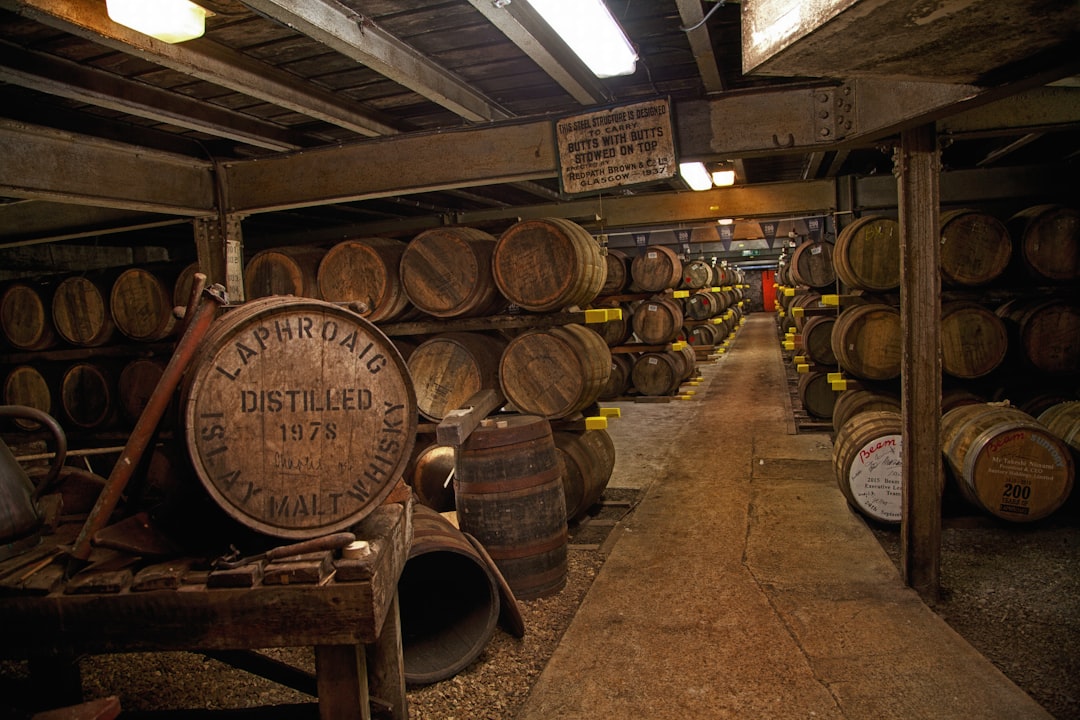
Before we dive into recommendations, let’s make sure we’re on the same page. Single malt whisky is a whisky made from 100% malted barley, produced at a single distillery, and distilled in pot stills. That’s it. The “single” refers to one distillery, not one barrel or one batch. This distinguishes it from blended whisky (like Johnnie Walker), which combines malts from multiple distilleries.
Why does this matter for you as a beginner? Because single malts tend to have a more distinct, terroir-driven personality — you can actually taste the character of a specific region and production method. Think of it like the difference between a house wine and a specific estate-bottled Burgundy. More complex, more traceable, and honestly more fun to explore once you know what you’re looking for.
The Global Single Malt Market in 2026: What the Data Tells Us
The timing to start your single malt journey couldn’t be better. According to the Scotch Whisky Association’s 2025 annual report, global single malt exports grew by approximately 12% year-over-year, with Asian markets — particularly South Korea, Japan, and China — driving significant demand. In 2026, this trend has continued, and one unexpected side effect is greater price competition among entry-level expressions.
More distilleries are now releasing “no age statement” (NAS) whiskies specifically designed for newcomers — these are bottled without a specific age declaration, allowing distilleries more flexibility in blending barrels to achieve a consistent, crowd-pleasing flavor. This means you can now find genuinely excellent single malts in the $40–$70 USD range, a sweet spot that would have felt impossible a decade ago for quality expressions.
Here’s a quick breakdown of the major Scotch whisky regions and what flavor profiles to expect — because geography is your best friend when navigating a whisky menu:
- Speyside (e.g., Glenfiddich, Macallan, Glenlivet): Fruity, honeyed, often with vanilla and dried fruit notes. The most beginner-friendly region overall — smooth, approachable, rarely intimidating.
- Highlands (e.g., Dalmore, Glenmorangie, Oban): Broader and more varied — expect heather, honey, citrus, and sometimes a gentle coastal breeze. Great for those who want to explore range.
- Islay (e.g., Laphroaig, Ardbeg, Bowmore): Peaty, smoky, medicinal. This is an acquired taste — exciting for adventurous beginners but potentially off-putting if you’re not expecting it.
- Lowlands (e.g., Auchentoshan, Glenkinchie): Light, floral, grassy, and delicate. Often triple-distilled, making them exceptionally smooth — a fantastic starting point.
- Campbeltown (e.g., Springbank, Glen Scotia): Briny, oily, complex. A niche category, but Springbank in particular has developed a cult following worth investigating.
- Japanese Single Malt (e.g., Nikka, Hakushu, Chichibu): Clean, precise, often with floral and orchard fruit characteristics. Japanese whisky has evolved into its own world-class category and is increasingly accessible in 2026.
Top Beginner-Recommended Single Malts in 2026
Let’s get practical. These aren’t just “safe” recommendations — I’ve thought about why each one works as an entry point and what kind of drinker it suits best.
1. Glenlivet 12 Year Old (~$45 USD) — The archetypal starter Scotch. Soft peach, vanilla, and a gentle floral quality make it virtually universally likable. If Jamie were asking me right now, this is still what I’d hand her first.
2. Glenfiddich 12 Year Old (~$40 USD) — Pear-forward with fresh fruit and oak. Widely available globally and consistently reliable. The fact that it’s the world’s best-selling single malt isn’t an accident — it’s genuinely good for the price.
3. Glenmorangie Original 10 Year Old (~$38 USD) — Lighter, citrusy, and incredibly smooth thanks to its use of ex-bourbon barrels. A Highland expression that punches above its weight class for beginners.
4. Auchentoshan Three Wood (~$55 USD) — A Lowland whisky matured in three different cask types. Rich, dessert-like notes of dried fruit, chocolate, and sherry. Excellent for those who prefer a sweeter profile.
5. Nikka From The Barrel (~$65 USD) — Technically a blend but showcases Japan’s single malt character beautifully. Thick, complex, and punchy at 51.4% ABV. For beginners who want to feel like they’ve graduated quickly.
6. Bowmore 12 Year Old (~$45 USD) — If you’re curious about peat but don’t want to be floored by it, Bowmore is a perfectly balanced introduction to Islay. Smoke and fruit in harmony.
How to Actually Taste It: The Beginner’s Protocol
Here’s something nobody tells beginners often enough: there is no wrong way to enjoy whisky. However, there’s definitely a way to taste it more intentionally so you can figure out what you actually like. Try this simple sequence:
- Neat first: Pour about 25–30ml and let it sit for a minute. Swirl gently. Nose it from a slight distance — don’t shove your face in, or the alcohol will overwhelm your senses.
- Add a few drops of water: This genuinely opens up the aroma and softens the alcohol. Even master blenders do this. Don’t let anyone shame you for it.
- Take a small sip and let it coat your tongue: Identify the first flavor (“front palate”), what develops in the middle, and the finish (how long and what kind of aftertaste).
- Ice is fine if that’s what you enjoy: Yes, it closes down some aromas, but comfort in drinking is more important when you’re learning what you like.
Realistic Alternatives If Single Malt Feels Like a Big Commitment
Let’s be honest — a $40–$70 bottle is a real spend, especially if you’re not sure whether you’ll enjoy it. Here are some genuinely smart alternatives:
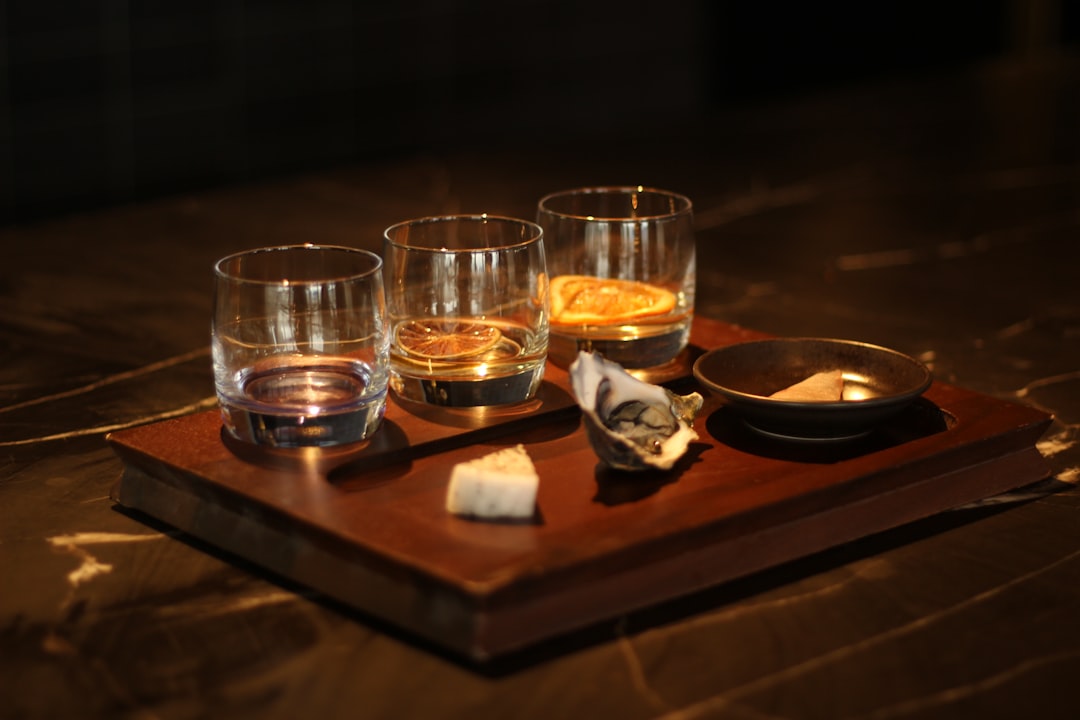
- Whisky bars and flight tastings: In 2026, most mid-to-upscale whisky bars offer curated flight menus — typically 3–4 pours of 15ml each for $20–$35. This is by far the most economical way to narrow down your preferences before committing to a full bottle.
- Miniature bottles (50ml): Most major expressions now come in 50ml “sample” sizes, widely available on platforms like Master of Malt and Flaviar. Build a tasting collection for under $50 total.
- Whisky subscription boxes: Services like Flaviar and Distiller’s Club (which have expanded significantly in 2026) send curated monthly samples with tasting notes — a great way to educate your palate progressively.
- Start with blended Scotch: If single malt still feels like too much, a quality blended Scotch like Monkey Shoulder or Johnnie Walker Black is a perfectly honorable on-ramp to the single malt world.
The key insight here is this: your whisky journey should be enjoyable from day one, not a test to pass. Start with what’s accessible and let your curiosity pull you deeper naturally.
By the way — Jamie ended up picking up Glenmorangie Original that day, sent me a photo of herself enjoying it with a splash of water on her balcony, and has since tried six different expressions. She’s already talking about visiting Speyside. That’s how it always starts.
Editor’s Comment : The best single malt for a beginner is simply the one that makes you want a second glass. Don’t get too tangled up in rules, regions, or ratings in the early stages — those frameworks are tools for enrichment, not gatekeeping. Pick one bottle from the Speyside or Lowlands list above, invite a curious friend over, and taste it together. The conversation it sparks is half the joy. And if you find yourself Googling distillery histories at midnight? Welcome to the hobby. There’s no going back — and honestly, you won’t want to.
태그: [‘single malt whisky beginners 2026’, ‘best starter scotch whisky’, ‘whisky tasting guide for beginners’, ‘speyside highland islay whisky regions’, ‘single malt recommendations 2026’, ‘how to drink whisky’, ‘japanese single malt whisky’]
Leave a Reply