Category: Uncategorized

  • The Rise of Irish Whiskey in 2026: Market Analysis, Global Trends, and What It Means for You

    Picture this: it’s a rainy Thursday evening in Dublin, and a small distillery tucked between limestone hills just shipped its first batch to a bar in Tokyo. Meanwhile, a craft spirits shop in Nashville has a six-month waitlist for a single-cask Connemara expression. What’s going on? Irish whiskey โ€” once overshadowed by Scotch and Bourbon โ€” has quietly become one of the most exciting spirits categories on the planet in 2026, and the numbers are starting to catch up with the buzz.

    Let’s think through this together, because the story isn’t just about bottles and barrels. It’s about shifting consumer tastes, smart branding, and a global appetite for something that feels both authentic and approachable.
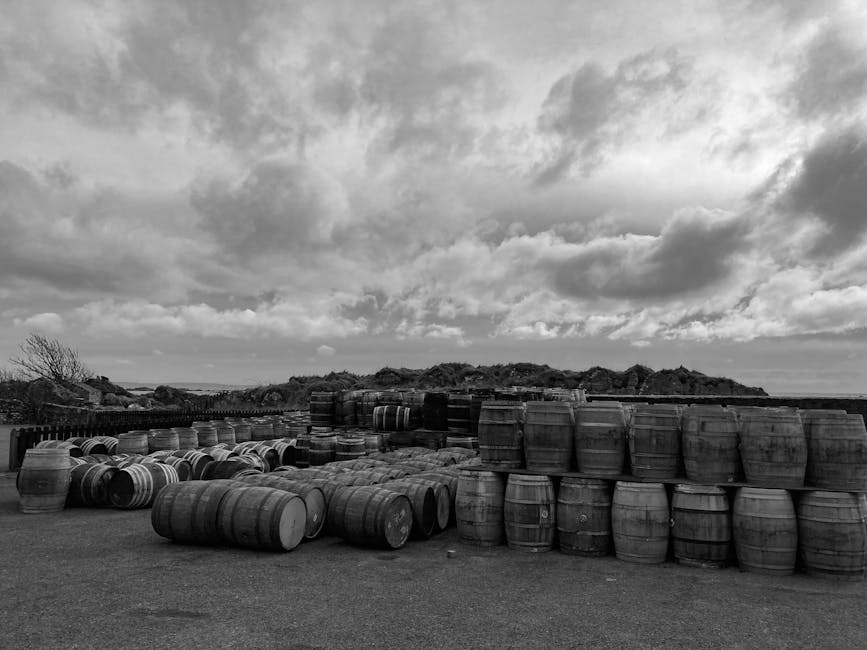
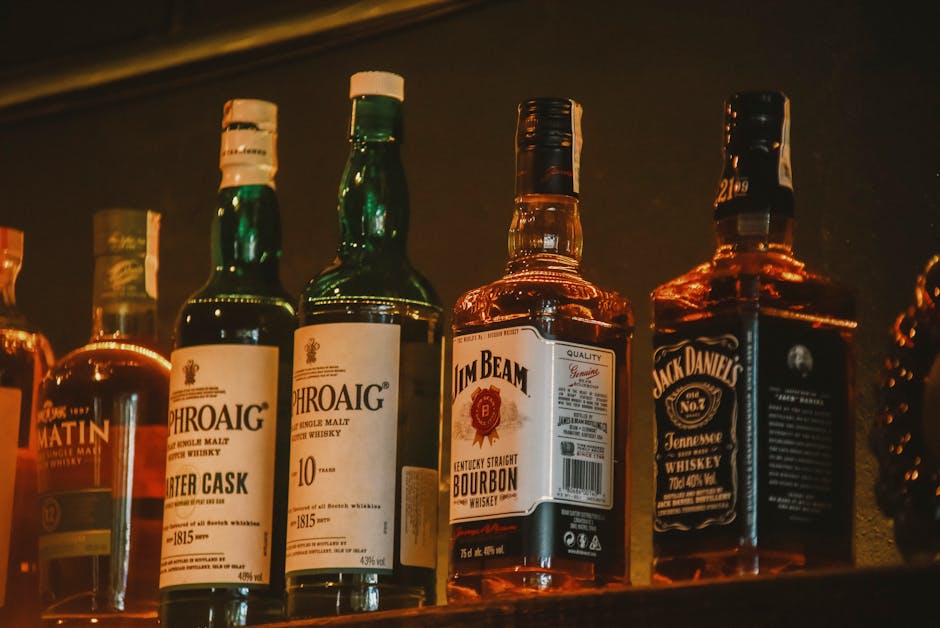
    Irish whiskey distillery 2026 copper pot still barrels Ireland

    ๐Ÿ“Š The Numbers Don’t Lie: Irish Whiskey Market Data in 2026

    The Irish whiskey category has been on a consistent upward trajectory for over a decade, but 2026 marks a genuine inflection point. According to projections from the Drinks Ireland trade body and corroborating reports from IWSR (International Wine & Spirits Research), the global Irish whiskey market is expected to surpass $6.5 billion USD in retail value by the end of 2026 โ€” a figure that would have seemed wildly optimistic just five years ago.

    • Export volume growth: Irish whiskey exports grew approximately 14% year-over-year entering 2026, with the United States still commanding the largest share at roughly 42% of total exports.
    • Distillery count: Ireland now hosts over 50 active distilleries โ€” a staggering leap from the mere three that existed in 2010. This democratization of production is injecting serious creative energy into the category.
    • Premiumization trend: The super-premium and ultra-premium segments (bottles priced above $75 USD) are growing at nearly twice the rate of standard expressions, signaling that consumers are trading up.
    • Asia-Pacific surge: Markets like Japan, South Korea, and Singapore have registered double-digit growth rates, with Korean consumers in particular gravitating toward single pot still expressions for their distinctive creamy, spicy profile.
    • Age statement comeback: After years of NAS (No Age Statement) dominance, 2026 is seeing a resurgence in aged statement bottles as distilleries founded in the early 2010s finally have mature stock to work with.

    ๐ŸŒ International Success Stories: Who’s Leading the Charge?

    Let’s look at some concrete examples, because the abstract data only tells half the story.

    Jameson (Irish Distillers / Pernod Ricard) remains the undisputed volume leader globally, but what’s interesting in 2026 is how the brand is pivoting. Rather than just selling accessible blends, they’ve leaned hard into their Jameson Deconstructed series and collaborated with specialty coffee roasters in Melbourne and Sรฃo Paulo โ€” targeting the same consumers who obsess over single-origin espresso. It’s a smart play: if you can talk to the flavour-curious crowd, you’ve got a customer for life.

    Teeling Whiskey, Dublin’s urban distillery, has become a kind of ambassador for the “new wave” Irish whiskey movement. Their Brabazon series โ€” finished in vintage Madeira and Sauternes casks โ€” regularly draws comparisons to prestige Scotch expressions at half the price. In 2026, their visitor numbers have climbed significantly, partly because Dublin has become a genuine whiskey tourism destination.

    Waterford Distillery deserves special mention for their terroir-driven approach. Founder Mark Reynier (formerly of Bruichladdich in Scotch) essentially transplanted a wine-world concept โ€” that barley provenance matters โ€” into Irish whiskey. Their single farm origin expressions are now stocked in serious fine dining establishments across Europe and Southeast Asia.

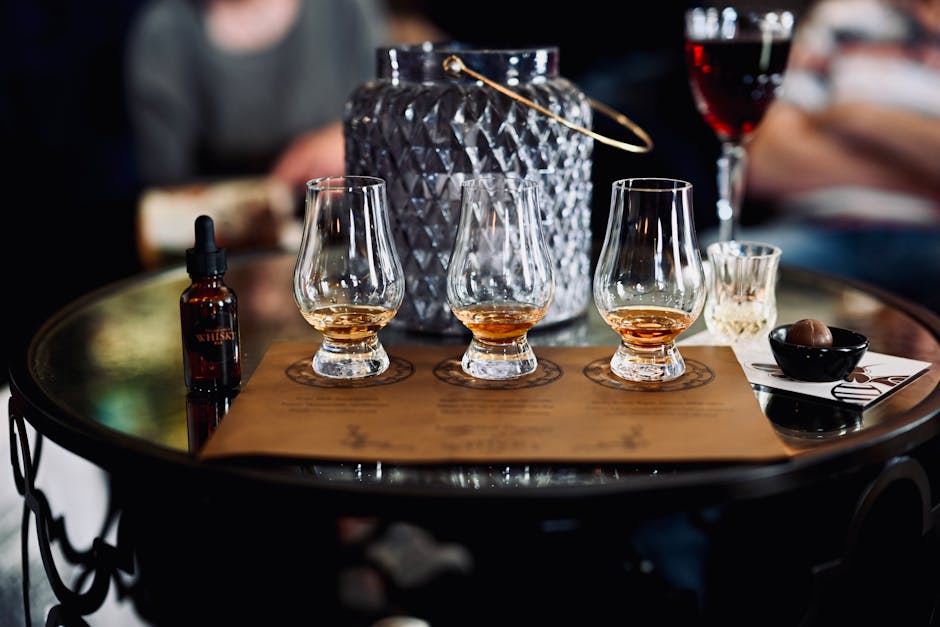
    On the domestic Korean and Japanese front, high-end whisky bars in Seoul’s Itaewon district and Tokyo’s Ginza have created dedicated Irish whiskey tasting flights, educating consumers in a format they already love from Japanese whisky culture. This regional intermediary role is quietly accelerating global appreciation.
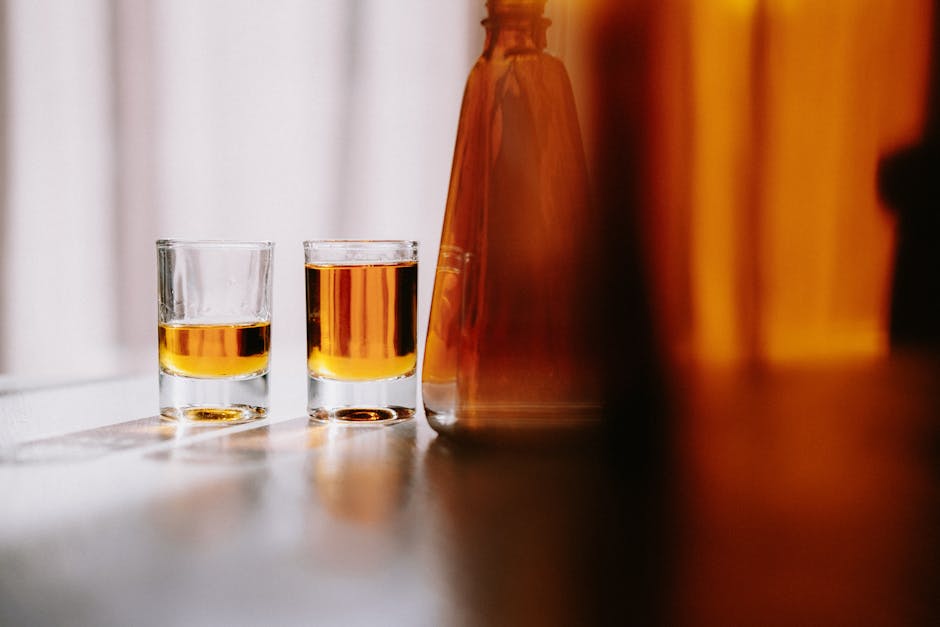
    Irish whiskey tasting flight bar glasses amber liquid premium spirits 2026

    ๐Ÿค” Why Now? The Logical Reasons Behind the 2026 Surge

    It’s worth reasoning through why this is happening now, rather than five years ago or five years from now.

    First, there’s the supply maturation cycle. The distillery boom of 2012โ€“2016 means that whiskey requires a minimum of three years in barrel (Irish law), but the premium expressions people actually get excited about need 7โ€“12+ years. Those barrels are ready now. The industry essentially planted seeds a decade ago and is harvesting today.

    Second, consumer fatigue with Scotch pricing is real. Iconic single malts have become increasingly inaccessible at retail due to speculation and limited releases. Irish whiskey โ€” particularly single pot still expressions โ€” offers comparable complexity at significantly lower price points. Savvy drinkers have noticed.

    Third, the cocktail culture tailwind continues to drive discovery. The Irish Coffee renaissance (yes, it’s genuinely happening in specialty coffee circles) and the use of Irish whiskey in low-ABV stirred cocktails have introduced the spirit to audiences who never would have reached for a neat pour.

    ๐Ÿฅƒ Realistic Alternatives: Where Should You Actually Start?

    Okay, so you’re intrigued but you’re not sure where to put your money or attention. Let’s be practical about this.

    If you’re a beginner: Start with a blended Irish whiskey like Jameson Black Barrel or Slane Irish Whiskey. Both are widely available, affordable (under $45 USD), and approachable enough to not overwhelm your palate while still showing you what Irish whiskey is about โ€” that signature smoothness from triple distillation, light fruit notes, and gentle vanilla.

    If you’re a curious intermediate: Try a single pot still expression. Redbreast 12 Year is essentially the benchmark โ€” it’s the one bottle that whiskey educators across the globe point to as definitional for the style. Green Spot is another fantastic, slightly more affordable entry into this world.

    If you’re an enthusiast thinking about investment or collection: Limited releases from Teeling, Waterford single farm origins, and upcoming expressions from newer distilleries like Dingle or Boann are worth tracking. The appreciation curve for Irish whiskey collectibles, while not yet at Scotch levels, is moving meaningfully in 2026.

    If you’re a bar owner or beverage professional: The category offers exceptional value positioning for your back bar. A curated Irish whiskey section โ€” three to five bottles spanning blend, single malt, and single pot still โ€” gives you a storytelling opportunity that differentiates you without massive capital outlay.

    The honest reality is that Irish whiskey in 2026 is where Japanese whisky was around 2012: genuinely excellent, still somewhat underpriced relative to quality, and about to get a lot more expensive as global recognition accelerates. That window is still open โ€” but it won’t be forever.

    Editor’s Comment : What strikes me most about the Irish whiskey story in 2026 isn’t just the market data โ€” it’s the authenticity underneath it. These are real distilleries, real farmers growing specific barley varieties, real craftspeople who waited years for their stock to mature. In a world of instant everything, there’s something quietly radical about a product that simply cannot be rushed. Whether you’re a first-time sipper or a seasoned collector, I’d encourage you to try one new Irish expression this year with that patience in mind. Slรกinte! ๐Ÿฅƒ


    ๐Ÿ“š ๊ด€๋ จ๋œ ๋‹ค๋ฅธ ๊ธ€๋„ ์ฝ์–ด ๋ณด์„ธ์š”

    ํƒœ๊ทธ: [‘Irish whiskey 2026’, ‘whiskey market analysis’, ‘single pot still whiskey’, ‘premium spirits trends’, ‘Irish distillery’, ‘whiskey investment’, ‘global spirits market’]
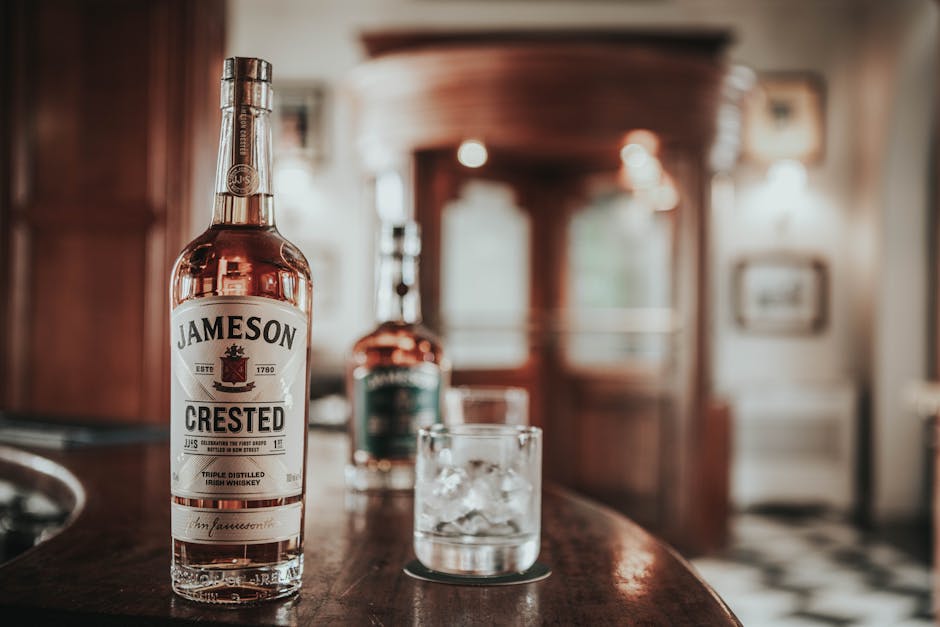
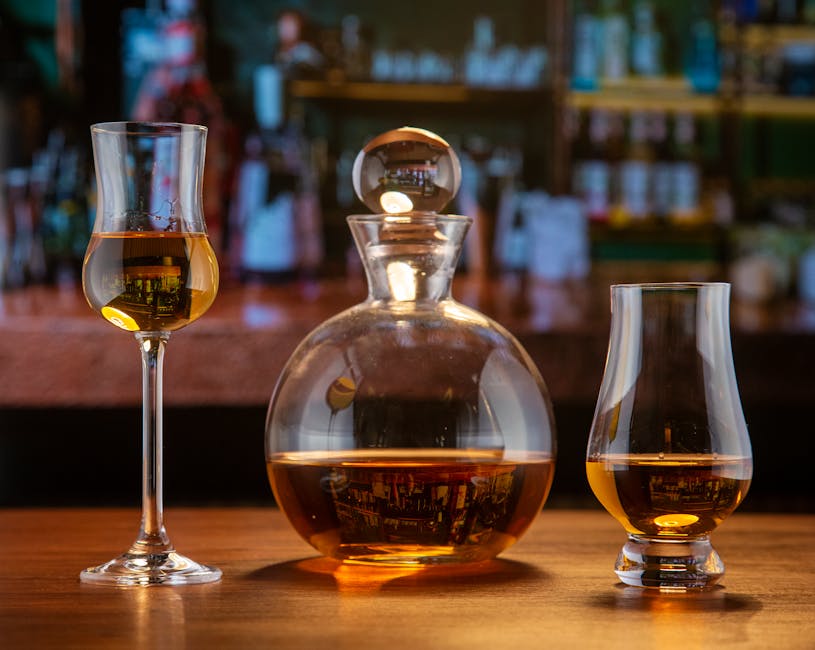
  • ์•„์ด๋ฆฌ์‹œ ์œ„์Šคํ‚ค์˜ ์กฐ์šฉํ•œ ๋ฐ˜๋ž€ โ€” 2026๋…„ ๊ธ€๋กœ๋ฒŒ ์‹œ์žฅ ํŒ๋„๊ฐ€ ๋ฐ”๋€Œ๊ณ  ์žˆ๋‹ค

    ๋ช‡ ๋‹ฌ ์ „, ์„œ์šธ ํ•œ๋‚จ๋™์˜ ํ•œ ๋ฐ”์—์„œ ์žˆ์—ˆ๋˜ ์ผ์ด์—์š”. ๋ฐ”ํ…๋”๊ฐ€ ์Šค์นด์น˜ ์œ„์Šคํ‚ค ๋Œ€์‹  ์•„์ด๋ฆฌ์‹œ ์œ„์Šคํ‚ค๋ฅผ ๋จผ์ € ์ถ”์ฒœํ–ˆ๊ณ , ์†๋‹˜๋“ค์€ ์˜์™ธ๋กœ ์‰ฝ๊ฒŒ ๊ทธ ์ œ์•ˆ์„ ๋ฐ›์•„๋“ค์˜€์Šต๋‹ˆ๋‹ค. ๋ถˆ๊ณผ 5๋…„ ์ „๋งŒ ํ•ด๋„ “์œ„์Šคํ‚ค ํ•˜๋ฉด ์Šค์ฝ”ํ‹€๋žœ๋“œ”๋ผ๋Š” ๊ณต์‹์ด ํ”๋“ค๋ฆฌ์ง€ ์•Š์•˜๋Š”๋ฐ, ์š”์ฆ˜์€ ๊ทธ ๊ณต์‹์— ๋ถ„๋ช…ํ•œ ๊ท ์—ด์ด ์ƒ๊ธฐ๊ณ  ์žˆ๋Š” ๊ฒƒ ๊ฐ™์•„์š”. 2026๋…„ ํ˜„์žฌ, ์•„์ด๋ฆฌ์‹œ ์œ„์Šคํ‚ค ์‹œ์žฅ์€ ๋‹จ์ˆœํ•œ ‘ํŠธ๋ Œ๋“œ’๋ฅผ ๋„˜์–ด ๊ตฌ์กฐ์  ์„ฑ์žฅ ๊ตญ๋ฉด์— ์ ‘์–ด๋“ค์—ˆ๋‹ค๊ณ  ๋ด…๋‹ˆ๋‹ค. ์˜ค๋Š˜์€ ๊ทธ ๋ฐฐ๊ฒฝ๊ณผ ์ˆซ์ž๋“ค์„ ํ•จ๊ป˜ ๋“ค์—ฌ๋‹ค๋ณผ๊ฒŒ์š”.

    Irish whiskey bottles distillery Ireland golden light

    ๐Ÿ“Š ์ˆซ์ž๋กœ ๋ณด๋Š” ์•„์ด๋ฆฌ์‹œ ์œ„์Šคํ‚ค์˜ ์„ฑ์žฅ์„ธ

    ๋จผ์ € ์‹œ์žฅ ๊ทœ๋ชจ๋ถ€ํ„ฐ ์งš์–ด๋ณผ๊ฒŒ์š”. ๊ธ€๋กœ๋ฒŒ ์‹œ์žฅ์กฐ์‚ฌ ๊ธฐ๊ด€ IWSR(International Wine and Spirits Research)์˜ 2025~2026๋…„ ๋ฐ์ดํ„ฐ์— ๋”ฐ๋ฅด๋ฉด, ์•„์ด๋ฆฌ์‹œ ์œ„์Šคํ‚ค๋Š” 2020๋…„ ์ดํ›„ ์—ฐํ‰๊ท  ์„ฑ์žฅ๋ฅ (CAGR) ์•ฝ 8~10%๋ฅผ ๊พธ์ค€ํžˆ ์œ ์ง€ํ•˜๊ณ  ์žˆ์Šต๋‹ˆ๋‹ค. ์ด๋Š” ์ „์ฒด ์Šคํ”ผ๋ฆฌ์ธ  ์นดํ…Œ๊ณ ๋ฆฌ ํ‰๊ท ์ธ 4~5%๋ฅผ ๋‘ ๋ฐฐ ๊ฐ€๊นŒ์ด ์›ƒ๋„๋Š” ์ˆ˜์น˜์˜ˆ์š”.

    ๊ตฌ์ฒด์ ์œผ๋กœ ์‚ดํŽด๋ณด๋ฉด, 2026๋…„ ๊ธฐ์ค€ ๊ธ€๋กœ๋ฒŒ ์•„์ด๋ฆฌ์‹œ ์œ„์Šคํ‚ค ์‹œ์žฅ ๊ทœ๋ชจ๋Š” ์•ฝ 50์–ต~55์–ต ๋‹ฌ๋Ÿฌ(USD) ์ˆ˜์ค€์œผ๋กœ ์ถ”์‚ฐ๋˜๊ณ  ์žˆ์–ด์š”. 2015๋…„ ๊ธฐ์ค€์ด ์•ฝ 20์–ต ๋‹ฌ๋Ÿฌ์˜€๋‹ค๋Š” ์ ์„ ๊ฐ์•ˆํ•˜๋ฉด, 10๋…„ ์‚ฌ์ด์— ์‹œ์žฅ์ด 2.5๋ฐฐ ์ด์ƒ ํŒฝ์ฐฝํ•œ ์…ˆ์ž…๋‹ˆ๋‹ค. ํŠนํžˆ ์ฃผ๋ชฉํ•  ๋งŒํ•œ ๊ฑด ๋ฏธ๊ตญ ์‹œ์žฅ์ธ๋ฐ์š”, ์•„์ด๋ฆฌ์‹œ ์œ„์Šคํ‚ค๋Š” ํ˜„์žฌ ๋ฏธ๊ตญ์—์„œ ์Šค์นด์น˜ ์œ„์Šคํ‚ค๋ณด๋‹ค ๋งŽ์€ ์ผ€์ด์Šค ์ˆ˜๋ฅผ ํŒ๋งคํ•˜๋Š” ์นดํ…Œ๊ณ ๋ฆฌ๋กœ ์ž๋ฆฌ์žก์•˜๋‹ค๋Š” ์ ์ด์—์š”. 2026๋…„ ๋ฏธ๊ตญ ๋‚ด ์•„์ด๋ฆฌ์‹œ ์œ„์Šคํ‚ค ํŒ๋งค๋Ÿ‰์€ ์—ฐ๊ฐ„ ์•ฝ 700๋งŒ ์ผ€์ด์Šค๋ฅผ ์ƒํšŒํ•  ๊ฒƒ์œผ๋กœ ์ „๋ง๋ฉ๋‹ˆ๋‹ค.

    ์•„์ผ๋žœ๋“œ ํ˜„์ง€ ์ƒ์‚ฐ ์ธํ”„๋ผ๋„ ํญ๋ฐœ์ ์œผ๋กœ ๋Š˜์—ˆ์–ด์š”. 2010๋…„์—๋Š” ์•„์ผ๋žœ๋“œ ์ „์ฒด์— ์šด์˜ ์ค‘์ธ ์ฆ๋ฅ˜์†Œ๊ฐ€ ๊ณ ์ž‘ 4๊ณณ์— ๋ถˆ๊ณผํ–ˆ์ง€๋งŒ, 2026๋…„ ํ˜„์žฌ๋Š” 40๊ณณ ์ด์ƒ์ด ํ™œ๋ฐœํ•˜๊ฒŒ ๊ฐ€๋™ ์ค‘์ด๋ผ๊ณ  ๋ด์•ผ ํ•ฉ๋‹ˆ๋‹ค. ์ด๋ฅธ๋ฐ” ‘์•„์ด๋ฆฌ์‹œ ์œ„์Šคํ‚ค ๋ฅด๋„ค์ƒ์Šค’๊ฐ€ ํ˜„์‹ค๋กœ ๊ตฌํ˜„๋˜๊ณ  ์žˆ๋Š” ๊ฑฐ์ฃ .

    ๐ŸŒ ๊ตญ๋‚ด์™ธ ์‚ฌ๋ก€๋กœ ๋ณธ ์•„์ด๋ฆฌ์‹œ ์œ„์Šคํ‚ค ์—ดํ’

    ํ•ด์™ธ ์‚ฌ๋ก€ ์ค‘ ๊ฐ€์žฅ ์ธ์ƒ์ ์ธ ๊ฑด ์—ญ์‹œ ์žฌํŒจ๋‹ˆ์ฆˆ ์œ„์Šคํ‚ค์™€์˜ ๋น„๊ต๋ผ๊ณ  ์ƒ๊ฐํ•ด์š”. 2010๋…„๋Œ€ ์ค‘๋ฐ˜ ์žฌํŒจ๋‹ˆ์ฆˆ ์œ„์Šคํ‚ค๊ฐ€ ํญ๋ฐœ์ ์ธ ์ธ๊ธฐ๋ฅผ ๋Œ์—ˆ์„ ๋•Œ, ๊ทธ ์„ฑ๊ณต ๋ฐฉ์ •์‹์€ ‘์„ฌ์„ธํ•œ ํ’๋ฏธ + ์Šคํ† ๋ฆฌํ…”๋ง + ํฌ์†Œ์„ฑ ๋งˆ์ผ€ํŒ…’์ด์—ˆ์Šต๋‹ˆ๋‹ค. ์•„์ด๋ฆฌ์‹œ ์œ„์Šคํ‚ค๋Š” ๊ฑฐ๊ธฐ์— ํ•œ ๊ฐ€์ง€๋ฅผ ๋” ์–น์—ˆ์–ด์š”. ๋ฐ”๋กœ ์ ‘๊ทผ์„ฑ์ž…๋‹ˆ๋‹ค. ํŠธ๋ฆฌํ”Œ ๋””์Šคํ‹ธ๋ง(Triple Distilling, 3ํšŒ ์ฆ๋ฅ˜) ๊ณต๋ฒ• ํŠน์œ ์˜ ๋ถ€๋“œ๋Ÿฌ์šด ๋ง›์€ ์œ„์Šคํ‚ค ์ž…๋ฌธ์ž๋“ค์ด ๊ฑฐ๋ถ€๊ฐ ์—†์ด ์ ‘๊ทผํ•  ์ˆ˜ ์žˆ๋Š” ์ง„์ž… ์žฅ๋ฒฝ์„ ๋‚ฎ์ถฐ์คฌ๊ณ , ์ด๊ฒƒ์ด MZ์„ธ๋Œ€ ์†Œ๋น„์ž์ธต์„ ๋น ๋ฅด๊ฒŒ ํก์ˆ˜ํ•˜๋Š” ๋ฐ ๊ฒฐ์ •์ ์ธ ์—ญํ• ์„ ํ–ˆ๋‹ค๊ณ  ๋ด…๋‹ˆ๋‹ค.

    ์ œ์ž„์Šจ(Jameson)์€ ์—ฌ์ „ํžˆ ์นดํ…Œ๊ณ ๋ฆฌ์˜ ์ ˆ๋Œ€ ๊ฐ•์ž๋กœ, ๊ธ€๋กœ๋ฒŒ ์•„์ด๋ฆฌ์‹œ ์œ„์Šคํ‚ค ์‹œ์žฅ์˜ ์•ฝ 60% ์ด์ƒ์„ ์ ์œ ํ•˜๊ณ  ์žˆ์–ด์š”. ํ•˜์ง€๋งŒ 2026๋…„์˜ ํฅ๋ฏธ๋กœ์šด ๋ณ€ํ™”๋Š” ๋…๋ฆฝ ์ฆ๋ฅ˜์†Œ(Independent Distillery)๋“ค์˜ ์•ฝ์ง„์ž…๋‹ˆ๋‹ค. ํ‹ฐ์–ด๋ง(Teeling), ๋ ˆ๋“œ๋ธŒ๋ ˆ์ŠคํŠธ(Redbreast), ๊ทธ๋ฆฌ๊ณ  2020๋…„๋Œ€ ์ดํ›„ ์„ค๋ฆฝ๋œ ์‹ ์ƒ ํฌ๋ž˜ํ”„ํŠธ ์ฆ๋ฅ˜์†Œ๋“ค์ด ํ”„๋ฆฌ๋ฏธ์—„ ๋ฐ ์Šˆํผํ”„๋ฆฌ๋ฏธ์—„ ์„ธ๊ทธ๋จผํŠธ์—์„œ ์น˜์—ดํ•˜๊ฒŒ ๊ฒฝ์Ÿํ•˜๋ฉฐ ์นดํ…Œ๊ณ ๋ฆฌ์˜ ๋‹ค์–‘์„ฑ์„ ๋งŒ๋“ค์–ด๊ฐ€๊ณ  ์žˆ์–ด์š”.

    ๊ตญ๋‚ด ์‹œ์žฅ๋„ ๋ˆˆ์—ฌ๊ฒจ๋ณผ ํ•„์š”๊ฐ€ ์žˆ์Šต๋‹ˆ๋‹ค. ํ•œ๊ตญ์—์„œ ์•„์ด๋ฆฌ์‹œ ์œ„์Šคํ‚ค ์ˆ˜์ž…๋Ÿ‰์€ 2023๋…„ ๋Œ€๋น„ 2025๋…„ ๊ธฐ์ค€์œผ๋กœ ์•ฝ 30% ๊ฐ€๊นŒ์ด ์ฆ๊ฐ€ํ•œ ๊ฒƒ์œผ๋กœ ์ถ”์ •๋ผ์š”. ๊ตญ๋‚ด ์ฃผ์š” ํŽธ์˜์  ์ฒด์ธ๊ณผ ๋Œ€ํ˜•๋งˆํŠธ๊ฐ€ ์•„์ด๋ฆฌ์‹œ ์œ„์Šคํ‚ค ์ „์šฉ ์„น์…˜์„ ๋ณ„๋„๋กœ ๊ตฌ์„ฑํ•˜๊ธฐ ์‹œ์ž‘ํ–ˆ๋‹ค๋Š” ๊ฒƒ๋„ ์ƒ์ง•์ ์ธ ์‹ ํ˜ธ๋ผ๊ณ  ๋ด…๋‹ˆ๋‹ค. ์œ„์Šคํ‚ค ๋ฐ” ๋ฌธํ™”๊ฐ€ ์„œ์šธ์„ ๋„˜์–ด ๋ถ€์‚ฐ, ๋Œ€๊ตฌ, ์ œ์ฃผ๊นŒ์ง€ ํ™•์‚ฐ๋˜๋ฉด์„œ, ์•„์ด๋ฆฌ์‹œ ์œ„์Šคํ‚ค๋Š” ‘ํ•˜์ด๋ณผ ๋ฒ ์ด์Šค’๋กœ์„œ์˜ ์ˆ˜์š”๋„ ๋น ๋ฅด๊ฒŒ ํก์ˆ˜ํ•˜๊ณ  ์žˆ์–ด์š”.

    Irish whiskey tasting glass bar cocktail highball modern

    ๐Ÿ”‘ ์•„์ด๋ฆฌ์‹œ ์œ„์Šคํ‚ค๊ฐ€ ์ฃผ๋ชฉ๋ฐ›๋Š” ํ•ต์‹ฌ ์ด์œ 

    • ํŠธ๋ฆฌํ”Œ ๋””์Šคํ‹ธ๋ง์˜ ๋ถ€๋“œ๋Ÿฌ์›€: ์ผ๋ฐ˜์ ์œผ๋กœ 2ํšŒ ์ฆ๋ฅ˜ํ•˜๋Š” ์Šค์นด์น˜์™€ ๋‹ฌ๋ฆฌ, ์•„์ด๋ฆฌ์‹œ ์œ„์Šคํ‚ค๋Š” ๋Œ€๋ถ€๋ถ„ 3ํšŒ ์ฆ๋ฅ˜๋ฅผ ๊ฑฐ์ณ ํ›จ์”ฌ ๊ฐ€๋ณ๊ณ  ๋ถ€๋“œ๋Ÿฌ์šด ํ’๋ฏธ๋ฅผ ๋งŒ๋“ค์–ด๋ƒ…๋‹ˆ๋‹ค. ํ”ผํŠธ(Peat) ํ–ฅ์ด ๊ฐ•ํ•˜์ง€ ์•Š์•„ ์ž…๋ฌธ์ž์—๊ฒŒ ํŠนํžˆ ์นœํ™”์ ์ด์—์š”.
    • ํฌํŠธ ์Šคํ‹ธ(Pot Still) ์œ„์Šคํ‚ค์˜ ๋…์ฐฝ์„ฑ: ์•„์ด๋ฆฌ์‹œ ์œ„์Šคํ‚ค๋งŒ์˜ ๋…์ž์ ์ธ ์Šคํƒ€์ผ์ธ ์‹ฑ๊ธ€ ํฌํŠธ ์Šคํ‹ธ์€ ๋งฅ์•„(๋ฐœ์•„ ๋ณด๋ฆฌ)์™€ ๋ฏธ๋ฐœ์•„ ๋ณด๋ฆฌ๋ฅผ ํ•จ๊ป˜ ์‚ฌ์šฉํ•ด ๋…ํŠนํ•œ ํฌ๋ฆฌ๋ฏธํ•จ๊ณผ ์ŠคํŒŒ์ด์‹œํ•จ์„ ๋ƒ…๋‹ˆ๋‹ค. ์„ธ๊ณ„ ์–ด๋””์„œ๋„ ๋”ฐ๋ผ ํ•˜๊ธฐ ์–ด๋ ค์šด ๊ฐœ์„ฑ์ด์ฃ .
    • ๊ฐ€์„ฑ๋น„ ํ”„๋ฆฌ๋ฏธ์—„ ํฌ์ง€์…”๋‹: ์ผ๋ณธ ์œ„์Šคํ‚ค์˜ ๊ฐ€๊ฒฉ์ด ์ฒœ์ •๋ถ€์ง€๋กœ ์˜ค๋ฅธ 2020๋…„๋Œ€ ์ดํ›„, ๋น„์Šทํ•œ ํ’ˆ์งˆ์˜ ๊ฒฝํ—˜์„ ํ•ฉ๋ฆฌ์ ์ธ ๊ฐ€๊ฒฉ์— ์ œ๊ณตํ•˜๋Š” ์•„์ด๋ฆฌ์‹œ ์œ„์Šคํ‚ค๋Š” ์ด๋ฅธ๋ฐ” ‘๋Œ€์ฒด์žฌ ํšจ๊ณผ’๋ฅผ ๋ˆ„๋ฆฌ๊ณ  ์žˆ์–ด์š”.
    • ์นตํ…Œ์ผ ๋ฏน์†”๋กœ์ง€ ํŠธ๋ Œ๋“œ์™€์˜ ์‹œ๋„ˆ์ง€: ํ•˜์ด๋ณผ ๋ถ, ์œ„์Šคํ‚ค ์‚ฌ์›Œ ์œ ํ–‰ ๋“ฑ ์นตํ…Œ์ผ ๋ฌธํ™” ํ™•์‚ฐ๊ณผ ๋งž๋ฌผ๋ ค, ๋ถ€๋“œ๋Ÿฌ์šด ๋ฒ ์ด์Šค ์Šคํ”ผ๋ฆฟ์œผ๋กœ์„œ์˜ ์•„์ด๋ฆฌ์‹œ ์œ„์Šคํ‚ค ์ˆ˜์š”๊ฐ€ ํญ๋ฐœ์ ์œผ๋กœ ์ฆ๊ฐ€ํ•˜๊ณ  ์žˆ์Šต๋‹ˆ๋‹ค.
    • ๊ธ€๋กœ๋ฒŒ ์ฆ๋ฅ˜์†Œ ํˆฌ์ž ์œ ์ž…: ํผ๋…ธ๋ฆฌ์นด(Pernod Ricard), ๋ธŒ๋ผ์šด ํฌ๋จผ(Brown-Forman) ๋“ฑ ๋Œ€ํ˜• ์ฃผ๋ฅ˜ ๊ทธ๋ฃน๋“ค์ด ์•„์ด๋ฆฌ์‹œ ์œ„์Šคํ‚ค ๋ธŒ๋žœ๋“œ ๋ฐ ์ฆ๋ฅ˜์†Œ์— ์ง€์†์ ์œผ๋กœ ์ž๋ณธ์„ ํˆฌ์ž…ํ•˜๊ณ  ์žˆ์–ด, ๊ณต๊ธ‰ ์•ˆ์ •์„ฑ๊ณผ ๋งˆ์ผ€ํŒ… ํŒŒ์›Œ๊ฐ€ ๋™์‹œ์— ๊ฐ•ํ™”๋˜๊ณ  ์žˆ์–ด์š”.
    • ์ง€์†๊ฐ€๋Šฅ์„ฑ ์Šคํ† ๋ฆฌ: ์ผ๋ถ€ ์•„์ด๋ฆฌ์‹œ ์ฆ๋ฅ˜์†Œ๋“ค์€ ์žฌ์ƒ ์—๋„ˆ์ง€ ์‚ฌ์šฉ, ์ง€์—ญ ๋ณด๋ฆฌ ๋†๊ฐ€ ์ง๊ณ„์•ฝ ๋“ฑ ESG ์ค‘์‹ฌ์˜ ์ƒ์‚ฐ ์Šคํ† ๋ฆฌ๋ฅผ ๋‚ด์„ธ์šฐ๋ฉฐ ๊ฐ€์น˜ ์†Œ๋น„ ํŠธ๋ Œ๋“œ์™€ ๊ฒฐํ•ฉํ•˜๊ณ  ์žˆ์Šต๋‹ˆ๋‹ค.

    โš ๏ธ ์„ฑ์žฅ์˜ ๊ทธ๋Š˜๊ณผ ํ˜„์‹ค์ ์ธ ๊ณผ์ œ

    ๋ฌผ๋ก  ๋ชจ๋“  ๊ฒƒ์ด ์ˆœํƒ„ํ•˜๊ธฐ๋งŒ ํ•œ ๊ฑด ์•„๋‹™๋‹ˆ๋‹ค. ๊ฐ€์žฅ ํฐ ๊ตฌ์กฐ์  ๋„์ „์€ ์ˆ™์„ฑ ๊ธฐ๊ฐ„์˜ ํ•œ๊ณ„์˜ˆ์š”. ์œ„์Šคํ‚ค๋Š” ์ตœ์†Œ 3๋…„ ์ด์ƒ ์˜คํฌํ†ต์—์„œ ์ˆ™์„ฑํ•ด์•ผ ๋ฒ•์ ์œผ๋กœ ‘์œ„์Šคํ‚ค’๋ผ๋Š” ๋ช…์นญ์„ ์‚ฌ์šฉํ•  ์ˆ˜ ์žˆ๋Š”๋ฐ, ๊ฐ‘์ž๊ธฐ ์ˆ˜์š”๊ฐ€ ๊ธ‰์ฆํ•œ๋‹ค๊ณ  ํ•ด์„œ ๊ณต๊ธ‰์„ ๋ฐ”๋กœ ๋Š˜๋ฆด ์ˆ˜ ์—†๋‹ค๋Š” ํŠน์„ฑ์ด ์žˆ์–ด์š”. ์ด๋ฏธ ์ผ๋ถ€ ์ธ๊ธฐ ํ‘œํ˜„(Expression)๋“ค์€ ํ’ˆ๊ท€ ํ˜„์ƒ์„ ๋ณด์ด๊ธฐ ์‹œ์ž‘ํ–ˆ๊ณ , ๊ฐ€๊ฒฉ ์ƒ์Šน ์••๋ ฅ๋„ ์ปค์ง€๊ณ  ์žˆ์Šต๋‹ˆ๋‹ค.

    ๋˜ํ•œ ์ œ์ž„์Šจ ์˜์กด๋„๊ฐ€ ์ง€๋‚˜์น˜๊ฒŒ ๋†’๋‹ค๋Š” ์ ๋„ ์นดํ…Œ๊ณ ๋ฆฌ์˜ ์•ฝ์ ์œผ๋กœ ๊ผฝํ˜€์š”. ํ•˜๋‚˜์˜ ๋ธŒ๋žœ๋“œ๊ฐ€ ์ „์ฒด ์นดํ…Œ๊ณ ๋ฆฌ๋ฅผ ๋Œ€ํ‘œํ•˜๋Š” ์ด๋ฏธ์ง€๋ฅผ ๊ฐ–๊ฒŒ ๋˜๋ฉด, ๊ทธ ๋ธŒ๋žœ๋“œ์˜ ์ด์Šˆ๊ฐ€ ์นดํ…Œ๊ณ ๋ฆฌ ์ „์ฒด์˜ ์ด๋ฏธ์ง€์— ์˜ํ–ฅ์„ ๋ฏธ์น  ์ˆ˜ ์žˆ๊ฑฐ๋“ ์š”. ํฌ๋ž˜ํ”„ํŠธ ๋ธŒ๋žœ๋“œ๋“ค์˜ ์„ฑ์žฅ์ด ์ด ๊ตฌ์กฐ์  ์˜์กด์„ ์–ผ๋งˆ๋‚˜ ๋น ๋ฅด๊ฒŒ ํ•ด์†Œํ•˜๋А๋ƒ๊ฐ€ ํ–ฅํ›„ 5๋…„์˜ ๊ด€์ „ ํฌ์ธํŠธ๋ผ๊ณ  ๋ด…๋‹ˆ๋‹ค.


    ์—๋””ํ„ฐ ์ฝ”๋ฉ˜ํŠธ : ์•„์ด๋ฆฌ์‹œ ์œ„์Šคํ‚ค์˜ ๋ถ€์ƒ์€ ๋‹จ์ˆœํ•œ ์œ ํ–‰์ด ์•„๋‹ˆ๋ผ, ์†Œ๋น„์ž๋“ค์ด ‘์ต์ˆ™ํ•˜์ง€๋งŒ ์ƒˆ๋กœ์šด ๊ฒƒ’์„ ์ฐพ๋Š” ์‹ฌ๋ฆฌ์™€ ์ •ํ™•ํžˆ ๋งž๋‹ฟ์•„ ์žˆ๋Š” ๊ฒƒ ๊ฐ™์•„์š”. ์Šค์นด์น˜์˜ ๋ณต์žกํ•จ์— ํ”ผ๋กœ๋ฅผ ๋А๋‚€ ์†Œ๋น„์ž, ์žฌํŒจ๋‹ˆ์ฆˆ์˜ ๊ฐ€๊ฒฉ์— ๋ถ€๋‹ด์„ ๋А๋ผ๋Š” ์†Œ๋น„์ž, ๊ทธ๋ฆฌ๊ณ  ์œ„์Šคํ‚ค๋ฅผ ์ฒ˜์Œ ์ ‘ํ•˜๋Š” ์ Š์€ ์ธต โ€” ์ด ์„ธ ๊ทธ๋ฃน ๋ชจ๋‘๋ฅผ ๋™์‹œ์— ํก์ˆ˜ํ•  ์ˆ˜ ์žˆ๋Š” ์นดํ…Œ๊ณ ๋ฆฌ๊ฐ€ ์•„์ด๋ฆฌ์‹œ ์œ„์Šคํ‚ค๋ผ๊ณ  ๋ด…๋‹ˆ๋‹ค. ๋งŒ์•ฝ ์œ„์Šคํ‚ค ์„ธ๊ณ„๋ฅผ ํƒํ—˜ํ•˜๊ณ  ์‹ถ์€๋ฐ ์–ด๋””์„œ ์‹œ์ž‘ํ•ด์•ผ ํ• ์ง€ ๋ชจ๋ฅด๊ฒ ๋‹ค๋ฉด, ๋ ˆ๋“œ๋ธŒ๋ ˆ์ŠคํŠธ 12๋…„์ด๋‚˜ ํ‹ฐ์–ด๋ง ์‹ฑ๊ธ€๋ชฐํŠธ ํ•œ ๋ณ‘์„ ๋จผ์ € ์—ด์–ด๋ณด์‹œ๊ธธ ์ถ”์ฒœ๋“œ๋ ค์š”. ๊ทธ ๋ถ€๋“œ๋Ÿฌ์šด ์ฒซ ๋ชจ๊ธˆ์ด ์•„๋งˆ ๊ฝค ์˜ค๋ž˜ ๊ธฐ์–ต๋  ๊ฑฐ์˜ˆ์š”. ๐Ÿฅƒ


    ๐Ÿ“š ๊ด€๋ จ๋œ ๋‹ค๋ฅธ ๊ธ€๋„ ์ฝ์–ด ๋ณด์„ธ์š”

    ํƒœ๊ทธ: [‘์•„์ด๋ฆฌ์‹œ์œ„์Šคํ‚ค’, ‘์œ„์Šคํ‚ค์‹œ์žฅ๋ถ„์„2026’, ‘์•„์ด๋ฆฌ์‹œ์œ„์Šคํ‚ค์ถ”์ฒœ’, ‘๊ธ€๋กœ๋ฒŒ์ฃผ๋ฅ˜ํŠธ๋ Œ๋“œ’, ‘์ œ์ž„์Šจ์œ„์Šคํ‚ค’, ‘ํฌ๋ž˜ํ”„ํŠธ์œ„์Šคํ‚ค’, ‘์œ„์Šคํ‚ค์ž…๋ฌธ’]

  • World Whisky Brand Showdown 2026: Which Bottle Actually Deserves Your Money?

    A few months ago, I found myself standing in a specialty spirits shop in Seoul, completely overwhelmed. There were bottles from Scotland, Japan, Ireland, the United States, Taiwan, and even India staring back at me. The price tags ranged from $30 to well over $500. A gentleman next to me picked up a bottle of Yamazaki 12 Year without hesitation, while I stood there second-guessing everything. That moment sent me down a deep rabbit hole of comparative whisky research โ€” and honestly? I’m glad it did. Let me walk you through what I found so your next bottle purchase feels like a confident choice, not a gamble.

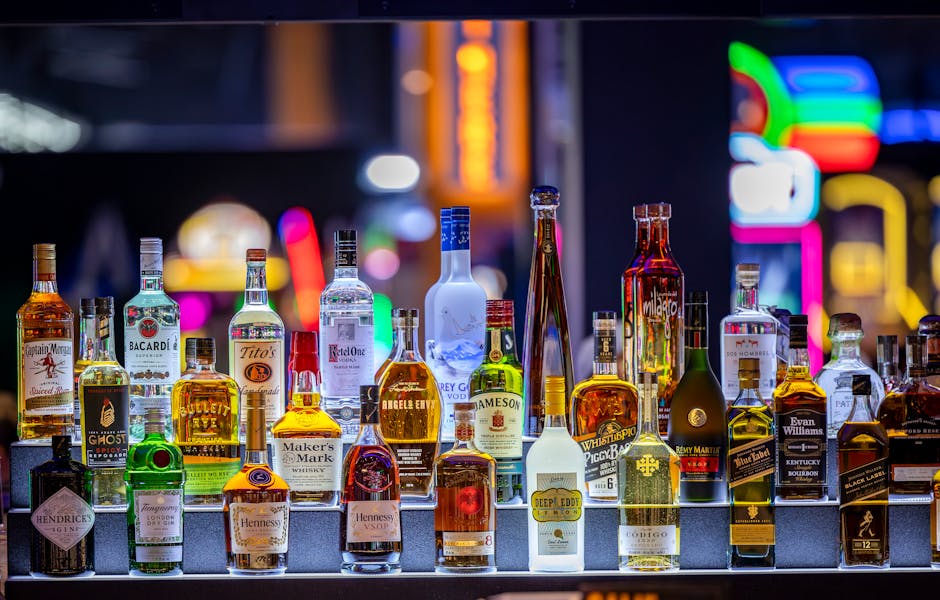
    world whisky brands collection bottles bar shelf 2026

    ๐Ÿฅƒ The Global Whisky Landscape in 2026

    The whisky world has changed dramatically. According to the Distilled Spirits Council’s 2026 market report, global whisky sales crossed $75 billion USD for the first time, with Japanese and Indian whiskies posting the highest year-over-year growth at 18% and 22% respectively. Scotch whisky, while still the volume leader, saw slower growth at around 4%. This isn’t just trivia โ€” it tells us where the innovation, value, and excitement are actually happening right now.

    ๐Ÿด๓ ง๓ ข๓ ณ๓ ฃ๓ ด๓ ฟ Scotch Whisky: The Reliable Classic

    Scotch is the benchmark against which all other whiskies are often measured. The key categories you’ll encounter are Single Malt (from one distillery, 100% malted barley) and Blended Scotch (a mix of single malts and grain whiskies). Here’s a realistic breakdown:

    • Glenfiddich 12 Year (~$45): The world’s best-selling single malt. Fruity, approachable, great entry point. If you’re new to Scotch, start here.
    • Macallan 12 Year Sherry Oak (~$75): Rich dried fruit, chocolate, and spice. Consistently excellent, though the price has crept up in 2026 due to supply constraints.
    • Johnnie Walker Black Label (~$35): The gold standard in blended Scotch. Smoky, smooth, and wildly versatile for cocktails or sipping neat.
    • Lagavulin 16 Year (~$110): For peat lovers. Intensely smoky, medicinal, and polarizing โ€” but if it clicks for you, nothing else compares.

    Logical takeaway: Scotch offers the widest style range of any whisky category. If variety matters to you, Scotland has a bottle for every palate.

    ๐Ÿ‡ฏ๐Ÿ‡ต Japanese Whisky: Precision in a Glass

    Japanese whisky philosophy borrows heavily from Scotland but adds an obsession with balance and subtlety. The challenge in 2026? Availability. Premium Japanese bottles are still scarce due to the aging cycle limitations that began after the early 2010s boom.

    • Suntory Toki (~$40): Blended, light, and honeyed. Exceptional in a highball (whisky + sparkling water), which is the dominant Japanese drinking culture.
    • Nikka From the Barrel (~$65): A cult favorite. Cask-strength blended malt with incredible complexity for the price. One of the best value bottles in the world right now.
    • Yamazaki 12 Year (~$150โ€“$200): Beautiful stone fruit and mizunara oak character. Worth trying at a bar before committing to a full bottle at this price.
    • Hibiki Japanese Harmony (~$90): The poster child for Japanese blending artistry. Floral, silky, and endlessly drinkable.

    Logical takeaway: Japanese whisky rewards patience and mindful sipping. If you drink whisky as a ritual rather than a casual pour, this is your category.

    ๐Ÿ‡บ๐Ÿ‡ธ American Whiskey: Bold, Sweet, and Democratic

    American whiskey โ€” primarily Bourbon and Rye โ€” is defined by its grain bill and new charred oak aging requirement, which delivers that signature vanilla and caramel profile. The craft distillery explosion has added enormous diversity.

    • Buffalo Trace (~$30): Legendary value. Vanilla, toffee, and a hint of spice. Still hard to find consistently in 2026, but worth the hunt.
    • Maker’s Mark (~$35): Wheat-forward bourbon. Softer, sweeter, and excellent for beginners transitioning from flavored spirits.
    • Woodford Reserve (~$45): The craft bourbon benchmark. Balanced, complex, and approachable enough for both neat drinking and cocktails.
    • WhistlePig 10 Year Rye (~$75): If you’ve never tried rye whiskey, this is the definitive introduction. Spicy, bold, and deeply satisfying.

    Logical takeaway: American whiskey offers the best price-to-enjoyment ratio in the global market right now. For bang-for-your-buck drinking, this is your safest bet.

    ๐Ÿ‡ฎ๐Ÿ‡ช Irish Whiskey: The Underrated Crowd-Pleaser

    Triple-distilled for smoothness, Irish whiskey is often unfairly dismissed as “simple.” But the category is quietly having a 2026 renaissance, with over 45 active distilleries now operating on the island โ€” up from just 4 in 2000.

    • Jameson (~$28): The gateway Irish whiskey. Light, smooth, and mixable. Perfect for Irish Coffee or on the rocks.
    • Redbreast 12 Year (~$70): Single pot still Irish whiskey at its finest. Nutty, spicy, and creamy all at once. Genuinely world-class.
    • Green Spot (~$55): A beautiful, slightly grassy and fruity single pot still. The craft whiskey drinker’s Irish choice.
    whisky tasting flight comparison glass neat pour amber

    ๐ŸŒ Rising Stars: Taiwan & India

    Here’s where things get genuinely exciting in 2026. Kavalan from Taiwan (aged in a subtropical climate that accelerates maturation) and Amrut from India are no longer novelties โ€” they’re legitimate world-class contenders.

    • Kavalan Concertmaster (~$85): Port cask finish. Tropical fruits, rich chocolate, and a velvet texture. Absolutely stunning.
    • Amrut Fusion (~$60): Peated Indian barley meets unpeated Scottish barley. Surprisingly complex, excellent value for what’s in the glass.

    The rapid aging in warmer climates means you get 10-year flavor profiles in 3โ€“5 years of barrel time. That’s not a shortcut โ€” it’s genuinely a different and valid expression of the craft.

    ๐Ÿ“Š Quick Comparison at a Glance

    • Best for Beginners: Glenfiddich 12 Year or Maker’s Mark
    • Best Value Under $50: Nikka From the Barrel or Buffalo Trace
    • Best for Gifting: Hibiki Harmony or Macallan 12 Sherry Oak
    • Best for Cocktails: Johnnie Walker Black Label or Jameson
    • Most Adventurous Choice: Kavalan Concertmaster or Amrut Fusion
    • Best Splurge: Yamazaki 12 Year or Redbreast 15 Year

    ๐Ÿ”„ Realistic Alternatives Based on Your Situation

    Not everyone can drop $100+ on a bottle, and that’s completely fine. Here’s how I’d think through it:

    • If budget is tight ($25โ€“$40): Jameson, Maker’s Mark, or Johnnie Walker Black Label will genuinely satisfy without compromise.
    • If you’re exploring but cautious: Order a dram at a whisky bar first. A $12 pour of Yamazaki tells you whether you need the $180 bottle.
    • If you’re building a home bar: One Bourbon (Woodford Reserve), one Scotch (Glenfiddich 12), one Irish (Jameson) covers 90% of what guests will enjoy.
    • If you want to impress without overspending: Kavalan or Amrut Fusion consistently surprises people and costs far less than comparable Japanese or Scotch bottles.

    The truth is, the “best” whisky is almost always the one you actually enjoy drinking. Regional pride, marketing, and price tags can seriously cloud your judgment. Taste widely, trust your palate, and don’t let anyone โ€” including a lifestyle blogger โ€” tell you your preference is wrong.

    Editor’s Comment : After going through all these bottles analytically, the one I keep coming back to personally is Nikka From the Barrel. It punches so far above its price class that recommending anything else under $80 feels almost dishonest. But if someone handed me a glass of Kavalan Concertmaster right now, I wouldn’t say no โ€” and I think that’s the real lesson here. The whisky world in 2026 has never been more exciting, more diverse, or more accessible. Don’t let analysis paralysis keep you from just opening a bottle and enjoying it.


    ๐Ÿ“š ๊ด€๋ จ๋œ ๋‹ค๋ฅธ ๊ธ€๋„ ์ฝ์–ด ๋ณด์„ธ์š”

    ํƒœ๊ทธ: [‘world whisky brands 2026’, ‘whisky comparison review’, ‘best whisky bottles’, ‘scotch vs japanese whisky’, ‘bourbon recommendations’, ‘whisky buying guide’, ‘premium spirits review’]

  • 2026๋…„ ์„ธ๊ณ„ ์œ„์Šคํ‚ค ๋ธŒ๋žœ๋“œ ๋น„๊ต ๋ฆฌ๋ทฐ | ์Šค์นด์น˜ยท๋ฒ„๋ฒˆยท์žฌํŒจ๋‹ˆ์ฆˆยท์•„์ด๋ฆฌ์‹œ ์™„๋ฒฝ ์ •๋ฆฌ

    ์–ผ๋งˆ ์ „, ์˜ค๋žœ ์นœ๊ตฌ์™€ ํ™๋Œ€ ์–ด๋А ๋ฐ”(Bar)์— ์•‰์•„ ๋ฉ”๋‰ดํŒ์„ ํŽผ์ณค๋‹ค๊ฐ€ ์ž ์‹œ ๋ฉˆ์นซํ–ˆ์–ด์š”. ๊ธ€๋ Œํ”ผ๋”•, ๋ฉ”์ด์ปค์Šค ๋งˆํฌ, ์•ผ๋งˆ์žํ‚ค, ์ œ์ž„์Šจโ€ฆ ์ด๋ฆ„๋งŒ ๋ด๋„ ๊ฐ์ž ๋‹ค๋ฅธ ์„ธ๊ณ„์—์„œ ์˜จ ๊ฒƒ ๊ฐ™์€ ์œ„์Šคํ‚ค๋“ค์ด ๋นผ๊ณกํ•˜๊ฒŒ ์ ํ˜€ ์žˆ์—ˆ๊ฑฐ๋“ ์š”. ์นœ๊ตฌ๊ฐ€ ๋ฌผ์—ˆ์Šต๋‹ˆ๋‹ค. “์ด๊ฑฐ ๋ญ๊ฐ€ ๋‹ฌ๋ผ?


    ๐Ÿ“š ๊ด€๋ จ๋œ ๋‹ค๋ฅธ ๊ธ€๋„ ์ฝ์–ด ๋ณด์„ธ์š”

    ํƒœ๊ทธ: []

  • China’s Baijiu Goes Global in 2026: Can the World’s Most-Consumed Spirit Finally Win Western Hearts?

    Picture this: It’s a crisp evening in New York City, and a sleek cocktail bar in Manhattan has just added something unexpected to its menu โ€” a smoky, floral baijiu-based negroni. The bartender explains it with quiet confidence: “Think of it like mezcal, but older. Much, much older.” The couple at the bar exchange curious glances, shrug, and order two. That scene, once unthinkable outside of Chengdu or Shanghai, is becoming increasingly common in 2026 โ€” and it tells us something important about where the global spirits market is heading.

    Baijiu (็™ฝ้…’), which literally translates to “white liquor,” is the world’s best-selling spirit by volume โ€” outselling whisky, vodka, and rum combined. Yet until recently, nearly all of that consumption happened within China’s borders. So what changed? And more importantly, what does the global baijiu push mean for consumers, bartenders, and investors worldwide?

    Let’s think through this together.

    baijiu glass Chinese liquor premium bottle bar setting

    The Numbers Don’t Lie: Baijiu’s Global Ambition Is Real

    In 2026, the global baijiu export market is estimated to surpass $1.2 billion USD โ€” a figure that sounds modest compared to Scotch whisky’s $7+ billion, but represents a dramatic acceleration from just a few years ago. According to industry reports from the IWSR (International Wine & Spirits Research), baijiu exports have grown at roughly 18โ€“22% annually since 2022, with the steepest upticks in North America, Western Europe, and Southeast Asia.

    The key driver? A deliberate premiumization strategy by China’s top baijiu brands. Rather than competing on price or volume in foreign markets, houses like Moutai (่Œ…ๅฐ), Wuliangye (ไบ”็ฒฎๆถฒ), and Luzhou Laojiao (ๆณธๅทž่€็ช–) are positioning their flagship products as ultra-premium luxury spirits โ€” the kind that belong next to aged Cognac and single-malt Scotch on the top shelf.

    Why Now? The Perfect Storm of Factors in 2026

    Several converging trends explain the timing of baijiu’s international breakout moment:

    • The Chinese diaspora effect: An estimated 50+ million overseas Chinese now represent a built-in consumer base that’s been quietly purchasing baijiu in specialty Asian grocery stores for decades. Brands are finally formalizing this channel.
    • Cocktail culture’s thirst for novelty: The global craft cocktail scene, post-pandemic, has been aggressively hunting for new base spirits. Baijiu โ€” with its extraordinary aromatic complexity (there are 12 recognized aroma categories!) โ€” offers bartenders something genuinely new to work with.
    • Sustainability credibility: Many baijiu producers use traditional fermentation pits that are hundreds of years old, and the production process is deeply terroir-driven โ€” narratives that resonate strongly with today’s conscious luxury consumer.
    • Diplomatic soft power: China’s cultural export strategy increasingly uses baijiu as a prestige ambassador. State banquets, international sports events, and cultural festivals in 2025โ€“2026 have featured baijiu prominently.
    • Digital discovery: Short-form video content on platforms popular globally has created genuine viral moments around baijiu tasting and cocktail experiments, sparking organic curiosity among younger consumers.

    Real-World Examples: Who’s Making It Work?

    Let’s look at concrete cases that illustrate both the opportunities and the challenges:

    Moutai’s Luxury Play in Europe: Kweichow Moutai has opened branded experience stores (think Apple Store meets distillery museum) in Paris and London. Their flagship sauce-aroma (้…ฑ้ฆ™ๅž‹) baijiu retails at โ‚ฌ300โ€“โ‚ฌ500 per bottle, and they’ve partnered with Michelin-starred restaurants to offer curated food pairings. Early reception has been cautiously positive โ€” critics describe it as “challenging but rewarding,” which in wine-speak is practically a rave review.

    Luzhou Laojiao in the US Cocktail Scene: Luzhou Laojiao has taken a smarter grassroots approach in North America, sponsoring cocktail competitions and working directly with influential bartenders in cities like San Francisco, Chicago, and Toronto. Their strong-aroma (ๆต“้ฆ™ๅž‹) style is generally considered more approachable for Western palates. The strategy is working โ€” brand mentions in cocktail menus have tripled since 2024.

    Wuliangye’s Southeast Asia Pivot: Rather than fighting an uphill battle in markets with zero cultural familiarity, Wuliangye doubled down on Southeast Asia โ€” Vietnam, Thailand, Singapore, and Indonesia โ€” where Chinese culinary culture already has deep roots. This pragmatic approach has delivered the fastest volume growth of any major baijiu brand internationally in 2026.

    Startup Challengers โ€” The Neo-Baijiu Movement: Interestingly, a new wave of craft baijiu producers โ€” some Chinese, some Western-founded โ€” are emerging specifically for international palates. Brands like Ming River (a collaboration between Chinese distillers and American spirits professionals) have been quietly winning converts in the UK and US by offering lighter, lower-ABV expressions designed to ease newcomers into the category.

    baijiu cocktail craft bar mixology global spirits trend 2026

    The Real Challenges: Let’s Be Honest

    It would be intellectually dishonest not to address the significant hurdles. Baijiu typically clocks in at 40โ€“60% ABV, and its flavor profile โ€” which can include notes of soy sauce, dried fruit, barnyard, and petrol (yes, petrol โ€” think Riesling) โ€” is a genuine acquired taste. Western consumers raised on the relative smoothness of vodka or the vanilla warmth of bourbon face a real palatability gap.

    There’s also a regulatory maze: import classifications, labeling requirements, and alcohol marketing restrictions vary enormously across markets, adding cost and complexity that smaller baijiu brands simply can’t absorb.

    Realistic Alternatives: How to Engage With This Trend

    Whether you’re a curious consumer, a bar professional, or someone with a business interest in spirits, here’s how to think about approaching baijiu realistically in 2026:

    • If you’re a first-time taster: Start with light-aroma (ๆธ…้ฆ™ๅž‹) baijiu, which is cleaner and more neutral. Try it in a cocktail first โ€” a baijiu mojito or baijiu-based sour is a genuinely excellent entry point.
    • If you’re a bartender: The strong-aroma category (ๆต“้ฆ™ๅž‹) is your playground. Its fruity, earthy complexity pairs brilliantly with citrus, ginger, and herbal liqueurs. Don’t try to hide it โ€” let it speak.
    • If you’re an investor or retailer: The premium tier is crowded and capital-intensive. The smarter play in 2026 is mid-range approachable baijiu targeting the cocktail-on-premise channel in major urban centers.
    • If you’re hosting a dinner: Pair sauce-aroma baijiu with umami-rich foods โ€” aged cheeses, cured meats, miso-glazed dishes. The synergy is remarkable and makes for a memorable conversation piece.

    The global baijiu story is still in its early chapters. The brands that win internationally won’t necessarily be the ones with the deepest Chinese heritage credentials โ€” they’ll be the ones that best translate an ancient, complex tradition into a language that curious global consumers can access and enjoy on their own terms.

    And honestly? That’s a fascinating translation project worth watching.

    Editor’s Comment : Baijiu’s global expansion in 2026 is one of the most genuinely interesting stories in the spirits world right now โ€” not because success is guaranteed, but because the tension between cultural authenticity and market accessibility makes it a real test case for how traditional products can evolve without losing their soul. My honest take: give it five more years and a good cocktail bar near you will have at least two baijiu expressions on the menu. Start exploring now, before it becomes trendy and you lose your bragging rights.


    ๐Ÿ“š ๊ด€๋ จ๋œ ๋‹ค๋ฅธ ๊ธ€๋„ ์ฝ์–ด ๋ณด์„ธ์š”

    ํƒœ๊ทธ: [‘baijiu global market 2026’, ‘Chinese spirits international expansion’, ‘baijiu cocktails’, ‘premium spirits trends’, ‘Moutai export strategy’, ‘craft spirits discovery’, ‘China soft power drinks’]

  • ์ค‘๊ตญ ๋ฐ”์ด์ฃผ, ์„ธ๊ณ„๋ฅผ ๊ณต๋žตํ•œ๋‹ค โ€” 2026๋…„ ๊ธ€๋กœ๋ฒŒ ์‹œ์žฅ ์ง„์ถœ ํŠธ๋ Œ๋“œ ์™„๋ฒฝ ๋ถ„์„

    ์ง€๋‚œํ•ด ๋ง, ์œ ๋Ÿฝ์˜ ํ•œ ๋ฏธ์А๋žญ ์Šคํƒ€ ๋ ˆ์Šคํ† ๋ž‘์—์„œ ํฅ๋ฏธ๋กœ์šด ์ผ์ด ์žˆ์—ˆ๋‹ค๊ณ  ํ•ด์š”. ์†Œ๋ฏˆ๋ฆฌ์—๊ฐ€ ์†๋‹˜์—๊ฒŒ ์™€์ธ ๋Œ€์‹  ์ค‘๊ตญ์‚ฐ ๋ฐ”์ด์ฃผ(็™ฝ้…’)๋ฅผ ํŽ˜์–ด๋ง์œผ๋กœ ์ œ์•ˆํ–ˆ๊ณ , ๊ทธ ์†๋‹˜์€ ๋†€๋ž๋„๋ก ๋ณต์žกํ•œ ํ–ฅ๊ณผ ์—ฌ์šด์— ๊ฐํƒ„ํ–ˆ๋‹ค๋Š” ์ด์•ผ๊ธฐ์ž…๋‹ˆ๋‹ค. ๋ถˆ๊ณผ 5๋…„ ์ „๋งŒ ํ•ด๋„ ์ƒ์ƒํ•˜๊ธฐ ํž˜๋“  ์žฅ๋ฉด์ด์—ˆ์ฃ . ์ค‘๊ตญ ๊ณ ์œ ์˜ ์ฆ๋ฅ˜์ฃผ์ธ ๋ฐ”์ด์ฃผ๊ฐ€ ์ด์ œ ๋‹จ์ˆœํ•œ ‘์ค‘๊ตญ ์ˆ ’์˜ ํ‹€์„ ๋ฒ—์–ด๋‚˜, ๊ธ€๋กœ๋ฒŒ ํ”„๋ฆฌ๋ฏธ์—„ ์Šคํ”ผ๋ฆฟ ์‹œ์žฅ์—์„œ ์ง„์ง€ํ•˜๊ฒŒ ๋…ผ์˜๋˜๊ธฐ ์‹œ์ž‘ํ–ˆ์Šต๋‹ˆ๋‹ค. 2026๋…„ ํ˜„์žฌ, ์ด ํŠธ๋ Œ๋“œ๋Š” ๋‹จ์ˆœํ•œ ๋ฐ˜์ง ๊ด€์‹ฌ์ด ์•„๋‹ˆ๋ผ ํ•˜๋‚˜์˜ ์‚ฐ์—… ํ๋ฆ„์œผ๋กœ ์ž๋ฆฌ ์žก๊ณ  ์žˆ๋‹ค๊ณ  ๋ด…๋‹ˆ๋‹ค.

    Chinese baijiu premium bottle luxury global market

    ๐Ÿ“Š ์ˆซ์ž๋กœ ๋ณด๋Š” ๋ฐ”์ด์ฃผ ๊ธ€๋กœ๋ฒŒ ์‹œ์žฅ์˜ ํ˜„์ฃผ์†Œ

    ๋ฐ”์ด์ฃผ๋Š” ์ด๋ฏธ ์„ธ๊ณ„์—์„œ ๊ฐ€์žฅ ๋งŽ์ด ํŒ”๋ฆฌ๋Š” ์ฆ๋ฅ˜์ฃผ ์นดํ…Œ๊ณ ๋ฆฌ ์ค‘ ํ•˜๋‚˜์ž…๋‹ˆ๋‹ค. ์ค‘๊ตญ ๋‚ด์ˆ˜ ์†Œ๋น„๋Ÿ‰๋งŒ ๋”ฐ์ ธ๋„ ์ „ ์„ธ๊ณ„ ์ฆ๋ฅ˜์ฃผ ์†Œ๋น„์˜ ์•ฝ 35~40%๋ฅผ ์ฐจ์ง€ํ•  ์ •๋„์ธ๋ฐ์š”. ๋ฌธ์ œ๋Š”, ์ด ์••๋„์ ์ธ ์†Œ๋น„๋Ÿ‰์ด ์˜ค๋žซ๋™์•ˆ ์ค‘๊ตญ ๊ตญ๊ฒฝ ์•ˆ์—๋งŒ ๋จธ๋ฌผ๋Ÿฌ ์žˆ์—ˆ๋‹ค๋Š” ์ ์ด์—์š”.

    ํ•˜์ง€๋งŒ 2026๋…„ ๊ธฐ์ค€์œผ๋กœ ์ƒํ™ฉ์€ ๋‹ฌ๋ผ์ง€๊ณ  ์žˆ์Šต๋‹ˆ๋‹ค. ๊ธ€๋กœ๋ฒŒ ์‹œ์žฅ ์กฐ์‚ฌ ๊ธฐ๊ด€ IWSR(International Wine & Spirits Research)์˜ ์ตœ๊ทผ ๋ฆฌํฌํŠธ์— ๋”ฐ๋ฅด๋ฉด, ๋ฐ”์ด์ฃผ์˜ ์ค‘๊ตญ ์™ธ ์‹œ์žฅ ๋งค์ถœ์€ 2022๋…„ ๋Œ€๋น„ ์•ฝ ์—ฐํ‰๊ท  18~22% ์„ฑ์žฅํ•˜๊ณ  ์žˆ๋Š” ๊ฒƒ์œผ๋กœ ์ถ”์ •๋ฉ๋‹ˆ๋‹ค. ํŠนํžˆ ์ฃผ๋ชฉํ•  ์‹œ์žฅ์€ ๋‹ค์Œ๊ณผ ๊ฐ™์•„์š”.

    • ๋™๋‚จ์•„์‹œ์•„(์‹ฑ๊ฐ€ํฌ๋ฅดยท๋ง๋ ˆ์ด์‹œ์•„ยท๋ฒ ํŠธ๋‚จ): ํ™”๊ต ๋ฌธํ™”๊ถŒ์˜ ํƒ„ํƒ„ํ•œ ์†Œ๋น„ ๊ธฐ๋ฐ˜ ์œ„์— MZ์„ธ๋Œ€์˜ ์‹ ๊ทœ ์œ ์ž…์ด ๋”ํ•ด์ง€๋ฉฐ ํญ๋ฐœ์  ์„ฑ์žฅ ์ค‘.
    • ๋ถ๋ฏธ(๋ฏธ๊ตญยท์บ๋‚˜๋‹ค): ์•„์‹œ์•ˆ ๋‹ค์ด์• ์Šคํฌ๋ผ ์ปค๋ฎค๋‹ˆํ‹ฐ๋ฅผ ๊ต๋‘๋ณด ์‚ผ์•„ ์ฃผ๋ฅ˜ ๋งˆ์ผ“์œผ๋กœ ์ง„์ž… ์‹œ๋„. ํ•˜์ด์—”๋“œ ๋ฐ”์ด์ฃผ ๋ธŒ๋žœ๋“œ์˜ ๋‰ด์š•ยทLA ํŒ์—… ๋ฐ” ์šด์˜ ์‚ฌ๋ก€ ์ฆ๊ฐ€.
    • ์œ ๋Ÿฝ(ํ”„๋ž‘์Šคยท๋…์ผยท์˜๊ตญ): ์œ„์Šคํ‚คยท์ฝ”๋ƒ‘ ์• ํ˜ธ๊ฐ€ ์ธต์„ ํƒ€๊นƒ์œผ๋กœ ํ•œ ‘ํ”„๋ฆฌ๋ฏธ์—„ ์Šคํ”ผ๋ฆฟ’ ํฌ์ง€์…”๋‹ ์ „๋žต ๊ตฌ์‚ฌ.
    • ํ•œ๊ตญ: ๋งˆ์˜คํƒ€์ด(่Œ…ๅฐ)๋ฅผ ์ค‘์‹ฌ์œผ๋กœ ํ•œ ๊ณ ๊ฐ€ ์„ ๋ฌผ์šฉ ์‹œ์žฅ ์™ธ์—๋„, 2030์„ธ๋Œ€ ์‚ฌ์ด์—์„œ ‘ํž™ํ•œ ์™ธ๋ž˜์ฃผ’๋กœ ์žฌ๋ฐœ๊ฒฌ๋˜๋Š” ์ถ”์„ธ.

    ๋งˆ์˜คํƒ€์ด ๊ทธ๋ฃน์˜ ๊ฒฝ์šฐ 2025๋…„ ํ•ด์™ธ ๋งค์ถœ ๋น„์ค‘์ด ์ „์ฒด์˜ ์•ฝ 5%๋ฅผ ๋ŒํŒŒํ–ˆ๋‹ค๊ณ  ๋ฐœํ‘œํ–ˆ๋Š”๋ฐ, ๊ธˆ์•ก ๊ธฐ์ค€์œผ๋กœ๋Š” ์ˆ˜์‹ญ์–ต ์œ„์•ˆ ๊ทœ๋ชจ์— ๋‹ฌํ•ฉ๋‹ˆ๋‹ค. ์ ˆ๋Œ€์  ์ˆ˜์น˜๋ณด๋‹ค ์ค‘์š”ํ•œ ๊ฑด ์„ฑ์žฅ ์†๋„์™€ ๋ฐฉํ–ฅ์„ฑ์ด๋ผ๊ณ  ๋ด…๋‹ˆ๋‹ค.

    ๐ŸŒ ๊ธ€๋กœ๋ฒŒ ์ง„์ถœ ์ „๋žต: ๋ธŒ๋žœ๋“œ๋“ค์€ ์–ด๋–ป๊ฒŒ ์›€์ง์ด๊ณ  ์žˆ๋‚˜?

    ๋ฐ”์ด์ฃผ ๋ธŒ๋žœ๋“œ๋“ค์˜ ๊ธ€๋กœ๋ฒŒ ์ „๋žต์€ ํฌ๊ฒŒ ๋‘ ๊ฐˆ๋ž˜๋กœ ๋‚˜๋‰˜๋Š” ๊ฒƒ ๊ฐ™์•„์š”. ํ•˜๋‚˜๋Š” ‘ํ”„๋ฆฌ๋ฏธ์—„ ๋ฌธํ™” ์™ธ๊ต’ ๋ฐฉ์‹์ด๊ณ , ๋‹ค๋ฅธ ํ•˜๋‚˜๋Š” ‘๋ฏน์†”๋กœ์ง€(Mixology) ์นœํ™” ์ „๋žต’์ž…๋‹ˆ๋‹ค.

    โ‘  ๋งˆ์˜คํƒ€์ด(Moutai) โ€” ๋ฌธํ™” ํ”„๋ฆฌ๋ฏธ์—„ ์ „๋žต
    ๋งˆ์˜คํƒ€์ด๋Š” ์˜ค๋žซ๋™์•ˆ ์ค‘๊ตญ ๊ตญ๋นˆ ๋งŒ์ฐฌ์˜ ์ƒ์ง•์ด์—ˆ์ฃ . ์ด ‘์™ธ๊ต์ฃผ(ๅค–ไบค้…’)’ ์ด๋ฏธ์ง€๋ฅผ ๊ธ€๋กœ๋ฒŒ ๋Ÿญ์…”๋ฆฌ ํฌ์ง€์…”๋‹์œผ๋กœ ํ™•์žฅํ•˜๋Š” ์ „๋žต์„ ๊ตฌ์‚ฌํ•˜๊ณ  ์žˆ์–ด์š”. ํŒŒ๋ฆฌ ์˜คํŠธ ์ฟ ํŠ€๋ฅด ์œ„ํฌ ๊ธฐ๊ฐ„ ์ค‘ ๋ฆฌ์…‰์…˜ ์Šคํฐ์„œ์‹ญ, ๋Ÿฐ๋˜ ์†Œ๋”๋น„ ๊ฒฝ๋งค์™€์˜ ์ปฌ๋ž˜๋ฒ„๋ ˆ์ด์…˜ ๋“ฑ์ด ๋Œ€ํ‘œ์ ์ธ ์‚ฌ๋ก€์ž…๋‹ˆ๋‹ค. ‘๋งˆ์‹œ๋Š” ์ˆ ’์ด ์•„๋‹ˆ๋ผ ‘์†Œ์žฅํ•˜๋Š” ๋ฌธํ™”์žฌ’๋กœ ํฌ์ง€์…”๋‹ํ•˜๋Š” ์…ˆ์ด์—์š”.

    โ‘ก ๋ฃจ์ €์šฐ๋ผ์˜ค์ž์˜ค(ๆณธๅทž่€็ช–)ยท์šฐ๋Ÿ‰์˜ˆ(ไบ”็ฒฎๆถฒ) โ€” ๋ฏน์†”๋กœ์ง€ ์ „๋žต
    ์ Š์€ ์ธต์„ ๊ณต๋žตํ•˜๊ธฐ ์œ„ํ•ด ์นตํ…Œ์ผ ๋ฒ ์ด์Šค๋กœ์˜ ํ™œ์šฉ์„ ์ ๊ทน ํ™๋ณดํ•˜๊ณ  ์žˆ์Šต๋‹ˆ๋‹ค. ๋‰ด์š•์˜ ํŠธ๋ Œ๋””ํ•œ ๋ฐ”์—์„œ ‘๋ฐ”์ด์ฃผ ์Šคํ”„๋ฆฌ์ธ ’๋‚˜ ‘๋ฐ”์ด์ฃผ ๋„ค๊ทธ๋กœ๋‹ˆ’๊ฐ€ ๋ฉ”๋‰ด์— ๋“ฑ์žฅํ•˜๋Š” ๊ฑด ์ด๋ฏธ ๋‚ฏ์„  ํ’๊ฒฝ์ด ์•„๋‹Œ๋ฐ์š”. ์‹ค์ œ๋กœ 2025๋…„ ๋‰ด์š• ๋ฐ”ํ…๋” ์ฑ”ํ”ผ์–ธ์‹ญ์—์„œ ๋ฐ”์ด์ฃผ๋ฅผ ํ™œ์šฉํ•œ ์นตํ…Œ์ผ์ด ํŒŒ์ด๋„์— ์ง„์ถœํ•˜๋ฉฐ ์—…๊ณ„์˜ ์ด๋ชฉ์„ ๋Œ๊ธฐ๋„ ํ–ˆ์Šต๋‹ˆ๋‹ค.

    baijiu cocktail mixology bar trendy young people

    ๐Ÿšง ๋„˜์–ด์•ผ ํ•  ๋ฒฝ: ๋ฐ”์ด์ฃผ๊ฐ€ ์ง๋ฉดํ•œ ํ˜„์‹ค์  ๊ณผ์ œ๋“ค

    ๋ฌผ๋ก  ์žฅ๋ฐ‹๋น› ์ „๋ง๋งŒ ์žˆ๋Š” ๊ฑด ์•„๋‹ˆ์—์š”. ๋ฐ”์ด์ฃผ์˜ ๊ธ€๋กœ๋ฒŒํ™”์—๋Š” ๊ฝค ๋†’์€ ์žฅ๋ฒฝ์ด ์กด์žฌํ•œ๋‹ค๊ณ  ๋ด…๋‹ˆ๋‹ค.

    • ํ–ฅ๋ฏธ ์žฅ๋ฒฝ: ๋ฐ”์ด์ฃผ ํŠน์œ ์˜ ‘์žฅํ–ฅ(้†ฌ้ฆ™)’์ด๋‚˜ ‘๋†ํ–ฅ(ๆฟƒ้ฆ™)’์€ ์„œ์–‘ ์†Œ๋น„์ž์—๊ฒŒ ๋‚ฏ์„ค๊ณ  ๊ฐ•๋ ฌํ•˜๊ฒŒ ๋А๊ปด์งˆ ์ˆ˜ ์žˆ์–ด์š”. ์ฒซ ๋ชจ๊ธˆ์—์„œ ๊ฑฐ๋ถ€๊ฐ์„ ๊ทน๋ณตํ•˜๊ฒŒ ํ•˜๋Š” ‘์˜จ๋ณด๋”ฉ ๊ฒฝํ—˜’ ์„ค๊ณ„๊ฐ€ ํ•ต์‹ฌ ๊ณผ์ œ์ž…๋‹ˆ๋‹ค.
    • ๊ทœ์ œ ๋ฐ ๋ผ๋ฒจ๋ง ๋ฌธ์ œ: ์œ ๋Ÿฝ๊ณผ ๋ถ๋ฏธ ์‹œ์žฅ์—์„œ๋Š” ์•Œ์ฝ”์˜ฌ ๋„์ˆ˜ ํ‘œ๊ธฐ, ์„ฑ๋ถ„ ๊ณต๊ฐœ ๊ธฐ์ค€์ด ์ค‘๊ตญ๊ณผ ๋‹ฌ๋ผ ์ˆ˜์ž… ์ ˆ์ฐจ๊ฐ€ ๋ณต์žกํ•ด์š”.
    • ๊ฐ€๊ฒฉ ์ธ์‹ ๋ถˆ๊ท ํ˜•: ๋งˆ์˜คํƒ€์ด ํ•œ ๋ณ‘์ด ์ˆ˜์‹ญ๋งŒ ์›์„ ํ˜ธ๊ฐ€ํ•˜์ง€๋งŒ, ํ•ด์™ธ ์†Œ๋น„์ž๋“ค์ด ์•„์ง ๊ทธ ๊ฐ€์น˜๋ฅผ ์ธ์ง€ํ•˜์ง€ ๋ชปํ•˜๋Š” ๊ฒฝ์šฐ๊ฐ€ ๋งŽ์Šต๋‹ˆ๋‹ค. ‘๋น„์‹ผ ์ˆ ’์ด๋ผ๋Š” ์ธ์‹๊ณผ ‘์™œ ๋น„์‹ผ์ง€ ๋ชจ๋ฅด๊ฒ ๋‹ค’๋Š” ๊ฐ„๊ทน์„ ์ขํžˆ๋Š” ๊ต์œก์ด ํ•„์š”ํ•ด์š”.
    • ์ง€์ •ํ•™์  ๋ฆฌ์Šคํฌ: ๋ฏธยท์ค‘ ๋ฌด์—ญ ๊ฐˆ๋“ฑ, ๊ฐ๊ตญ์˜ ์ค‘๊ตญ์‚ฐ ์ œํ’ˆ์— ๋Œ€ํ•œ ์ธ์‹ ๋“ฑ ์™ธ๋ถ€ ๋ณ€์ˆ˜๋„ ๋ฌด์‹œํ•  ์ˆ˜ ์—†๋Š” ์ƒํ™ฉ์ž…๋‹ˆ๋‹ค.

    ๐Ÿ‡ฐ๐Ÿ‡ท ํ•œ๊ตญ ์‹œ์žฅ์—์„œ์˜ ๋ฐ”์ด์ฃผ โ€” ์šฐ๋ฆฌ์—๊ฒŒ๋Š” ์–ด๋–ค ์˜๋ฏธ์ผ๊นŒ?

    ํ•œ๊ตญ์€ ๋ฐ”์ด์ฃผ์˜ ์ž ์žฌ์  ํ•ต์‹ฌ ์‹œ์žฅ ์ค‘ ํ•˜๋‚˜๋ผ๊ณ  ๋ณผ ์ˆ˜ ์žˆ์–ด์š”. ์ด๋ฏธ ๋งˆ์˜คํƒ€์ด๋Š” ๊ณ ๊ธ‰ ํ•œ์‹๋‹น๊ณผ ์ค‘์‹๋‹น์„ ์ค‘์‹ฌ์œผ๋กœ ํ”„๋ฆฌ๋ฏธ์—„ ์„ ๋ฌผ ์„ธํŠธ ์‹œ์žฅ์—์„œ ์ž๋ฆฌ๋ฅผ ์žก์•˜๊ณ , ์ตœ๊ทผ์—๋Š” ๊ฐ•๋‚จยท์„ฑ์ˆ˜ ์ผ๋Œ€ ํŠธ๋ Œ๋””ํ•œ ๋ฐ”์—์„œ ๋ฐ”์ด์ฃผ ๊ธฐ๋ฐ˜ ์นตํ…Œ์ผ์„ ๋‹ค๋ฃจ๋Š” ๊ณณ์ด ๋ˆˆ์— ๋„๊ฒŒ ๋Š˜์—ˆ์Šต๋‹ˆ๋‹ค.

    ํฅ๋ฏธ๋กœ์šด ์ ์€, ํ•œ๊ตญ์˜ ‘์ „ํ†ต์ฃผ ๋ฅด๋„ค์ƒ์Šค’ ํŠธ๋ Œ๋“œ์™€ ๊ฒฐ์ด ๋‹ฟ๋Š”๋‹ค๋Š” ๊ฑฐ์˜ˆ์š”. ์šฐ๋ฆฌ๋‚˜๋ผ์—์„œ ๋ง‰๊ฑธ๋ฆฌ์™€ ์†Œ์ฃผ์˜ ํ”„๋ฆฌ๋ฏธ์—„ํ™”๊ฐ€ ์ด๋ฃจ์–ด์ง€๋“ฏ, ์ค‘๊ตญ์˜ ๋ฐ”์ด์ฃผ๋„ ‘์ „ํ†ต ๋ฐœํšจยท์ฆ๋ฅ˜ ๋ฌธํ™”์˜ ํ˜„๋Œ€์  ์žฌํ•ด์„’์ด๋ผ๋Š” ๋งฅ๋ฝ์—์„œ ๊ณต๊ฐ๋Œ€๋ฅผ ํ˜•์„ฑํ•˜๊ธฐ ์ข‹์€ ์กฐ๊ฑด์„ ๊ฐ–์ถ”๊ณ  ์žˆ์Šต๋‹ˆ๋‹ค. ์•„์‹œ์•„ ์ฆ๋ฅ˜์ฃผ ์ „์ฒด์˜ ์œ„์ƒ์ด ํ•จ๊ป˜ ์˜ฌ๋ผ๊ฐ€๋Š” ๊ตฌ์กฐ์ธ ์…ˆ์ด์ฃ .


    ์—๋””ํ„ฐ ์ฝ”๋ฉ˜ํŠธ : ๋ฐ”์ด์ฃผ์˜ ๊ธ€๋กœ๋ฒŒ ์ง„์ถœ์„ ๋‹จ์ˆœํžˆ ‘์ค‘๊ตญ ์ˆ ์ด ์„ธ๊ณ„๋กœ ๋‚˜๊ฐ„๋‹ค’๋Š” ๊ด€์ ์œผ๋กœ๋งŒ ๋ณด๋ฉด ๋†“์น˜๋Š” ๊ฒŒ ๋งŽ๋‹ค๊ณ  ์ƒ๊ฐํ•ด์š”. ์ด๊ฑด ์‚ฌ์‹ค ์•„์‹œ์•„ ์Œ์ฃผ ๋ฌธํ™” ์ „์ฒด๊ฐ€ ์„œ๊ตฌ ์ค‘์‹ฌ์˜ ํ”„๋ฆฌ๋ฏธ์—„ ์ฃผ๋ฅ˜ ์‹œ์žฅ์—์„œ ์ฃผ์ฒด์  ๋ชฉ์†Œ๋ฆฌ๋ฅผ ๋‚ด๊ธฐ ์‹œ์ž‘ํ–ˆ๋‹ค๋Š” ์‹ ํ˜ธ์ด๊ธฐ๋„ ํ•˜๊ฑฐ๋“ ์š”. ์œ„์Šคํ‚ค๋Š” ์Šค์ฝ”ํ‹€๋žœ๋“œ, ์ฝ”๋ƒ‘์€ ํ”„๋ž‘์Šค๋ผ๋Š” ๊ณต์‹์ฒ˜๋Ÿผ, ์–ธ์  ๊ฐ€ ‘์ตœ๊ณ ์˜ ์Šคํ”ผ๋ฆฟ์€ ๊ท€์ฃผ(่ฒดๅทž)์—์„œ ์˜จ๋‹ค’๋Š” ๋ง์ด ์ž์—ฐ์Šค๋Ÿฌ์›Œ์งˆ ๋‚ ์ด ์˜ฌ ์ˆ˜๋„ ์žˆ์ง€ ์•Š์„๊นŒ์š”? ๋‹น์žฅ ๋„์ „ํ•ด๋ณด๊ณ  ์‹ถ๋‹ค๋ฉด, ์ €๋Š” ์ง„์ž… ์žฅ๋ฒฝ์ด ๋‚ฎ์€ ‘์ฒญํ–ฅํ˜•(ๆทธ้ฆ™ๅž‹)’ ๋ฐ”์ด์ฃผ๋‚˜ ๋ฐ”์ด์ฃผ ์นตํ…Œ์ผ๋ถ€ํ„ฐ ์‹œ์ž‘ํ•ด๋ณด์‹œ๊ธธ ๊ถŒํ•ด๋“œ๋ฆฝ๋‹ˆ๋‹ค. ๋‚ฏ์„ฆ์ด ๋งค๋ ฅ์ด ๋˜๋Š” ์ˆœ๊ฐ„, ๊ทธ๊ฒŒ ๋ฐ”๋กœ ์ƒˆ๋กœ์šด ์ทจํ–ฅ์˜ ์‹œ์ž‘์ด๋‹ˆ๊นŒ์š”.


    ๐Ÿ“š ๊ด€๋ จ๋œ ๋‹ค๋ฅธ ๊ธ€๋„ ์ฝ์–ด ๋ณด์„ธ์š”

    ํƒœ๊ทธ: [‘๋ฐ”์ด์ฃผ’, ‘์ค‘๊ตญ์ˆ ๊ธ€๋กœ๋ฒŒ’, ‘๋ฐ”์ด์ฃผํŠธ๋ Œ๋“œ2026’, ‘๋งˆ์˜คํƒ€์ดํ•ด์™ธ์ง„์ถœ’, ‘ํ”„๋ฆฌ๋ฏธ์—„์Šคํ”ผ๋ฆฟ’, ‘์•„์‹œ์•„์ฃผ๋ฅ˜์‹œ์žฅ’, ‘๋ฐ”์ด์ฃผ์นตํ…Œ์ผ’]

  • Irish Whiskey Food Pairing Guide 2026: The Ultimate Companion for Every Sip and Bite

    A few years back, I was sitting in a small pub in Dublin, nursing a glass of Jameson and sharing a plate of smoked salmon with a local barman named Seamus. He leaned over the counter and said something I’ve never forgotten: “The whiskey doesn’t finish in the glass โ€” it finishes on the plate.” That single moment rewired everything I thought I knew about Irish whiskey. It wasn’t just a drink; it was half of a conversation that food needed to complete.

    Fast forward to 2026, and Irish whiskey is experiencing one of its most exciting renaissance periods in modern history. Global sales have grown by over 300% in the past decade, and with over 50 active distilleries now operating across the island of Ireland (up from just a handful in the early 2000s), the category has never been more diverse or food-pairing-friendly. So let’s think through this together โ€” what actually works, why it works, and how you can build your own perfect pairing table at home or at your next dinner party.

    Irish whiskey glass smoked salmon charcuterie board rustic wooden table

    Understanding the Flavor Spectrum of Irish Whiskey

    Before we pair anything, we need to understand what we’re working with. Irish whiskey is legally required to be distilled and aged on the island of Ireland for a minimum of three years in wooden casks. Unlike Scotch, which often uses peat in malting, most Irish whiskeys are triple-distilled for a noticeably smoother, lighter, and more approachable profile. But “smooth” doesn’t mean “simple” โ€” the range is genuinely impressive:

    • Single Malt Irish Whiskey (e.g., Teeling Single Malt, Bushmills 10 Year): Rich, fruity, sometimes nutty with hints of vanilla and toasted oak. These tend to be the most complex and pair beautifully with aged cheeses and charcuterie.
    • Single Pot Still Irish Whiskey (e.g., Redbreast 12, Powers John’s Lane): Uniquely Irish โ€” made from a mash of malted and unmalted barley. Delivers a spicy, creamy, almost oily texture with orchard fruit and spice notes. This is your best friend for hearty, savory foods.
    • Blended Irish Whiskey (e.g., Jameson, Tullamore D.E.W.): Light, approachable, gentle grain notes with soft fruit and floral undertones. Perfect for casual food pairings and lighter dishes.
    • Single Grain Irish Whiskey (e.g., Teeling Single Grain, Glendalough Single Grain): Sweet, delicate, and often wine-cask finished. Exceptional with desserts and sweet-savory combinations.

    The Science Behind Why Flavor Pairing Works

    Here’s where it gets genuinely fascinating. Flavor pairing theory โ€” popularized by chefs like Heston Blumenthal and supported by food scientists at institutions like the Flemish Institute for Biotechnology โ€” suggests that two foods (or a food and a drink) pair well when they share key volatile aromatic compounds. Irish whiskey, particularly pot still expressions, contains compounds like ethyl acetate (fruity, sweet), guaiacol (smoky, spicy), and lactones (coconut, vanilla) that overlap significantly with foods like roasted meats, aged dairy, caramelized vegetables, and dark chocolate.

    A 2024 flavor mapping study published by the Irish Whiskey Association identified over 200 distinct aromatic compounds across the major Irish whiskey categories. The takeaway? This spirit’s profile is broad enough to anchor an entire tasting menu โ€” not just a post-dinner pour.

    Classic Pairings: Proven and Beloved

    Let’s look at some tried-and-true combinations that have stood the test of time, both in Ireland and across the international food scene:

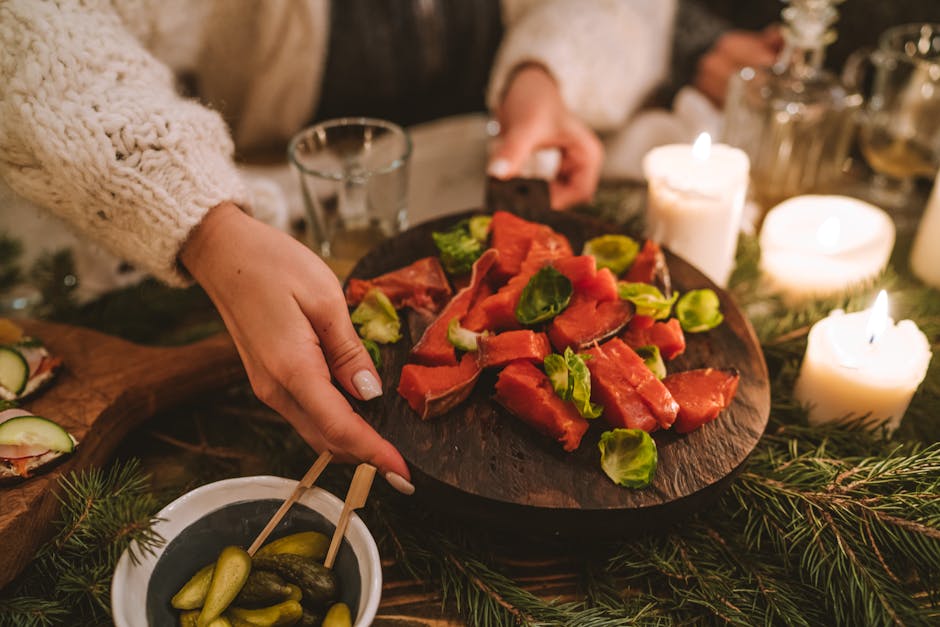
    • Blended Irish Whiskey + Smoked Salmon: The smokiness of cured Atlantic salmon mirrors the subtle grain sweetness of a Jameson or Tullamore D.E.W. A squeeze of lemon bridges the gap. This is practically a national tradition in Ireland.
    • Redbreast 12 (Pot Still) + Aged Cheddar or Comtรฉ: The creamy, spicy complexity of Redbreast meets the crystalline, nutty depth of a well-aged hard cheese. The fat in the cheese softens the whiskey’s spice while amplifying its fruit notes.
    • Bushmills 16 (Single Malt) + Dark Chocolate (70%+): The dried fruit and oak in Bushmills 16 create an almost confectionery experience when paired with high-cacao chocolate. Think of it as a deconstructed chocolate whiskey truffle.
    • Teeling Single Grain + Crรจme Brรปlรฉe or Vanilla Panna Cotta: The wine-cask influence in many Teeling expressions (often Cabernet Sauvignon or Sauternes) gives a gentle sweetness that wraps around custard-based desserts like a warm blanket.
    • Powers John’s Lane + Irish Stew or Braised Short Rib: Hearty, warming, and deeply satisfying. The spice and body of this pot still legend can hold its own against braised meats with rich, reduced sauces.

    International Examples: How the World Is Pairing Irish Whiskey in 2026

    The global conversation around Irish whiskey pairing has gotten remarkably sophisticated. At Dead Rabbit NYC โ€” consistently ranked among the world’s best bars โ€” the cocktail-forward menu has evolved to include formal whiskey pairing flights matched with artisanal bar snacks. Their 2026 spring menu features a Redbreast Lustau Edition paired with Manchego and quince paste, drawing on the sherry-cask influence in the whiskey to echo the sweet-savory Spanish profile of the food.

    In Tokyo, the Poitin Bar in Shibuya has become a destination for Irish whiskey enthusiasts who pair expressions like Method and Madness with Japanese-Irish fusion small plates โ€” think miso-glazed black cod alongside a dram of Dingle Single Malt. The umami-rich fermented flavors of Japanese cuisine interact surprisingly well with the fruity esters in Irish malt whiskey.

    Closer to home in Ireland itself, the Waterford Distillery’s Whisky Experience (yes, they use the Scotch spelling โ€” it’s a long story) has pioneered terroir-driven tasting sessions where single-farm barley expressions are paired with cheese and charcuterie from the same county. It’s hyperlocal storytelling through food and drink.

    Irish whiskey distillery tasting flight cheese board dark chocolate pairing wooden table ambient lighting

    Building Your Own Irish Whiskey Pairing Board at Home

    You don’t need a Michelin-starred kitchen or a cellar full of rare expressions to do this well. Here’s a practical, budget-conscious framework for hosting your own pairing night in 2026:

    • Anchor with three expressions: Choose one blended (Jameson Black Barrel is excellent value), one pot still (Redbreast 12 or Green Spot), and one single malt (Teeling or Bushmills 10). This gives you a full spectrum.
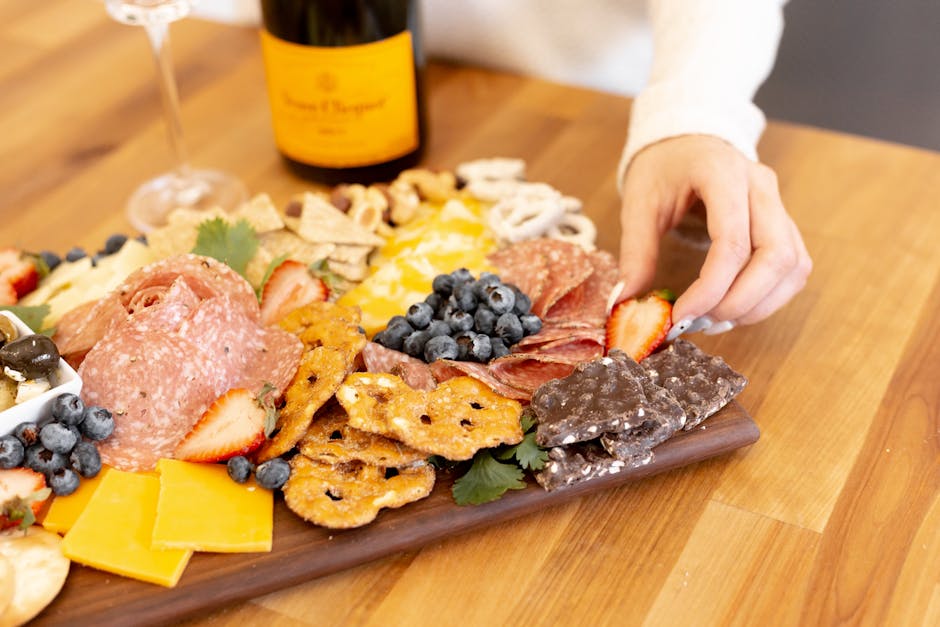
    • Build a complementary board: Smoked salmon or gravlax, a semi-hard aged cheese (Comtรฉ, aged Gouda, or Irish Cheddar), dark chocolate bark, salted honeycomb, and a few slices of cured meats like bresaola or prosciutto.
    • Contrast elements: Add something acidic (cornichons, pickled onions) and something sweet (dried apricots, fig jam). Contrast can be just as exciting as complementary pairing.
    • Serve whiskey at room temperature: Around 15โ€“18ยฐC (59โ€“64ยฐF). Cold suppresses aromatics. A small splash of still water (not ice) can open up the nose beautifully.
    • Pace yourself: Start with the lightest expression (blended) and move toward the most complex (pot still or single malt). Your palate will thank you.

    Realistic Alternatives for Every Budget and Lifestyle

    Not everyone has access to premium expressions or a specialty cheese shop โ€” and that’s completely fine. Here’s how to adapt:

    • Budget-friendly: Jameson Original paired with good-quality dark chocolate from a grocery store and some smoked almonds is genuinely wonderful. Total spend? Under $30.
    • Non-alcoholic parallel: If you’re hosting someone who doesn’t drink, a cold-brew coffee or a lapsang souchong tea (smoky, complex) can mimic some of the savory, roasted qualities of Irish whiskey alongside the same food board.
    • Cheese substitutes: If dairy is an issue, roasted cashews and miso-glazed walnuts provide similar fat and umami bridges that aged cheese would offer.
    • No-cook approach: A well-assembled charcuterie and cheese platter from your local deli, a tablet of 72% dark chocolate, and two or three bottles of Irish whiskey from different styles is genuinely all you need for a memorable evening.

    The beauty of Irish whiskey pairing is that it rewards curiosity more than expertise. You don’t need to know the difference between a pot still and a grain whiskey to notice that a sip of Redbreast tastes suddenly brighter after a bite of aged cheddar. Trust your palate. Experiment without pressure.

    Editor’s Comment : Irish whiskey is one of the most underrated pairing spirits in the world right now โ€” and 2026 might genuinely be the year it claims its seat at the food table alongside wine and craft beer. What I love most about building a pairing session around Irish whiskey is how forgiving it is. Its naturally smooth, layered profile means it rarely clashes dramatically with food; instead, it finds ways to highlight and be highlighted. Start with one good bottle, a wedge of cheese, and some dark chocolate this weekend. Seamus was right โ€” the whiskey really does finish on the plate.


    ๐Ÿ“š ๊ด€๋ จ๋œ ๋‹ค๋ฅธ ๊ธ€๋„ ์ฝ์–ด ๋ณด์„ธ์š”

    ํƒœ๊ทธ: [‘Irish whiskey food pairing’, ‘whiskey and cheese pairing’, ‘Irish whiskey guide 2026’, ‘pot still whiskey pairing’, ‘best Irish whiskey’, ‘whiskey tasting board’, ‘food and whiskey matching’]

  • ์•„์ด๋ฆฌ์‹œ ์œ„์Šคํ‚ค ํ‘ธ๋“œ ํŽ˜์–ด๋ง ๊ฐ€์ด๋“œ 2026 โ€“ ์Œ์‹๊ณผ ์™„๋ฒฝํ•˜๊ฒŒ ์–ด์šธ๋ฆฌ๋Š” ์กฐํ•ฉ ์ด์ •๋ฆฌ

    ์–ผ๋งˆ ์ „ ์ง€์ธ์˜ ์ง‘๋“ค์ด์—์„œ ์žˆ์—ˆ๋˜ ์ผ์ด์—์š”. ํ…Œ์ด๋ธ” ์œ„์— ์ œ๋ฒ• ๊ทธ๋Ÿด์‹ธํ•œ ์•„์ด๋ฆฌ์‹œ ์œ„์Šคํ‚ค ํ•œ ๋ณ‘์ด ์˜ฌ๋ผ์™€ ์žˆ์—ˆ๋Š”๋ฐ, ์•ˆ์ฃผ๋ผ๊ณ ๋Š” ๊ฐ์ž์นฉ ํ•œ ๋ด‰์ง€๊ฐ€ ์ „๋ถ€์˜€์ฃ . ์œ„์Šคํ‚ค์˜ ๋ถ€๋“œ๋Ÿฌ์šด ๋ฐ”๋‹๋ผ ํ–ฅ์ด ๊ฐ์ž์นฉ์˜ ๊ธฐ๋ฆ„์ง„ ์ง ๋ง›์— ์™„์ „ํžˆ ๋ฌปํ˜€๋ฒ„๋ฆฌ๋Š” ๊ฑธ ๋ณด๋ฉด์„œ ‘์•„, ์ •๋ง ์•„๊น๋‹ค’๋Š” ์ƒ๊ฐ์ด ๋“ค์—ˆ์–ด์š”. ๊ทธ ๋‚  ์ดํ›„๋กœ ์•„์ด๋ฆฌ์‹œ ์œ„์Šคํ‚ค์™€ ์Œ์‹์˜ ํŽ˜์–ด๋ง์— ๋Œ€ํ•ด ์ง„์ง€ํ•˜๊ฒŒ ์ •๋ฆฌํ•ด๋ด์•ผ๊ฒ ๋‹ค๋Š” ๋งˆ์Œ์„ ๋จน๊ฒŒ ๋์Šต๋‹ˆ๋‹ค.

    ์•„์ด๋ฆฌ์‹œ ์œ„์Šคํ‚ค๋Š” ์Šค์นด์น˜๋‚˜ ๋ฒ„๋ฒˆ์— ๋น„ํ•ด ๊ตญ๋‚ด์—์„œ ํŽ˜์–ด๋ง ๋ฌธํ™”๊ฐ€ ์•„์ง ๋งŽ์ด ์•Œ๋ ค์ง€์ง€ ์•Š์€ ํŽธ์ด์—์š”. ํ•˜์ง€๋งŒ 2026๋…„ ํ˜„์žฌ, ๊ตญ๋‚ด ํ”„๋ฆฌ๋ฏธ์—„ ๋ฐ” ์”ฌ(bar scene)๊ณผ ํ™ˆํ…๋”ฉ(home tending) ๋ฌธํ™”๊ฐ€ ๊ธ‰์„ฑ์žฅํ•˜๋ฉด์„œ ‘์–ด๋–ค ์Œ์‹์ด๋ž‘ ๋จน์–ด์•ผ ๋” ๋ง›์žˆ์„๊นŒ’๋ผ๋Š” ์งˆ๋ฌธ์ด ์ ์  ๋งŽ์•„์ง€๊ณ  ์žˆ๋Š” ๋ผ์ธ ๊ฒƒ ๊ฐ™์Šต๋‹ˆ๋‹ค. ํ•จ๊ป˜ ํ•˜๋‚˜์”ฉ ์‚ดํŽด๋ณผ๊ฒŒ์š”.

    Irish whiskey bottle glass wooden table food pairing

    ์•„์ด๋ฆฌ์‹œ ์œ„์Šคํ‚ค, ์™œ ‘ํŽ˜์–ด๋งํ•˜๊ธฐ ์‰ฌ์šด’ ์œ„์Šคํ‚ค์ผ๊นŒ?

    ์•„์ด๋ฆฌ์‹œ ์œ„์Šคํ‚ค๊ฐ€ ๋‹ค๋ฅธ ์œ„์Šคํ‚ค ์นดํ…Œ๊ณ ๋ฆฌ์— ๋น„ํ•ด ์Œ์‹๊ณผ ์–ด์šธ๋ฆฌ๊ธฐ ์‰ฌ์šด ์ด์œ ๋Š” ํฌ๊ฒŒ ๋‘ ๊ฐ€์ง€ ์ˆ˜์น˜์—์„œ ํ™•์ธํ•  ์ˆ˜ ์žˆ์–ด์š”.

    ์ฒซ์งธ, ์ฆ๋ฅ˜ ํšŸ์ˆ˜์ž…๋‹ˆ๋‹ค. ์•„์ด๋ฆฌ์‹œ ์œ„์Šคํ‚ค๋Š” ๋Œ€๋ถ€๋ถ„ 3ํšŒ ์ฆ๋ฅ˜(triple distillation)๋ฅผ ๊ฑฐ์ณ์š”. ์Šค์นด์น˜ ์‹ฑ๊ธ€ ๋ชฐํŠธ์˜ ์ผ๋ฐ˜์ ์ธ 2ํšŒ ์ฆ๋ฅ˜์™€ ๋น„๊ตํ–ˆ์„ ๋•Œ, ๋ถˆ์ˆœ๋ฌผ์ด ๋” ๋งŽ์ด ์ œ๊ฑฐ๋˜์–ด ์•Œ์ฝ”์˜ฌ ๋„์ˆ˜ ๋Œ€๋น„ ์ž๊ทน์ด ํ›จ์”ฌ ๋‚ฎ์Šต๋‹ˆ๋‹ค. ์‹œ์ค‘์— ์œ ํ†ต๋˜๋Š” ์ฃผ์š” ์•„์ด๋ฆฌ์‹œ ์œ„์Šคํ‚ค ์ œํ’ˆ๋“ค์˜ ABV(์•Œ์ฝ”์˜ฌ ๋„์ˆ˜)๋Š” ๋Œ€๋ถ€๋ถ„ 40~43% ๊ตฌ๊ฐ„์— ์ง‘์ค‘๋˜์–ด ์žˆ๋Š”๋ฐ, ์ด ๊ตฌ๊ฐ„์€ ์Œ์‹์˜ ํ–ฅ๋ฏธ๋ฅผ ์••๋„ํ•˜์ง€ ์•Š๊ณ  ‘ํ•จ๊ป˜ ๊ณต์กด’ํ•˜๊ธฐ์— ์ตœ์ ์˜ ๋ฒ”์œ„๋ผ๊ณ  ๋ด…๋‹ˆ๋‹ค.

    ๋‘˜์งธ, ์ˆ™์„ฑ ํ™˜๊ฒฝ์ž…๋‹ˆ๋‹ค. ์•„์ด๋ฆฌ์‹œ ์œ„์Šคํ‚ค๋Š” ๋ฒ•์ ์œผ๋กœ ์ตœ์†Œ 3๋…„ ์ด์ƒ ๋ชฉํ†ต(cask) ์ˆ™์„ฑ์„ ๊ฑฐ์ณ์•ผ ํ•ด์š”. ์ฃผ๋กœ ๋ฒ„๋ฒˆ ์บ์Šคํฌ, ์…ฐ๋ฆฌ ์บ์Šคํฌ, ํฌํŠธ ์บ์Šคํฌ๋ฅผ ์‚ฌ์šฉํ•˜๋Š”๋ฐ, ์ด ๊ณผ์ •์—์„œ ํ˜•์„ฑ๋˜๋Š” ๋ฐ”๋‹๋ผ, ๊ฟ€, ๋ง๋ฆฐ ๊ณผ์ผ, ์‚ด์ง ์ŠคํŒŒ์ด์‹œํ•œ ์˜คํฌ ๋…ธํŠธ๊ฐ€ ์Œ์‹์˜ ๋‹ค์–‘ํ•œ ๋ง› ์š”์†Œ(๋‹จ๋ง›, ์ง ๋ง›, ๊ฐ์น ๋ง›)์™€ ์ž์—ฐ์Šค๋Ÿฝ๊ฒŒ ์—ฐ๊ฒฐ๊ณ ๋ฆฌ๋ฅผ ๋งŒ๋“ค์–ด์ค๋‹ˆ๋‹ค. ์—…๊ณ„ ๋ถ„์„ ์ž๋ฃŒ์— ๋”ฐ๋ฅด๋ฉด 2026๋…„ ๊ธฐ์ค€ ๊ตญ๋‚ด ์•„์ด๋ฆฌ์‹œ ์œ„์Šคํ‚ค ์‹œ์žฅ ๊ทœ๋ชจ๋Š” ์ „๋…„ ๋Œ€๋น„ ์•ฝ 18% ์„ฑ์žฅํ•œ ๊ฒƒ์œผ๋กœ ์ถ”์‚ฐ๋˜๋Š”๋ฐ, ์ด๋Ÿฐ ์ ‘๊ทผ์„ฑ๊ณผ ์œ ์—ฐํ•จ์ด ์„ฑ์žฅ์˜ ๋ฐฐ๊ฒฝ ์ค‘ ํ•˜๋‚˜๋ผ๊ณ  ๋ด๋„ ๋ฌด๋ฆฌ๊ฐ€ ์—†์„ ๊ฒƒ ๊ฐ™์•„์š”.

    ์Šคํƒ€์ผ๋ณ„ ํŽ˜์–ด๋ง ์ „๋žต โ€“ ์‹ฑ๊ธ€ ๋ชฐํŠธ vs ๋ธ”๋ Œ๋””๋“œ vs ํŒŸ ์Šคํ‹ธ

    ์•„์ด๋ฆฌ์‹œ ์œ„์Šคํ‚ค๋Š” ํฌ๊ฒŒ ์„ธ ๊ฐ€์ง€ ์Šคํƒ€์ผ๋กœ ๋‚˜๋‰˜๋Š”๋ฐ, ์Šคํƒ€์ผ๋งˆ๋‹ค ํŽ˜์–ด๋ง ์ „๋žต์ด ๋‹ฌ๋ผ์ ธ์š”. ์ด ๋ถ€๋ถ„์„ ๋ชจ๋ฅด๊ณ  ๊ทธ๋ƒฅ ‘์•„์ด๋ฆฌ์‹œ ์œ„์Šคํ‚ค’๋กœ ๋ฌถ์–ด๋ฒ„๋ฆฌ๋ฉด ์‹คํŒจํ•  ๊ฐ€๋Šฅ์„ฑ์ด ๋†’์•„์ง‘๋‹ˆ๋‹ค.

    • ๋ธ”๋ Œ๋””๋“œ ์•„์ด๋ฆฌ์‹œ ์œ„์Šคํ‚ค (์˜ˆ: Jameson, Tullamore D.E.W.) โ€“ ๊ฐ€์žฅ ๋Œ€์ค‘์ ์ธ ์Šคํƒ€์ผ์ด์—์š”. ๊ทธ๋ ˆ์ธ ์œ„์Šคํ‚ค์™€ ๋ชฐํŠธ ์œ„์Šคํ‚ค๋ฅผ ํ˜ผํ•ฉํ•ด ๋ถ€๋“œ๋Ÿฝ๊ณ  ๊ฐ€๋ฒผ์šด ๋ฐ”๋””๊ฐ์„ ๊ฐ–์Šต๋‹ˆ๋‹ค. ์น˜์ฆˆ ํ”Œ๋ ˆ์ดํŠธ(ํŠนํžˆ ์ฒด๋‹ค, ๋ธŒ๋ฆฌ), ์—ฐ์–ด ์นด๋‚˜ํŽ˜, ๊ฐ€๋ฒผ์šด ์น˜ํ‚จ ์š”๋ฆฌ, ์‚ฌ๊ณผ๋‚˜ ๋ฐฐ ๊ฐ™์€ ๊ณผ์ผ๋ฅ˜์™€ ์ž˜ ์–ด์šธ๋ ค์š”. ์œ„์Šคํ‚ค์˜ ๋‹ฌ์ฝคํ•œ ๊ณผ์ผ ํ–ฅ์ด ์Œ์‹์˜ ์‹ ์„ ํ•จ์„ ๋” ์‚ด๋ ค์ฃผ๋Š” ๋А๋‚Œ์ด๋ผ๊ณ  ๋ด…๋‹ˆ๋‹ค.
    • ์‹ฑ๊ธ€ ๋ชฐํŠธ ์•„์ด๋ฆฌ์‹œ ์œ„์Šคํ‚ค (์˜ˆ: Bushmills Single Malt, Teeling Single Malt) โ€“ ๋ชฐํŠธ ๋ณด๋ฆฌ๋งŒ์„ ์‚ฌ์šฉํ•ด ๋” ํ’๋ถ€ํ•˜๊ณ  ๋ณต์žกํ•œ ํ–ฅ๋ฏธ๋ฅผ ์ง€๋…€์š”. ์Šค๋ชจํฌ๋“œ ์—ฐ์–ด, ํ›ˆ์ œ ์˜ค๋ฆฌ, ๊ณ ๋ฅด๊ณค์กธ๋ผ์ฒ˜๋Ÿผ ๊ฐœ์„ฑ ์žˆ๋Š” ์น˜์ฆˆ, ๋‹คํฌ ์ดˆ์ฝœ๋ฆฟ(์นด์นด์˜ค ํ•จ๋Ÿ‰ 70% ์ด์ƒ)๊ณผ ํ›Œ๋ฅญํ•œ ์‹œ๋„ˆ์ง€๋ฅผ ๋ƒ…๋‹ˆ๋‹ค. ‘ํ–ฅ์œผ๋กœ ํ–ฅ์„ ๊ฐ์‹ธ๋Š”’ ํŽ˜์–ด๋ง ์›๋ฆฌ๊ฐ€ ์ ์šฉ๋œ๋‹ค๊ณ  ์ดํ•ดํ•˜๋ฉด ์‰ฌ์›Œ์š”.
    • ์‹ฑ๊ธ€ ํŒŸ ์Šคํ‹ธ ์œ„์Šคํ‚ค (์˜ˆ: Redbreast, Green Spot, Powers) โ€“ ์•„์ด๋ฆฌ์‹œ ์œ„์Šคํ‚ค๋งŒ์˜ ๋…์ž์ ์ธ ์นดํ…Œ๊ณ ๋ฆฌ์˜ˆ์š”. ๋งฅ์•„์ฒ˜๋ฆฌํ•˜์ง€ ์•Š์€ ๋ณด๋ฆฌ(unmalted barley)๋ฅผ ํ•จ๊ป˜ ์‚ฌ์šฉํ•ด ํŠน์œ ์˜ ์ŠคํŒŒ์ด์‹œํ•˜๊ณ  ํฌ๋ฆฌ๋ฏธํ•œ ‘ํŒŸ ์Šคํ‹ธ ์บ๋ฆญํ„ฐ’๊ฐ€ ๋‚˜ํƒ€๋‚ฉ๋‹ˆ๋‹ค. ์ด ์Šคํƒ€์ผ์€ ์•„์ด๋ฆฌ์‹œ ์ŠคํŠœ, ์–‘๊ณ ๊ธฐ ๊ตฌ์ด, ๋œ์žฅ ๋ฒ ์ด์Šค์˜ ํ•œ์‹ ์ฐœ ์š”๋ฆฌ์™€๋„ ์˜์™ธ๋กœ ์ž˜ ๋งž์•„์š”. ํŒŸ ์Šคํ‹ธ์˜ ๋ฌต์งํ•œ ๊ณก๋ฌผ ํ–ฅ์ด ๊ตฌ์ˆ˜ํ•˜๊ณ  ๊นŠ์€ ๋ง›์˜ ์Œ์‹๊ณผ ์ž์—ฐ์Šค๋Ÿฝ๊ฒŒ ๋™์กฐ(harmonizing)๋˜๊ธฐ ๋•Œ๋ฌธ์ด๋ผ๊ณ  ๋ด…๋‹ˆ๋‹ค.
    Irish whiskey food pairing cheese salmon chocolate platter

    ๊ตญ๋‚ด์™ธ ์‹ค์ œ ํŽ˜์–ด๋ง ์‚ฌ๋ก€์—์„œ ๋ฐฐ์šฐ๋Š” ๊ฒƒ๋“ค

    ๋”๋ธ”๋ฆฐ์˜ ์œ ๋ช… ์œ„์Šคํ‚ค ๋ฐ” ‘๋” ํ™”์ด์Šค์ปค๋ฆฌ(The Whhiskery)’๋Š” 2025๋…„๋ถ€ํ„ฐ ์ฝ”์Šค ๋‹ค์ด๋‹๊ณผ ์•„์ด๋ฆฌ์‹œ ์œ„์Šคํ‚ค๋ฅผ ์ ‘๋ชฉํ•œ ‘ํŽ˜์–ด๋ง ๋””๋„ˆ’ ํ”„๋กœ๊ทธ๋žจ์„ ์šด์˜ ์ค‘์ธ๋ฐ, ๊ทธ ์ค‘์—์„œ๋„ ๊ฐ€์žฅ ํ˜ธํ‰๋ฐ›๋Š” ์กฐํ•ฉ์ด Redbreast 12๋…„ + ์•„์ด๋ฆฌ์‹œ ์ŠคํŠœ๋ผ๊ณ  ํ•ด์š”. ํŒŸ ์Šคํ‹ธ ํŠน์œ ์˜ ์ •ํ–ฅ(clove)๊ณผ ํฐ ํ›„์ถ” ๋‰˜์•™์Šค๊ฐ€ ์ŠคํŠœ์˜ ๊นŠ์€ ๊ฐ์น ๋ง›์„ ํ•œ ์ธต ๋Œ์–ด์˜ฌ๋ฆฐ๋‹ค๋Š” ํ”ผ๋“œ๋ฐฑ์ด ๋งŽ์•˜๋‹ค๊ณ  ํ•ฉ๋‹ˆ๋‹ค.

    ๊ตญ๋‚ด์—์„œ๋„ ๋น„์Šทํ•œ ํ๋ฆ„์ด ๋ณด์—ฌ์š”. ์„œ์šธ ์ดํƒœ์›๊ณผ ์„ฑ์ˆ˜ ์ผ๋Œ€์˜ ํฌ๋ž˜ํ”„ํŠธ ๋ฐ”๋“ค์„ ์ค‘์‹ฌ์œผ๋กœ ์•„์ด๋ฆฌ์‹œ ์œ„์Šคํ‚ค ํŽ˜์–ด๋ง ์ด๋ฒคํŠธ๊ฐ€ ๋Š˜๊ณ  ์žˆ๋Š”๋ฐ, ํฅ๋ฏธ๋กœ์šด ๊ฑด ํ•œ์‹ ์š”์†Œ๋ฅผ ์ ‘๋ชฉํ•œ ์‹œ๋„๋“ค์ด์—์š”. ๊ฐ„์žฅ ๋ฒ ์ด์Šค๋กœ ์กฐ๋ฆฐ ๊ฐˆ๋น„์ฐœ์— Jameson Black Barrel์„ ๋งค์นญํ•œ ์‚ฌ๋ก€๊ฐ€ SNS์—์„œ ๊ฝค ํ™”์ œ๊ฐ€ ๋์ฃ . ๋ฒ„๋ฒˆ ์บ์Šคํฌ ํ”ผ๋‹ˆ์‹œ(finish)์—์„œ ์˜ค๋Š” ๋ฐ”๋‹๋ผ์™€ ์บ๋Ÿฌ๋ฉœ ๋…ธํŠธ๊ฐ€ ๊ฐ„์žฅ์˜ ๋‹ฌ์ง์ง€๊ทผํ•œ ๊ฐ์น ๋ง›๊ณผ ๋†€๋ผ์šธ ์ •๋„๋กœ ์ž˜ ๋งž๋Š”๋‹ค๋Š” ๋ฐ˜์‘์ด์—ˆ์–ด์š”. ์ด์ฒ˜๋Ÿผ ์•„์ด๋ฆฌ์‹œ ์œ„์Šคํ‚ค ํŽ˜์–ด๋ง์€ ‘์„œ์–‘ ์Œ์‹์ด์–ด์•ผ ํ•œ๋‹ค’๋Š” ๊ณ ์ •๊ด€๋…์„ ๊ฐ€๋ณ๊ฒŒ ๋„˜์–ด์„œ๊ณ  ์žˆ๋‹ค๊ณ  ๋ด…๋‹ˆ๋‹ค.

    ํŽ˜์–ด๋ง์„ ๋” ์ž˜ํ•˜๊ธฐ ์œ„ํ•œ 3๊ฐ€์ง€ ์‹ค์šฉ ์›์น™

    • โ‘  ๋ณด์™„(Complementary) vs ๋Œ€์กฐ(Contrasting) ์›์น™ ์ดํ•ดํ•˜๊ธฐ โ€“ ํŽ˜์–ด๋ง์—๋Š” ๋‘ ๊ฐ€์ง€ ๋ฐฉํ–ฅ์ด ์žˆ์–ด์š”. ๋น„์Šทํ•œ ๋ง›๋ผ๋ฆฌ ๊ฒน์ณ์„œ ํ’๋ฏธ๋ฅผ ๊ฐ•ํ™”ํ•˜๋Š” ‘๋ณด์™„’ ๋ฐฉ์‹(์˜ˆ: ๋ฐ”๋‹๋ผ ํ–ฅ ์œ„์Šคํ‚ค + ํฌ๋ฆผ ๋””์ €ํŠธ), ๊ทธ๋ฆฌ๊ณ  ์„œ๋กœ ๋‹ค๋ฅธ ๋ง›์ด ์ถฉ๋Œํ•˜๋ฉฐ ์ƒˆ๋กœ์šด ๋ง›์„ ๋งŒ๋“œ๋Š” ‘๋Œ€์กฐ’ ๋ฐฉ์‹(์˜ˆ: ์ŠคํŒŒ์ด์‹œํ•œ ํŒŸ ์Šคํ‹ธ + ๋‹ฌ์ฝคํ•œ ๊ฟ€ ์น˜์ฆˆ)์ด ์žˆ์Šต๋‹ˆ๋‹ค. ๋‘˜ ๋‹ค ์ •๋‹ต์ด์—์š”.
    • โ‘ก ์•Œ์ฝ”์˜ฌ ๋„์ˆ˜์™€ ์Œ์‹์˜ ๋ฌด๊ฒŒ๊ฐ์„ ๋งž์ถ”๊ธฐ โ€“ ๊ฐ€๋ฒผ์šด ํ•ด์‚ฐ๋ฌผ ์š”๋ฆฌ์—๋Š” ๊ฐ€๋ฒผ์šด ๋ธ”๋ Œ๋””๋“œ๋ฅผ, ์œก๋ฅ˜๋‚˜ ์ˆ™์„ฑ ์น˜์ฆˆ์ฒ˜๋Ÿผ ๋ฌต์งํ•œ ์Œ์‹์—๋Š” ํŒŸ ์Šคํ‹ธ์ด๋‚˜ ์‹ฑ๊ธ€ ๋ชฐํŠธ๋ฅผ ๋งค์นญํ•˜๋Š” ๊ฒŒ ๊ธฐ๋ณธ ์›์น™์ด๋ผ๊ณ  ๋ด…๋‹ˆ๋‹ค. ์Œ์‹์ด ์œ„์Šคํ‚ค๋ฅผ ๋ˆŒ๋Ÿฌ๋ฒ„๋ฆฌ๊ฑฐ๋‚˜, ๋ฐ˜๋Œ€๋กœ ์œ„์Šคํ‚ค๊ฐ€ ์Œ์‹์„ ์••๋„ํ•˜๋Š” ์ƒํ™ฉ์„ ํ”ผํ•˜๋Š” ๊ฒŒ ํ•ต์‹ฌ์ด์—์š”.
    • โ‘ข ๋ฌผ ํ•œ ๋ชจ๊ธˆ์„ ํ™œ์šฉํ•˜๊ธฐ โ€“ ํŽ˜์–ด๋ง ์ค‘๊ฐ„์ค‘๊ฐ„์— ๋ฌผ์„ ๋งˆ์‹œ๋ฉด ์ž…์•ˆ์˜ ์ž”ํ–ฅ์„ ๋ฆฌ์…‹ํ•ด์„œ ๋‹ค์Œ ํ•œ ๋ชจ๊ธˆ์„ ๋” ์ˆœ์ˆ˜ํ•˜๊ฒŒ ๋А๋‚„ ์ˆ˜ ์žˆ์–ด์š”. ํƒ„์‚ฐ์ˆ˜๋ณด๋‹ค๋Š” ๋ฏธ์˜จ์ˆ˜๋‚˜ ์ƒ์˜จ์˜ ์ƒ์ˆ˜๊ฐ€ ๋” ์ข‹์Šต๋‹ˆ๋‹ค. ํƒ„์‚ฐ์ด ์œ„์Šคํ‚ค์˜ ์„ฌ์„ธํ•œ ํ–ฅ์„ ํฉ์–ด๋ฒ„๋ฆด ์ˆ˜ ์žˆ๊ฑฐ๋“ ์š”.

    ๊ฒฐ๋ก  โ€“ ์™„๋ฒฝํ•œ ํŽ˜์–ด๋ง๋ณด๋‹ค ‘์ฆ๊ฑฐ์šด ํƒ์ƒ‰’์ด ๋จผ์ €์˜ˆ์š”

    ์‚ฌ์‹ค ํŽ˜์–ด๋ง์—๋Š” ์ ˆ๋Œ€์ ์ธ ์ •๋‹ต์ด ์—†์–ด์š”. ๋ชจ๋“  ๊ฐ€์ด๋“œ๋Š” ‘์ด๋ ‡๊ฒŒ ํ•˜๋ฉด ๋” ๋ง›์žˆ์„ ๊ฐ€๋Šฅ์„ฑ์ด ๋†’๋‹ค’๋Š” ํ†ต๊ณ„์  ๊ฒฝํ–ฅ์— ๊ฐ€๊น์Šต๋‹ˆ๋‹ค. ์œ„์—์„œ ์†Œ๊ฐœํ•œ ์Šคํƒ€์ผ๋ณ„ ํŽ˜์–ด๋ง ์›์น™์„ ์ถœ๋ฐœ์ ์œผ๋กœ ์‚ผ๋˜, ์ž์‹ ์ด ์ข‹์•„ํ•˜๋Š” ์Œ์‹๊ณผ ์œ„์Šคํ‚ค๋ฅผ ์ง์ ‘ ์กฐํ•ฉํ•ด๋ณด๋Š” ๊ณผ์ • ์ž์ฒด๊ฐ€ ์•„์ด๋ฆฌ์‹œ ์œ„์Šคํ‚ค๋ฅผ ๋” ๊นŠ์ด ์ดํ•ดํ•˜๋Š” ๋ฐฉ๋ฒ•์ด๋ผ๊ณ  ๋ด์š”.

    ํ˜„์‹ค์ ์ธ ๋Œ€์•ˆ์„ ์ œ์‹œํ•˜์ž๋ฉด, ์ฒ˜์Œ ํŽ˜์–ด๋ง์„ ์‹œ๋„ํ•˜๋Š” ๋ถ„์ด๋ผ๋ฉด Jameson Original + ์ฒด๋‹ค ์น˜์ฆˆ + ์‚ฌ๊ณผ ์Šฌ๋ผ์ด์Šค ์กฐํ•ฉ์„ ๊ฐ•๋ ฅ ์ถ”์ฒœํ•ฉ๋‹ˆ๋‹ค. ๊ตฌํ•˜๊ธฐ ์‰ฝ๊ณ , ์‹คํŒจ ํ™•๋ฅ ์ด ๋งค์šฐ ๋‚ฎ์œผ๋ฉฐ, ์•„์ด๋ฆฌ์‹œ ์œ„์Šคํ‚ค ํŠน์œ ์˜ ๋ถ€๋“œ๋Ÿฌ์šด ๊ณผ์‹ค ํ–ฅ๋ฏธ๊ฐ€ ์™œ ์ด ์นดํ…Œ๊ณ ๋ฆฌ๊ฐ€ ์‚ฌ๋ž‘๋ฐ›๋Š”์ง€๋ฅผ ๋ฐ”๋กœ ์ดํ•ดํ•˜๊ฒŒ ํ•ด์ฃผ๊ฑฐ๋“ ์š”. ๊ฑฐ๊ธฐ์„œ ์ถœ๋ฐœํ•ด ์กฐ๊ธˆ์”ฉ ํƒ์ƒ‰ ๋ฒ”์œ„๋ฅผ ๋„“ํ˜€๊ฐ€๋Š” ๊ฒŒ ๊ฐ€์žฅ ํ˜„์‹ค์ ์ธ ์ ‘๊ทผ์ด๋ผ๊ณ  ์ƒ๊ฐํ•ด์š”.

    ์—๋””ํ„ฐ ์ฝ”๋ฉ˜ํŠธ : ์•„์ด๋ฆฌ์‹œ ์œ„์Šคํ‚ค๋Š” ‘์œ„์Šคํ‚ค ์ž…๋ฌธ์ž์˜ ์นœ๊ตฌ’๋ผ๋Š” ๋ง์ด ์žˆ๋Š”๋ฐ, ํŽ˜์–ด๋ง์—์„œ๋„ ๊ทธ ์นœ๊ทผํ•จ์ด ๊ทธ๋Œ€๋กœ ๋“œ๋Ÿฌ๋‚˜๋Š” ๊ฒƒ ๊ฐ™์•„์š”. ๋ณต์žกํ•œ ๊ทœ์น™๋ณด๋‹ค๋Š” ‘์˜ค๋Š˜ ๋จน๋Š” ์Œ์‹์— ์–ด์šธ๋ฆฌ๊ฒ ๋‹ค ์‹ถ์œผ๋ฉด ํ•œ ๋ฒˆ ์‹œ๋„ํ•ด๋ณด์ž’๋Š” ๊ฐ€๋ฒผ์šด ๋งˆ์Œ์ด ์˜คํžˆ๋ ค ๋” ์ข‹์€ ๋ฐœ๊ฒฌ์œผ๋กœ ์ด์–ด์ง€๋Š” ๊ฒฝ์šฐ๊ฐ€ ๋งŽ๋”๋ผ๊ณ ์š”. ์—ฌ๋Ÿฌ๋ถ„๋งŒ์˜ ์ตœ์•  ์กฐํ•ฉ์„ ์ฐพ๋Š” ๊ณผ์ •, ๋ถ„๋ช… ์ฆ๊ฑฐ์šธ ๊ฑฐ์˜ˆ์š”.


    ๐Ÿ“š ๊ด€๋ จ๋œ ๋‹ค๋ฅธ ๊ธ€๋„ ์ฝ์–ด ๋ณด์„ธ์š”

    ํƒœ๊ทธ: [‘์•„์ด๋ฆฌ์‹œ์œ„์Šคํ‚ค’, ‘์œ„์Šคํ‚คํ‘ธ๋“œํŽ˜์–ด๋ง’, ‘์•„์ด๋ฆฌ์‹œ์œ„์Šคํ‚ค์ถ”์ฒœ’, ‘์œ„์Šคํ‚ค์•ˆ์ฃผ’, ‘ํ™ˆํ…๋”ฉ’, ‘ํŽ˜์–ด๋ง๊ฐ€์ด๋“œ’, ‘์œ„์Šคํ‚ค์ž…๋ฌธ’]

  • How to Write Single Malt Whisky Tasting Notes in 2026: A Beginner’s Complete Guide

    I still remember the first time I sat down with a dram of Glenfarclas 15-Year-Old and tried to describe what I was tasting. My notebook read something like: “smells nice, tastes like… whisky?” Embarrassing, right? Fast forward a few years, and I can now fill half a page with layered observations about dried fruits, oak spice, and that elusive ยซsherried warmthยป that makes Speyside expressions so addictive. The good news? Writing a proper tasting note isn’t some mystical skill reserved for Master Blenders. It’s a structured, learnable habit โ€” and honestly, it makes every pour significantly more enjoyable. Let’s work through it together.

    single malt whisky glass tasting notebook pen wooden table warm light

    Why Bother Writing Tasting Notes at All?

    Before we dive into technique, let’s answer the obvious question: why not just drink and enjoy? The short answer is that writing forces you to slow down and pay attention. Studies in sensory science โ€” including research published by the Scotch Whisky Research Institute โ€” consistently show that verbalizing flavors activates a second wave of conscious processing, making you more sensitive to subtle compounds like esters (fruity notes) and phenols (smoky or medicinal tones). In 2026, with the global single malt market valued at over $6.8 billion and new distilleries launching from Taiwan to Scandinavia to the American Midwest, having a personal flavor vocabulary is genuinely useful for navigating choices. Think of your tasting journal as a personal flavor GPS.

    The Four-Part Framework: Color, Nose, Palate, Finish

    Most professional whisky writers โ€” from Jim Murray to the team at Whisky Advocate โ€” organize notes around the same four pillars. Here’s how to approach each one with confidence:

    • Color: Hold your glass against a white background or a sheet of paper. Describe the hue on a spectrum from pale gold โ†’ amber โ†’ deep mahogany. Color offers clues about cask type (ex-bourbon barrels tend toward pale gold; sherry butts push toward deep amber) and age, though caramel coloring (E150a) is still permitted in many Scotch expressions, so don’t over-read it.
    • Nose (Aroma): This is where roughly 70โ€“80% of flavor perception actually happens, thanks to retronasal olfaction. Start with your glass at chest height and gradually bring it closer. First pass: identify the dominant family (fruity, smoky, floral, cereal). Second pass: get specific. Is that fruit fresh apple or dried apricot? Is the smokiness more campfire wood or coastal peat?
    • Palate (Taste): Take a small sip and let it coat your tongue before swallowing. Think in terms of layers โ€” what hits first (the “attack”), what develops mid-palate, and what lingers. Note the texture too: oily, thin, creamy, or drying are all valid descriptors.
    • Finish: How long do the flavors persist after swallowing? Short (under 10 seconds), medium (10โ€“30 seconds), or long (30+ seconds)? Does it evolve โ€” perhaps shifting from sweet to spicy โ€” or fade uniformly? A warming, slow-building finish on a well-aged Highland malt is one of whisky’s great pleasures.

    Building Your Flavor Vocabulary: The Whisky Wheel as a Scaffold

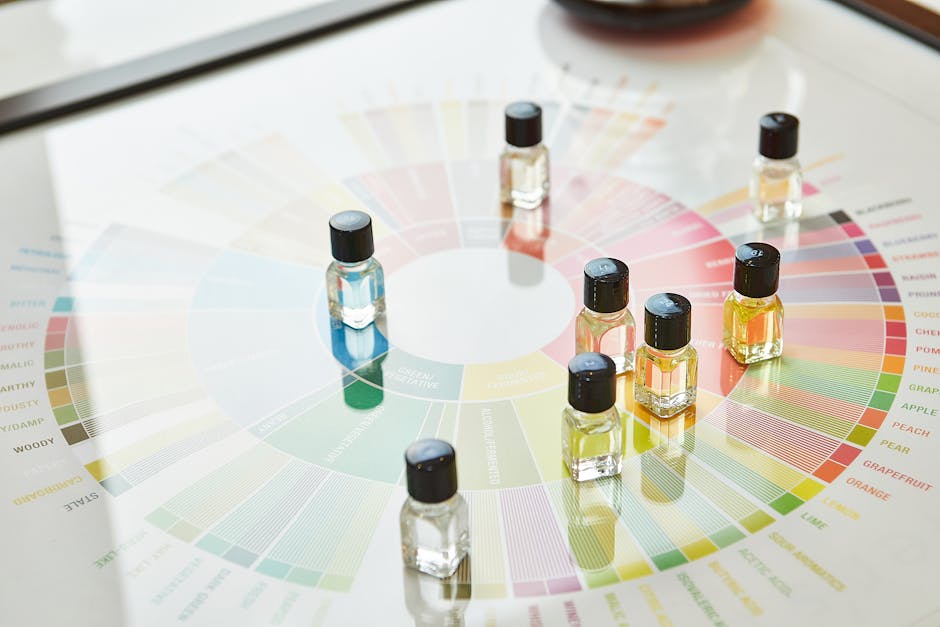
    The Scotch Whisky Flavor Wheel, originally developed in the 1970s by Pentlands Scotch Whisky Research and refined over decades, organizes aromatic compounds into clusters: Winey, Peaty, Feinty, Cereal, Aldehydic, Floral, Fruity, Nutty, and Sulphury. You don’t need to memorize this โ€” but keeping a printed or digital copy of the wheel nearby while tasting is genuinely transformative. When you sense something you can’t name, scan the wheel. Is that strange edge more “rubbery” (a Feinty note, often from long fermentation) or “coastal salt” (Peaty cluster)?

    A practical trick used by sommeliers and whisky educators alike: build a reference kit at home. Keep small labeled jars or vials with real-world samples โ€” a vanilla pod, dried raisins, a piece of toasted oak, some dried citrus peel, a pinch of smoked paprika. Sniff these before tasting. Your brain becomes remarkably better at pattern-matching once you’ve consciously anchored the scent to a word.

    whisky flavor wheel aroma reference chart tasting education

    Real-World Examples: From Islay Peat to Speyside Sherry

    Let’s ground this in concrete examples from well-known expressions available in 2026:

    Laphroaig 10-Year-Old (Islay, Scotland): A classic benchmark for peated whisky. A professional note might read โ€” Color: pale gold. Nose: immediate medicinal peat, sea salt, iodine, with a surprising undercurrent of sweet vanilla and lemon zest. Palate: powerful phenolic smoke, then a wave of dark chocolate and dried seaweed. Finish: exceptionally long, drying, with lingering smoke and a faint sweetness. Even if your first attempt at Laphroaig is simply “smells like a doctor’s office” โ€” that’s valid. Build from there.

    GlenDronach 18-Year-Old Allardice (Speyside/Highland, Scotland): Matured exclusively in Oloroso sherry casks. Try noting โ€” Color: deep mahogany with copper highlights. Nose: Christmas cake, Morello cherry, dark chocolate, walnuts, and clove. Palate: rich and full-bodied, dried plum, orange peel, cinnamon stick. Finish: long, warming, with gentle oak tannins.

    Kavalan Solist Vinho Barrique (Taiwan): A standout example of how Asia’s whisky scene has matured. Taiwan’s subtropical climate accelerates maturation โ€” some experts estimate one year in Kavalan’s warehouses equals roughly three Scottish years in terms of wood interaction. Tasting notes often reference โ€” tropical mango and papaya on the nose, cocoa powder mid-palate, a tropical fruit and vanilla finish. This kind of expression is a wonderful reminder that single malt isn’t exclusively Scottish anymore.

    Common Beginner Mistakes (and Easy Fixes)

    • Over-diluting too early: Add water only after your initial nosing. A few drops can open up the spirit, but too much flattens it. Start neat, especially with expressions below 50% ABV.
    • Nosing too aggressively: Stick your nose straight into a cask-strength whisky (60%+ ABV) and all you’ll smell is alcohol burn. Keep the glass lower and let volatile ethanol escape first.
    • Reaching for complexity immediately: It’s absolutely fine if your note says “caramel and smoke.” Specificity grows with exposure. Start simple and layer in detail over time.
    • Ignoring context: Write down the distillery, age statement, cask type, and ABV at the top of every note. Context transforms a random flavor description into a searchable, educational record.
    • Skipping the finish: Many beginners focus entirely on aroma and miss the finish โ€” which is often the most distinctive part of a whisky’s character.

    Realistic Alternatives if You’re Just Starting Out

    Not everyone has easy access to a curated whisky bar or can afford to buy multiple bottles for comparison. Here are some genuinely practical starting points:

    First, consider whisky tasting events โ€” many specialty bottle shops and hotel bars in 2026 host guided flights for $20โ€“$40, giving you four or five expressions to compare side-by-side. This is the single fastest way to build comparative vocabulary. Second, whisky subscription services (like Flaviar or Whisky Loot) offer small sample packs specifically designed for tasting note practice. Third, if budget is a real constraint, a bottle of Monkey Shoulder (a blended malt, technically, but excellent for learning) or Glenfiddich 12-Year-Old offers tremendous value for building foundational notes around a lighter, fruit-forward Speyside style.

    And remember โ€” your tasting notes don’t need to impress anyone. They’re a private record of your evolving palate. Even a three-word note is better than none.

    Editor’s Comment : The most important thing I’ve learned after years of tasting is that confidence comes from volume, not perfection. Write something down every single time you pour a dram โ€” even if it’s awkward, even if it’s wrong. Your vocabulary will quietly catch up to your palate. And on those evenings when language fails entirely and you just sit quietly with the glass? That’s perfectly valid too. Whisky has a way of earning silence.


    ๐Ÿ“š ๊ด€๋ จ๋œ ๋‹ค๋ฅธ ๊ธ€๋„ ์ฝ์–ด ๋ณด์„ธ์š”

    ํƒœ๊ทธ: [‘single malt whisky tasting notes’, ‘how to taste whisky’, ‘whisky tasting guide 2026’, ‘scotch whisky flavor wheel’, ‘whisky for beginners’, ‘whisky tasting journal’, ‘single malt whisky review’]

  • ์‹ฑ๊ธ€๋ชฐํŠธ ์œ„์Šคํ‚ค ํ…Œ์ด์ŠคํŒ… ๋…ธํŠธ ์ž‘์„ฑ๋ฒ• โ€“ 2026๋…„ ์ดˆ๋ณด์ž๋„ ๋”ฐ๋ผ ํ•  ์ˆ˜ ์žˆ๋Š” ์™„์ „ ๊ฐ€์ด๋“œ

    ๋ช‡ ๋‹ฌ ์ „, ์นœ๊ตฌ์˜ ๊ถŒ์œ ๋กœ ์ฒ˜์Œ ์œ„์Šคํ‚ค ๋ฐ”์— ๋ฐœ์„ ๋“ค์˜€์„ ๋•Œ์˜ ๊ธฐ์–ต์ด ์•„์ง๋„ ์ƒ์ƒํ•ด์š”. ๋ฐ”ํ…๋”๊ฐ€ ๊ฑด๋„ค์ค€ ๊ธ€๋ Œํ”ผ๋”• 12๋…„์„ ํ•œ ๋ชจ๊ธˆ ๋งˆ์‹œ๊ณ ๋Š” “๋ง›์žˆ๋Š”๋ฐโ€ฆ ์–ด๋–ป๊ฒŒ ํ‘œํ˜„ํ•ด์•ผ ํ•˜์ง€?” ํ•˜๋ฉฐ ๋ฉํ•˜๋‹ˆ ์ž”๋งŒ ๋ฐ”๋ผ๋ดค์—ˆ๊ฑฐ๋“ ์š”. ์˜† ํ…Œ์ด๋ธ” ์†๋‹˜์ด ์ˆ˜์ฒฉ์— ๋ฌด์–ธ๊ฐ€๋ฅผ ์—ด์‹ฌํžˆ ์ ๋Š” ๊ฑธ ๋ณด๊ณ  “์ €๊ฒŒ ํ…Œ์ด์ŠคํŒ… ๋…ธํŠธ๊ตฌ๋‚˜” ์‹ถ์—ˆ์ง€๋งŒ, ๋ง‰์ƒ ์–ด๋””์„œ๋ถ€ํ„ฐ ์‹œ์ž‘ํ•ด์•ผ ํ• ์ง€ ๋ง‰๋ง‰ํ•˜๋”๋ผ๊ณ ์š”. ์‚ฌ์‹ค ํ…Œ์ด์ŠคํŒ… ๋…ธํŠธ๋Š” ์ „๋ฌธ๊ฐ€๋งŒ์˜ ์˜์—ญ์ด ์•„๋‹ˆ์—์š”. ์ž๊ธฐ ์–ธ์–ด๋กœ ๊ฒฝํ—˜์„ ๊ธฐ๋กํ•˜๋Š” ์ผ, ์˜ค๋Š˜ ํ•จ๊ป˜ ์ฐจ๊ทผ์ฐจ๊ทผ ์•Œ์•„๋ณผ๊ฒŒ์š”.

    single malt whisky tasting glass notes notebook

    1. ํ…Œ์ด์ŠคํŒ… ๋…ธํŠธ๋ž€ ๋ฌด์—‡์ธ๊ฐ€ โ€“ ๊ตฌ์กฐ๋ถ€ํ„ฐ ์ดํ•ดํ•˜๊ธฐ

    ํ…Œ์ด์ŠคํŒ… ๋…ธํŠธ(Tasting Note)๋Š” ์œ„์Šคํ‚ค๋ฅผ ๊ฐ๊ฐ์ ์œผ๋กœ ๋ถ„ํ•ดํ•ด์„œ ๊ธฐ๋กํ•˜๋Š” ‘๋ง›์˜ ์ง€๋„’๋ผ๊ณ  ๋ณผ ์ˆ˜ ์žˆ์–ด์š”. ์ „๋ฌธ์ ์œผ๋กœ๋Š” ํฌ๊ฒŒ ๋„ค ๊ฐ€์ง€ ์ถ•์œผ๋กœ ๋‚˜๋‰ฉ๋‹ˆ๋‹ค.

    • ์ƒ‰์ƒ(Color): ํ™ฉ๊ธˆ์ƒ‰, ํ˜ธ๋ฐ•์ƒ‰, ๊ตฌ๋ฆฌ์ƒ‰ ๋“ฑ ์‹œ๊ฐ์  ๋‹จ์„œ. ์บ์Šคํฌ ์ˆ™์„ฑ ์—ฐ์ˆ˜๋‚˜ ํ”ผ๋‹ˆ์‹ฑ ์—ฌ๋ถ€๋ฅผ ์ถ”์ธกํ•˜๋Š” ์ฒซ ๋‹จ์„œ์ž…๋‹ˆ๋‹ค.
    • ํ–ฅ(Nose): ์ž”์„ ์ฝ”์— ๊ฐ€์ ธ๊ฐ€๊ธฐ ์ „ ์ž ๊น์˜ ‘์ฒซ ํ–ฅ’๊ณผ, ์ฝ”๋ฅผ ๊ฐ€๊นŒ์ด ๋Œ”์„ ๋•Œ์˜ ‘๊นŠ์€ ํ–ฅ’์„ ๊ตฌ๋ถ„ํ•ด์„œ ์ ์–ด์š”.
    • ๋ง›(Palate): ์ฒซ ๋ชจ๊ธˆ์˜ ์–ดํƒ(attack), ์ค‘๊ฐ„ ๋ฏธ๊ฐ(mid-palate), ๊ทธ๋ฆฌ๊ณ  ์‚ผํ‚ค๊ธฐ ์ง์ „ ๋А๋‚Œ๊นŒ์ง€ ์‹œ๊ฐ„ ์ˆœ์„œ๋Œ€๋กœ ๊ธฐ๋กํ•ฉ๋‹ˆ๋‹ค.
    • ํ”ผ๋‹ˆ์‹œ(Finish): ์‚ผํ‚จ ๋’ค ์–ผ๋งˆ๋‚˜ ์˜ค๋ž˜, ์–ด๋–ค ์—ฌ์šด์ด ๋‚จ๋Š”์ง€๋ฅผ ์ ๋Š” ํ•ญ๋ชฉ์ด์—์š”. ‘์งง๋‹ค(10์ดˆ ์ด๋‚ด)’, ‘์ค‘๊ฐ„(10~30์ดˆ)’, ‘๊ธธ๋‹ค(30์ดˆ ์ด์ƒ)’๋กœ ๊ตฌ๋ถ„ํ•˜๋ฉด ๊ฐ๊ด€์ ์ธ ๊ธฐ์ค€์ด ๋ฉ๋‹ˆ๋‹ค.

    ์Šค์ฝ”ํ‹€๋žœ๋“œ ์œ„์Šคํ‚ค ์—ฐ๊ตฌ์†Œ(Scotch Whisky Research Institute, SWRI)์˜ ๋ถ„๋ฅ˜ ์ฒด๊ณ„์— ๋”ฐ๋ฅด๋ฉด ์œ„์Šคํ‚ค์˜ ํ–ฅ๋ฏธ ๋ถ„์ž๋Š” ์•ฝ 300์ข… ์ด์ƒ์œผ๋กœ ๊ตฌ์„ฑ๋˜์–ด ์žˆ๋‹ค๊ณ  ํ•ด์š”. ๊ทธ๋Ÿฌ๋‹ˆ ์ฒ˜์Œ๋ถ€ํ„ฐ ์™„๋ฒฝํ•œ ํ‘œํ˜„์„ ๋ชฉํ‘œ๋กœ ํ•˜๊ธฐ๋ณด๋‹ค, ๋‚˜๋งŒ์˜ ์–ธ์–ด๋กœ ‘๋‹ฎ์€ ๊ฒƒ’์„ ์ฐพ๋Š” ์—ฐ์Šต์ด ํ›จ์”ฌ ํ˜„์‹ค์ ์ธ ์ ‘๊ทผ์ด๋ผ๊ณ  ๋ด…๋‹ˆ๋‹ค.

    2. ์‹ค์ „ ๊ธฐ๋ก๋ฒ• โ€“ ์ˆซ์ž์™€ ์ฒด๊ณ„๋กœ ๋งŒ๋“œ๋Š” ๋‚˜๋งŒ์˜ ์–ธ์–ด

    ๋ง‰์—ฐํ•˜๊ฒŒ “๋‹ฌ๋‹ฌํ•˜๋‹ค”, “์“ฐ๋‹ค”๋ผ๊ณ ๋งŒ ์ ์œผ๋ฉด ๋‚˜์ค‘์— ๋‹ค์‹œ ๋ดค์„ ๋•Œ ์•„๋ฌด๋Ÿฐ ์ •๋ณด๊ฐ€ ๋˜์ง€ ์•Š์•„์š”. ์•„๋ž˜ ๋‘ ๊ฐ€์ง€ ๋ฐฉ์‹์„ ๊ฐ™์ด ์“ฐ๋ฉด ํ›จ์”ฌ ํ’๋ถ€ํ•œ ๋…ธํŠธ๊ฐ€ ์™„์„ฑ๋ฉ๋‹ˆ๋‹ค.

    โ‘  ๋ฐฉ์‚ฌํ˜• ์ ์ˆ˜ ์ฒด๊ณ„(Flavor Wheel Scoring)
    ํ–ฅ๋ฏธ ํœ (Flavor Wheel)์„ ๊ธฐ์ค€์œผ๋กœ ๊ฐ ์นดํ…Œ๊ณ ๋ฆฌ์— 1~5์ ์„ ๋งค๊ฒจ์š”. ์˜ˆ๋ฅผ ๋“ค์–ด ‘๊ณผ์ผํ–ฅ 4์  / ํ”ผํŠธํ–ฅ 1์  / ์˜คํฌ 3์  / ์ŠคํŒŒ์ด์‹œ 2์ ’์ฒ˜๋Ÿผ ์ˆ˜์น˜ํ™”ํ•˜๋ฉด, ๋‚˜์ค‘์— ์„œ๋กœ ๋‹ค๋ฅธ ์œ„์Šคํ‚ค๋ฅผ ๋น„๊ตํ•  ๋•Œ ๋ ˆ์ด๋” ์ฐจํŠธ์ฒ˜๋Ÿผ ์‹œ๊ฐํ™”๋„ ๊ฐ€๋Šฅํ•ฉ๋‹ˆ๋‹ค.

    โ‘ก ์—ฐ์ƒ ๋ฌ˜์‚ฌ๋ฒ•(Associative Description)
    “๋ฐ”๋‹๋ผํ–ฅ”์ด๋ผ๊ณ  ์“ฐ๊ธฐ ์–ด๋ ต๋‹ค๋ฉด “์–ด๋ฆด ๋•Œ ๋จน๋˜ ๋ฐ”๋‚˜๋‚˜์šฐ์œ  ๋šœ๊ป‘ ๋ƒ„์ƒˆ”์ฒ˜๋Ÿผ ๊ฐœ์ธ์ ์ธ ๊ธฐ์–ต๊ณผ ์—ฐ๊ฒฐํ•ด๋„ ์ „ํ˜€ ๋ฌธ์ œ์—†์–ด์š”. ์‹ค์ œ๋กœ ๋งˆ์Šคํ„ฐ ๋””์Šคํ‹ธ๋Ÿฌ๋“ค์˜ ํ…Œ์ด์ŠคํŒ… ๋…ธํŠธ์—๋„ “ํ• ๋จธ๋‹ˆ ๋Œ ์ฐฝ๊ณ ์˜ ๋‚˜๋ฌด ๋ƒ„์ƒˆ”๊ฐ™์€ ๊ฐ์„ฑ์  ๋ฌ˜์‚ฌ๊ฐ€ ์ž์ฃผ ๋“ฑ์žฅํ•˜๊ฑฐ๋“ ์š”. ์ค‘์š”ํ•œ ๊ฑด ๋‚˜์ค‘์— ์ฝ์—ˆ์„ ๋•Œ ๊ทธ ๊ฐ๊ฐ์ด ์ƒ์ƒํ•˜๊ฒŒ ๋˜์‚ด์•„๋‚˜๋Š”์ง€ ์—ฌ๋ถ€์ž…๋‹ˆ๋‹ค.

    whisky flavor wheel tasting score chart

    3. ๊ตญ๋‚ด์™ธ ์‚ฌ๋ก€๋กœ ๋ณด๋Š” ํ…Œ์ด์ŠคํŒ… ๋…ธํŠธ์˜ ์ŠคํŽ™ํŠธ๋Ÿผ

    ๊ธ€๋กœ๋ฒŒ ์œ„์Šคํ‚ค ํ‰๊ฐ€ ํ”Œ๋žซํผ Whiskybase์—๋Š” 2026๋…„ ํ˜„์žฌ ๋ˆ„์  ๋“ฑ๋ก๋œ ํ…Œ์ด์ŠคํŒ… ๋…ธํŠธ๊ฐ€ 250๋งŒ ๊ฑด์„ ๋„˜์–ด์„ฐ์–ด์š”. ํฅ๋ฏธ๋กœ์šด ์ ์€, ์ „๋ฌธ ํ‰๋ก ๊ฐ€์˜ ๋…ธํŠธ์™€ ์ผ๋ฐ˜ ์œ ์ € ๋…ธํŠธ์˜ ‘์œ ์šฉ์„ฑ ํ‰์ ’ ์ฐจ์ด๊ฐ€ ์ƒ๊ฐ๋ณด๋‹ค ํฌ์ง€ ์•Š๋‹ค๋Š” ๊ฑฐ์˜ˆ์š”. ์˜คํžˆ๋ ค ๊ตฌ์ฒด์ ์ธ ๊ฐœ์ธ ๊ฒฝํ—˜์„ ๋‹ด์€ ์•„๋งˆ์ถ”์–ด ๋…ธํŠธ๊ฐ€ ๋” ๋†’์€ ๊ณต๊ฐ์„ ์–ป๋Š” ๊ฒฝ์šฐ๋„ ๋งŽ๋‹ค๊ณ  ํ•ฉ๋‹ˆ๋‹ค.

    ๊ตญ๋‚ด์—์„œ๋„ ์œ„์Šคํ‚ค ๋ฌธํ™”๊ฐ€ ๋น ๋ฅด๊ฒŒ ์„ฑ์ˆ™ํ•˜๋ฉด์„œ, ๋„ค์ด๋ฒ„ ์นดํŽ˜ ‘์œ„์Šคํ‚ค ๊ฐค๋Ÿฌ๋ฆฌ’๋‚˜ ์ธ์Šคํƒ€๊ทธ๋žจ ํ•ด์‹œํƒœ๊ทธ #์‹ฑ๊ธ€๋ชฐํŠธํ…Œ์ด์ŠคํŒ… ๋“ฑ์„ ํ†ตํ•ด ์ผ๋ฐ˜ ์• ํ˜ธ๊ฐ€๋“ค์˜ ๋…ธํŠธ ๊ณต์œ ๊ฐ€ ํ™œ๋ฐœํ•ด์กŒ์–ด์š”. ํŠนํžˆ ๊ตญ๋‚ด ์†Œ๋น„์ž๋“ค์ด ์ฆ๊ฒจ ๋งˆ์‹œ๋Š” ๋งฅ์บ˜๋ž€(The Macallan), ๋ผํ”„๋กœ์ต(Laphroaig), ๊ธ€๋ Œ๋ฆฌ๋ฒณ(The Glenlivet) 3์ข…์˜ ๊ฒฝ์šฐ, ๋™์ผ ์ œํ’ˆ์— ๋Œ€ํ•ด์„œ๋„ “๋ฐ”๋‹๋ผ์™€ ๊ฑด๊ณผ์ผ์˜ ์กฐํ™””, “๋ณ‘์› ์†Œ๋…์•ฝ ๊ฐ™์€ ํ”ผํŠธํ–ฅ์ด ๋งค๋ ฅ์ ”, “ํ—ˆ๋‹ˆ๋ ˆ๋ชฌ ์บ”๋””” ๊ฐ™์€ ๊ทน๊ณผ ๊ทน์˜ ๋ฌ˜์‚ฌ๊ฐ€ ๊ณต์กดํ•˜๋Š”๋ฐ์š”. ์ด๊ฑด ํ‹€๋ฆฐ ๊ฒŒ ์•„๋‹ˆ์—์š”. ์ธ๊ฐ„์˜ ๋ฏธ๊ฐ ์ˆ˜์šฉ์ฒด๋Š” ๊ฐœ์ธ์ฐจ๊ฐ€ ํฌ๊ณ , ๊ฐ™์€ ๋ถ„์ž๋„ ์‚ฌ๋žŒ๋งˆ๋‹ค ๋‹ค๋ฅด๊ฒŒ ์ธ์‹๋œ๋‹ค๋Š” ๊ฒŒ ํ˜„์žฌ๊นŒ์ง€์˜ ๊ฐ๊ฐ๊ณผํ•™(Sensory Science) ์—ฐ๊ตฌ ๊ฒฐ๊ณผ๋ผ๊ณ  ๋ด…๋‹ˆ๋‹ค.

    4. ํ…Œ์ด์ŠคํŒ… ๋…ธํŠธ๋ฅผ ๋” ์ž˜ ์“ฐ๊ธฐ ์œ„ํ•œ ์‹ค์šฉ์ ์ธ ํŒ

    • ๋ฌผ ๋ช‡ ๋ฐฉ์šธ ์ฒจ๊ฐ€ ์‹œ๋„: ๊ณ ๋„์ˆ˜(46% ABV ์ด์ƒ) ์œ„์Šคํ‚ค์— ๋ฌผ 2~3๋ฐฉ์šธ์„ ๋”ํ•˜๋ฉด ์—ํƒ„์˜ฌ์ด ํฌ์„๋˜๋ฉฐ ์ˆจ์–ด์žˆ๋˜ ํ–ฅ๋ฏธ ๋ถ„์ž๊ฐ€ ๋” ์ž˜ ๋ฐœํ˜„๋ผ์š”. ์‹คํ—˜์ ์œผ๋กœ ๋ฌผ ์ „ํ›„๋ฅผ ๋ชจ๋‘ ๊ธฐ๋กํ•ด๋ณด๋Š” ๊ฒƒ๋„ ์ข‹์€ ์—ฐ์Šต์ž…๋‹ˆ๋‹ค.
    • ๊ณต๋ณต ์ƒํƒœ ํ”ผํ•˜๊ธฐ: ๊ณต๋ณต์—๋Š” ์“ด๋ง›๊ณผ ์•Œ์ฝ”์˜ฌ ์ž๊ทน์— ๋” ๋ฏผ๊ฐํ•˜๊ฒŒ ๋ฐ˜์‘ํ•ด์„œ ๋…ธํŠธ๊ฐ€ ์™œ๊ณก๋  ์ˆ˜ ์žˆ์–ด์š”. ํฌ๋ž˜์ปค๋‚˜ ๋‹ด๋ฐฑํ•œ ๋นต ํ•œ ์กฐ๊ฐ ์ •๋„๋Š” ๋จน๊ณ  ์‹œ์ž‘ํ•˜๋Š” ๊ฑธ ์ถ”์ฒœ๋“œ๋ ค์š”.
    • ํ–ฅ์ˆ˜๋‚˜ ์ง„ํ•œ ์Œ์‹ ์‚ผ๊ฐ€๊ธฐ: ํ…Œ์ด์ŠคํŒ… ์ „ ์ ์–ด๋„ 30๋ถ„์€ ๊ฐ•ํ•œ ํ–ฅ์„ ํ”ผํ•˜๋Š” ๊ฒŒ ์ข‹์•„์š”. ํ›„๊ฐ ํ”ผ๋กœ(Olfactory Fatigue)๊ฐ€ ์ƒ๊ธฐ๋ฉด ํ–ฅ ๊ตฌ๋ถ„ ๋Šฅ๋ ฅ์ด ๊ธ‰๊ฒฉํžˆ ๋–จ์–ด์ง€๊ฑฐ๋“ ์š”.
    • ๊ฐ™์€ ์œ„์Šคํ‚ค๋ฅผ ์‹œ๊ฐ„์ฐจ ๋‘๊ณ  ๋‹ค์‹œ ๋ง›๋ณด๊ธฐ: ์ž”์— ๋”ฐ๋ฅธ ์งํ›„์™€ 15~20๋ถ„ ํ›„์˜ ํ–ฅ์ด ๊ฝค ๋‹ค๋ฅผ ์ˆ˜ ์žˆ์–ด์š”. ‘์‚ฐํ™”’๋ผ๋Š” ํ™”ํ•™ ๋ฐ˜์‘ ๋•๋ถ„์ธ๋ฐ, ์ด ๋ณ€ํ™”๋„ ๋…ธํŠธ์— ๋‹ด์œผ๋ฉด ํ›จ์”ฌ ์ž…์ฒด์ ์ธ ๊ธฐ๋ก์ด ๋ฉ๋‹ˆ๋‹ค.
    • ์•ฑ ํ™œ์šฉ: 2026๋…„ ํ˜„์žฌ Distiller, Vivino(์œ„์Šคํ‚ค ๋ฒ„์ „), ๊ตญ๋‚ด ์•ฑ ํ•˜์ด๋ณผ๋กœ๊ทธ ๋“ฑ์„ ํ†ตํ•ด ๋ฐ”์ฝ”๋“œ ์Šค์บ”๋งŒ์œผ๋กœ ๊ธฐ๋ณธ ์ •๋ณด๋ฅผ ๋ถˆ๋Ÿฌ์˜ค๊ณ  ๋‚˜๋งŒ์˜ ๋…ธํŠธ๋ฅผ ๋ง๋ถ™์ด๋Š” ๋ฐฉ์‹์ด ํŽธ๋ฆฌํ•ด์กŒ์–ด์š”.

    5. ๊ฒฐ๋ก  โ€“ ์™„๋ฒฝํ•œ ์–ธ์–ด๋ณด๋‹ค ๊พธ์ค€ํ•œ ๊ธฐ๋ก์ด ๋จผ์ €

    ํ…Œ์ด์ŠคํŒ… ๋…ธํŠธ๋ฅผ ์ž˜ ์“ฐ๋Š” ๋น„๊ฒฐ์€ ‘์ •ํ™•ํ•œ ํ‘œํ˜„’๋ณด๋‹ค ‘์ผ๊ด€๋œ ๊ด€์ฐฐ ์Šต๊ด€’์— ์žˆ๋‹ค๊ณ  ๋ด…๋‹ˆ๋‹ค. ์ฒ˜์Œ์—” ์ƒ‰์ƒ ํ•œ ์ค„, ํ–ฅ ๋‘ ์ค„, ๋ง› ํ•œ ์ค„์ด๋ฉด ์ถฉ๋ถ„ํ•ด์š”. ๋…ธํŠธ๊ฐ€ ์Œ“์ผ์ˆ˜๋ก ๋‚˜๋งŒ์˜ ๋ฏธ๊ฐ ์–ธ์–ด๊ฐ€ ์ƒ๊ธฐ๊ณ , ๊ทธ ์–ธ์–ด๊ฐ€ ์Œ“์ด๋ฉด ์–ด๋А ์ˆœ๊ฐ„ ์ฒ˜์Œ ๋งˆ์‹œ๋Š” ์œ„์Šคํ‚ค๋„ ์žฌ๋น ๋ฅด๊ฒŒ ์ฝ์–ด๋‚ผ ์ˆ˜ ์žˆ๊ฒŒ ๋ฉ๋‹ˆ๋‹ค. ๋‹จ๋ง›์ด ๊ฐ•ํ•œ ์ŠคํŽ˜์ด์‚ฌ์ด๋“œ ์Šคํƒ€์ผ์ธ์ง€, ๋ฐ”๋‹คํ–ฅ๊ณผ ์Šค๋ชจํ‚คํ•จ์ด ๋‘๋“œ๋Ÿฌ์ง€๋Š” ์•„์ผ๋ผ ์Šคํƒ€์ผ์ธ์ง€๋ฅผ ์ง๊ฐ์ ์œผ๋กœ ๊ตฌ๋ถ„ํ•˜๊ฒŒ ๋˜๋Š” ๊ฑฐ์ฃ .

    ์œ„์Šคํ‚ค ํ•œ ์ž”์ด ๋‹จ์ˆœํ•œ ์Œ์ฃผ์—์„œ ‘๊ฐ๊ฐ์˜ ๊ธฐ๋ก’์œผ๋กœ ๋ฐ”๋€Œ๋Š” ์ˆœ๊ฐ„, ๊ทธ ์ฆ๊ฑฐ์›€์€ ์™„์ „ํžˆ ๋‹ฌ๋ผ์ง„๋‹ค๊ณ  ๋А๊ปด์š”. ์˜ค๋Š˜ ์ €๋…, ์ข‹์•„ํ•˜๋Š” ํ•œ ๋ณ‘์„ ๊บผ๋‚ด ์ˆ˜์ฒฉ ํ•œ ์ผ ์— ๋”ฑ ์„ธ ์ค„๋งŒ ์ ์–ด๋ณด๋Š” ๊ฑด ์–ด๋–จ๊นŒ์š”?

    ์—๋””ํ„ฐ ์ฝ”๋ฉ˜ํŠธ : ์ฒ˜์Œ ํ…Œ์ด์ŠคํŒ… ๋…ธํŠธ๋ฅผ ์‹œ์ž‘ํ•œ๋‹ค๋ฉด, ์ŠคํŽ˜์ด์‚ฌ์ด๋“œ ๊ณ„์—ด์˜ ๊ธ€๋ Œํ”ผ๋”• 12๋…„์ด๋‚˜ ๊ธ€๋ Œ๋ฆฌ๋ฒณ 12๋…„์ฒ˜๋Ÿผ ํ–ฅ๋ฏธ๊ฐ€ ๋น„๊ต์  ๋ถ€๋“œ๋Ÿฝ๊ณ  ๋‹ค์–‘ํ•œ ์ œํ’ˆ๋ถ€ํ„ฐ ์‹œ์ž‘ํ•˜๋Š” ๊ฒŒ ์ข‹๋‹ค๊ณ  ๋ด…๋‹ˆ๋‹ค. ํ”ผํŠธํ–ฅ์ด ๊ฐ•ํ•œ ์•„์ผ๋ผ ๊ณ„์—ด์€ ์ž๊ทน์ด ๊ฐ•ํ•ด์„œ ๋‹ค๋ฅธ ํ–ฅ๋ฏธ๋ฅผ ํฌ์ฐฉํ•˜๊ธฐ ์–ด๋ ค์šธ ์ˆ˜ ์žˆ๊ฑฐ๋“ ์š”. ๋‹จ๊ณ„๋ฅผ ๋ฐŸ์•„๊ฐ€๋ฉฐ ์ทจํ–ฅ์˜ ์ง€๋„๋ฅผ ๋„“ํ˜€๊ฐ€๋Š” ์žฌ๋ฏธ, ์œ„์Šคํ‚ค ํ…Œ์ด์ŠคํŒ…์˜ ๊ฐ€์žฅ ํฐ ๋งค๋ ฅ์ด๋ผ๊ณ  ์ƒ๊ฐํ•ด์š”.


    ๐Ÿ“š ๊ด€๋ จ๋œ ๋‹ค๋ฅธ ๊ธ€๋„ ์ฝ์–ด ๋ณด์„ธ์š”

    ํƒœ๊ทธ: [‘์‹ฑ๊ธ€๋ชฐํŠธ์œ„์Šคํ‚ค’, ‘ํ…Œ์ด์ŠคํŒ…๋…ธํŠธ’, ‘์œ„์Šคํ‚ค์ž…๋ฌธ’, ‘์œ„์Šคํ‚คํ–ฅ๋ฏธ’, ‘์œ„์Šคํ‚ค์ทจํ–ฅ์ฐพ๊ธฐ’, ‘์‹ฑ๊ธ€๋ชฐํŠธ์ถ”์ฒœ’, ‘์œ„์Šคํ‚ค๋ผ์ดํ”„์Šคํƒ€์ผ’]