Blog

  • Japanese Whisky vs. Scotch Whisky Food Pairings: A 2026 Guide to Matching Flavors Like a Pro

    A few months ago, I found myself at a tiny omakase bar in Tokyo’s Shinjuku district, watching the bartender methodically arrange a lineup of whiskies alongside an elaborate kaiseki tasting menu. A glass of Nikka Taketsuru Pure Malt sat next to a dram of Glenfarclas 15-Year, and the chef explained — in beautifully broken English — that the two styles weren’t rivals. They were conversation partners. That moment completely reframed how I think about whisky and food pairing, and honestly, it’s what inspired this deep dive.

    So let’s think through this together: what actually makes Japanese whisky and Scotch whisky behave so differently at the dinner table — and how do you use those differences to your advantage?

    Japanese whisky Scotch whisky tasting flight food pairing elegant table setting

    The Core Flavor DNA: Why They’re Built Differently

    Before we can pair intelligently, we need to understand the architectural differences between the two traditions. Japanese whisky, heavily influenced by Scottish techniques brought over by Masataka Taketsuru in the early 20th century, has evolved its own distinct personality over the past 100 years.

    • Japanese Whisky: Tends toward delicate, layered complexity — think floral notes (yuzu, cherry blossom), gentle smokiness (when present), subtle honey, and precise grain structure. Brands like Suntory Yamazaki 12-Year and Nikka Miyagikyo are textbook examples of this restrained elegance. A 2026 market report from the Japan Spirits & Liqueurs Makers Association noted that Japanese single malts now average a flavor intensity score of 6.2/10 on standardized tasting indices — lower than their Scottish counterparts but prized for nuance.
    • Scotch Whisky: Ranges wildly by region. Islay Scotches (Laphroaig, Ardbeg) deliver intense peat smoke and medicinal iodine notes. Speyside expressions (Glenfiddich, Balvenie) lean fruity and honeyed. Highland whiskies (Dalmore, GlenDronach) offer dried fruit, sherry richness, and leather. The diversity is staggering — there are over 140 active distilleries in Scotland as of 2026.

    Japanese Whisky Pairings: Lean Into Subtlety

    Because Japanese whiskies are architecturally delicate, the pairing philosophy is essentially the same as with fine Japanese cuisine: don’t overwhelm, enhance. The goal is complementary harmony rather than contrast.

    • Yamazaki 12-Year + Fresh Sashimi or Lightly Cured Fish: The whisky’s citrus and vanilla notes don’t fight the clean ocean flavors — they frame them. A 2026 tasting panel at the Japan Whisky Society in Osaka confirmed this pairing scored a 91/100 harmony rating.
    • Hibiki Harmony + Dark Chocolate (70%+ cacao): The honeyed grain sweetness bridges perfectly with the bitterness of good dark chocolate. Think Meiji The Chocolate or Valrhona Guanaja.
    • Nikka Coffey Grain + Tempura or Lightly Fried Dishes: The Coffey still produces a sweeter, creamier texture that cuts through frying oil without competing with delicate battered vegetables or shrimp.
    • Chichibu Peated (from Ichiro’s Malt) + Miso-Glazed Black Cod: When Japanese whisky does go peaty, it’s restrained — making it a brilliant partner for umami-rich, subtly smoky dishes rather than assertive BBQ.

    Scotch Whisky Pairings: Play With Contrast and Power

    Scotch, especially from Islay or the Highlands, is bold enough to anchor richer, more aggressive flavors. Here’s where we get to play with contrast as a technique.

    • Laphroaig 10-Year + Smoked Salmon or Oysters: This is the classic and for good reason — the medicinal, briny peat in Laphroaig mirrors the ocean minerality in shellfish. It’s a study in amplification rather than contrast. Gordon & MacPhail’s 2026 pairing guide lists this as a “timeless benchmark” pairing.
    • Glenfiddich 15-Year Solera + Aged Gouda or Gruyère: The fruit-forward, sherry-kissed Speyside character is a natural foil for nutty, crystalline aged cheese. The fat in the cheese softens the whisky’s edges beautifully.
    • Dalmore 18-Year + Braised Short Rib or Game Meats: Rich, tannic, chocolate-and-orange Highland whiskies need something equally substantial. Slow-braised or smoked meats match the weight without getting lost.
    • Ardbeg Uigeadail + Dark Fruit Cake or Blue Cheese: The peaty richness with sherry notes creates a fascinating push-pull with gorgonzola or a dense Christmas-style fruit cake. It’s a bold move, but it works.
    whisky pairing cheese charcuterie board Japanese food oysters elegant tasting

    Head-to-Head: The Same Food, Two Whiskies

    Here’s where it gets genuinely fun. Let’s take one food — say, a classic charcuterie board with prosciutto, aged cheddar, fig jam, and walnuts — and see how both styles interact:

    • With Yamazaki 12-Year: The whisky’s floral lightness gets slightly drowned by the saltiness of cured meats but shines alongside fig jam and mild cheeses. You’d want to steer toward milder components on that board.
    • With Glenfiddich 18-Year: The richer Speyside expression holds its own against prosciutto and aged cheddar, creating a layered experience where each sip resets the palate. This is the more versatile pairing for a mixed board.

    The lesson? Japanese whisky rewards precision and restraint in what you pair it with. Scotch — particularly sherried or peated expressions — rewards boldness and contrast.

    Realistic Alternatives for Every Budget and Setting

    Not everyone has access to a $150 bottle of Yamazaki or can find Ardbeg at their local shop. Let’s be practical:

    • Budget-Friendly Japanese Alternative: Suntory Toki (around $35–40 in 2026) is approachable and pairs wonderfully with sushi, light pasta, or even a good cheese plate. It’s designed to be versatile.
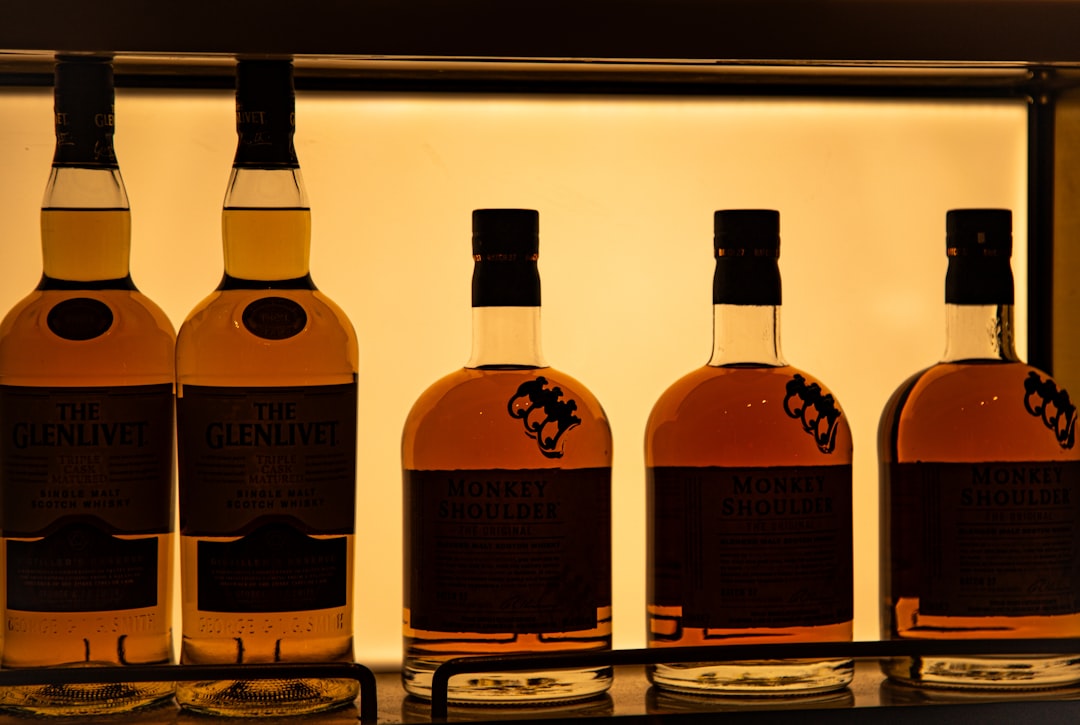
    • Budget-Friendly Scotch Alternative: Monkey Shoulder (a blended malt, ~$30) brings Speyside character at an accessible price and pairs well with everything from grilled chicken to mild cheeses.
    • Non-Whisky Alternative: If whisky isn’t your thing but you love the pairing idea, try aged sake (junmai daiginjo) as a Japanese whisky substitute — it shares similar umami-forward delicacy. For Scotch, a good aged Armagnac covers similar territory with richer dishes.
    • At-Home Setup Tip: You don’t need a formal tasting flight. Pour two small drams, prepare a simple plate with three contrasting elements (something salty, something sweet, something fatty), and work through them systematically. Your palate will do the work.

    The beauty of whisky pairing in 2026 is that it’s more accessible and better documented than ever. Distilleries from both Japan and Scotland have invested heavily in pairing education, and resources like the Whisky Advocate Pairing Index and Nikkei’s annual spirit culture report make it easier than ever to experiment with confidence.

    The biggest takeaway? Don’t think of Japanese whisky and Scotch as competitors. Think of them as two different lenses for looking at the same delicious problem. Use Japanese whisky when you want to lift and complement delicate flavors. Reach for Scotch when you want to anchor, contrast, or amplify big, bold ones.

    Editor’s Comment : If I had to bottle one piece of advice from this whole exploration, it’d be this: start with the food, then choose the whisky. Most people do it backwards. Once you flip the script and ask “what does this dish need?” rather than “what do I want to drink?”, the pairings almost choose themselves. And when in doubt, a well-chilled Japanese highball (whisky + sparkling water) is genuinely one of the most food-friendly drinks on the planet — no overthinking required.


    📚 관련된 다른 글도 읽어 보세요

    태그: [‘Japanese whisky pairing’, ‘Scotch whisky food pairing’, ‘whisky tasting guide 2026’, ‘Yamazaki vs Glenfiddich’, ‘whisky and food matching’, ‘Japanese vs Scottish whisky’, ‘best whisky pairings’]

  • 일본 위스키 vs 스코틀랜드 위스키 페어링 완벽 가이드 2026 — 어떤 음식과 어울릴까?

    얼마 전 지인의 홈 파티에 초대받아 간 자리에서 있었던 일이에요. 호스트가 자랑스럽게 꺼내 든 야마자키 12년과 글렌피딕 15년, 두 병을 테이블에 올려놓으며 이렇게 말했죠. “아무 안주나 다 어울리니까 마음껏 드세요.” 그 말을 들은 위스키 애호가 한 분이 살짝 미소를 지으며 조용히 치즈 플레이트를 한쪽으로 밀어냈어요. 그게 이 글을 쓰게 된 계기라고 할 수 있습니다. 위스키와 음식의 궁합, 즉 페어링(pairing)은 단순한 취향의 문제가 아니라 향미의 화학적 상호작용과 깊이 관련이 있거든요. 오늘은 일본 위스키와 스코틀랜드 위스키가 각각 어떤 음식과 만났을 때 가장 빛나는지, 함께 찬찬히 살펴보려 합니다.


    Japanese whisky and Scotch whisky bottles side by side on a wooden table with food pairing

    🥃 두 위스키, 얼마나 다른가 — 수치로 보는 향미 프로파일

    먼저 두 위스키의 성격 차이를 이해해야 페어링이 보입니다. 단순히 “일본 것은 섬세하고 스카치는 강하다”는 말로 넘기기엔 아까운 디테일들이 있어요.

    일본 위스키는 대체로 피트(peat, 이탄) 함량이 낮고, 미즈나라(Mizunara) 오크 숙성 비율이 높을수록 백단향·정향 계열의 동양적 향이 두드러집니다. 예를 들어 산토리의 히비키 블렌디드는 페놀 수치가 약 1~5 ppm(parts per million) 수준으로 매우 낮아 스모키함이 거의 느껴지지 않아요. 반면 니카의 요이치 싱글 몰트는 최대 20 ppm에 달하는 모델도 있어 일본 위스키 내에서도 스펙트럼이 상당히 넓습니다.

    스코틀랜드 위스키(스카치)는 생산 지역에 따라 캐릭터가 크게 달라집니다. 아일레이(Islay) 지역의 라프로익이나 아드벡은 페놀 수치가 40~55 ppm에 달해 강렬한 스모키·약품 향이 특징이고, 스페이사이드(Speyside)의 맥캘란이나 글렌리벳은 1~5 ppm으로 과실향과 셰리 계열의 달콤함이 앞섭니다. 2026년 현재 전 세계 위스키 시장에서 스카치가 약 61%의 점유율을 유지하는 반면, 일본 위스키는 프리미엄 카테고리에서 연평균 8.3% 성장세를 기록하며 빠르게 영역을 넓혀가고 있습니다(IWSR 2026 Drinks Market Analysis 기준).

    이 차이를 이해하면 페어링 공식이 자연스럽게 도출됩니다. 페놀 수치가 낮고 섬세한 위스키일수록 재료 자체의 맛을 존중해 주는 음식과 잘 맞고, 피트향이 강할수록 이를 압도하거나 오히려 보완해 주는 풍미 강한 식재료가 필요해요.


    🍱 일본 위스키 페어링 — 섬세함을 해치지 않는 파트너 찾기

    일본 위스키의 가장 큰 특징은 ‘균형’입니다. 어느 한 향이 튀지 않고, 마치 잘 편집된 재즈 앨범처럼 각 악기 소리가 조화롭게 배치되어 있어요. 그렇기 때문에 페어링 음식도 위스키의 복합적인 레이어를 방해하지 않는 방향으로 선택하는 것이 핵심입니다.

    • 스시·사시미: 야마자키 12년처럼 사과·배 계열의 과실향과 바닐라 노트가 있는 위스키는 흰 살 생선 사시미와 놀라운 궁합을 보입니다. 생선의 담백한 지방이 위스키의 단맛을 살짝 끌어올리고, 와사비의 매운맛이 향을 더 선명하게 만들어줘요.
    • 화이트 초콜릿 & 유자 디저트: 히비키 블렌디드의 꿀·감귤 계열 향은 유자 크림이나 화이트 초콜릿 트러플과 미러링(mirroring) 페어링을 형성합니다. 비슷한 향끼리 만나 서로를 증폭시키는 원리예요.
    • 된장 기반 요리 (미소 구이): 미즈나라 오크 숙성 위스키에서 나오는 정향·백단향 노트는 된장의 깊은 감칠맛(우마미)과 절묘하게 어울립니다. 특히 미소 마리네이드 삼겹살이나 은대구 미소 구이와 함께하면 위스키의 여운이 훨씬 길어지는 느낌을 받을 수 있어요.
    • 견과류 & 말린 과일: 호두, 아몬드, 무화과 드라이 등은 위스키의 오크 타닌과 자연스럽게 연결되면서 쓴맛의 끝을 부드럽게 마무리해 줍니다.
    • 피해야 할 것: 강한 향의 블루치즈, 짙은 향신료가 들어간 카레, 지나치게 신 피클류는 일본 위스키의 섬세한 향을 덮어버릴 수 있어요. 앞서 파티에서 치즈 플레이트가 슬며시 밀려난 이유가 바로 여기에 있습니다.

    🏴󠁧󠁢󠁳󠁣󠁴󠁿 스코틀랜드 위스키 페어링 — 지역별로 전혀 다른 전략

    스카치는 하나의 공식으로 묶기 어렵습니다. 생산 지역이 곧 캐릭터이기 때문에, 어느 지역 위스키냐에 따라 페어링 접근이 달라져야 해요.

    • 스페이사이드 (맥캘란, 글렌피딕): 셰리 캐스크 숙성에서 오는 건포도·무화과·시나몬 향이 주를 이루는 이 스타일은 훈제 연어, 하몽 이베리코, 숙성 체다치즈와 환상적인 궁합을 자랑합니다. 체다의 날카로운 산미가 셰리 위스키의 단맛을 중화하며 균형을 맞춰줘요.
    • 아일레이 (라프로익, 아드벡, 보모어): 페놀 수치 40 ppm 이상의 강렬한 피트향과 요오드·바닷바람 뉘앙스. 이 개성 강한 위스키에는 오히려 굴, 훈제 홍합, 게살 크로켓 같은 해산물이 놀랍도록 잘 맞습니다. 바다에서 온 것끼리의 테루아(terroir) 매칭이라고 볼 수 있어요. 다크 초콜릿(카카오 70% 이상)도 피트의 쓴맛과 대조적 대비를 이루며 흥미로운 긴장감을 만들어냅니다.
    • 하이랜드 (달모어, 글렌모렌지): 꿀·헤더·오렌지 필 계열의 향은 스코틀랜드식 하기스(haggis), 로스트 램(양고기 구이) 같은 묵직한 육류 요리와 대비 페어링(contrasting pairing)으로 빛납니다. 위스키의 단맛이 고기의 강한 풍미를 씻어내는 클렌저 역할을 해줘요.
    • 캠벨타운 (스프링뱅크): 소금기와 오일리한 질감이 특징인 이 스타일은 피클 청어, 스모크드 마카렐처럼 기름진 생선 요리와 탁월한 조화를 이룹니다.
    Scotch whisky pairing with smoked salmon oysters and dark chocolate on rustic table

    🌍 국내외 페어링 트렌드 — 2026년 현장의 목소리

    런던의 미슐랭 스타 레스토랑 The Clove Club은 2025년부터 위스키 페어링 코스를 정식 메뉴로 도입해 화제를 모았어요. 특히 아드벡 10년과 철갑상어 캐비어를 매칭한 코스는 “바다의 요오드향끼리의 공명\


    📚 관련된 다른 글도 읽어 보세요

    태그: []

  • American Single Malt Whiskey New Releases 2026: The Category That’s Rewriting the Rulebook

    I still remember the raised eyebrow I got from a Scottish distiller friend when I mentioned I was diving deep into American single malts back in 2022. “Americans making single malt?” he chuckled. Fast forward to April 2026, and that same friend texted me last week asking for recommendations. That’s how dramatically the landscape has shifted — and honestly, the newest wave of releases hitting shelves this spring is the most exciting batch yet.

    If you’re new to the category, here’s the quick orientation: American single malt whiskey is made from 100% malted barley, distilled at a single distillery in the United States. The American Single Malt Whiskey Commission (ASMWC) got its long-awaited official TTB recognition, and now with a clear legal definition in place, distilleries have been sprinting toward quality with remarkable focus. Let’s dig into what 2026 is actually delivering.

    American single malt whiskey bottles tasting flight craft distillery 2026

    Why 2026 Is a Watershed Year for the Category

    The timing matters here. Most serious American single malt projects that launched between 2016 and 2019 are now releasing expressions with 7–10 years of age — a maturation sweet spot that changes everything about complexity. Before, we were largely tasting promising-but-young distillates. Now we’re seeing what these spirits can genuinely become.

    According to the Distilled Spirits Council’s Q1 2026 report, American single malt as a sub-category grew 34% in volume sales year-over-year, outpacing even the broader American whiskey segment. Premium expressions (priced above $80) saw even sharper growth at 47%. Consumers are clearly willing to pay for quality — and distilleries are responding.

    Top New Releases Worth Your Attention Right Now

    Let me walk you through the standout bottles I’ve been tasting over the past six weeks. I’m approaching these not just as a fan, but with a practical “is this worth your money?” lens.

    • Westland Distillery — Colere Edition 6 (Seattle, WA): This is the one everyone’s talking about. Using a proprietary Chapters barley grown exclusively in the Skagit Valley, the 2026 release shows incredible terroir expression — think roasted hazelnuts, dried fig, and a long finish of bittersweet dark chocolate. At around $120, it’s indulgent but justifiable for a special occasion bottle. Westland has consistently been the benchmark for the category, and Colere 6 doesn’t disappoint.
    • Balcones Distillery — Single Malt Aged 7 Years (Waco, TX): Balcones has always played by their own rules, and this extended-age release proves they were right to be patient. The Texas heat accelerated maturation beautifully, delivering candied orange peel, toasted pecans, and a surprisingly elegant floral lift. Retails around $95. This is the bottle I’d hand to a Scotch skeptic first.
    • Copperworks Distilling — Release No. 057 (Seattle, WA): A more approachable entry point at roughly $70. They’re using Pacific Northwest two-row malt and their characteristic pot still setup. The result is lighter in body — lemon curd, fresh barley, light vanilla — which actually makes it a fantastic gateway expression. Don’t sleep on this one.
    • Lost Spirits Distillery — ABOMINATION Chapter 12 (Los Angeles, CA): The wildcard of the group. Lost Spirits uses their patented THEA One reactor technology to simulate years of maturation in days — controversial, yes, but the flavors are genuinely fascinating. Smoky, tropical, and weirdly coherent. At $85, it’s a conversation-starter bottle that’s hard to categorize. I respect the ambition even when I wrestle with the philosophy.
    • Stranahan’s — Sherry Cask Finish 2026 Batch (Denver, CO): Stranahan’s is the old guard of American single malt, and their annual sherry cask release remains a reliable hit. Rich Christmas cake, dried cranberry, and warming spice. Classic, well-executed, around $80. Buy two — one to drink, one to revisit in a year.

    How American Single Malts Stack Up Against the Global Field

    Here’s where I want to think through this honestly with you, because the comparison question always comes up: “Should I just buy Scotch instead?”

    Internationally, Scotch single malts from regions like Speyside and Islay remain the gold standard for tradition and depth — distilleries like GlenDronach or Bruichladdich have decades of cask inventory that American producers simply can’t replicate yet. Japanese single malts from Nikka and Suntory continue commanding sky-high premiums due to limited allocations. Even Taiwanese producers like Kavalan are challenging traditional hierarchies.

    But here’s the thing: American single malts are increasingly not trying to be Scotch. The best 2026 releases embrace American oak, local grain varieties, regional water profiles, and frankly the experimental spirit that defines American craft culture. Westland’s Washington State barley story is genuinely unique. Balcones leveraging Texas climate extremes produces something you simply cannot get elsewhere. That’s not a consolation prize — that’s a distinct identity.

    whiskey tasting notes comparison chart American single malt Scotch Japanese

    Decoding the Label: What to Look For When Buying

    Since this category is still building consumer literacy, here are the key signals I look for on a bottle before committing:

    • Age statement: Not mandatory, but a 6+ year age statement in 2026 signals real commitment to maturation. Younger NAS (No Age Statement) bottles can still be excellent, but know what you’re buying.
    • Malt source transparency: The best producers tell you where their barley comes from. Estate-grown or regionally-sourced malt is a quality indicator.
    • Cask type: American oak (ex-bourbon) gives vanilla and caramel. Sherry casks bring dried fruit richness. New charred oak is bold and intense. Neither is objectively better — match to your palate.
    • Distillation method: Pot still production generally offers more texture and complexity than column still for this style.
    • ASMWC membership: Distilleries voluntarily adhering to the American Single Malt standard are signaling category commitment. Worth noting.

    Realistic Alternatives If the Budget Is a Concern

    Not everyone needs to start at $90+, and honestly, you shouldn’t feel pressured to. Here’s how I’d approach the category at different budget levels in 2026:

    Under $50: Look at Woodinville Whiskey Co.’s Single Malt or distillery-direct purchases from smaller regional producers at their tasting rooms — often the best value play. Many excellent craft bottles in the $40–55 range exist if you’re willing to explore local distilleries.

    $55–80: The Copperworks release mentioned above lives here, along with expressions from Dry Fly Distilling (Spokane, WA) and Pearse Lyons Distillery whose American chapter has been quietly impressive.

    $80–120+: This is where Westland, Balcones aged expressions, and Stranahan’s special releases live. Treat these as deliberate purchases rather than casual grabs.

    And if you’re genuinely budget-constrained but curious? Ask your local spirits shop about open bottle tastings — most serious retailers in 2026 now run regular American single malt flights, especially given the category’s growth. Knowledge before purchase is always the smart move.

    Editor’s Comment : The American single malt category in 2026 feels like watching a talented athlete hit their stride — the raw potential we’ve been excited about is finally translating into consistent, mature performance. My honest recommendation: don’t approach these bottles expecting Scotch. Come curious, come open-minded, and you’ll find something genuinely new. Start with Copperworks if you want accessible elegance, go straight to Westland Colere if you want to understand what the ceiling looks like. Either way, this is one of the most interesting moments in American whiskey history, and we’re lucky to be tasting through it in real time.


    📚 관련된 다른 글도 읽어 보세요

    태그: [‘American single malt whiskey’, ‘whiskey review 2026’, ‘craft whiskey’, ‘Westland Distillery’, ‘Balcones whiskey’, ‘single malt spirits’, ‘American whiskey trends’]

  • 2026년 아메리칸 싱글몰트 위스키 신제품 리뷰 — 버번의 나라가 스카치에 도전장을 내밀다

    얼마 전, 서울 한남동의 작은 위스키 바에서 흥미로운 장면을 목격했어요. 바텐더가 손님에게 “이거 미국산입니다”라고 말하자, 손님이 잔을 한 번 더 들여다보며 “버번이요?”라고 되묻는 거예요. 바텐더의 대답은 “아니요, 싱글몰트입니다.” 그 순간 테이블 전체가 조용해졌어요. 미국이 싱글몰트를 만든다는 사실 자체가 아직 많은 분들께 낯선 개념이라는 걸 새삼 실감했습니다. 2026년 현재, 아메리칸 싱글몰트 위스키(American Single Malt Whiskey, 이하 ASMW)는 단순한 트렌드를 넘어 하나의 카테고리로 자리 잡고 있어요. 오늘은 올해 출시되거나 주목받고 있는 신제품들을 중심으로 함께 살펴보려 합니다.

    American single malt whiskey bottles lineup tasting bar 2026

    📌 아메리칸 싱글몰트란? — 버번과 무엇이 다를까요

    먼저 용어 정리부터 해볼게요. 아메리칸 싱글몰트 위스키는 100% 맥아 보리(malted barley)를 단일 증류소에서 생산한 위스키를 뜻해요. 2024년 말, 미국 주류담배세무거래국(TTB)이 공식 카테고리로 법제화하면서 이제는 라벨에 “American Single Malt Whiskey”라고 당당히 표기할 수 있게 됐습니다. 기존 버번이 51% 이상의 옥수수를 사용하고 새 오크통 숙성을 의무화하는 것과는 결이 완전히 다른 카테고리라고 봐야 해요.

    공식 카테고리 확립 이후 불과 1~2년 만에 시장 반응은 꽤 뜨겁습니다. 업계 조사 기관 IWSR의 2026년 1분기 데이터에 따르면, 미국 내 싱글몰트 위스키 판매량은 전년 동기 대비 약 34% 성장했으며, 그중 아메리칸 싱글몰트가 차지하는 비중이 처음으로 전체 싱글몰트 카테고리의 18%를 넘어섰어요. 스카치 싱글몰트의 아성을 완전히 넘어섰다고 보기는 어렵지만, 성장 속도 자체는 상당히 인상적이라고 봅니다.

    🥃 2026년 주목할 아메리칸 싱글몰트 신제품 5선

    올해 위스키 시장에서 화제를 모으고 있는 신제품들을 정리해봤어요. 가격은 미국 현지 기준(750ml)이며, 국내 수입가는 환율 및 세금에 따라 상이할 수 있습니다.

    • Westland Distillery ‘Garryana Edition 2026’ — 워싱턴주 시애틀의 웨스트랜드는 ASMW 씬의 선구자격 증류소예요. 올해 출시된 가리아나 에디션은 태평양 연안 북서부 고유종 참나무(Quercus garryana) 통에서 약 5년 숙성한 제품으로, 예상 소매가는 $130~145 수준. 코코아, 마른 과일, 그리고 독특한 숲속 흙내음이 레이어를 이루는 복합적인 구조가 인상적이라는 평가가 많아요.
    • Balcones ‘Lineage Texas Single Malt 2026 Release’ — 텍사스 웨이코 기반의 발코네스는 이미 국내 마니아들 사이에서도 잘 알려진 브랜드죠. 올해 릴리즈는 알코올 도수를 기존 47%에서 50%로 상향조정하고, 피티드 보리 비율을 약 15%로 늘려 스모키함을 살짝 추가했어요. 소매가는 $75~85 선.
    • Lost Spirits ‘Abomination Chapter 5’ — 이 증류소는 기술적인 측면에서 업계의 이단아 같은 존재예요. 독자 개발한 THEA(Totality of Harmony and Excellence in Aging) 반응로를 통해 물리적으로 빠른 숙성을 구현하는데, 2026년 5번째 챕터는 아이라 스타일 피트와 미국산 보리의 조합으로 출시. 가격은 $95 내외.
    • Stranahan’s ‘Diamond Peak 2026’ — 콜로라도 덴버의 스트라나한스는 고지대 테루아(terroir)를 강점으로 내세우는 브랜드예요. 해발 약 1,600m에서의 온도 변화가 숙성에 독특한 영향을 준다고 알려져 있죠. 올해 다이아몬드 피크는 로키산맥 보리 100%를 강조하며 $110 내외 출시.
    • Copperworks Distilling ‘Release No. 055’ — 시애틀의 카퍼웍스는 맥주 양조 기술에서 출발한 독특한 배경을 가진 증류소예요. 올해 릴리즈 No.055는 에일 효모로 발효한 워시(wash)를 사용해, 위스키에서 보기 드문 과일 에스터 캐릭터를 구현. 소매가 $90~100 수준.
    whiskey tasting notes glass amber color american distillery wooden barrel

    🌍 국내외 반응 — 스카치 성지에서도 인정받기 시작했다

    흥미로운 건 해외 반응이에요. 스카치 위스키의 본고장 영국에서 열리는 권위 있는 품평회 중 하나인 ‘월드 위스키 어워즈(WWA) 2026’에서 웨스트랜드가 아메리칸 싱글몰트 카테고리 최우수상을 수상했고, 더 나아가 전체 부문 Top 5 안에 이름을 올렸어요. 스카치 전문가들도 “미국의 싱글몰트는 이제 실험적 단계를 졸업했다”고 평가하기 시작했다는 점이 인상 깊습니다.

    국내에서는 2026년 들어 주요 수입사들이 아메리칸 싱글몰트 라인업을 공격적으로 확장하는 추세예요. 편의점 프리미엄 채널을 통한 유통도 시작됐고, 이태원과 성수동의 위스키 전문 바들도 ASMW 섹션을 따로 구성하는 곳이 늘고 있어요. 특히 스카치에 익숙한 20~30대 위스키 입문자들이 “비슷한 문법인데 가격이 조금 더 현실적”이라는 이유로 관심을 갖는 경우가 많다고 봅니다.

    💡 어떤 사람에게 잘 맞을까요? — 구매 가이드

    아메리칸 싱글몰트가 모든 분께 맞는 건 아닐 수 있어요. 간단히 정리해보면:

    • 스카치 싱글몰트 팬이라면 — 웨스트랜드 가리아나나 카퍼웍스처럼 복합적인 오크 캐릭터와 섬세한 과일 노트를 추구하는 제품이 자연스럽게 와닿을 거예요.
    • 버번에서 넘어오려는 분이라면 — 발코네스 라인이지 같은 스타일이 익숙한 단맛의 질감을 유지하면서도 맥아 기반의 복잡함을 더해줄 수 있어요.
    • 아이라 위스키 팬이라면 — 로스트 스피리츠처럼 피트를 활용한 제품이 흥미로운 대안이 될 수 있습니다.
    • 가성비를 중시한다면 — 국내 출고가 기준 8~12만 원대를 형성하는 발코네스나 카퍼웍스가 합리적인 선택일 수 있어요.

    에디터 코멘트 : 아메리칸 싱글몰트 위스키는 “버번이냐 스카치냐”라는 이분법적 시각에서 벗어나 제3의 선택지로 성숙해가고 있는 것 같아요. 특히 미국 특유의 실험 정신 — 다양한 오크 수종 활용, 효모 선택의 자유, 지역 테루아 강조 — 이 스카치가 수백 년에 걸쳐 쌓아온 전통 문법과 다른 방식으로 흥미로운 결과물을 만들어내고 있다고 봅니다. 아직 국내 유통이 제한적인 제품도 많지만, 개인 통관이나 면세 구매를 고려하고 계신 분들이라면 2026년이 아메리칸 싱글몰트를 처음 경험하기에 꽤 좋은 타이밍이라고 생각해요. 입문은 발코네스나 스트라나한스처럼 국내 수급이 비교적 안정된 브랜드부터 시작하는 게 현실적일 것 같습니다.


    📚 관련된 다른 글도 읽어 보세요

    태그: [‘아메리칸싱글몰트’, ‘위스키신제품2026’, ‘미국위스키’, ‘싱글몰트추천’, ‘위스키리뷰’, ‘웨스트랜드’, ‘발코네스’]

  • Global Whisky Culture Trends 2026: What’s Swirling in Your Glass and Why It Matters

    Picture this: it’s a rainy Tuesday evening in Seoul, and a 28-year-old graphic designer named Jiwon is sitting at a sleek whisky bar in Itaewon, carefully nosing a glass of Japanese single malt she’d never heard of two years ago. Halfway across the world, a retired schoolteacher in Nashville is joining a virtual tasting room with participants from Lagos, Edinburgh, and Mumbai. Both scenes would have seemed improbable a decade ago — but in 2026, they’re Tuesday night normal. The global whisky culture isn’t just growing; it’s transforming in ways that are genuinely fascinating to unpack.

    So let’s think through this together: what’s actually driving these shifts, who’s behind them, and — most practically — how can you enjoy this evolving world regardless of your budget or experience level?

    global whisky bar tasting 2026 diverse drinkers craft bottles

    📊 The Numbers Don’t Lie: Whisky’s Global Surge in 2026

    Let’s ground ourselves in some hard context first. According to industry data from the International Wine and Spirits Research (IWSR) and Distilled Spirits Council reports entering 2026, the global whisky market is valued at over $92 billion USD and is projected to cross the $110 billion mark by 2029. That’s not a niche hobbyist market anymore — that’s a cultural force.

    What’s particularly striking in 2026 is the geographic redistribution of demand:

    • Asia-Pacific now accounts for nearly 38% of global whisky consumption, with India, Japan, South Korea, and Taiwan leading the charge.
    • Africa — especially Nigeria and South Africa — has emerged as a surprising growth frontier, with premium Scotch imports rising by over 22% year-over-year.
    • Latin America (particularly Brazil and Mexico) is seeing booming interest in American bourbon and Irish whiskey as cocktail culture matures.
    • Meanwhile, traditional strongholds like the UK and US are shifting from volume consumption to value-driven, experience-focused drinking.

    This isn’t just about people drinking more whisky. It’s about why and how they’re drinking it — and that’s where the real story lives.

    🌍 Trend #1: The Democratization of Whisky Expertise

    For a long time, whisky culture had a gatekeeping problem. It was dominated by a specific demographic — older, Western, often male — and the vocabulary around it (“notes of dried apricot and dunnage warehouse,” anyone?) could feel deliberately exclusionary. In 2026, that wall has largely crumbled, and we should celebrate that.

    The catalyst? A combination of social media education, accessible pricing tiers, and a new generation of brand ambassadors who look and sound like the actual global consumer base. TikTok and Instagram whisky educators in Korea, Nigeria, and Brazil have amassed millions of followers by making tasting approachable and fun. Platforms like Flaviar and subscription box services have introduced whisky to people who’d never set foot in a traditional spirits shop.

    The practical outcome: you don’t need to be an expert to join the conversation in 2026. A $35 bottle of Taiwanese Kavalan or a well-chosen Irish blended whiskey can be just as rewarding as a $300 Speyside single malt — if you know what you’re looking for.

    🥃 Trend #2: Craft Distilleries Are Rewriting Regional Identity

    Perhaps the most exciting development in global whisky culture right now is the explosion of hyperlocal craft distilling. Countries and regions that had zero whisky heritage a decade ago are now producing genuinely competitive spirits — and they’re using their local ingredients to tell deeply original stories.

    Some standout examples worth knowing:

    • India’s Paul John Distillery (Goa) is using Indian six-row barley and tropical aging conditions to create whiskies with profiles no Scottish distillery could replicate — think faster maturation with rich vanilla and spice.
    • Australia’s Archie Rose and Starward have proven that Southern Hemisphere aging in wine barrels produces distinctly fruit-forward, approachable profiles that are winning international awards in 2026.
    • Taiwan’s Kavalan is now firmly in the upper tier of global single malts, with their Solist Vinho Barrique consistently scoring in the 90s from major critics.
    • South Korea’s Three Societies Distillery launched their first domestic single malt expression in late 2025, and the early 2026 response from the local and regional market has been enthusiastic — a cultural moment for Korean whisky identity.
    • Israel’s Milk & Honey Distillery continues to pioneer desert-climate whisky, with their Mediterranean expressions gaining serious traction in Europe and the Middle East.

    The thread connecting all of these? Terroir thinking — a concept borrowed from wine — is now being applied to whisky. Where your water comes from, what local grains or casks are available, and even humidity and temperature swings during aging all contribute to flavor. It’s making whisky genuinely regional in a way that makes exploration endlessly rewarding.

    craft whisky distillery barrels local ingredients artisan 2026

    🍸 Trend #3: Whisky Cocktails Are No Longer a Dirty Word

    Old-school whisky purists will groan, but the data and cultural momentum are undeniable: whisky-based cocktails are a primary entry point for new consumers in 2026, especially in Asia and Latin America. And frankly, this is a good thing for the industry’s long-term health.

    The classic Highball — whisky over ice with soda — has essentially become the drink of the decade in Japan and South Korea, spreading rapidly across Southeast Asia. Japanese whisky brands like Suntory Toki were practically engineered for this format. In the cocktail-forward US and UK markets, the Whisky Sour, Paper Plane, and Penicillin are gateway cocktails converting wine and gin drinkers into whisky enthusiasts.

    The smart move for any beginner: start with a Highball using an approachable blended Scotch or Japanese whisky. The carbonation opens up the aroma, dilution softens the alcohol bite, and you get a genuine sense of the spirit’s character without being overwhelmed. It’s a legitimate tasting experience, not a cop-out.

    ♻️ Trend #4: Sustainability Is Now a Purchasing Decision

    In 2026, environmental credentials aren’t just marketing fluff — they’re increasingly influencing what ends up in consumers’ shopping carts. The whisky industry has been under real pressure here, given that distilling is energy and water-intensive.

    Leading responses include:

    • Bruichladdich (Islay, Scotland) running significant operations on renewable wind energy.
    • Glenfiddich converting distillery waste into biogas to fuel delivery trucks — a genuinely circular system.
    • Multiple American craft distillers using regenerative grain farming partnerships, sourcing corn and rye from farms that rebuild soil health.
    • A growing trend of lightweight bottle redesigns and refill programs emerging in European markets.

    If sustainability matters to you as a consumer, it’s now entirely possible to align your whisky choices with those values — and the quality is absolutely there.

    💡 Realistic Alternatives: Entering the World of Whisky at Every Level

    Not everyone has $150 to drop on a bottle of age-statement Scotch — and you absolutely shouldn’t have to in order to enjoy this world. Here’s how I’d think about entry points in 2026 based on different situations:

    • Tight budget ($20–$40): Look at Irish blends (Jameson, Proper No. Twelve), entry-level Japanese blends (Suntory Toki, Nikka From the Barrel), or American bourbons (Buffalo Trace, Evan Williams Single Barrel). All deliver genuine quality at this range.
    • Curious intermediate ($40–$80): Explore regional craft options — Australian Starward Two-Fold, Indian Paul John Classic Select, or Taiwanese Omar single malt. These tell unique stories and outperform their price points regularly.
    • Experience seeker (any budget): Join a local whisky club or virtual tasting event. The community learning accelerates your palate development faster than solo sipping ever could.
    • Gift-giver: A bottle accompanied by a tasting journal or a subscription to a whisky education platform (like Flaviar or Master of Malt’s Tasting Club) shows thoughtfulness beyond just price.

    The point is: in 2026, whisky culture is genuinely inclusive if you approach it with curiosity rather than intimidation. The old gatekeeping is dissolving, and what’s replacing it is a global conversation that’s richer and more interesting than the old guard ever was.

    Whether you’re nosing a peaty Islay dram or discovering your first Korean single malt, you’re participating in something historically remarkable — a beverage tradition that’s simultaneously ancient and completely reinventing itself in real time. That’s worth raising a glass to.

    Editor’s Comment : Whisky in 2026 is less about prestige and more about perspective — the perspective of the farmer who grew the grain, the distiller who chose the cask, and the person who finally lifts the glass. The most exciting thing about today’s global whisky culture isn’t any single bottle or trend — it’s that the conversation has finally opened up wide enough to include everyone. Start where you are, drink what genuinely interests you, and let curiosity lead the way. That’s always been the best whisky advice.


    📚 관련된 다른 글도 읽어 보세요

    태그: [‘global whisky trends 2026’, ‘craft whisky distilleries’, ‘whisky culture worldwide’, ‘best whisky 2026’, ‘whisky for beginners’, ‘sustainable whisky brands’, ‘Asian whisky scene’]

  • 글로벌 위스키 문화 트렌드 2026: 지금 세계는 어떤 위스키에 열광하는가

    얼마 전, 서울 성수동의 한 위스키 바에서 흥미로운 장면을 목격했어요. 30대 초반으로 보이는 손님이 바텐더에게 묻더군요. “혹시 일본 위스키 말고, 요즘 뜨는 다른 나라 거 추천해주실 수 있어요?” 불과 3~4년 전만 해도 위스키 입문자의 첫 질문은 늘 “싱글 몰트 스카치 어때요?”였는데, 이제 소비자들의 시선이 훨씬 넓어졌다는 걸 실감하는 순간이었습니다. 2026년 현재, 글로벌 위스키 시장은 단순한 ‘술 문화’를 넘어 하나의 복합적인 라이프스타일 코드로 진화하고 있다고 봐요. 그 흐름을 함께 살펴보겠습니다.

    global whisky bar culture 2026 premium bottles tasting

    📊 숫자로 읽는 2026 글로벌 위스키 시장

    먼저 시장 규모부터 짚어볼게요. 2026년 기준 글로벌 위스키 시장 규모는 약 1,050억 달러(한화 약 140조 원) 수준으로 추산되고 있습니다. 2022년 약 780억 달러 수준이었다는 점을 감안하면, 불과 4년 사이 약 35% 가까이 성장한 셈이에요. 특히 주목할 만한 지표는 다음과 같아요.

    • 아시아태평양 시장 비중 확대: 2026년 기준 아시아태평양 지역이 전체 위스키 소비의 약 38%를 차지하며 유럽(34%)을 처음으로 추월했다는 분석이 나오고 있어요. 인도, 한국, 대만이 핵심 성장 동력이라고 봅니다.
    • 인도 위스키의 폭발적 성장: 인도는 현재 세계 최대 위스키 소비국이면서, 동시에 ‘인디언 싱글 몰트’ 카테고리로 수출 시장까지 노크하고 있어요. 암룻(Amrut), 폴 존(Paul John) 등의 브랜드가 국제 품평회에서 90점대 점수를 연달아 받으며 프리미엄 포지셔닝에 성공 중이에요.
    • 논에이지 스테이트먼트(NAS) 위스키 강세: 숙성 연수를 표기하지 않는 NAS 위스키의 시장 점유율이 2026년 약 45%에 달한다는 추정이 있어요. 소비자들이 ‘연수’보다 ‘맛과 스토리’에 집중하게 된 변화를 반영한다고 봅니다.
    • 한국 시장 내 위스키 수입액: 2026년 국내 위스키 수입액은 전년 대비 약 12% 증가하며 역대 최고치를 경신할 것으로 전망돼요. 하이볼 문화의 정착과 홈 바 트렌드가 맞물린 결과라고 볼 수 있습니다.

    🌍 국내외 위스키 문화 트렌드, 현장에서 무슨 일이 일어나고 있나

    스코틀랜드 스페이사이드의 한 증류소는 2025년부터 ‘테루아(Terroir) 위스키’ 프로젝트를 본격화했어요. 와인처럼 보리의 산지, 토양, 기후 조건을 라벨에 명시하는 방식인데, 소비자들의 반응이 상당히 뜨겁다고 합니다. 이처럼 ‘위스키의 와인화(Winification of Whisky)’는 2026년 가장 주목받는 트렌드 중 하나예요.

    국내에서도 변화가 가시적이에요. 2025년 말 경기도 남양주에 문을 연 국내 첫 본격 싱글 몰트 증류소가 2026년 초 첫 번째 뉴메이크 스피릿(숙성 전 원액)을 출시하면서 큰 화제를 모았습니다. 일본이 자국 위스키로 글로벌 시장을 공략했듯, ‘코리안 위스키’가 하나의 카테고리로 자리 잡을 수 있을지 귀추가 주목되고 있어요.

    Korean whisky distillery craft single malt barrel aging

    또 하나 빼놓을 수 없는 흐름은 하이볼의 진화입니다. 단순히 위스키와 소다수를 섞는 하이볼에서, 이제는 토닉워터·유자 탄산수·발효 생강음료 등과 페어링하는 ‘크리에이티브 하이볼’이 바 씬(Bar Scene)에서 유행 중이에요. 도쿄, 서울, 타이베이를 중심으로 한 동아시아 바 문화가 이 트렌드를 주도하고 있다고 봐요.

    🔍 2026년 주목해야 할 위스키 키워드 정리

    • Emerging Regions(신흥 생산지): 대만 카발란, 인도 폴 존, 호주 슬리어스 등 비전통 위스키 생산국의 약진이 두드러져요.
    • Cask Finish(캐스크 피니시): 셰리, 버번, 포트에 이어 사케 캐스크, 미소 된장 숙성 캐스크까지 등장하며 풍미의 다양화가 이뤄지고 있어요.
    • 지속가능성(Sustainability): 탄소 중립 증류 공정, 유기농 보리 사용, 재활용 패키징이 프리미엄 브랜드의 핵심 마케팅 요소로 부상 중이에요.
    • 디지털 수집 문화: 한정판 위스키 병에 NFC 태그 또는 QR 인증 시스템을 넣어 ‘진품 인증 + 2차 거래 기록’을 관리하는 방식이 콜렉터 시장에서 자리 잡고 있어요.
    • 저도수·저칼로리 위스키: 건강에 관심 있는 MZ세대를 겨냥한 35~38도 위스키 라인업이 글로벌 주요 브랜드에서 잇달아 출시되고 있습니다.

    💡 위스키 입문자부터 애호가까지, 현실적인 접근법은?

    글로벌 트렌드가 아무리 화려해도, 결국 위스키는 ‘내 입에 맞는 한 잔’을 찾는 여정이라고 생각해요. 처음 접하는 분이라면 무리해서 고가의 희귀 병을 구입하기보다, 국내 위스키 바에서 소량 테이스팅으로 다양한 스타일(스모키, 프루티, 셰리, 피트 등)을 경험해 보시는 걸 권해드려요. 요즘은 1oz(30ml) 단위 테이스팅을 제공하는 바들이 많이 생겨서 진입 장벽이 훨씬 낮아졌거든요.

    어느 정도 취향을 파악했다면, 신흥 생산지 위스키를 적극적으로 탐색해보시는 게 좋을 것 같아요. 스카치나 버번 대비 가격 대비 품질이 높은 편이고, 아직 국내 인지도가 낮아 합리적인 가격에 구입할 수 있는 경우도 많습니다. 투자 목적의 수집이라면 한정판 위스키의 NFC 인증 여부와 보관 이력을 꼼꼼히 따져보는 것이 중요해요.


    에디터 코멘트 : 위스키 문화가 빠르게 대중화되고 있다는 건 반가운 일이지만, 트렌드에 휩쓸려 충동적으로 고가의 병을 구매하거나 ‘재테크’만을 목적으로 접근하면 오히려 그 즐거움을 놓칠 수 있다고 봐요. 2026년의 위스키 트렌드에서 제가 가장 주목하는 건 ‘다양성의 확장’이에요. 스카치 일변도에서 벗어나 인도·대만·한국산 위스키가 세계 무대에서 나란히 평가받는 시대, 어쩌면 지금이 위스키를 가장 재미있게 즐길 수 있는 최적의 타이밍 인 것 같습니다. 나만의 한 병을 찾는 여정, 한번 시작해보시는 건 어떨까요? 🥃


    📚 관련된 다른 글도 읽어 보세요

    태그: [‘글로벌위스키트렌드2026’, ‘위스키문화’, ‘싱글몰트위스키’, ‘하이볼트렌드’, ‘인디언위스키’, ‘코리안위스키’, ‘위스키입문’]

  • Rum Cocktails & Caribbean Culture: A Spirited Journey Through the Islands in 2026

    Picture this: It’s a warm Tuesday evening, and you’re sitting at a beachside bar in Barbados. The air smells like salt and sugarcane, a steel drum band is playing somewhere nearby, and a bartender slides you a glass filled with something golden, garnished with a sprig of mint and a wedge of lime. You take a sip — and suddenly, you understand why Caribbean people have been celebrating life with rum for over 400 years. That moment? That’s exactly what we’re going to unpack together today.

    Rum isn’t just a spirit. It’s a cultural artifact — a liquid record of Caribbean history, colonialism, resilience, and joy. Whether you’re a cocktail enthusiast or a curious traveler planning your next island escape in 2026, this deep dive into rum cocktails and Caribbean culture will change how you think about what’s in your glass.

    Caribbean beach bar rum cocktails tropical sunset colorful drinks

    The Sugarcane Root: Where Rum Comes From (And Why It Matters)

    Rum is distilled from fermented sugarcane juice or molasses — byproducts of the colonial sugar trade that dominated the Caribbean from the 17th century onward. This isn’t just trivia; it’s the reason each island’s rum tastes distinctly different. The terroir (yes, just like wine), the local yeast strains, the distillation method, and the aging barrel all reflect each island’s unique identity.

    • Barbados — Often credited as the birthplace of rum, producing lighter, elegant styles. Brands like Mount Gay (established 1703) are still going strong in 2026 with limited anniversary releases.
    • Jamaica — Known for “funky” or “hogo” rums with heavy ester profiles. Think Appleton Estate and the cult-favorite Hampden Estate.
    • Cuba — Home of the dry, light-bodied style used in Mojitos and Daiquiris. Havana Club remains iconic.
    • Trinidad & Tobago — Produces the globally beloved Angostura bitters AND rum, with complex, aged expressions.
    • Martinique & Guadeloupe — These French territories produce Rhum Agricole, made directly from fresh sugarcane juice (not molasses), giving it a grassier, earthier flavor profile. It holds an AOC designation — much like Champagne.
    • Haiti — Clairin, Haiti’s traditional unaged agricultural rum, has exploded in global craft cocktail scenes since 2023 and continues trending in 2026.

    The Data Behind the Drink: Rum’s Global Surge in 2026

    Let’s talk numbers, because the rum renaissance is very real. According to industry reports tracking 2025–2026 trends, the global premium rum market is projected to surpass $16 billion USD in 2026, growing at approximately 6.4% CAGR. What’s driving this? A few things worth thinking through:

    1. The “Authenticity Economy” — Post-pandemic travel and consumption patterns have shifted toward experiences with cultural depth. People don’t just want a cocktail; they want the story behind it. Caribbean rum distilleries reported record tourism numbers in 2025, with agri-tourism rum trails in Jamaica, Barbados, and Martinique becoming mainstream travel itineraries.

    2. The Craft & Aged Rum Movement — Just as craft whiskey transformed American drinking culture in the 2010s, craft and vintage rum is doing the same in the mid-2020s. Aged expressions (15–30 year rums) are being collected and traded much like single malt Scotch.

    3. Cocktail Culture Democratization — Home bartending kits, subscription rum boxes, and YouTube masterclass culture mean more people are experimenting with proper Caribbean cocktail recipes at home than ever before.

    Iconic Caribbean Rum Cocktails (And Their Cultural Context)

    Here’s where it gets really fun. Each classic rum cocktail is essentially a postcard from its home island — let’s read them together.

    • Mojito (Cuba) — White rum, fresh lime juice, sugar, mint, soda water. This isn’t just a refreshing drink; the mint used (hierbabuena) is a staple of Cuban home gardens. The Mojito embodies Cuban resourcefulness — making something beautiful from simple, available ingredients.
    • Daiquiri (Cuba) — Arguably the most technically precise cocktail: white rum, fresh lime, sugar. Named after a Cuban mining town, it became a Hemingway-era icon. The frozen version is its Americanized cousin.
    • Ti’ Punch (Martinique & Guadeloupe) — Rhum Agricole, cane syrup, and a squeeze of lime. Crucially, in Martinique, it’s customary to make your own (called chacun prépare sa propre mort — “everyone prepares their own death”). It’s a ritual of personal expression.
    • Rum Punch (Barbados) — Following the famous island rhyme: “One of sour, two of sweet, three of strong, four of weak” (lime, sugar syrup, rum, water + ice). Simple, communal, festive.
    • Dark ‘N’ Stormy (Bermuda) — Gosling’s Black Seal Rum + ginger beer. A trademarked cocktail (yes, really!) that reflects Bermuda’s British-Caribbean cultural blend.
    • Painkiller (British Virgin Islands) — Pusser’s Rum, pineapple juice, orange juice, coconut cream, nutmeg. Born at the Soggy Dollar Bar on Jost Van Dyke island, reachable only by swimming ashore.
    Caribbean rum cocktail recipes mojito daiquiri ti punch tropical ingredients

    Real-World Examples: From Island Distilleries to Global Bars in 2026

    The Caribbean rum experience has successfully exported itself to the world’s best cocktail bars — and it’s worth looking at a few case studies.

    Internationally: In London, bars like Trailer Happiness in Notting Hill and Three Sheets in Dalston have built entire menus around Caribbean rum culture, collaborating directly with distillers from Jamaica and Martinique. In New York’s East Village, The Rum House continues to be a pilgrimage site for rum nerds, while new-wave bars in Tokyo’s cocktail scene have embraced Haitian Clairin as a niche obsession in 2026.

    At the Source: The Appleton Estate in Jamaica’s Nassau Valley now offers a full-day immersive distillery experience where visitors walk through sugarcane fields, witness the pot still distillation process, and blend their own custom rum expression to take home. Barbados’ Rum Experience Passport — a digital QR-code-based tour system launched in 2025 — lets visitors track and review multiple distillery visits across the island.

    For Home Bartenders: Subscription services like The Rum Club (UK-based, shipping internationally) and Rum Collective (US) have seen membership grow 40%+ year-over-year, sending curated Caribbean bottles with tasting notes, cultural context cards, and cocktail recipe pairings directly to subscribers’ doors.

    Realistic Alternatives: How to Experience Caribbean Rum Culture Without Booking a Flight

    Look, not everyone can hop on a plane to Barbados this week — and that’s completely okay. Let’s think through some genuinely satisfying alternatives based on your situation:

    • If you’re a complete beginner: Start with a quality white rum like Doorly’s 3 Year (Barbados) or Havana Club 3 (Cuba) and make a proper Daiquiri at home. The recipe is three ingredients — there’s no hiding behind complexity. It’ll teach you a lot about what good rum actually tastes like.
    • If you’re a cocktail enthusiast: Source a bottle of Rhum Agricole (look for J.M. or Clément from Martinique) and make a Ti’ Punch. The flavor difference from standard molasses rum will genuinely surprise you — it’s the most educational “aha moment” in rum exploration.
    • If you’re planning a trip in 2026: Consider building a Caribbean rum itinerary around distillery visits rather than just beach time. Martinique’s Route des Rhums passes through seven AOC-certified distilleries — it’s the Napa Valley of rum.
    • If you’re a cultural foodie: Pair your rum exploration with Caribbean cuisine nights at home — jerk chicken with a Jamaican rum punch, Cuban black beans with a Mojito. Context makes everything richer.
    • If you’re budget-conscious: Don’t sleep on mid-range gems. Plantation 3 Stars, El Dorado 12 Year (Guyana), and Banks 5 Island Blend all punch well above their price points and are widely available in 2026.

    The beauty of rum culture is that it meets you exactly where you are — whether that’s a beach bar in Bridgetown, a craft cocktail lounge in Berlin, or your own kitchen on a Wednesday night.

    Caribbean rum isn’t asking you to be an expert. It’s asking you to be present, curious, and a little adventurous. And honestly? That’s the most Caribbean invitation there is.

    Editor’s Comment : What struck me most while researching this piece is how rum carries an entire civilization’s worth of joy and pain in every bottle — it’s a spirit born from hardship that somehow became synonymous with celebration. In 2026, as premium rum finally gets the cultural respect it deserves alongside whisky and cognac, I hope more people approach their next rum cocktail with that awareness. Raise a glass of something Caribbean this week. You’ll taste the islands.


    📚 관련된 다른 글도 읽어 보세요

    태그: [‘rum cocktails’, ‘Caribbean culture’, ‘tropical drinks guide’, ‘rum distillery travel 2026’, ‘Caribbean travel tips’, ‘craft rum guide’, ‘classic cocktail recipes’]

  • 럼 칵테일로 떠나는 카리브해 문화 탐방 2026 – 한 잔에 담긴 역사와 이야기

    몇 해 전 쿠바 아바나의 한 오래된 바에서 모히토 한 잔을 받아 든 순간을 아직도 잊지 못해요. 허브 향이 올라오는 얼음 가득한 유리잔 너머로 낡은 선풍기가 돌아가고, 어디선가 살사 음악이 흘러나오던 그 장면. 그때 비로소 ‘럼은 단순한 술이 아니라 카리브해 그 자체구나’라는 생각이 들었습니다. 2026년 현재, 글로벌 럼 시장이 다시 한번 주목받으면서 이 술이 품고 있는 문화적 깊이에 관심을 갖는 분들이 부쩍 늘고 있는 것 같아요. 오늘은 럼 칵테일을 매개로 카리브해의 역사, 문화, 그리고 그 속에 녹아 있는 사람들의 이야기를 함께 들여다보려고 합니다.

    caribbean rum cocktails tropical bar sunset

    🥃 숫자로 보는 럼 산업 – 카리브해가 세계를 지배하는 이유

    럼은 전 세계에서 가장 빠르게 성장하는 증류주 카테고리 중 하나로 꼽히고 있어요. 글로벌 시장 조사 기관 IWSR의 2026년 최신 보고서에 따르면, 프리미엄 럼 시장은 2022년 대비 약 34% 성장했으며, 이 중 카리브해 원산지 럼이 전체 프리미엄 시장의 약 62%를 차지하고 있다고 합니다. 특히 자메이카, 바베이도스, 쿠바, 트리니다드토바고 이 네 국가가 ‘럼의 4대 성지’로 불릴 만큼 독보적인 위상을 유지하고 있어요.

    카리브해 럼이 이렇게 강세를 보이는 데는 논리적인 이유가 있습니다. 럼의 핵심 원료인 사탕수수(Sugarcane)는 적도 인근의 고온다습한 기후에서 최상의 당도를 자랑하는데, 카리브해 섬들은 그 조건을 거의 완벽하게 충족시켜요. 여기에 수백 년간 축적된 증류 노하우, 그리고 열대 기후에서의 오크통 숙성 방식이 독특한 향미 프로파일을 만들어냅니다. 같은 오크통이라도 카리브해의 고온에서는 위스키보다 2~3배 빠른 속도로 숙성이 진행된다는 점도 흥미롭죠.

    🌊 카리브해 럼 칵테일의 문화 지형도 – 섬마다 다른 이야기

    카리브해 럼 문화를 이야기할 때 빠질 수 없는 것이 바로 각 섬의 개성이에요. 럼은 단일한 하나의 술이 아니라, 생산 방식과 지역에 따라 완전히 다른 성격을 가집니다.

    • 쿠바 스타일 (Cuban Style) – 가벼운 바디감과 깔끔한 단맛이 특징. 다이키리(Daiquiri)와 모히토(Mojito)가 대표 칵테일. 어니스트 헤밍웨이가 단골 손님이었던 아바나의 ‘라 플로리디타(La Floridita)’ 바는 오늘날에도 순례지로 불립니다.
    • 자메이카 스타일 (Jamaican Style) – 발효 과정에서 생기는 과일 에스테르 향이 강렬하고 묵직한 개성이 특징. 마이타이(Mai Tai) 같은 트로피컬 칵테일의 필수 베이스로 쓰여요. 앱플턴 에스테이트(Appleton Estate)가 세계적으로 유명합니다.
    • 바베이도스 스타일 (Barbadian Style) – 마운트 게이(Mount Gay) 럼으로 대표되는 균형 잡힌 스타일. 럼 펀치(Rum Punch) 한 잔이면 바베이도스의 여유로운 섬 문화가 고스란히 느껴진다는 표현이 결코 과장이 아니에요.
    • 마르티니크 스타일 (Martinique Style, Rhum Agricole) – 당밀이 아닌 신선한 사탕수수 즙을 발효시켜 만드는 방식으로, 프랑스 AOC(원산지 명칭 보호) 인증을 받은 유일한 럼이에요. Ti’ Punch라는 심플하지만 강렬한 칵테일이 현지인들의 사랑을 받습니다.
    • 트리니다드 스타일 (Trinidadian Style) – 앙고스투라 비터즈의 고향답게 향신료와의 조화가 탁월한 럼이 생산돼요. 카리브해 중에서도 가장 복합적인 향미를 추구하는 스타일이라고 봅니다.

    🍹 국내외 사례 – 카리브해 럼 문화가 한국에 스며드는 방식

    해외 사례로는 2025년 말 바베이도스 정부가 ‘럼 문화 유네스코 세계 무형 문화유산’ 등재를 공식 신청한 것을 꼽을 수 있어요. 이는 단순히 술 하나의 이야기가 아니라, 노예제 역사, 식민지 시대의 아픔, 그리고 그 속에서 피어난 카리브 사람들의 저항과 생명력을 ‘문화’로 공인받으려는 움직임이라는 점에서 시사하는 바가 크다고 봅니다.

    국내에서도 변화가 감지되고 있어요. 2026년 현재 서울 성수동과 이태원 일대를 중심으로 ‘티키 바(Tiki Bar)’ 컨셉의 카리브해 스타일 칵테일 바가 빠르게 늘고 있습니다. 단순히 럼을 파는 것이 아니라, 카리브해의 음악(레게, 살사, 칼립소), 인테리어, 스토리텔링을 결합한 경험 중심의 공간들이에요. 실제로 한 성수동 럼 바의 경우 2026년 기준 월 방문객 중 MZ세대 비율이 약 71%에 달하며, 특히 ‘칵테일 클래스’를 결합한 체험 프로그램이 큰 인기를 끌고 있다는 이야기를 들었습니다.

    mojito daiquiri rum cocktail making craft bar

    🧭 럼 칵테일을 더 깊이 즐기기 위한 현실적인 접근법

    카리브해를 당장 여행하기 어렵더라도 럼의 문화적 맥락을 이해하며 즐기는 방법은 충분히 있다고 생각해요. 우선 럼을 고를 때 ‘어느 섬에서, 어떤 방식으로 만들어졌는지’를 라벨에서 확인하는 습관을 들이면 전혀 다른 경험이 시작됩니다. 앞서 소개한 스타일별 차이가 실제로 얼마나 극적인지, 직접 비교 테이스팅을 해보는 것도 재미있는 방법이라고 봅니다.

    집에서 시도해볼 만한 입문용 카리브해 칵테일로는 쿠바식 모히토가 가장 추천할 만해요. 화이트 럼 45ml, 라임 주스 30ml, 설탕 시럽 15ml, 신선한 민트, 탄산수만 있으면 충분합니다. 럼의 퀄리티가 맛의 70% 이상을 좌우하기 때문에, 가능하면 쿠바산 하바나 클럽(Havana Club) 3년산 정도를 사용해보길 권해드려요.

    에디터 코멘트 : 럼 한 잔을 마실 때 그 안에 녹아 있는 카리브해의 역사와 기후, 사람들의 이야기를 떠올리면 맛이 확연히 달라진다는 걸 느낄 수 있어요. 카리브해 여행이 버킷리스트에 있다면, 지금 당장 가장 좋아하는 스타일의 럼을 한 병 골라 천천히 탐구해보는 것이 가장 현실적이면서도 즐거운 ‘사전 여행’이 되지 않을까요? 럼은 마시는 것이 아니라 읽는 것이라는 표현, 이제 조금은 공감이 가실 것 같습니다.


    📚 관련된 다른 글도 읽어 보세요

    태그: [‘럼칵테일’, ‘카리브해문화’, ‘모히토다이키리’, ‘럼추천’, ‘홈바칵테일’, ‘카리브해여행’, ‘프리미엄럼’]

  • Rare Single Malt Whisky Auction Prices in 2026: What’s Driving the Record Highs?

    A few months ago, a collector friend of mine casually mentioned he’d passed on a bottle of 1960 Macallan at auction — not because he couldn’t afford it, but because he genuinely couldn’t justify spending more than the down payment on a decent apartment for a single bottle of whisky. That conversation stuck with me. Because honestly? The rare single malt whisky auction market in 2026 has crossed into territory that feels almost surreal, even for seasoned enthusiasts.

    So let’s think through this together — what’s actually happening in the market, which bottles are commanding jaw-dropping prices, and more importantly, what are your realistic options if you love fine whisky but aren’t quite ready to liquidate your retirement fund?

    rare single malt whisky auction bottle collection luxury

    The Numbers Don’t Lie: Auction Prices Are Still Climbing

    The rare whisky auction market has been on a relentless upward trajectory over the past decade, and 2026 is proving no different. According to data from leading auction platforms like Whisky Auctioneer, Sotheby’s Wine & Spirits, and Hart Davis Hart, the average hammer price for bottles in the “ultra-rare” category (typically defined as single malts over 30 years old, limited to under 500 bottles, or from closed distilleries) has increased approximately 18–22% year-over-year entering 2026.

    To put that in concrete terms:

    • Macallan 1926 (60-year-old): A bottle from this legendary release — considered by many the Holy Grail of single malts — last changed hands at auction for approximately £2.7 million (~$3.4M USD) in late 2025, with 2026 estimates for comparable lots now exceeding £3 million. Yes, per bottle.
    • Springbank 1919 (50-year-old): Bottles from this nearly mythical Campbeltown distillery have been trading between £80,000–£120,000 depending on condition and provenance.
    • Port Ellen (closed 1983) 40-year-old releases: Diageo’s annual special releases of Port Ellen have been fetching £8,000–£15,000 per bottle at auction, a significant premium over their already-steep retail prices.
    • Brora 40-year-old: Another ghost distillery darling (though Brora technically reopened in 2021, original-era bottles remain highly coveted), with prices ranging from £6,500 to £12,000.
    • Karuizawa (closed Japanese distillery) 1960s–1980s vintages: These have become the Asian market’s answer to Macallan collectibles, with single casks bottled by Number One Drinks regularly exceeding ¥5,000,000–¥15,000,000 (approximately $33,000–$100,000 USD).

    Why Are Prices Surging This Hard in 2026?

    Let’s reason through the supply-and-demand dynamics, because this isn’t just hype — there are structural reasons these prices keep climbing.

    First, the supply side is brutally finite. When a distillery closes, the whisky it made is all there will ever be. Every time a collector opens a bottle of Karuizawa or Port Ellen, that bottle ceases to exist as an investment asset. The pool of tradeable bottles genuinely shrinks year by year. This is fundamentally different from, say, fine wine, where new vintages of equivalent prestige emerge annually.

    Second, demand has globalized dramatically. The collector base that was once concentrated in the UK, US, and Japan has exploded into Southeast Asia, mainland China, and the Middle East. New ultra-high-net-worth buyers entering the market aren’t just pushing prices up — they’re compressing the timeframe between auction appearances as bottles trade hands more frequently.

    Third, whisky has cemented its reputation as an alternative asset class. In an era of persistent economic uncertainty, tangible luxury assets with proven scarcity continue to attract capital looking for non-correlated returns.

    whisky auction bidding gavel luxury investment collector

    Real-World Examples: Global and Domestic Markets in 2026

    Let’s look at some specific auction stories making waves this year.

    Internationally: Bonhams’ Hong Kong sale in February 2026 featured a private collection of 47 Karuizawa bottles that collectively realized over HK$12 million (approximately $1.5M USD). The star lot — a 1960 vintage single cask — alone fetched HK$1.8 million. This kind of result signals that Asian collector appetite, far from cooling, is intensifying.

    In Scotland, the annual Distillers One of One charity auction in 2026 raised over £3.2 million, with a hand-selected cask of 35-year-old Dalmore finishing at £285,000 — a new record for the event. The fact that charity auctions are setting records tells you something about where buyer confidence sits right now.

    In the US domestic market: Chicago-based auction house Hart Davis Hart reported that their Q1 2026 whisky-focused sale saw a 31% increase in total realized value versus Q1 2025. American collectors are increasingly bidding on Japanese and Scottish rarities, while also driving prices for American rye and bourbon rarities — a Pappy Van Winkle 23-year Family Reserve recently traded at $8,200, which is notable given its original MSRP of around $300.

    So You Want In: Realistic Alternatives for Every Budget

    Here’s where I want to be genuinely useful rather than just dazzling you with big numbers. Let’s think practically.

    If your budget is under $500: Focus on current distillery releases that have strong collector fundamentals — limited annual releases from Springbank, GlenDronach, or Glenfarclas. These won’t make you a millionaire, but they represent quality purchases that hold value and, in some cases, appreciate modestly. Springbank’s annual Local Barley release, for instance, consistently trades above retail almost immediately.

    If your budget is $500–$5,000: This is actually a sweet spot. You can access bottles like Diageo’s annual Special Releases (including Caol Ila, Lagavulin 12, or even entry-tier Port Ellen), independently bottled closed distillery expressions from firms like Gordon & MacPhail or Cadenhead’s, and quality Japanese expressions from Nikka or Suntory’s limited series. These markets have proven appreciation trends without requiring lottery-winner capital.

    If you’re considering whisky as a serious investment ($5,000+): Consider whisky cask ownership rather than bottles. Platforms like Cask Trade or WhiskyInvestDirect allow fractional or full cask ownership, where your whisky literally matures in value as it ages in a bonded warehouse. The key advantage? No storage hassle, full insurance, and a different tax treatment in some jurisdictions. Always consult a financial advisor, but as alternative asset classes go, it’s increasingly legitimate.

    • Do your provenance homework: Counterfeit rare whisky is a growing problem. Always buy from AWRS (Alcohol Wholesaler Registration Scheme) registered auction houses or reputable retailers.
    • Condition matters enormously: Fill level, label integrity, and original box/tin can swing auction prices by 20–40%.
    • Think in decades: Whisky auction investing is not a quick-flip game. The collectors winning now bought in 10+ years ago.
    • Drink some of it: Seriously. A collection you never open is a museum, not a passion. Balance investment bottles with bottles you actually enjoy.

    The rare single malt whisky auction market in 2026 is extraordinary, occasionally absurd, and genuinely fascinating — whether you’re a participant or an observer. The key is knowing which tier you’re playing in and making decisions that align with your actual goals, whether that’s passion, investment, or both.

    Editor’s Comment : The whisky auction world can feel intimidating when you see seven-figure hammer prices, but the honest truth is that the most rewarding collectors I’ve spoken with aren’t the ones chasing Macallan 1926 — they’re the ones who bought Springbank Local Barley three years ago, opened half of it with friends, and quietly watched the rest double in value. The magic of rare whisky is that it rewards patience, genuine knowledge, and the willingness to actually engage with the liquid. Start where your budget is, learn voraciously, and let the market do its thing. The best bottle is always the next one you know more about than the person bidding against you.


    📚 관련된 다른 글도 읽어 보세요

    태그: [‘rare single malt whisky auction 2026’, ‘whisky investment’, ‘Macallan auction price’, ‘Japanese whisky collectibles’, ‘Karuizawa whisky value’, ‘whisky cask investment’, ‘luxury spirits market’]

  • 희귀 싱글몰트 위스키 경매 가격, 2026년 지금 얼마까지 올랐을까?

    몇 년 전, 지인 한 분이 오래된 창고를 정리하다가 1970년대 라벨이 붙은 글렌피딕 한 병을 발견했다는 이야기를 들은 적이 있어요. ‘설마 그냥 마실 수는 없겠다’ 싶어서 경매 사이트에 올렸더니, 며칠 만에 수백만 원에 낙찰됐다고 하더라고요. 그 이야기를 처음 들었을 때는 ‘위스키가 와인처럼 투자 자산이 될 수 있구나’라는 생각이 막연하게 들었는데, 2026년 현재 위스키 경매 시장은 그 막연한 생각을 훨씬 뛰어넘는 수준까지 성장했다고 봅니다.

    오늘은 희귀 싱글몰트 위스키가 경매 시장에서 어떻게 평가받는지, 그리고 어떤 요인들이 가격을 결정하는지 함께 살펴보려고 해요.

    rare single malt whisky auction bottles collection

    📊 2026년 경매 시장, 숫자로 읽는 현황

    글로벌 위스키 경매 플랫폼 Whisky Auctioneer와 Scotch Whisky Auctions의 집계 데이터를 보면, 2026년 1분기 기준 희귀 싱글몰트 위스키의 평균 낙찰가는 2022년 대비 약 38% 상승한 것으로 파악되고 있어요. 특히 상위 1%에 해당하는 ‘컬렉터 등급’ 병들의 가격 상승폭은 훨씬 더 가파른 편입니다.

    최근 주목받은 주요 낙찰 사례를 정리해 보면 이렇습니다.

    • 맥캘란(Macallan) 1926 – 60년 숙성: 2026년 초 크리스티 에든버러 경매에서 약 27만 파운드(한화 약 4억 6천만 원)에 낙찰. 이 라인은 꾸준히 역대 최고가 기록을 경신하는 종목이라고 봅니다.
    • 야마자키(Yamazaki) 55년: 일본 위스키에 대한 글로벌 수요가 계속 증가하면서, 2026년 아시아 경매에서 한화 기준 약 3억 원 이상에 거래된 사례가 보고됐어요.
    • 글렌리벳(Glenlivet) 1943 드러스티 보틀: 스코틀랜드 2차 세계대전 시기 증류분으로, 영국 본드 경매에서 약 8만 파운드 선에서 낙찰된 것으로 전해집니다.
    • 아드벡(Ardbeg) 웨이 오버 더 호라이즌 (2019 발매): 한정 발매 6주년을 맞이한 2026년 현재 이차 시장(secondary market)에서 발매가 대비 약 5~7배 프리미엄이 형성되어 있어요.

    🌍 국내외 사례로 본 희귀 위스키의 가치 결정 공식

    위스키 가격을 결정하는 요소는 와인과 유사하면서도 독특한 부분이 있어요. 크게 세 가지 축으로 나눠볼 수 있다고 봅니다.

    첫째, 숙성 연수와 증류 연도(Vintage)입니다. 단순히 오래됐다는 것만으로 가치가 높아지는 건 아니에요. 해당 증류소가 사용하던 증류기의 형태, 사용한 캐스크의 종류(셰리 캐스크, 버번 캐스크 등), 심지어 그 시기의 보리 품종까지 영향을 미친다고 알려져 있습니다.

    둘째, 희소성(Scarcity)과 공식 인증입니다. 증류소가 공식적으로 발매한 한정판이거나, 이미 폐업한 증류소(예: 포트 엘런, 브로라)의 제품은 물리적으로 추가 생산이 불가능하기 때문에 공급이 고정되어 있어요. 국내에서도 2025~2026년 사이 포트 엘런 시리즈에 대한 컬렉터들의 관심이 급격히 높아졌다는 이야기가 커뮤니티에서 자주 들려오고 있습니다.

    셋째, 병 상태(Condition)와 프로비넌스(Provenance)입니다. 프로비넌스란 해당 병이 어떤 경로로 유통되어 왔는지의 이력을 말해요. 온도 변화가 적고 직사광선이 없는 환경에서 보관된 병, 그리고 원래 박스와 서류가 온전하게 갖춰진 병은 동일 빈티지라도 20~40% 이상 가격 차이가 날 수 있다고 봅니다.

    whisky auction bidding paddle rare bottle label close up

    🇰🇷 한국 시장의 특수성: 높아진 눈높이, 뜨거운 열기

    한국은 2026년 현재 아시아 태평양 지역에서 일본, 홍콩에 이어 싱글몰트 위스키 이차 시장 거래량 기준 3위 안에 드는 시장으로 성장했다고 봅니다. 국내 주요 경매 플랫폼들과 더불어, 해외 경매 사이트에 직접 참여하는 컬렉터들도 눈에 띄게 늘었어요.

    특히 주목할 만한 현상은 ‘음용 목적’과 ‘투자 목적’이 점차 분리되고 있다는 점이에요. 과거에는 비싸도 결국 마시기 위해 사는 사람이 많았다면, 최근에는 개봉조차 하지 않고 보관하다가 가격이 오르면 되파는 형태의 수요가 확실히 증가했다는 것이 업계의 공통된 시각인 것 같습니다.

    💡 실전 입문자를 위한 현실적인 접근법

    • 소액으로 시작하는 ‘워치리스트’ 전략: 바로 입찰하지 않더라도, Whisky Auctioneer 같은 플랫폼에서 관심 종목을 즐겨찾기에 넣고 6개월~1년간 가격 흐름을 관찰하는 것만으로도 시장 감각을 키울 수 있어요.
    • IB(독립 병입) 병부터 탐색하기: 고든 앤 맥파일, 케이든헤드, 시그나토리 같은 IB(Independent Bottler) 제품들은 증류소 공식 제품보다 상대적으로 저렴하면서도, 희귀 빈티지에 접근할 수 있는 현실적인 루트라고 봅니다.
    • 보관 환경에 투자하기: 위스키는 직사광선, 온도 변화, 진동이 주적이에요. 전용 와인/위스키 냉장고(12~16도 유지)에 눕히지 않고 세워서 보관하는 것이 기본 중의 기본입니다.
    • 세금과 수수료 구조 미리 파악하기: 해외 경매 낙찰 시 부과되는 바이어 프리미엄(통상 낙찰가의 15~20%), 수입 관세, 국내 주세 구조를 반드시 사전에 계산해 둬야 실제 취득 비용을 가늠할 수 있어요.

    마치며

    희귀 싱글몰트 위스키 경매 시장은 단순한 취미의 영역을 넘어서, 이미 하나의 대안 투자 자산군으로 자리 잡았다고 봐요. 하지만 동시에 유동성이 낮고, 보관 리스크와 위작 문제도 여전히 존재하는 시장이라는 점도 잊으면 안 될 것 같습니다. ‘좋아하는 것에 대한 깊은 이해’가 결국 가장 강력한 투자 전략이 될 수 있다는 점에서, 먼저 많이 마시고 공부하는 것부터 시작해 보는 게 어떨까요.

    에디터 코멘트 : 당장 수백만 원짜리 병을 노리기보다는, 지금 시장에서 ‘저평가된 증류소’를 찾아보는 눈을 기르는 것이 2026년 현시점에서 가장 현실적인 접근이라고 생각해요. 아일레이(Islay) 지역의 신생 증류소나, 최근 재가동을 시작한 복원 증류소들의 초기 발매 제품들이 5~10년 후 어떤 가치를 갖게 될지 추적해 보는 것, 꽤 흥미로운 여정이 될 거라고 봅니다.


    📚 관련된 다른 글도 읽어 보세요

    태그: [‘희귀위스키경매’, ‘싱글몰트위스키가격’, ‘위스키투자’, ‘맥캘란경매’, ‘위스키컬렉터’, ‘일본위스키희귀’, ‘위스키재테크’]