A few months back, I was sitting at a whiskey bar in Dublin’s Temple Bar district — one of those cramped, candlelit spots that smells like aged oak and spilled ambition — when the bartender slid over a glass of Redbreast 15 without me asking. “You look like you need to understand something,” he said. That something turned out to be a single pot still whiskey that completely rewired my brain about what Irish whiskey could be. I’d spent years chasing Scotch single malts and Japanese expressions, dismissing Irish whiskey as the “easy-drinking” cousin at the family reunion. I was embarrassingly wrong.
Fast forward to 2026, and that gut feeling I had in that Dublin bar has been validated by data, distillery openings, and a global shift in how drinkers think about whiskey. So let’s dig into why Irish whiskey is having its absolute moment right now — and why it’s not just a trend, but a structural realignment of the global spirits market.
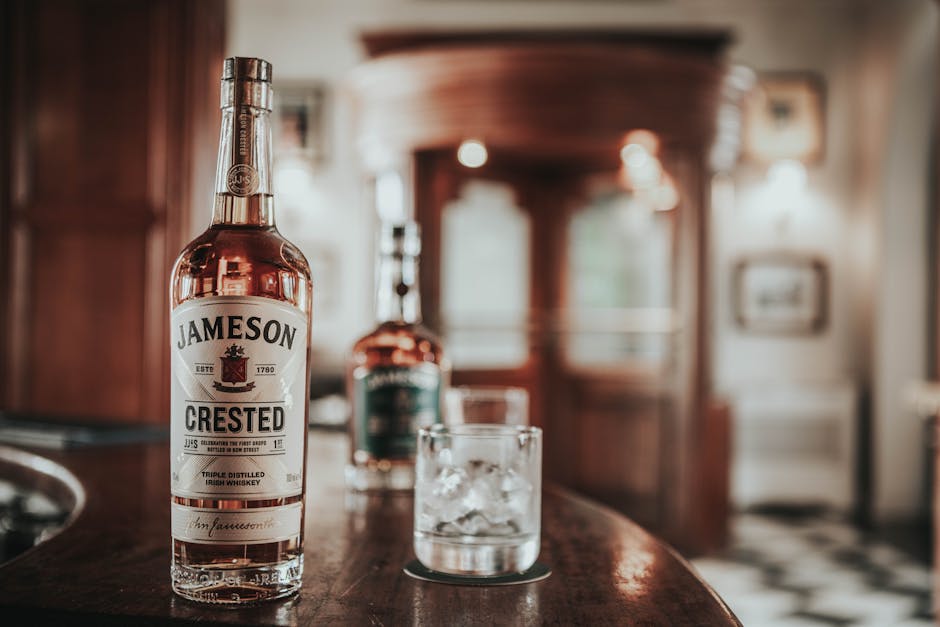
The Numbers Don’t Lie: Irish Whiskey’s Explosive Growth Trajectory
Let’s get the data on the table first, because the growth story here is genuinely staggering. According to the Irish Whiskey Association (IWA), exports of Irish whiskey surpassed 14.5 million cases globally in 2025, and projections for 2026 suggest a further 8-12% year-on-year growth. Compare that to the late 1980s when there were only two operational distilleries in the entire country — Bushmills and Midleton — and you start to understand the scale of the renaissance.
The United States remains the single largest market, consuming roughly 42% of all Irish whiskey exports. But what’s changed dramatically in 2026 is the diversification of demand. Markets like India, South Korea, and Southeast Asia have emerged as high-growth corridors, with South Korea alone posting a 34% increase in Irish whiskey imports in the past 18 months. This isn’t just Jameson-fueled bar culture anymore — it’s premium and ultra-premium expressions driving average selling prices up across the board.
The distillery count tells its own story. From that lonesome duo in the 1980s, Ireland now boasts over 45 active distilleries as of early 2026, with another dozen in various stages of construction or licensing. That’s a production ecosystem that’s been rebuilt almost from scratch within a single generation.
Triple Distillation, Single Pot Still, and the “Smooth” Factor
Here’s where the sensory insider knowledge matters. One of the most persistent misconceptions I encounter is people assuming Irish whiskey is popular purely because it’s “easy” — a gateway spirit. And while approachability is part of the story, it dramatically undersells the technical craft happening at these distilleries.
The triple distillation process, which most Irish whiskey producers use (as opposed to Scotland’s typical double distillation), creates a lighter, more refined spirit with fewer fusel oils. That translates to a cleaner finish that’s genuinely more food-friendly and cocktail-versatile. In a world where the craft cocktail culture continues to dominate bar programs globally, that versatility is a massive commercial advantage.
Then there’s the unique single pot still style — a category that’s almost exclusively Irish. Made from a mash of both malted and unmalted barley, it produces a creamy, spicy complexity that you simply cannot replicate with any other production method. Brands like Redbreast, Green Spot, and Powers have turned this into a calling card that serious whiskey nerds now actively seek out. The category has grown by over 60% in volume terms since 2023, signaling that premiumization within Irish whiskey is very real and very much accelerating.
The Cultural Zeitgeist: Why 2026 Is the Perfect Moment
Beyond the liquid itself, there’s a cultural current running in Irish whiskey’s favor that I think is deeply underappreciated in most market analyses. Post-pandemic, we saw a global shift toward what I’d call “heritage-with-soul” consumption. Consumers — particularly millennials and Gen Z — want products with genuine stories, authentic provenance, and a sense of place they can actually visit or at least emotionally connect to.
Ireland, with its tourism boom (visitor numbers hit record highs again in 2025), its globally beloved culture, and its extraordinary storytelling tradition, delivers all of this in spades. The whiskey trail tourism infrastructure that’s been built over the last decade is now mature enough to create a self-reinforcing loop: visitors come to Ireland, discover the whiskey culture firsthand, then become ambassadors at home. It’s word-of-mouth marketing at a national scale.
The “quiet luxury” aesthetic trend — minimalist, understated, quality-over-flash — has also worked powerfully in Irish whiskey’s favor. A bottle of Teeling Single Malt or a Dingle expression sits perfectly in that visual and philosophical language. It doesn’t need to shout.
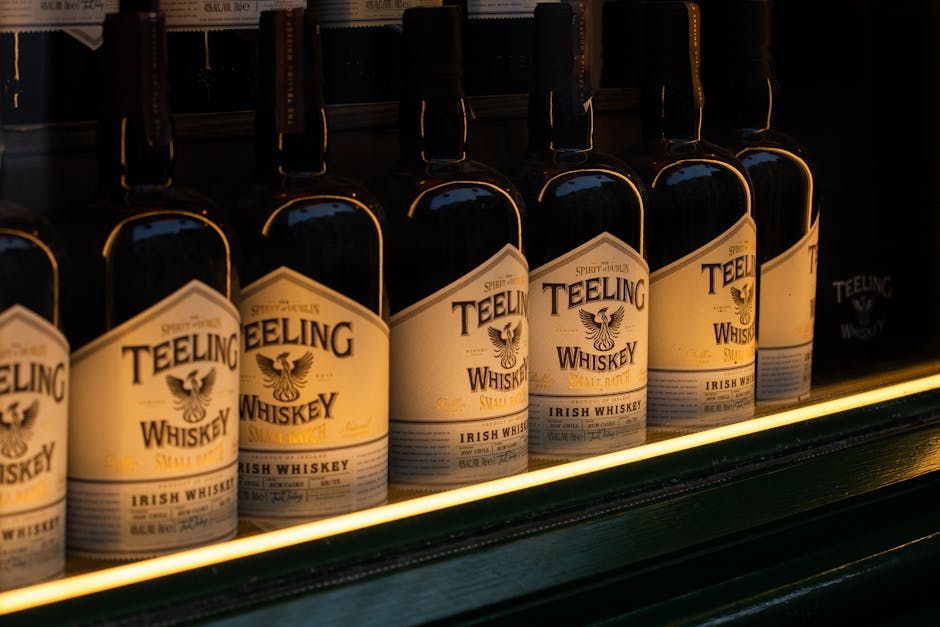
Key Brands and Distilleries Driving the 2026 Narrative
Let me walk through the players who are genuinely moving the needle right now:
- Jameson (Irish Distillers/Pernod Ricard): Still the global volume champion, but the Jameson Caskmates and Black Barrel expressions are successfully trading up consumers within the brand ecosystem. Jameson sold over 10 million cases globally in 2025 alone.
- Redbreast: The poster child for single pot still premiumization. The 12, 15, 21, and the Lustau Edition have created a collector culture around Irish whiskey that simply didn’t exist a decade ago. Limited releases routinely sell out within hours.
- Teeling Whiskey: Dublin’s first new inner-city distillery in over 125 years has become a genuine destination and a brand that speaks fluently to the craft spirits generation. Their Brabazon series has been a critical darling in 2026.
- Dingle Distillery: Small-batch, terroir-focused production in County Kerry. Their single malt expressions have earned serious credibility in the collector community and are increasingly showing up in Michelin-starred restaurant whiskey programs.
- Waterford Distillery: Arguably the most intellectually provocative Irish whiskey producer right now. Their single farm origin concept — where every whiskey is traceable to a specific barley farm — is creating a wine-like conversation around provenance that’s attracting an entirely new demographic of whiskey drinker.
- Bushmills: The world’s oldest licensed distillery (1608) is back with serious intent, investing heavily in aged expressions and wood innovation that’s turning heads at international competitions in 2026.
- Powers: Long underrated, the Powers John’s Lane Release and their single pot still expressions have become a litmus test for serious Irish whiskey credibility among enthusiasts.
The Investment and Industry Infrastructure Story
What separates a genuine category renaissance from a marketing blip is infrastructure investment, and Irish whiskey passes that test convincingly. Major spirits conglomerates and independent investors have poured an estimated €1.5 billion into Irish whiskey production capacity since 2020, much of which is only now coming online in 2026 as new make spirit matures into sellable whiskey.
The Irish government’s supportive regulatory environment — including clear geographical indication protections and a streamlined licensing process for new distilleries — has been a quiet but crucial enabler. The IWA’s Irish Whiskey Association website publishes detailed industry reports that are genuinely worth reading if you want to go deep on production statistics and export breakdowns.
Meanwhile, whiskey investment and auction platforms like Whisky Auctioneer and Rare Whisky 101 have reported consistent year-on-year increases in Irish whiskey lots and realized prices, suggesting the secondary market is maturing in parallel with retail. Irish whiskey is no longer a footnote in collectors’ portfolios — it’s becoming a meaningful category in its own right.
The Scotch Whisky Comparison: Competition or Complementarity?
A question I get asked constantly is whether Irish whiskey’s rise comes at Scotch’s expense. My honest read in 2026: it’s more complementary than competitive, at least in the premium tier. Irish whiskey is bringing new consumers into the whiskey category — people who were previously drinking gin, tequila, or wine — rather than simply poaching existing Scotch drinkers.
That said, in the affordable-premium sweet spot ($40-80 per bottle), there’s real shelf-space competition happening, and Irish whiskey is winning more of those battles than it was five years ago. The value proposition — comparable complexity and quality to entry-level Scotch single malts, often at a friendlier price point — is genuinely compelling to the cost-conscious but quality-conscious consumer of 2026.
What to Actually Drink: Entry Points and Rabbit Holes
If you’re new to Irish whiskey or want to use the current moment to go deeper, here’s my honest recommendation ladder:
- Complete beginner: Jameson Black Barrel — the extra maturation in charred bourbon barrels adds vanilla and spice complexity that makes it genuinely interesting, not just smooth.
- Ready to explore: Powers Three Swallows — affordable, authentic single pot still character, absolutely delicious with a few drops of water.
- Going premium: Redbreast 12 Cask Strength — this is where people have their “oh, I get it now” moment with Irish whiskey.
- Deep rabbit hole: Waterford Single Farm Origin series — prepare to spend an evening reading about Irish barley terroir and questioning everything you thought you knew about what makes whiskey taste the way it does.
- Special occasion: Midleton Very Rare or Redbreast 21 — expressions that hold their own against any whiskey in the world at any price point.
Challenges and Honest Caveats for 2026
No boom story is complete without acknowledging the friction points. The rapid expansion of the Irish whiskey category does carry genuine risks. The biggest one: age statement pressure. As demand outstrips the supply of matured spirit, some producers are leaning heavily on no-age-statement (NAS) releases that can be inconsistent. The reputational risk of consumers feeling short-changed is real, and a few producers are already navigating criticism in enthusiast communities.
There’s also the ever-present danger of oversaturation. When 45+ distilleries are all competing for shelf space and consumer attention, differentiation becomes genuinely hard. The brands that will win long-term in this environment are those with clear identity, consistent quality, and authentic stories — not just those with the biggest marketing budgets.
Finally, the global economic environment in 2026 — while more stable than a couple of years ago — still creates headwinds for premium spirits as consumers recalibrate their discretionary spending. Irish whiskey’s value positioning relative to Scotch actually helps here, but it’s not a complete shield.
Despite these caveats, the structural fundamentals — growing distillery ecosystem, premiumization momentum, cultural tailwinds, and a genuinely versatile and delicious product — suggest that Irish whiskey’s ascent in 2026 is built on something more durable than hype.
Editor’s Comment : If you’ve been sleeping on Irish whiskey — maybe written it off as your uncle’s easy-drinking pub choice — 2026 is genuinely the year to reconsider. Start with a bottle of Powers or Redbreast 12, find a quiet evening, and pour slowly. The category has grown up in ways that will surprise you, and the producers pushing the boundaries right now are making some of the most intellectually and sensorially interesting whiskey anywhere in the world. You don’t need to abandon your Scotch or your Japanese loves — think of Irish whiskey as a brilliant new conversation partner at the table, not a replacement for anyone already there.
📚 관련된 다른 글도 읽어 보세요
- 2026년 스코틀랜드 싱글몰트 위스키 순위 | 전문가가 추천하는 TOP 10
- How to Write Whisky Tasting Notes Like a Pro: The Insider’s Sensory Playbook for 2026
- Scotland’s Best New Single Malt Whiskies of 2026: Honest Reviews, Tasting Notes & Smart Buying Advice
태그: []
Leave a Reply