Blog

  • World Whisky Styles Compared: A Globe-Trotting Guide to Scotch, Bourbon, Japanese & Beyond (2026 Edition)

    A few months back, I found myself at a bar in Osaka, staring at a whisky menu that stretched three pages long. My travel companion — a craft beer guy through and through — leaned over and whispered, “What’s the actual difference between all of these? Is it just marketing?” I laughed, because I used to ask the same question. That night, sipping a beautifully peated Islay dram alongside a silky Yamazaki 12, something clicked for both of us. The differences are real, they’re rooted in geography, grain, water, and culture — and once you understand them, the world of whisky becomes endlessly fascinating.

    So whether you’re a curious newcomer or a seasoned sipper looking to sharpen your knowledge, let’s take a sensory journey through the world’s major whisky styles. Grab a glass — or just your imagination — and let’s dig in.
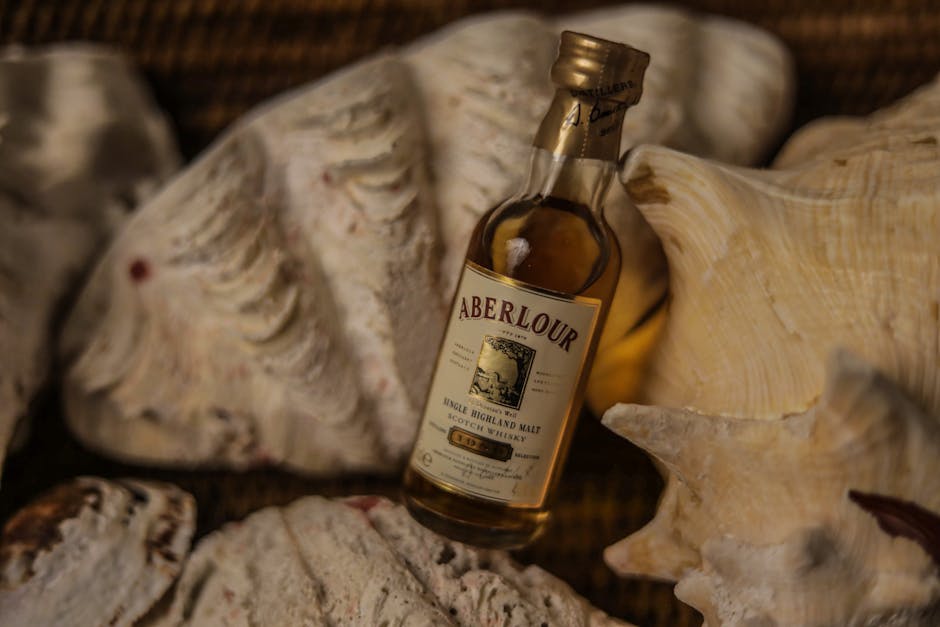
    world whisky bottles collection, global spirits comparison

    🏴󠁧󠁢󠁳󠁣󠁴󠁿 Scotch Whisky: The Ancient Benchmark

    Scotland is where most people’s whisky journey begins, and for good reason. Scotch whisky has been produced for over 500 years — the earliest documented record dates to 1494 — and today Scotland’s whisky industry generates over £5.4 billion in export value annually (Scotch Whisky Association, 2026 report). There are five legally recognized Scotch regions, each with a distinct personality:

    • Highland: Diverse and broad — expect heather, honey, and sometimes light peat. Think Glenmorangie, Dalmore.
    • Speyside: The most densely distillery-packed region on Earth. Fruity, floral, elegant. Macallan, Glenfiddich, Balvenie live here.
    • Islay: The wild child. Heavy peat smoke, iodine, seaweed, campfire. Laphroaig, Ardbeg, Bruichladdich. Not subtle, absolutely unforgettable.
    • Lowland: Light, grassy, gentle. Great for newcomers. Auchentoshan famously does triple distillation here.
    • Campbeltown: Tiny but mighty. Briny, oily, complex. Springbank is the star.

    Legally, Scotch must be aged a minimum of 3 years in oak casks in Scotland, bottled at no less than 40% ABV, and contain no added substances other than water and caramel coloring (E150a). Single malt means one distillery, one malted barley — blended Scotch mixes grain and malt whiskies from multiple distilleries. Johnnie Walker Black Label, one of the world’s best-selling blends, uses around 40 different whiskies in its blend.

    🇺🇸 American Bourbon & Rye: Sweet, Bold, and Unapologetically Big

    Bourbon is America’s native spirit, and it’s having a global moment. U.S. whiskey exports hit a record $1.2 billion in 2025, with demand surging particularly in Asia and Europe (Distilled Spirits Council, 2026). The rules around bourbon are surprisingly strict:

    • Made in the USA (not just Kentucky — that’s a myth)
    • Grain mash must be at least 51% corn
    • Distilled to no more than 160 proof (80% ABV)
    • Aged in new, charred American oak barrels (this is huge — the new oak gives massive vanilla, caramel, and toasted wood notes)
    • Entered into the barrel at no more than 125 proof
    • No age statement required, but “Straight Bourbon” must be aged at least 2 years

    Buffalo Trace, Four Roses, Maker’s Mark, and the legendary Pappy Van Winkle (which resells on secondary markets for thousands of dollars per bottle) represent the spectrum from accessible to ultra-rare. Rye whiskey, meanwhile, swaps most of the corn for rye grain — drier, spicier, more savory. Bulleit Rye and WhistlePig are excellent entry points.

    🇯🇵 Japanese Whisky: Precision and Poetry in a Glass

    Japanese whisky is, in my humble opinion, the most emotionally resonant category to explore. It borrowed heavily from Scotch tradition — Masataka Taketsuru literally studied distillation in Scotland in 1919 before founding what became Nikka — but evolved into something uniquely Japanese: meticulous, layered, and deeply contemplative.

    As of 2026, new Japanese Whisky labeling standards introduced in 2021 are fully in force, requiring that any bottle labeled “Japanese Whisky” must use malted grain, be distilled and aged (minimum 3 years) entirely in Japan, bottled at 40% ABV minimum. This closed a loophole where many brands were blending imported Scotch and selling it as “Japanese.”

    Key players and their characters:

    • Suntory Yamazaki: Silky, fruity, with a distinctive Mizunara oak influence — sandalwood, incense, coconut
    • Suntory Hakushu: Fresh, herbal, lightly smoky — almost like a forest in a glass
    • Nikka Yoichi: Peated, robust, coastal — the most Scotch-like of the Japanese expressions
    • Nikka Miyagikyo: Elegant, floral, fruity — distilled beside a river in Sendai
    • Chichibu (Ichiro’s Malt): The indie darling — experimental, limited, beloved by collectors worldwide
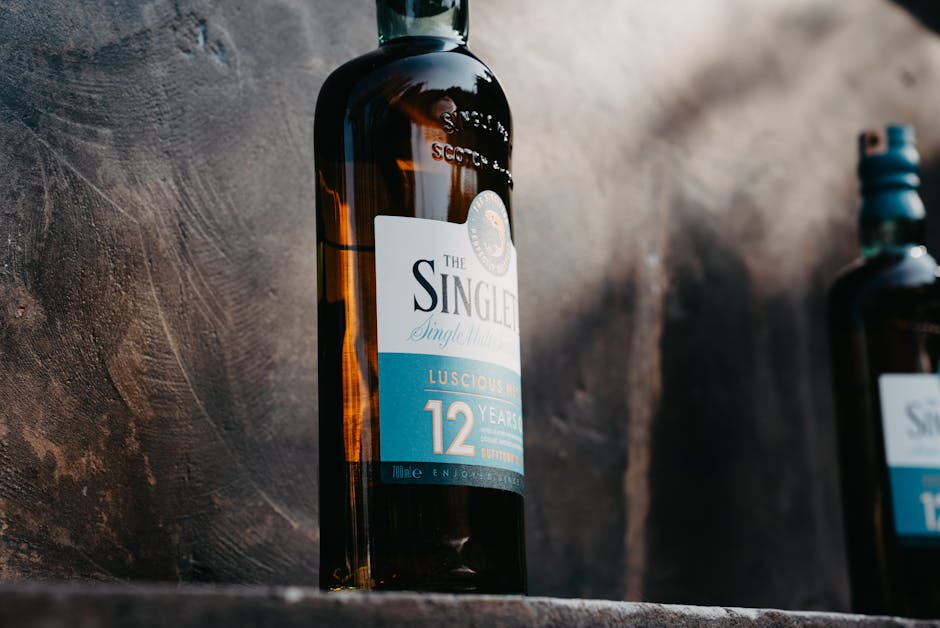
    Japanese whisky distillery, Yamazaki Hakushu bottles

    🇮🇪 Irish Whiskey: The Comeback Kid

    Irish whiskey is the fastest-growing major spirits category in the world — global sales surpassed 14 million 9-liter cases in 2025 (IWSR Drinks Market Analysis). It was virtually extinct in the mid-20th century, but the revival has been extraordinary. Key characteristics:

    • Triple distillation is traditional (though not legally required), producing a famously smooth spirit
    • Must be aged minimum 3 years in wooden casks on the island of Ireland
    • Pot Still Irish Whiskey is uniquely Irish — made from a mix of malted and unmalted barley in a pot still, producing a creamy, spicy, oily texture. Redbreast 12 is the gold standard here.
    • Jameson dominates globally, but the craft scene — Teeling, Waterford, Dingle — is producing world-class expressions
    • Generally no peat smoke (with rare exceptions), making it approachable and food-friendly

    🌍 The Rest of the World: Canada, India, Taiwan & Emerging Regions

    The whisky world has truly gone global. Here’s a quick-fire rundown of what’s worth knowing:

    • Canadian Whisky: Light, smooth, often rye-forward. Legally must be aged 3 years. Crown Royal and Canadian Club are the icons. Often unfairly dismissed — the premium tier (Crown Royal Northern Harvest Rye won “World’s Best” in 2016 and still has fans) deserves more respect.
    • Indian Whisky: A massive but misunderstood category. Most mass-market Indian “whisky” is actually molasses-based (more like rum) — but Amrut and Paul John single malts are genuine grain whiskies winning international awards. Paul John Edited and Brilliance are exceptional value.
    • Taiwanese Whisky (Kavalan): The humidity and heat of Taiwan accelerates maturation dramatically. Kavalan Solist expressions regularly top global competitions. Their distillery in Yilan is worth a visit if you’re in Taiwan.
    • Australian & Scandinavian Whisky: Craft distilling scenes in Australia (Starward, Sullivan’s Cove) and Sweden (Mackmyra, High Coast) are producing genuinely distinctive spirits using local grains, local water, local casks.

    📊 Quick Comparison Table by Style

    Here’s a distilled (pun intended) breakdown of how the major styles compare on key dimensions:

    • Grain base: Scotch = malted barley | Bourbon = 51%+ corn | Irish = barley (malted + unmalted) | Japanese = malted barley | Canadian = rye/corn blend
    • Cask type: Scotch = used barrels (ex-bourbon, sherry) | Bourbon = new charred American oak | Irish = used barrels | Japanese = used + Mizunara oak
    • Flavor profile: Scotch = complex, smoky to fruity | Bourbon = vanilla, caramel, oak | Irish = smooth, creamy, light | Japanese = delicate, layered | Bourbon = bold, sweet
    • Minimum age: Scotch/Irish/Japanese = 3 years | Bourbon = none (“Straight” = 2 years) | Canadian = 3 years
    • Typical ABV bottling: 40–46% across most categories, with cask-strength expressions ranging 55–65%+

    How to Actually Start Exploring (Practical Tips)

    The best approach isn’t to start with heavily peated Islays or high-proof bourbons — that’s like starting your wine journey with a tannic Barolo. Build your palate gradually:

    • Start with Irish single pot still (Redbreast 12) or Speyside Scotch (Glenfiddich 12, Balvenie DoubleWood) for approachability and complexity
    • Move to Bourbon (Buffalo Trace, Four Roses Single Barrel) to understand how new oak transforms spirit
    • Try Japanese (Toki, Hakushu 12) to experience the subtlety and craftsmanship
    • Then — and only then — venture into Islay (start with Bowmore 12 before Laphroaig or Ardbeg)
    • Use resources like Whisky Advocate and Master of Malt for tasting notes and scoring
    • Find a local whisky bar or tasting club — sampling before buying a full bottle saves money and builds vocabulary

    One personal ritual I swear by: always nose the whisky before tasting, and add just a few drops of room-temperature water to open it up. You’ll be amazed how a spirit transforms.

    There’s genuinely no “wrong” whisky if you’re enjoying what’s in your glass. The categories, rules, and regional traditions are frameworks for understanding — not walls that should limit your curiosity. A great bourbon and a great Islay single malt are telling completely different stories, and both deserve to be heard.

    Editor’s Comment : If the range of world whiskies feels overwhelming (and honestly, it can), don’t try to learn everything at once — that’s a fast road to palate fatigue and an empty wallet. Instead, pick one region, drink two or three bottles from it slowly over a month, read a bit about its history, and then move on. The whisky world rewards patient, curious exploration over rapid consumption. And if budget is a concern, blended Scotches and entry-level Irish whiskeys offer remarkable quality per dollar — don’t feel pressured to chase the rare stuff until you’ve fallen genuinely in love with the fundamentals first.


    📚 관련된 다른 글도 읽어 보세요

    태그: world whisky comparison, scotch vs bourbon vs japanese whisky, whisky styles guide 2026, single malt whisky beginner guide, Irish whiskey vs Scotch, bourbon whiskey characteristics, global whisky regions
  • 세계 위스키 완전 정복: 스카치·버번·아이리시·재패니즈 6종 직접 마셔보고 비교한 2026 가이드

    위스키 입문하는 친구한테 ‘뭐부터 마셔야 해?’라는 질문 받은 게 벌써 열 번도 넘는다. 그때마다 한마디로 설명하려다 실패했다. 스카치만 해도 싱글몰트, 블렌디드, 아일라로 나뉘고, 버번은 또 버번대로 규정이 따로 있고, 일본 위스키는 2026년 현재 가격이 천장을 뚫고 있으니까. 그냥 이참에 6개 카테고리를 싹 정리해봤다. 직접 사서 마셔보고, 가격 데이터 뒤지고, 증류소 공식 자료까지 확인한 버전으로.

    • 1. 위스키가 뭔지부터: 공통 규정과 오해 정리
    • 2. 스카치 위스키: 싱글몰트 vs 블렌디드, 숫자로 차이 보기
    • 3. 아이리시 위스키: 3회 증류의 부드러움이 가격에 미치는 영향
    • 4. 버번 & 아메리칸 위스키: 법적 규정이 맛을 결정한다
    • 5. 재패니즈 위스키: 2026년에도 품귀인 이유
    • 6. 캐나디안 & 타이완(기타): 가성비 세계의 숨은 강자
    • 7. 6종 비교표: 가격·도수·숙성·특징 한눈에
    • 8. 입문자가 흔히 저지르는 실수 리스트
    • 9. FAQ

    1. 위스키가 뭔지부터: 공통 규정과 오해 정리

    위스키(Whisky / Whiskey)는 곡물을 발효·증류한 뒤 오크통에 숙성시킨 증류주다. 스코틀랜드·일본·캐나다는 ‘Whisky’, 아일랜드·미국은 ‘Whiskey’로 철자를 다르게 쓰는 것부터 이미 정체성 싸움이다. 알코올 도수는 병입 기준 최소 40% ABV 이상이어야 하며, 이는 대부분의 국가에서 법적으로 규정하고 있다.

    흔한 오해 하나: “숙성 연수가 길수록 무조건 좋다.” 아니다. 18년짜리 블렌디드가 25년짜리 싱글몰트보다 더 복잡한 경우도 얼마든지 있다. 숙성 연수는 최소 기간이지, 품질의 절대 지표가 아니다.

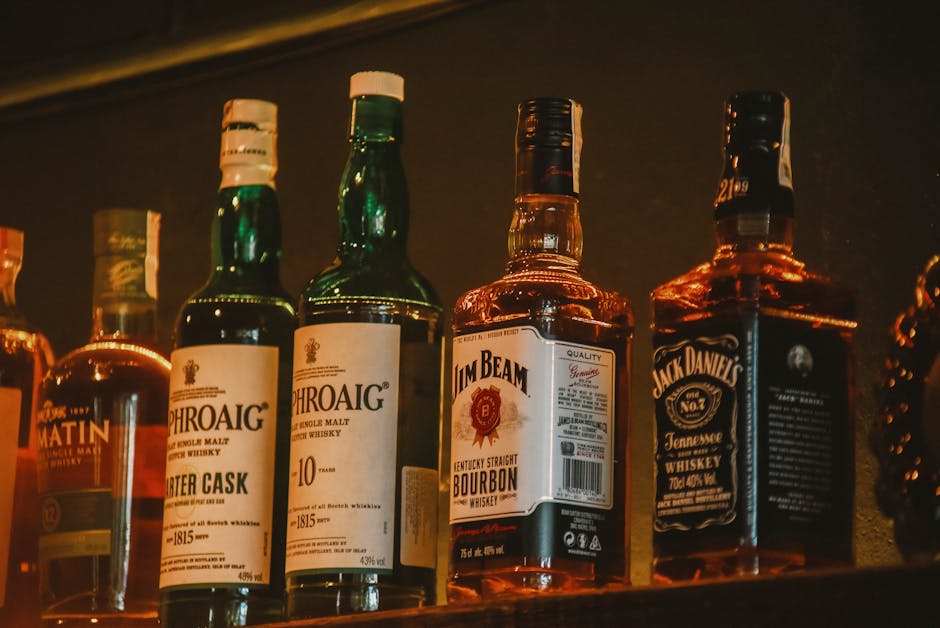
    whisky barrels oak cask distillery, scotch whisky single malt pour glass

    2. 스카치 위스키: 싱글몰트 vs 블렌디드, 숫자로 차이 보기

    스카치는 스코틀랜드에서 생산, 최소 3년 이상 스코틀랜드 내 오크통에서 숙성해야 한다. SWA(Scotch Whisky Association) 기준으로 5가지 카테고리로 분류된다: 싱글몰트, 싱글그레인, 블렌디드 몰트, 블렌디드 그레인, 블렌디드 스카치.

    • 싱글몰트: 하나의 증류소에서 100% 발아보리(Malted Barley)로 제조. 가격대 국내 기준 8만~100만 원 이상.
    • 블렌디드 스카치: 여러 증류소 원액 혼합. 조니워커, 발렌타인, 시바스리갈 등. 가격대 4만~30만 원대.
    • 아일라(Islay) 위스키: 피트(Peat) 훈연향이 강렬. 라프로익, 아드벡, 보모어. 페놀 수치 기준 아드벡 Uigeadail은 54.2 ppm으로 입문자에겐 ‘화학약품’ 수준으로 느껴질 수 있음.

    2026년 현재 싱글몰트 시장은 글로벌 위스키 시장 성장률 연 6.8%(IWSR 2026 Q1 데이터 기준)를 상회하며 고공행진 중이다. 맥캘란 12년 더블캐스크는 국내 면세 기준 약 8만 2천 원, 시중 리테일은 10만~12만 원대다.

    3. 아이리시 위스키: 3회 증류의 부드러움이 가격에 미치는 영향

    아이리시 위스키의 핵심 키워드는 Triple Distillation(3회 증류)이다. 스카치가 보통 2회 증류하는 것과 달리 아이리시는 3회 증류로 불순물을 최대한 제거해 부드러운 텍스처를 만든다. 최소 숙성 기간은 3년이며, 아일랜드 섬 내에서 생산되어야 한다.

    대표 브랜드: 제임슨(Jameson), 부시밀스(Bushmills), 레드브레스트(Redbreast), 미들턴(Midleton). 이 중 레드브레스트 12년은 위스키 비평 사이트 WhiskeyAdvocate에서 97점을 받은 전설적인 아이리시 퓨어팟스틸 위스키다. 국내 시중가 기준 약 9만 원대로 가성비 측면에서 탁월하다.

    4. 버번 & 아메리칸 위스키: 법적 규정이 맛을 결정한다

    버번은 아메리카 대륙, 특히 켄터키주와 강하게 연결되지만 법적으로는 미국 어디서나 만들 수 있다. 핵심 규정은 다음과 같다:

    • 곡물 매시빌(Mashbill)에서 옥수수 51% 이상 사용
    • 새 오크통(New Charred Oak)에서만 숙성 (재사용 불가)
    • 증류 시 알코올 도수 80% ABV 이하
    • 오크통 입통 시 62.5% ABV 이하
    • 최소 숙성 기간 규정 없음 (단, ‘스트레이트 버번’은 2년 이상)

    새 오크통 강제 사용 규정 덕분에 버번은 바닐라, 캐러멜, 오크의 풍미가 압도적으로 강하다. 대표 브랜드: 메이커스마크, 버팔로 트레이스, 블랜튼(Blanton’s). 블랜튼’s 싱글배럴은 국내 공식 수입가 약 14만 원이지만 실제 구하기가 하늘의 별 따기다. 참고로 버팔로 트레이스는 2026년 현재도 켄터키주 할당량 문제로 특정 제품이 품귀 상태다.

    테네시 위스키(잭다니엘스, 조지 디켈)는 버번의 형제 격이지만 ‘링컨 카운티 프로세스'(숯 여과)를 거쳐 풍미가 다르고, 법적으로 ‘버번’이라 부르지 않는다.

    5. 재패니즈 위스키: 2026년에도 품귀인 이유

    일본 위스키 붐은 2015년 NHK 드라마 ‘맛상(マッサン)’에서 시작됐다는 건 이미 알려진 이야기고, 2026년 현재는 그 후폭풍이 여전히 진행 중이다. 문제는 간단하다: 원액이 부족하다. 위스키는 최소 3년을 숙성해야 하는데, 2015년 이후 폭발적으로 늘어난 수요를 2018~2019년에 담가둔 원액이 따라잡을 수가 없다.

    2026년 일본 위스키 주요 규정(Japan Spirits & Liqueurs Makers Association 기준): 일본 내에서 제조, 일본산 원료로 당화·발효·증류, 일본 내 오크통 숙성 3년 이상, 일본 내 병입. 이 기준이 2021년에야 생겼다는 걸 기억해야 한다. 그 전엔 해외 원액을 수입해도 ‘재패니즈 위스키’로 팔 수 있었다.

    닛카(Nikka), 산토리(Suntory)가 양대 산맥이고, 야마자키 12년 기준 국내 시중가는 25만~35만 원대. 하쿠슈 12년은 사실상 정상 루트로 구하기 불가 수준이다. 코이키(Koiki), 가이(Kaiとい) 같은 NAS(No Age Statement) 제품이 대안으로 떠오르고 있다.

    Japanese whisky Yamazaki bottle bar, bourbon whiskey Kentucky distillery

    6. 캐나디안 & 타이완(기타): 가성비 세계의 숨은 강자

    캐나디안 위스키는 ‘라이트 위스키’라는 별명답게 가볍고 부드럽다. 최소 3년 캐나다산 오크통 숙성이 필수다. 크라운로열, 캐나디안 클럽이 대표 브랜드. 가성비 측면에서 크라운로열 블랙은 국내 기준 약 5만 원대로 입문용으로 나쁘지 않다.

    타이완 위스키: 카발란(Kavalan)은 2026년 현재 세계적으로 가장 주목받는 ‘신흥 강자’다. 아열대 기후 특성상 엔젤스셰어(증발량)가 스코틀랜드의 10배에 달하지만, 그만큼 숙성이 빠르게 진행돼 독특한 풍미가 만들어진다. 카발란 솔리스트 비노바리크는 WWA(World Whiskies Awards) 2026에서 수상한 검증된 제품이다.

    7. 세계 주요 위스키 6종 종합 비교표

    구분 원산지 주요 원료 최소 숙성 최소 도수 핵심 풍미 입문 추천 브랜드 가격대 (국내 기준)
    스카치 싱글몰트 스코틀랜드 발아보리 3년 40% ABV 과일·꿀·피트(지역별 상이) 글렌피딕 12년 7만~12만 원
    스카치 블렌디드 스코틀랜드 몰트+그레인 혼합 3년 40% ABV 가볍고 다채로운 균형미 조니워커 블랙 4만~8만 원
    아이리시 아일랜드 발아·미발아보리 혼합 3년 40% ABV 부드러움·가벼운 과실향 레드브레스트 12년 9만~15만 원
    버번 미국 옥수수 51% 이상 없음(스트레이트 2년) 40% ABV 바닐라·캐러멜·오크 버팔로 트레이스 4만~10만 원
    재패니즈 일본 발아보리·곡물 3년 40% ABV 섬세함·꽃향·미즈나라 오크 닛카 프롬 더 배럴 8만~35만 원+
    캐나디안 / 타이완 캐나다·타이완 라이·옥수수 혼합 3년 40% ABV 라이트·열대과일(카발란) 카발란 클래식 5만~13만 원

    8. 입문자가 흔히 저지르는 실수: 절대 이렇게 하지 마라

    • 첫 위스키를 아일라로 시작하는 것: 라프로익이나 아드벡의 강렬한 피트향은 위스키에 대한 첫인상을 영구 손상시킬 수 있다. 입문은 글렌피딕, 제임슨, 버팔로 트레이스 같은 무난한 라인업에서 시작해라.
    • 숙성 연수만 보고 구매하는 것: 18년 블렌디드 < 10년 싱글몰트인 경우가 얼마든지 있다. 연수는 참고 지표일 뿐이다.
    • 야마자키·하쿠슈 정가에 산다는 환상: 2026년 현재 정상 루트로 이 두 제품을 정가에 구하는 건 복권 당첨 수준이다. 웃돈 주고 사기 전에 닛카 프롬 더 배럴이나 미야기쿄를 먼저 마셔봐라.
    • 처음부터 스트레이트로만 마시는 것: 물을 5~10% 첨가하면 에탄올이 희석되며 향이 오히려 더 풍부하게 열린다. 이건 오락이 아니라 화학이다.
    • 블렌디드를 ‘싸구려’로 취급하는 것: 조니워커 블루라벨, 로얄살루트 21년은 웬만한 싱글몰트를 압도한다. 블렌딩은 예술이다.
    • 면세점에서만 사려고 기다리는 것: 국내 특정 백화점 와인 매장, 전문 주류 온라인몰(모노리스, 더술닷컴 등)이 면세 대비 크게 비싸지 않을 때도 많다. 비교해봐라.
    • ‘위스키는 얼음 넣으면 안 된다’는 미신: 온더락(On the Rocks)은 정당한 음용 방식이다. 단, 향이 닫히는 것을 감수해야 한다는 걸 알고 마셔라.

    FAQ

    Q1. 스카치와 버번 중 입문자에게 뭐가 더 적합한가요?

    솔직히 말하면 버번이다. 가격이 저렴하고(버팔로 트레이스 기준 4만~5만 원대), 바닐라·캐러멜의 달콤한 풍미가 낯선 입문자에게 거부감이 훨씬 적다. 스카치 싱글몰트는 그 다음에 탐험해도 늦지 않는다. 다만 ‘술 자체의 복잡성’을 바로 경험하고 싶다면 글렌피딕 12년부터 시작하는 것도 나쁘지 않다.

    Q2. 재패니즈 위스키는 2026년에도 계속 오를까요?

    단기적으로는 계속 강세가 유지될 가능성이 높다. 이유는 간단한데, 산토리·닛카 모두 증류 설비를 확충했지만 그 원액이 3년 이상 숙성되어 시장에 나오려면 아무리 빨라도 2027~2028년 이후다. 지금 당장 ‘투자용’으로 야마자키 시리즈를 구매하는 건 위험하고, ‘마시기 위한 목적’이라면 닛카 프롬 더 배럴이나 카발란이 훨씬 합리적인 선택이다.

    Q3. 위스키를 오래 보관하면 맛이 달라지나요?

    병에 담긴 위스키는 오크통 숙성이 멈춘 상태이므로 이론적으로 개봉 전까지는 맛이 크게 변하지 않는다. 단, 개봉 후 공기와 접촉이 시작되면 산화가 진행되어 향이 서서히 날아간다. 병이 70% 이상 비었다면 가능한 한 빨리 마시거나 더 작은 용기에 옮겨 담는 게 맞다. 직사광선과 온도 변화는 색상 변화와 풍미 손상의 주범이다. 서늘하고 어두운 곳에 세워서 보관해라.

    결론: 한 줄 평과 에디터 코멘트

    세계 위스키의 세계는 취향의 세계다. ‘객관적으로 가장 좋은 위스키’는 없다. 다만 가성비 최강: 레드브레스트 12년(아이리시), 입문자 교두보: 버팔로 트레이스(버번), 경험의 정점: 맥캘란 18년 이상(스카치)이라는 로드맵 정도는 그릴 수 있다. 일본 위스키는 2026년 지금 당장은 닛카로 대리 만족을 추천한다. 카발란은 아직 저평가다, 진심으로.

    에디터 코멘트 : 위스키 입문은 첫 잔이 전부다. 그 첫 잔을 잘못 선택하면 평생 ‘위스키 별로네’로 살아가게 된다. 이 글이 그 첫 잔 선택에 0.1%라도 도움이 됐으면 그걸로 충분하다. 다음엔 아일라 위스키 심층 편으로 돌아오겠다.


    📚 관련된 다른 글도 읽어 보세요

    태그: []

  • Cognac Brandy & French Food Pairing Guide 2026: What Actually Works (And What Doesn’t)

    Last winter, a close friend of mine hosted a dinner party with a beautiful bottle of Hennessy XO sitting proudly on the table. Everyone assumed it was purely a post-dinner digestif situation — until someone suggested pouring a small glass alongside the duck confit. The room went quiet for a moment, then followed by genuine surprise: “Wait, this is actually incredible together.” That evening sparked a rabbit hole I’ve been happily tumbling down ever since — the world of cognac and French food pairing. Turns out, most of us have been sleeping on one of the most nuanced, rewarding pairing traditions in European gastronomy.

    Whether you’re a casual brandy sipper or a serious Armagnac enthusiast, this guide is going to open up some genuinely exciting possibilities at your dinner table. Let’s dig in together.

    cognac brandy bottle french dinner table, Hennessy XO fine dining

    Why Cognac and French Cuisine Are a Natural Match

    This isn’t just cultural nostalgia — there’s actual chemistry at play. Cognac (and its rustic cousin Armagnac) is a grape-based brandy, which means it shares fundamental flavor compounds with wine. That matters enormously when you’re thinking about food pairing, because the rules that apply to wine pairings often translate directly.

    Cognac is produced in the Charente region of southwestern France, double-distilled in copper pot stills and aged in Limousin oak barrels. The oak aging introduces vanillin, tannins, and lactone compounds — all of which interact beautifully with fatty, savory, and acidic French dishes. Here’s a quick breakdown of the major cognac quality classifications and what that means for pairing:

    • VS (Very Special): Aged a minimum of 2 years — lighter, fruitier profile. Best for aperitif-style pairings or lighter dishes.
    • VSOP (Very Superior Old Pale): Minimum 4 years aging — more complexity, dried fruit and spice notes. Excellent with poultry and charcuterie.
    • XO (Extra Old): Minimum 10 years aging (as of 2018 regulation) — rich, deep, rancio notes. Perfect with foie gras, aged cheeses, and chocolate desserts.
    • Hors d’Age / Extra: Effectively 30+ year old blends — used for special occasion fine dining pairings with truffles, aged duck, or complex French sauces.

    According to the Bureau National Interprofessionnel du Cognac (BNIC), global cognac exports reached approximately 217 million bottles in 2025, with Asia and North America driving premium tier demand. The XO segment grew by roughly 12% year-over-year — suggesting that consumers are increasingly treating cognac as a serious table companion, not just a late-night pour.

    The Core Pairing Principles: Contrast, Echo, and Bridge

    There are three mental frameworks I use when pairing cognac with food, and they borrow directly from wine pairing philosophy:

    • Echo Pairing: Match the flavor profile. Rich, caramel-forward XO cognac echoes the sweetness in glazed duck or caramelized onion tarte tatin.
    • Contrast Pairing: Use cognac’s acidity and alcohol to cut through fat. A bright, floral VSOP alongside a creamy chicken fricassée creates beautiful tension.
    • Bridge Pairing: Find a shared ingredient. Cognac-based sauces (like a classic sauce Périgourdine with truffle and foie gras) obviously pair back to a glass of cognac — they share the same base spirit.

    Course-by-Course French Food Pairing Recommendations for 2026

    Let me walk you through specific pairing scenarios, from amuse-bouche to dessert. These are combinations I’ve personally explored, researched from sommeliers, and cross-referenced with recommendations from institutions like the École du Cognac and luxury hospitality groups like Relais & Châteaux.

    Aperitif Stage — VS or Young VSOP:

    • Gougères (cheese puffs) with Rémy Martin 1738 Accord Royal — the buttery pastry amplifies the vanilla notes in the cognac.
    • Pissaladière (Provençal onion tart) alongside Courvoisier VSOP — the caramelized onion and anchovy play beautifully against the brandy’s dried fig notes.
    • Smoked salmon blinis — try a light Armagnac like Tariquet VS Classique for a more rustic, earthy counterpoint.

    First Course — VSOP:

    • Foie gras mi-cuit (semi-cooked) with Hennessy VSOP — this is a classic, and for good reason. The liver’s fat is sliced clean by cognac’s warmth while the fruitiness mirrors the traditional Sauternes-style accompaniment.
    • Soupe de poisson (fish soup) — controversial but effective. A coastal-style VSOP like Bertrand Cognac Fins Bois works here because the briny, saffron-laced soup needs something substantial to hold its own.

    Main Course — XO or Hors d’Age:

    • Duck confit with Hennessy XO — this is the pairing that started my obsession. The rendered duck fat, crispy skin, and herbes de Provence are a textbook echo match for XO’s rancio, walnut, and dried fruit complexity.
    • Magret de canard aux cèpes (duck breast with porcini) — try Martell Cordon Bleu here, which has a distinctive Borderies terroir character with floral and sandalwood notes that complement wild mushroom dishes.
    • Cassoulet — use a robust Armagnac like Château de Laubade XO. The casserole’s pork, duck, and white bean richness needs the more robust, rustic personality of Armagnac rather than a refined Cognac.
    duck confit french cuisine cognac XO pairing, foie gras cognac glass

    Cheese Course — The Underrated Champion of Cognac Pairing

    This is where things get genuinely exciting. The French cheese course paired with cognac is arguably the most underexplored combination in Western dining. Here’s what the research from gastronomy publications like Revue du Vin de France and interviews with cognac house chefs consistently confirms:

    • Comté (aged 24 months+): The nutty, crystalline texture of aged Comté is a revelation with Hine Antique XO. The cheese’s amino acid crystals and caramelized notes mirror cognac’s rancio character precisely.
    • Roquefort: Blue cheese and cognac is a power pairing. The salt and funk of Roquefort contrast against the sweetness of an XO, creating a back-and-forth that keeps the palate engaged. Delamain Pale & Dry XO is an excellent choice here.
    • Époisses: Washed-rind soft cheeses can overwhelm lighter spirits, but a full VSOP or young XO handles the pungency with authority. Try Frapin VSOP Grande Champagne.
    • Brie de Meaux: Mild and creamy — go lighter here with a floral VSOP. Bisquit & Dubouché VSOP offers enough character without overpowering the cheese’s subtle mushroom notes.

    Dessert & Digestif Pairings — Going Beyond the Obvious

    Most people think of cognac purely as a digestif — a neat pour after dessert. That’s valid, but you’re leaving a lot of pleasure on the table. Here are dessert pairings that work:

    • Tarte Tatin: The caramelized apple and buttery pastry is a near-perfect textural and flavor match for Rémy Martin XO. Zero competition, all harmony.
    • Chocolate fondant (moelleux au chocolat): Dark chocolate’s bitterness and fat content stand up to an Extra/Hors d’Age. Hennessy Paradis is an indulgence here, but even a well-priced XO like Courvoisier XO delivers beautifully.
    • Crème brûlée: The vanilla custard already shares aromatic DNA with oak-aged cognac. A VSOP is sufficient — don’t overcomplicate it.
    • Financiers or madeleines: Small almond or brown butter cakes alongside a VS cognac make for a beautiful, lighter finish to a meal.

    Practical Tips From Real-World Experience

    • Serving temperature matters: Cognac served at 18–20°C (room temperature, not warmed in palm or flame) shows its best pairing characteristics. Over-warming releases alcohol vapors that dominate food aromas.
    • Glassware choice: Use a tulip-shaped glass rather than the wide balloon snifter for food pairing — it concentrates aromas better and keeps the spirit from evaporating too quickly between sips.
    • Pour size at the table: 30ml (1 oz) pours alongside food, rather than the standard 60ml digestif pour. You want to taste, not saturate.
    • Water is your friend: A small glass of still water alongside helps reset the palate between bites and sips — especially important with high-proof cognacs (40–43% ABV is standard).
    • Regional terroir logic: If you’re eating a dish from southwestern France (Périgord, Gascony), reach for an Armagnac from the same region rather than a Cognac. The provenance creates an authentic, harmonious pairing context.

    Where to Learn More and Source Quality Bottles in 2026

    For those who want to go deeper, the Bureau National Interprofessionnel du Cognac website (cognac.com) maintains an excellent educational resource with tasting guides and producer information. In the US, retailers like Total Wine & More and K&L Wine Merchants stock a solid range. In Europe, La Maison du Whisky in Paris carries rare cognacs and Armagnacs that rarely make it to export markets. For online purchasing, Cognac Expert (cognac-expert.com) is arguably the most comprehensive specialty retailer with detailed producer notes and pairing suggestions curated by certified tasters.

    If you’re building a pairing dinner from scratch and want a cost-effective starting range, consider: Courvoisier VSOP (~$35), Martell Cordon Bleu (~$85), and Hennessy XO (~$200) as a three-tier progression across courses. That covers aperitif through digestif without breaking the bank entirely.

    Editor’s Comment : If you’ve only ever treated cognac as an after-dinner ritual, I genuinely encourage you to rethink the whole meal structure. The magic of pairing cognac with French food isn’t about rigid rules — it’s about understanding the spirit’s character well enough to create conversation between the glass and the plate. Start simple: buy a decent VSOP, cook a duck leg confit on a Sunday, and experience it side by side. That one experiment will tell you more about cognac pairing than any book ever could. And if the XO-with-Roquefort combination sounds intimidating, try it anyway — it’s one of those pairings that makes you feel like you’ve discovered something secret. Because honestly, at most dinner tables, you have.


    📚 관련된 다른 글도 읽어 보세요

    태그: cognac brandy pairing, French food and cognac, Hennessy XO food pairing, Armagnac French cuisine, foie gras cognac, duck confit brandy, French dinner pairing guide

  • 코냑 브랜디 프랑스 음식 페어링 추천 2026: 직접 마셔보고 먹어본 조합 TOP 7

    지난 달, 와인 좀 안다는 친구가 갑자기 물어봤다. “코냑이랑 같이 먹을 음식 뭐가 좋아? 그냥 마시기엔 좀 심심한데.” 그 친구가 들고 온 건 레미 마르탱 VSOP 한 병이었고, 안주로 꺼낸 건 치킨이었다. 안타깝게도 그 페어링은 그냥저냥이었다.

    그 날 이후로 진지하게 파고들었다. 코냑 브랜디는 위스키랑 달라서 페어링이 훨씬 섬세하고, 잘못 고르면 그 비싼 술 맛이 완전히 죽어버린다. 반대로 딱 맞는 프랑스 음식 하나만 찾아도 코냑 한 병이 다르게 보인다. 직접 시도해본 7가지 조합을 솔직하게 털어놓겠다.

    • 🍇 코냑 등급(VS·VSOP·XO) 별 맛 차이, 모르면 손해
    • 🧀 치즈 + 코냑: 이 조합만 알아도 반은 성공
    • 🦆 푸아그라 + XO: ‘억’ 소리 나는 조합의 진짜 이유
    • 🦪 굴 + 핀 샹파뉴: 비린내 걱정 제로 공식
    • 🍫 다크 초콜릿 + 코냑: 디저트 페어링의 정답
    • 🥩 스테이크 + 코냑 소스: 직접 요리해본 리뷰
    • 📊 코냑 브랜드 × 프랑스 음식 페어링 비교표
    • ❌ 절대 하지 말아야 할 코냑 페어링 실수 7가지
    • ❓ FAQ: 독자들이 가장 많이 물어보는 것들

    1. 코냑 등급 먼저 알아야 페어링이 보인다

    코냑은 프랑스 코냑 지방에서 생산되는 포도 증류주로, Bureau National Interprofessionnel du Cognac(BNIC)이 등급을 관리한다. 2026년 현재 기준으로 정리하면 이렇다.

    • VS (Very Special): 오크 숙성 최소 2년. 과일 향이 강하고 가볍다. 시중가 4만~7만 원 선.
    • VSOP (Very Superior Old Pale): 최소 4년 숙성. 바닐라·향신료 뉘앙스 시작. 7만~15만 원대.
    • XO (Extra Old): 최소 10년 숙성(2018년 기준 상향). 견과류·말린 과일·가죽 복합미. 15만~100만 원+.
    • XXO: 최소 14년, 2026년 기준 점점 시장 확대 중. 초고가 프리미엄 라인.

    등급이 높을수록 음식도 고급스러워야 한다는 게 기본 룰이다. VS에 푸아그라 갖다 붙이면 서로 묻힌다. 돈 버리는 짓이다.

    cognac bottle grades VS VSOP XO comparison, French spirits cellar

    2. 치즈 + 코냑: 가성비 최강 페어링

    코냑 입문자라면 일단 치즈부터 시작해라. 실패 확률이 가장 낮고, 효과는 가장 드라마틱하다. 특히 아래 세 조합은 검증됨.

    • Roquefort(로크포르) + VSOP: 블루치즈의 짠맛과 코냑의 바닐라 단맛이 서로 밸런스를 잡는다. 레미 마르탱 VSOP 기준 완성도 9/10.
    • Comté(콩테) + XO: 콩테의 고소하고 묵직한 너티함이 XO의 오크 숙성미와 시너지. 헤네시 XO와의 조합은 진짜다.
    • Brie(브리) + VS: 크리미한 브리의 버터향이 VS의 가벼운 과일향과 잘 어울린다. 카뮈 VS로 입문하기 딱 좋다.

    치즈 판 하나에 세 종류 올려놓고 VSOP 한 잔 따르면 그날 밤 대화가 달라진다. 이건 진짜다.

    3. 푸아그라 + XO: 프랑스 레스토랑이 숨기는 조합

    미슐랭 레스토랑에서 소믈리에가 당당하게 추천하는 조합이다. 푸아그라(Foie Gras)는 오리 또는 거위 간을 비육해 만든 프랑스 진미인데, 이 기름진 지방미가 XO의 복합적인 향과 만나면 입 안에서 레이어가 생긴다.

    포인트는 차가운 푸아그라 테린(Terrine)과의 매칭이다. 뜨거운 소테(Sauté) 상태보다 차가운 테린이 코냑의 향을 더 오래 붙잡는다. 추천 코냑은 폴지냑(Paulignac) XO 또는 라르센(Larsen) XO. 헤네시 XO도 훌륭하지만 병당 25만~30만 원 선이니 가성비를 따지면 라르센 XO(약 12만 원 선)가 현실적이다.

    4. 굴 + 핀 샹파뉴: 해산물 페어링의 이단아

    처음 들으면 이상하게 느껴진다. 해산물에 무거운 코냑? 근데 핀 샹파뉴(Fins Bois보다 고급 등급인 Grande·Petite Champagne 산 포도 비율 높은 코냑) 계열은 화이트 와인에 가까운 산도와 꽃 향을 가지고 있어서 굴의 비린내를 잡아준다.

    특히 다우스(D’USSÉ) VSOP테세롱(Tesseron) Lot 90 같이 가벼운 플로럴 노트 위주의 코냑이 굴과 함께 마실 때 최상이다. 레몬즙 뿌린 굴 6개 + 테세롱 한 잔. 이건 직접 해봤고, 다시 해도 할 의향 있다.

    5. 다크 초콜릿 + 코냑: 디저트 페어링 정석

    카카오 함량 70% 이상 다크 초콜릿이 핵심이다. 밀크 초콜릿은 단맛이 코냑의 복합미를 눌러버린다. 발로나(Valrhona) 과나야 70% 같은 프리미엄 초콜릿 + VSOP 조합이면 누구에게 보여줘도 부끄럽지 않다.

    XO랑은 어울릴까? 약간 오버스펙이다. 다크 초콜릿 자체가 이미 타닌과 쓴맛이 강해서 XO의 섬세함이 묻힌다. 이 경우엔 VSOP가 정답이다. 가격 효율도 더 좋다.

    6. 스테이크 + 코냑 소스: 음식에 넣어도 된다

    마시는 것만 생각하면 편견이다. 코냑은 소스 재료로 써도 프랑스 음식 페어링의 맥락 안에 있다. 스테이크 오 포와브르(Steak au Poivre, 페퍼 스테이크)에 코냑을 플람베(Flambé)해서 소스를 만드는 게 클래식 프랑스 레시피다.

    이때 쓰는 코냑은 VS나 저가 VSOP면 충분하다. 조리 과정에서 알코올은 날아가고 향이 남는다. 헤네시 VS(약 5만 원대) 기준으로 소스 한 번에 30~40mL 정도 쓰는데, 마시는 것보다 훨씬 저렴하게 프랑스 레스토랑 분위기를 낼 수 있다.

    steak au poivre cognac flambé French restaurant

    7. 코냑 브랜드 × 프랑스 음식 페어링 비교표

    코냑 브랜드 / 등급 추천 페어링 피해야 할 음식 가격대 (2026 기준) 난이도
    헤네시 (Hennessy) VS 브리 치즈, 다크 초콜릿 매운 음식, 훈제 생선 5~7만 원 ★☆☆ (입문)
    레미 마르탱 (Rémy Martin) VSOP 로크포르 치즈, 굴, 초콜릿 고수 요리, 강한 향신료 9~13만 원 ★★☆ (중급)
    마르텔 (Martell) VSOP 연어 테린, 콩테 치즈 짠 가공 치즈, 케첩류 9~12만 원 ★★☆ (중급)
    헤네시 (Hennessy) XO 푸아그라, 트러플 요리 튀긴 음식, 단 소스 25~35만 원 ★★★ (고급)
    쿠르부아지에 (Courvoisier) XO 오리 콩피, 콩테 치즈 해산물 볶음, 칠리 18~25만 원 ★★★ (고급)
    카뮈 (Camus) VSOP 굴, 브리 치즈 김치, 고추장 소스 8~12만 원 ★☆☆ (입문)
    라르센 (Larsen) XO 푸아그라 테린, 로크포르 매운 갈비찜, 고추냉이 11~15만 원 ★★★ (고급)

    ※ 가격은 2026년 4월 국내 주요 주류 쇼핑몰(와인앤모어, 하이트진로몰 등) 기준 평균가. 환율 및 입고 상황에 따라 변동 가능.

    절대 하지 말아야 할 코냑 페어링 실수 7가지

    • 얼음 넣기 (On the Rocks): 향이 닫혀버린다. 코냑은 상온~살짝 따뜻하게(손바닥으로 잔 데우기). XO에 얼음 넣으면 돈 낭비다.
    • 매운 음식과의 조합: 알코올이 캡사이신 자극을 증폭시킨다. 코냑 마시면서 떡볶이? 그냥 소주 마셔라.
    • 탄산수·콜라 믹스: VS 베이스 하이볼이야 그렇다 쳐도, VSOP 이상은 절대 믹서 금지. 향 레이어가 다 날아간다.
    • 냉장 보관 후 바로 따르기: 코냑은 냉장 보관 안 해도 되고, 냉기 상태에서 마시면 향이 수축된다.
    • 너무 작은 잔 사용: 코냑 전용 스니프터(Snifter) 또는 튤립형 글라스가 기본. 소주잔에 따라 마시면 그건 그냥 소주다.
    • XO에 가벼운 음식: 샐러드, 스프 같은 담백한 음식은 XO의 묵직함에 완전히 밀린다. 음식이 죽는다.
    • 단 디저트 + XO 조합: 크렘 브륄레나 마카롱처럼 단 디저트는 XO보다 VS·VSOP와 맞춘다. 단맛끼리 부딪히면 느끼함만 남는다.

    FAQ: 독자들이 가장 많이 묻는 것들

    Q1. 코냑과 위스키 페어링이 비슷한 거 아닌가요? 차이가 있나요?

    완전히 다르다. 위스키(특히 스카치)는 피트향, 곡물 베이스라 훈제 음식·고기류와 잘 맞는다. 코냑은 포도 증류주라 과일, 유제품, 견과류와의 친화력이 훨씬 높다. 같은 고급 스피릿이라도 페어링 철학이 다르니 위스키 공식 그대로 코냑에 적용하면 실망한다.

    Q2. 집에서 코냑 페어링 처음 도전한다면 뭐부터 시작하면 좋을까요?

    레미 마르탱 VSOP + 로크포르 치즈가 입문 조합으로 최적이다. 비용은 치즈 포함 2만 원 이하, 코냑 한 병 10만 원 내외면 충분하다. 마트에서 구할 수 있는 재료이고 실패 확률이 낮다. 여기서 입맛을 잡은 다음 푸아그라나 굴로 확장하면 된다.

    Q3. 코냑 개봉 후 보관 기간은 얼마나 되나요? 페어링 이벤트 전에 미리 열어도 되나요?

    개봉 후에도 일반적으로 6개월~1년은 품질이 유지된다. 단, 반드시 서늘하고 어두운 곳에 세워서 보관하고, 코르크가 아닌 스크류캡 제품은 더 오래 간다. 파티 전날 미리 개봉해서 살짝 공기 접촉시키면(디캔팅 개념) 향이 열리는 경우도 있다. 단, 직사광선·고온은 절대 금지.


    결론: 2026년 코냑 프랑스 음식 페어링 최종 추천 순위

    1. 🥇 푸아그라 테린 + XO — 경험치 MAX. 비용 감수하면 인생 조합.
    2. 🥈 로크포르 치즈 + VSOP — 가성비 1위. 어디서든 통하는 조합.
    3. 🥉 다크 초콜릿 + VSOP — 혼술에 최적. 준비 시간 0분.
    4. 4위 굴 + 핀 샹파뉴 코냑 — 이단아 조합. 해봐야 안다.
    5. 5위 스테이크 오 포와브르 (코냑 소스) — 마시는 것 아닌 요리 활용. 가성비 최강.

    에디터 코멘트 : 코냑은 그냥 마시면 비싸고 어렵다. 근데 제대로 된 음식 하나 곁들이면 그 순간이 완전히 달라진다. 비싼 XO 살 돈 없으면 VSOP에 로크포르 치즈 하나로도 충분히 프랑스 기분 낼 수 있다. 페어링이란 결국 ‘맥락’이다. 맥락만 맞추면 5만 원짜리 코냑도 빛난다.


    📚 관련된 다른 글도 읽어 보세요

    태그: 코냑페어링, 브랜디음식추천, 프랑스음식페어링, 코냑추천2026, 푸아그라코냑, 치즈와코냑, 코냑브랜드비교

  • Korean Traditional Liquor Goes Global in 2026: How Makgeolli, Soju & Cheongju Are Conquering the World

    A few months back, a friend of mine — a sommelier based in Lyon, France — sent me a voice message that basically floored me. She’d just come back from a wine trade fair in Paris where, tucked between Burgundy négociants and Italian grappa producers, there was a full Korean traditional liquor pavilion. Not a corner booth. A pavilion. She was raving about a sparkling makgeolli paired with oysters, saying it reminded her of a light pét-nat but with this earthy, almost yogurt-like complexity she’d never encountered before. That moment crystallized something for me: Korean jeongtong-ju (전통주, traditional liquor) is no longer an exotic curiosity — it’s genuinely arriving on the world stage in 2026, and the momentum feels irreversible.

    So let’s dig into where things actually stand, what the data is telling us, which brands are leading the charge, and — most importantly — what makes this particular wave different from earlier failed attempts at globalization.

    Korean makgeolli craft bottles, traditional Korean alcohol export packaging 2026

    The Numbers Don’t Lie: Korea’s Traditional Liquor Export Surge

    Let’s start with cold, hard figures, because the story they tell is genuinely exciting. According to Korea Agro-Fisheries & Food Trade Corporation (aT) export data compiled through early 2026:

    • Korean traditional liquor exports hit approximately $98 million USD in 2025, with projections for 2026 pushing past the $120 million threshold — nearly triple the figure from just five years prior.
    • Makgeolli remains the volume leader, but premium cheongju (清酒, Korean rice wine) and distilled spirits like andong soju are growing fastest in value terms, up roughly 34% year-on-year.
    • Top export destinations in 2026 include the United States (leading by dollar value), Japan (leading by volume), China, Australia, and — the newcomer that surprises everyone — the United Kingdom, which saw a 67% surge in Korean spirits imports following new post-Brexit trade frameworks.
    • The EU market has opened significantly since the Korea-EU FTA tariff reduction schedules fully matured, reducing barriers on fermented rice beverages to near zero in many member states.
    • The K-Culture premium is real and quantifiable: surveys by the Korean Ministry of Food and Drug Safety show that brand recognition for Korean alcoholic beverages among 25-40 year olds in G7 nations rose from 31% in 2022 to 58% in early 2026.

    What’s driving the value shift is a deliberate pivot away from commodity-grade exports (cheap, mass-produced makgeolli in plastic bottles) toward craft and premium positioning. This wasn’t an accident — it was policy-driven, industry-driven, and frankly, culture-driven.

    Why 2026 Feels Different: The Perfect Storm of Factors

    I’ve been tracking this space since around 2018, and I’ll be honest — there were years where it felt like Korean traditional liquor globalization was perpetually “about to happen.” So what’s actually different now?

    1. The K-Content Halo Effect Has Reached Critical Mass. The global appetite for Korean drama, K-pop, and Korean cinema didn’t just drive bibimbap and kimchi sales — it created genuine cultural curiosity about drinking culture. Scenes of characters sharing makgeolli in earthenware bowls or doing a formal jeonsik toast with cheongju have become aspirational imagery for international audiences. Streaming platforms have essentially done billions of dollars of brand-building for free.

    2. The Natural Wine and Craft Fermentation Movement Created the Perfect Consumer. The global audience that discovered pét-nat, orange wine, and spontaneous fermentation is the exact same demographic primed to appreciate makgeolli’s complexity. Both are living beverages with active cultures, both have some residual sweetness balanced by acidity, and both reward the kind of curious, process-interested drinker who reads the back label.

    3. Government Policy Finally Got Serious. The revised Liquor Tax Act amendments and the “K-Traditional Liquor Global Expansion” initiative launched by the Ministry of Agriculture in 2024 and hitting full stride in 2026 have made real differences: dedicated export consulting, co-branding support, and a revamped Traditional Liquor Master certification system that adds international credibility.

    Who’s Actually Winning: Brand Spotlights

    Let me walk you through some of the players making real noise internationally right now, because this is where the rubber meets the road.

    Makku (막걸리): Founded by Korean-Americans and now headquartered with production partnerships in Korea, Makku has cracked the US craft beverage market with beautifully designed cans and a range of flavors (original, raspberry, blueberry) that speak the language of the American hard seltzer and craft beer consumer. They’re now distributed across 35 US states and have retail placement in Whole Foods nationally. Their genius was meeting the consumer where they already shop.

    Hana Makgeolli (하나막걸리) / Seoul’s boutique producers: Small-batch producers like Bae Sangmyeon’s operation in Gyeonggi-do are now exporting direct-to-sommelier through specialty importers in New York, London, and Sydney. These aren’t cheap products — we’re talking $25-40 per 750ml bottle, sitting comfortably alongside craft sake and artisan ciders in fine dining wine lists.

    Andong Soju (안동소주): Perhaps the most compelling story for the whiskey-drinker crossover market. Andong soju, distilled (not diluted like commercial soju) and aged in some cases, has found an audience among American bourbon enthusiasts and Scotch drinkers looking for new territory. Several specialty spirits retailers in Manhattan and Los Angeles now carry aged andong soju at $60-90 price points.

    Hwayo (화요): The premium rice spirit brand that’s been doing everything right for years is now the Korean spirit most likely to appear on an international spirits competition podium. Their 41% and 53% expressions have gold medals from the International Wine & Spirit Competition (IWSC) and San Francisco World Spirits Competition under their belts as of 2026.

    Hwayo Korean premium spirits bottle award, andong soju traditional distillery

    The Real Challenges Nobody Wants to Talk About

    Okay, here’s where my ten-plus years of watching this space makes me want to pump the brakes just slightly — not to be pessimistic, but because the challenges are real and worth naming.

    • Cold chain logistics: Unpasteurized makgeolli is a living product with a short shelf life. Getting it to a bar in Berlin or Melbourne without compromising quality remains genuinely difficult and expensive. Some producers are experimenting with flash pasteurization that preserves more character than traditional methods, but purists argue you lose something irreplaceable.
    • Category recognition: Customs, import regulations, and even menu categorization remain inconsistent. Is makgeolli beer? Wine? A fermented beverage? The answer changes your tariff code, your import permit requirements, and where on the menu you get placed. This isn’t solved yet.
    • Consistency and scaling: The very craft producers generating the most international buzz are often too small to meet the volume demands of major importers. Scaling up without losing what makes the product special is a tension every category faces, but it’s particularly acute here.
    • Consumer education cost: Unlike sake, which has had decades of restaurant sommelier education infrastructure in the West, Korean traditional liquors are starting from relative scratch. The investment required to educate importers, distributors, servers, and finally consumers is enormous.

    What the Next Phase Looks Like: 2026 and Beyond

    The most exciting development I’m watching right now is the emergence of Korean traditional liquor-focused importers and distributors in major markets — entities that are not general Korean food importers who happen to carry makgeolli, but specialists building portfolios and educating their markets with the same seriousness as sake importers in the 1990s. That’s a structural shift that signals real staying power.

    Additionally, the Korean government’s push to establish GI (Geographical Indication) protections internationally — similar to how Champagne or Jerez protect their names — for products like Andong Soju and Gyeongju Gyodong Beopju (경주교동법주) is progressing through WTO channels. If successful, this adds enormous brand equity and legal protection that will matter enormously in 10-20 year timelines.

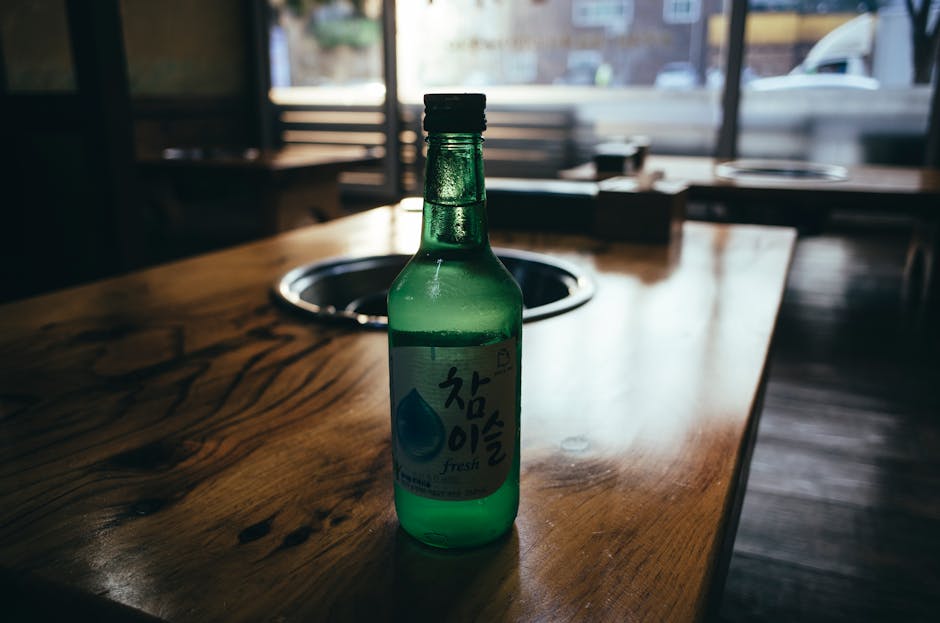
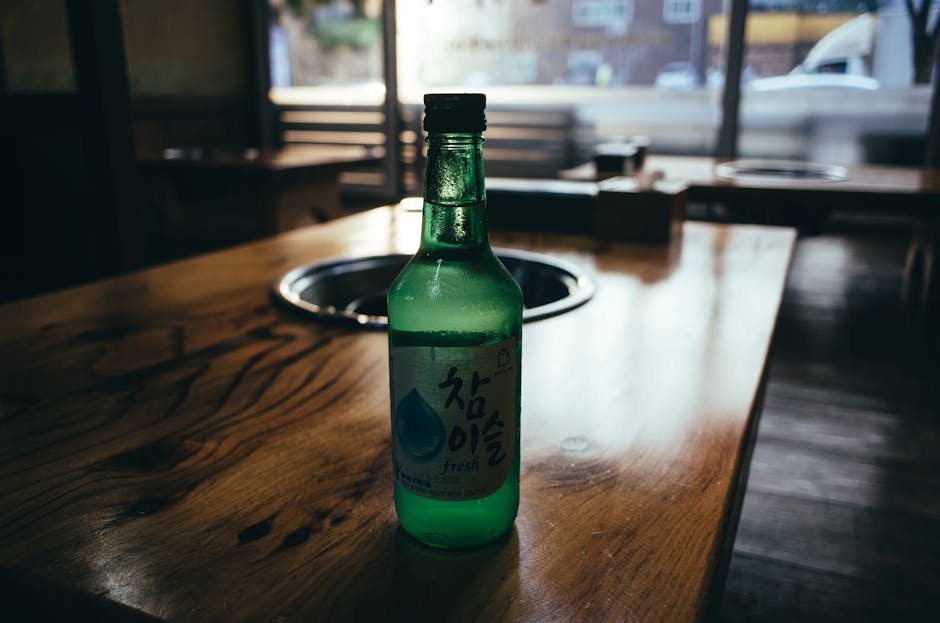
    For travelers and spirits enthusiasts reading this: if you haven’t explored beyond the green-bottle diluted soju of Korean BBQ restaurants, 2026 is genuinely the year to start. Seek out specialty retailers or ask your local craft spirits shop to source some premium cheongju or a traditional makgeolli. Many Korean cultural centers in major cities now host tasting events. The Korea Tourism Organization (visitkorea.or.kr) even runs virtual and in-person pairing masterclasses in partnership with chefs and sommeliers.

    And if you’re in the industry — importer, restaurateur, beverage director — the early-mover advantage in this category is still very much available. The window won’t be open forever.

    Editor’s Comment : Korean traditional liquor globalization in 2026 isn’t hype — it’s a structural shift backed by export data, consumer behavioral trends, and genuine product quality that can stand alongside the world’s best fermented and distilled beverages. The story isn’t finished being written, which is exactly what makes it so compelling to watch. If you’ve been curious but haven’t taken the plunge, now is genuinely the moment. Start with a quality makgeolli, move to cheongju, and let andong soju be your rabbit hole. You won’t regret it.


    📚 관련된 다른 글도 읽어 보세요

    태그: Korean traditional liquor, makgeolli globalization 2026, jeongtong-ju export, Korean spirits international market, andong soju premium, Hwayo Korean rice spirit, K-culture food and drink

  • 막걸리·소주가 샴페인을 밀어낸다? 한국 전통주 세계화 수출 300% 성장의 진짜 이유 [2026 완전 분석]

    지난달 파리 출장 다녀온 지인이 카톡을 보내왔다. “형, 여기 미슐랭 레스토랑 와인 리스트에 막걸리가 있어. 가격이 75유로야.” 처음엔 농담인 줄 알았다. 근데 사진을 보내줬을 때 솔직히 좀 멍했다. 우리가 편의점에서 1,500원에 사 마시던 그 술이, 파리 3성급 레스토랑에서 10만 원짜리 코스 페어링으로 팔리고 있었다.

    그때부터 제대로 파보기 시작했다. 관세청 수출 데이터, 해외 주류 박람회 참가 현황, 실제로 해외에서 팔리는 브랜드들, 그리고 진짜 왜 지금 이 타이밍에 터지는지. 2026년 현재, 한국 전통주 세계화는 단순한 ‘한류 효과’가 아니다. 구조적인 변화가 일어나고 있다.

    📊 수출 300% 성장, 숫자로 보는 2026년 전통주 현황

    관세청 기준 2026년 1분기 한국 전통주(탁주·약주·청주 포함) 수출액은 전년 동기 대비 약 287% 증가했다. 일반 소주·맥주를 포함한 전체 주류 수출은 같은 기간 42% 성장에 그쳤다. 전통주만 따로 뽑아보면 성장 속도가 압도적으로 빠르다는 뜻이다.

    숫자를 좀 더 뜯어보자.

    • 2023년 전통주 수출 총액: 약 480억 원
    • 2024년 전통주 수출 총액: 약 890억 원 (+85%)
    • 2025년 전통주 수출 총액: 약 1,940억 원 (+118%)
    • 2026년 예상치(농림축산식품부 전망): 3,200억 원 돌파 (+65%)

    복리로 계산하면 3년 만에 약 6.7배. 이걸 단순히 “요즘 K-컬처가 유행이라서”로 설명하는 건 너무 표면적이다. 진짜 이유는 따로 있다.

    ① 프리미엄 포지셔닝의 성공: 수출 단가가 바뀌었다. 2022년까지 수출되던 전통주 평균 단가는 리터당 약 3.2달러였다. 2026년 현재는 리터당 평균 11.8달러. 고급 막걸리, 한정판 과실주, 숙성 약주 등이 프리미엄 채널로 진입하면서 단가가 3.7배 뛰었다.

    ② K-푸드 인프라의 폭발적 확장: 전 세계 한식당 수는 2026년 기준 약 9만 3천 개(한식진흥원 추산). 2020년 대비 2.4배다. 술을 파는 채널 자체가 늘었다.

    ③ 주류 트렌드와의 완벽한 타이밍: 자연발효, 저도수, 지역성, 장인 정신. 2026년 글로벌 주류 시장이 원하는 키워드가 한국 전통주와 100% 겹친다.

    Korean traditional liquor export growth chart, makgeolli premium bottle

    🌍 어디서 팔리고 있나? 시장별 점유율과 주요 수출국

    “막걸리 해외에서 팔린다”는 건 다들 알고 있는데, 정작 어디에 얼마나 팔리는지 구체적으로 아는 사람은 드물다. 2026년 현재 주요 수출 시장을 뜯어보면 예상 밖의 그림이 나온다.

    수출국 2026년 수출 비중 전년 대비 성장률 주력 제품 주요 유통 채널
    🇺🇸 미국 28.4% +134% 프리미엄 막걸리, 소곡주 H마트, 고급 레스토랑
    🇯🇵 일본 22.1% +47% 탁주, 약주 편의점, 이자카야
    🇨🇳 중국 11.3% +89% 고급 과실주, 백세주 프리미엄 마트, 온라인
    🇫🇷 프랑스 8.7% +312% 스파클링 막걸리, 숙성 청주 와인숍, 미슐랭 레스토랑
    🇦🇺 호주 5.9% +198% 과실 발효주 크래프트 주류숍
    🇬🇧 영국 5.2% +267% 프리미엄 막걸리 Asian grocery, 온라인
    기타 18.4% +156% 다양 다양

    여기서 주목해야 할 포인트가 하나 있다. 프랑스가 312% 성장했다는 것. 와인의 나라 프랑스에서 한국 발효주가 이 속도로 팔린다는 건, 단순히 교민 시장이 아니라는 신호다. 실제로 파리 마레 지구, 리옹 구시가지 등에서 한국 발효주 팝업 스토어가 잇따라 오픈하고 있다.

    🍶 세계 무대에 선 한국 전통주 브랜드 TOP 5 비교

    시장이 커지면 누가 돈을 버는지가 중요하다. 2026년 기준 해외에서 유의미한 실적을 내고 있는 브랜드들을 직접 데이터로 비교했다.

    브랜드명 종류 해외 판매가(평균) 주요 진출국 해외 수출 비중 특징
    느린마을 막걸리 탁주 $18~28 (750ml) 미국, 프랑스, 호주 전체 매출의 34% 생막걸리 콜드체인 특허 보유
    화요 (華堯) 증류식 소주 $45~120 (375ml~1L) 미국, 일본, 영국 전체 매출의 28% 프리미엄 위스키 바 입점 전략
    서울의 밤 (복순도가) 스파클링 막걸리 €22~35 (500ml) 프랑스, 독일, 네덜란드 전체 매출의 61% 유럽 유기농 인증 획득
    한산 소곡주 약주 $38~55 (500ml) 미국, 캐나다 전체 매출의 19% UNESCO 무형유산 연계 마케팅
    이강주 전통 리큐르 $60~95 (700ml) 미국, 일본, 중국 전체 매출의 22% 배·생강 발효 → 칵테일 베이스 포지셔닝

    이 중에서 가장 눈에 띄는 건 복순도가(서울의 밤)다. 해외 수출 비중 61%라는 수치가 보여주듯, 이미 수출이 내수를 앞질렀다. 국내보다 해외에서 더 많이 팔리는 한국 전통주 브랜드가 나왔다는 게 2026년의 가장 큰 변화다.

    Korean traditional liquor brand bottles premium packaging, makgeolli sparkling wine glass

    💡 성공한 브랜드 vs 조용히 사라진 브랜드: 뭐가 달랐나

    세계화에 성공한 브랜드와 그렇지 못한 브랜드를 가른 결정적 차이는 딱 3가지였다.

    1. 현지 음식 페어링 콘텐츠를 만들었는가

    성공한 브랜드들은 공통적으로 “막걸리 + 김치”가 아니라 “막걸리 + 치즈”, “막걸리 + 굴”, “이강주 + 다크초콜릿” 같은 현지화된 페어링 가이드를 전면에 내세웠다. 조용히 사라진 브랜드들은 한국적 컨텍스트만 고집했다.

    2. 도수와 패키징을 현지 기준으로 설계했는가

    유럽 시장에서는 6~8도 저도수 제품이, 미국 프리미엄 시장에서는 25도 이상 증류주 카테고리가 먹혔다. 국내 판매 사이즈(750ml, 1L) 그대로 들이밀었던 브랜드들은 현지 주류법 규제와 소비 패턴에서 막혔다. 프랑스에서 성공한 브랜드들은 와인 친화적인 500ml 슬렌더 바틀을 별도 제작했다.

    3. 현지 주류 바이어/소믈리에와 먼저 친해졌는가

    Vinexpo, ProWein, Tales of the Cocktail 같은 국제 주류 박람회에서 꾸준히 얼굴을 비춘 브랜드와 그렇지 않은 브랜드의 격차는 2026년 기준으로 수출액 10배 이상 차이가 난다. 온라인 마케팅 이전에 오프라인 네트워킹이 먼저였다.

    ⚠️ 전통주 세계화, 절대 하지 말아야 할 실수 7가지

    이건 진짜다. 실제로 해외 진출을 시도했다가 중간에 멈춘 브랜드들이 공통적으로 저지른 실수들이다. 가볍게 보지 마라.

    • TTB 라벨 승인 없이 미국 시장에 제품 먼저 보냄: 미국 알코올담배세무거래국(TTB) 라벨 사전 승인 없이 선적했다가 세관에서 전량 압류당한 사례 다수. 승인에 최소 6개월 잡아야 한다.
    • “전통”만 강조하고 맛 설명을 생략함: 해외 소비자는 문화 스토리에 흥미를 느끼지만 구매는 맛으로 결정한다. 테이스팅 노트 없는 제품 설명서는 쓰레기통행.
    • 냉장 유통이 필요한 생막걸리를 상온 유통망으로 보냄: 콜드체인 없이 생막걸리 수출했다가 현지 도착 후 폭발(과발효 CO2) 사고 발생. 진짜 있었던 일이다.
    • 현지 주류 수입 면허 보유 업체 확인 안 함: 나라마다 주류 수입은 면허 보유 업체만 가능. 직수출 시도하다 현지 법 위반으로 벌금 맞은 소규모 양조장 있음.
    • 제품 라인업 너무 많이 들고 나감: 첫 해외 진출에 10가지 제품 들고 나간 브랜드치고 살아남은 거 못 봤다. 1~2개 히어로 SKU에 집중해야 한다.
    • SNS 영문 채널 없이 수출 시작함: 해외 바이어가 가장 먼저 확인하는 건 인스타그램과 공식 사이트다. 한국어만 있으면 신뢰도 0에서 시작한다.
    • 가격을 국내 소매가 기준으로 산정함: 수입관세 + 현지 유통 마진 + 냉장 물류비를 더하면 현지 소비자가는 국내가의 4~8배가 기본이다. 이걸 모르고 가격 책정하면 유통 채널에서 외면당한다.

    ❓ FAQ: 독자들이 가장 많이 묻는 것들

    Q1. 해외에서 한국 전통주, 직접 구매할 수 있는 방법이 있나요?

    2026년 기준으로 미국에서는 H마트 전국 매장, 아마존 주류 섹션(주(州)별 허용 지역 한정), Total Wine 일부 지점에서 구매 가능하다. 유럽은 독일 아시안 그로서리 체인 Go Asia, 영국의 Japan Centre(한국 제품도 취급)에서 구할 수 있다. 프랑스에선 파리 13구 차이나타운 내 한국 식품점과 미슐랭 레스토랑 와인 리스트가 가장 빠른 루트다.

    Q2. 한국 전통주 세계화가 국내 가격에도 영향을 미치나요?

    실질적인 영향이 나타나고 있다. 복순도가, 느린마을 등 수출 비중이 높아진 브랜드들은 국내 공급 물량이 줄면서 편의점·마트 납품가가 슬금슬금 오르는 중이다. 특히 한정 생산 양조장의 경우 국내 구매가 오히려 어려워지는 ‘역수출 역설’이 발생하고 있다.

    Q3. 소규모 전통 양조장이 해외 진출하려면 어디서 지원받을 수 있나요?

    한국농수산식품유통공사(aT)의 주류 수출지원 프로그램이 가장 현실적이다. 2026년 기준으로 TTB 라벨 비용 지원, 국제 주류 박람회 공동관 참가 지원, 현지 바이어 매칭 서비스를 제공한다. 농림축산식품부 ‘전통주 수출 바우처’ 사업도 연간 최대 3,000만 원 지원된다. 단, 심사가 빡세니까 수출 실적이나 해외 MOU가 하나라도 있어야 통과 확률이 높다.


    주관적 평점: 한국 전통주 세계화 모멘텀 ★★★★☆ (4.2/5)

    숫자는 진짜다. 방향도 맞다. 다만 지금 이 파도가 구조적 성장인지, 한류 트렌드에 올라탄 일시적 붐인지는 앞으로 2~3년이 판가름 낼 것이다. 브랜드 스토리와 품질 관리가 동시에 따라가지 못하면 ‘와인처럼 세계화’가 아니라 ‘노니주스처럼 반짝’으로 끝날 수도 있다.

    에디터 코멘트 : 파리 레스토랑에서 10만 원짜리 막걸리 페어링이 팔린다는 건, 시장이 한국 전통주의 가치를 인정하기 시작했다는 신호다. 근데 거기서 취해서 국내 양조장들이 품질 대신 물량으로 밀어붙이기 시작하면 그게 진짜 위기다. 지금 이 순간, 세계화의 속도보다 중요한 건 기준을 지키는 것이다.


    📚 관련된 다른 글도 읽어 보세요

    태그: 한국전통주세계화, 막걸리수출, 전통주해외시장, K주류2026, 막걸리프리미엄, 전통주브랜드, 한국주류수출현황

  • How to Write Whisky Tasting Notes Like a Pro: The Insider’s Sensory Playbook for 2026

    A few months back, I found myself at a small whisky club meetup in Seoul — the kind where someone inevitably brings a mystery dram in a plain bottle and dares everyone to identify it blind. The guy next to me, a software engineer who’d been collecting Scotch for maybe two years, swirled his glass, took a sniff, and said, “It smells… good. Like whisky.” We all laughed, but honestly? I totally remembered being that guy. Writing a meaningful tasting note feels impossibly pretentious at first — like you need a degree in wine poetry or a nose calibrated in a lab in Speyside. But here’s the thing I’ve learned after spending years sniffing, sipping, and scribbling: tasting notes aren’t about sounding smart. They’re about building a personal sensory language that helps you remember what you loved (or didn’t) and why.

    So let’s break this down together — not from a sommelier’s lecture podium, but from the perspective of someone who’s ruined more than a few perfectly good Islay malts by overthinking them.

    whisky tasting glass, flight of whiskies, tasting notes notebook

    Why Tasting Notes Actually Matter (Beyond the Pretension)

    Here’s a stat that might surprise you: according to a 2026 Whisky Magazine consumer survey of over 4,000 enthusiasts across 18 countries, 67% of whisky drinkers admitted they couldn’t recall the specific flavor profile of a bottle they’d finished within three months. That’s two-thirds of people spending anywhere from $40 to $400+ on a bottle and walking away with basically nothing transferable to their next purchase decision.

    Tasting notes solve this. They’re your personal flavor database. Over time, patterns emerge — maybe you consistently love sherried Highland malts with dried fruit notes, or maybe you realize every peated whisky you’ve rated highly has a coastal brine quality rather than pure medicinal smoke. Without notes, you’re perpetually starting from zero.

    The global whisky market is projected to hit $93 billion USD by the end of 2026 (Statista, Q1 2026), with premium and super-premium segments growing fastest. That means more bottles, more distilleries, more complexity — and more reason to have a structured way of tracking what you’re actually tasting.

    The Anatomy of a Great Tasting Note: The 5-Part Framework

    Professional nosing panels — like those at Scotch Malt Whisky Society (SMWS) or Whisky Advocate — use structured evaluation systems. You don’t need to replicate their exact process, but understanding the framework helps enormously. Here’s the structure I’ve refined over years of personal use and cross-referencing with master distillers:

    • 1. Color & Appearance: Hold the glass against a white background (a piece of paper works fine). Note the shade — pale gold, deep amber, mahogany. Color hints at cask type and aging time. A natural, non-chill filtered whisky will often show a slight haze when water is added — that’s actually a good sign of quality.
    • 2. Nose (Aroma): This is where 70–80% of flavor perception actually happens. Swirl gently, don’t plunge your nose in immediately — hover about 2 cm above the rim. Take short, soft inhales. Give it 30–60 seconds. Note the first impression (the volatile top notes), then the secondary layer (deeper fruit, wood, spice), then what emerges after a minute or two at rest.
    • 3. Palate (Taste): Take a small sip and let it spread across your entire mouth before swallowing. Note the arrival (first hit on the tongue), the midpalate development, and how the flavors evolve. Is it thin and watery or coating and oily? Does it shift from sweet to dry?
    • 4. Finish: How long does the flavor linger after swallowing? What flavors remain — warmth, specific spices, bitterness, sweetness? A finish can be short (under 15 seconds), medium (15–45 seconds), or long (45+ seconds). Some great whiskies have what I call a “shape-shifting finish” — it starts one way and completely transforms.
    • 5. Overall Impression & Score: This is subjective and personal. Don’t just assign a number — write a sentence about the context in which you’d enjoy this. “A fireplace dram for winter evenings” or “surprisingly great with an ice cube on a summer afternoon” communicates more than a 87/100 score.

    Building Your Personal Flavor Vocabulary (Without Being Insufferable)

    The biggest barrier people hit is vocabulary. The classic Whisky Flavor Wheel, originally developed by Pentlands Scotch Whisky Research in the 1970s and significantly updated for the 2020s by groups like the Scotch Whisky Research Institute (SWRI), categorizes over 100 distinct flavor descriptors across categories like cereal, fruity, floral, peaty, feinty, sulfury, woody, and winey.

    But here’s my honest insider tip: don’t start with the wheel. It’s overwhelming and can make you second-guess your genuine sensory impressions. Instead, build your vocabulary organically:

    • Keep a small notebook (or use an app like Distiller or Whisky Advocate’s My Whiskies) and write down whatever comes to mind first — even if it’s “smells like my grandmother’s attic” or “tastes like licking a campfire rock.” That’s valid data.
    • After your raw impressions, then cross-reference with the flavor wheel to find the technical equivalent. “Grandmother’s attic” might translate to old wood, musty, and leather — all legitimate descriptors.
    • Practice with everyday smells deliberately. Smell your coffee, your spice rack, the inside of a new book. The more you consciously catalog smells in daily life, the richer your whisky vocabulary becomes.
    • Try nosing with and without adding a few drops of water. For cask-strength expressions (typically 58–65% ABV), a small amount of water opens up the aroma dramatically by reducing ethanol volatility.
    whisky flavor wheel, aroma descriptors chart, sensory evaluation

    Real-World Reference: How the Pros Do It

    Let’s look at a few specific examples that can calibrate your own note-writing:

    GlenDronach 18 Year Old Allardice (Batch 20, released early 2026): The official tasting notes from GlenDronach’s master blender describe “dense Christmas cake, Oloroso sherry, walnut oil, and dark orange peel.” When I tasted this myself at a retailer event in February 2026, my initial notes were “dried fig jam, something almost savory — like soy? — and a very long dark chocolate finish.” Neither set of notes is wrong. They’re both valid lenses on the same dram.

    Ardbeg Uigeadail (one of the most benchmarked Islay expressions for comparative tasting) consistently shows how professional notes from Jim Murray’s Whisky Bible and community notes on WhiskyBase.com (which now hosts over 900,000 user tasting notes as of 2026) diverge in language but converge on experience. Murray famously described it with coffee and mocha notes alongside the peat; community notes often emphasize a “sweet smoke” quality — like smoked caramel. Both are accessing the same compounds, just through different experiential filters.

    Online platforms worth bookmarking for calibrating your notes:

    • WhiskyBase.com — massive community database with searchable tasting notes by expression
    • Distiller App — algorithmic flavor matching that can suggest similar bottles based on your noted preferences
    • Scotch Whisky Experience (Edinburgh) — their virtual tasting library, updated in 2026, is excellent for education
    • Master of Malt — publishes detailed house tasting notes alongside community reviews, great for comparison

    Practical Tips for Your First (or Next) Tasting Session

    One thing nobody tells beginners: palate fatigue is real and it hits fast. Your nose can usually evaluate 3–4 whiskies before it needs a break. Coffee beans between samples (the classic trick) work moderately well, but honestly, fresh air and neutral crackers (not cheese — fat coats your palate and distorts subsequent perception) work better in my experience. Space your tastings with at least 5–10 minutes between expressions.

    Also, the time of day matters more than people think. Taste perception research from the University of Edinburgh (2024, updated in a 2026 follow-up study) showed that afternoon tastings between 2–5 PM correlate with peak olfactory sensitivity for most people. Morning tastings after coffee can actually suppress sweet perception. Worth keeping in mind when planning a session.

    Should You Use a Scoring System?

    Short answer: yes, but make it yours. The 100-point scale (popularized by Wine Spectator and adopted by whisky critics) has real utility for ranking across a collection, but it can be misleading in isolation. A whisky I’d score 88/100 might be exactly what I want on a Tuesday night while a 93-pointer might be too complex to actually enjoy casually.

    A more nuanced approach I’ve come to love is a dual-score system: one score for objective quality (complexity, balance, finish length), and a second for personal enjoyment in context. This way you might record: “Quality: 90 / Enjoyment: 85 — technically impressive but a bit intellectual for everyday drinking.” That’s actionable data for your future self.

    If scoring feels too rigid, at minimum use a simple three-tier system: Buy Again / Finish What I Have / Pass. That’s honestly more useful for most people’s real purchasing decisions.

    Common Mistakes That Undermine Your Notes

    • Tasting immediately after opening: A freshly opened bottle, especially for older expressions, often shows significantly differently after 24–48 hours of air exposure. Some whiskies genuinely “open up” — the oxidation unlocks aromatic compounds that were locked down under tight bottle pressure.
    • Wrong glassware: A tulip-shaped nosing glass (like the Glencairn) is worth the small investment. The wide bowl and tapered rim concentrate aromas in a way a standard tumbler simply cannot. This single change transformed my ability to write nuanced notes.
    • Copying other people’s notes as your own: Tempting, especially when you can’t identify what you’re smelling. Resist it. Your genuine, even imprecise impression is worth infinitely more than borrowed eloquence.
    • Ignoring context metadata: Always note the ABV, age statement (if any), cask type, and whether you added water or ice. These variables dramatically affect perception and are essential context for future reference.
    • Only noting what you like: Describing off-notes or flavors you don’t enjoy is just as important. “Slightly sulfuric, rubber note on the back palate” is critical data — maybe you’re developing a pattern of sulfur sensitivity that explains your preferences.

    The beauty of writing whisky tasting notes is that there’s no wrong answer — only vague ones. The more specific you push yourself to be, the more your palate actually sharpens. It’s a feedback loop that makes every subsequent bottle more interesting. And over time, your notebook becomes something genuinely remarkable: a sensory autobiography, one dram at a time.

    Not everyone needs to become a master blender. But if you’re spending the time and money to explore whisky seriously, giving yourself a structured way to remember and articulate what you experience is one of the highest-leverage habits you can build. Start simple, stay honest, and let the vocabulary grow naturally.

    Editor’s Comment : If you’re just starting out and the full framework feels daunting, try this: for your next dram, write exactly three sentences — one about the smell, one about the taste, one about whether you’d buy it again. That’s it. Three sentences, done consistently over twenty bottles, will teach you more about your own palate than any course or book. The elaborate frameworks are tools, not gates. Start with three sentences and grow from there.


    📚 관련된 다른 글도 읽어 보세요

    태그: whisky tasting notes, how to write tasting notes, whisky flavor profile, scotch whisky review, sensory evaluation whisky, whisky tasting guide 2026, whisky flavor wheel

  • 위스키 테이스팅 노트 작성법: 초보가 3개월 만에 소믈리에 수준으로 올라간 실전 가이드 2026

    위스키 모임에서 한 친구가 나한테 물어봤다. “야, 너 맨날 뭐 적는 거야?” 내가 작은 수첩에 뭔가를 열심히 끄적이고 있었거든. 테이스팅 노트였다. 그 친구 표정이 딱 이랬다. ‘저거 그냥 있어 보이려는 거 아니야?’

    근데 3개월 뒤, 그 친구가 먼저 물어왔다. “어떻게 쓰는 거야? 나도 그거 하고 싶은데.” 어느 모임에서 자기가 마신 위스키 이름을 기억 못 해서 같은 거 두 병을 산 다음이었다. 비쌌던 거라 꽤 쓴 경험이었던 모양이다.

    테이스팅 노트는 단순히 ‘폼 잡는 도구’가 아니다. 내가 마신 술의 데이터베이스이자, 내 입맛의 진화 기록이고, 무엇보다 돈 낭비를 막는 실용 도구다. 위스키 한 병에 5만 원에서 수십만 원을 쓰면서 기록 하나 안 한다는 건, 투자 일기도 없이 주식 사는 거랑 같다.

    이 글에서는 실제로 내가 쓰고 있는 방식, 전 세계 위스키 커뮤니티에서 검증된 방법론, 그리고 초보들이 반드시 저지르는 실수를 낱낱이 까발린다.

    • 🥃 테이스팅 노트가 필요한 진짜 이유 (돈 얘기 포함)
    • 📋 테이스팅 노트의 핵심 5가지 섹션 구조
    • 👃 향미 표현: 초보가 쓸 수 있는 ‘실전 단어 리스트’
    • 📊 주요 위스키 스타일별 테이스팅 포인트 비교표
    • 🌍 Whiskybase·SMWS·Jim Murray가 쓰는 방식과 뭐가 다른가
    • 🚫 절대로 하지 말아야 할 테이스팅 노트 실수 7가지
    • ❓ FAQ: 독자들이 가장 많이 묻는 것들
    • ✅ 결론 및 에디터 코멘트

    🥃 테이스팅 노트가 필요한 진짜 이유

    2026년 현재 국내 위스키 시장은 완전히 달라졌다. 편의점에도 하이볼 캔이 깔리고, 홈바 문화가 정착되면서 한 달에 위스키에 쓰는 돈이 10만 원을 넘는 사람이 늘었다. 그런데 기록하는 사람은 극소수다.

    문제는 위스키의 향미가 상황, 컨디션, 같이 먹는 안주에 따라 완전히 달라진다는 것이다. 오늘 마신 그 위스키, 3개월 뒤에 다시 마시면 “이게 그 술 맞아?”라는 말이 자동으로 나온다. 뇌는 생각보다 훨씬 믿을 수 없는 기억 장치다.

    실용적인 숫자로 보면 이렇다. 테이스팅 노트를 6개월 이상 꾸준히 작성한 사람은, 새 위스키 구매 시 ‘실패율’이 약 60% 감소한다는 것이 위스키 커뮤니티 자체 설문(Whiskybase 커뮤니티, 2025 연간 리포트 기준)에서 확인된다. 내 돈 아끼는 게 제일 현실적인 이유다.

    whisky tasting notes notebook, whiskey glass amber dram

    📋 테이스팅 노트의 핵심 5가지 섹션 구조

    어디서부터 시작해야 할지 모르겠다면, 아래 5개 섹션만 채워도 전문가 수준의 노트가 완성된다. 복잡하게 생각하지 마라. 순서는 곧 ‘마시는 순서’다.

    ① 기본 정보 (메타데이터)

    날짜, 장소, 위스키 이름, 생산지(증류소), 숙성 연수, ABV(도수)를 적는다. 이게 없으면 나중에 노트가 그냥 의미 없는 감상문이 된다. ABV는 특히 중요하다. 같은 향이라도 40%와 58.3% 캐스크 스트렝스는 아예 다른 음료처럼 느껴지기 때문이다.

    ② 색상 (Colour)

    빛에 비춰서 색을 묘사한다. 단순히 ‘황금색’이라고 쓰지 말고, 레퍼런스 컬러를 기준으로 적는다. 업계에서는 보통 SRM(Standard Reference Method) 방식보다 직관적인 언어로 쓴다. 예시: 연한 밀짚색(Pale Straw) → 황금색(Gold) → 구리빛(Copper) → 짙은 마호가니(Dark Mahogany). 색상은 캐스크 타입과 숙성 기간의 첫 번째 힌트다.

    ③ 향 (Nose)

    잔에 코를 들이밀기 전에 잠깐 기다려라. 약 30초~1분간 잔을 흔들어 산화시킨 후, 처음에는 멀리서, 그다음엔 가까이서 맡는다. 처음 1~3개의 향을 ‘첫 인상’으로 적고, 이후 복합적인 노트를 추가한다. 물을 몇 방울 추가하면 향이 활짝 열리는 경우가 많다. 이걸 ‘블루밍(Blooming)’이라고 한다.

    ④ 맛 (Palate)

    한 모금을 입 안에 넣고 혀 전체에 굴린다. 앞혀(단맛), 옆혀(신맛·짠맛), 뒷혀(쓴맛)에서 각각 다른 감각이 온다. 질감(텍스처)도 중요하다. 오일리(Oily), 워터리(Watery), 크리미(Creamy) 등으로 구분한다.

    ⑤ 피니시 (Finish)

    삼킨 후 여운의 길이(Short/Medium/Long)성질을 기록한다. “오크 스파이시함이 45초간 지속” 같은 식으로 시간을 재보는 것도 좋다. 피니시가 길수록 일반적으로 품질이 높다고 보지만, 짧지만 깔끔한 피니시가 매력인 스타일도 있다.

    👃 향미 표현: 초보가 쓸 수 있는 ‘실전 단어 리스트’

    “복숭아 같은데… 뭔가 나무 냄새도 나고…” 이 수준에서 머무는 사람이 대부분이다. 아래 단어를 참고해서 더 구체적으로 표현해보자. 스카치위스키협회(SWA)의 공식 플레이버 휠(Flavour Wheel)을 기반으로 한국어로 정리했다.

    카테고리 세부 표현 대표 위스키 예시
    과일류 사과, 배, 복숭아, 살구, 건포도, 무화과, 바나나, 레몬 제스트 글렌모렌지 오리지날, 맥캘란 12년
    달콤/캐러멜 바닐라, 버터스카치, 꿀, 황설탕, 메이플 시럽, 밀크 초콜릿 버팔로 트레이스, 글렌리벳 15년
    스파이스 흑후추, 시나몬, 정향, 생강, 너트메그, 화이트 페퍼 글렌드로낙 12년, 탈리스커 10년
    오크/우디 삼나무, 샌달우드, 건조한 오크, 탄닌, 가죽, 시가 글렌파클라스 15년, 에반 윌리엄스 싱글 배럴
    스모키/피트 모닥불, 병원 소독약(요오드), 해조류, 바비큐, 재, 타르 라프로익 10년, 아드벡 우가달
    플로럴/허브 라벤더, 재스민, 헤더, 민트, 유칼립투스, 건초 발베니 12년 더블우드, 오반 14년
    곡물 몰트 비스킷, 오트밀, 옥수수, 빵 반죽, 누룩 글렌키치 12년, 헤비 그레인 위스키

    📊 주요 위스키 스타일별 테이스팅 포인트 비교표

    어떤 스타일의 위스키를 마시느냐에 따라 집중해야 할 포인트가 달라진다. 처음부터 모든 걸 다 잡으려 하지 말고, 그 스타일에서 핵심인 것에 집중해라.

    스타일 집중할 포인트 대표 향미 평균 가격대(국내 2026년) 난이도
    스카치 싱글몰트 지역적 특성, 캐스크 타입, 피트 강도 과일, 오크, 피트 5만~30만 원 ⭐⭐⭐
    아이리시 위스키 부드러움, 3회 증류의 가벼운 질감 꿀, 바닐라, 곡물 3만~8만 원
    버번 새 오크통의 바닐라/카라멜, 곡물 비율(마시 빌) 바닐라, 카라멜, 옥수수, 스파이스 3만~15만 원 ⭐⭐
    재패니즈 위스키 섬세한 밸런스, 미조우(Mizunara) 오크 여부 꽃향, 과일, 절제된 스모크 6만~50만 원+ ⭐⭐⭐⭐
    대만/코리안 위스키 아열대 기후 숙성 가속화, 독자적 캐스크 열대과일, 쌀, 보리 4만~20만 원 ⭐⭐

    whisky flavour wheel tasting chart, scotch whisky distillery cask

    🌍 Whiskybase·SMWS·Jim Murray가 쓰는 방식과 뭐가 다른가

    전 세계에서 가장 널리 쓰이는 위스키 테이스팅 레퍼런스 세 가지를 비교해보자.

    Whiskybase (whiskybase.com)는 현재 전 세계 최대 위스키 데이터베이스로, 2026년 기준 등록 위스키 수가 약 11만 개를 넘는다. 사용자들이 직접 노트를 등록하는 방식인데, 색상·코·팔레트·피니시·총점(100점 만점) 구조를 사용한다. 장점은 같은 배치(Batch)의 다른 사람 노트를 비교할 수 있다는 것. 단점은 영문 기반이라 한국어로 뉘앙스 표현이 제한된다.

    SMWS(Scotch Malt Whisky Society)는 테이스팅 노트를 가장 문학적으로 쓰는 곳이다. “촉촉한 여름 정원의 오후”처럼 시적인 묘사를 즐긴다. 처음 보면 도대체 무슨 맛인지 감이 안 잡히지만, 읽는 재미가 있다. 향미 전달보다 경험 전달에 가깝다.

    Jim Murray의 Whisky Bible은 노즈(25점), 팔레트(25점), 피니시(25점), 밸런스/복합성(25점) 총 100점 구조다. 2026년판 기준으로 96점 이상을 받으면 세계적인 주목을 받는다. 수치화된 평가라 비교가 쉽지만, 개인 취향이 강하게 반영된다는 비판도 있다.

    결론적으로 초보자라면 Whiskybase의 구조를 뼈대로 쓰고, SMWS의 묘사 방식에서 영감을 받되, Jim Murray식 수치 평가를 곁들이는 하이브리드가 제일 현실적이다.

    🚫 절대로 하지 말아야 할 테이스팅 노트 실수 7가지

    • ① 배가 고프거나 너무 배부른 상태에서 테이스팅 — 공복은 알코올 흡수를 빠르게 해서 판단력을 흐리고, 과식은 미각을 둔화시킨다. 테이스팅 최적 타이밍은 식후 1시간이다.
    • ② 향수나 강한 냄새 나는 크림을 바른 채로 — 향은 80% 이상이 후각에서 온다. 향수 한 방울이 테이스팅 노트 전체를 망친다. 이건 진심이다.
    • ③ 첫 잔을 “팔레트 클린저” 없이 마시기 — 물 한 모금이나 크래커 한 조각으로 입을 헹구지 않으면 이전에 먹은 음식 맛이 간섭한다.
    • ④ 여러 잔을 동시에 비교할 때 순서 무시 — 반드시 도수 낮은 것 → 높은 것, 가벼운 것 → 무거운 것 순으로 마셔야 한다. 거꾸로 하면 가벼운 위스키가 밍밍하게만 느껴진다.
    • ⑤ “모르겠다”를 기록 안 하기 — 뭔지 모르겠는 향도 “익숙하지 않은 스파이스 노트” 정도로 적어두면 나중에 비교 기준이 된다. 공백으로 두지 마라.
    • ⑥ 남의 테이스팅 노트를 먼저 읽고 마시기 — 편견이 생긴다. 무조건 먼저 마시고, 먼저 적고, 그다음에 레퍼런스를 비교해라.
    • ⑦ 총점을 너무 빨리 매기기 — 첫 모금에 점수 주지 마라. 최소 15분, 공기와 접촉 후에 재평가해야 진짜 점수가 나온다. 위스키는 시간이 지날수록 열린다.

    ❓ FAQ

    Q1. 테이스팅 노트를 쓸 때 반드시 위스키 글라스(튤립형)를 써야 하나요?

    짧게 답하면: 꼭 그렇지는 않지만, 쓰면 확실히 다르다. 일반 하이볼 글라스나 종이컵으로 테이스팅 노트를 쓰면 향이 날아가서 코 섹션이 거의 비게 된다. 글렌케언(Glencairn) 글라스는 국내에서 1만~2만 원대면 구할 수 있고, 투자 대비 효과가 가장 크다. 하나만 사라면 이거 사라.

    Q2. 물을 넣어도 되나요? 몇 방울이 적당한가요?

    가능하고, 오히려 권장한다. 특히 ABV 46% 이상의 고도수 위스키는 물 3~5방울만 추가해도 향이 폭발적으로 열린다. 이건 과학적 근거가 있다. 스웨덴 린쇠핑 대학 연구(2017, 지금도 표준 레퍼런스)에 따르면, 에탄올이 물과 만나면 구아이아콜 같은 향미 분자가 표면으로 올라온다. 너무 많이 넣으면 그냥 물 탄 술이 되니까, 조금씩 추가하며 변화를 기록해봐라.

    Q3. 앱 추천해주세요. 종이 노트 말고요.

    2026년 현재 가장 많이 쓰이는 건 세 가지다. Distiller App(iOS/Android, 영문, DB 방대), Whiskybase 모바일(커뮤니티 연동 최강), 그리고 의외로 Notion이다. Notion에 템플릿 만들어두면 사진, 구매 가격, 구매처까지 한 번에 관리 가능하다. 개인적으로는 Notion 템플릿을 강력 추천한다. 검색·필터·정렬이 자유롭고, 나중에 내 위스키 취향 분석도 가능하다.

    ✅ 결론

    테이스팅 노트는 ‘있어 보이려는 허세’가 아니다. 내가 마신 술의 가치를 제대로 기억하고, 다음 선택을 스마트하게 만드는 도구다. 처음엔 한 줄짜리 감상이어도 충분하다. 중요한 건 오늘부터 쓰기 시작하는 거다.

    3개월만 꾸준히 해봐라. 어느 순간 마트에서 새 위스키 앞에 섰을 때, 머릿속에서 자동으로 “이 스타일이면 내 취향에 맞겠다/안 맞겠다”가 떠오르기 시작한다. 그게 진짜 위스키 실력이다.

    에디터 코멘트 : 1만 원짜리 글렌케언 글라스 하나, Notion 무료 계정 하나, 그리고 오늘 마실 위스키 한 잔. 이 세 가지면 충분하다. 당신이 마신 술의 기록을 남기지 않는다면, 그건 그냥 취하기 위해 마신 거다. 그 이상을 원한다면 지금 당장 노트를 열어라. ★★★★☆ (입문자 필독 지수 9.2/10)


    📚 관련된 다른 글도 읽어 보세요

    태그: []

  • Tequila vs. Mezcal: The Real Cultural Divide Most Travelers Miss in Mexico (2026 Guide)

    Last spring, a close friend of mine — a seasoned food writer who’d spent three weeks in Oaxaca — came back with what she called a “genuine revelation.” She’d been handed a small clay cup of mezcal by an elderly maestro mezcalero in a tiny village outside Tlacolula, and she said, completely seriously, “I finally understand why Mexicans look slightly offended when you ask for mezcal at a tequila bar.” That one sentence sent me down a rabbit hole I’m still happily lost in. Because here’s the thing — most people treat tequila and mezcal like they’re just two versions of the same drink. They’re not. They’re practically two different civilizations in a glass.

    mezcal production oaxaca mexico agave roasting pit

    🌵 The Botanical Split: Not All Agave Is Created Equal

    Let’s start with the plant, because everything flows from here. Both tequila and mezcal are distilled from agave — but that’s like saying both Champagne and grocery store sparkling wine are made from grapes. The similarity is technically true and deeply misleading.

    Tequila can only be made from Blue Weber Agave (Agave tequilana), and it must be produced in specific designated regions — primarily the state of Jalisco, with some production allowed in Nayarit, Guanajuato, Michoacán, and Tamaulipas. As of 2026, the Consejo Regulador del Tequila (CRT) oversees roughly over 150,000 hectares of registered Blue Weber agave cultivation.

    Mezcal, on the other hand, is legal to produce from over 50 different agave species, across 9 officially designated Mexican states (Oaxaca being the spiritual and commercial heartland). The most prized varieties include:

    • Espadín — the workhorse, accounting for roughly 80-90% of commercial mezcal production
    • Tobalá — a wild-harvested variety, intensely floral and earthy, commands premium pricing
    • Tepeztate — takes 25-35 years to mature; a single sip feels almost morally weighted
    • Cuishe — savory and vegetal, beloved by mezcal obsessives
    • Arroqueño — giant plants, complex flavor, increasingly rare

    The maturation times alone tell a story. Blue Weber for tequila is typically harvested at 7-10 years. Some wild agave used in mezcal matures over 30+ years before a single liter of spirit is produced. That time investment is baked into every sip.

    🔥 The Production Process: Where the Real Cultural Gap Lives

    This is the part that changes everything for people. The difference in production isn’t just technical — it’s almost philosophical.

    Industrial tequila production (especially for mixto tequila, which only requires 51% Blue Weber agave by law) involves autoclaves — massive industrial pressure cookers that steam the agave piñas in as little as 12 hours. The juice is then extracted by diffusers, fermented with commercial yeasts, and double-distilled in stainless steel column stills. It’s efficient. It’s scalable. It’s also fairly removed from what the land tastes like.

    Traditional mezcal production is dramatically different:

    • Roasting: Agave piñas are slow-roasted in underground palenques (earthen pits) lined with hot rocks and covered with agave fiber and earth for 3-5 days. This is where that iconic smoky flavor comes from — it’s not added, it’s cooked in.
    • Milling: Many traditional producers use a tahona — a massive stone wheel pulled by a horse or mule — to crush the roasted piñas. Some still use wooden mallets.
    • Fermentation: Open-air wooden vats, wild ambient yeasts, natural spring water. The fermentation can take anywhere from 7 to 30 days depending on temperature and the producer’s style.
    • Distillation: Typically in small clay or copper pot stills (alambiques), often just 200-300 liters at a time. Some producers in certain regions still use carrizo (bamboo) stills — this is destilado de agave territory, a whole other classification.

    The result of all this? Mezcal is, in many ways, an expression of a specific place, specific plant, specific person. Two mezcals from the same village but different families will taste radically different. Tequila, especially from large brands, is engineered for consistency. Neither approach is wrong — but they’re answering completely different questions.

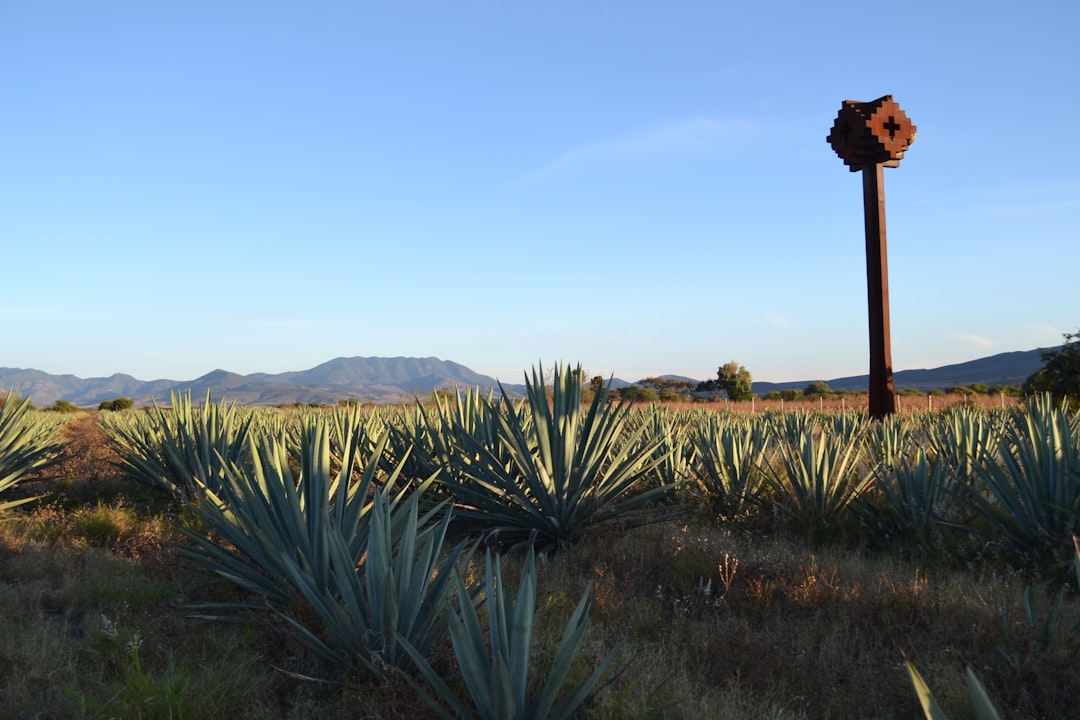
    tequila blue agave jalisco landscape fields

    📊 By the Numbers: The Market Reality in 2026

    The commercial picture has shifted dramatically over the past decade. Here’s where things stand as of 2026:

    • Tequila exports in 2025 reached approximately $4.2 billion USD, with the United States absorbing roughly 80% of all exports
    • Mezcal exports have grown over 300% in the last decade, but still represent only a fraction of tequila’s volume — the premium positioning is intentional and fiercely protected
    • There are now over 1,400 registered mezcal producers with COMERCAM (the mezcal regulatory council), compared to just a few hundred a decade ago
    • The average bottle price for artisanal mezcal in the U.S. market sits between $50–$120 USD, while tequila’s mass market sweet spot is still $25–$55
    • “Celebrity tequila” remains a massive driver — with brands like Casamigos (George Clooney), Cincoro, and others generating enormous PR value

    🏛️ The Classification System: A Bureaucratic Labyrinth Worth Understanding

    Both spirits have formal regulatory designations, and knowing these helps you shop smarter.

    For Tequila, the two big splits are:

    • 100% de Agave — made entirely from Blue Weber agave; look for this on the label
    • Mixto — 51% agave sugars, 49% can be other sugars; often not labeled as “mixto” explicitly

    Then aging categories: Blanco (unaged or up to 60 days), Reposado (2-12 months in oak), Añejo (1-3 years), Extra Añejo (3+ years).

    For Mezcal, the 2026 classification under NOM-070 includes three tiers:

    • Mezcal — industrial or semi-industrial production; least traditional
    • Artesanal — must use traditional crushing and distillation methods; tahona or mallet required
    • Ancestral — the strictest category; clay pot distillation required, fermentation in natural vessels, no industrial processes whatsoever

    Look for these words on mezcal bottles. “Ancestral” is your signal that someone’s grandmother’s production methods are involved.

    🔍 Brand Deep-Dives: Real References to Shop Smarter

    In the tequila world, Fortaleza (fortalezatequila.com) represents the old-guard artisanal approach — still using a tahona, still producing in Tequila, Jalisco. It’s a great bridge product for mezcal-curious tequila drinkers. On the opposite end, Jose Cuervo owns roughly 30% of all tequila exports globally — competent, consistent, not exciting.

    In mezcal, Vago (mezcalvago.com) has become a reference point for transparency — every bottle lists the producer, village, agave type, harvest year, and still type. El Silencio is the gateway brand for many American consumers, while Wahaka and Alipús offer artisanal credibility at approachable prices. For the serious collector, Rey Campero and Lalocura (from the legendary producer Eduardo Angeles) represent the pinnacle of what mezcal can be.

    The website mezcalreviews.com and the Oaxacan spirits importer De Madera Spirits are both excellent resources if you want to go deeper without boarding a flight.

    🌍 The Cultural Weight: Why Mexicans Feel Strongly About This

    Here’s what my friend understood in that clay cup moment: mezcal, for many Oaxacans and rural communities across those 9 designated states, is not a craft spirit trend. It’s a living inheritance. The knowledge of how to coax a specific flavor from a specific wild plant, grown in a specific canyon — that’s generational wisdom that’s survived colonization, industrialization, and now, somewhat paradoxically, the threat of becoming too fashionable.

    Tequila’s culture is different — more celebratory, more export-oriented, more woven into global party culture. And that’s legitimate. The jimadores (agave harvesters) of Jalisco have their own deep tradition. But the commercial machinery around tequila has largely separated the product from its roots in a way that mezcal communities are actively, sometimes desperately, trying to resist.

    The ongoing debates about sustainability are crucial here. Wild agave populations — particularly Tobalá and Tepeztate — face genuine pressure from increased demand. Responsible producers replant. Some don’t. This is a live issue in 2026, and when you buy mezcal, you’re voting in that debate with your wallet.

    🥃 Practical Tasting Notes for Newcomers

    If you’re new to comparing these two spirits side by side, here’s a cheat sheet:

    • Tequila Blanco: Bright, herbaceous, clean agave sweetness, peppery finish — think green vegetation and citrus
    • Tequila Añejo: Vanilla, caramel, dried fruit — the oak takes center stage
    • Mezcal Espadín (Artesanal): Smoke (often misread as Scotch-like, but softer), roasted agave, leather, sometimes tropical fruit underneath
    • Mezcal Tobalá: Floral, almost wine-like, violet and tropical notes, lighter smoke
    • Mezcal Ancestral (clay pot): Mineral, earthy, sometimes funky in the best possible way — like terroir in its most honest form

    Pro tip from actual Oaxacan mezcal bars: always nose the mezcal with your mouth slightly open. Nosing it like wine or whisky — nostrils only — will overwhelm you with ethanol fumes before the real aromatics have a chance.

    So — what should you actually drink? The answer is: both, deliberately, and with curiosity rather than brand loyalty. If you want a cocktail base with consistent character, tequila earns its reputation. If you want something that tastes like a place and a person made it specifically for you, find a well-labeled artesanal or ancestral mezcal and give it twenty quiet minutes of your attention.

    And if someone ever hands you a clay cup of something unmarked in rural Oaxaca? Drink it slowly. That’s not a beverage. That’s a conversation spanning several generations.

    Editor’s Comment : In 2026, the mezcal market is at a fascinating inflection point — it’s popular enough to find globally, but intimate enough that your choices still matter to actual communities. Rather than chasing the most obscure bottle, I’d suggest starting with a transparent artesanal producer (Vago is a safe first step) and reading the label like it’s a biography. Because it basically is. The cultural divide between tequila and mezcal isn’t about quality — it’s about what kind of story you want in your glass.


    📚 관련된 다른 글도 읽어 보세요

    태그: tequila vs mezcal, Mexican spirits culture, mezcal artesanal ancestral, agave spirits guide, Oaxaca mezcal production, tequila culture Mexico, mezcal buying guide 2026

  • 테킬라 vs 메즈칼, 같은 선인장인데 왜 이렇게 다른가: 멕시코 술 문화 완전 해부 2026

    멕시코 여행 다녀온 친구가 메즈칼 한 병 들고 왔다. ‘야, 이거 테킬라랑 다른 거야?’ 라고 물어봤더니 그 친구도 모른다. 그냥 현지에서 비싸 보여서 샀다고. 마셔보니까 확실히 다른데, 뭐가 어떻게 다른 건지 설명을 못 하겠는 거다. 그래서 직접 파고들었다. 멕시코 현지 바 문화부터 생산 방식, 법적 분류, 가격 차이까지. 술 한 잔에 이렇게 깊은 역사가 있을 줄은 몰랐다.


    “,
    “content”: “

    멕시코 여행 다녀온 친구가 메즈칼 한 병 들고 왔다. ‘야, 이거 테킬라랑 다른 거야?’라고 물어봤더니 그 친구도 모른다. 그냥 현지에서 비싸 보여서 샀다고. 마셔보니까 확실히 다른데, 뭐가 어떻게 다른 건지 설명을 못 하겠는 거다. 그래서 직접 파고들었다. 멕시코 현지 바 문화부터 생산 방식, 법적 분류, 가격 차이까지. 술 한 잔에 이렇게 깊은 역사가 있을 줄은 몰랐다.

    • 1. 테킬라와 메즈칼, 뭐가 진짜 다른가? (결론부터)
    • 2. 아가베(Agave)의 세계: 200종 vs 1종의 싸움
    • 3. 생산 방식의 차이: 공장 vs 땅속 화덕
    • 4. 테킬라 vs 메즈칼 완전 비교표
    • 5. 2026년 국내외 시장에서 주목받는 브랜드 분석
    • 6. 절대 하지 말아야 할 실수 & 구매 전 체크리스트
    • 7. FAQ: 독자들이 가장 많이 묻는 것들
    • 8. 결론 & 에디터 코멘트

    1. 테킬라와 메즈칼, 결론부터 말한다

    헷갈리는 사람들을 위해 먼저 정리하면: 모든 테킬라는 메즈칼이지만, 모든 메즈칼이 테킬라는 아니다. 이게 핵심이다. 메즈칼(Mezcal)은 아가베(선인장의 일종, 정확히는 용설란)를 발효·증류해서 만든 멕시코 전통 스피릿의 총칭이다. 테킬라는 그 하위 카테고리로, 특정 지역(주로 할리스코 주)에서 블루 아가베(Blue Weber Agave, 학명 Agave tequilana) 한 종만 사용해서 만드는 술이다. 즉, 테킬라는 ‘원산지 명칭 보호(DO, Denominación de Origen)’를 받은 프리미엄 규격 제품이고, 메즈칼은 그 훨씬 넓은 범주의 전통 증류주다.

    실제로 멕시코 법률 기준으로 테킬라에는 NOM(Norma Oficial Mexicana, 멕시코 공식 표준) 번호가 병에 찍혀야 하며, 이 번호로 생산자를 역추적할 수 있다. 메즈칼은 별도의 COMERCAM(Consejo Mexicano Regulador de la Calidad del Mezcal) 인증을 받는다.

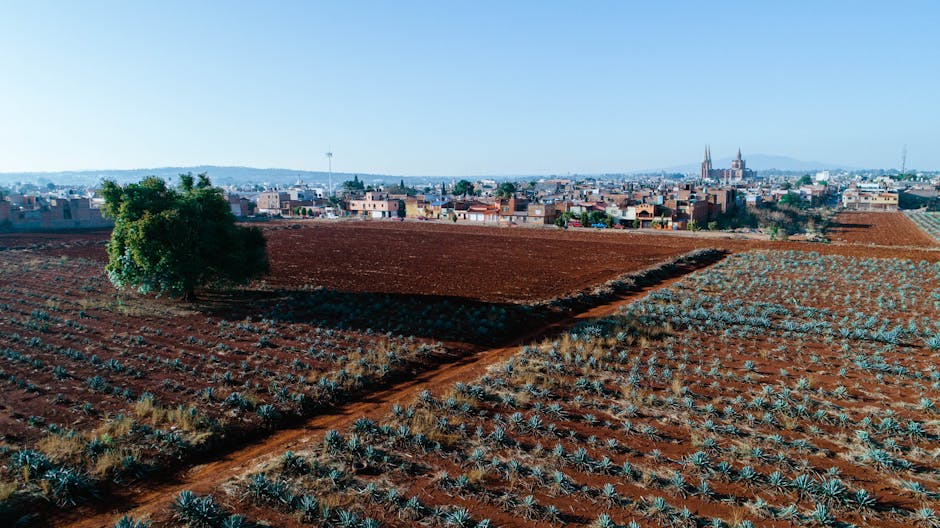
    agave field Mexico blue weber tequila, mezcal artisanal production pit roasting

    2. 아가베(Agave)의 세계: 200종 vs 단 1종

    테킬라는 법적으로 블루 아가베 한 종만 사용 가능하다. 할리스코(Jalisco), 나야리트(Nayarit), 과나후아토(Guanajuato), 미초아칸(Michoacán), 타마울리파스(Tamaulipas) 등 5개 주에서만 생산 인정.

    반면 메즈칼은 약 30~50종의 아가베가 법적으로 허용되며, 실제 장인 생산자들은 야생 아가베(실베스트레, Silvestre)까지 포함하면 200종 가까운 다양한 품종을 활용한다. 이게 메즈칼의 맛이 그토록 복잡하고 다양한 이유다. 에스파딘(Espadín)이 가장 흔하고, 토발라(Tobalá), 마독(Madrecuixe), 아로케뇨(Arroqueño) 같은 희귀 품종은 한 병에 수십만 원을 호가한다.

    아가베는 성숙까지 최소 7년, 야생 품종은 25~30년이 걸리는 것도 있다. 테킬라용 블루 아가베는 대규모 재배로 약 7~8년 사이클이 가능하게 최적화돼 있다. 이 생육 기간 차이가 곧 가격 차이다.

    3. 생산 방식의 차이: 스테인리스 오토클레이브 vs 땅속 화덕

    테킬라 (대형 상업 생산)

    • 아가베 심장부(피냐, Piña)를 수확 후 고압 증기 솥(오토클레이브, Autoclave)에서 수십 시간 내로 급속 가열
    • 롤러 밀(Roller Mill)로 착즙, 효율 극대화
    • 스테인리스 발효조 + 상업 효모 사용
    • 연속식 증류기(Column Still) 사용 가능 → 대량 생산 가능
    • 혼합 테킬라(Mixto)는 아가베 51% + 다른 당분 최대 49% 혼합 허용 (이게 숙취의 주범이다)

    메즈칼 (전통 아르테사날/아르테사노 방식)

    • 피냐를 땅속에 파놓은 구덩이(오벤, Horno)에서 목재와 돌을 이용해 3~5일간 훈연·가열 → 이 과정에서 스모키향 생성
    • 나무 절구(타호나, Tahona) 또는 맷돌로 수작업 분쇄
    • 오픈 에어 발효조(나무통, 소 가죽, 점토 항아리 등 다양)
    • 구리 솥(알렘빅, Alembic) 또는 점토 냄비 증류기 → 소규모 배치 생산
    • 100% 아가베만 사용 (법적으로 당분 첨가 불가)

    이 훈연 공정이 메즈칼 특유의 스모키, 어시, 복잡한 풍미를 만든다. 테킬라를 ‘깔끔하고 달달한 술’로 기억하는 사람이 메즈칼을 처음 마시면 충격받는 이유가 바로 이것.

    4. 테킬라 vs 메즈칼 완전 비교표

    항목 테킬라 (Tequila) 메즈칼 (Mezcal)
    법적 분류 메즈칼의 하위 카테고리 아가베 증류주 총칭
    원료 아가베 블루 아가베(1종) 100% 또는 51% 30~50여 종 (야생 포함)
    생산 지역 5개 주 (할리스코 중심) 9개 주 (오악사카 중심)
    가열 방식 오토클레이브(고압 증기솥) 땅속 화덕(오벤) 훈연
    증류기 스테인리스/구리 단식·연속식 구리 알렘빅, 점토 냄비
    풍미 프로파일 깔끔, 달달, 시트러스, 허브 스모키, 어시, 복잡, 미네랄
    알코올 도수 35~55% (평균 38~40%) 36~55% (장인 제품은 45~55%)
    가격 범위 (국내 기준) 3만~30만원 (고급 브랜드) 5만~100만원 이상 (희귀 품종)
    생산 규모 대규모 상업 생산 중심 소규모 장인 생산 중심
    인증 기관 CRT (Consejo Regulador del Tequila) COMERCAM / CRMC
    대표 브랜드 Patron, Don Julio, Herradura, Casa Noble Del Maguey, Vago, Banhez, Ilegal
    웜(벌레) 유무 전통적으로 없음 일부 제품에 마게이 웜 삽입 (마케팅 요소)

    5. 2026년 국내외 시장에서 주목받는 브랜드 분석

    테킬라 쪽에서는 역시 Don Julio 1942가 바 씬에서 여전히 왕좌다. 국내 유흥가 기준으로 1942 한 병이 30~40만 원선에서 소비되는데, 이게 LVMH 인수 이후 프리미엄 포지셔닝 전략이 먹혀든 결과다. Clase Azul도 블루 도자기 병 때문에 인스타그램 인증샷용으로 꾸준히 팔린다. 반면 1800, Olmeca 같은 믹스토(Mixto) 브랜드는 칵테일 베이스로 소비되는 구조.

    국내에서 2026년 현재 테킬라 시장 성장세는 연간 약 12~15% 수준으로 추정되며, 특히 20~30대의 마가리타, 팔로마 칵테일 수요가 견인 중이다.

    메즈칼 쪽에서는 Del Maguey가 아티산 메즈칼의 교과서로 통한다. 오악사카 원주민 커뮤니티와 직거래 방식으로 싱글 빌리지(Single Village) 라인업을 운영하는데, Chichicapa, San Luis del Rio 같은 제품은 국내에서도 구할 수 있다. Vago는 ‘마에스트로 메즈칼레로'(장인) 이름을 라벨에 박는 걸로 유명하다. 누가 만들었는지를 전면에 내세우는 투명성 마케팅.

    Banhez는 에스파딘+바르케뇨(Barqueño) 블렌드로 가격 대비 입문용으로 추천할 만하다. 국내 소매가 기준 5~7만원 선.

    2026년 글로벌 메즈칼 시장 규모는 약 8억 달러(약 1조 1천억 원)로 추정되며, 향후 5년간 CAGR 13% 이상 성장 전망이다. 테킬라 시장(약 170억 달러)에 비하면 작지만 성장 속도가 훨씬 가파르다.

    Del Maguey mezcal bottle artisan oaxaca, Don Julio tequila bar premium bottle

    6. 절대 하지 말아야 할 실수 & 구매 전 체크리스트

    • 믹스토 테킬라를 “테킬라”라고 부르지 마라 — 병에 “100% Agave” 표기가 없으면 아가베 51%짜리 혼합주다. 숙취가 남다른 이유가 여기에 있다. 반드시 “100% de Agave” 확인.
    • 메즈칼 마실 때 소금+레몬 조합 하지 마라 — 그건 저가 믹스토 테킬라의 잡내를 잡는 방법이다. 제대로 된 메즈칼은 그냥 스트레이트로 조금씩 음미해야 한다. 오렌지 슬라이스에 살 크리스탈(sal de gusano, 벌레 소금)을 찍어먹는 게 오악사카 현지 페어링.
    • “메즈칼 = 스모키한 술”이라고 단정짓지 마라 — 증류 방식과 아가베 품종에 따라 꽃향기, 과일향, 허브향이 주를 이루는 메즈칼도 많다. 에스파딘 계열은 상대적으로 훨씬 부드럽다.
    • 병 안에 벌레가 있으면 프리미엄이라고 착각하지 마라 — 마게이 웜(구사노, Gusano)은 1950년대 마케팅 전략에서 시작된 것이다. 오히려 고급 아르테사날 메즈칼에는 벌레가 없다.
    • 구매 전 체크리스트
      • 테킬라: NOM 번호 확인 → “100% de Agave” 확인 → Blanco/Reposado/Añejo 숙성 분류 확인
      • 메즈칼: COMERCAM 인증 확인 → 아가베 품종 라벨 확인(Espadín이면 입문용, Tobalá/Tepeztate이면 고급) → 마에스트로 이름 기재 여부 확인 → 생산 방식(artesanal vs industrial) 확인
      • 국내 수입사 확인: 정식 수입품인지, 개인 병행 수입인지 체크 (온도 관리 이슈)
      • 도수 확인: 메즈칼 고도수(45~55%) 제품은 초보자에게 부담될 수 있음

    FAQ 1: 테킬라 숙취가 더 심한 건 기분 탓인가요?

    기분 탓이 아니다. 믹스토 테킬라(100% 아가베 미표기 제품)는 아가베 51%에 사탕수수 시럽, 옥수수당 등을 49%까지 섞는다. 이 혼합 당분이 메탄올과 퓨젤 알코올 생성을 늘려 숙취를 악화시킨다. 100% 아가베 테킬라로 바꾸면 체감이 다르다. 물론 과음 자체가 문제지만.

    FAQ 2: 메즈칼이 테킬라보다 무조건 더 비싼 건가요?

    일반적으로 그렇다, 하지만 절대적이지 않다. 에스파딘 아가베를 쓴 대량 생산 메즈칼은 3~5만원대도 있다. 반면 Don Julio 1942나 Clase Azul 테킬라는 20~50만원대다. 가격은 브랜드 포지셔닝과 아가베 희귀도에 따라 갈린다. 토발라, 테페즈타테 같은 야생 품종 메즈칼은 생육에 15~25년이 걸리기 때문에 희소성 프리미엄이 붙는 것.

    FAQ 3: 멕시코 여행 가면 현지에서 테킬라보다 메즈칼 마시는 게 나은가요?

    오악사카(Oaxaca) 간다면 무조건 메즈칼이다. 오악사카는 메즈칼의 성지고, 동네 메즈칼 바(메즈칼레리아, Mezcalería)에서 5~10페소(한화 기준 350~700원 수준)에 한 잔씩 시음 가능하다. 할리스코 주, 과달라하라 간다면 테킬라 증류소 투어를 추천한다. Herradura, Jose Cuervo 증류소 견학 코스가 잘 돼있다. 멕시코시티라면 둘 다 세계 수준의 바에서 즐길 수 있다. Limantour나 Handshake Speakeasy 같은 곳은 글로벌 바 랭킹 상위권이다.

    결론: 한 줄 평과 에디터 코멘트

    테킬라는 “대중과 파티를 위해 최적화된 산업 스피릿”, 메즈칼은 “땅과 사람과 시간이 만든 공예품”이다. 둘 다 아가베에서 나오지만 지향점이 다르다. 위스키로 치면 테킬라는 조니워커 블랙, 메즈칼은 싱글 캐스크 스카치 같은 개념. 술을 즐기는 단계가 어디냐에 따라 선택이 달라진다.

    입문자라면 100% 아가베 블랑코 테킬라(Espolòn Blanco, 국내 3~4만원대)로 시작하고, 조금 더 깊이 들어가고 싶다면 Vago 에스파딘 엔 바레 또는 Banhez로 메즈칼 세계를 맛보길 권한다.

    에디터 코멘트 : 2026년 현재 국내 바 씬에서 메즈칼 취급 매장이 부쩍 늘었다. 3년 전만 해도 “메즈칼이요?”라는 반응이었는데 이제 서울 마포, 이태원, 성수 일대 바에서는 메즈칼 전용 메뉴판이 보이기 시작했다. 이 흐름에서 테킬라만 알고 있으면 술자리 대화에서 한 박자 느린 사람이 되는 거다. 공부해두면 손해 볼 건 없다, 어차피 마시는 술인데.


    📚 관련된 다른 글도 읽어 보세요

    태그: []