I remember sitting in a cozy Edinburgh pub back in the winter of 2026, watching a seasoned bartender slide a small plate of smoked salmon alongside a dram of Islay single malt. A fellow traveler next to me looked genuinely puzzled — “You can eat with whisky?” That moment stuck with me. So many people treat Scotch as a solitary sipper, missing out on one of the most rewarding culinary adventures you can have. Let’s change that together.
Why Food Pairing with Scotch Whisky Actually Makes Sense
Scotch whisky isn’t just a spirit — it’s a flavor ecosystem. Depending on the region and production method, a single malt can carry notes of peat smoke, dried fruit, sea salt, vanilla, sherry, honey, or even leather. These aren’t abstract tasting notes: they’re chemical compounds (like esters, aldehydes, and phenols) that interact with food flavors in predictable, often delightful ways.
According to the Scotch Whisky Association’s 2026 consumer trend report, over 38% of new Scotch drinkers in the UK and US are now approaching whisky through food-pairing events — up from just 21% in 2022. This isn’t a niche sommelier hobby anymore. It’s mainstream, and for good reason.
The core principle here is straightforward: complement or contrast. Either you find foods that echo the whisky’s flavor profile, or you find bold contrasts that create a new, surprising third flavor on your palate. Both strategies work beautifully — it just depends on what kind of experience you’re after.
Scotch Regions & Their Natural Food Partners
Scotch whisky is broadly categorized by its production region, and each region has a distinct personality. Let’s break these down practically:
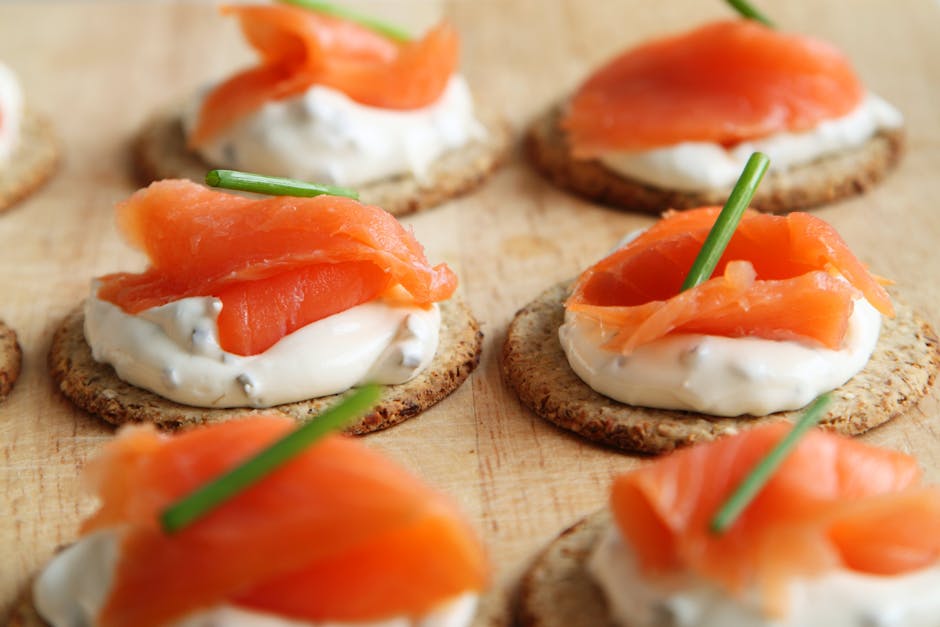
- Islay (Peated & Smoky — e.g., Laphroaig, Ardbeg, Bowmore): The bold phenolic smoke of Islay malts is a natural companion for intensely flavored foods. Think oysters on the half shell, smoked salmon, aged cheddar, and even dark chocolate (70%+). The brininess of the seafood mirrors the coastal, maritime quality of these drams. If you love contrast, try it with a honey-glazed ham — the sweetness cuts through the peat spectacularly.
- Speyside (Fruity & Elegant — e.g., Glenfiddich, Macallan, Balvenie): Speyside whiskies tend to be approachable, with apple, pear, and vanilla notes often layered with hints of sherry and dried fruit. These pair wonderfully with poached pear tarts, mild blue cheese, foie gras, caramelized onion dishes, and crème brûlée. The sherry-forward expressions (like a heavily sherried Macallan) love dark fruitcake and walnut bread.
- Highland (Diverse & Complex — e.g., Dalmore, Glenmorangie, Oban): The Highlands is the most varied region — some expressions are heathery and floral, others rich and robust. Generally, Highland malts pair well with roasted game meats (venison, pheasant), mushroom risotto, Scottish haggis, and medium-aged hard cheeses. Oban, with its slight coastal influence, also works beautifully with grilled langoustines.
- Lowland (Light & Delicate — e.g., Auchentoshan, Glenkinchie): Lowland Scotch is triple-distilled and much lighter in body. Don’t overpower it. Pair with sushi and sashimi, lightly seasoned grilled fish, fresh goat cheese, cucumber finger sandwiches, or shortbread biscuits. These are perfect aperitif-style pairings.
- Campbeltown (Maritime & Slightly Briny — e.g., Springbank, Glen Scotia): Campbeltown is a micro-region with serious character. Its slight brine and oil texture shine alongside cured meats, aged parmesan, anchovy-based dishes, and smoked eel.
Real-World Examples: From Edinburgh to Tokyo
The whisky food pairing trend isn’t just theoretical — it’s being executed at a high level globally in 2026. Here are some inspiring real-world examples:
Edinburgh, Scotland — The Scotch Whisky Experience: This iconic visitor center on the Royal Mile now runs quarterly “Dram & Dine” tasting menus, pairing four regional whiskies with a five-course meal curated by Michelin-starred chef Tom Kitchin. Their 2026 spring menu featured a Springbank 15-year alongside hand-dived scallops with cauliflower purée — a combination that guests consistently describe as “transformative.”
New York City — Attaboy Bar (Lower East Side): Bartenders here have pioneered “whisky flights with snack pairings” — small plates of house-pickled vegetables, smoked nuts, and artisanal cheese cubes matched to their extensive Scotch selection. The contrast pairing of a briny Ardbeg 10 with a sweet honeycomb and aged comté has become one of their most-requested experiences.
Tokyo, Japan — Bar Benfiddich: Japan’s whisky culture is legendary, and Tokyo’s craft bartenders have applied their meticulous attention to Scotch pairing with Japanese cuisine. Highly peated Islay whisky alongside uni (sea urchin) nigiri has become a celebrated pairing — the iodine-rich umami of the urchin mirrors the coastal phenolics of the whisky beautifully. It sounds unusual, but it works on a molecular level.
Seoul, South Korea — Whisky Live Seoul 2026: At Korea’s largest whisky festival this year, several booths featured Korean-Scotch fusion pairings: Glenfiddich 18 alongside ganjang gejang (soy-marinated raw crab), and Balvenie DoubleWood with yuja (yuzu) honey tteok. The fermented and umami-rich qualities of Korean cuisine turned out to be surprisingly synergistic with Speyside complexity.
Practical Tips for Building Your Own Pairing at Home
You don’t need a Michelin-starred kitchen or a rare bottle to enjoy great whisky pairings. Here’s how to think through it logically at home:
- Start with one flavor anchor: Pick the most dominant note in your whisky (smoky, sweet, fruity, spicy) and build your food around that single note — either echoing or contrasting it.
- Mind the finish length: Long-finish whiskies (like a 21-year Speyside) deserve food with staying power — rich meats, aged cheeses. Short, delicate finishes suit lighter bites.
- Add a few drops of water first: A small amount of water opens up whisky aromas and can reveal food-pairing clues you’d otherwise miss. Add water before you taste — not after you’ve formed your opinion.
- Avoid tannic red wine competition: If you’re serving Scotch at a dinner party, keep heavy tannic wines away — they’ll clash with the spirit’s complexity and confuse your guests’ palates.
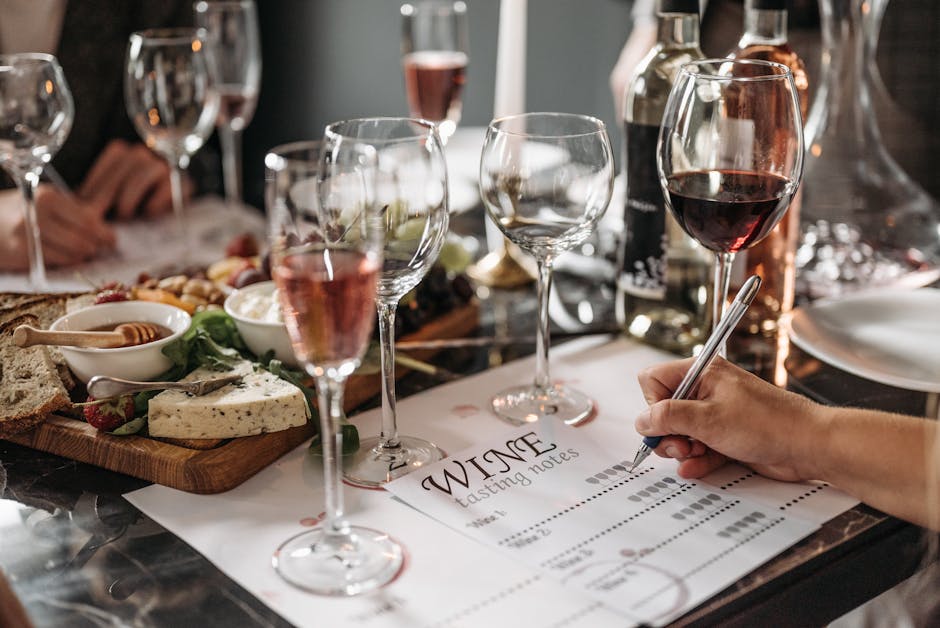
- Cheese is your safest entry point: If you’re new to pairing, a cheese board is virtually foolproof. Mild brie for light Scotch, sharp cheddar for peated, blue cheese for sherried expressions.
- Temperature matters for food: Serve paired foods at room temperature where possible. Cold numbs flavor receptors — a chilled plate can mute exactly the notes you’re trying to match.
Realistic Alternatives: When You Can’t Access Premium Bottles
Let’s be honest — not everyone has a bottle of 18-year Macallan sitting on their shelf. And that’s perfectly fine. The principles above work just as well with accessible entry-level Scotches:
If you’re working with Glenfiddich 12 (around $35–40 in most US markets), its light pear and floral notes pair wonderfully with a simple honey and walnut toast. Famous Grouse blended Scotch — even more budget-friendly — has enough vanilla sweetness to complement a classic shortbread or a mild cheddar without overwhelming either.
For those who find Scotch too intense on its own, consider a whisky highball (Scotch + sparkling water, 1:2 ratio) alongside your food — this lowers the ABV impact and makes the pairing experience more approachable without losing the Scotch character. Japanese bartenders pioneered this approach, and it’s increasingly popular in the US and Europe in 2026.
Alternatively, if you’re at a restaurant without a strong Scotch list, look for Irish single malt expressions (like Teeling or Waterford) as a structurally similar substitute — they share many flavor compounds with Lowland and light Highland Scotch.
Editor’s Comment : Scotch whisky food pairing is one of those rare pleasures where the more you learn, the simpler and more intuitive it becomes. Don’t let intimidation stop you — start with a cheese board and your favorite bottle, and let your palate lead the way. The “rules” are really just educated starting points. The best pairing is ultimately the one that makes you pause, smile, and reach for another bite.
📚 관련된 다른 글도 읽어 보세요
- 싱글몰트 위스키 테이스팅 노트 작성법 – 2026년 초보자도 따라 할 수 있는 완전 가이드
- Irish Whiskey New Releases 2026: The Most Exciting Bottles to Watch (And Smart Alternatives If They Sell Out)
- World Whisky Brand Showdown 2026: Which Bottle Actually Deserves Your Money?
태그: [‘scotch whisky food pairing’, ‘single malt pairing guide’, ‘whisky and cheese pairing’, ‘Islay whisky food’, ‘Speyside whisky pairing’, ‘whisky tasting 2026’, ‘scotch whisky guide’]
Leave a Reply