Picture this: it’s a rainy Tuesday evening in Seoul, and a 28-year-old graphic designer named Jiwon is sitting at a sleek whisky bar in Itaewon, carefully nosing a glass of Japanese single malt she’d never heard of two years ago. Halfway across the world, a retired schoolteacher in Nashville is joining a virtual tasting room with participants from Lagos, Edinburgh, and Mumbai. Both scenes would have seemed improbable a decade ago — but in 2026, they’re Tuesday night normal. The global whisky culture isn’t just growing; it’s transforming in ways that are genuinely fascinating to unpack.
So let’s think through this together: what’s actually driving these shifts, who’s behind them, and — most practically — how can you enjoy this evolving world regardless of your budget or experience level?
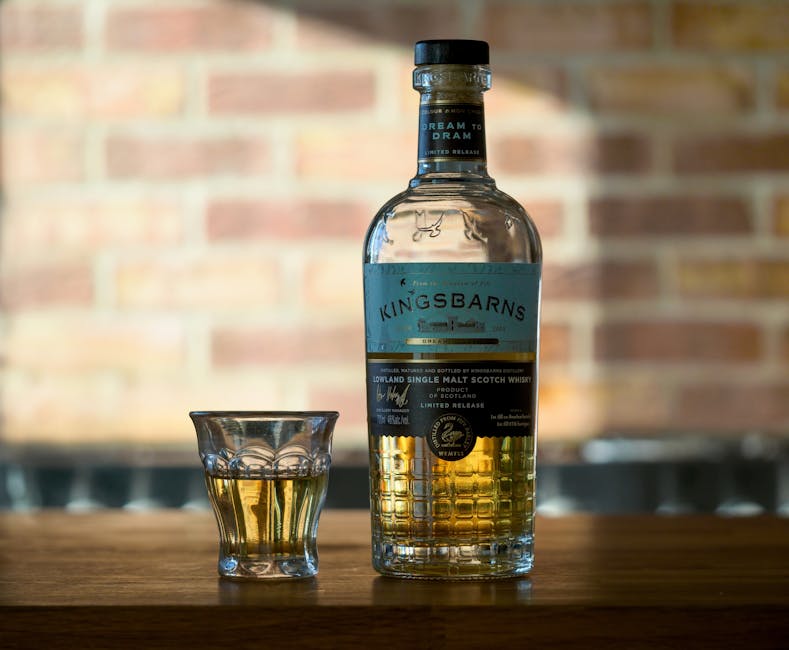
📊 The Numbers Don’t Lie: Whisky’s Global Surge in 2026
Let’s ground ourselves in some hard context first. According to industry data from the International Wine and Spirits Research (IWSR) and Distilled Spirits Council reports entering 2026, the global whisky market is valued at over $92 billion USD and is projected to cross the $110 billion mark by 2029. That’s not a niche hobbyist market anymore — that’s a cultural force.
What’s particularly striking in 2026 is the geographic redistribution of demand:
- Asia-Pacific now accounts for nearly 38% of global whisky consumption, with India, Japan, South Korea, and Taiwan leading the charge.
- Africa — especially Nigeria and South Africa — has emerged as a surprising growth frontier, with premium Scotch imports rising by over 22% year-over-year.
- Latin America (particularly Brazil and Mexico) is seeing booming interest in American bourbon and Irish whiskey as cocktail culture matures.
- Meanwhile, traditional strongholds like the UK and US are shifting from volume consumption to value-driven, experience-focused drinking.
This isn’t just about people drinking more whisky. It’s about why and how they’re drinking it — and that’s where the real story lives.
🌍 Trend #1: The Democratization of Whisky Expertise
For a long time, whisky culture had a gatekeeping problem. It was dominated by a specific demographic — older, Western, often male — and the vocabulary around it (“notes of dried apricot and dunnage warehouse,” anyone?) could feel deliberately exclusionary. In 2026, that wall has largely crumbled, and we should celebrate that.
The catalyst? A combination of social media education, accessible pricing tiers, and a new generation of brand ambassadors who look and sound like the actual global consumer base. TikTok and Instagram whisky educators in Korea, Nigeria, and Brazil have amassed millions of followers by making tasting approachable and fun. Platforms like Flaviar and subscription box services have introduced whisky to people who’d never set foot in a traditional spirits shop.
The practical outcome: you don’t need to be an expert to join the conversation in 2026. A $35 bottle of Taiwanese Kavalan or a well-chosen Irish blended whiskey can be just as rewarding as a $300 Speyside single malt — if you know what you’re looking for.
🥃 Trend #2: Craft Distilleries Are Rewriting Regional Identity
Perhaps the most exciting development in global whisky culture right now is the explosion of hyperlocal craft distilling. Countries and regions that had zero whisky heritage a decade ago are now producing genuinely competitive spirits — and they’re using their local ingredients to tell deeply original stories.
Some standout examples worth knowing:
- India’s Paul John Distillery (Goa) is using Indian six-row barley and tropical aging conditions to create whiskies with profiles no Scottish distillery could replicate — think faster maturation with rich vanilla and spice.
- Australia’s Archie Rose and Starward have proven that Southern Hemisphere aging in wine barrels produces distinctly fruit-forward, approachable profiles that are winning international awards in 2026.
- Taiwan’s Kavalan is now firmly in the upper tier of global single malts, with their Solist Vinho Barrique consistently scoring in the 90s from major critics.
- South Korea’s Three Societies Distillery launched their first domestic single malt expression in late 2025, and the early 2026 response from the local and regional market has been enthusiastic — a cultural moment for Korean whisky identity.
- Israel’s Milk & Honey Distillery continues to pioneer desert-climate whisky, with their Mediterranean expressions gaining serious traction in Europe and the Middle East.
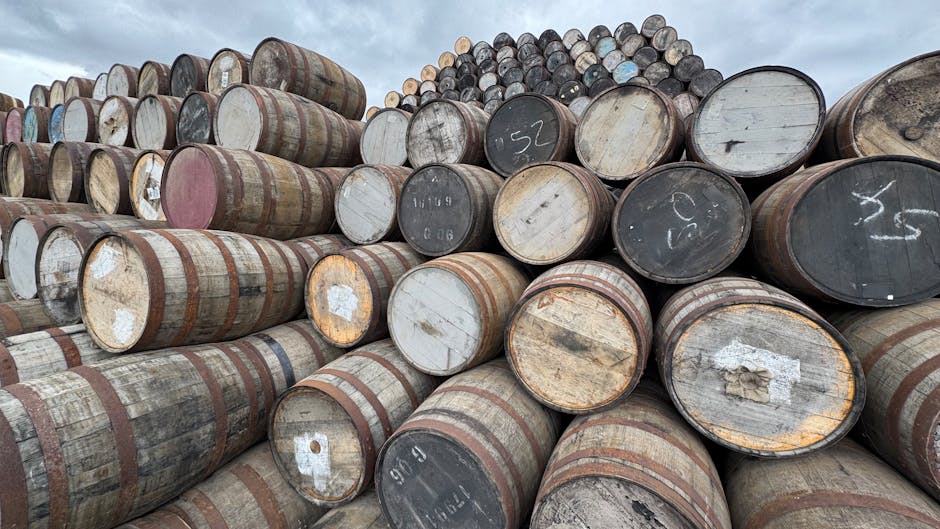
The thread connecting all of these? Terroir thinking — a concept borrowed from wine — is now being applied to whisky. Where your water comes from, what local grains or casks are available, and even humidity and temperature swings during aging all contribute to flavor. It’s making whisky genuinely regional in a way that makes exploration endlessly rewarding.
🍸 Trend #3: Whisky Cocktails Are No Longer a Dirty Word
Old-school whisky purists will groan, but the data and cultural momentum are undeniable: whisky-based cocktails are a primary entry point for new consumers in 2026, especially in Asia and Latin America. And frankly, this is a good thing for the industry’s long-term health.
The classic Highball — whisky over ice with soda — has essentially become the drink of the decade in Japan and South Korea, spreading rapidly across Southeast Asia. Japanese whisky brands like Suntory Toki were practically engineered for this format. In the cocktail-forward US and UK markets, the Whisky Sour, Paper Plane, and Penicillin are gateway cocktails converting wine and gin drinkers into whisky enthusiasts.
The smart move for any beginner: start with a Highball using an approachable blended Scotch or Japanese whisky. The carbonation opens up the aroma, dilution softens the alcohol bite, and you get a genuine sense of the spirit’s character without being overwhelmed. It’s a legitimate tasting experience, not a cop-out.
♻️ Trend #4: Sustainability Is Now a Purchasing Decision
In 2026, environmental credentials aren’t just marketing fluff — they’re increasingly influencing what ends up in consumers’ shopping carts. The whisky industry has been under real pressure here, given that distilling is energy and water-intensive.
Leading responses include:
- Bruichladdich (Islay, Scotland) running significant operations on renewable wind energy.
- Glenfiddich converting distillery waste into biogas to fuel delivery trucks — a genuinely circular system.
- Multiple American craft distillers using regenerative grain farming partnerships, sourcing corn and rye from farms that rebuild soil health.
- A growing trend of lightweight bottle redesigns and refill programs emerging in European markets.
If sustainability matters to you as a consumer, it’s now entirely possible to align your whisky choices with those values — and the quality is absolutely there.
💡 Realistic Alternatives: Entering the World of Whisky at Every Level
Not everyone has $150 to drop on a bottle of age-statement Scotch — and you absolutely shouldn’t have to in order to enjoy this world. Here’s how I’d think about entry points in 2026 based on different situations:
- Tight budget ($20–$40): Look at Irish blends (Jameson, Proper No. Twelve), entry-level Japanese blends (Suntory Toki, Nikka From the Barrel), or American bourbons (Buffalo Trace, Evan Williams Single Barrel). All deliver genuine quality at this range.
- Curious intermediate ($40–$80): Explore regional craft options — Australian Starward Two-Fold, Indian Paul John Classic Select, or Taiwanese Omar single malt. These tell unique stories and outperform their price points regularly.
- Experience seeker (any budget): Join a local whisky club or virtual tasting event. The community learning accelerates your palate development faster than solo sipping ever could.
- Gift-giver: A bottle accompanied by a tasting journal or a subscription to a whisky education platform (like Flaviar or Master of Malt’s Tasting Club) shows thoughtfulness beyond just price.
The point is: in 2026, whisky culture is genuinely inclusive if you approach it with curiosity rather than intimidation. The old gatekeeping is dissolving, and what’s replacing it is a global conversation that’s richer and more interesting than the old guard ever was.
Whether you’re nosing a peaty Islay dram or discovering your first Korean single malt, you’re participating in something historically remarkable — a beverage tradition that’s simultaneously ancient and completely reinventing itself in real time. That’s worth raising a glass to.
Editor’s Comment : Whisky in 2026 is less about prestige and more about perspective — the perspective of the farmer who grew the grain, the distiller who chose the cask, and the person who finally lifts the glass. The most exciting thing about today’s global whisky culture isn’t any single bottle or trend — it’s that the conversation has finally opened up wide enough to include everyone. Start where you are, drink what genuinely interests you, and let curiosity lead the way. That’s always been the best whisky advice.
📚 관련된 다른 글도 읽어 보세요
- 아이리시 위스키의 조용한 반란 — 2026년 글로벌 시장 판도가 바뀌고 있다
- The Rise of Irish Whiskey in 2026: Market Analysis, Global Trends, and What It Means for You
- Mexico’s Tequila Culture in 2026: The Ultimate Food Pairing Guide You Didn’t Know You Needed
태그: [‘global whisky trends 2026’, ‘craft whisky distilleries’, ‘whisky culture worldwide’, ‘best whisky 2026’, ‘whisky for beginners’, ‘sustainable whisky brands’, ‘Asian whisky scene’]
Leave a Reply