Picture this: it’s a rainy Saturday evening, you’re settled into your favorite armchair, and a friend slides a glass of amber liquid across the table saying, “Just try it — no labels, no expectations.” That first sip of a well-crafted Scottish single malt is genuinely one of those experiences that reorganizes your understanding of what a drink can be. Rich, layered, honest. I’ve been there, and chances are, if you’re here reading this, you’re chasing that same feeling — or trying to figure out where to even begin.
The world of Scotch single malt whisky is vast, occasionally intimidating, and absolutely worth the exploration. In 2026, the market has matured significantly, with distilleries embracing transparency about aging, cask types, and regional character like never before. Let’s think through this together — what makes a single malt truly great, and which bottles deserve a spot on your shelf right now?
What Exactly Is a Scottish Single Malt — And Why Does It Matter?
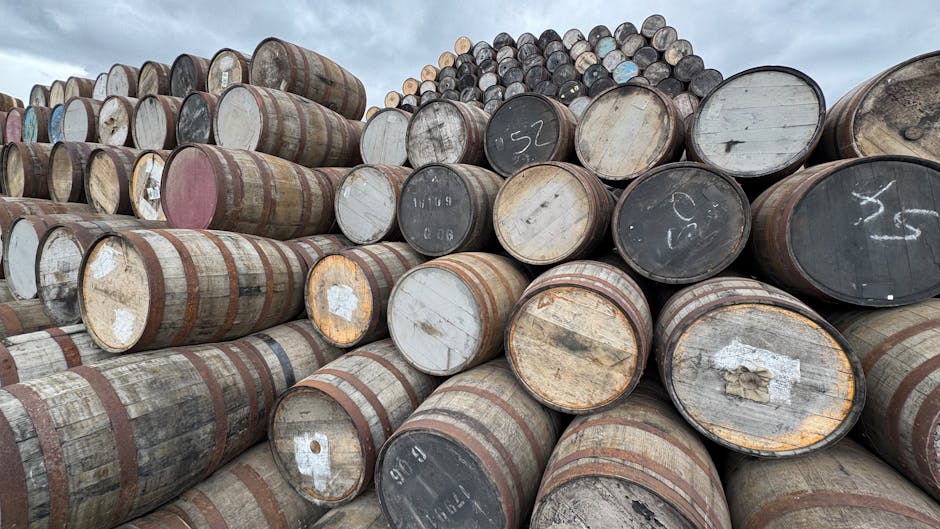
Before diving into rankings, let’s quickly ground ourselves. A single malt Scotch whisky must be produced at a single distillery in Scotland using only malted barley, water, and yeast, then aged in oak casks for a minimum of three years. The word “single” refers to the distillery, not the cask — which is a common misconception. This distinction matters enormously when you’re comparing bottles, because the terroir, water source, and production philosophy of each distillery create genuinely distinct flavor profiles.
Scotland’s whisky regions — Speyside, Highland, Islay, Lowland, and Campbeltown — each tell a different story in the glass. Understanding this framework is your first tool for navigating a crowded shelf with confidence.
The 2026 Rankings: Scotland’s Top Single Malt Whiskies
These rankings are informed by expert panel scores from the Whisky Magazine World Whiskies Awards 2026, the International Spirits Challenge, and community ratings from platforms like Whiskybase, cross-referenced with availability and value for money.
- 🥇 Glenfarclas 25 Year Old (Speyside) — Consistently lauded for its rich sherry-bomb character, this sherried Speyside giant scored exceptionally in 2026’s blind tastings. Expect dried fruits, dark chocolate, and a warming finish that lingers for minutes. Family-owned and fiercely independent, Glenfarclas remains one of the best value aged expressions on the market. (~$180 USD)
- 🥈 Ardbeg Uigeadail (Islay) — For peat lovers, this is the benchmark. Named after the loch that feeds Ardbeg’s water supply, Uigeadail (pronounced “oog-a-dal”) blends peated spirit with ex-sherry cask aging. Smoke meets sweet in a way that genuinely surprises first-timers. World Whisky of the Year multiple times, and still delivering in 2026. (~$75 USD)
- 🥉 GlenDronach 18 Year Old Allardice (Highland) — Named after the distillery’s founder, this is an Oloroso sherry cask masterpiece. Deep, complex, and generous. Chocolate-covered raisins, leather, and a hint of tobacco make this a contemplative dram. The Highland region’s richness shines here. (~$140 USD)
- 🏅 Springbank 15 Year Old (Campbeltown) — Campbeltown is Scotland’s most endangered whisky region, with only three active distilleries. Springbank is its crown jewel. Lightly peated with maritime salinity, this expression offers complexity that punches well above its price point. Allocation is tight in 2026 — if you see it, grab it. (~$120 USD)
- 🏅 Glenlivet 18 Year Old (Speyside) — A reliable, beautifully crafted expression for those who prefer elegance over intensity. Floral, honeyed, and gently fruity. This is an outstanding entry point into aged Speyside malts and makes a genuinely thoughtful gift. (~$90 USD)
- 🏅 Bruichladdich Port Charlotte 10 Year Old (Islay) — Heavily peated but not brutish about it. Bruichladdich’s transparency about their farming practices and barley sourcing has made them a darling of the conscious whisky community. Complex and surprisingly accessible for its peat level. (~$65 USD)
- 🏅 Auchentoshan Three Wood (Lowland) — The Lowland region is often overlooked, and that’s a mistake. This triple-distilled expression from Auchentoshan is finished in three different cask types (American bourbon, Oloroso sherry, and Pedro Ximénez sherry), resulting in a soft, lush, approachable dram that converts skeptics regularly. (~$60 USD)
How Global and Local Markets Are Responding in 2026
The appetite for Scottish single malts has surged across Asia — South Korea, Japan, and Taiwan in particular have become powerhouse markets. In Seoul, specialist whisky bars like those in the Itaewon and Seongsu districts routinely stock rare Springbank and independent bottlings from Gordon & MacPhail that you’d struggle to find in Edinburgh itself. It’s a fascinating inversion.
In the United States and Europe, the trend in 2026 is toward no-age-statement (NAS) expressions — bottles without a specific age declaration. Brands argue this gives them more blending flexibility and allows younger but high-quality casks to shine. Critics worry about price inflation without transparency. Honestly? Both sides have a point. NAS releases from Ardbeg (like An Oa) and Kilchoman have genuinely impressed, but consumers should approach them with healthy curiosity rather than automatic trust.
Meanwhile, the independent bottler scene — companies like Compass Box, Douglas Laing, and Gordon & MacPhail — has never been more exciting. These bottlers source casks from multiple distilleries and bottle them under their own label, often revealing distillery names (or cleverly hinting at them). For adventurous drinkers, this is where you find value and surprise in equal measure.
Realistic Alternatives: What If You Can’t Access These Bottles?
Here’s the thing — some of these rankings are aspirational for readers in certain regions, or simply out of budget right now. That’s completely fine, and it doesn’t mean you have to miss out on the experience. Let me offer some honest, practical thinking:
- Budget under $40: Reach for Glenfiddich 12 or The Famous Grouse Smoky Black. Both are widely available, genuinely enjoyable, and represent solid craftsmanship from reputable houses. Don’t let anyone make you feel like you need to spend triple digits to enjoy Scotch.
- Can’t find Springbank? Try Glen Scotia Double Cask — also from Campbeltown, often more available, and captures some of that briny, maritime magic at a friendlier price (~$55).
- Islay peat curious but nervous? Start with Bowmore 12 instead of diving straight into Ardbeg or Laphroaig. It’s Islay, it’s peated, but it’s gentle enough to ease you in without overwhelming.
- Prefer online shopping? Platforms like Master of Malt, Total Wine (US), and The Whisky Exchange ship widely in 2026, and their curated “whisky discovery” sets are genuinely excellent ways to sample before committing to a full bottle.
The single most important thing I’d encourage? Keep notes. Even rough ones in your phone. Over time, those jottings reveal your actual palate preferences — whether you lean peaty or fruity, sherried or bourbon-cask — and suddenly navigating a whisky menu becomes second nature rather than a guessing game.
Editor’s Comment : Whisky ranking lists are useful starting points, but the best bottle is always the one that surprises you — the one a stranger recommends, or the unmarked sample a distillery tour guide pours when they think no one’s watching. In 2026, with more information and access than ever before, the real joy of Scottish single malt is that there’s no wrong door to walk through. Pick a bottle, pour slowly, and pay attention. The rest tends to take care of itself.
📚 관련된 다른 글도 읽어 보세요
- How to Write Single Malt Whisky Tasting Notes in 2026: A Beginner’s Complete Guide
- Gin & Tonic Bar Culture in Europe 2026: Why This Classic Cocktail Is Having Its Biggest Moment Yet
- 아이슬라 위스키 피트향 추천 2026 — 입문부터 마니아까지, 스모키함의 깊이를 탐험하다
태그: [‘Scotland single malt whisky ranking 2026’, ‘best Scotch whisky 2026’, ‘Islay whisky guide’, ‘Speyside single malt recommendations’, ‘whisky for beginners’, ‘top Scottish whisky bottles’, ‘single malt Scotch buying guide’]
Leave a Reply