Last spring, a close friend of mine — a seasoned food writer who’d spent three weeks in Oaxaca — came back with what she called a “genuine revelation.” She’d been handed a small clay cup of mezcal by an elderly maestro mezcalero in a tiny village outside Tlacolula, and she said, completely seriously, “I finally understand why Mexicans look slightly offended when you ask for mezcal at a tequila bar.” That one sentence sent me down a rabbit hole I’m still happily lost in. Because here’s the thing — most people treat tequila and mezcal like they’re just two versions of the same drink. They’re not. They’re practically two different civilizations in a glass.
🌵 The Botanical Split: Not All Agave Is Created Equal
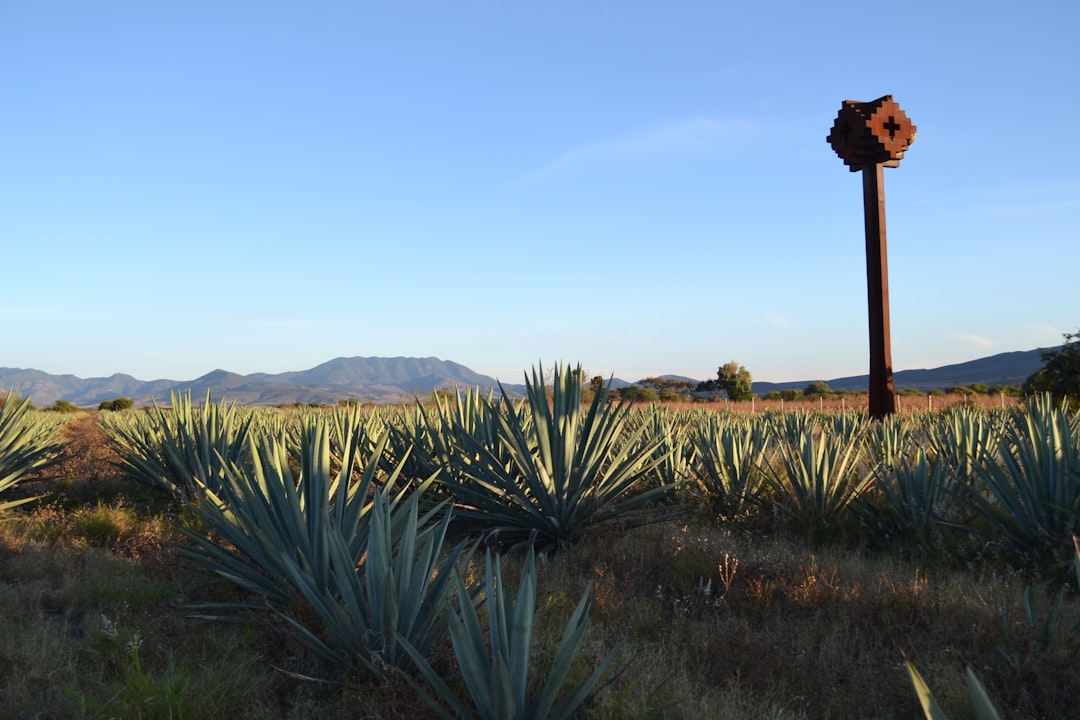
Let’s start with the plant, because everything flows from here. Both tequila and mezcal are distilled from agave — but that’s like saying both Champagne and grocery store sparkling wine are made from grapes. The similarity is technically true and deeply misleading.
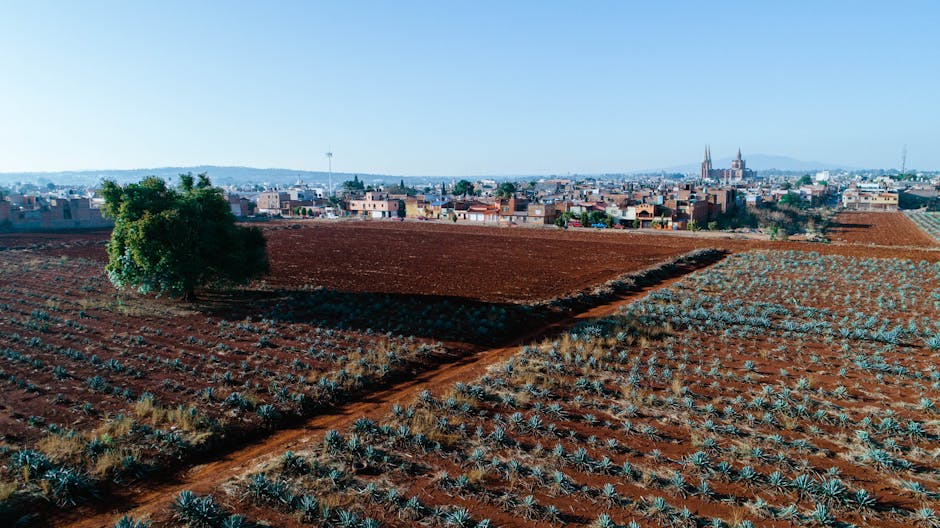
Tequila can only be made from Blue Weber Agave (Agave tequilana), and it must be produced in specific designated regions — primarily the state of Jalisco, with some production allowed in Nayarit, Guanajuato, Michoacán, and Tamaulipas. As of 2026, the Consejo Regulador del Tequila (CRT) oversees roughly over 150,000 hectares of registered Blue Weber agave cultivation.
Mezcal, on the other hand, is legal to produce from over 50 different agave species, across 9 officially designated Mexican states (Oaxaca being the spiritual and commercial heartland). The most prized varieties include:
- Espadín — the workhorse, accounting for roughly 80-90% of commercial mezcal production
- Tobalá — a wild-harvested variety, intensely floral and earthy, commands premium pricing
- Tepeztate — takes 25-35 years to mature; a single sip feels almost morally weighted
- Cuishe — savory and vegetal, beloved by mezcal obsessives
- Arroqueño — giant plants, complex flavor, increasingly rare
The maturation times alone tell a story. Blue Weber for tequila is typically harvested at 7-10 years. Some wild agave used in mezcal matures over 30+ years before a single liter of spirit is produced. That time investment is baked into every sip.
🔥 The Production Process: Where the Real Cultural Gap Lives
This is the part that changes everything for people. The difference in production isn’t just technical — it’s almost philosophical.
Industrial tequila production (especially for mixto tequila, which only requires 51% Blue Weber agave by law) involves autoclaves — massive industrial pressure cookers that steam the agave piñas in as little as 12 hours. The juice is then extracted by diffusers, fermented with commercial yeasts, and double-distilled in stainless steel column stills. It’s efficient. It’s scalable. It’s also fairly removed from what the land tastes like.
Traditional mezcal production is dramatically different:
- Roasting: Agave piñas are slow-roasted in underground palenques (earthen pits) lined with hot rocks and covered with agave fiber and earth for 3-5 days. This is where that iconic smoky flavor comes from — it’s not added, it’s cooked in.
- Milling: Many traditional producers use a tahona — a massive stone wheel pulled by a horse or mule — to crush the roasted piñas. Some still use wooden mallets.
- Fermentation: Open-air wooden vats, wild ambient yeasts, natural spring water. The fermentation can take anywhere from 7 to 30 days depending on temperature and the producer’s style.
- Distillation: Typically in small clay or copper pot stills (alambiques), often just 200-300 liters at a time. Some producers in certain regions still use carrizo (bamboo) stills — this is destilado de agave territory, a whole other classification.
The result of all this? Mezcal is, in many ways, an expression of a specific place, specific plant, specific person. Two mezcals from the same village but different families will taste radically different. Tequila, especially from large brands, is engineered for consistency. Neither approach is wrong — but they’re answering completely different questions.
📊 By the Numbers: The Market Reality in 2026
The commercial picture has shifted dramatically over the past decade. Here’s where things stand as of 2026:
- Tequila exports in 2025 reached approximately $4.2 billion USD, with the United States absorbing roughly 80% of all exports
- Mezcal exports have grown over 300% in the last decade, but still represent only a fraction of tequila’s volume — the premium positioning is intentional and fiercely protected
- There are now over 1,400 registered mezcal producers with COMERCAM (the mezcal regulatory council), compared to just a few hundred a decade ago
- The average bottle price for artisanal mezcal in the U.S. market sits between $50–$120 USD, while tequila’s mass market sweet spot is still $25–$55
- “Celebrity tequila” remains a massive driver — with brands like Casamigos (George Clooney), Cincoro, and others generating enormous PR value
🏛️ The Classification System: A Bureaucratic Labyrinth Worth Understanding
Both spirits have formal regulatory designations, and knowing these helps you shop smarter.
For Tequila, the two big splits are:
- 100% de Agave — made entirely from Blue Weber agave; look for this on the label
- Mixto — 51% agave sugars, 49% can be other sugars; often not labeled as “mixto” explicitly
Then aging categories: Blanco (unaged or up to 60 days), Reposado (2-12 months in oak), Añejo (1-3 years), Extra Añejo (3+ years).
For Mezcal, the 2026 classification under NOM-070 includes three tiers:
- Mezcal — industrial or semi-industrial production; least traditional
- Artesanal — must use traditional crushing and distillation methods; tahona or mallet required
- Ancestral — the strictest category; clay pot distillation required, fermentation in natural vessels, no industrial processes whatsoever
Look for these words on mezcal bottles. “Ancestral” is your signal that someone’s grandmother’s production methods are involved.
🔍 Brand Deep-Dives: Real References to Shop Smarter
In the tequila world, Fortaleza (fortalezatequila.com) represents the old-guard artisanal approach — still using a tahona, still producing in Tequila, Jalisco. It’s a great bridge product for mezcal-curious tequila drinkers. On the opposite end, Jose Cuervo owns roughly 30% of all tequila exports globally — competent, consistent, not exciting.
In mezcal, Vago (mezcalvago.com) has become a reference point for transparency — every bottle lists the producer, village, agave type, harvest year, and still type. El Silencio is the gateway brand for many American consumers, while Wahaka and Alipús offer artisanal credibility at approachable prices. For the serious collector, Rey Campero and Lalocura (from the legendary producer Eduardo Angeles) represent the pinnacle of what mezcal can be.
The website mezcalreviews.com and the Oaxacan spirits importer De Madera Spirits are both excellent resources if you want to go deeper without boarding a flight.
🌍 The Cultural Weight: Why Mexicans Feel Strongly About This
Here’s what my friend understood in that clay cup moment: mezcal, for many Oaxacans and rural communities across those 9 designated states, is not a craft spirit trend. It’s a living inheritance. The knowledge of how to coax a specific flavor from a specific wild plant, grown in a specific canyon — that’s generational wisdom that’s survived colonization, industrialization, and now, somewhat paradoxically, the threat of becoming too fashionable.
Tequila’s culture is different — more celebratory, more export-oriented, more woven into global party culture. And that’s legitimate. The jimadores (agave harvesters) of Jalisco have their own deep tradition. But the commercial machinery around tequila has largely separated the product from its roots in a way that mezcal communities are actively, sometimes desperately, trying to resist.
The ongoing debates about sustainability are crucial here. Wild agave populations — particularly Tobalá and Tepeztate — face genuine pressure from increased demand. Responsible producers replant. Some don’t. This is a live issue in 2026, and when you buy mezcal, you’re voting in that debate with your wallet.
🥃 Practical Tasting Notes for Newcomers
If you’re new to comparing these two spirits side by side, here’s a cheat sheet:
- Tequila Blanco: Bright, herbaceous, clean agave sweetness, peppery finish — think green vegetation and citrus
- Tequila Añejo: Vanilla, caramel, dried fruit — the oak takes center stage
- Mezcal Espadín (Artesanal): Smoke (often misread as Scotch-like, but softer), roasted agave, leather, sometimes tropical fruit underneath
- Mezcal Tobalá: Floral, almost wine-like, violet and tropical notes, lighter smoke
- Mezcal Ancestral (clay pot): Mineral, earthy, sometimes funky in the best possible way — like terroir in its most honest form
Pro tip from actual Oaxacan mezcal bars: always nose the mezcal with your mouth slightly open. Nosing it like wine or whisky — nostrils only — will overwhelm you with ethanol fumes before the real aromatics have a chance.
So — what should you actually drink? The answer is: both, deliberately, and with curiosity rather than brand loyalty. If you want a cocktail base with consistent character, tequila earns its reputation. If you want something that tastes like a place and a person made it specifically for you, find a well-labeled artesanal or ancestral mezcal and give it twenty quiet minutes of your attention.
And if someone ever hands you a clay cup of something unmarked in rural Oaxaca? Drink it slowly. That’s not a beverage. That’s a conversation spanning several generations.
Editor’s Comment : In 2026, the mezcal market is at a fascinating inflection point — it’s popular enough to find globally, but intimate enough that your choices still matter to actual communities. Rather than chasing the most obscure bottle, I’d suggest starting with a transparent artesanal producer (Vago is a safe first step) and reading the label like it’s a biography. Because it basically is. The cultural divide between tequila and mezcal isn’t about quality — it’s about what kind of story you want in your glass.
📚 관련된 다른 글도 읽어 보세요
- 테킬라 vs 메즈칼, 같은 선인장인데 왜 이렇게 다른가: 멕시코 술 문화 완전 해부 2026
- World Whisky Brand Rankings 2026: From Iconic Classics to Rising Stars Worth Knowing
- Rum Cocktails & Caribbean Culture: A Spirited Journey Through the Islands in 2026
태그: tequila vs mezcal, Mexican spirits culture, mezcal artesanal ancestral, agave spirits guide, Oaxaca mezcal production, tequila culture Mexico, mezcal buying guide 2026
Leave a Reply