Category: Uncategorized

  • Gin & Tonic Bar Culture in Europe 2026: Why This Classic Cocktail Is Having Its Biggest Moment Yet

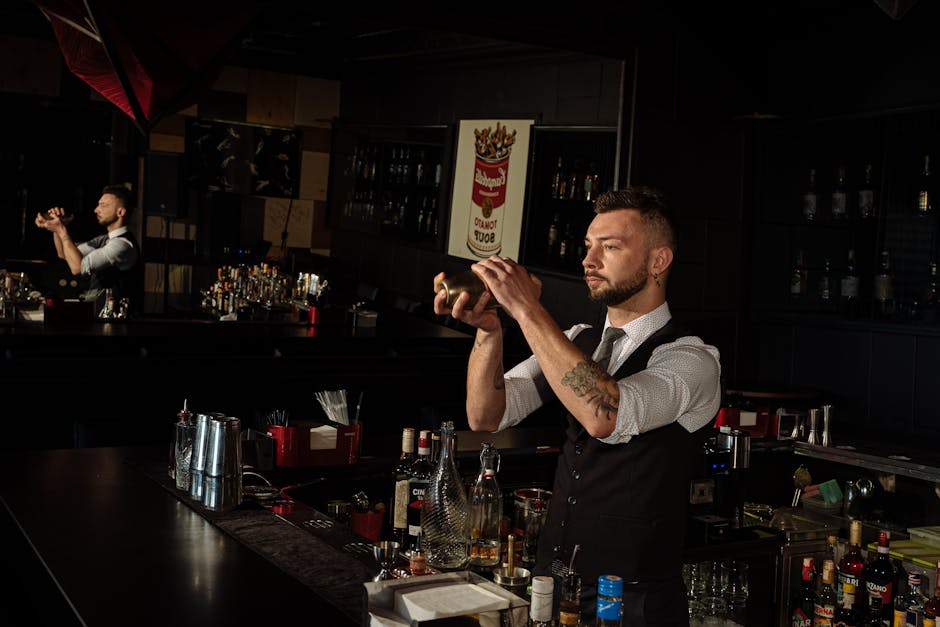
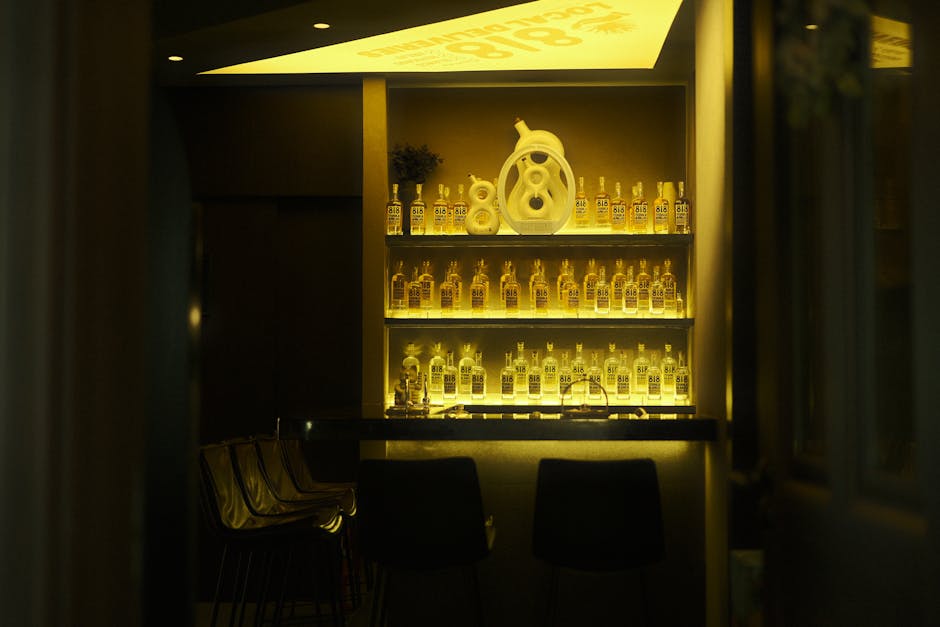
    Picture this: It’s a warm Thursday evening in Barcelona’s El Born neighborhood. You step into a dimly lit bar where the shelves behind the counter stretch floor to ceiling — not with whiskeys or wines, but with an astonishing wall of gin bottles. The bartender slides over a balloon glass the size of a small fishbowl, packed with ice, garnished with a sprig of rosemary and a twist of pink grapefruit, and topped with a Japanese tonic you’ve never heard of. You take a sip, and suddenly you understand why the gin & tonic — what the Spanish affectionately call the Gin-Tonic — has become the defining cocktail of 2026 European bar culture.

    I’ve been tracking beverage trends across Europe for years now, and what’s happening with gin & tonic right now is genuinely fascinating. It’s not just a drink anymore — it’s a cultural experience, a conversation starter, and honestly, a pretty solid lens through which to understand how modern Europeans think about leisure, craft, and identity. Let’s dig into this together.

    European gin bar interior Barcelona balloon glass craft gin

    The Numbers Don’t Lie: Gin’s Resurgence Is Real

    Let’s ground ourselves in some data first, because the scale of this trend is easy to underestimate. According to the IWSR Drinks Market Analysis 2025-2026 report, premium and super-premium gin sales across Western Europe grew by approximately 14% year-on-year, with Spain, Germany, and the UK leading the charge. Spain alone now accounts for roughly 30% of all global gin consumption — a staggering figure for a country of its size.

    The craft gin segment is particularly explosive. As of early 2026, there are over 800 active craft gin distilleries operating across the European Union, compared to just under 200 in 2015. That’s a 300% increase in a decade. And here’s the kicker: the tonic water market has grown in lockstep. Premium tonic brands like Fever-Tree, Fentimans, and the Spanish darling 1724 Tonic have collectively captured over 40% of the European mixer market — a space that was almost entirely dominated by mass-market brands like Schweppes just fifteen years ago.

    What does this tell us? Consumers aren’t just drinking more gin; they’re drinking better gin, paired with intentional tonics. The gin & tonic has evolved from a simple two-ingredient drink into what industry insiders now call a “garnish-forward flavor journey.”

    Why Europe — and Why Now in 2026?

    There are a few converging forces that make 2026 a particularly pivotal year for this trend, and I think it’s worth reasoning through them carefully rather than just listing them off.

    Post-pandemic experiential shift: Since the mid-2020s, European consumers have consistently shown a preference for quality-over-quantity in their leisure spending. After years of disruption, people want experiences that feel intentional and memorable. A G&T with seven thoughtfully chosen botanicals and a hand-carved ice sphere scratches that itch in a way that a pint of lager simply doesn’t.

    The “locavore” movement hitting cocktails: Just as farm-to-table transformed the food world, distillery-to-glass is reshaping the cocktail scene. Gin is uniquely positioned here because it’s one of the few spirits where local botanical identity is almost literally baked in. A Scottish gin featuring heather and sea buckthorn tastes different from a Catalan gin built around cardamom and wild thyme — and consumers in 2026 are actively seeking out that story.

    Social media’s visual appetite: Let’s be honest — a beautifully garnished balloon glass is extraordinarily photogenic. The aesthetic economy that drives Instagram and TikTok has been a genuine tailwind for premium G&T culture, especially among the 25-40 demographic.

    City-by-City: How G&T Culture Differs Across Europe

    One of the things I find most compelling about this trend is how differently it manifests depending on where you are. There’s no monolithic “European gin culture” — there are many, and they’re worth exploring individually.

    Barcelona & Madrid (Spain): The undisputed spiritual home of modern G&T culture. Spanish gin bars — known as ginterías — typically offer curated menus with 50-100+ gin options, each paired with a recommended tonic and specific garnish. The Copa de Balon (balloon glass) originated here, and the ritualistic preparation — building the drink slowly, layer by layer — has become a genuine art form. Notable spots like Bobby’s Gin Bar in Madrid and Bar Calders in Barcelona have waiting lists on weekends in 2026.

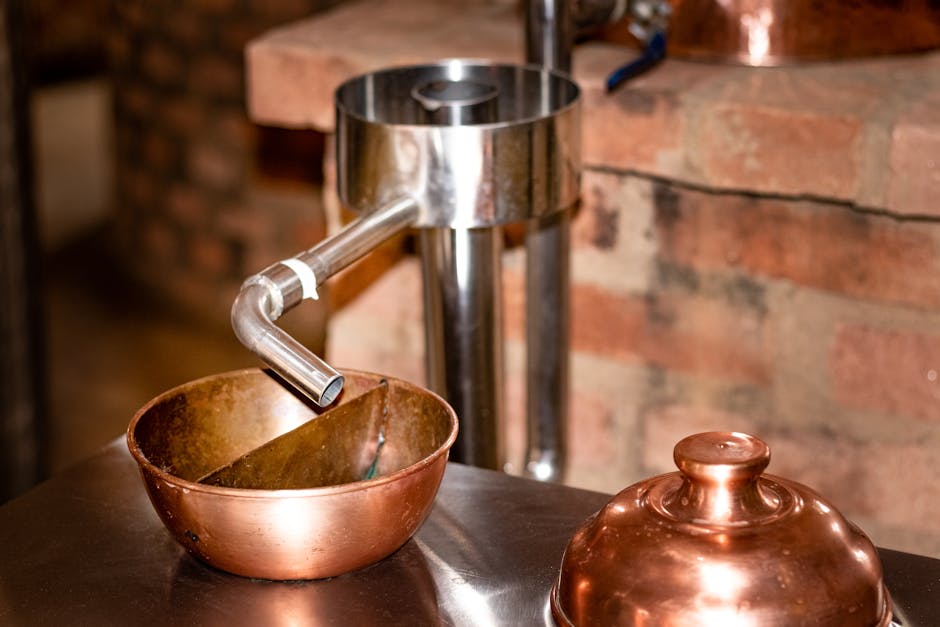
    London, UK: London remains the historical heartland of gin (London Dry Gin is literally a legally defined category), but the scene here has evolved into something more sophisticated and globally influenced. The rise of “gin flights” — sampler sets of three or four gins served with matching tonics — is particularly popular in 2026. Neighborhoods like Shoreditch and Bermondsey host dedicated gin distillery bars where you can watch your spirit being made steps from where you’re drinking it.

    Berlin, Germany: Berlin’s approach is characteristically experimental. The city’s bar scene has embraced “gin & tonic pairing menus” that mirror wine pairing philosophies — matching the G&T’s flavor profile to small plates of food. This is genuinely new territory and very 2026 Berlin energy.

    Copenhagen & Amsterdam: The Nordic and Dutch scenes lean heavily into sustainability narratives. You’ll find gins made from upcycled bread (like Bimber’s collaborations) or foraged coastal botanicals, served with tonics that use minimal carbon-footprint production methods. The drink becomes an ethical statement as much as a sensory one.

    craft gin botanicals tonic water premium European bar 2026

    Key Elements of the Modern G&T Experience

    • The Glass Matters: The balloon glass (Copa de Balon) isn’t just aesthetic — its wide bowl allows aromatic compounds to concentrate above the drink, enhancing the nose and overall sensory experience before the first sip.
    • Ice Architecture: Premium G&T bars in 2026 use large-format, crystal-clear ice cut from purified water blocks. Smaller, cloudier ice dilutes faster and muddies flavors — a real no-no in serious establishments.
    • Botanical Garnishing as Art: Garnishes aren’t decorative afterthoughts. They’re chosen to echo or complement the gin’s primary botanicals — citrus peels for citrus-forward gins, herbs like thyme or rosemary for earthy expressions, edible flowers for floral profiles.
    • Tonic Selection Philosophy: The tonic-to-gin ratio is typically 3:1 in the Spanish style, but European bars increasingly offer “dry G&Ts” with less tonic and more mineral water to let the gin’s character breathe.
    • The “Talking Drink” Concept: Bartenders at top European gin bars are trained to guide customers through the sensory experience — explaining the distillation process, the botanical origins, and the pairing rationale. It’s part education, part hospitality theater.

    Accessible Alternatives: How to Bring This Energy Home

    Now, I want to be realistic here — not everyone can hop over to Barcelona for a Thursday evening G&T ritual. But the good news is that you can replicate a surprisingly large portion of this experience at home, and I’d love to walk you through how to think about it.

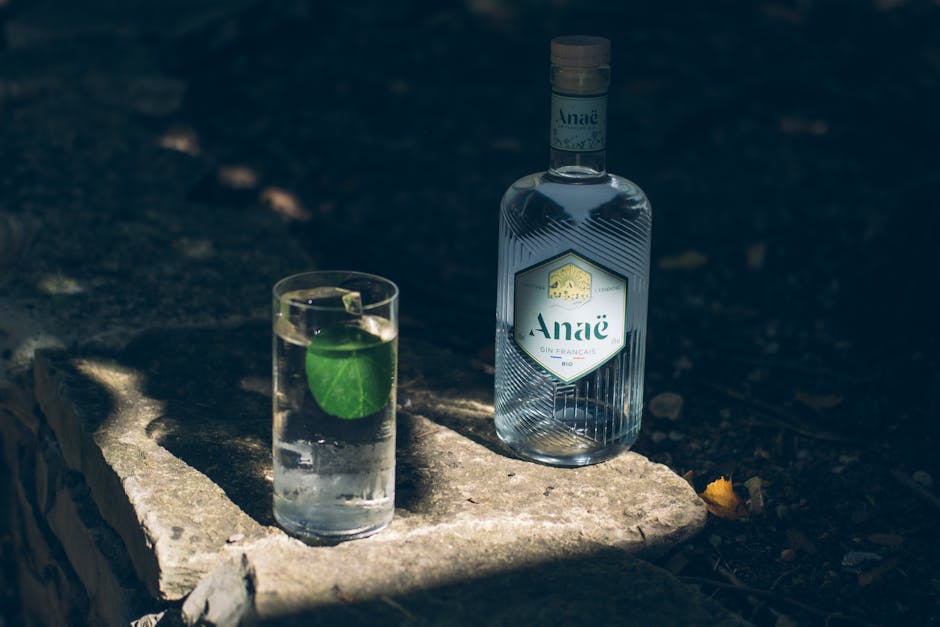
    If you’re a beginner, start simple: pick a London Dry gin (Beefeater or Tanqueray are genuinely excellent and affordable starting points), grab a bottle of Fever-Tree Indian Tonic Water, and invest in a large wine glass if you don’t have a balloon glass. Use more ice than you think you need. Add a slice of cucumber and a wedge of lime. Build slowly. That’s 80% of the experience for about €8.

    If you want to go deeper, consider exploring Spanish craft gins like Gin Mare (Mediterranean botanicals including basil and rosemary) or Nordes Atlantic Galician Gin (made with Albariño grape spirit and local botanicals). Pair these with a lighter, more delicate tonic like Fever-Tree Mediterranean or 1724. The difference in complexity is immediately noticeable.

    For the truly adventurous, start keeping a small “gin journal” — note the botanicals listed on the bottle, the tonic you paired with it, the garnish you used, and your impressions. This mirrors exactly what serious gin enthusiasts do across Europe, and it deepens your appreciation exponentially.

    And if you ever do find yourself in a European city with a thriving gin scene? Trust the bartender. Order from the menu rather than asking for “just a regular G&T.” Lean into the conversation. That’s where the real magic of this culture lives.

    Editor’s Comment : What strikes me most about the European gin & tonic renaissance of 2026 isn’t the impressive sales data or the Instagram-worthy aesthetics — it’s the underlying philosophy. In a world that often feels rushed and disposable, the ritual of building a proper G&T forces you to slow down, pay attention, and engage all your senses. Whether you’re in a gintería in Madrid or crafting one at your kitchen counter, that mindfulness is genuinely valuable. Cheers to that. 🍸


    📚 관련된 다른 글도 읽어 보세요

    태그: [‘gin tonic Europe 2026’, ‘European bar culture’, ‘craft gin trends’, ‘premium cocktail experience’, ‘gin and tonic guide’, ‘Barcelona gin bars’, ‘artisan gin distilleries’]

  • 2026년 유럽 바 문화 트렌드: 진 토닉이 다시 왕좌에 오른 이유

    몇 해 전, 바르셀로나의 골목 어귀에 위치한 작은 코파스 바(Copas Bar)에 들어섰을 때의 기억이 아직도 선명해요. 바텐더가 커다란 벌룬 글라스에 얼음을 가득 채우고, 보태니컬 향이 풍부한 진을 천천히 따른 뒤, 탄산수를 조심스럽게 붓는 그 장면. 그냥 술 한 잔이 아니라, 하나의 의식처럼 느껴졌거든요. 그런데 2026년 현재, 그 장면이 유럽 전역의 바에서 일종의 ‘표준 의식’이 되어버렸다는 사실, 알고 계셨나요? 오늘은 진 토닉이 어떻게 유럽 바 문화의 중심으로 자리 잡게 됐는지, 그 흐름을 함께 짚어보려 합니다.

    gin tonic European bar culture craft cocktail

    📊 숫자로 보는 진 토닉 열풍: 얼마나 커졌을까?

    시장 조사 기관 IWSR(International Wine & Spirits Research)의 2026년 1분기 보고서에 따르면, 유럽 내 프리미엄 진(Premium Gin) 시장은 2021년 대비 약 47% 성장했으며, 특히 스페인·영국·독일 3개국이 전체 소비량의 60% 이상을 차지한다고 합니다. 스페인만 놓고 보면, 1인당 진 소비량이 전 세계 1위를 유지하고 있을 만큼 그 위상이 압도적이에요.

    영국의 경우, 2026년 기준 영국 내 등록된 진 증류소(Distillery)가 900개를 돌파했다는 통계가 나왔는데요. 2010년대 초반까지만 해도 100개 남짓이었다는 걸 감안하면, 사실상 ‘진 르네상스(Gin Renaissance)’라고 불러도 무리가 없을 것 같아요. 유로모니터(Euromonitor International) 데이터에서도 2026년 유럽 스피리츠 시장 내 진의 점유율은 약 18.3%로, 보드카(22.1%)에 이어 2위를 기록 중입니다. 불과 5년 전만 해도 12%대였던 걸 생각하면 놀라운 성장이라고 봅니다.

    🌍 국내외 사례: 유럽의 바들은 무엇이 다를까?

    스페인 – 진 토닉의 본고장, 바르셀로나와 마드리드
    스페인에서 진 토닉은 그냥 음료가 아니에요. ‘히노토닉(Gintonic)’이라는 고유명사로 불릴 만큼 문화적 정체성과 결합되어 있어요. 바르셀로나의 ‘바 뮤(Bar Muy)’ 같은 곳에서는 진 토닉 메뉴판만 A4 두 장 분량이고, 각 진의 보태니컬 프로파일에 맞춰 토닉워터 브랜드와 가니시(Garnish)를 다르게 페어링하는 방식을 고수합니다. 로즈메리 한 줄기, 핑크페퍼콘 몇 알, 심지어 히비스커스 꽃잎까지 — 이 모든 게 맛의 완성도를 위한 계산된 선택이에요.

    영국 – 크래프트 진과 ‘진 바’ 전문화
    런던은 2026년 현재 ‘진 바(Gin Bar)’ 전문점이 200곳 이상으로 늘어났어요. 그중 코벤트 가든의 ‘The Ginstitute’나 쇼디치의 ‘Worship Street Whistling Shop’ 같은 곳은 직접 증류를 체험할 수 있는 워크숍 프로그램까지 운영하며 바 문화를 하나의 체험 콘텐츠로 끌어올리고 있어요. 단순히 술을 마시러 가는 공간이 아니라, 증류학(Distillation)을 배우고 나만의 진을 블렌딩해보는 ‘교육형 바’ 모델이 주목받고 있다고 봅니다.

    한국 – 유럽 트렌드가 상륙하다
    국내에서도 이 흐름은 이미 감지되고 있어요. 서울 성수동과 이태원을 중심으로 ‘진 특화 바’가 생겨나고 있고, 2025~2026년 사이 국산 크래프트 진 브랜드도 눈에 띄게 늘었습니다. ‘한라봉 보태니컬 진’, ‘제주 감귤 진’ 등 로컬 식재료를 활용한 진이 주목을 받으며, 유럽 트렌드를 단순 모방하는 것이 아니라 한국적 정체성을 접목하려는 시도가 활발해요. 이런 방향이 매우 흥미롭다고 생각해요.

    craft gin distillery botanical ingredients premium spirits

    🔍 왜 지금, 진 토닉인가? 트렌드의 배경 읽기

    단순히 맛있어서 유행한다고 보기엔 그 배경이 꽤 복합적이에요. 몇 가지 핵심 요인을 짚어볼게요.

    • 건강 지향 소비 트렌드: 높은 칼로리의 달콤한 칵테일 대신, 상대적으로 낮은 당도와 깔끔한 탄산감이 매력인 진 토닉은 ‘헬시 리추얼(Healthy Ritual)’에 부합해요. 특히 저칼로리 토닉워터 옵션이 다양해지면서 건강을 신경 쓰는 밀레니얼·Z세대 소비자에게 어필하고 있어요.
    • 보태니컬의 다양성: 진은 주니퍼베리를 베이스로 하되, 라벤더·큐컴버·얼그레이·사프란 등 수십 가지 식물 성분을 조합할 수 있어요. 이 ‘무한한 커스터마이징 가능성’이 소비자와 바텐더 모두를 매료시키고 있다고 봐요.
    • SNS 비주얼 친화성: 벌룬 글라스에 가득 찬 얼음, 선명한 허브 가니시, 투명하게 빛나는 음료 — 인스타그램·틱톡 피드에 올리기 완벽한 비주얼이에요. 바 문화 자체가 콘텐츠화되는 시대에 진 토닉은 그 최전선에 있어요.
    • 프리미엄화(Premiumization) 흐름: 소비자들이 ‘많이 마시는 것’보다 ‘잘 마시는 것’을 선호하게 되면서, 한 잔에 15~25유로를 내더라도 고품질 경험을 사려는 수요가 늘었어요. 진 토닉은 이 ‘가격을 정당화할 수 있는 스토리’를 갖춘 음료라는 점이 크게 작용하는 것 같아요.
    • 증류소 관광의 부상: 스코틀랜드·아일랜드의 위스키 증류소 투어처럼, 이제 진 증류소 방문이 유럽 여행의 필수 코스로 자리 잡고 있어요. 이는 진 브랜드에 대한 충성도와 관심을 자연스럽게 높여주는 역할을 해요.

    💡 결론: 진 토닉 문화를 제대로 즐기기 위한 현실적 접근

    진 토닉의 유럽 바 문화가 한국에도 서서히 뿌리를 내리고 있는 건 분명해요. 하지만 유럽식 진 토닉 문화를 제대로 경험하려면, 단순히 ‘진 + 토닉워터’를 섞는 개념에서 벗어날 필요가 있다고 봐요. 진의 보태니컬 프로파일을 먼저 파악하고, 그에 맞는 토닉워터(드라이 vs. 플로럴 vs. 시트러스 계열)를 선택하고, 가니시를 통해 향을 레이어드하는 방식 — 이것이 유럽 바에서 진 토닉을 하나의 예술로 대하는 방식이에요.

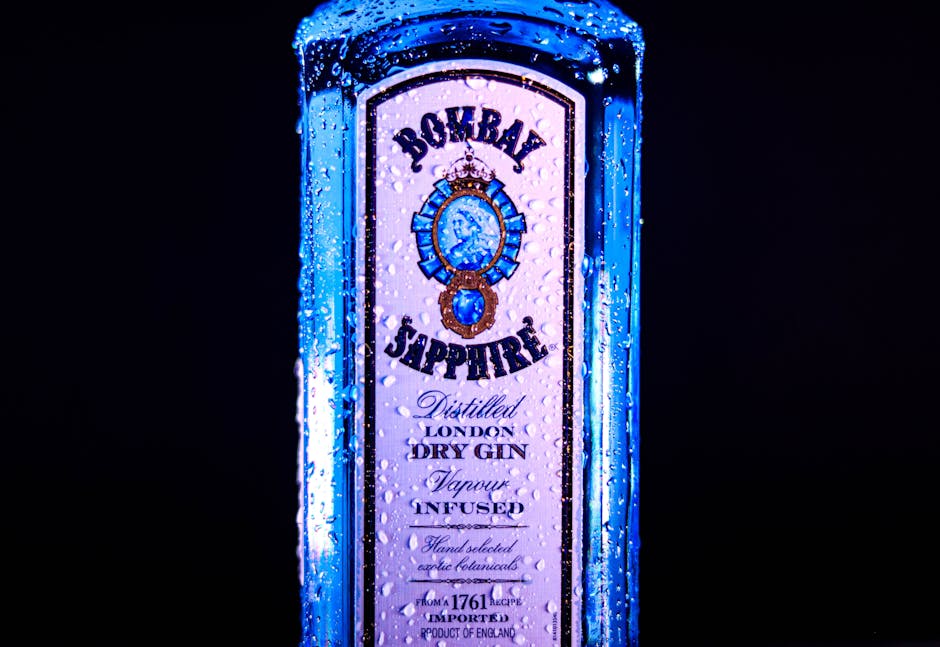
    집에서 시작하고 싶다면, 일단 프리미엄 진 한 병(봄베이 사파이어, 헨드릭스, 또는 국산 크래프트 진)과 슈웹스보다는 피버-트리(Fever-Tree) 같은 프리미엄 토닉워터를 구비해보는 것이 좋은 첫걸음이 될 것 같아요. 그리고 가능하다면, 바르셀로나나 런던 여행 중 진 특화 바를 한 곳만 방문해보세요. 그 경험이 ‘진 토닉을 보는 눈’을 완전히 바꿔줄 거예요.

    에디터 코멘트 : 진 토닉 트렌드가 단순한 유행처럼 보일 수도 있지만, 그 안에는 ‘잘 만들어진 한 잔에 기꺼이 가치를 두겠다’는 소비 철학의 변화가 담겨 있다고 봐요. 바 문화는 결국 그 시대 사람들이 무엇을 추구하는지를 가장 솔직하게 반영하는 공간이니까요. 2026년의 유럽이 진 토닉 글라스를 높이 들고 있는 건, 어쩌면 ‘느리고 깊게 즐기겠다’는 선언일지도 모르겠어요.


    📚 관련된 다른 글도 읽어 보세요

    태그: [‘진토닉’, ‘유럽바문화’, ‘크래프트진’, ‘진트렌드2026’, ‘바텐더문화’, ‘프리미엄칵테일’, ‘진토닉레시피’]

  • Islay Whisky Peated Recommendations 2026: The Ultimate Guide to Smoky Drams Worth Every Sip

    Let me take you back to a rainy evening in a cozy Edinburgh pub, where a bartender slid a dram across the counter and said, “Close your eyes. You’re standing on a Scottish moor, peat fire burning nearby, sea breeze rolling in.” That was my first encounter with an Islay whisky — and honestly? I never looked back. If you’ve been curious about Islay whisky peated recommendations (아이슬라 위스키 피트향 추천), you’ve landed in exactly the right place. Let’s think through this together, because the world of peated Scotch can feel overwhelming at first, but once you understand the logic behind it, the choices become genuinely exciting.

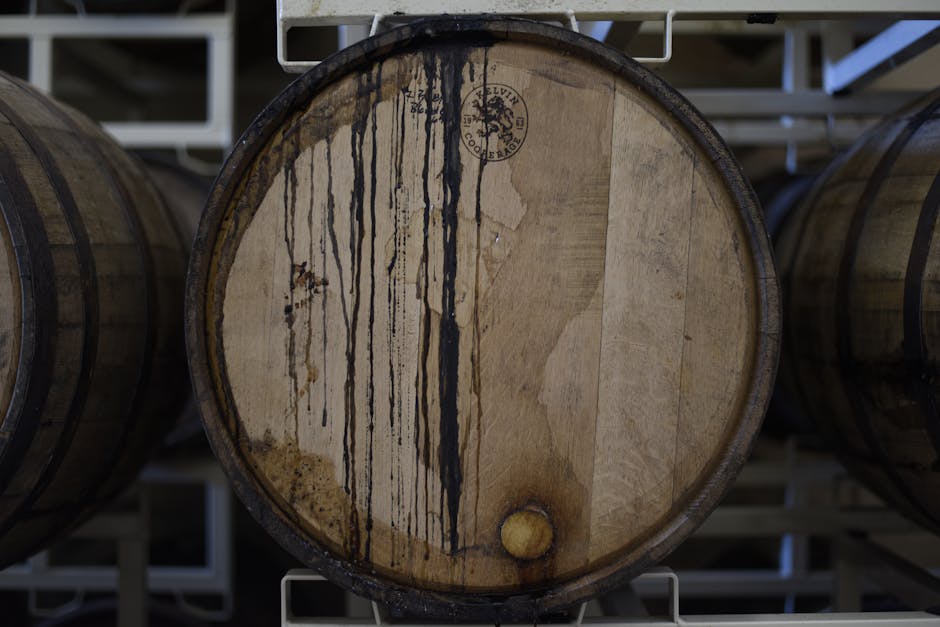
    Islay Scotland distillery peat smoke whisky barrels coastline

    What Is Peat, and Why Does Islay Do It Best?

    Peat (피트) is essentially decomposed organic matter — moss, heather, roots — that has been compressed over thousands of years in boggy Scottish terrain. When distillers use peat to dry malted barley, the smoke infuses the grain with phenolic compounds, primarily guaiacol and syringol, which create that signature smoky, medicinal, sometimes briny character.

    Islay (pronounced “EYE-luh”), a small island off the west coast of Scotland, sits on some of the world’s richest peat deposits. Its maritime climate adds a salty, coastal dimension that you simply can’t replicate elsewhere. The island measures just about 619 km² — roughly the size of a small city — yet it houses nine active distilleries as of 2026, each with a distinct personality.

    Peat intensity is measured in PPM (Parts Per Million of phenols) in the malt. Here’s a quick breakdown so you know what you’re getting into:

    • 0–10 PPM: Lightly peated or unpeated — subtle smokiness, great for beginners
    • 10–25 PPM: Medium peat — noticeable smoke without overpowering the fruit and floral notes
    • 25–50 PPM: Heavily peated — bold, assertive smoke that demands your full attention
    • 50+ PPM: Extremely heavily peated — think campfire, iodine, and sea salt in a glass (Octomore territory)

    Understanding PPM helps you calibrate your expectations before you even open the bottle. It’s not about more smoke = better whisky; it’s about finding your personal sweet spot.

    Top Islay Peated Whisky Recommendations for 2026

    Let’s walk through the lineup thoughtfully — from approachable entry points to serious connoisseur territory. I’ve organized these by peat intensity, not prestige, because your palate deserves a fair journey.

    🥃 Entry Level — Friendly Smoke (10–25 PPM)

    • Bowmore 12 Year Old (~25 PPM) — Often called the “heart of Islay,” Bowmore sits right in the middle of the peat spectrum. You get warm smoke layered over dark chocolate and dried fruit. It’s the perfect handshake whisky for newcomers. Retail around $50–$60 globally in 2026.
    • Caol Ila 12 Year Old (~30 PPM) — Lighter in body but still distinctly Islay. The smoke here feels cleaner and more herbal, with citrus zest cutting through nicely. A brilliant weekday dram.

    🔥 Mid-Range — The Classic Experience (25–50 PPM)

    • Laphroaig 10 Year Old (~45 PPM) — This is arguably the most iconic peated whisky on earth. Its iodine-forward, almost medicinal profile divides opinion, but that’s precisely its charm. Royal Warrant holder since 1994. You’re either hooked immediately or need three tries — and the third try always wins.
    • Lagavulin 16 Year Old (~35 PPM) — If Laphroaig is a punk rock concert, Lagavulin 16 is a jazz club at midnight. Deep, complex, with long dried fruit finish and smoke that unfolds slowly. One of the most elegant heavily-peated expressions you’ll find.
    • Ardbeg 10 Year Old (~55 PPM) — Ardbeg sits at the upper boundary here; its smoke is sharper and more aggressive than Lagavulin, but it counterbalances beautifully with vanilla and toffee from ex-bourbon casks.

    💀 Expert Territory — Maximum Peat (50+ PPM)

    • Bruichladdich Octomore 15 Series (~80–130+ PPM) — Released in numbered series, Octomore is the world’s most heavily peated whisky. The 15 series (released 2025–2026) pushes boundaries while surprisingly remaining drinkable thanks to careful cask selection. Not for the faint-hearted — but absolutely fascinating for the curious.
    • Kilchoman Machir Bay (~50 PPM) — From Islay’s newest farm distillery (founded 2005), Machir Bay offers a fresher, younger style of peat. It’s coastal and breezy rather than brooding — think cold sea air rather than smoldering bog.
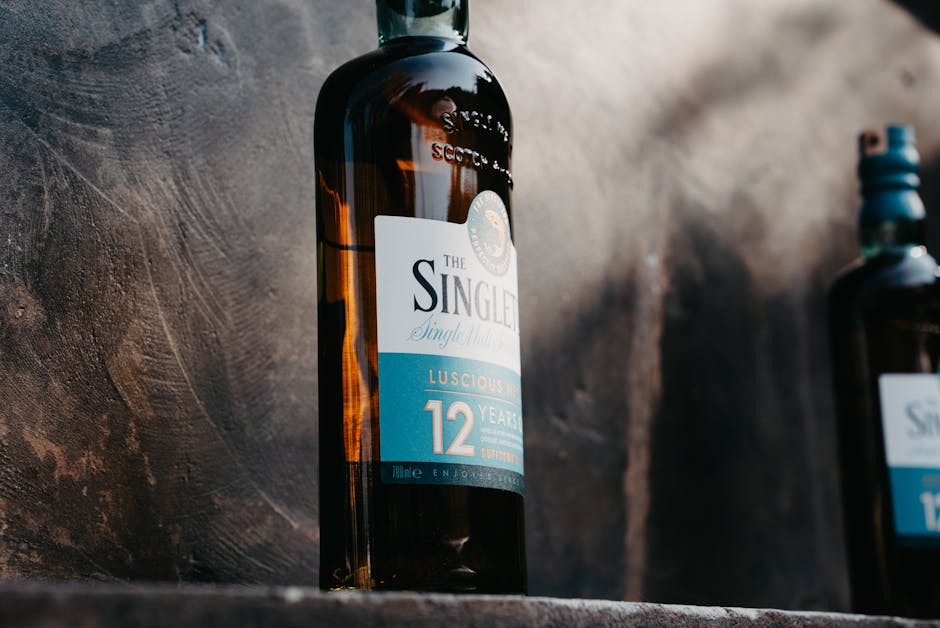
    peated Islay whisky glass tasting dram Laphroaig Ardbeg Lagavulin bottle lineup

    International and Korean Market Availability in 2026

    For readers in Korea (아이슬라 위스키를 찾고 계신 분들), the good news is that Islay whisky availability in the Korean market has improved dramatically by 2026. Major importers like Diageo Korea (covering Lagavulin, Caol Ila) and Pernod Ricard Korea (covering Laphroaig) maintain steady distribution. Ardbeg is handled by Moet Hennessy Korea, and you can regularly find it in Emart, Lotte Liquor sections, and specialty whisky shops in Itaewon and Hannam-dong.

    Online platforms like Whisky Jjang and various Naver-linked specialty retailers have also expanded their Islay selections significantly. Price premiums in Korea typically run 20–35% above US retail due to import duties and excise tax — factor that into your budget planning.

    Internationally, Master of Malt (UK), Total Wine (US), and The Whisky Exchange remain the gold standards for selection and price comparison. In Japan, Yamaya and Liquor Mountain chains carry solid Islay selections if you’re traveling through.

    How to Actually Taste Peated Whisky (So You Don’t Miss the Point)

    Here’s where a lot of beginners go wrong — they approach peated whisky expecting it to taste like a bonfire, get overwhelmed, and give up. Let’s think through a smarter approach:

    • Start neat, add a few drops of water after: Water opens up the whisky and softens the phenolic punch. Even a 3–4 drop addition changes the aromatic profile dramatically.
    • Use a tulip-shaped glass: A Glencairn glass concentrates the aromas. Avoid wide-mouthed tumblers for tasting purposes.
    • Smell before sipping: The nose tells you 60–70% of the story. Take your time — hover, don’t inhale sharply.
    • Let it sit on the palate: Peated whisky reveals layers over 10–15 seconds. The smoke arrives first, then fruit, then spice, then the finish.
    • Pair thoughtfully: Dark chocolate, aged cheddar, smoked salmon, or even a simple piece of shortbread are classic companions that complement rather than fight the smoke.

    Realistic Alternatives If Islay Isn’t Quite Right for You

    Here’s the thing — Islay whisky is genuinely polarizing, and that’s okay. If the iodine and medicinal notes of something like Laphroaig don’t resonate, you’re not failing as a whisky drinker. Your palate is just telling you something useful. Here are some thoughtful alternatives:

    • Highland Park 12 (Orkney): Heathery, lightly peated (~20 PPM) with a honeyed sweetness. Smoke is present but gentle — like wood smoke from a distance rather than sitting next to the fire.
    • Talisker 10 (Isle of Skye): Maritime and peppery, with smoke that’s more volcanic than coastal. Different geography, different peat character.
    • Connemara Single Malt (Ireland): An Irish take on peated whisky — lighter, slightly sweeter, and without the intense iodine of Islay. A brilliant bridge dram.
    • Hakushu 12 (Japan): Japanese peated whisky with a clean, foresty smoke — mossy rather than briny. A completely different peat vocabulary worth exploring.

    The logic here is simple: if you love the idea of smoke but find Islay’s coastal funk too intense, try a Highland or Japanese peated expression first. You can always work your way toward the rugged Islay coast at your own pace.

    Editor’s Comment : Islay whisky is one of those rare things in life that asks something of you before it gives something back. It’s not instantly gratifying — it’s a conversation that gets richer the more you engage with it. Whether you start with the approachable Bowmore or dive headfirst into Octomore territory, the real joy is the exploration itself. Don’t let anyone tell you there’s a “right” way to enjoy peated whisky. Your nose, your palate, your pace. Sláinte! 🥃


    📚 관련된 다른 글도 읽어 보세요

    태그: [‘Islay whisky recommendations’, ‘peated Scotch whisky 2026’, ‘아이슬라 위스키 피트향’, ‘best peated whisky’, ‘Laphroaig Ardbeg Lagavulin’, ‘Islay distillery guide’, ‘smoky whisky beginners guide’]

  • 아이슬라 위스키 피트향 추천 2026 — 입문부터 마니아까지, 스모키함의 깊이를 탐험하다

    처음 아이라(Islay) 위스키를 한 모금 마셨을 때, ‘이게 무슨 냄새지?’ 하며 잔을 내려놓은 기억이 있으신가요? 병원 소독약 같기도 하고, 캠프파이어 연기 같기도 한 그 낯선 향. 그런데 이상하게도 두 번째 잔에는 손이 가고, 세 번째 잔쯤엔 “이게 바로 이거구나” 하는 순간이 찾아오더라고요. 아이슬라(Islay) 위스키의 피트향이란 바로 그런 존재라고 봅니다. 한번 빠지면 쉽게 헤어나오기 어려운, 일종의 ‘어른의 취향’이죠.

    2026년 현재, 국내 위스키 시장은 하이볼 열풍의 영향으로 스모키하고 개성 강한 표현의 아이슬라 위스키 수요가 꾸준히 늘고 있는 추세예요. 오늘은 피트향의 강도와 캐릭터에 따라 입문자부터 마니아까지 즐길 수 있는 아이슬라 위스키를 정리해 드릴게요.

    Islay Scotland distillery misty landscape peat

    📊 피트향, 수치로 이해하기 — PPM이란 무엇인가?

    피트향을 이야기할 때 빠질 수 없는 개념이 바로 페놀 PPM(Phenol Parts Per Million)이에요. 보리를 건조할 때 피트(이탄)를 연료로 사용하면 페놀 성분이 보리에 흡수되는데, 이 수치가 높을수록 스모키하고 의약품 같은 향이 강해지는 구조라고 보시면 됩니다.

    • 0~5 PPM — 언피티드(Unpeated). 피트향이 거의 없는 스타일. 글렌고인(Glengoyne) 같은 경우가 해당돼요.
    • 5~15 PPM — 라이트 피트. 살짝 스모키한 뉘앙스만 느껴지는 정도. 글렌모렌지 등.
    • 20~35 PPM — 미디엄 피트. 아이슬라 입문에 적합한 구간. 보모어(Bowmore), 브루이클라디흐(Bruichladdich) Classic Laddie 등이 여기에 속해요.
    • 35~50 PPM — 하이 피트. 개성이 뚜렷하고 스모키함이 전면에 드러남. 라가불린(Lagavulin) 16년, 아드벡(Ardbeg) 10년이 대표적이에요.
    • 50 PPM 이상 — 익스트림 피트. 경험자를 위한 세계. 옥토모어(Octomore) 시리즈가 169 PPM에 달하기도 하죠.

    물론 PPM이 전부는 아니에요. 숙성 과정에서 오크 배럴의 영향을 받으며 피트향이 순화되거나 복합적으로 변하기 때문에, 실제 음용 시 느끼는 강도는 수치와 다소 차이가 있을 수 있다는 점도 참고하시면 좋을 것 같습니다.

    🥃 단계별 아이슬라 위스키 추천 — 피트 입문부터 헤비 스모크까지

    아이슬라 섬에는 현재 총 9개의 증류소가 운영 중이며, 각각 뚜렷한 개성을 지니고 있어요. 2026년 국내 수입·유통 현황과 가성비를 함께 고려해 선별해 봤습니다.

    ① 보모어 12년 (Bowmore 12 Year Old)
    피트향과 달콤함의 균형이 탁월한 입문자용 아이슬라예요. 약 25~30 PPM 수준으로, 스모키함 뒤로 다크 초콜릿, 열대과일의 달콤함이 따라오는 구성이 인상적이에요. 가격대도 국내 기준 5~6만 원대로 합리적인 편이라 처음 도전하기에 부담이 없는 선택지라고 봅니다.

    ② 라가불린 16년 (Lagavulin 16 Year Old)
    아이슬라 위스키의 ‘교과서’라고 불릴 만큼 클래식한 포지션이에요. 약 35~40 PPM의 진한 피트향에 셰리 오크의 달콤하고 풍부한 바디감이 더해져 복합적인 레이어를 형성합니다. 한 모금 마시면 오랫동안 여운이 남는 스타일이에요. 국내 가격은 12~15만 원대.

    ③ 아드벡 10년 (Ardbeg 10 Year Old)
    라가불린보다 좀 더 날 선(sharp) 피트향을 원하는 분들에게 어울려요. 아드벡은 버번 캐스크 중심의 숙성으로 피트향이 더욱 선명하고 직선적으로 느껴지는 편이에요. 2026년 현재 아드벡은 매년 ‘아드벡 데이(Ardbeg Day)’ 한정판을 출시하고 있어, 컬렉터들의 관심도 높습니다.

    ④ 킬호만 마키르 베이 (Kilchoman Machir Bay)
    아이슬라에서 가장 최근에 세워진(2005년) 소규모 팜 증류소(Farm Distillery)로, 자체 재배 보리를 사용한다는 점에서 유니크해요. 피트 강도는 미디엄~하이 사이로, 바닷바람과 신선한 과일향이 조화롭게 어우러져요. ‘아이슬라의 신진 세력’으로 불릴 만큼 최근 국내외에서 평가가 올라가고 있는 제품이에요.

    ⑤ 옥토모어 시리즈 (Bruichladdich Octomore)
    세계에서 가장 피트향이 강한 위스키로 알려진 시리즈예요. 매 에디션마다 PPM 수치가 다르지만 보통 100 PPM을 훌쩍 넘기기 때문에, 위스키 경험이 어느 정도 쌓인 후 도전하는 것을 권장하는 편입니다. 2026년 최신 에디션은 국내에서 25~35만 원대에 형성되어 있어요.

    Islay whisky glass peated scotch lineup tasting

    🌍 국내외 피트 위스키 트렌드 — 2026년 시장을 읽다

    영국 위스키 전문 매체 Whisky Magazine의 2026년 초 리포트에 따르면, 글로벌 싱글몰트 시장에서 ‘헤비 피트(Heavy Peat)’ 카테고리의 성장률이 전년 대비 약 17% 증가한 것으로 집계됐어요. 특히 아시아 태평양 지역, 그중에서도 한국·일본·대만의 소비 증가세가 두드러졌다는 점이 눈에 띕니다.

    국내에서도 흐름이 비슷해요. 2026년 현재 서울 성수동, 이태원, 부산 해운대 등 주요 위스키 바에서 ‘피트 테이스팅 플라이트(Peated Tasting Flight)’ 메뉴를 운영하는 곳이 늘어나고 있고, 온라인 위스키 커뮤니티에서는 “아이슬라 입문 루트”가 꾸준히 논의되는 인기 주제 중 하나라고 봅니다. 피트향에 대한 진입장벽이 예전보다 많이 낮아진 것 같아요.

    💡 피트 위스키를 즐기는 현실적인 팁

    • 온더록스보다 니트(Neat) 또는 소량의 물: 얼음을 많이 넣으면 피트향과 복합적인 풍미가 닫혀버리는 경향이 있어요. 처음엔 니트로 마셔보고, 물 몇 방울을 떨어뜨려 향이 어떻게 열리는지 비교해 보시는 게 가장 좋은 방법이라고 봅니다.
    • 하이볼로 즐기기: 피트향이 부담스럽다면 탄산수와 1:3 비율로 하이볼을 만들어 보세요. 스모키함이 산뜻하게 살아나 훨씬 접근하기 쉬워요.
    • 페어링 음식: 훈제 연어, 굴, 블루치즈 등 짭조름하거나 훈제된 음식과 궁합이 특히 좋아요. 피트향과 바다 향이 공명하는 느낌을 경험할 수 있어요.
    • 입문 순서 추천: 보모어 12년 → 라가불린 16년 → 아드벡 10년 → 옥토모어 순으로 점진적으로 강도를 높여가는 루트가 가장 자연스럽다고 봅니다.
    • 보관: 위스키는 직사광선과 고온 다습한 환경을 피해야 해요. 피트향이 강한 위스키일수록 코르크 마개 상태 관리가 중요하니, 세워서 보관하는 것을 권장해요.

    에디터 코멘트 : 아이슬라 위스키의 피트향은 처음엔 낯설고 거부감이 들 수 있지만, 그 안에 담긴 바다 소금, 스모크, 달콤함의 층위를 하나씩 발견하는 과정 자체가 큰 즐거움이에요. 모든 걸 한 번에 이해하려 하기보단, 보모어 한 병을 천천히 비워가며 향이 어떻게 변하는지 관찰해 보시는 걸 추천하고 싶어요. 위스키는 결국 ‘시간’과 ‘반복’이 만들어내는 취향이라고 생각하거든요. 부담 없이, 천천히 시작해 보시길 바랍니다. 🥃


    📚 관련된 다른 글도 읽어 보세요

    태그: [‘아이슬라위스키’, ‘피트향위스키추천’, ‘싱글몰트스카치’, ‘아드벡라가불린’, ‘위스키입문’, ‘스모키위스키’, ‘아이슬라증류소’]

  • Scotch Whisky Food Pairing Guide 2026: Unlock the Ultimate Flavor Combinations

    I remember sitting in a cozy Edinburgh pub back in the winter of 2026, watching a seasoned bartender slide a small plate of smoked salmon alongside a dram of Islay single malt. A fellow traveler next to me looked genuinely puzzled — “You can eat with whisky?” That moment stuck with me. So many people treat Scotch as a solitary sipper, missing out on one of the most rewarding culinary adventures you can have. Let’s change that together.

    scotch whisky glass with food pairing platter, smoked salmon cheese dark chocolate

    Why Food Pairing with Scotch Whisky Actually Makes Sense

    Scotch whisky isn’t just a spirit — it’s a flavor ecosystem. Depending on the region and production method, a single malt can carry notes of peat smoke, dried fruit, sea salt, vanilla, sherry, honey, or even leather. These aren’t abstract tasting notes: they’re chemical compounds (like esters, aldehydes, and phenols) that interact with food flavors in predictable, often delightful ways.

    According to the Scotch Whisky Association’s 2026 consumer trend report, over 38% of new Scotch drinkers in the UK and US are now approaching whisky through food-pairing events — up from just 21% in 2022. This isn’t a niche sommelier hobby anymore. It’s mainstream, and for good reason.

    The core principle here is straightforward: complement or contrast. Either you find foods that echo the whisky’s flavor profile, or you find bold contrasts that create a new, surprising third flavor on your palate. Both strategies work beautifully — it just depends on what kind of experience you’re after.

    Scotch Regions & Their Natural Food Partners

    Scotch whisky is broadly categorized by its production region, and each region has a distinct personality. Let’s break these down practically:

    • Islay (Peated & Smoky — e.g., Laphroaig, Ardbeg, Bowmore): The bold phenolic smoke of Islay malts is a natural companion for intensely flavored foods. Think oysters on the half shell, smoked salmon, aged cheddar, and even dark chocolate (70%+). The brininess of the seafood mirrors the coastal, maritime quality of these drams. If you love contrast, try it with a honey-glazed ham — the sweetness cuts through the peat spectacularly.
    • Speyside (Fruity & Elegant — e.g., Glenfiddich, Macallan, Balvenie): Speyside whiskies tend to be approachable, with apple, pear, and vanilla notes often layered with hints of sherry and dried fruit. These pair wonderfully with poached pear tarts, mild blue cheese, foie gras, caramelized onion dishes, and crème brûlée. The sherry-forward expressions (like a heavily sherried Macallan) love dark fruitcake and walnut bread.
    • Highland (Diverse & Complex — e.g., Dalmore, Glenmorangie, Oban): The Highlands is the most varied region — some expressions are heathery and floral, others rich and robust. Generally, Highland malts pair well with roasted game meats (venison, pheasant), mushroom risotto, Scottish haggis, and medium-aged hard cheeses. Oban, with its slight coastal influence, also works beautifully with grilled langoustines.
    • Lowland (Light & Delicate — e.g., Auchentoshan, Glenkinchie): Lowland Scotch is triple-distilled and much lighter in body. Don’t overpower it. Pair with sushi and sashimi, lightly seasoned grilled fish, fresh goat cheese, cucumber finger sandwiches, or shortbread biscuits. These are perfect aperitif-style pairings.
    • Campbeltown (Maritime & Slightly Briny — e.g., Springbank, Glen Scotia): Campbeltown is a micro-region with serious character. Its slight brine and oil texture shine alongside cured meats, aged parmesan, anchovy-based dishes, and smoked eel.

    Real-World Examples: From Edinburgh to Tokyo

    The whisky food pairing trend isn’t just theoretical — it’s being executed at a high level globally in 2026. Here are some inspiring real-world examples:

    Edinburgh, Scotland — The Scotch Whisky Experience: This iconic visitor center on the Royal Mile now runs quarterly “Dram & Dine” tasting menus, pairing four regional whiskies with a five-course meal curated by Michelin-starred chef Tom Kitchin. Their 2026 spring menu featured a Springbank 15-year alongside hand-dived scallops with cauliflower purée — a combination that guests consistently describe as “transformative.”

    New York City — Attaboy Bar (Lower East Side): Bartenders here have pioneered “whisky flights with snack pairings” — small plates of house-pickled vegetables, smoked nuts, and artisanal cheese cubes matched to their extensive Scotch selection. The contrast pairing of a briny Ardbeg 10 with a sweet honeycomb and aged comté has become one of their most-requested experiences.

    Tokyo, Japan — Bar Benfiddich: Japan’s whisky culture is legendary, and Tokyo’s craft bartenders have applied their meticulous attention to Scotch pairing with Japanese cuisine. Highly peated Islay whisky alongside uni (sea urchin) nigiri has become a celebrated pairing — the iodine-rich umami of the urchin mirrors the coastal phenolics of the whisky beautifully. It sounds unusual, but it works on a molecular level.

    Seoul, South Korea — Whisky Live Seoul 2026: At Korea’s largest whisky festival this year, several booths featured Korean-Scotch fusion pairings: Glenfiddich 18 alongside ganjang gejang (soy-marinated raw crab), and Balvenie DoubleWood with yuja (yuzu) honey tteok. The fermented and umami-rich qualities of Korean cuisine turned out to be surprisingly synergistic with Speyside complexity.

    whisky pairing event food tasting board cheese charcuterie scotch glass

    Practical Tips for Building Your Own Pairing at Home

    You don’t need a Michelin-starred kitchen or a rare bottle to enjoy great whisky pairings. Here’s how to think through it logically at home:

    • Start with one flavor anchor: Pick the most dominant note in your whisky (smoky, sweet, fruity, spicy) and build your food around that single note — either echoing or contrasting it.
    • Mind the finish length: Long-finish whiskies (like a 21-year Speyside) deserve food with staying power — rich meats, aged cheeses. Short, delicate finishes suit lighter bites.
    • Add a few drops of water first: A small amount of water opens up whisky aromas and can reveal food-pairing clues you’d otherwise miss. Add water before you taste — not after you’ve formed your opinion.
    • Avoid tannic red wine competition: If you’re serving Scotch at a dinner party, keep heavy tannic wines away — they’ll clash with the spirit’s complexity and confuse your guests’ palates.
    • Cheese is your safest entry point: If you’re new to pairing, a cheese board is virtually foolproof. Mild brie for light Scotch, sharp cheddar for peated, blue cheese for sherried expressions.
    • Temperature matters for food: Serve paired foods at room temperature where possible. Cold numbs flavor receptors — a chilled plate can mute exactly the notes you’re trying to match.

    Realistic Alternatives: When You Can’t Access Premium Bottles

    Let’s be honest — not everyone has a bottle of 18-year Macallan sitting on their shelf. And that’s perfectly fine. The principles above work just as well with accessible entry-level Scotches:

    If you’re working with Glenfiddich 12 (around $35–40 in most US markets), its light pear and floral notes pair wonderfully with a simple honey and walnut toast. Famous Grouse blended Scotch — even more budget-friendly — has enough vanilla sweetness to complement a classic shortbread or a mild cheddar without overwhelming either.

    For those who find Scotch too intense on its own, consider a whisky highball (Scotch + sparkling water, 1:2 ratio) alongside your food — this lowers the ABV impact and makes the pairing experience more approachable without losing the Scotch character. Japanese bartenders pioneered this approach, and it’s increasingly popular in the US and Europe in 2026.

    Alternatively, if you’re at a restaurant without a strong Scotch list, look for Irish single malt expressions (like Teeling or Waterford) as a structurally similar substitute — they share many flavor compounds with Lowland and light Highland Scotch.

    Editor’s Comment : Scotch whisky food pairing is one of those rare pleasures where the more you learn, the simpler and more intuitive it becomes. Don’t let intimidation stop you — start with a cheese board and your favorite bottle, and let your palate lead the way. The “rules” are really just educated starting points. The best pairing is ultimately the one that makes you pause, smile, and reach for another bite.


    📚 관련된 다른 글도 읽어 보세요

    태그: [‘scotch whisky food pairing’, ‘single malt pairing guide’, ‘whisky and cheese pairing’, ‘Islay whisky food’, ‘Speyside whisky pairing’, ‘whisky tasting 2026’, ‘scotch whisky guide’]

  • 스카치 위스키 음식 페어링 가이드: 맛의 조합으로 완성되는 특별한 한 잔 (2026년 최신판)

    얼마 전, 친한 지인이 집들이 선물로 받은 싱글 몰트 스카치 위스키를 어떻게 즐겨야 할지 몰라 그냥 냉장고 한 켠에 두고 있다는 이야기를 들었어요. 고급 위스키를 제대로 즐기는 방법을 몰라 아까워서 못 마시겠다는 거죠. 사실 이런 분들이 생각보다 꽤 많습니다. 스카치 위스키는 그냥 ‘독한 술’ 정도로 인식되는 경우가 많은데, 사실 와인처럼, 아니 어쩌면 와인보다 더 섬세하게 음식과의 조합을 즐길 수 있는 술이라고 봅니다. 오늘은 스카치 위스키를 처음 접하는 분부터, 어느 정도 마셔봤지만 페어링은 막막했던 분들까지 함께 탐구해 볼게요.

    scotch whisky food pairing table setup elegant

    📊 스카치 위스키 페어링, 숫자로 먼저 이해해 보기

    스카치 위스키의 세계를 이해하려면, 먼저 그 다양성을 파악하는 게 좋을 것 같아요. 스코틀랜드에는 현재 약 150여 개의 가동 중인 증류소가 있으며, 크게 5개 생산 지역(스페이사이드, 하이랜드, 아일라, 로우랜드, 캠벨타운)으로 나뉩니다. 이 지역마다 맛의 특성이 확연히 달라지는데, 이 차이가 바로 페어링의 핵심 단서가 된다고 봐요.

    • 스페이사이드 (Speyside): 달콤한 과일향, 꿀, 바닐라 노트가 두드러져요. 알코올 도수는 보통 40~46% ABV. 대표 증류소로는 글렌피딕, 맥캘란이 있어요.
    • 하이랜드 (Highland): 다양한 스타일을 포괄하지만, 일반적으로 풍성한 과일향과 약간의 피트향이 조화를 이룹니다. 달모어, 글렌모란지가 대표적이에요.
    • 아일라 (Islay): 강렬한 피트 스모크, 해조류, 약품(요오드) 향이 특징이에요. 라프로익, 아드벡, 보모어가 이 지역 대표 증류소입니다. 알코올 도수는 종종 46~60% 이상의 캐스크 스트렝스 제품도 많아요.
    • 로우랜드 (Lowland): 가볍고 섬세한 풍미로, 스코틀랜드 위스키 입문자에게 가장 접근하기 쉬운 스타일이라고 봅니다. 아우호엔토샨이 대표적이에요.
    • 캠벨타운 (Campbeltown): 한때 20개 이상의 증류소가 있었지만 현재는 3개만 남아 있어요. 약간의 짠맛과 피트향, 풍부한 과일향이 복잡하게 얽혀 있습니다. 스프링뱅크가 가장 유명해요.

    국제 와인·증류주 연구소(IWSR) 2026년 보고서에 따르면, 한국의 프리미엄 위스키 시장은 전년 대비 약 18% 성장했으며, 특히 20~30대 소비자층에서 ‘위스키 다이닝’ 경험에 대한 관심이 급증하고 있다고 해요. 이제 단순히 마시는 것에서, ‘어떻게 즐기느냐’로 관심이 이동하고 있다는 신호인 것 같습니다.

    🍽️ 지역별 스카치 위스키 × 음식 페어링: 국내외 사례

    영국에서는 이미 꽤 오래전부터 ‘위스키 디너’가 미식 문화의 한 축으로 자리 잡았어요. 에든버러의 미쉐린 스타 레스토랑 ‘더 키친(The Kitchin)’에서는 스코틀랜드 로컬 식재료와 지역 위스키의 마리아주를 코스 메뉴로 선보이고 있는데, 그 방식이 굉장히 논리적입니다. 같은 테루아(Terroir), 즉 같은 땅에서 자란 식재료와 술을 매칭한다는 개념이에요.

    국내에서도 서울 성수동과 한남동의 일부 하이엔드 바들이 2026년 현재 스카치 위스키 페어링 코스를 운영하기 시작했습니다. 특히 아일라 위스키와 생굴, 스페이사이드 위스키와 연어 요리를 접목한 메뉴가 인기를 끌고 있다고 해요.

    그 원리를 좀 더 살펴보면 이렇습니다.

    • 스페이사이드 + 훈제 연어 또는 생연어 카르파초: 글렌피딕 12년이나 맥캘란 12년의 달콤한 셰리 오크 노트는 연어의 기름진 감칠맛을 부드럽게 받아주면서 서로의 풍미를 증폭시켜요. 레몬 드레싱을 가볍게 곁들이면 위스키의 과일향이 더 살아납니다.
    • 아일라 + 생굴 또는 훈제 치즈: 아드벡이나 라프로익의 스모키하고 짠 바다 내음은 생굴과 거의 필연적인 조합이라고 봐요. 굴의 미네랄 향과 위스키의 피트향이 ‘바다’라는 공통 코드로 연결되는 느낌입니다. 훈제 고다 치즈와도 궁합이 훌륭해요.
    • 하이랜드 + 숙성 치즈 또는 야생 버섯 리조또: 달모어의 경우 오렌지 껍질과 다크 초콜릿 노트가 있어서 파르미지아노 레지아노 같은 묵직한 치즈나 트러플을 가미한 요리와 잘 어울립니다.
    • 로우랜드 + 초밥 또는 가벼운 흰살 생선 요리: 아우호엔토샨의 섬세하고 가벼운 풍미는 강한 음식을 만나면 완전히 묻혀버려요. 오히려 담백한 일식이나 가벼운 샐러드 류와 매칭하면 위스키 본연의 향을 제대로 느낄 수 있습니다.
    • 캠벨타운 + 다크 초콜릿 또는 블루 치즈: 스프링뱅크의 복잡한 풍미는 강한 개성을 지닌 음식과의 충돌을 오히려 즐기는 방식이 어울려요. 로크포르나 고르곤졸라 같은 블루 치즈, 혹은 70% 이상 카카오 함량의 다크 초콜릿이 좋습니다.

    scotch whisky single malt glass with oysters cheese board

    🥃 페어링의 핵심 원리: 왜 이 조합이 맞는 걸까요?

    페어링이 잘 되는 데는 크게 두 가지 원리가 있다고 봐요. 첫 번째는 유사성(Congruence)의 원리입니다. 비슷한 향과 맛의 요소를 가진 것끼리 묶어주는 거예요. 스모키한 위스키와 훈제 요리, 달콤한 위스키와 달콤한 디저트처럼요. 두 번째는 대비(Contrast)의 원리입니다. 강하고 짠 블루 치즈가 위스키의 알코올 자극을 억제해 주고, 반대로 위스키의 과일향이 치즈의 날카로움을 부드럽게 잡아주는 식이에요.

    또 한 가지 실용적인 팁을 드리자면, 위스키를 음식과 함께 즐길 때는 물을 조금 가볍게 추가해 주는 것이 도움이 될 수 있어요. 위스키에 물 몇 방울을 떨어뜨리면 에탄올 분자와 향미 분자(특히 과이아콜 같은 화합물)의 결합이 느슨해지면서 향이 더 활발하게 올라오는 효과가 있습니다. 이를 ‘브리딩(Breathing)’이라고 부르기도 해요. 음식의 향이 강한 경우, 위스키 향을 좀 더 열어둬야 균형이 맞는다는 논리입니다.

    🔎 2026년, 국내에서 시도해 볼 수 있는 현실적인 조합

    해외 미식 레스토랑 수준의 경험이 아니더라도, 일상에서 충분히 멋진 페어링을 즐길 수 있어요. 마트에서 쉽게 구할 수 있는 재료들로 구성해 봤습니다.

    • 편의점 훈제 오징어 + 아일라 싱글 몰트: 의외의 조합 같지만, 훈제향과 피트향이 서로를 강화시켜줘서 꽤 그럴듯한 경험이 된다고 봐요.
    • 코스트코 파르미지아노 레지아노 + 스페이사이드 12년: 치즈의 감칠맛과 위스키의 달콤한 셰리 노트는 이미 검증된 조합입니다.
    • 다크 초콜릿 (카카오 70% 이상) + 하이랜드 위스키: 초콜릿 한 조각을 혀 위에서 녹이면서 위스키를 한 모금 마시면, 초콜릿의 쌉쌀함이 위스키의 단맛을 끌어올려 주는 걸 느낄 수 있어요.
    • 전통 시장 곶감 + 맥캘란 셰리 오크 계열: 셰리 오크 숙성 위스키의 건포도, 무화과 노트와 곶감의 단맛이 정말 잘 어울립니다. 이건 한국적 페어링이라고 봐도 손색이 없어요.

    에디터 코멘트 : 스카치 위스키 페어링은 어렵고 격식 있는 무언가가 아니라, 사실 내 입맛과 논리를 믿고 탐구하는 과정에 가까운 것 같아요. 완벽한 정답보다는 ‘오늘 이 조합은 왜 잘 맞았을까?’ 하고 스스로 질문해 보는 습관이 생기면, 그때부터 위스키 한 잔이 훨씬 풍성해집니다. 아직 냉장고에 잠들어 있는 그 위스키, 오늘 저녁 마트에서 치즈 한 조각과 다크 초콜릿을 사 오는 것부터 시작해 보시는 건 어떨까요?


    📚 관련된 다른 글도 읽어 보세요

    태그: []

  • World Whisky Brand Rankings 2026: From Iconic Classics to Rising Stars Worth Knowing

    Picture this: you’re standing in the whisky aisle of a well-stocked liquor store, rows upon rows of amber bottles staring back at you, each one promising something different. Maybe you’ve been here before — hand hovering, slightly overwhelmed, secretly hoping someone would just tell you which ones are actually worth it. I’ve been there too, and honestly, that moment of delicious uncertainty is what got me deep into the world of whisky rankings in the first place.

    So let’s think through this together. What actually makes a whisky brand “the best”? Is it heritage? Sales volume? Critical acclaim? Or is it the way a single sip stops you mid-conversation? In 2026, the global whisky landscape has shifted more than many enthusiasts expected — new regions are commanding serious respect, and some old giants are holding their crowns tighter than ever.

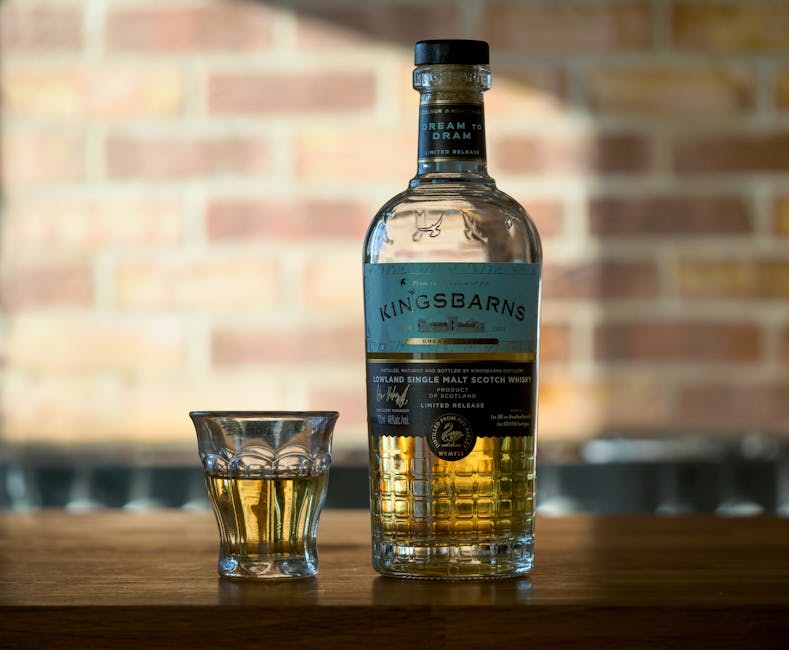
    world whisky brands collection amber bottles luxury

    How Global Whisky Rankings Actually Work

    Before we dive into the list, let’s set the groundwork. Most authoritative whisky rankings in 2026 draw from a combination of sources: the Whisky Advocate Annual Awards, the International Wine & Spirit Competition (IWSC), the World Whiskies Awards, and real-world market share data from spirits analytics firms like IWSR. These rankings assess factors like:

    • Flavor complexity and finish — how nuanced and lasting is the taste profile?
    • Consistency across batches — a great bottle means nothing if the next one is disappointing.
    • Distillery heritage and craft — age of the distillery and traditional methods still carry weight.
    • Global sales volume — market confidence is a signal, even if not the only one.
    • Innovation — new cask finishes, grain sourcing, and experimental releases matter more than ever in 2026.

    The 2026 Global Whisky Brand Rankings: The Heavy Hitters

    Let’s walk through the landscape. These aren’t just popularity contests — each brand here earned its spot through a combination of critical recognition and cultural staying power.

    1. Macallan (Scotland) — Arguably the most consistently celebrated single malt Scotch in the world, Macallan’s sherry-cask aging program continues to set the benchmark. Their 2026 limited releases sold out within hours in most markets. If you’re new to Scotch, their 12-Year Double Cask is an ideal starting point.

    2. Yamazaki (Japan) — Suntory’s flagship has cemented Japan as a true whisky powerhouse. The Yamazaki 18-Year remains nearly impossible to find at retail price, which tells you everything. Japanese whisky’s methodical precision and subtlety have won over a generation of drinkers globally.

    3. Buffalo Trace (USA) — The Kentucky distillery behind Pappy Van Winkle, Eagle Rare, and its own Buffalo Trace Bourbon continues to dominate the American whiskey conversation. The 2026 Antique Collection release once again caused long lines and online frenzies worldwide.

    4. Glenfiddich (Scotland) — The world’s best-selling single malt Scotch by volume, Glenfiddich deserves more credit than its ubiquity sometimes gets. Their experimental series in 2026 introduced a fascinating IPA cask finish that genuinely surprised critics.

    5. Redbreast (Ireland) — Irish whiskey’s golden child. Redbreast 12 Cask Strength has quietly become one of the most recommended bottles across enthusiast communities globally. It’s the brand that keeps converting Scotch loyalists.

    6. Nikka (Japan) — Nikka’s From The Barrel expression is a personal favorite of countless bartenders, and for good reason. Rich, complex, and priced accessibly relative to its quality — it punches well above its weight class.

    7. Kavalan (Taiwan) — This might surprise some readers, but Kavalan has been collecting international awards for over a decade now. In 2026, their Solist series continues to challenge the assumption that great whisky can only come from Scotland or Japan.

    whisky tasting flight glasses single malt comparison

    Regional Rising Stars You Shouldn’t Overlook

    Here’s where it gets really interesting. The whisky map in 2026 is genuinely global. Beyond the established giants, these regions and brands are worth tracking:

    • India – Amrut Fusion: Using Indian barley and Scottish peated malt, Amrut produces a boldly flavored whisky that regularly appears in top 10 lists from credible critics.
    • Australia – Sullivan’s Cove: Their French Oak single cask expressions have taken home World’s Best Single Malt titles and are increasingly available internationally.
    • Sweden – Mackmyra: Scandinavian whisky is a real thing. Mackmyra’s use of local ingredients like Swedish juniper and sea buckthorn creates flavor profiles unlike anything else on the market.
    • South Korea – Three Societies: A newer player gaining real traction in Asia-Pacific markets, worth watching through 2027 and beyond.

    What If the Top Brands Are Out of Your Budget?

    This is the realistic conversation we need to have. A bottle of Macallan 18 or Yamazaki 18 can easily run $250–$500+ in 2026. That’s genuinely not accessible for everyone, and that’s completely okay. Here’s how to think about alternatives smartly:

    • For Macallan fans: Try GlenDronach 12 Original. Similar sherry-cask richness at roughly a quarter of the price.
    • For Yamazaki lovers: Explore Chichibu from Ichiro’s Malt (if you can find it) or the more accessible Akashi White Oak for an entry-level Japanese-style experience.
    • For Buffalo Trace seekers: Wild Turkey 101 Bourbon and Four Roses Small Batch are both critically acclaimed and consistently available without the treasure hunt.
    • For Redbreast devotees: Teeling Small Batch Irish Whiskey offers that smooth, approachable Irish style at a friendlier price point.

    The truth is, the whisky world rewards curiosity far more than deep pockets. Some of the most memorable drams I’ve had came from bottles under $50 that nobody expected much from. That’s the beauty of exploring rather than simply collecting.

    Editor’s Comment : In 2026, the whisky world has never been more exciting — or more democratized. Yes, the trophy bottles from Macallan and Yamazaki dominate headlines, but don’t let that narrow your vision. The real joy of whisky is in the exploration: a Taiwanese distillery beating Scotch legends at their own game, a Swedish producer using lingonberry casks, an Indian distillery proving that climate can be a superpower rather than a limitation. Whether you’re a seasoned collector or someone who just discovered they actually enjoy bourbon, the best whisky is always the one you’re genuinely curious about next. Start there, and let the rankings inform — not dictate — your journey.


    📚 관련된 다른 글도 읽어 보세요

    태그: [‘world whisky brand rankings 2026’, ‘best whisky brands’, ‘single malt scotch’, ‘Japanese whisky’, ‘bourbon rankings’, ‘top whisky guide’, ‘global whisky comparison’]

  • 2026년 세계 위스키 브랜드 순위 총정리 | 진짜 전문가들이 선택하는 위스키는?

    얼마 전 지인의 생일 선물로 위스키 한 병을 고르러 백화점 주류 코너에 갔다가 멍하니 서 있었던 적이 있어요. 조니워커, 맥캘란, 발베니, 야마자키… 이름만 들어도 쟁쟁한 브랜드들이 즐비한데, 도대체 어떤 기준으로 골라야 할지 감이 잡히지 않았거든요. 가격도 천차만별이고, ‘프리미엄’이라는 말은 너무 남발되고 있고. 그래서 오늘은 2026년 기준으로 실제 판매량, 평론가 평점, 소비자 선호도를 종합해 세계 위스키 브랜드 순위를 함께 정리해 보려 합니다.

    world whisky brands lineup premium bottles bar

    📊 2026년 세계 위스키 브랜드 순위 — 수치로 보는 현황

    글로벌 주류 시장 조사 기관인 IWSR(International Wine & Spirits Research)의 2026년 상반기 데이터와 Whisky Advocate, Distilled Spirits Council의 평가를 종합하면, 위스키 시장은 연간 약 7.2%의 성장률을 기록하고 있습니다. 특히 아시아·태평양 시장의 폭발적인 성장이 전체 순위 판도에도 영향을 주고 있는 점이 흥미로운 부분이라고 봅니다.

    아래는 브랜드 파워(인지도·매출), 품질 평점(국제 위스키 어워드 수상 이력), 가성비, 컬렉터 수요를 종합해 정리한 2026년 세계 위스키 브랜드 Top 10입니다.

    • 🥇 1위 조니워커 (Johnnie Walker, 스코틀랜드) — 연간 판매량 2,300만 케이스 이상. 블렌디드 스카치의 절대 강자. 블루 라벨은 여전히 선물용 1순위.
    • 🥈 2위 잭 다니엘스 (Jack Daniel’s, 미국) — 테네시 위스키의 대명사. 전 세계 바(bar) 어디서나 볼 수 있는 대중성의 상징. 연 판매량 1,700만 케이스 추산.
    • 🥉 3위 맥캘란 (The Macallan, 스코틀랜드) — 싱글 몰트 세계 1위. 셰리 오크 캐스크 숙성의 대명사로, 컬렉터 시장에서 가장 강력한 투자 가치를 인정받는 브랜드.
    • 4위 야마자키 (Yamazaki, 일본) — 일본 위스키 붐을 이끈 선두 주자. 2026년에도 희귀 빈티지는 출시 즉시 품절되는 현상이 이어지고 있음.
    • 5위 발베니 (The Balvenie, 스코틀랜드) — 장인 정신으로 유명. 더블우드 12년이 가성비 싱글 몰트의 교과서로 불림.
    • 6위 글렌리벳 (The Glenlivet, 스코틀랜드) — 세계에서 가장 많이 팔리는 싱글 몰트 중 하나. 입문자에게 안정적인 선택지.
    • 7위 버팔로 트레이스 (Buffalo Trace, 미국) — 버번 위스키 열풍의 핵심. 이글 레어, 블랜튼스 등 하위 라인업까지 전 세계적 수요 급증.
    • 8위 히비키 (Hibiki, 일본) — 산토리의 블렌디드 아트. 패키지 디자움과 맛 모두 수상 이력 화려. 선물용으로 한국에서도 인기 급등.
    • 9위 달모어 (Dalmore, 스코틀랜드) — 고급 셰리 피니싱으로 차별화. 프리미엄 시장에서 맥캘란의 강력한 대안으로 부상.
    • 10위 와일드 터키 (Wild Turkey, 미국) — 높은 라이 함량으로 개성 강한 버번. 레어 브리드 라인업이 2026년 평론가 점수에서 두각.

    🌍 국내외 트렌드 — 한국 시장은 어떻게 다를까?

    흥미로운 점은, 글로벌 순위와 한국 소비자의 선택이 꽤 다르다는 거예요. 한국 수입 주류 협회 자료에 따르면, 2026년 국내 위스키 수입액은 전년 대비 약 18% 증가했으며, 특히 일본 위스키아이리시 위스키(Irish Whiskey) 카테고리의 성장세가 두드러집니다. 야마자키, 히비키 외에도 니카 위스키(Nikka)가 조용히 국내 마니아층을 키우고 있는 추세예요.

    또한 ‘하이볼 열풍’이 지속되면서, 과거 온더락으로 마시던 위스키를 탄산수와 섞어 가볍게 즐기는 문화가 정착됐어요. 이 트렌드 덕분에 글렌피딕(Glenfiddich) 15년, 산토리 토키(Toki) 같은 미들 레인지 제품의 소비가 눈에 띄게 늘었다고 봅니다.

    Japanese whisky highball bar trend 2026

    💡 브랜드 선택 전, 반드시 알아야 할 위스키 분류 기준

    순위만 보고 선택하면 낭패를 볼 수 있어요. 왜냐하면 위스키는 스타일이 너무나 다양하거든요. 자신의 취향과 용도에 맞는 카테고리를 먼저 파악하는 게 중요한 것 같습니다.

    • 스카치 위스키 (Scotch Whisky): 스코틀랜드산. 싱글 몰트(보리 100%)와 블렌디드로 나뉨. 피트(이탄) 향이 개성의 핵심.
    • 버번 위스키 (Bourbon Whiskey): 미국산. 옥수수 51% 이상, 새 오크통 숙성이 법적 조건. 달콤하고 바닐라 향이 강함.
    • 일본 위스키 (Japanese Whisky): 스카치 방식 기반이지만 繊細(섬세)한 균형감이 특징. 최근 국제 기준 강화로 원산지 표기 신뢰도 상승.
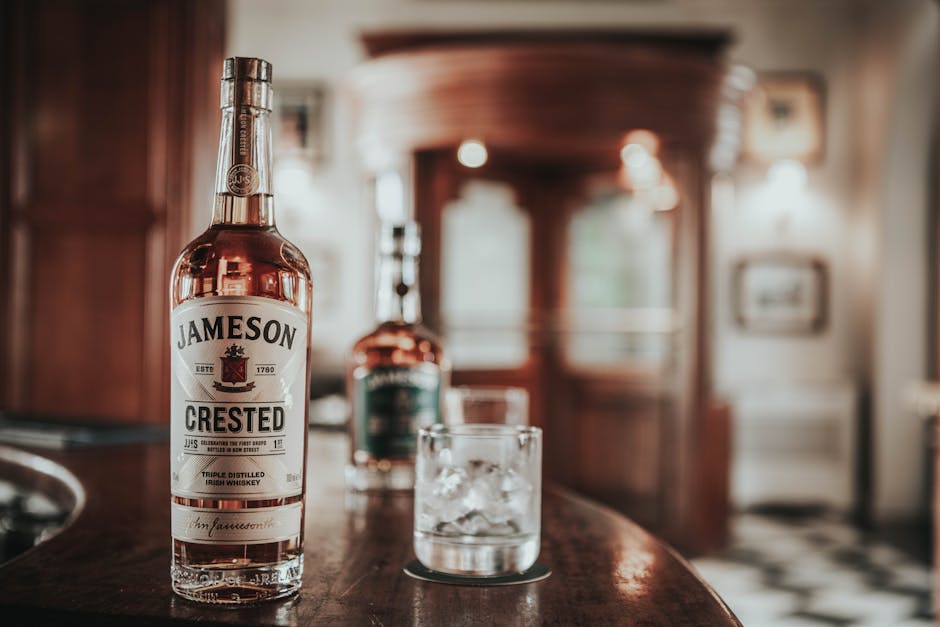
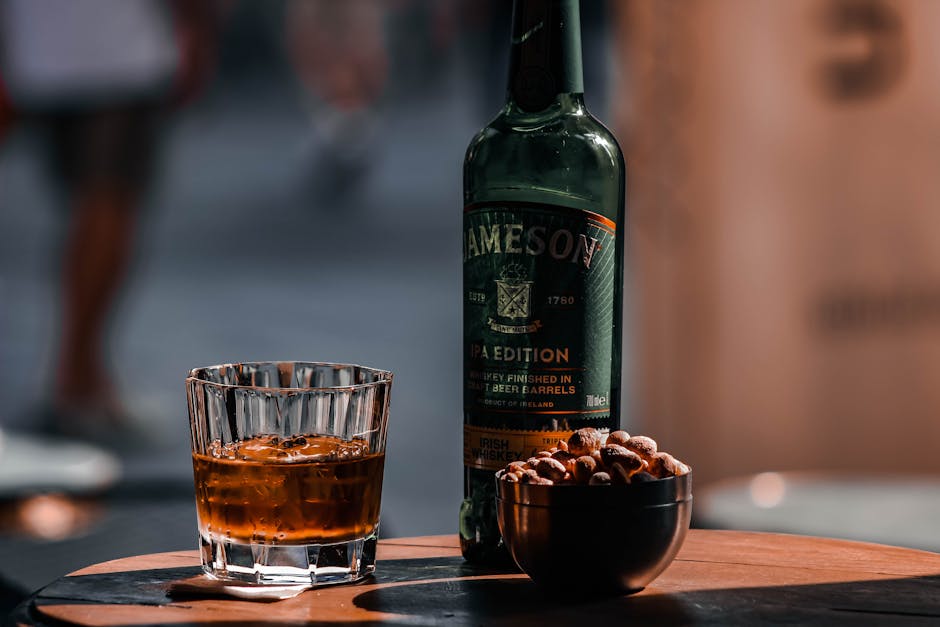
    • 아이리시 위스키 (Irish Whiskey): 3회 증류로 부드럽고 가벼운 맛. 제임슨(Jameson)이 대표 브랜드. 입문자에게 추천.
    • 테네시 위스키 (Tennessee Whiskey): 버번과 유사하나 링컨 카운티 프로세스(숯 여과)를 거침. 잭 다니엘스가 유일무이한 대명사.

    🎯 예산별 현실적인 위스키 선택 가이드

    솔직히 말하면, 가장 높은 순위의 브랜드가 반드시 나에게 가장 좋은 위스키는 아닐 수 있어요. 예산과 상황에 따라 현실적인 선택을 하는 게 더 현명하다고 봅니다.

    • 3만 원대 입문 추천: 글렌리벳 12년, 제임슨 스탠다드, 와일드 터키 101 — 부담 없이 위스키의 세계를 탐색하기 좋아요.
    • 5~10만 원대 데일리 프리미엄: 발베니 더블우드 12년, 글렌피딕 15년, 버팔로 트레이스 — 이 구간이 ‘가성비의 황금 존’이라는 평이 많습니다.
    • 15~30만 원대 선물·특별한 날: 맥캘란 12년 더블 캐스크, 히비키 재패니스 하모니, 달모어 12년 — 포장도 고급스럽고 받는 사람의 만족도가 높아요.
    • 50만 원 이상 컬렉터 라인: 야마자키 18년, 맥캘란 18년 셰리 오크, 조니워커 블루 라벨 — 투자 가치와 선물 가치를 동시에 가집니다.

    에디터 코멘트 : 위스키는 순위보다 ‘내가 어떤 맛을 좋아하는가’를 먼저 아는 게 훨씬 중요한 것 같아요. 스모키하고 강렬한 걸 좋아한다면 아일레이 스카치(라프로익, 아드벡)를, 부드럽고 달콤한 걸 원한다면 버번이나 아이리시 위스키부터 시작해 보세요. 그리고 2026년에는 한국 증류소 브랜드(쓰리소사이어티즈, 킹덤 등)도 국제 무대에서 조금씩 이름을 알리고 있으니, 국산 위스키도 한번 눈여겨볼 만한 시점인 것 같습니다. 위스키는 결국, 한 모금 마시며 자신만의 취향을 찾아가는 여정이니까요. 🥃


    📚 관련된 다른 글도 읽어 보세요

    태그: [‘세계위스키브랜드순위’, ‘위스키추천2026’, ‘싱글몰트위스키’, ‘버번위스키’, ‘일본위스키’, ‘맥캘란야마자키’, ‘위스키입문가이드’]

  • The Rise of Irish Whiskey in 2026: Market Analysis, Global Trends, and What It Means for You

    Picture this: it’s a rainy Thursday evening in Dublin, and a small distillery tucked between limestone hills just shipped its first batch to a bar in Tokyo. Meanwhile, a craft spirits shop in Nashville has a six-month waitlist for a single-cask Connemara expression. What’s going on? Irish whiskey — once overshadowed by Scotch and Bourbon — has quietly become one of the most exciting spirits categories on the planet in 2026, and the numbers are starting to catch up with the buzz.

    Let’s think through this together, because the story isn’t just about bottles and barrels. It’s about shifting consumer tastes, smart branding, and a global appetite for something that feels both authentic and approachable.

    Irish whiskey distillery 2026 copper pot still barrels Ireland

    📊 The Numbers Don’t Lie: Irish Whiskey Market Data in 2026

    The Irish whiskey category has been on a consistent upward trajectory for over a decade, but 2026 marks a genuine inflection point. According to projections from the Drinks Ireland trade body and corroborating reports from IWSR (International Wine & Spirits Research), the global Irish whiskey market is expected to surpass $6.5 billion USD in retail value by the end of 2026 — a figure that would have seemed wildly optimistic just five years ago.

    • Export volume growth: Irish whiskey exports grew approximately 14% year-over-year entering 2026, with the United States still commanding the largest share at roughly 42% of total exports.
    • Distillery count: Ireland now hosts over 50 active distilleries — a staggering leap from the mere three that existed in 2010. This democratization of production is injecting serious creative energy into the category.
    • Premiumization trend: The super-premium and ultra-premium segments (bottles priced above $75 USD) are growing at nearly twice the rate of standard expressions, signaling that consumers are trading up.
    • Asia-Pacific surge: Markets like Japan, South Korea, and Singapore have registered double-digit growth rates, with Korean consumers in particular gravitating toward single pot still expressions for their distinctive creamy, spicy profile.
    • Age statement comeback: After years of NAS (No Age Statement) dominance, 2026 is seeing a resurgence in aged statement bottles as distilleries founded in the early 2010s finally have mature stock to work with.

    🌍 International Success Stories: Who’s Leading the Charge?

    Let’s look at some concrete examples, because the abstract data only tells half the story.

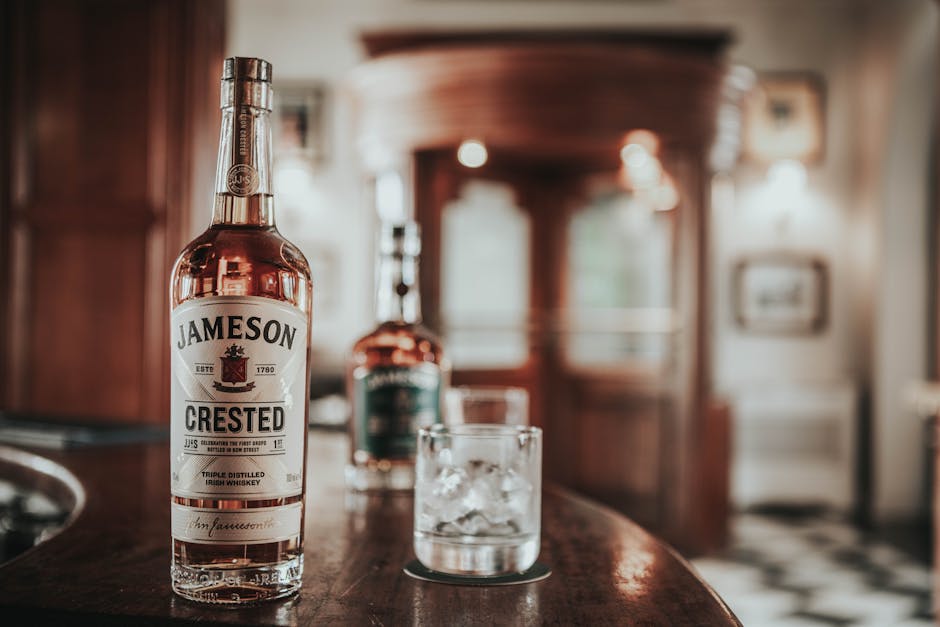
    Jameson (Irish Distillers / Pernod Ricard) remains the undisputed volume leader globally, but what’s interesting in 2026 is how the brand is pivoting. Rather than just selling accessible blends, they’ve leaned hard into their Jameson Deconstructed series and collaborated with specialty coffee roasters in Melbourne and São Paulo — targeting the same consumers who obsess over single-origin espresso. It’s a smart play: if you can talk to the flavour-curious crowd, you’ve got a customer for life.

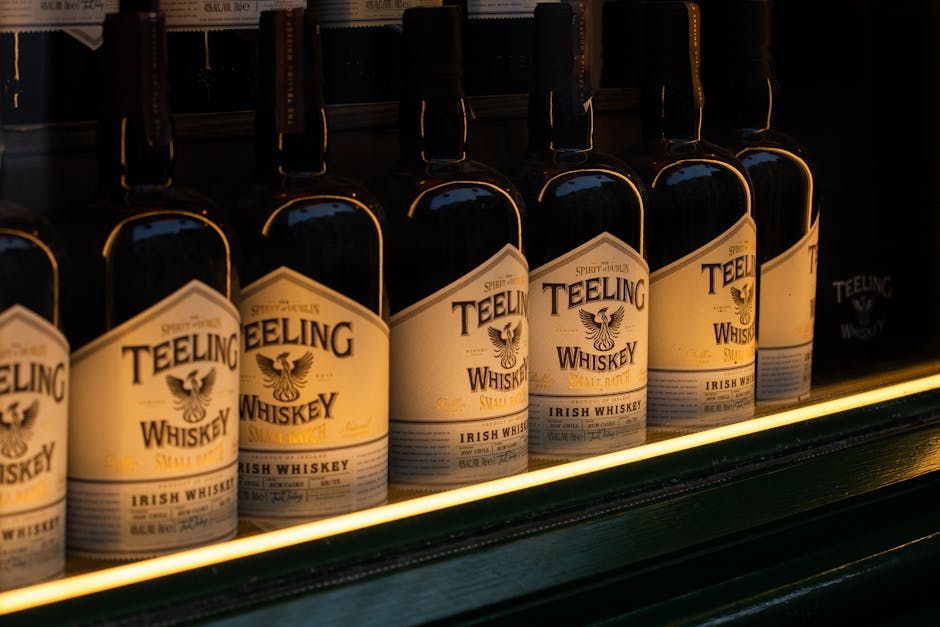
    Teeling Whiskey, Dublin’s urban distillery, has become a kind of ambassador for the “new wave” Irish whiskey movement. Their Brabazon series — finished in vintage Madeira and Sauternes casks — regularly draws comparisons to prestige Scotch expressions at half the price. In 2026, their visitor numbers have climbed significantly, partly because Dublin has become a genuine whiskey tourism destination.

    Waterford Distillery deserves special mention for their terroir-driven approach. Founder Mark Reynier (formerly of Bruichladdich in Scotch) essentially transplanted a wine-world concept — that barley provenance matters — into Irish whiskey. Their single farm origin expressions are now stocked in serious fine dining establishments across Europe and Southeast Asia.

    On the domestic Korean and Japanese front, high-end whisky bars in Seoul’s Itaewon district and Tokyo’s Ginza have created dedicated Irish whiskey tasting flights, educating consumers in a format they already love from Japanese whisky culture. This regional intermediary role is quietly accelerating global appreciation.

    Irish whiskey tasting flight bar glasses amber liquid premium spirits 2026

    🤔 Why Now? The Logical Reasons Behind the 2026 Surge

    It’s worth reasoning through why this is happening now, rather than five years ago or five years from now.

    First, there’s the supply maturation cycle. The distillery boom of 2012–2016 means that whiskey requires a minimum of three years in barrel (Irish law), but the premium expressions people actually get excited about need 7–12+ years. Those barrels are ready now. The industry essentially planted seeds a decade ago and is harvesting today.

    Second, consumer fatigue with Scotch pricing is real. Iconic single malts have become increasingly inaccessible at retail due to speculation and limited releases. Irish whiskey — particularly single pot still expressions — offers comparable complexity at significantly lower price points. Savvy drinkers have noticed.

    Third, the cocktail culture tailwind continues to drive discovery. The Irish Coffee renaissance (yes, it’s genuinely happening in specialty coffee circles) and the use of Irish whiskey in low-ABV stirred cocktails have introduced the spirit to audiences who never would have reached for a neat pour.

    🥃 Realistic Alternatives: Where Should You Actually Start?

    Okay, so you’re intrigued but you’re not sure where to put your money or attention. Let’s be practical about this.

    If you’re a beginner: Start with a blended Irish whiskey like Jameson Black Barrel or Slane Irish Whiskey. Both are widely available, affordable (under $45 USD), and approachable enough to not overwhelm your palate while still showing you what Irish whiskey is about — that signature smoothness from triple distillation, light fruit notes, and gentle vanilla.

    If you’re a curious intermediate: Try a single pot still expression. Redbreast 12 Year is essentially the benchmark — it’s the one bottle that whiskey educators across the globe point to as definitional for the style. Green Spot is another fantastic, slightly more affordable entry into this world.

    If you’re an enthusiast thinking about investment or collection: Limited releases from Teeling, Waterford single farm origins, and upcoming expressions from newer distilleries like Dingle or Boann are worth tracking. The appreciation curve for Irish whiskey collectibles, while not yet at Scotch levels, is moving meaningfully in 2026.

    If you’re a bar owner or beverage professional: The category offers exceptional value positioning for your back bar. A curated Irish whiskey section — three to five bottles spanning blend, single malt, and single pot still — gives you a storytelling opportunity that differentiates you without massive capital outlay.

    The honest reality is that Irish whiskey in 2026 is where Japanese whisky was around 2012: genuinely excellent, still somewhat underpriced relative to quality, and about to get a lot more expensive as global recognition accelerates. That window is still open — but it won’t be forever.

    Editor’s Comment : What strikes me most about the Irish whiskey story in 2026 isn’t just the market data — it’s the authenticity underneath it. These are real distilleries, real farmers growing specific barley varieties, real craftspeople who waited years for their stock to mature. In a world of instant everything, there’s something quietly radical about a product that simply cannot be rushed. Whether you’re a first-time sipper or a seasoned collector, I’d encourage you to try one new Irish expression this year with that patience in mind. Sláinte! 🥃


    📚 관련된 다른 글도 읽어 보세요

    태그: [‘Irish whiskey 2026’, ‘whiskey market analysis’, ‘single pot still whiskey’, ‘premium spirits trends’, ‘Irish distillery’, ‘whiskey investment’, ‘global spirits market’]

  • 아이리시 위스키의 조용한 반란 — 2026년 글로벌 시장 판도가 바뀌고 있다

    몇 달 전, 서울 한남동의 한 바에서 있었던 일이에요. 바텐더가 스카치 위스키 대신 아이리시 위스키를 먼저 추천했고, 손님들은 의외로 쉽게 그 제안을 받아들였습니다. 불과 5년 전만 해도 “위스키 하면 스코틀랜드”라는 공식이 흔들리지 않았는데, 요즘은 그 공식에 분명한 균열이 생기고 있는 것 같아요. 2026년 현재, 아이리시 위스키 시장은 단순한 ‘트렌드’를 넘어 구조적 성장 국면에 접어들었다고 봅니다. 오늘은 그 배경과 숫자들을 함께 들여다볼게요.

    Irish whiskey bottles distillery Ireland golden light

    📊 숫자로 보는 아이리시 위스키의 성장세

    먼저 시장 규모부터 짚어볼게요. 글로벌 시장조사 기관 IWSR(International Wine and Spirits Research)의 2025~2026년 데이터에 따르면, 아이리시 위스키는 2020년 이후 연평균 성장률(CAGR) 약 8~10%를 꾸준히 유지하고 있습니다. 이는 전체 스피리츠 카테고리 평균인 4~5%를 두 배 가까이 웃도는 수치예요.

    구체적으로 살펴보면, 2026년 기준 글로벌 아이리시 위스키 시장 규모는 약 50억~55억 달러(USD) 수준으로 추산되고 있어요. 2015년 기준이 약 20억 달러였다는 점을 감안하면, 10년 사이에 시장이 2.5배 이상 팽창한 셈입니다. 특히 주목할 만한 건 미국 시장인데요, 아이리시 위스키는 현재 미국에서 스카치 위스키보다 많은 케이스 수를 판매하는 카테고리로 자리잡았다는 점이에요. 2026년 미국 내 아이리시 위스키 판매량은 연간 약 700만 케이스를 상회할 것으로 전망됩니다.

    아일랜드 현지 생산 인프라도 폭발적으로 늘었어요. 2010년에는 아일랜드 전체에 운영 중인 증류소가 고작 4곳에 불과했지만, 2026년 현재는 40곳 이상이 활발하게 가동 중이라고 봐야 합니다. 이른바 ‘아이리시 위스키 르네상스’가 현실로 구현되고 있는 거죠.

    🌍 국내외 사례로 본 아이리시 위스키 열풍

    해외 사례 중 가장 인상적인 건 역시 재패니즈 위스키와의 비교라고 생각해요. 2010년대 중반 재패니즈 위스키가 폭발적인 인기를 끌었을 때, 그 성공 방정식은 ‘섬세한 풍미 + 스토리텔링 + 희소성 마케팅’이었습니다. 아이리시 위스키는 거기에 한 가지를 더 얹었어요. 바로 접근성입니다. 트리플 디스틸링(Triple Distilling, 3회 증류) 공법 특유의 부드러운 맛은 위스키 입문자들이 거부감 없이 접근할 수 있는 진입 장벽을 낮춰줬고, 이것이 MZ세대 소비자층을 빠르게 흡수하는 데 결정적인 역할을 했다고 봅니다.

    제임슨(Jameson)은 여전히 카테고리의 절대 강자로, 글로벌 아이리시 위스키 시장의 약 60% 이상을 점유하고 있어요. 하지만 2026년의 흥미로운 변화는 독립 증류소(Independent Distillery)들의 약진입니다. 티어링(Teeling), 레드브레스트(Redbreast), 그리고 2020년대 이후 설립된 신생 크래프트 증류소들이 프리미엄 및 슈퍼프리미엄 세그먼트에서 치열하게 경쟁하며 카테고리의 다양성을 만들어가고 있어요.

    국내 시장도 눈여겨볼 필요가 있습니다. 한국에서 아이리시 위스키 수입량은 2023년 대비 2025년 기준으로 약 30% 가까이 증가한 것으로 추정돼요. 국내 주요 편의점 체인과 대형마트가 아이리시 위스키 전용 섹션을 별도로 구성하기 시작했다는 것도 상징적인 신호라고 봅니다. 위스키 바 문화가 서울을 넘어 부산, 대구, 제주까지 확산되면서, 아이리시 위스키는 ‘하이볼 베이스’로서의 수요도 빠르게 흡수하고 있어요.

    Irish whiskey tasting glass bar cocktail highball modern

    🔑 아이리시 위스키가 주목받는 핵심 이유

    • 트리플 디스틸링의 부드러움: 일반적으로 2회 증류하는 스카치와 달리, 아이리시 위스키는 대부분 3회 증류를 거쳐 훨씬 가볍고 부드러운 풍미를 만들어냅니다. 피트(Peat) 향이 강하지 않아 입문자에게 특히 친화적이에요.
    • 포트 스틸(Pot Still) 위스키의 독창성: 아이리시 위스키만의 독자적인 스타일인 싱글 포트 스틸은 맥아(발아 보리)와 미발아 보리를 함께 사용해 독특한 크리미함과 스파이시함을 냅니다. 세계 어디서도 따라 하기 어려운 개성이죠.
    • 가성비 프리미엄 포지셔닝: 일본 위스키의 가격이 천정부지로 오른 2020년대 이후, 비슷한 품질의 경험을 합리적인 가격에 제공하는 아이리시 위스키는 이른바 ‘대체재 효과’를 누리고 있어요.
    • 칵테일 믹솔로지 트렌드와의 시너지: 하이볼 붐, 위스키 사워 유행 등 칵테일 문화 확산과 맞물려, 부드러운 베이스 스피릿으로서의 아이리시 위스키 수요가 폭발적으로 증가하고 있습니다.
    • 글로벌 증류소 투자 유입: 퍼노리카(Pernod Ricard), 브라운 포먼(Brown-Forman) 등 대형 주류 그룹들이 아이리시 위스키 브랜드 및 증류소에 지속적으로 자본을 투입하고 있어, 공급 안정성과 마케팅 파워가 동시에 강화되고 있어요.
    • 지속가능성 스토리: 일부 아이리시 증류소들은 재생 에너지 사용, 지역 보리 농가 직계약 등 ESG 중심의 생산 스토리를 내세우며 가치 소비 트렌드와 결합하고 있습니다.

    ⚠️ 성장의 그늘과 현실적인 과제

    물론 모든 것이 순탄하기만 한 건 아닙니다. 가장 큰 구조적 도전은 숙성 기간의 한계예요. 위스키는 최소 3년 이상 오크통에서 숙성해야 법적으로 ‘위스키’라는 명칭을 사용할 수 있는데, 갑자기 수요가 급증한다고 해서 공급을 바로 늘릴 수 없다는 특성이 있어요. 이미 일부 인기 표현(Expression)들은 품귀 현상을 보이기 시작했고, 가격 상승 압력도 커지고 있습니다.

    또한 제임슨 의존도가 지나치게 높다는 점도 카테고리의 약점으로 꼽혀요. 하나의 브랜드가 전체 카테고리를 대표하는 이미지를 갖게 되면, 그 브랜드의 이슈가 카테고리 전체의 이미지에 영향을 미칠 수 있거든요. 크래프트 브랜드들의 성장이 이 구조적 의존을 얼마나 빠르게 해소하느냐가 향후 5년의 관전 포인트라고 봅니다.


    에디터 코멘트 : 아이리시 위스키의 부상은 단순한 유행이 아니라, 소비자들이 ‘익숙하지만 새로운 것’을 찾는 심리와 정확히 맞닿아 있는 것 같아요. 스카치의 복잡함에 피로를 느낀 소비자, 재패니즈의 가격에 부담을 느끼는 소비자, 그리고 위스키를 처음 접하는 젊은 층 — 이 세 그룹 모두를 동시에 흡수할 수 있는 카테고리가 아이리시 위스키라고 봅니다. 만약 위스키 세계를 탐험하고 싶은데 어디서 시작해야 할지 모르겠다면, 레드브레스트 12년이나 티어링 싱글몰트 한 병을 먼저 열어보시길 추천드려요. 그 부드러운 첫 모금이 아마 꽤 오래 기억될 거예요. 🥃


    📚 관련된 다른 글도 읽어 보세요

    태그: [‘아이리시위스키’, ‘위스키시장분석2026’, ‘아이리시위스키추천’, ‘글로벌주류트렌드’, ‘제임슨위스키’, ‘크래프트위스키’, ‘위스키입문’]