A friend of mine — let’s call her Dana — spent 45 minutes at a gate arguing with a boarding agent last spring. She’d done her research. She had screenshots from three different Reddit threads all saying her bag would be fine. Spoiler: it wasn’t fine. The bag was 1.5 cm too tall for the sizer, and she paid $65 to gate-check it. That story stuck with me, and honestly, it’s exactly why I went deep on carry-on luggage specs this year.
Here’s the thing nobody tells you upfront: carry-on rules in 2025 are simultaneously more standardized and more confusing than ever. Airlines have updated their policies, hard-shell vs. soft-shell debates have new data behind them, and the “personal item” gray zone has gotten murkier. Let’s walk through all of it together.
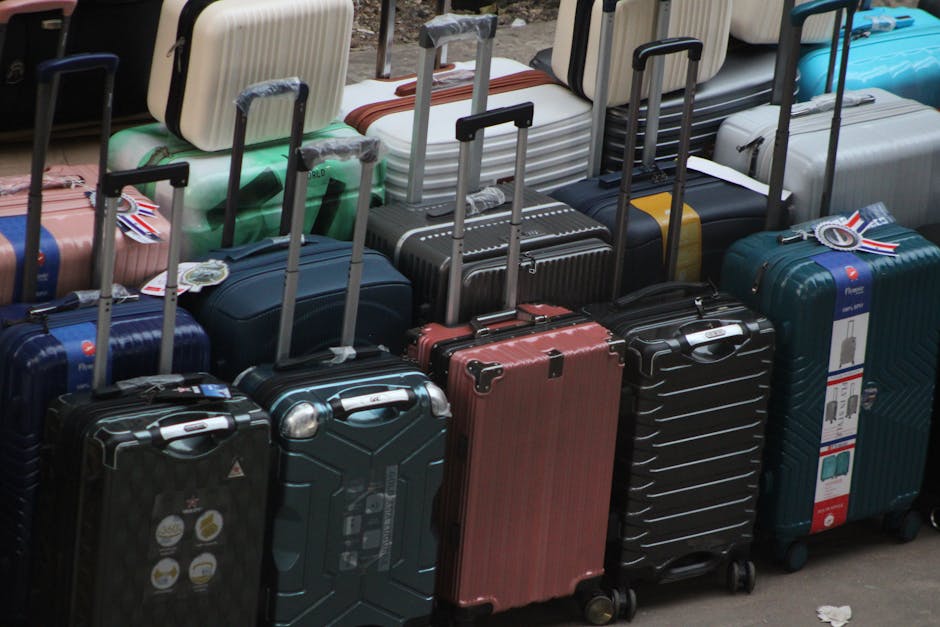
The Real Numbers: What “Carry-On Allowed” Actually Means by Airline
Most travelers quote the classic 22 x 14 x 9 inches (56 x 36 x 23 cm) rule and call it a day. That’s the standard for major US carriers like Delta, United, and American. But here’s where it gets tricky in 2025:
- Southwest Airlines: Still holds at 24 x 16 x 10 inches — one of the most generous allowances, but their enforcement at the gate has reportedly tightened this year.
- Spirit & Frontier (Ultra-Low Cost): Personal items must fit under the seat (18 x 14 x 8 inches). Carry-on bags require an add-on fee starting at $39 if not purchased at booking — buying at the gate can run $79–$99.
- Ryanair (Europe): The 2025 update caps free carry-ons at 40 x 20 x 25 cm. Their Priority Boarding bag allowance is 55 x 40 x 20 cm. Miss this split and you’re paying €/£25–£55 at the gate.
- ANA & JAL (Asia-Pacific): Weight limits of 10 kg (22 lbs) per bag are strictly enforced, sometimes with spot-checks before boarding.
The gap between “technically allowed” and “what they actually check” is where most people get burned. Gate agents have more discretion than the policy pages suggest, and enforcement tends to spike during high-load periods — think holiday weekends and summer peaks.
Hard Shell vs. Soft Shell: The 2025 Performance Data
The debate is older than Instagram, but new durability testing data actually gives us something concrete to work with. In a 2025 independent review by The Wirecutter (NYT), polycarbonate hard-shell cases showed a 34% lower rate of external damage after simulated checked-baggage handling — but that’s largely irrelevant for carry-ons that never leave your hands.
For carry-on use specifically, here’s the practical breakdown:
- Hard Shell (Polycarbonate/ABS): Better at protecting fragile contents (cameras, bottles). Exterior scratches easily but structurally holds up. Brands like Away (The Carry-On, $295), Rimowa Essential ($700–$1,050), and Monos ($275) dominate here. Fixed volume means no overpacking flexibility.
- Soft Shell (Ballistic Nylon/Polyester): The Osprey Farpoint 40 ($180) and Travelpro Platinum Elite 21″ ($330) are standouts. Expandable zippers can add 1–2 liters of packing volume — clutch when shopping on a trip. More pockets, lighter frame. Downside: absorbs airport floor grime fast.
- Hybrid Options: The Briggs & Riley Baseline ($449) uses a semi-rigid frame with a fabric exterior. It’s heavier but offers the best of both worlds for frequent flyers.
If you’re flying primarily on budget carriers with strict sizers, go hard-shell — it holds its shape in the sizer box. If you’re doing multi-leg trips with lots of souvenirs, soft-shell’s expandability is genuinely useful.
The Weight Equation Nobody Talks About
Here’s something that often gets overlooked: the bag itself eats into your weight budget. An empty Rimowa Essential Cabin weighs 3.5 kg (7.7 lbs). The Away Carry-On is 3.9 kg (8.6 lbs). On ANA’s 10 kg limit, that leaves you roughly 6 kg for clothing and gear before you’re over.
Compare that to the Osprey Farpoint 40 at 1.6 kg empty, or budget picks like the Amazon Basics 21″ Hardside at around $55 and 2.6 kg — suddenly the math shifts dramatically in favor of lighter frames for weight-restricted routes.
A useful rule of thumb: your empty bag should weigh no more than 25–30% of the total weight allowance. So on a 10 kg limit, keep your bag under 2.5–3 kg empty.
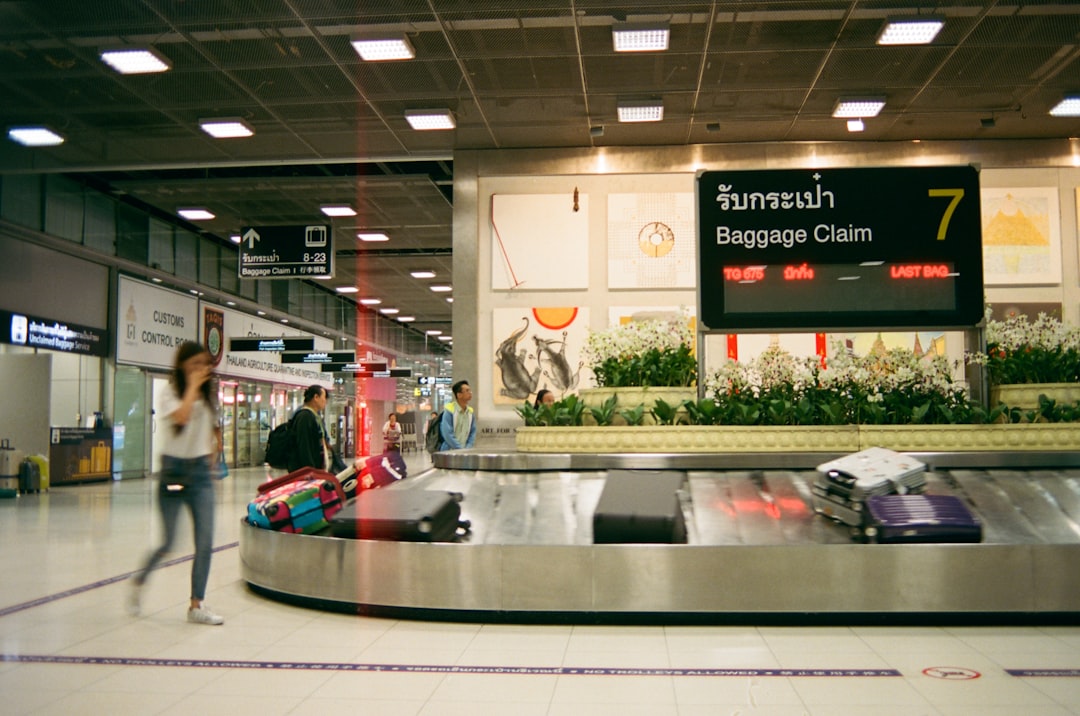
2025 TSA and Security Changes Affecting Your Bag Choice
The TSA’s CT scanner rollout has been ongoing, and by mid-2025 most major US airports have CT-equipped lanes at primary security. What this means practically: you no longer need to remove laptops or liquids at those lanes. This has a quiet but real implication for bag design — dedicated laptop sleeves and separated liquid pouches matter less at domestic US hubs, but remain essential for international travel where legacy X-ray machines are still common.
TSA PreCheck lanes still offer the fastest throughput, and if you’re a frequent flyer who doesn’t have it yet, the $78 enrollment fee (5-year validity, roughly $15.60/year) pays for itself in time and stress reduction within the first two or three trips.
The Personal Item Strategy: Your Real Second Carry-On
Most airlines allow one personal item that fits under the seat in front of you. Most people waste this slot with a thin tote. Don’t. The Peak Design 45L Travel Backpack ($299) compresses to look like a standard daypack while holding 45 liters — it’s become a cult favorite among road warriors for exactly this reason. More practically, the Wandf Expandable Travel Bag ($25–$35 on Amazon) hits 40L expanded and flies under the radar at most under-seat checks.
The personal item + carry-on combo is effectively your free two-bag allotment on full-service carriers. Maximize it, especially before paying for checked bags at $30–$50 per leg each way.
When to Just Check the Bag
This feels counterintuitive in a carry-on guide, but hear me out. If you’re traveling for more than 10 days, flying multiple budget carrier legs, or carrying specialty gear (ski boots, camera tripods, CPAP machines), the mental math often favors checking. Checked bag fees on Southwest are still free for the first two bags as of 2025 — a massive advantage that makes their slightly less generous carry-on dimensions less relevant if you’re bringing a lot of stuff.
The break-even point: if you’re spending more than 15 minutes per leg stressing over whether your bag fits, you’ve already lost the time advantage of carrying on.
Top Picks by Traveler Type in 2025
- Budget flyer on Spirit/Frontier: Wandf Foldable Duffel (~$25) as personal item; pack light and avoid carry-on fees entirely.
- Business traveler (domestic US): Travelpro Platinum Elite 21″ ($330) — lifetime warranty, TSA locks, organizational pockets that actually make sense.
- International backpacker: Osprey Farpoint 40 ($180) — IATA-compliant, fits most overhead bins globally, weighs next to nothing empty.
- Frequent luxury traveler: Rimowa Essential Cabin ($700) — yes, it’s expensive; no, the wheels and silent roll aren’t a marketing gimmick.
- Occasional traveler on a budget: Amazon Basics 21″ Hardside (~$55–$65) — does the job, looks the part, won’t break your heart when it scuffs.
There’s genuinely no single “best” carry-on in 2025 — that answer changes based on your route, frequency, and what you’re carrying. But there is a best carry-on for your specific situation, and now you have the framework to find it.
One final thought: always check your specific airline’s current policy page 48 hours before departure. Airlines quietly update sizing rules with minimal announcement, and the Reddit thread you’re reading might be from 2022. Dana learned that the hard way. You don’t have to.
Editor’s Pick: If you can only buy one bag and you fly a mix of US domestic and international routes, the Travelpro Platinum Elite 21″ remains the most versatile choice in 2025 — the warranty alone has saved multiple travelers I know from expensive replacements mid-trip.
📚 관련된 다른 글도 읽어 보세요
- 버번 vs 싱글몰트, 뭐가 다른 거야? 2026년 위스키 입문자가 반드시 알아야 할 진짜 차이점
- Why I Almost Missed the Best Tuck Pointing of My Life — Real 2025 Homeowner’s Guide
- Why I Almost Gave Up on Keyword Research — Real 2025 Strategy That Actually Works
태그: []
Leave a Reply