A friend of mine, a high school PE teacher, came to me last spring absolutely defeated. She’d been dealing with that classic morning heel pain for nearly eight months — you know, the kind where the first ten steps out of bed feel like stepping on broken glass. She’d tried rest, new shoes, even one of those night splints that kept her awake all night. Nothing was sticking. That conversation sent me down a rabbit hole, and honestly, what I found surprised me. A lot of the conventional advice floating around is either outdated or missing crucial context. So let’s dig into what the evidence actually says about plantar fasciitis treatment in 2025 — together.
First, Let’s Get Clear on What’s Actually Happening in Your Foot
Plantar fasciitis is one of the most misunderstood injuries in sports medicine. For decades, it was classified primarily as an inflammatory condition — hence the -itis suffix. But more recent imaging studies and biopsy data from the past decade have shifted the clinical picture significantly. What we’re often seeing is plantar fasciopathy — a degenerative, collagen-disorganization process rather than a hot, acute inflammation. This distinction matters enormously when choosing treatment, because anti-inflammatory approaches (like NSAIDs and ice alone) may only partially address the problem.
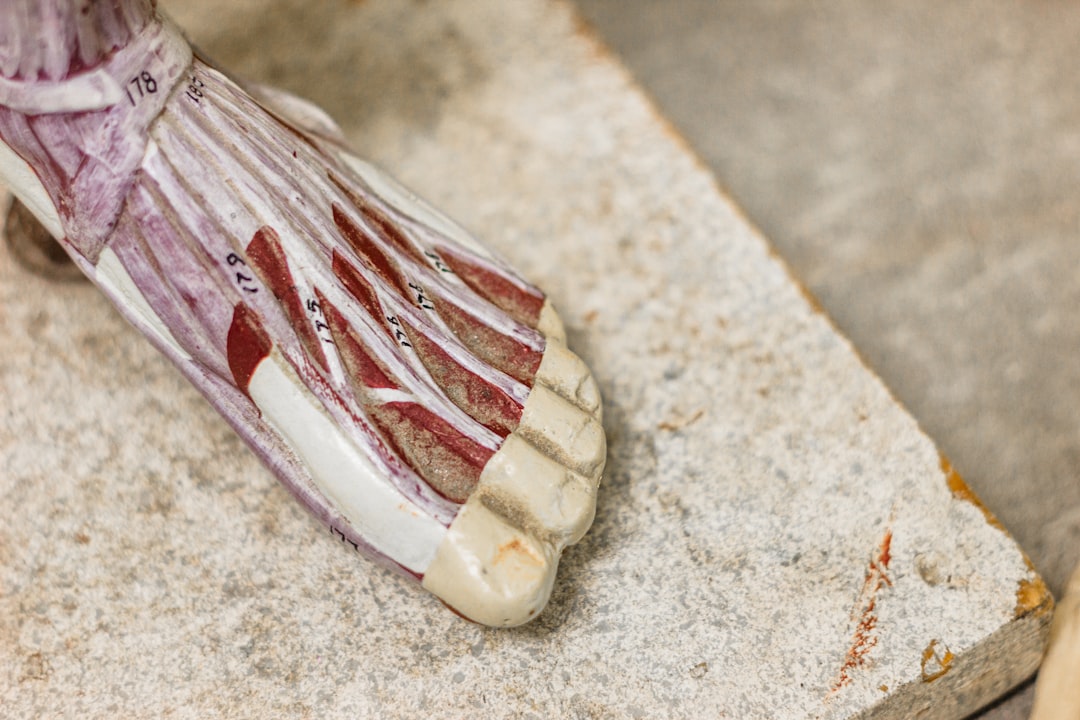
The plantar fascia is a thick band of connective tissue running from your calcaneus (heel bone) to the base of your toes. It acts like a bowstring, supporting your arch during weight-bearing. When cumulative load exceeds the tissue’s repair capacity — through overtraining, prolonged standing, sudden weight gain, or biomechanical factors — microtears accumulate faster than they heal. That’s the core issue.
The Numbers Behind This Condition — It’s More Common Than You Think
Plantar fasciitis accounts for roughly 11–15% of all foot complaints requiring professional care, according to data from the American College of Foot and Ankle Surgeons. Each year in the United States alone, approximately 2 million people seek treatment for it. The majority — around 80–90% — resolve with conservative care within 12 months. But here’s the frustrating part: that 10–20% who don’t improve often spent the first 3–6 months doing the wrong things, allowing the tissue to become increasingly dysfunctional.
Risk factors cluster around a few key areas:
- Age: Peak incidence is between 40–60 years old, though runners in their 20s–30s are also frequently affected.
- BMI: A BMI over 30 increases risk by approximately 5.6x in non-athletic populations, per a 2019 meta-analysis in the Journal of Orthopaedic & Sports Physical Therapy.
- Tight calf muscles / limited ankle dorsiflexion: Reduced ankle mobility (less than 10° of dorsiflexion) is one of the most consistently identified biomechanical risk factors.
- Sudden training load increases: Increasing weekly mileage by more than 10% per week is a well-documented trigger in runners.
- Prolonged standing on hard surfaces: Occupational exposure — think nurses, teachers, retail workers — is a major driver in non-athletic cases.
- Foot posture extremes: Both high arches (pes cavus) and flat feet (pes planus) alter load distribution on the fascia.
What the Evidence Ranks Highest for Treatment in 2025
Let’s be direct here: the treatment landscape has clarified considerably. The old RICE (rest, ice, compression, elevation) protocol is now considered insufficient as a standalone approach. Here’s what actually has strong evidence behind it:
1. Calf Stretching — Especially the Gastrocnemius-Soleus Complex
The Achilles-plantar fascia connection is real. Stretching both the straight-knee (gastrocnemius) and bent-knee (soleus) calf positions, held for 30 seconds, performed 3 times each, twice daily, shows consistent improvement in multiple RCTs. A landmark study by DiGiovanni et al. showed that Achilles tendon stretching outperformed plantar fascia-specific stretching in patient-reported outcomes at 8 weeks.
2. Eccentric and Isometric Loading
This is where things get interesting. Loading the plantar fascia — not just resting it — seems counterintuitive but is now well-supported. High-load strength training programs (like the protocol developed by Rathleff et al., 2015) using single-leg calf raises on a step, with a towel under the toes to increase fascia engagement, showed 29% greater improvement in pain scores compared to plantar fascia stretching alone at 3 months. The key is progressive overload — start with bodyweight, build over 12 weeks.
3. Orthotic Support — But Not Forever
Custom orthotics and prefabricated insoles both show short-term benefit (roughly equivalent in most trials), primarily by reducing fascia strain at heel strike. Brands like Superfeet, Powerstep, and Spenco are among the most clinically referenced prefabricated options. Custom orthotics from a podiatrist run $300–$600 in the US in 2025, while quality prefabs range from $30–$80. The important caveat: over-reliance on orthotics without addressing the underlying tissue quality and mobility is a trap many people fall into.
4. Shockwave Therapy (ESWT)
For cases persisting beyond 3–6 months, Extracorporeal Shockwave Therapy has become the go-to before considering more invasive options. A 2020 Cochrane review found ESWT provided modest but clinically meaningful improvement over placebo at 12 weeks. Sessions typically run 3–5 treatments, $150–$400 per session depending on provider and location. It’s not a magic bullet, but it’s a legitimate escalation tool.
What Often Gets Overlooked: Sleep, Load Management, and Footwear Transitions
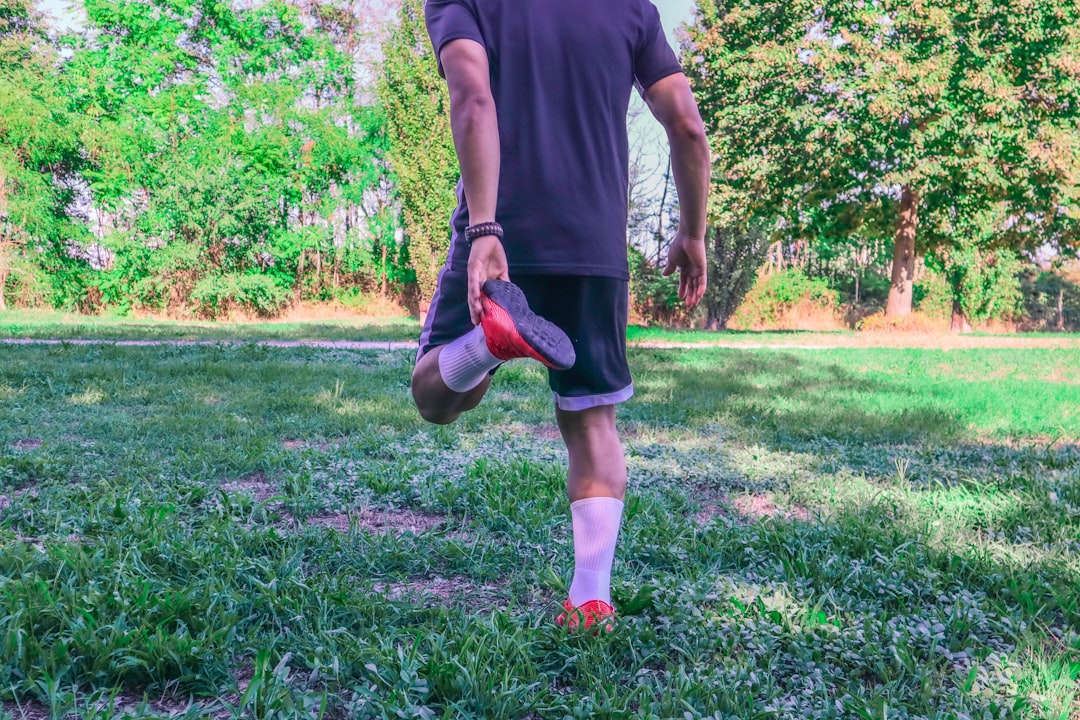
Here’s something my friend’s physio eventually caught that others had missed: her transition from cushioned trainers to a more minimalist sandal for summer — done in about two weeks — significantly increased load on an already-stressed fascial system. Footwear changes should happen over 6–12 weeks minimum, not days.
Similarly, morning pain — that infamous “first-step agony” — is largely explained by the fascia shortening and stiffening overnight. Before getting out of bed, dorsiflexing your ankle and toes 10–15 times can dramatically reduce that initial pain spike. Simple, but almost nobody gets told this in the first appointment.
And sleep quality? Chronic sleep deprivation impairs tendon and connective tissue repair. Growth hormone, which drives collagen synthesis, peaks during deep sleep stages. If you’re averaging under 6 hours, your fascia is working against a biological headwind regardless of your stretching compliance.
When to Escalate: Red Flags and Clinical Thresholds
Most plantar fasciitis does not require imaging or injections. But certain scenarios warrant prompt professional evaluation:
- Pain that is constant rather than load-dependent (may indicate stress fracture, nerve entrapment, or systemic disease)
- Significant heel swelling, warmth, or redness (rule out infection or inflammatory arthritis)
- No improvement after 6 weeks of consistent conservative management
- Bilateral heel pain with associated back stiffness in the morning (possible seronegative spondyloarthropathy — get a rheumatology consult)
- History of cancer or unexplained weight loss alongside bone pain
Corticosteroid injections remain controversial. They can reduce pain short-term but carry a real risk of plantar fascia rupture (estimated 2–10% in some series) and fat pad atrophy with repeated use. Most guidelines in 2025 recommend limiting to 1–2 injections maximum, reserved for patients who’ve failed 6 weeks of conservative care.
The Realistic Recovery Timeline — Setting Honest Expectations
This is where a lot of people get derailed. Plantar fasciitis is not a two-week injury. Here’s a rough framework based on current clinical consensus:
- Weeks 1–4: Reduce aggravating loads, begin calf/Achilles stretching protocol, add supportive footwear or prefab orthotics, start gentle intrinsic foot muscle activation exercises.
- Weeks 4–12: Introduce progressive loading (Rathleff-style calf raise protocol), monitor pain response — aim to keep activity-related pain at or below 4/10 on a numeric scale.
- Months 3–6: Gradual return to full activity. Running return should follow structured graded exposure — walk-run intervals first, never jumping back to full mileage.
- Beyond 6 months with no improvement: Consider ESWT referral, podiatry review for orthotic re-evaluation, or sports medicine consultation for PRP (platelet-rich plasma) — evidence is emerging but not yet conclusive.
My friend, by the way? She started the Rathleff protocol combined with consistent calf work and switched to a supportive running shoe with a moderate heel-to-toe drop (8–10mm). By week ten, she was back to her morning walks. Not dramatic, not overnight — but real progress.
The key mindset shift is moving from “how do I rest this away” to “how do I progressively build this tissue’s capacity.” That reframe, backed by the evidence, is genuinely what makes the difference for most people stuck in the chronic phase.
💬 Have you been grinding through heel pain for months without a clear plan? Drop your experience in the comments — what’s helped, what hasn’t, or what question you’ve been too embarrassed to ask your physio. You’re probably not the only one wondering.
📚 관련된 다른 글도 읽어 보세요
- Why I Almost Gave Up on Forex — And What Actually Turned It Around in 2025
- Why I Almost Missed the Best Tuck Pointing of My Life — Real 2025 Homeowner’s Guide
- 입문자도 헷갈리는 스코틀랜드 싱글몰트 위스키 종류 완전정복: 5대 산지 + 추천 브랜드 2026 최신판
태그: []
Leave a Reply