A friend of mine texted me a few months back, completely frustrated. Her golden retriever had chewed through yet another furniture leg, and she’d already tried three different chew products that either fell apart in minutes, smelled like a slaughterhouse, or — worse — sent her dog running for the bathroom. She asked me, “What are these bully sticks everyone keeps raving about, and are they actually worth it?”
That question sent me down a pretty deep rabbit hole. And honestly? What I found surprised me — both in good ways and in ways that made me rethink what I thought I knew about dog chews.
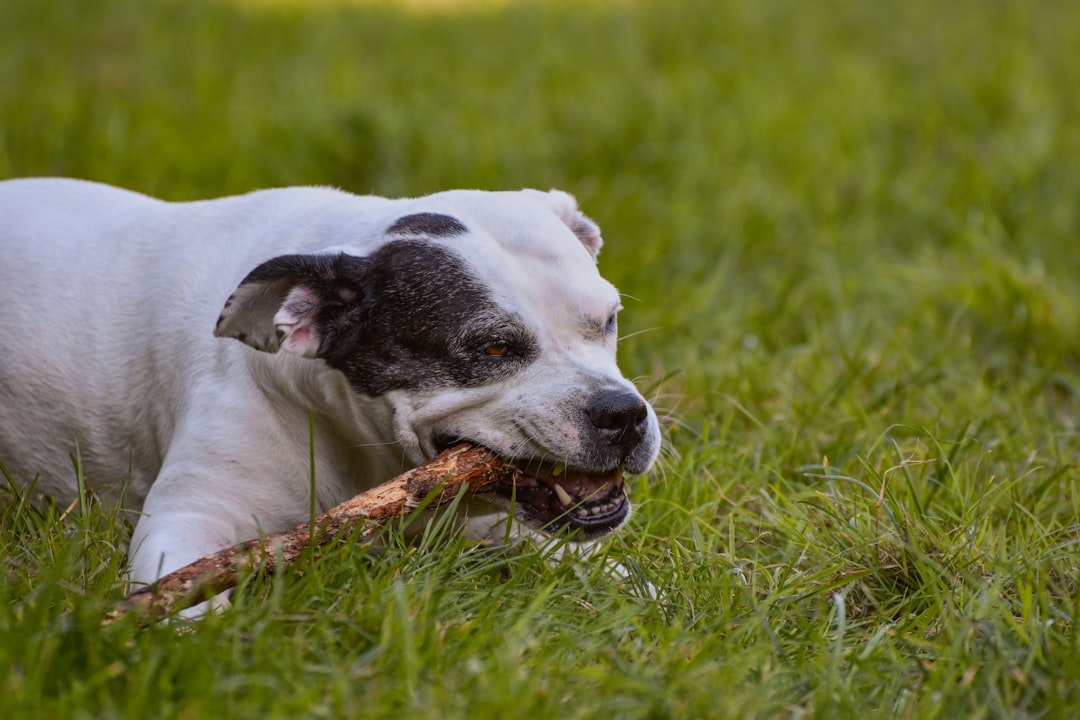
So What Even Is a Bully Stick? (And Why the Name Is… Interesting)
Let’s get this out of the way: bully sticks are made from bull or steer pizzle — yes, that part of the anatomy. They’re dried and sometimes braided, and they’ve become one of the most popular single-ingredient chews on the market. The appeal is straightforward — they’re fully digestible, high in protein, and keep most dogs occupied for a satisfying stretch of time.
But here’s where it gets nuanced. Not all bully sticks are created equal, and the differences between a budget option and a premium one can genuinely affect your dog’s health and your wallet.
The Numbers You Actually Need to Know
Let’s talk calories, because most dog owners skip this and then wonder why their pup is gaining weight. A standard 6-inch bully stick contains roughly 88–120 calories depending on thickness and brand. For a 20-pound dog whose daily caloric need sits around 400–500 calories, one stick is already 20–25% of their daily intake. That’s not a small snack — that’s a meal supplement.
- Thin/Junior sticks (4–6 inch): ~60–80 calories, good for small breeds or puppies over 12 weeks
- Standard sticks (6 inch): ~88–120 calories, ideal for medium breeds
- Thick/XL sticks (12 inch): ~150–200+ calories, suited for large, aggressive chewers
- Braided sticks: Longer chew time, higher calorie density — factor in accordingly
- Low-odor variants: Typically oven-baked vs. sun-dried; slightly less pungent but marginally higher processing
These figures come from nutritional panels across brands including Redbarn, Barkworthies, and Pet ‘n Shape — all commonly reviewed by veterinary nutritionists on platforms like PetMD and the American Kennel Club’s resource hub.
The Smell Problem — And How Brands Are Solving It
Here’s the complaint I see most in forums and Reddit’s r/dogs community: the odor. Raw or minimally processed bully sticks have a distinct barnyard smell that can fill a room. If you’ve ever opened a bag and immediately questioned your life choices, you’re not alone.
The solution most premium brands have moved toward is a double-baking or steam-cleaning process before final drying. Redbarn’s Odor-Free Bully Sticks and Jack & Pup’s Premium Grade Bully Sticks both use this method and consistently score high in blind smell tests posted by reviewers on Chewy and Amazon (with thousands of verified reviews backing the claims). The trade-off? Slightly higher price point — typically $1.50–$3.00 per stick versus $0.75–$1.25 for unprocessed variants.
What the Research and Vets Actually Say
A frequently cited 2013 study published in the Canadian Veterinary Journal found bacterial contamination (including E. coli and MRSA) on a percentage of tested bully sticks — this caused a wave of panic that still echoes in dog owner forums today. However, the study noted that contamination levels were largely on the surface, and washing hands after handling and keeping the sticks away from immunocompromised individuals mitigated most risks.
More recently, veterinary dental specialists have noted that bully sticks fall within the “safe” chewing zone — meaning they pass the thumbnail test (if you can’t dent it with your thumbnail, it’s too hard for a dog’s teeth). This distinguishes them from antlers, hooves, or nylon chews, which carry genuine risk of tooth fractures.
The main caution vets raise in 2025 is the choking hazard at the end of the chew. Once a stick gets small enough to swallow whole, it should be taken away. Products like the Bully Buddy holder (a simple silicone clip) exist specifically for this — and they’re genuinely worth the $8–$12 investment.
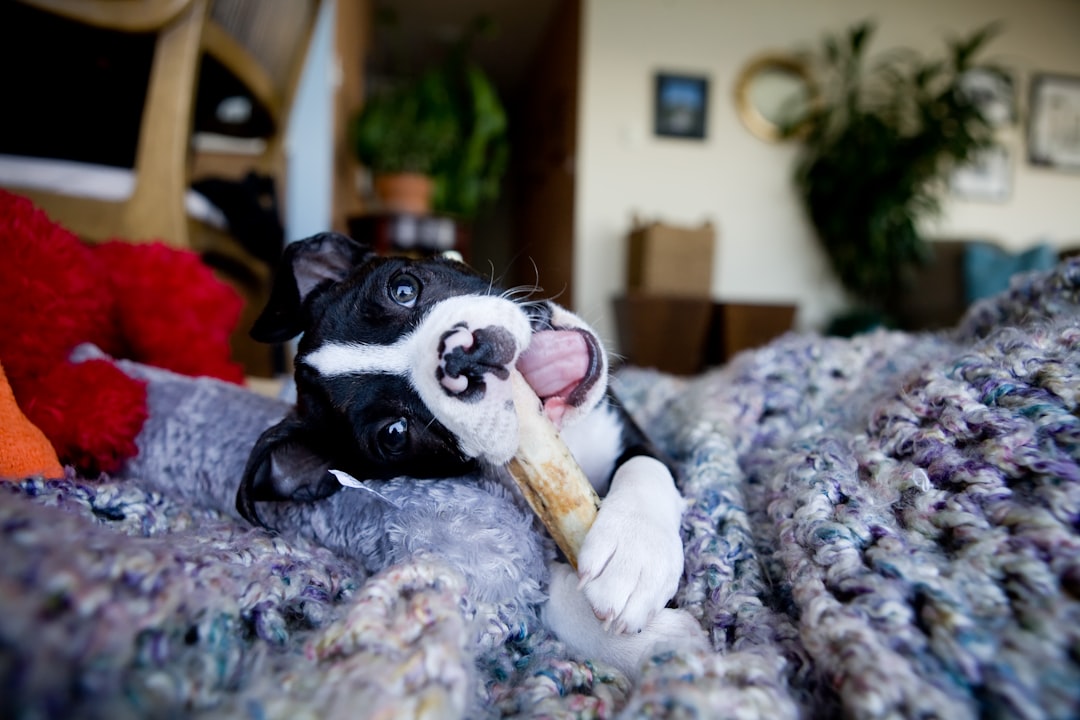
Brand Comparison: Where to Actually Spend Your Money
After going through veterinary forums, Chewy review data, and independent pet nutrition blogs, here’s a practical breakdown for 2025:
- Best overall: Jack & Pup 6-inch Premium Bully Sticks — consistent thickness, low odor, USDA-sourced, around $25–$30 for a 25-pack
- Best for small dogs: Redbarn Thin Bully Sticks — digestible, appropriately sized, widely available at PetSmart
- Best budget pick: Cadet Bully Sticks from Costco — higher volume, acceptable quality, though odor is more noticeable
- Best for aggressive chewers: Brutus & Barnaby 12-inch Thick Sticks — longer chew sessions, solid sourcing transparency
- Best sourcing transparency: Fieldbar Bully Sticks — grass-fed, free-range, with QR-traceable batch origin
If Your Dog Has a Sensitive Stomach — Read This First
Bully sticks are high in protein, and for dogs with existing digestive sensitivities or pancreatitis history, introducing them too quickly can cause soft stools or vomiting. The standard advice: start with one stick every 2–3 days for the first two weeks, monitor output (yes, that kind of output), and scale from there. If your dog has been diagnosed with kidney disease, the high protein load may be contraindicated — ask your vet before making bully sticks a regular habit.
Alternatives Worth Knowing About
Not every dog takes to bully sticks, and that’s okay. If chew texture or digestibility is a concern, consider:
- Yak milk chews (Himalayan chews): Lower calorie, longer-lasting for most dogs, nearly odor-free
- Collagen sticks: Gentler on the digestive system, increasingly popular in 2025 as a bully stick alternative
- Beef tendons: Lower in fat, similar chew satisfaction, good for weight-conscious pups
- Fish skin chews: Rich in Omega-3s, though the smell is arguably worse than bully sticks depending on the brand
Each of these has its own calorie profile and digestibility curve, so the same “start slow” approach applies.
💬 A quick thought before you head to the checkout: The best bully stick is honestly the one your specific dog tolerates well, from a brand that can tell you where the beef came from. Don’t let the overwhelming options paralyze you — pick one mid-tier option (Jack & Pup or Redbarn are both solid starting points), buy a small pack first, and let your dog vote. Their enthusiasm — or lack of it — will tell you everything the reviews can’t.
📚 관련된 다른 글도 읽어 보세요
- Why I Almost Gave Up on Punta Cana — The 2025 Insider Route Locals Actually Use
- Why I Almost Gave Up on Forex — And What Actually Turned It Around in 2025
- Scottish Single Malt Whisky Types: A Sensory Journey Through Scotland’s 5 Regions in 2026
태그: best bully sticks for dogs, natural dog chews, bully stick review, dog chew safety, digestible dog treats, high protein dog chews, bully stick alternatives
Leave a Reply