A friend of mine — a freelance content writer who’d been grinding for about two years — told me something that stuck with me: “I followed every SEO tutorial I could find, ranked for a handful of keywords, and still made almost nothing.” She wasn’t doing anything obviously wrong. She was publishing consistently, targeting low-competition terms, doing everything the guides said. And yet, traffic wasn’t converting. Sound familiar?
That conversation sent me down a rabbit hole I’m honestly glad I fell into. Because what she was experiencing isn’t a traffic problem — it’s a keyword intent mismatch problem. And it’s way more common than most SEO blogs will admit.
Let’s dig into what keyword research actually means in 2025, why the old playbook is quietly breaking down, and what a smarter approach looks like in practice.
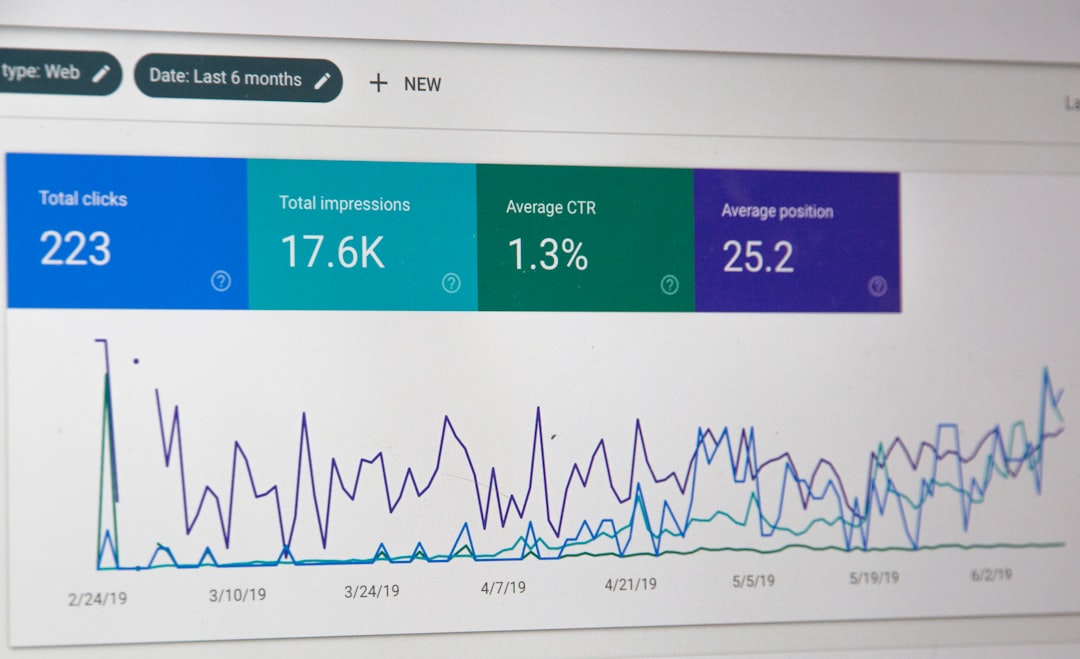
The 2025 Keyword Landscape Has Shifted — Here’s the Data
If you’re still treating keyword research as a volume-and-difficulty game (find high-volume, low-KD terms, write content, rank), you’re playing a version of SEO that search engines have been quietly deprecating since at least 2022. In 2025, Google’s Search Generative Experience (SGE) and AI Overviews are now surfacing direct answers for a massive swath of informational queries — some estimates from BrightEdge’s 2024 research put AI Overview appearances at roughly 42% of all search queries in certain niches.
What that means practically: targeting pure informational keywords like “what is content marketing” or “how does SSL work” is increasingly a race to get quoted by the AI, not to rank in position one. The click-through rate for position one on an SGE-covered query can drop by 30–60% compared to a non-covered SERP, according to data from Authoritas.
So where does that leave keyword research? It actually makes it more important — just differently important.
Intent Mapping: The Part Most Tutorials Skip
Here’s the framework shift that made the biggest difference for me. Instead of starting with volume, I now start with intent clustering. Every keyword falls somewhere on this spectrum:
- Informational (I-type): User wants to learn. High AI Overview risk. Still valuable for brand trust and topical authority, but don’t expect direct revenue here.
- Navigational (N-type): User is looking for a specific brand or site. Hard to capture unless you are that brand.
- Commercial Investigation (CI-type): User is comparing options before buying. This is where the money is. Think “best X for Y use case”, “X vs Y comparison”, “is X worth it in 2025”.
- Transactional (T-type): User is ready to buy. High conversion, but often dominated by e-commerce giants. Viable with the right niche and domain authority.
The sweet spot for most content creators and small businesses in 2025 is the CI-type. These keywords are specific enough to dodge AI Overviews (because the answer isn’t a simple fact), competitive enough to have real search volume, and directly tied to someone with their wallet out.
Tools, Real Numbers, and What to Actually Look At
Let me get concrete. I run keyword research across three tools depending on what I’m after:
- Ahrefs: My primary tool for KD (Keyword Difficulty) and traffic potential. One thing people miss — don’t just look at KD score. Click on the SERP overview for any keyword and check how many of the top 10 results have fewer than 30 referring domains. If 3+ results do, that’s a real opening.
- Semrush’s Keyword Magic Tool: Best for finding CI-type variants at scale. Filter by intent (set to “Commercial” + “Investigational”), then sort by CPC — higher CPC often signals real buyer intent even if absolute volume looks modest.
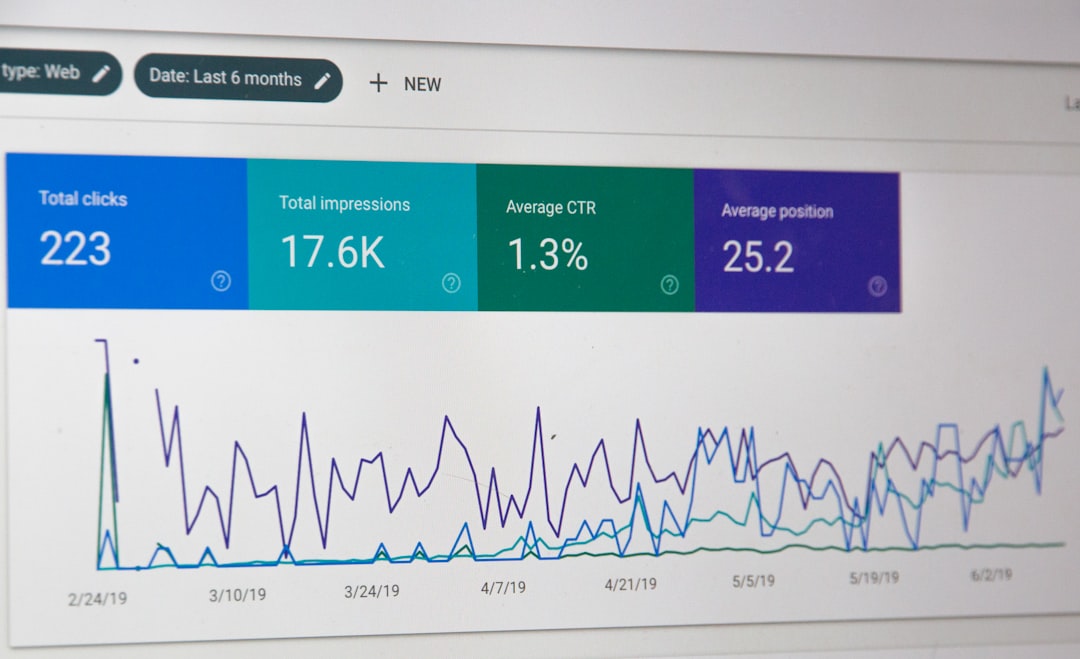
- Google Search Console + People Also Ask scraping: Completely free and criminally underused. Your existing GSC data shows you which queries are already landing people on your site with low average position (11–20 range) — those are your fastest wins with optimization, not new content.
One specific workflow that’s worked well: I pull a seed keyword into Ahrefs, look at the “Also rank for” column on the top-ranking pages, then filter that list by KD under 25 and volume over 300. That sweet spot consistently surfaces gems that pure keyword tools miss because they’re thinking about the topic, not the query.
Case Studies: What’s Actually Working Right Now
A SaaS blog in the project management space — one I’ve been watching closely through their public case studies — shifted their keyword strategy in early 2024 away from broad “productivity tips” content toward hyper-specific CI queries like “Asana vs Monday for construction teams” and “best Gantt chart tool for freelancers under $20/month”. Their organic traffic stayed flat, but their trial sign-ups from organic nearly doubled within six months. The volume on those keywords? Often under 500 searches/month. The conversion rate? 4–6x higher than their broad informational traffic.
On the e-commerce side, a Shopify store selling ergonomic office gear (documented on the Shopify blog’s merchant success series) found that targeting “best ergonomic chair for short people” outperformed “best ergonomic chair” despite having roughly 1/10th the search volume — because the specificity matched exactly who was ready to buy.
These aren’t anomalies. They reflect a broader pattern: specificity signals intent, and intent drives conversion.
The Mistakes That Still Haunt Most Keyword Strategies
- Chasing volume without checking SERP reality: A keyword showing 10,000 monthly searches might have an AI Overview eating 50% of clicks and a SERP full of Reddit and Quora results — which actually signals opportunity, but for a very different content format than you’d think.
- Ignoring cannibalization: Publishing three slightly different posts targeting overlapping keywords splits your authority. Use Ahrefs Site Explorer’s “Organic Keywords” report filtered to a URL to see if you’re competing with yourself.
- KD score as a standalone metric: Moz’s and Ahrefs’ KD scores measure link competition, not topical authority competition. A KD of 15 in a niche where every top result is a dedicated expert site is harder than a KD of 40 in a fragmented market.
- Skipping the “what would satisfy this searcher” test: Before targeting any keyword, Google it yourself. If the results look nothing like what you planned to write, you’ve misread the intent.
A Realistic Starting Point for 2025
If you’re rebuilding your keyword strategy from scratch right now, here’s the sequence I’d actually recommend:
- Identify your 5–10 core topics (not keywords — topics).
- For each topic, use Semrush or Ahrefs to build a list of CI-type and T-type keywords with volume between 200–2,000 and KD under 30.
- Manually SERP-check every candidate. Look for: Are there forum threads in the top 10? Are any top-ranking pages thin or outdated (pre-2023)? Is there an AI Overview? Flag your best opportunities based on these signals, not just numbers.
- Build a content cluster — one strong pillar page targeting a broader term, supported by 3–5 satellite posts targeting specific sub-intents. This signals topical depth, which matters more to Google’s helpful content systems than individual keyword optimization.
- Revisit Google Search Console every 30 days to catch emerging query patterns you didn’t plan for.
The honest reality? Keyword research in 2025 takes more judgment than it used to. The data is more abundant and the tools are more powerful, but the gap between someone who can read that data with nuance and someone who just runs reports has never been wider.
My friend, the content writer from the start of this story? She shifted her focus to CI-type keywords in her niche — specifically comparison and “for [specific persona]” style queries — and within four months her affiliate revenue tripled while her overall traffic actually dropped slightly. Less volume, better fit, dramatically better results.
Editor’s note: Keyword research isn’t a one-time task you check off a list — it’s an ongoing conversation with your audience’s evolving language. The 2025 shift toward intent-based, AI-aware strategy isn’t a reason to panic; it’s a reason to get more precise. And precision, it turns out, tends to pay better than volume anyway.
📚 관련된 다른 글도 읽어 보세요
- Korean Traditional Liquor Goes Global in 2026: How Makgeolli, Soju & Cheongju Are Conquering the World
- American Bourbon vs Single Malt Scotch: The Ultimate Whisky Showdown You’ve Been Waiting For (2026 Guide)
- 지구상에서 가장 마시기 힘든 술 7종 직접 마셔봄 – 2026년 세계 희귀 증류주 시음 리뷰
태그: keyword research 2025, SEO strategy, search intent, content marketing, keyword tools, organic traffic, AI search
Leave a Reply