Author: likevinci

  • World Whisky Brand Rankings 2026: Which Bottles Are Actually Worth Your Money?

    Picture this: you’re standing in a well-stocked liquor store, staring at a wall of whisky bottles that seems to stretch into infinity. Prices range from “surprisingly affordable” to “I need to remortgage my apartment,” and the labels all promise some version of excellence, heritage, and complexity. Sound familiar? I’ve been there more times than I’d like to admit — and honestly, that moment of paralysis is exactly what inspired me to dig deep into the world whisky rankings for 2026.

    This year has been a fascinating one for whisky. The global spirits market has continued its post-pandemic recalibration, Japanese whisky supply is still achingly tight, Scottish distilleries are releasing age-statement expressions after years of NAS (no-age-statement) dominance, and American craft producers are genuinely shaking up the old guard. Let’s think through the rankings together — not just who topped the charts, but why, and whether those rankings actually translate to a better experience in your glass.

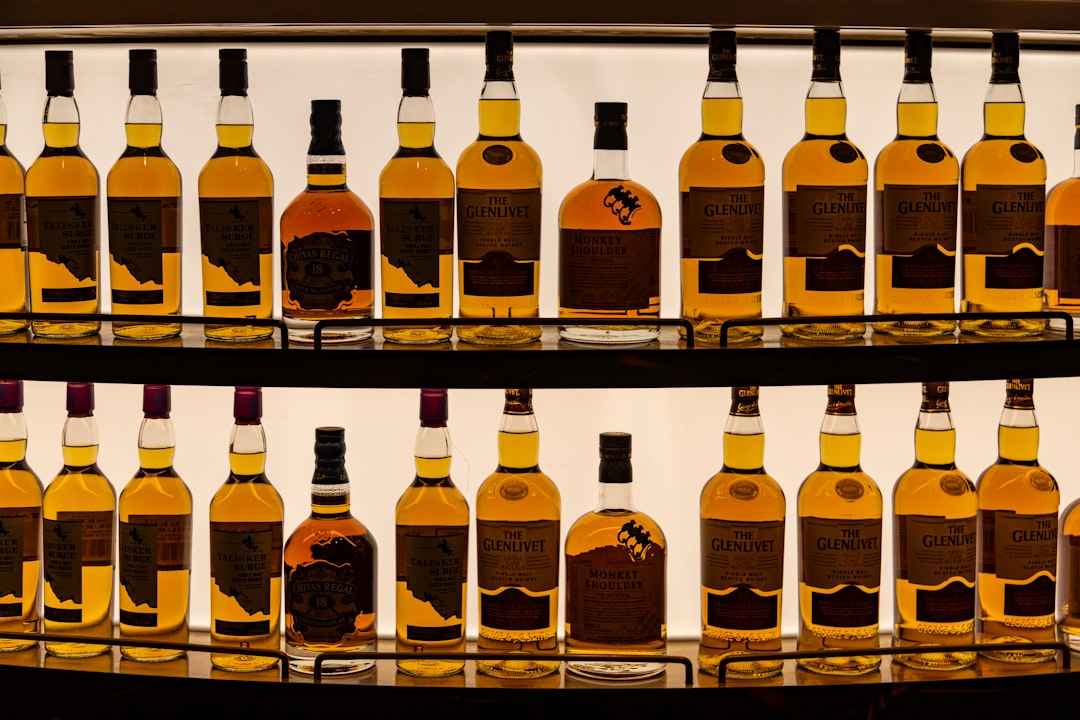
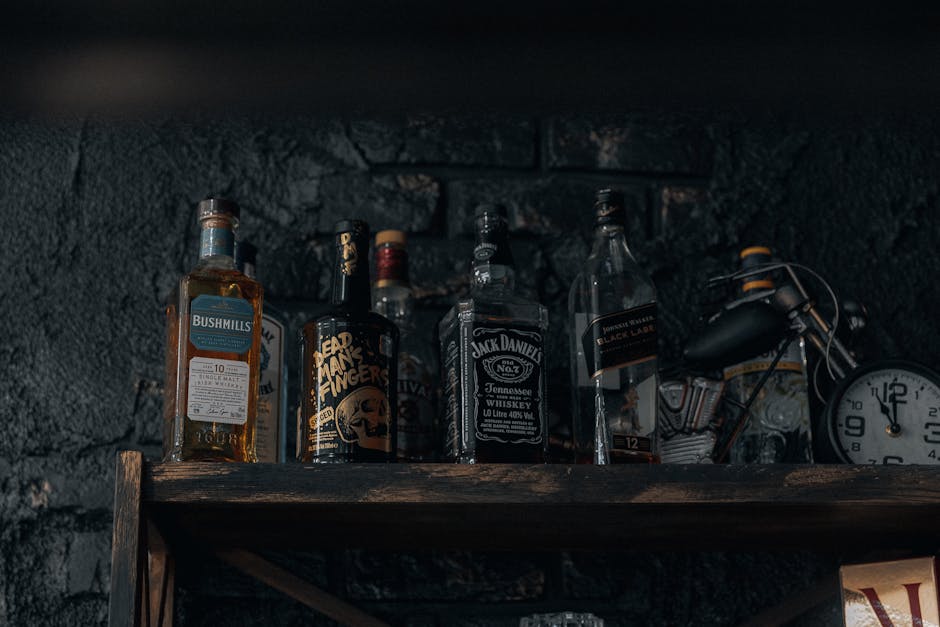
    luxury whisky bottles collection bar shelf 2026

    How Are Whisky Brand Rankings Actually Determined in 2026?

    Before we dive into the names, it’s worth pausing on methodology — because not all rankings are created equal. The major benchmarks in 2026 include the Whisky Magazine World Whiskies Awards, the International Spirits Challenge (ISC), and consumer-driven platforms like Distiller App ratings and Whiskybase scores. Each weighs factors differently:

    • Blind tasting panels — Expert judges evaluate nose, palate, finish, and balance without knowing the brand or price point.
    • Consumer volume ratings — Aggregated scores from thousands of verified drinkers, which often surface underdog brands that experts overlook.
    • Market influence & consistency — How reliably a brand delivers quality across its entire range, not just its flagship bottle.
    • Innovation score — New cask finishes, experimental mash bills, or regional grain sourcing that push the category forward.
    • Value-to-quality ratio — Increasingly important as inflation has pushed average bottle prices up roughly 14% since 2023.

    The 2026 World Whisky Brand Rankings: The Big Picture

    Let me walk you through the brands that are genuinely commanding attention this year, organized by region — because whisky is, at its heart, a deeply geographical drink.

    🏴󠁧󠁢󠁳󠁣󠁴󠁿 Scotland — Still the Benchmark, But Evolving Fast

    Glenfarclas continues its quiet dominance in the Speyside category. While flashier names grab headlines, Glenfarclas’s 105 Cask Strength and the 25-year expression have scored consistently high in blind panels in 2026 — and crucially, they haven’t inflated prices to absurd levels. Ardbeg remains the reigning king of peated Islay whisky, with its annual committee release generating genuine excitement rather than just hype. GlenDronach is the one to watch this year — its 18-year “Allardice” has been turning heads in international competitions with its deeply sherried, almost Port-like character.

    🇯🇵 Japan — Rare, Revered, and Recalibrating

    Nikka and Suntory remain the twin pillars of Japanese whisky prestige. Suntory’s Yamazaki 18 continues to score near-perfect in expert tastings, but at current market prices (often $400–$600+ USD), it’s increasingly a collector’s item rather than a drinker’s bottle. The more interesting story in 2026 is the rise of Akkeshi Distillery — a Hokkaido producer using Scottish-style peating methods on Japanese barley, whose limited releases have earned remarkable scores and represent genuine innovation. For those who can find them, Chichibu single malts from Ichiro’s Malt remain among the most coveted bottles globally.

    🇺🇸 America — Craft Confidence at an All-Time High

    Buffalo Trace remains the value benchmark for American bourbon — its flagship expression still punches well above its modest price point, and the Antique Collection (Eagle Rare 17, George T. Stagg, William Larue Weller) continues to dominate allocated release conversations. But the genuinely exciting 2026 story is Wilderness Trail Distillery out of Kentucky, whose bonded bourbon has been racking up gold medals while staying accessible. On the craft side, FEW Spirits in Illinois and Westward Whiskey in Oregon represent the maturation of American craft — these aren’t scrappy startups anymore; they’re making world-class whisky.

    🇮🇪 Ireland — The Renaissance Continues

    Redbreast 12 remains arguably the most complete whiskey available under $60 USD anywhere in the world — a claim that’s held true for several years and shows no signs of wavering. Teeling continues innovating with its single pot still expressions, while Waterford Distillery‘s terroir-focused, single-farm-origin releases are creating a genuinely new conversation about what Irish whiskey can be.

    whisky tasting glass amber liquid warm lighting premium

    International Examples: What the Global Market Is Teaching Us

    Here’s what’s particularly interesting when you zoom out to a global view in 2026: the definition of “prestige” whisky is genuinely diversifying. Indian whisky — long dismissed internationally for being molasses-based — is having a credibility moment. Amrut Fusion and Paul John Mithuna have both earned top-tier scores from panels that would have ignored Indian expressions a decade ago. Taiwanese producer Kavalan (specifically its Solist Vinho Barrique expression) continues to be one of the most decorated whiskies in the world, period — its subtropical aging environment accelerates maturation in ways that produce remarkable complexity.

    In Australia, Starward has built serious international credibility with its Australian red wine cask-finished expressions — approachable, fruit-forward, and genuinely distinct. Meanwhile, South African distillery Bain’s remains a world-class value proposition in the single grain category.

    A Realistic Guide: Matching Rankings to Your Actual Situation

    Here’s where I want to think through this with you practically, because rankings only matter if they connect to your real life:

    • If your budget is under $50: Redbreast 12, Glenfarclas 10, Buffalo Trace, or Nikka From the Barrel (if available in your market) are genuinely elite choices — not consolation prizes.
    • If your budget is $50–$150: This is actually the sweet spot in 2026. GlenDronach 15, Ardbeg An Oa, Wilderness Trail Bonded, or Kavalan Classic all live here and overdeliver.
    • If your budget is $150–$400: Glenfarclas 25, Redbreast 21, or a craft American single barrel release. You’re paying for genuine age and complexity at this tier.
    • If budget is secondary: Yamazaki 18, George T. Stagg, or Akkeshi single malts — but buy them to drink, not to flip. The secondary market speculation has genuinely damaged the culture.
    • If you want to explore without overspending: Consider distillery exclusive bottlings or independent bottlers like Gordon & MacPhail or Signatory — they often offer remarkable single cask expressions at honest prices.

    The Honest Truth About Rankings in 2026

    Here’s something worth sitting with: the highest-ranked whisky in the world is not necessarily the one you’ll enjoy most. Taste is genuinely personal — peat tolerance, sweetness preference, and even the context you’re drinking in (a winter evening by a fireplace versus a summer terrace) dramatically affects perception. The rankings are best used as a discovery tool rather than a shopping list. They tell you where quality has been verified, but they can’t tell you what resonates with your palate.

    My recommendation? Use the 2026 rankings to identify three or four bottles you haven’t tried, pick the most accessible one price-wise, and approach it with genuine curiosity rather than expectation. That’s where the real joy of whisky lives.


    Editor’s Comment : The whisky world in 2026 is more exciting, more diverse, and honestly more democratized than it’s ever been — and that’s worth celebrating. Yes, some of the most decorated bottles are frustratingly difficult to find or afford. But the flip side is that distilleries across India, Australia, Taiwan, Ireland, and the American craft scene are producing genuinely world-class expressions at prices that don’t require a second mortgage. My personal recommendation right now? Grab a bottle of Redbreast 12 or GlenDronach 15, pour yourself a dram, and remember that the best whisky is always the one in your glass.

    태그: [‘world whisky rankings 2026’, ‘best whisky brands 2026’, ‘scotch whisky guide’, ‘japanese whisky 2026’, ‘bourbon recommendations’, ‘premium spirits review’, ‘whisky buying guide’]


    📚 관련된 다른 글도 읽어 보세요

  • 세계 위스키 브랜드 순위 2026 – 지금 가장 주목받는 위스키는 어디서 오는가

    얼마 전 지인의 집들이 선물을 고르다가 위스키 코너 앞에서 꽤 오래 서 있었던 적이 있어요. 선반에는 스코틀랜드 싱글 몰트부터 일본 블렌디드, 심지어 인도산 위스키까지 줄지어 있었는데, ‘어떤 게 요즘 가장 인정받는 브랜드인가’라는 질문 앞에서 순간 막막해졌거든요. 위스키 세계는 생각보다 훨씬 넓고, 2026년 현재 그 지형도는 불과 3~4년 전과도 꽤 달라졌다고 봅니다. 오늘은 시장 점유율, 수상 이력, 브랜드 가치 등 다양한 지표를 종합해서 현재 세계 위스키 브랜드의 흐름을 함께 짚어볼게요.

    world whisky brands bottles lineup bar shelf 2026

    📊 시장 점유율로 본 세계 위스키 브랜드 순위 2026

    IWSR(국제 주류 연구소)와 Statista의 최신 보고서를 기반으로 하면, 2026년 현재 글로벌 위스키 시장 규모는 약 960억 달러(한화 약 130조 원) 수준으로 추산되고 있어요. 2023년 대비 약 12% 성장한 수치인데, 특히 인도·중국·동남아시아 시장의 폭발적 성장이 이 흐름을 이끌고 있다고 봅니다.

    브랜드 가치 및 매출 기준으로 정리한 2026년 세계 위스키 브랜드 순위는 대략 다음과 같아요.

    • 1위 조니워커 (Johnnie Walker, 영국 스코틀랜드) – 디아지오 산하. 블렌디드 스카치의 상징. 2026년 기준 브랜드 가치 약 40억 달러 이상 유지. 특히 블루 라벨은 여전히 선물·면세 시장에서 부동의 1위.
    • 2위 잭 다니엘스 (Jack Daniel’s, 미국 테네시) – 브라운포먼 산하. 테네시 위스키 카테고리를 사실상 혼자 정의하는 브랜드. 글로벌 인지도와 캐주얼 음용층에서 독보적.
    • 3위 발렌타인 (Ballantine’s, 스코틀랜드) – 페르노리카 산하. 아시아 시장, 특히 한국·중국에서의 장기적 입지가 매우 탄탄하며 2026년에도 상위권을 공고히 유지 중.
    • 4위 글렌피딕 (Glenfiddich, 스코틀랜드) – 세계에서 가장 많이 팔리는 싱글 몰트 스카치 위스키. 12년, 18년, 21년 레인지가 고르게 인기.
    • 5위 야마자키 (山崎, 일본) – 산토리 산하. WWA(월드 위스키 어워즈) 및 짐 머레이의 위스키 바이블에서 꾸준히 고평가를 받으며 프리미엄 시장에서 강세.
    • 6위 메이커스 마크 (Maker’s Mark, 미국 버번) – 버번 위스키의 대중적 프리미엄화를 이끈 브랜드. 밀레니얼·Z세대 음용층에서 꾸준히 성장.
    • 7위 로열 살루트 / 시바스 리갈 (Chivas Regal, 스코틀랜드) – 고급 블렌디드 시장에서 조니워커와 양분. 특히 중화권 선물 시장에서 강력.
    • 8위 히비키 (響, 일본) – 야마자키와 함께 일본 위스키 붐을 상징하는 브랜드. 공급 부족 이슈가 지속되며 희소성이 오히려 브랜드 가치를 높이는 중.
    • 9위 폴 존 (Paul John, 인도) – 인도 싱글 몰트의 약진을 대표하는 브랜드. 2026년 현재 유럽·미국 시장에서도 수상 실적이 쌓이며 업계의 ‘다크호스’ 평가.
    • 10위 버팔로 트레이스 (Buffalo Trace, 미국 버번) – 레어 버번의 성지. 퍼피 반 윙클, 이글 레어 등 하이엔드 라인업의 모기업으로 수집가들 사이 위상이 절대적.

    🌍 주목할 글로벌 트렌드 – 아시아와 인도의 반격

    2026년 위스키 시장에서 가장 인상적인 변화는 단연 인도 위스키의 부상이라고 봅니다. 암루트(Amrut), 폴 존(Paul John) 같은 인도 싱글 몰트 브랜드는 이미 스코틀랜드 마스터 오브 몰트 같은 권위 있는 플랫폼에서 90점 이상의 평점을 받고 있고, 인도의 열대 기후가 오히려 위스키 숙성을 가속화해 독특한 풍미를 만들어 낸다는 점이 주목받고 있어요.

    일본 위스키는 여전히 ‘공급 부족’ 상태예요. 히비키 17년은 사실상 구하기 어려운 수준이 됐고, 이 희소성이 옥션 시장에서 가격을 끌어올리는 구조가 반복되고 있습니다. 국내에서도 백화점 위스키 코너에서 일본 위스키가 정가의 2~3배로 거래되는 모습은 이제 낯설지 않죠.

    반면 스코틀랜드는 크래프트·독립 보틀러(Independent Bottler) 시장이 눈에 띄게 커지고 있어요. 고든&맥파일(Gordon & MacPhail), 시그너토리(Signatory Vintage) 같은 독립 보틀러 브랜드들이 대형 증류소 못지않은 주목을 받으며 위스키 팬층을 두텁게 만들고 있다고 봅니다.

    Japanese whisky Yamazaki Hibiki bottles premium collection

    💡 가격대별로 어떤 브랜드를 선택할까?

    위스키를 처음 접하는 분이라면 브랜드 순위보다 ‘내 예산과 취향에 맞는 브랜드’가 더 현실적인 기준이 될 수 있어요. 아래처럼 가격대별로 정리해 보면 선택이 훨씬 쉬워집니다.

    • 3~5만 원대 입문: 조니워커 블랙 라벨, 발렌타인 17년, 탈리스커 10년 – 무난하고 균형 잡힌 맛으로 위스키를 처음 시작하기 좋은 라인.
    • 7~12만 원대 중급: 글렌피딕 18년, 맥칼란 12년 더블 캐스크, 메이커스 마크 46 – 한 단계 깊어진 복합미를 느낄 수 있는 구간.
    • 15만 원 이상 프리미엄: 야마자키 12년, 맥칼란 18년, 히비키 재패니즈 하모니 – 선물이나 특별한 날을 위한 선택. 시음보다 소장 가치도 고려해볼 만함.
    • 50만 원 이상 컬렉터블: 조니워커 블루 라벨, 히비키 21년, 맥칼란 25년 – 투자 목적이나 특별한 컬렉션용. 희소성과 브랜드 스토리가 가격을 결정하는 구간.

    🔍 순위를 어떻게 읽어야 할까 – 맹목적 순위 추종의 함정

    브랜드 순위는 ‘매출’과 ‘인지도’를 기반으로 매겨지는 경우가 많기 때문에, 반드시 ‘품질 순위’와 동일하지 않다는 걸 함께 생각해볼 필요가 있어요. 예를 들어 조니워커가 1위를 유지하는 건 마케팅 파워와 유통망의 힘이 크고, 실제 위스키 마니아들이 시음 점수로 뽑는 베스트 위스키에는 글렌드로낙(GlenDronach), 스프링뱅크(Springbank) 같은 비교적 덜 알려진 이름이 자주 오른다는 점도 재미있는 지점이라고 봅니다.

    결국 ‘세계 위스키 브랜드 순위’는 시장과 소비자의 인식을 보여주는 지표이고, 실제 나에게 맞는 위스키는 직접 조금씩 시음해보며 취향을 쌓아가는 과정에서 찾는 것이 가장 정직한 방법이라고 생각해요.


    에디터 코멘트 : 2026년 위스키 시장은 ‘빅 브랜드의 안정적 지배’와 ‘신흥 산지(인도·대만·호주)의 도전’이 공존하는 흥미로운 시기인 것 같습니다. 만약 선물용으로 고민 중이라면 글렌피딕 18년이나 야마자키 12년이 안전한 선택이고, 본인 취향을 탐구하고 싶다면 독립 보틀러나 인도 싱글 몰트를 소용량(미니어처 세트)으로 먼저 경험해보는 걸 권해드리고 싶어요. 순위표보다 내 입맛이 결국 가장 정확한 기준이니까요.

    태그: [‘세계위스키브랜드순위2026’, ‘위스키추천2026’, ‘싱글몰트위스키’, ‘일본위스키’, ‘스카치위스키’, ‘버번위스키’, ‘위스키선물추천’]


    📚 관련된 다른 글도 읽어 보세요

  • Japanese Whisky & Food Pairing in 2026: The Art of Harmony You Never Knew You Needed

    Picture this: it’s a rainy Tuesday evening in Tokyo, and you’re sitting at a quiet izakaya in Shinjuku. The bartender slides a glass of Nikka From The Barrel across the counter, then places a small plate of yakitori beside it without saying a word. You take a sip, then a bite, and suddenly — something clicks. That moment of effortless harmony between a glass of Japanese whisky and the right food isn’t accidental. It’s a philosophy that’s been quietly refined for decades, and in 2026, it’s finally getting the global spotlight it deserves.

    Japanese whisky culture has exploded internationally over the past few years. With bottles like Yamazaki 18 Year and Hibiki 21 regularly fetching over $500 USD at auction, and newer craft distilleries emerging from Hokkaido to Kyushu, this is no longer a niche enthusiasm — it’s a full-blown global movement. But here’s what most people are still missing: the food pairing dimension. Let’s think through this together, because pairing Japanese whisky with the right food is genuinely one of the most rewarding sensory adventures you can have in 2026.

    Japanese whisky glass izakaya food pairing elegant bar setting

    Why Japanese Whisky Plays by Different Rules

    Before we dive into pairings, it helps to understand what makes Japanese whisky structurally different from, say, a smoky Islay Scotch or a bold Kentucky Bourbon. Japanese distilleries — led historically by Suntory and Nikka — drew inspiration from Scottish traditions but layered in local philosophy. Think mizunara (Japanese oak) barrel aging, softer water sources, and a meticulous blending culture rooted in the concept of wa (harmony).

    According to the Japan Spirits & Liqueurs Makers Association’s 2026 market report, domestic Japanese whisky consumption has grown by approximately 34% since 2022, with export volume to North America and Europe reaching record highs. New distilleries like Akkeshi (Hokkaido), Mars Shinshu, and Nagahama have diversified the flavor landscape dramatically. This means we’re no longer just talking about one style — we have:

    • Light & Floral styles (e.g., Hakushu 12 Year) — think green apple, white peach, fresh herbs
    • Rich & Fruity styles (e.g., Yamazaki 12 Year) — dried fruit, vanilla, a hint of sandalwood from mizunara
    • Smoky & Maritime styles (e.g., Akkeshi Distillery releases) — peat influenced by Hokkaido’s coastal climate
    • Complex Blended styles (e.g., Hibiki Harmony) — layered, soft, almost symphonic in structure
    • Grain Whisky-forward styles (e.g., Nikka Coffey Grain) — sweet, creamy, almost dessert-like

    Each of these styles demands a different food companion. This is where most people get stuck — they treat Japanese whisky as a single category. It’s not. It’s a spectrum.

    Classic Japanese Food Pairings: Logic, Not Luck

    Let’s reason through this logically. The guiding principle in Japanese whisky pairing is complementarity without competition. Unlike aggressive red wine pairings where tannins clash with fat, Japanese whisky’s relatively softer profile means we’re often looking for foods that either mirror its delicacy or provide gentle contrast.

    Here’s how the logic plays out with specific examples:

    • Yamazaki 12 + Aged Miso Soup or Tofu Dengaku: The whisky’s dried fruit and vanilla notes find a savory echo in fermented miso’s umami depth. The sweetness of the tofu glaze bridges the two perfectly.
    • Hakushu 12 + Shiso Leaf Wrapped Salmon or Cucumber Sushi: Light, herbaceous whisky calls for light, clean food. Anything heavier would simply overwhelm the whisky’s elegance.
    • Hibiki Harmony + Wagyu Beef Sashimi or Shabu-Shabu: The blended whisky’s layered softness mirrors the buttery, intricate fat structure of high-grade wagyu. This is arguably one of the finest pairings in modern gastronomy.
    • Akkeshi Smoky Expression + Grilled Hokke (Atka Mackerel) or Oysters: Coastal peat meets coastal seafood. The smokiness amplifies the brine of the oyster rather than fighting it — deeply satisfying.
    • Nikka Coffey Grain + Matcha Desserts or Dark Chocolate: The creamy sweetness of this grain whisky is practically made for a good nama chocolate or a bitter matcha tart. The contrast between whisky sweetness and cocoa/matcha bitterness is extraordinary.

    International Fusion Pairings Making Waves in 2026

    Here’s where things get really interesting. In 2026, the conversation around Japanese whisky pairing has moved well beyond traditional Japanese cuisine. Michelin-starred chefs globally are now experimenting with cross-cultural combinations, and honestly, some of them are genuinely brilliant.

    At London’s acclaimed Kioku Bar within The OWO hotel, their 2026 menu features a Yamazaki 18-year paired with a truffle and parmesan arancini — the logic being that the whisky’s mizunara oak imparts a coconut-vanilla note that softens the richness of fried risotto rice. Meanwhile, in New York, Suntory’s official tasting events have been showcasing Hibiki 21 alongside aged Gruyère cheese, demonstrating that Japanese whisky’s gentle smoke and fruit can act almost like a dessert wine with the right dairy fat.

    In Seoul — where Japanese whisky culture has surged dramatically in 2025-2026 — high-end omakase restaurants are building whisky pairing menus that alternate between Japanese and Korean fermented flavors. Doenjang-marinated dishes, for instance, pair surprisingly well with Nikka Pure Malt because both share deep, layered umami profiles built through fermentation.

    Japanese whisky food pairing wagyu beef oysters international restaurant tasting

    The Highball Factor: Japan’s Most Versatile Food Format

    One thing we absolutely cannot ignore in 2026 is the highball (hai-bōru) culture. In Japan, whisky highball — typically a 1:4 ratio of whisky to cold, highly carbonated soda water — has become the dominant format for food pairing at casual dining. The carbonation acts as a palate cleanser, the dilution opens up the whisky’s aromatics, and the cold temperature makes it incredibly versatile across food types.

    Think about it: a Suntory Toki highball with a bowl of tonkotsu ramen? The effervescence cuts through the rich pork fat in a way still water simply can’t. This format has even been adopted by Western cocktail bars now — in 2026, you’re as likely to find a whisky highball menu in Melbourne or Toronto as you are in Tokyo.

    Realistic Alternatives: If You Can’t Access Premium Bottles

    Let’s be honest — Yamazaki 18 and Hibiki 21 are difficult to find and expensive when you do. But that doesn’t mean you’re locked out of this experience. Here are some genuinely accessible alternatives that still deliver excellent pairing potential in 2026:

    • Suntory Toki (~$35-45 USD): Designed specifically for highballs. Light, citrusy, incredibly food-friendly. Pair with sushi, salads, or light pasta.
    • Nikka Days (~$45-55 USD): Soft, approachable, great with lighter meat dishes and mild cheeses.
    • Akashi White Label (~$30-40 USD): An underrated gem from Eigashima Distillery. Works beautifully with seafood.
    • Mars Iwai Tradition (~$40-50 USD): American oak-forward with cherry and vanilla. Pair with barbecue or smoked dishes.
    • Fuji Single Grain (~$60-75 USD): Rich, creamy, and increasingly available globally. A fantastic dessert pairing whisky.

    The point is: you don’t need a $500 bottle to explore this pairing culture. Start accessible, develop your palate, then work your way up when the opportunity arises.

    A Quick Note on How to Actually Taste the Pairing

    Here’s a practical framework: take a sip of whisky, let it coat your palate, then take a small bite of food, chew, and take another small sip. Notice what changes — does the food bring out a new note in the whisky? Does the whisky make the food taste differently? That feedback loop is the essence of pairing discovery. It’s not about following rules rigidly; it’s about paying attention to what your own senses are telling you.

    One last tip: temperature matters more than most people realize. Japanese whisky is often best around 18-20°C (neat) for serious tasting, or ice-cold for highballs. Avoid room temperature highballs — flat and warm soda water actively works against the whisky’s aromatics.

    Japanese whisky culture in 2026 is rich, evolving, and more accessible than it’s ever been. Whether you’re pairing a $35 Toki highball with tonkotsu ramen at home on a weeknight or splurging on a Hibiki 21 alongside wagyu at a Tokyo omakase, the underlying logic is the same: seek harmony, stay curious, and let the flavors tell you something new.

    Editor’s Comment : What strikes me most about Japanese whisky pairing culture is how deeply it reflects Japanese aesthetic philosophy — nothing is accidental, everything serves the whole. In 2026, as more distilleries emerge and more food cultures engage with Japanese whisky, we’re entering what I genuinely believe is the golden era of this pairing art. Don’t just drink it — experience it with food. Your palate will thank you.

    태그: [‘Japanese whisky pairing 2026’, ‘Japanese whisky food culture’, ‘Yamazaki Hibiki food pairing’, ‘Japanese whisky guide 2026’, ‘whisky and Japanese food’, ‘highball culture Japan’, ‘Japanese whisky recommendations’]


    📚 관련된 다른 글도 읽어 보세요

  • 일본 위스키 문화 완벽 가이드 2026 — 음식 궁합부터 마시는 법까지

    몇 해 전, 도쿄 긴자의 작은 바에서 처음 ‘하이볼’을 마셨을 때의 기억이 아직도 생생해요. 바텐더가 얼음을 천천히 저어 잔을 차갑게 식히고, 위스키를 따른 다음 탄산수를 잔의 벽을 타고 조심스럽게 부어주던 그 의식 같은 장면. 단순한 음료 한 잔이 아니라, 하나의 문화였죠. 2026년 현재, 일본 위스키는 국내에서도 단순한 ‘수입주’를 넘어 하나의 라이프스타일로 자리 잡고 있어요. 오늘은 그 문화의 깊이를 들여다보고, 음식과의 궁합까지 함께 탐구해 볼게요.

    Japanese whisky glass bar Tokyo elegant

    📊 2026년 일본 위스키 시장, 얼마나 커졌을까?

    일본 위스키의 성장세는 수치로 보면 더욱 놀라워요. 일본 주류 수출 통계(2025년 말 기준)에 따르면, 일본 위스키의 글로벌 수출액은 2020년 약 600억 엔에서 2025년 기준으로 1,800억 엔을 돌파했다고 알려져 있어요. 불과 5년 만에 3배 성장한 셈이라고 봅니다.

    국내 시장도 비슷한 흐름이에요. 관세청 수입 통계 기준으로 일본 위스키 수입량은 2022년 이후 매년 20~30%씩 증가 추세를 보이고 있으며, 2026년 현재 편의점과 마트에서도 ‘야마자키 12년’, ‘히비키 재패니즈 하모니’ 같은 라벨이 친숙해진 게 그 방증이라 할 수 있어요. 고가 제품군(10만 원 이상)도 꾸준히 품절 행진을 이어가는 점을 보면, 단순한 유행이 아니라 수요 자체가 구조적으로 변했다고 봅니다.

    🥃 일본 위스키는 왜 ‘부드럽다’는 느낌을 줄까?

    일본 위스키의 가장 큰 특징은 미즈나라(물참나무) 오크 숙성섬세한 블렌딩 철학에 있어요. 스코틀랜드에서 기술을 가져왔지만, 일본의 장인 정신(모노즈쿠리)과 결합되면서 독자적인 스타일이 만들어졌다는 게 정설처럼 받아들여지고 있어요.

    미즈나라 오크는 일반 아메리칸 오크에 비해 기공이 세밀하고 숙성 속도가 느린 편이에요. 덕분에 백단향, 코코넛, 약간의 향신료 같은 섬세한 향미가 위스키에 스며들죠. 또 일본의 연수(軟水)를 사용한 희석 과정도 전반적으로 부드럽고 균형 잡힌 맛을 만드는 데 기여한다고 알려져 있어요.

    🍱 음식 궁합 — 일본 위스키와 찰떡인 조합들

    페어링(Pairing), 즉 음식과 술의 궁합은 단순한 취향 문제가 아니라 향미 성분의 상호작용이라는 점에서 꽤 논리적인 접근이 가능해요. 일본 위스키의 경우 과일향, 꽃향, 가벼운 스모키함이 조화를 이루는 경우가 많아서, 짝을 맞추기가 비교적 쉬운 편이라고 봅니다.

    • 스시 & 사시미 — 생선의 섬세한 감칠맛(우마미)은 과하게 강한 술보다는 하이볼처럼 가볍게 탄산으로 희석한 일본 위스키가 잘 어울려요. 탄산이 입안의 기름기를 정리해 주는 역할도 하거든요.
    • 된장국 & 일본식 조림 요리 — 미소(된장) 특유의 발효 향과 달콤한 미린 베이스의 조림은 미즈나라 숙성 위스키의 향신료 뉘앙스와 잘 맞아요. 특히 야마자키 싱글몰트 계열과 궁합이 좋다고 알려져 있어요.
    • 훈제 음식 (베이컨, 연어) — 스모키한 피트 향이 가미된 치치부(Chichibu) 스타일이나 라가불린 스타일의 일본 위스키라면, 훈제 향과 레이어가 겹쳐지면서 깊은 맛을 만들어 내요.
    • 다크 초콜릿 & 나츠메 과자 — 히비키 재패니즈 하모니처럼 꽃향과 과일향이 강한 블렌디드 위스키는 달달하고 쌉쌀한 다크 초콜릿이나 말린 과일류와 환상적인 궁합을 자랑해요.
    • 한식 — 삼겹살 & 파전 — 의외지만, 하이볼 형태의 일본 위스키는 기름진 삼겹살과도 잘 어울려요. 탄산이 느끼함을 잡아주고, 위스키의 가벼운 단맛이 고기의 풍미를 살려주는 느낌이라고 봅니다. 국내 이자카야 문화가 활성화되면서 이 조합이 꽤 익숙해진 것 같아요.

    🌏 국내외 사례 — 바 문화의 진화

    일본에서는 ‘산토리 바’나 ‘니카 위스키 바’처럼 브랜드가 직접 운영하는 전문 바에서 소비자가 다양한 캐스크(오크통) 종류를 직접 비교 시음하는 문화가 이미 자리 잡았어요. 특히 2025년 이후로는 캐스크 스트렝스(Cask Strength) 제품, 즉 물로 희석하지 않고 오크통에서 직접 뽑아낸 원액 그대로의 위스키를 즐기는 트렌드가 두드러지게 증가했다고 알려져 있어요.

    국내에서도 서울 한남동, 이태원, 성수동을 중심으로 일본 위스키를 전문으로 취급하는 바들이 빠르게 늘어나고 있어요. 단순히 잔으로 파는 게 아니라, 바텐더가 직접 음식 페어링을 추천해 주는 ‘페어링 코스’ 형태의 서비스가 2026년 현재 트렌드로 자리 잡고 있다고 봐요. 미슐랭 가이드 서울에서도 위스키 큐레이션을 강조하는 바들이 주목받기 시작한 것도 그 흐름의 연장선이라 할 수 있어요.

    Japanese whisky food pairing sushi highball

    💡 입문자를 위한 현실적인 시작점

    만약 일본 위스키를 처음 접한다면, 비싼 싱글몰트보다는 산토리 토키(Toki)니카 코피(Nikka Coffey Grain) 같은 비교적 접근하기 쉬운 가격대의 제품으로 하이볼을 만들어 마시는 것부터 시작해 보는 게 좋을 것 같아요. 하이볼은 위스키와 탄산수를 1:3~4 비율로 섞고, 얼음을 충분히 넣어 차갑게 마시는 방식인데, 위스키 특유의 강렬함이 부드럽게 희석되어 입문하기에 훨씬 편안하거든요.


    에디터 코멘트 : 일본 위스키를 단순히 ‘비싸고 유명한 술’로만 바라보면 반은 놓치는 것 같아요. 그 안에는 섬세한 장인 철학, 기후와 물에 대한 고민, 그리고 음식과 함께 즐기는 생활 문화가 켜켜이 쌓여 있으니까요. 2026년인 지금, 굳이 도쿄까지 날아가지 않아도 동네 바에서, 혹은 집에서 하이볼 한 잔으로 그 세계를 충분히 경험할 수 있는 시대가 됐어요. 완벽한 조합을 찾기보다, 오늘 냉장고에 있는 안주와 먼저 한 번 매칭해 보는 것 — 그게 페어링 문화의 첫걸음이라고 봅니다.

    태그: [‘일본위스키’, ‘위스키음식궁합’, ‘하이볼페어링’, ‘일본위스키추천2026’, ‘위스키문화’, ‘야마자키히비키’, ‘위스키입문’]


    📚 관련된 다른 글도 읽어 보세요

  • From Baijiu to Bourbon: A Global Deep-Dive into Traditional Distilled Spirits Culture in 2026

    Picture this: it’s a crisp autumn evening somewhere in the Sichuan province of China, and a group of elders are passing around a small ceramic cup of baijiu, the fiery, centuries-old grain spirit that has outlasted dynasties. Meanwhile, on the other side of the world in Kentucky, a master distiller is nosing a barrel of single-barrel bourbon, checking its progress with the same reverence a sommelier might give a grand cru Burgundy. And in South Korea, a young craft producer is quietly reviving andong soju, a distilled spirit nearly lost to industrialization.

    These aren’t just drinks. They’re living archives. And in 2026, with craft distilling booming globally and consumers increasingly hungry for authenticity, traditional distilled spirits culture is having one of its most fascinating moments in history. Let’s pull up a chair and think through this together — because the world of traditional distilled spirits is way more layered, and more interconnected, than most people realize.

    traditional distilled spirits global comparison baijiu whisky soju mezcal

    What Do We Even Mean by “Traditional” Distilled Spirits?

    Before we dive into geographic comparisons, it’s worth unpacking the term. A “traditional” distilled spirit isn’t just old — it’s a drink whose production method, ingredients, and consumption rituals are deeply tied to a specific cultural identity. Think of it as the opposite of a mass-produced, globally homogenized product. The key markers typically include:

    • Indigenous ingredients: Grains, fruits, or plants native or historically central to a region (corn in Kentucky, agave in Mexico, rice in East Asia, grapes in Cognac, France).
    • Inherited technique: Production methods passed down generationally, often protected by law or geographical indication (GI) status.
    • Ritual significance: A role in ceremonies, hospitality customs, or social bonding that goes beyond casual drinking.
    • Terroir influence: The local environment — water source, climate, fermentation microorganisms — that makes the spirit irreproducible elsewhere.

    The Numbers Behind the Global Spirits Boom

    Let’s ground this in some data, because the cultural conversation is increasingly backed by serious economic weight. According to industry analysis tracked into early 2026, the global spirits market is valued at over $115 billion USD, with traditional and premium categories growing at roughly 7–9% annually — outpacing the overall market. Craft and heritage spirits, specifically, are drawing investment from venture capital and multinational beverage companies alike, a sign that “authenticity” has become a bankable commodity.

    Baijiu alone — often overlooked in Western spirits discourse — commands the largest volume share of any distilled spirit category globally, with Chinese domestic consumption accounting for an estimated 40% of all spirits consumed worldwide by volume. Meanwhile, American whiskey exports hit record highs in 2025 and have continued that trajectory into 2026, and mezcal’s export value from Mexico has more than tripled over the past five years. These aren’t fringe trends. They’re structural shifts in how the world drinks.

    East Asia: Ancient Craft Meets Modern Revival

    China’s baijiu is arguably the most culturally central spirit on the planet, even if it remains an acquired taste for many Western palates. Produced from sorghum (and sometimes rice, wheat, or corn), baijiu is fermented using qu — a complex microbial starter culture that gives it its distinctive aroma profiles ranging from floral and sweet (jiang xiang) to intensely savory and funky (nong xiang). The Maotai distillery in Guizhou province, producing the flagship jiang xiang style, is essentially a national institution, with bottles of premium Moutai functioning as both luxury gifts and informal currency in business negotiations.

    In Japan, shochu and awamori represent two distinct but related traditions. Shochu, distilled from barley, sweet potato, rice, or buckwheat, is a single-distillation spirit with regional personality — Imo shochu from Kagoshima tastes nothing like mugi shochu from Oita. Awamori, exclusive to Okinawa and made from Thai long-grain rice with a distinctive black koji mold, is one of Japan’s oldest distilled spirits and is currently experiencing a craft renaissance as younger Okinawan producers experiment with aged expressions called kuusu.

    South Korea’s story is particularly compelling right now. Industrial diluted soju — the green-bottled, sweetened spirit that dominates Korean convenience stores — has long overshadowed the original andong soju, a clean, high-proof distillate from rice that dates back to the Goryeo dynasty. In 2026, a new generation of Korean craft distillers is actively reclaiming this heritage, and andong soju recently gained UNESCO-adjacent recognition through Korea’s national intangible cultural heritage system. The parallel to mezcal’s journey — artisanal product reclaiming cultural ground from industrial substitute — is striking.

    The Americas: From Corn Gods to Craft Barrels

    American whiskey, particularly bourbon and rye, is arguably the most globally legible traditional spirit right now. Bourbon’s legal definition — made in the USA, at least 51% corn mash, aged in new charred oak containers — is both a cultural statement and a quality guarantee. What’s interesting in 2026 is the tension between bourbon’s massive commercial success and the craft distilling movement that’s pushing its boundaries. Small producers in states like Texas, New York, and Colorado are experimenting with heirloom corn varieties and alternative grain bills, effectively asking: what does American whiskey mean beyond Kentucky?

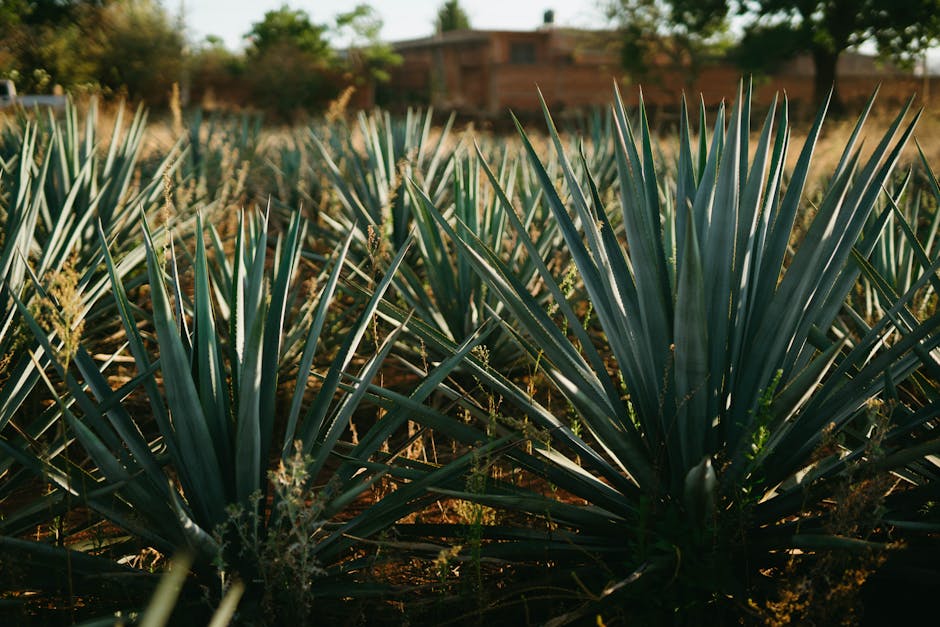
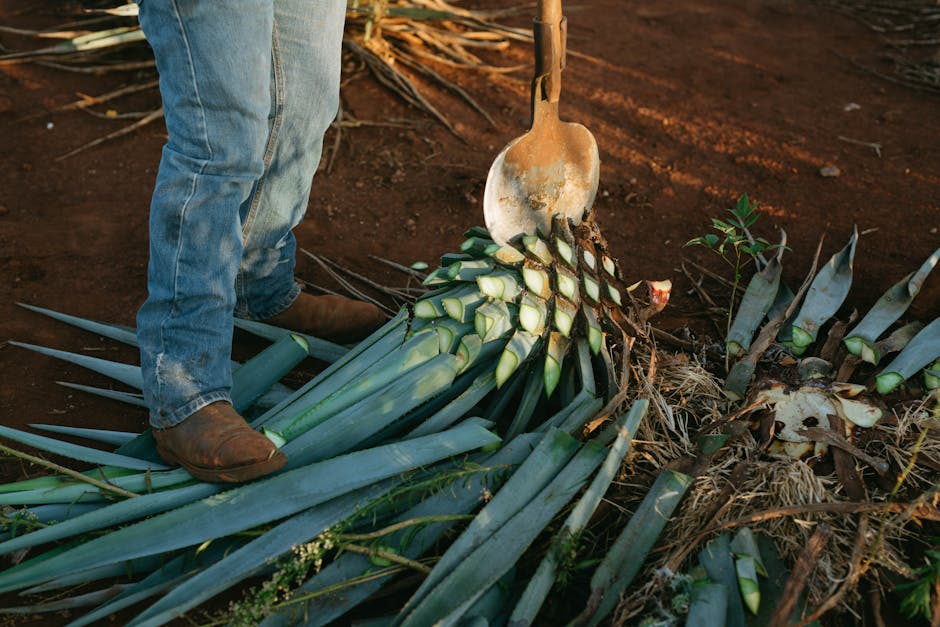
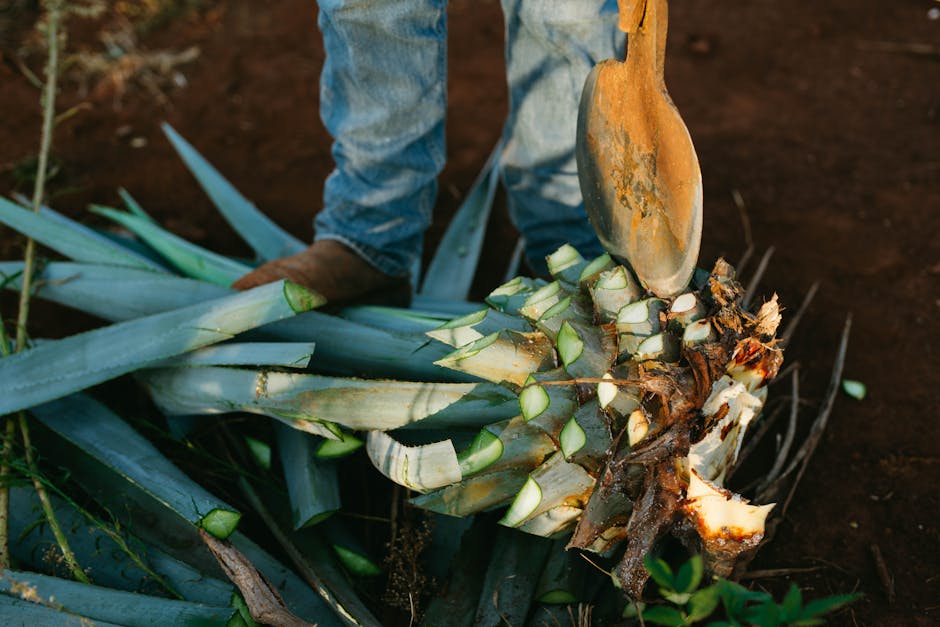
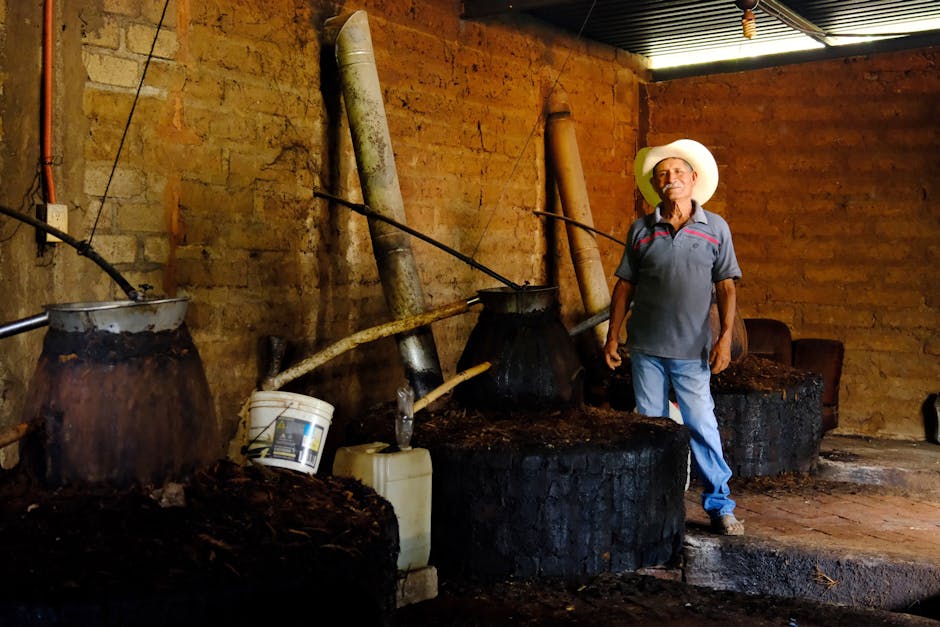
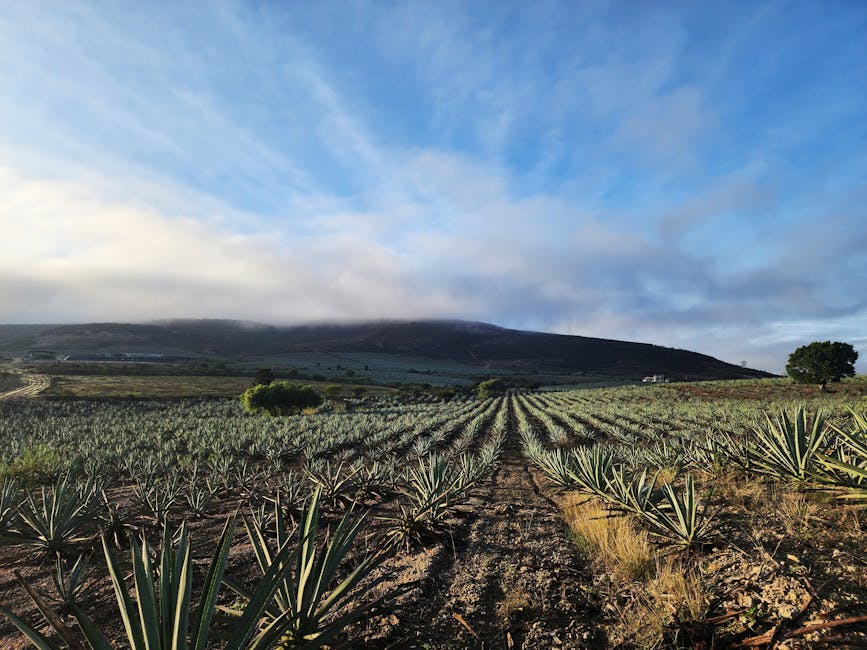
    Mexico’s mezcal and tequila situation is even more nuanced. Tequila, made exclusively from blue agave in designated regions, has gone thoroughly global — and with that globalization has come commodification pressure. Mezcal, produced from over 40 different agave species using artisanal or ancestral methods, represents the counter-narrative: hyper-local, slow, and biodiversity-dependent. The agave plant takes anywhere from 7 to 35 years to mature before harvest, which means mezcal production is inherently tied to intergenerational stewardship of land. In 2026, sustainability advocates and spirits enthusiasts alike are paying close attention to wild agave depletion, making mezcal consumption an increasingly ethical conversation as well as a cultural one.

    mezcal production agave Mexico artisanal distillery bourbon barrel Kentucky

    Europe: Protected Traditions and Living Legends

    Europe has arguably the most robust legal infrastructure for protecting traditional spirits, thanks to the EU’s Geographical Indication (GI) system. Cognac (France), Scotch whisky (Scotland), Grappa (Italy), Calvados (France), and Pálinka (Hungary/Romania) all carry legally protected designations that define everything from ingredient sourcing to production technique to aging requirements.

    Scotch whisky remains the global prestige benchmark for aged brown spirits. Its five regions — Speyside, Islay, Highland, Lowland, and Campbeltown — each carry distinct flavor identities shaped by local barley varieties, water chemistry, and (in Islay’s case) the famous peat bogs that give those whiskies their medicinal, smoky character. What’s fascinating in 2026 is the rise of Scottish single farm distilleries — operations that grow their own barley, malt it on-site, distill, and age on the same land. It’s a hyper-local model that mirrors what’s happening in craft wine and coffee.

    Meanwhile, Scandinavian aquavit — caraway-forward and often barrel-aged — is having a global moment, appearing on cocktail menus from New York to Tokyo. And Georgian chacha, a grape pomace spirit with roots going back millennia, is finding new audiences as the Georgian wine and spirits scene gains international recognition.

    What Can We Learn from Comparing These Cultures?

    When you lay these traditions side by side, a few patterns emerge that are genuinely thought-provoking:

    • Fermentation is the soul: Whether it’s Chinese qu, Scottish malt, or Mexican tepache, the fermentation stage is where local microbiology and tradition intersect. You simply cannot fully replicate these spirits outside their native environments.
    • Industrialization is the universal threat: From Korean soju to Mexican tequila to French Armagnac, every traditional spirit has faced the pressure to scale up, simplify, and homogenize. The survivors that retain cultural authenticity are those that found legal, economic, or community-based protection mechanisms.
    • Revival follows globalization: Paradoxically, as the world becomes more connected, local identity becomes more valuable. The global craft spirits movement is, in many ways, a reaction to the bland uniformity of mass-market alcohol.
    • Ritual amplifies the experience: A shared shot of baijiu during a Chinese business dinner, a communal mezcal poured at a Oaxacan wedding, a dram of whisky passed at a Scottish ceilidh — context isn’t peripheral to the drink, it IS the drink.

    Realistic Ways to Explore This World Without Breaking the Bank

    You don’t need to fly to Guizhou or Oaxaca to engage meaningfully with traditional spirits culture. In 2026, there are genuinely accessible entry points:

    • Start with a regional “tasting flight” at home: Pick one region — say, Japanese shochu — and order three bottles representing different base ingredients (sweet potato, barley, rice). The contrast is educational and fun.
    • Follow craft import retailers: Specialty importers like K&L Wine Merchants (US), Master of Malt (UK), or regional equivalents in your country often stock small-production traditional spirits with detailed producer notes.
    • Explore cocktail culture as a gateway: If neat spirits feel intimidating, classic cocktails using traditional bases (a proper Old Fashioned with rye, a Mezcal Negroni, a Soju Highball) are low-pressure entry points.
    • Take a virtual or local distillery tour: Many heritage distilleries now offer immersive online experiences in 2026, and local craft distilleries are increasingly popping up in unexpected places — worth a visit.
    • Read and watch documentaries: The 2026 documentary series landscape includes several deep-dives into spirits culture — from baijiu to pisco — that pair beautifully with a glass of whatever you’re exploring.

    The deeper you go into any of these traditions, the more you realize that distilled spirits are really just fermented human history — grain by grain, drop by drop, generation by generation. Each bottle is a conversation across time.

    Editor’s Comment : What strikes me most about exploring traditional distilled spirits culture globally in 2026 is that this isn’t just a drinking topic — it’s a lens on how cultures preserve identity under economic pressure, and how authenticity becomes both a resistance strategy and, eventually, a premium. Whether you’re a seasoned spirits enthusiast or someone who’s just curious about what’s in that ceramic Korean jar, the best approach is the same: slow down, ask questions, and let the context inform the taste. Your next great spirits discovery might be in a style you’ve never even heard of yet — and that’s genuinely exciting.

    태그: [‘traditional distilled spirits’, ‘global spirits culture comparison’, ‘baijiu vs bourbon’, ‘craft distilling 2026’, ‘mezcal cultural heritage’, ‘whisky regions world’, ‘artisan spirits revival’]


    📚 관련된 다른 글도 읽어 보세요

  • 전통 증류주 문화 세계 비교 — 스코틀랜드 위스키부터 한국 소주까지, 2026년 당신이 알아야 할 모든 것

    몇 해 전, 스코틀랜드 에든버러의 한 작은 위스키 바에서 바텐더가 손님에게 이런 말을 건넸다고 해요. “이 한 잔에는 이 땅의 물과 보리, 그리고 수백 년의 기다림이 담겨 있어요.\

    태그: []


    📚 관련된 다른 글도 읽어 보세요

  • 2026 Global Whisky Trends: What’s Shaking Up Your Glass This Year?

    Picture this: it’s a rainy Thursday evening, and you’re standing in front of a whisky shop shelf that looks nothing like it did just five years ago. Japanese single malts sit next to Taiwanese expressions, an Indian single grain whisky catches your eye, and there’s even a bottle from Scandinavia aged in reindeer-smoked barrels. The global whisky map has been redrawn — and 2026 is arguably the most exciting chapter yet.

    I’ve spent the better part of this year tasting, researching, and chatting with distillers across three continents, and what I’ve found is that whisky isn’t just a drink anymore. It’s a cultural statement, an investment vehicle, and — for a growing community of enthusiasts — a lifestyle philosophy. Let’s think through what’s actually happening, why it matters, and how you can navigate it whether you’re a seasoned collector or someone who just graduated from bourbon to Scotch.

    global whisky bottles collection 2026 diverse origins shelf display

    📊 The Big Picture: Where the Numbers Are Pointing

    The global whisky market crossed an estimated $90 billion USD in value in early 2026, according to industry forecasting aggregators like IWSR and Statista’s updated spirits index. But raw market size tells only part of the story. Here’s where it gets genuinely interesting:

    • Asia-Pacific now accounts for over 38% of premium whisky consumption — a figure that would have seemed fantastical a decade ago. South Korea, Vietnam, and India are driving unprecedented volume growth.
    • Non-Scotch categories grew 22% year-over-year in international retail. Japanese, Indian, and Taiwanese whiskies are no longer niche — they’re mainstream premium choices.
    • The “entry-luxury” segment ($60–$120 per bottle) is outperforming both budget and ultra-premium tiers, suggesting consumers are trading up thoughtfully rather than extravagantly.
    • Cask investment platforms saw a 31% increase in registered users in Q1 2026 alone, reflecting whisky’s dual identity as pleasure and portfolio asset.
    • Female consumers now represent approximately 34% of new whisky enthusiasts globally — a demographic shift that distilleries are actively redesigning their experiences around.

    🌍 Regional Stars: Who’s Making Noise in 2026

    Let’s walk through the regions that are genuinely reshaping conversations at tasting rooms and auction houses alike.

    Scotland (The Reliable Giant, But Evolving): Traditional Scotch isn’t resting on its laurels. Distilleries like GlenAllachie and Ardnamurchan are winning over younger drinkers with transparent production practices and more approachable flavor profiles. The “terroir movement” — borrowed from wine culture — is gaining traction, with distillers emphasizing locally-grown barley, specific water sources, and regional peat character. In 2026, “provenance” is the word Scotch marketing can’t stop using, and honestly, the liquid often backs it up.

    Japan (Still Commanding, Now More Accessible): After years of scarcity-driven mania, Japanese whisky supply chains are stabilizing. New distilleries that opened between 2018 and 2022 are now releasing their first proper aged expressions. Look out for Akkeshi, Nagahama, and Mars Shinshu — these aren’t the easy-to-find supermarket names, but they’re increasingly findable at specialty retailers globally.

    India (The Fastest-Moving Story Right Now): Amrut and Paul John have been household names for enthusiasts for years, but 2026 introduces a new wave. Distilleries like Indri (Piccadily Distilleries) are winning international awards that actually mean something, and the tropical aging climate produces a depth of flavor in shorter timeframes that Scotch distillers genuinely envy. India’s domestic consumption also means these bottles are sometimes genuinely rare outside the subcontinent — which adds collector intrigue.

    The Americas (Bourbon’s Confident Maturity): American whiskey — particularly craft bourbon from states beyond Kentucky — is flexing. Tennessee, Colorado, New York, and Texas distilleries are establishing distinct regional identities. Meanwhile, Canadian whisky is experiencing a quiet renaissance, with producers like Stauning (technically Danish but heavily North American in style influence) and Crown Royal’s XR series finding serious appreciation among blended whisky converts.

    Emerging Frontiers (Europe & Beyond): This is perhaps the most exciting development of 2026. Swedish, English, Welsh, French, and even South African whiskies are collecting serious critical attention. Waterford Distillery from Ireland continues its farm-by-farm terroir experiment with almost scientific rigor. Stauning from Denmark is selling out allocations within hours. The message is clear: geography no longer dictates quality — philosophy and craft do.

    whisky tasting flight craft distillery 2026 artisan production

    🔍 Flavor Trends: What Palates Are Seeking in 2026

    Beyond geography, there’s a clear directional pull in terms of flavor preferences that’s worth understanding:

    • Lower peat, higher complexity: Big-smoke expressions are giving way to subtly smoky or completely unpeated whiskies where wood, fruit, and grain character can shine without the campfire dominance.
    • Alternative cask finishing: Mizunara oak (Japanese), Oloroso Sherry, Amontillado, Armagnac, and even Cognac cask finishes are transforming flavor profiles in ways that feel genuinely novel rather than gimmicky.
    • Lower ABV appreciation: Counterintuitively, the community is warming to well-crafted 40–43% expressions that prioritize elegance and drinkability over cask-strength intensity.
    • Grain whisky rehabilitation: Single grain whiskies — long dismissed as “filler” in blends — are getting serious solo treatment and winning converts who appreciate their lighter, more dessert-like character.

    💡 Realistic Alternatives: How to Engage With These Trends on Any Budget

    Here’s where I want to be genuinely useful rather than just enthusiastic. Not everyone has $300 to spend on a bottle chasing trends, and that’s completely fine — actually, it might be better.

    If you’re new to whisky, the Indian single malt category offers extraordinary value right now. A bottle of Indri Trini or Paul John Brilliance sits under $60 in most markets and delivers complexity that embarrasses whiskies twice the price. Start there.

    If you’re a bourbon fan looking to expand, Irish single pot still whisky is your logical bridge. Redbreast 12 and Green Spot share bourbon’s approachable sweetness while introducing you to a completely different production tradition. They’re widely available and reasonably priced.

    If you’re interested in investment without committing to full cask ownership (which typically requires $5,000–$15,000+), consider joining reputable cask-sharing platforms like Cask Trade or WhiskyInvestDirect, which allow fractional ownership. But be clear-eyed: this is speculative, illiquid, and requires patience measured in years, not months.

    If you’re a seasoned enthusiast wanting to explore 2026’s cutting edge, seek out single-distillery releases from English or Scandinavian producers. Yes, they’re pricier per milliliter. But you’re genuinely tasting history in the making — and that has its own intangible value.

    The whisky world in 2026 rewards curiosity more than expenditure. A willingness to try the unfamiliar, to engage with the story behind the bottle, and to taste with an open mind will take you further than any budget allocation alone.

    Editor’s Comment : What strikes me most about whisky in 2026 isn’t any single bottle or region — it’s the democratization of quality. The assumption that great whisky must come from Scotland or Japan, must be old, must be expensive, is dissolving bottle by bottle. Whether you’re sipping a $45 Indian malt or a $400 limited Scotch release, the most important thing is that you’re engaging with it thoughtfully. Cheers to that.

    태그: [‘2026 whisky trends’, ‘global whisky guide’, ‘single malt whisky’, ‘whisky investment 2026’, ‘craft distillery’, ‘Japanese whisky’, ‘Indian single malt’]


    📚 관련된 다른 글도 읽어 보세요

  • 2026 글로벌 위스키 트렌드 완전 분석 — 지금 마셔야 할 위스키는 무엇인가?

    얼마 전 서울 한남동의 한 바에서 바텐더가 조용히 건네준 한 잔이 있었어요. 라벨엔 낯선 나라 이름이 적혀 있었고, 색은 놀랍도록 짙은 호박빛이었죠. 한 모금 마시고 나서 든 생각은 딱 하나였어요. “위스키의 지도가 완전히 바뀌었구나.” 스코틀랜드와 아이리시의 독주가 당연하게 여겨지던 시절은 이제 정말 옛이야기가 된 것 같습니다. 2026년, 글로벌 위스키 시장은 예상보다 훨씬 더 역동적으로 움직이고 있어요.

    global whisky collection bottles bar 2026 premium

    📊 숫자로 보는 2026 위스키 시장 — 얼마나 커졌나?

    글로벌 시장 조사 기관 IWSR(International Wine & Spirits Research)의 최근 데이터에 따르면, 2026년 글로벌 위스키 시장 규모는 약 960억 달러(한화 약 130조 원)에 달하는 것으로 추정돼요. 2022년 대비 약 23% 성장한 수치로, 이 성장세가 단순히 ‘프리미엄화’ 하나만으로 설명되지 않는다는 점이 흥미롭습니다.

    눈에 띄는 지표 몇 가지를 살펴볼게요.

    • 🇮🇳 인도산 위스키: 세계 위스키 소비량 1위 국가 인도가 이제 생산국으로도 급부상. 인도 싱글몰트 브랜드 IndriRampur는 2026년 현재 유럽·미국 수출이 전년 대비 40% 이상 증가한 것으로 라고 봅니다.
    • 🇯🇵 일본 위스키: 여전한 강자이지만 공급 부족 이슈가 지속되며 가격이 프리미엄 구간에서 고착화. 산토리 히비키 17년 기준 국내 소비자가 약 80만 원 선을 유지 중입니다.
    • 🇹🇼 대만 카발란(Kavalan): 아시아 프리미엄 싱글몰트 시장에서 꾸준히 점유율 확대. 2026년 신규 카스크 시리즈 출시 이후 아시아 면세 채널에서 판매 1위를 기록했어요.
    • 🇺🇸 아메리칸 버번: 켄터키주 증류소 수가 2015년 대비 3배 이상으로 늘어나며 크래프트 버번 붐이 여전히 진행 중. 다만 대형 브랜드 중심의 시장 재편도 동시에 이뤄지고 있어요.
    • 🇦🇺 호주 위스키: 태즈메이니아 싱글몰트가 국제 품평회에서 연속 수상하며 ‘숨겨진 강자’로 떠오르는 중입니다.

    🌍 국내외 사례로 읽는 2026 트렌드의 본질

    단순히 새로운 생산국이 늘어나는 것 이상의 변화가 감지돼요. 이번 트렌드의 핵심 키워드는 ‘테루아르(Terroir)’‘지속가능성(Sustainability)’, 두 가지로 압축할 수 있을 것 같습니다.

    테루아르의 귀환 — 와인에서 익숙한 개념이지만, 위스키 세계에서도 ‘어디서 만들어졌는가’가 핵심 마케팅 포인트가 됐어요. 스코틀랜드 아일라 지역의 강렬한 피트향, 인도 히말라야 산기슭의 극단적인 일교차가 만들어내는 빠른 숙성, 호주 태즈메이니아의 청정 보리와 물. 각 지역의 자연환경이 곧 맛의 정체성이 되는 거라고 봅니다.

    지속가능성 이슈 — 스코틀랜드 주요 증류소들이 2026년까지 탄소중립 달성을 목표로 삼은 데 이어, 국내 수입사들도 친환경 패키지 위스키를 선별 수입하는 추세예요. 실제로 국내 대형 주류 유통사 A社는 올해 상반기 ‘서스테이너블 위스키 컬렉션’ 기획전을 진행해 완판을 기록했다고 합니다.

    한국 시장의 특이점 — 국내에서는 ‘하이볼 문화’가 위스키 저변 확대에 결정적 역할을 했다는 분석이 지배적이에요. 편의점 RTD(Ready-To-Drink) 하이볼 제품이 확산되면서 위스키를 처음 접하는 2030 소비층이 크게 늘었고, 이 층이 자연스럽게 병 위스키로 업그레이드되는 퍼널(funnel)이 형성된 것 같습니다. 홈바(Home Bar) 문화와 결합하면서 10만 원 이하 ‘일상 위스키’ 카테고리가 가장 빠르게 성장하고 있어요.

    whisky highball cocktail home bar lifestyle Korea 2026

    🔍 2026년 주목해야 할 5가지 핵심 트렌드

    • ① 논-에이지 스테이트먼트(NAS)의 재평가 — 숙성 연수 대신 품질 자체로 승부하는 NAS 제품이 소비자 신뢰를 회복 중. 맹목적인 ‘연수 신화’에서 벗어나는 흐름이에요.
    • ② 피니시(Finish) 캐스크의 다양화 — 버번 캐스크, 셰리 캐스크를 넘어 아마로네, 데킬라, 사케 캐스크까지 실험적 마무리 숙성이 트렌드입니다.
    • ③ 싱글 캐스크·소배치(Small Batch) 붐 — 대량생산 제품보다 개성 있는 소량 생산 위스키를 찾는 수요가 늘고, 증류소 직구(Direct Purchase) 문화도 확산 중이에요.
    • ④ 저알코올·알코올프리 위스키 스타일 음료 등장 — 완전한 대체제는 아니지만, 논알코올 위스키 스타일 스피릿이 웰니스 트렌드와 맞물려 틈새시장을 만들고 있어요.
    • ⑤ NFT·블록체인 기반 진품 인증 — 희귀 위스키 위조 문제가 심각해지면서, 고가 병에 블록체인 기반 인증 태그를 도입하는 증류소가 늘고 있습니다.

    💡 결론 — 2026년, 나에게 맞는 위스키 찾기

    위스키의 세계가 넓어졌다는 건 좋은 소식이에요. 하지만 선택지가 많아질수록 오히려 길을 잃기 쉬운 것도 사실이죠. 처음 위스키를 접하는 분이라면 무리하게 비싼 병부터 시작할 필요가 없는 것 같아요. 5~10만 원대 버번이나 아이리시 블렌디드로 자신의 취향 — 달콤한지, 스모키한지, 과일향을 좋아하는지 — 을 먼저 파악하는 게 현실적인 접근이라고 봅니다.

    어느 정도 경험이 쌓였다면, 지금이야말로 인도나 호주 싱글몰트처럼 가격 대비 경험의 밀도가 높은 신흥 위스키에 도전하기 좋은 시기예요. 스코틀랜드 명품 위스키와 비교해도 손색없는 품질을, 절반 이하 가격에 즐길 수 있으니까요.

    에디터 코멘트 : 2026년 위스키 트렌드의 본질은 결국 ‘다양성의 민주화’가 아닐까 싶어요. 특정 지역, 특정 브랜드가 독점하던 ‘좋은 위스키’의 정의가 허물어지고 있거든요. 지금 이 순간만큼 취향대로 위스키를 탐험하기 좋은 때는 없었던 것 같습니다. 부담 없이 한 잔부터 시작해 보세요. 그 한 잔이 생각보다 훨씬 넓은 세계로 이어질 거예요. 🥃

    태그: [‘글로벌위스키트렌드2026’, ‘위스키추천’, ‘싱글몰트위스키’, ‘버번위스키’, ‘인도위스키’, ‘하이볼문화’, ‘프리미엄위스키’]


    📚 관련된 다른 글도 읽어 보세요

  • Whisky for Beginners: The Ultimate Starter Guide You Actually Need in 2026

    A few years back, a friend of mine — let’s call him Marcus — walked into a whisky bar, pointed confidently at the menu, and ordered something called a “peated Islay single malt.” He had no idea what he was getting into. One sip later, his face contorted like he’d accidentally licked a campfire-soaked leather boot. “That’s not whisky,” he insisted. “That’s a punishment.”

    Here’s the thing — Marcus wasn’t wrong to try it. He was just missing the roadmap. And that’s exactly what we’re building together today. Whether you’ve never touched whisky or you’ve been circling the category cautiously for a while, this 2026 guide is designed to walk you from curious outsider to genuinely confident beginner — without the snobbery that so often surrounds this world.

    Let’s dig in.

    whisky glass amber liquid wooden barrel beginner tasting

    Why Whisky? Understanding What’s Actually in Your Glass

    Whisky (or “whiskey” if it’s Irish or American — yes, the spelling differs by region) is a distilled spirit made from fermented grain mash. Grains like barley, corn, rye, or wheat are fermented, distilled, and then aged in wooden casks — usually oak. That aging process is where most of the magic happens. The spirit interacts with the wood over years, sometimes decades, picking up color, tannins, vanilla notes, and layers of complexity that raw spirit simply doesn’t have.

    In 2026, the global whisky market is valued at over $95 billion USD, with demand surging particularly across Asia-Pacific markets, the United States, and increasingly, Africa. That’s not just a trend — it’s a cultural shift. People want to understand what they’re drinking, not just consume it. And that curiosity is the perfect starting point.

    The Major Whisky Styles: Your First Real Map

    Here’s where beginners often get overwhelmed — there are so many styles. But let’s simplify this logically. Think of whisky styles as flavor neighborhoods. Some are smoky and bold, others are sweet and approachable. Here’s a breakdown:

    • Scotch Whisky: Made in Scotland, aged at least 3 years in oak casks. Subcategories include Single Malt (one distillery, malted barley), Blended Scotch (multiple distilleries blended together), and regional expressions like the smoky Islays or the fruity Speysides. Brands like Glenfiddich, Laphroaig, and The Macallan live here.
    • Irish Whiskey: Generally triple-distilled, making it notably smoother and lighter. It’s a fantastic entry point for newcomers. Jameson and Redbreast are classics worth knowing.
    • American Bourbon: Made primarily from corn (at least 51%), aged in new charred oak barrels — which gives it that distinctive sweetness and vanilla warmth. Think Maker’s Mark, Buffalo Trace, or Woodford Reserve.
    • Japanese Whisky: Heavily influenced by Scotch tradition but refined with Japanese precision. Brands like Suntory’s Hibiki and Nikka’s From the Barrel have earned global acclaim. Expect balanced, elegant profiles.
    • Rye Whiskey: Made primarily from rye grain. Spicier and drier than bourbon. It’s had a major resurgence since the mid-2010s, and in 2026, craft rye distilleries are booming across Canada and the U.S.
    • World Whisky: A catch-all for everything outside the above — including increasingly impressive bottles from India (Amrut, Paul John), Taiwan (Kavalan), and Australia (Starward).

    How to Actually Taste Whisky (Without Feeling Silly)

    Here’s something most guides skip over: there’s no wrong way to enjoy whisky — but there IS a smarter way to explore it, especially as a beginner. Let’s think through this step by step.

    Glassware matters more than you’d think. A tulip-shaped glass (like the Glencairn) concentrates the aromas toward your nose. Avoid wide-mouthed rocks glasses for serious tasting — those are great for a relaxed evening, not for learning a spirit’s nuances.

    Add a few drops of water. This isn’t weakness — it’s chemistry. A tiny splash of still water (around 3-5 drops) opens up aromatic compounds in cask-strength or high-ABV whiskies, revealing layers that alcohol intensity would otherwise mask. Even the late master blender Richard Paterson advocated for this. In 2026, this technique is now standard practice at whisky education events worldwide.

    Engage all three phases:

    • Nose: Swirl gently, hover your nose just above the rim, mouth slightly open. What do you smell? Fruit? Wood? Vanilla? Smoke? There are no wrong answers.
    • Palate: Take a small sip, let it coat your tongue. Where do you feel it — front, middle, back? What flavors emerge? Let it breathe in your mouth for 5-10 seconds.
    • Finish: The sensation after you swallow. Does it linger? Is it warm? Dry? Spicy? A long, complex finish is often the mark of a quality dram.
    whisky tasting flight glencairn glasses overhead view notes journal

    Real-World Starting Points: What to Actually Buy in 2026

    Let’s get practical. Based on flavor profile and price-to-quality ratio, here are logically sound starting recommendations for 2026:

    • For the smoothness seeker: Jameson Irish Whiskey or Nikka Coffey Grain — both approachable, no harsh edges, great for neat or on the rocks.
    • For the sweet tooth: Buffalo Trace Bourbon or Maker’s Mark — corn-forward sweetness, vanilla, caramel. Easy to love immediately.
    • For the adventurous beginner: Kavalan Concertmaster (Taiwan) — fruity, approachable complexity from port cask finishing. It wins awards for a reason.
    • For the budget-conscious: Monkey Shoulder (Blended Scotch) — approachable, versatile, under $35 in most U.S. markets in 2026, and genuinely enjoyable neat or in cocktails.
    • For those who want to go deeper: GlenDronach 12 Year — sherry cask matured Scotch that introduces you to rich dried fruit and chocolate notes without the smoke intimidation factor.

    The Peated Whisky Problem (And How to Approach It Smartly)

    Remember Marcus? He jumped straight into peated Islay Scotch — something like Laphroaig or Ardbeg — without preparation. These are incredible whiskies, but their intense smoke and medicinal character (think iodine, seaweed, bonfire) is genuinely polarizing. The logical approach isn’t to avoid them forever, but to work toward them gradually.

    Try this progression: Start with a lightly peated option like Bowmore 12 or Highland Park 12, where smoke is present but balanced with sweetness. Once you appreciate that interplay, Ardbeg 10 becomes thrilling rather than shocking. The key insight here is that your palate is trainable — and the journey of training it is genuinely fun.

    Building a Whisky Vocabulary (So You Sound Like You Know What You’re Doing)

    A quick glossary for navigating menus, bottles, and conversations without feeling lost:

    • ABV (Alcohol by Volume): Standard whisky sits at 40-46% ABV. Cask strength bottles can reach 55-65%+.
    • Age Statement: The number on the bottle (e.g., “12 Year”) refers to the youngest whisky in the bottle — not the average age.
    • NAS (No Age Statement): Not necessarily inferior — many award-winning whiskies have no age statement. Judge by taste, not age.
    • Cask Finish: When whisky is moved into a second barrel (sherry, port, wine, rum casks) for additional maturation, adding extra flavor layers.
    • Dram: A serving of whisky. Use this word confidently.
    • Neat: Whisky served at room temperature with nothing added — no ice, no water.
    • On the Rocks: Served over ice. Note that ice significantly mutes aromas and flavors, especially in complex bottles.

    Realistic Alternatives If Whisky Still Feels Overwhelming

    Not every palate takes to whisky immediately — and that’s completely okay. Here’s how to think about alternatives that can actually build the bridge:

    If you love wine already, start with sherry cask-aged Scotch or port-finished Irish whiskey, since those flavor profiles will feel familiar. If you’re a cocktail person, bourbon-based drinks like the Old Fashioned or Whiskey Sour are excellent entry points — the sweetness and dilution make the spirit approachable before you try it neat. If gin or rum is your comfort zone, Japanese whisky’s delicate, clean profile may feel more welcoming than heavy, oaky American bourbons.

    The point is: there’s a whisky — or a whisky-adjacent pathway — for nearly every flavor preference. It’s about logical sequencing, not forcing yourself into an experience you’re not ready for.

    The whisky world in 2026 is more diverse, more inclusive, and more accessible than it’s ever been. There are masterclasses happening in Seoul and Nairobi, online whisky communities with thousands of active members, and distilleries in places no one expected — like Vietnam and South Africa — producing remarkable spirits. The barriers to entry have never been lower. The only thing left is your curiosity.

    Start with one bottle. Take notes — even just on your phone. Share it with someone. And trust that your palate will grow naturally from there.

    Editor’s Comment : The whisky world can feel gatekept — but it genuinely isn’t, not anymore. The best advice I can give any beginner in 2026 is this: buy one approachable bottle, open it with an open mind (and maybe open notes app), and resist the urge to compare yourself to seasoned drinkers. Your journey is your own, and honestly, the early discoveries are some of the most exciting ones you’ll ever have with this spirit. Cheers — or as the Scots say, slàinte mhath.

    태그: [‘whisky for beginners’, ‘whisky guide 2026’, ‘how to taste whisky’, ‘best beginner whisky’, ‘scotch vs bourbon’, ‘whisky types explained’, ‘whisky tasting tips’]


    📚 관련된 다른 글도 읽어 보세요

  • 초보자를 위한 위스키 입문 가이드 2026 — 어디서부터 시작해야 할까?

    초보자를 위한 위스키 입문 가이드 2026 — 어디서부터 시작해야 할까?

    얼마 전, 회사 동료가 “위스키 한번 마셔보고 싶은데, 뭘 사야 할지 모르겠어”라는 말을 꺼냈습니다. 편의점 앞에서 두 손 가득 맥주캔을 들고 말이죠. 그 눈빛이 꼭 수백 개의 라벨이 가득한 위스키 전문 바에 혼자 던져진 것 같은 막막함이었어요. 사실 위스키 입문은 많은 분들이 비슷하게 느끼는 관문인 것 같아요. 종류는 왜 이렇게 많은지, 가격은 왜 천차만별인지, ‘피트(Peat)’는 또 뭔지… 오늘은 그 막막함을 함께 풀어보려고 합니다.

    whisky bottles bar beginner guide amber glass


    📌 위스키, 도대체 얼마나 복잡한 세계일까?

    1. 숫자로 보는 위스키 시장 — 2026년 현재

    먼저 위스키가 얼마나 대중화되고 있는지 짚어볼게요. 국제주류연구기관(IWSR) 최근 자료에 따르면 아시아 태평양 지역의 프리미엄 위스키 소비량은 2022년 대비 2026년 기준으로 약 38% 이상 성장한 것으로 추정됩니다. 특히 한국 시장은 싱글몰트 위스키 수입량이 꾸준히 증가하고 있으며, 20~30대 입문자 비중이 전체 소비층의 약 42%를 차지할 정도로 젊어지고 있는 추세입니다.

    이런 흐름이 의미하는 건 간단해요. 위스키는 더 이상 “중년 남성의 취미”가 아니라는 것입니다. 접근 방식만 잘 잡으면, 누구든 즐길 수 있는 술이 된 거라고 봅니다.

    2. 위스키의 주요 카테고리 — 이것만 알면 절반은 성공

    위스키의 세계는 크게 생산 지역과 원료에 따라 나뉩니다. 초보자가 꼭 알아야 할 5가지 카테고리를 정리해 드릴게요.

    • 스카치 위스키 (Scotch Whisky) — 스코틀랜드에서 생산. 몰트(보리)와 그레인(옥수수 등)으로 나뉘며, 최소 3년 숙성이 법적으로 의무화되어 있어요. “싱글몰트”는 단일 증류소에서 몰트보리만 사용해 만든 제품입니다.
    • 아이리시 위스키 (Irish Whiskey) — 아일랜드 산. 일반적으로 3회 증류로 부드러운 편이라 입문자에게 추천하는 카테고리입니다.
    • 버번 위스키 (Bourbon Whiskey) — 미국산. 옥수수 함량이 51% 이상이어야 하며, 새 오크통에서 숙성하는 게 특징이에요. 달콤하고 바닐라 향이 강해서 초보자에게도 친숙하게 다가옵니다.
    • 재패니즈 위스키 (Japanese Whisky) — 스카치 방식을 기반으로 일본만의 섬세함을 더한 스타일. 2026년 현재도 희귀성으로 인해 가격이 상당히 높은 편이에요.
    • 한국 위스키 (Korean Whisky) — 최근 국내 증류소들이 성장하면서 주목받고 있는 카테고리. 쓰리소사이어티스, 기원증류소 등이 국제 무대에서 수상 실적을 쌓고 있습니다.

    🌍 국내외 입문자 사례 — 어떻게 시작했을까?

    3. 영국 입문자가 먼저 간 길

    스코틀랜드 현지의 위스키 투어 프로그램 “Scotch Whisky Experience”는 매년 수십만 명의 관광객을 유치하는데, 재미있는 통계가 있어요. 방문자의 약 67%가 위스키를 “거의 마셔본 적 없는” 입문자라고 답했습니다. 그들이 가장 먼저 배우는 건 테이스팅 노트(Tasting Note)를 억지로 외우는 게 아니라, “내가 좋아하는 향이 무엇인지”를 파악하는 것이에요. 과일향, 꽃향, 훈연향(스모키), 달콤함 중 본인의 취향을 먼저 찾는 방식이라고 봅니다.

    4. 국내 위스키 바 문화의 변화

    서울 이태원, 성수동, 한남동을 중심으로 2026년 현재 “싱글몰트 위스키 바”의 수는 2022년 대비 약 두 배 이상 늘었다는 게 업계 관계자들의 공통된 이야기입니다. 흥미로운 건 이 바들이 “하프샷(30ml)” 서비스를 적극적으로 도입했다는 점이에요. 한 잔에 3만~5만 원을 선뜻 내기 어려운 입문자들이 15,000원~20,000원 정도의 소액으로 다양한 위스키를 경험할 수 있게 된 거죠. 실제로 성수동의 한 위스키 바 운영자는 “하프샷 도입 이후 2030 신규 고객이 40% 이상 늘었다”고 전하기도 했습니다.

    whisky tasting glass flight sampler wooden board


    🥃 입문자를 위한 현실적인 위스키 선택 팁

    5. 처음 고르는 위스키, 이렇게 접근해 보세요

    “좋은 위스키”는 비싼 위스키가 아니라 내 취향에 맞는 위스키라고 봅니다. 입문자라면 아래 순서대로 접근하는 게 현실적이에요.

    • Step 1. 스모키함에 대한 취향 파악: 스모키(피트향)한 위스키가 맞는지 아닌지부터 확인하세요. 아드벡(Ardbeg), 라프로익(Laphroaig) 같은 아일라(Islay) 위스키는 호불호가 극명히 갈려요.
    • Step 2. 부드러운 것부터 시작: 아이리시 위스키(예: 제임슨 Jameson)나 버번(예: 메이커스 마크 Maker’s Mark)은 입문자 친화적입니다.
    • Step 3. 싱글몰트 도전: 글렌피딕(Glenfiddich) 12년, 더 글렌리벳(The Glenlivet) 12년 등 가성비 좋은 입문용 싱글몰트로 넘어가 보세요.
    • Step 4. 물이나 얼음 활용: 위스키에 몇 방울의 물을 첨가하면(“워터 드롭” 기법) 향이 활짝 열립니다. 부담스럽다면 하이볼(위스키+탄산수)로 시작하는 것도 훌륭한 방법이에요.
    • Step 5. 테이스팅 노트 억지로 맞추지 않기: “바닐라향”이 안 느껴진다고 실망하지 마세요. 테이스팅은 훈련이 필요한 감각이고, 즐기는 것이 우선입니다.

    💡 결론 — 완벽한 시작보다 즐거운 첫 모금이 먼저입니다

    위스키 입문에서 가장 흔히 범하는 실수는 “제대로 알고 마셔야 한다”는 강박인 것 같아요. 수십 년의 숙성 연수와 증류 방식을 전부 꿰어야 진짜 위스키 애호가가 되는 게 아닙니다. 취향을 조금씩 발견하고, 맛있다고 느끼는 순간이 쌓이면서 자연스럽게 지식도 따라오는 여정이라고 봅니다.

    2026년 현재, 다양한 위스키 바, 소용량 샘플 구매 서비스, 위스키 클래스까지 진입 장벽이 그 어느 때보다 낮아진 상황입니다. 지금이 오히려 가장 좋은 입문 시점일 수 있어요.

    에디터 코멘트 : 처음엔 꼭 5만 원짜리 싱글몰트를 살 필요 없어요. 동네 위스키 바에서 하프샷 두어 잔으로 시작하거나, 편의점에서 구할 수 있는 메이커스 마크 미니어처로 조용히 탐색해 보는 것도 충분히 좋은 출발선입니다. 중요한 건 ‘나에게 맞는 한 잔’을 찾아가는 과정 자체가 즐거움이라는 것. 그 여정을 너무 서두르지 않으셨으면 해요. 🥃

    태그: [‘위스키입문’, ‘위스키추천2026’, ‘싱글몰트위스키’, ‘버번위스키’, ‘위스키종류’, ‘위스키하이볼’, ‘주류입문가이드’]


    📚 관련된 다른 글도 읽어 보세요