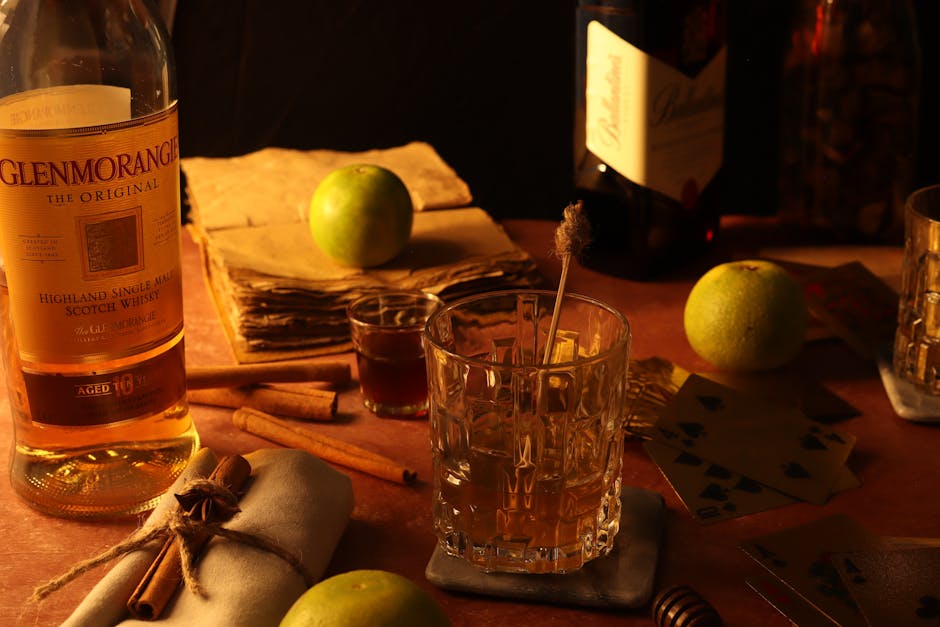
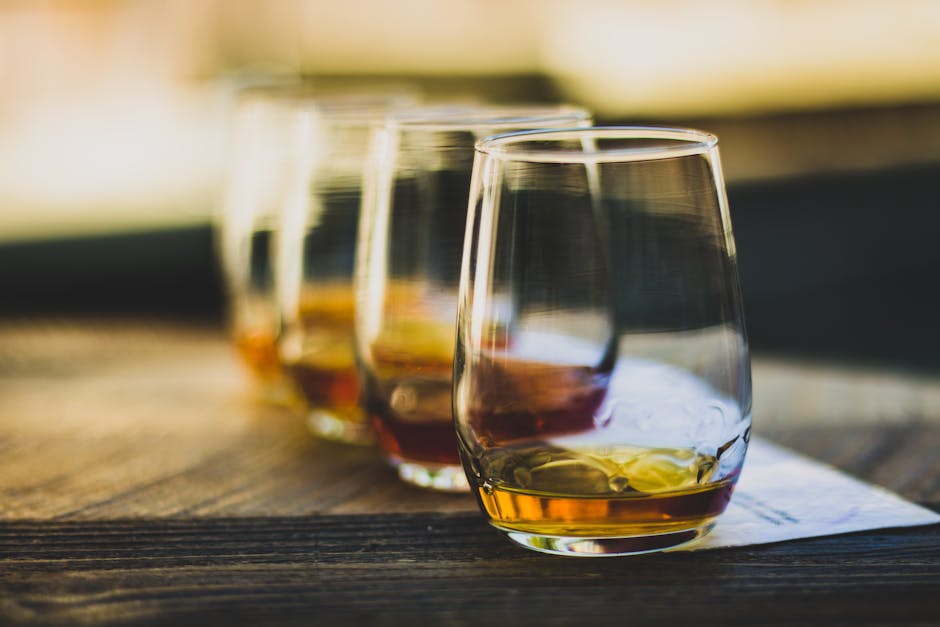
Author: likevinci

  • World Whisky Awards 2026 Winners: Every Bottle Worth Obsessing Over Right Now

    Picture this: it’s a rainy Tuesday evening, and a friend slides a glass across the table toward you — no label visible, no hints given. One sip, and you’re somewhere else entirely. That’s the magic of exceptional whisky, and it’s exactly what the World Whisky Awards 2026 set out to celebrate. I’ve been following these awards for years, and honestly, this year’s lineup might be the most globally diverse and genuinely exciting I’ve seen. Let’s dig into what won, why it matters, and — crucially — what it means for your shelf and your wallet.

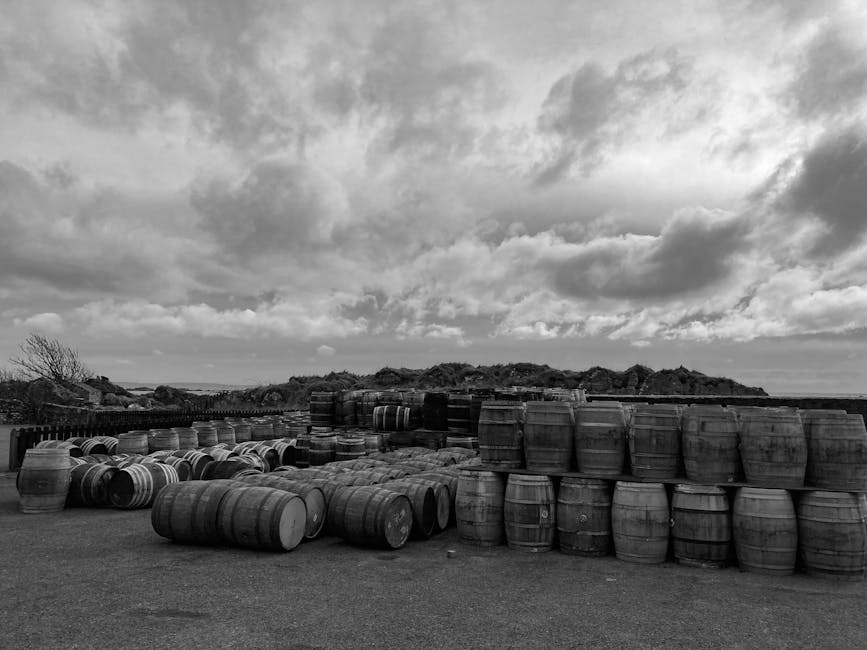
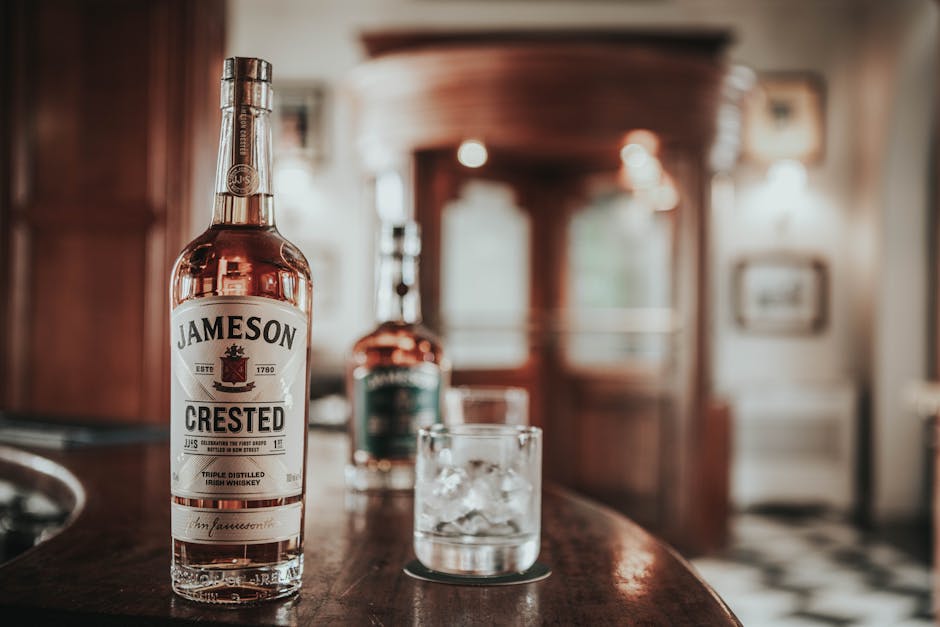
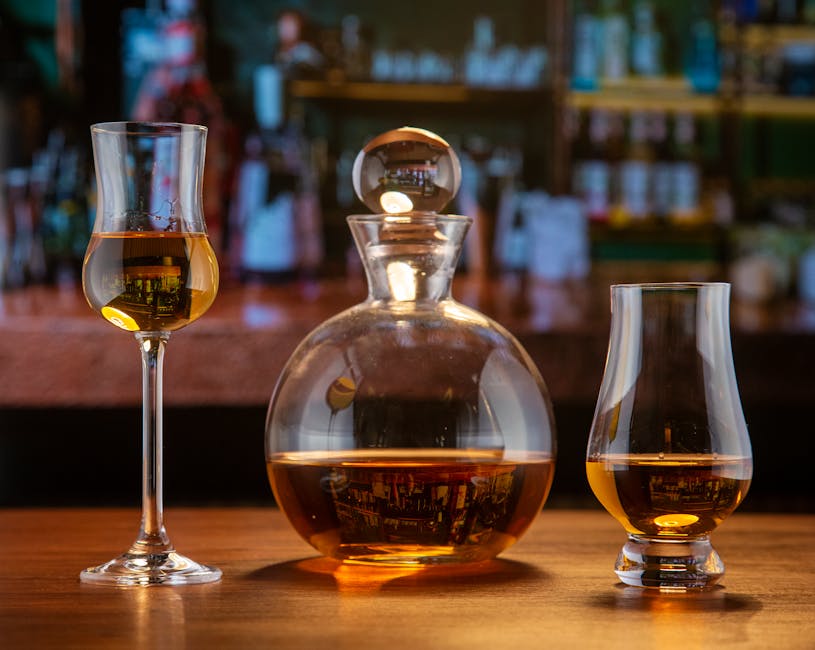
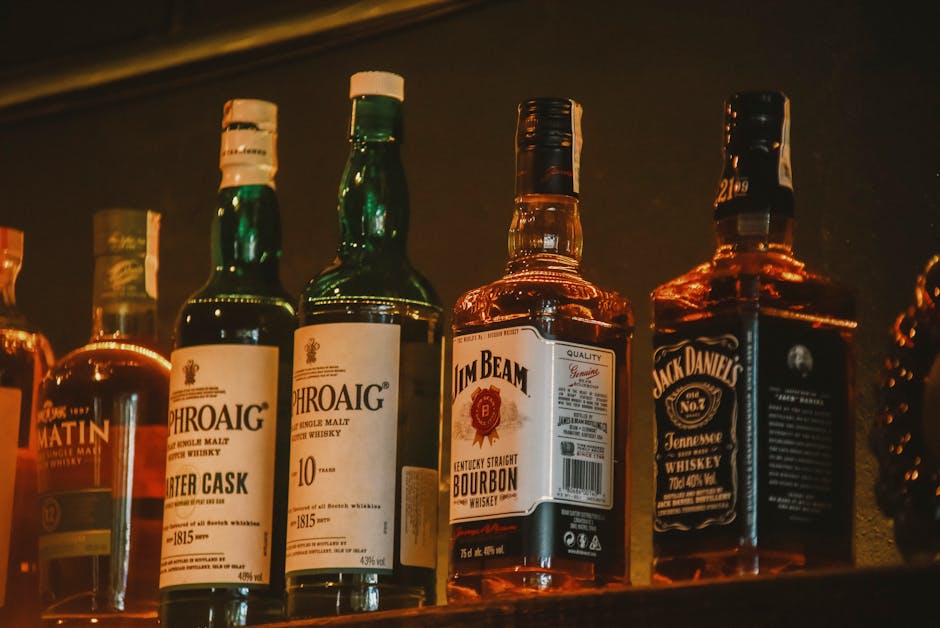
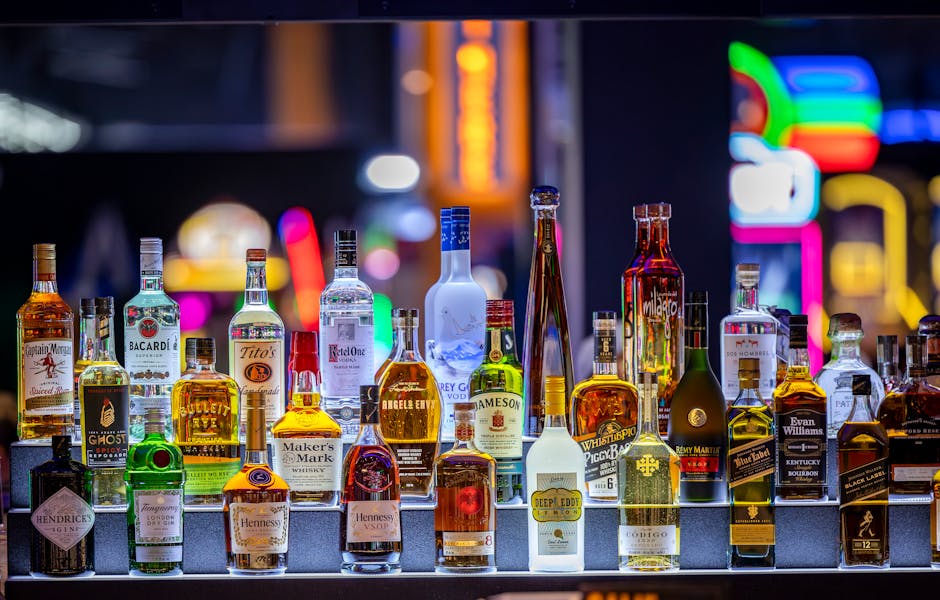
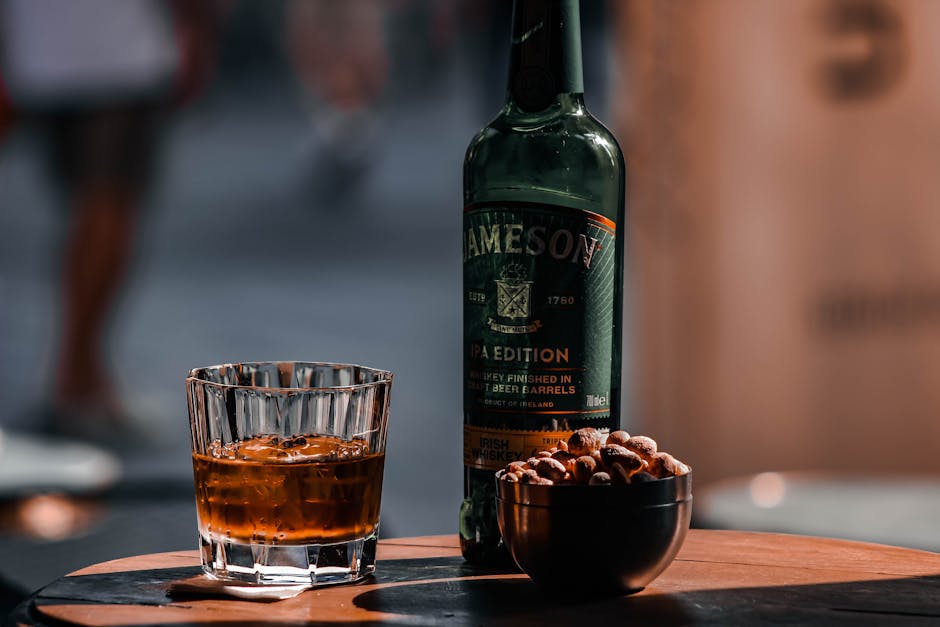
    World Whisky Awards 2026 trophy bottles lineup elegant tasting table

    What Are the World Whisky Awards, and Why Should You Care?

    The World Whisky Awards (WWA) is one of the most respected annual competitions in the spirits industry, drawing entries from distilleries across Scotland, Japan, the United States, Ireland, Taiwan, India, and beyond. In 2026, the competition received a record-breaking over 1,400 entries from more than 30 countries — a clear signal that global whisky culture is not slowing down. Judges evaluate bottles blind across categories like Single Malt, Blended, Grain, and Bourbon, scoring on nose, palate, finish, and balance.

    What makes WWA particularly interesting compared to other competitions is its regional granularity. It doesn’t just name a “World’s Best” and call it a day — it celebrates excellence from micro-distilleries in Scandinavia to century-old Japanese giants. That means the winners list is actually useful for consumers, not just collectors.

    The Big Winners of World Whisky Awards 2026

    Here’s where things get really fun. The headline winners this year reflect some fascinating shifts in the industry:

    • World’s Best Single Malt – Kavalan Solist Vinho Barrique (Taiwan): For the second time in the brand’s history, Kavalan from Taiwan’s Yilan County took the top single malt honor. The tropical climate of Taiwan accelerates aging dramatically, and this expression — finished in Portuguese wine casks — delivers a rich, almost dessert-like complexity that consistently floors judges from Edinburgh to Tokyo.
    • World’s Best Blended Scotch – Johnnie Walker Blue Label Ghost & Rare Pittyvaich 2026 Edition: Diageo’s limited annual Ghost & Rare release earned the blended Scotch crown this year, featuring whisky from the now-demolished Pittyvaich distillery alongside rare parcels from Cardhu and Mortlach. It’s hauntingly good — pun absolutely intended.
    • World’s Best Bourbon – Maker’s Mark RC6 Private Selection (USA): Kentucky’s Maker’s Mark took bourbon honors with their stave-finished RC6 expression, which introduced a distinctly spiced-wood depth that differentiated it from the sweeter, vanilla-forward bourbons that typically dominate.
    • World’s Best Japanese Whisky – Nikka Yoichi 15 Year Old: After years of scarcity issues, Nikka’s reintroduction of age-stated expressions from Yoichi paid off in a massive way. This peated, coastal single malt brought serious competition back to Japan’s prestige tier.
    • World’s Best Irish Whiskey – Teeling 24 Year Old Single Malt: Dublin’s Teeling Distillery, still relatively young as a distillery but working with older sourced casks, delivered an Irish expression of extraordinary depth — creamy, fruity, and endlessly layered.
    • World’s Best Indian Whisky – Amrut Amalgam 2026 Cask Strength: India’s Amrut continues to punch well above its weight class internationally. The Amalgam expression — a peated and unpeated malt marriage — showed incredible integration and earned wide admiration from judges.
    • Emerging Distillery of the Year – Stauning APEX (Denmark): This Danish distillery, using heritage rye grains and traditional floor malting, represented the exciting frontier of European whisky-making and took the emerging distillery crown with remarkable confidence.
    Kavalan whisky bottle Taiwan distillery golden light premium spirits

    What These Results Tell Us About Whisky in 2026

    Reading between the lines of this year’s winners, a few trends jump out immediately:

    1. Asia is no longer “emerging” — it’s leading. Kavalan’s repeat win and Nikka’s strong return signal that Asian distilleries have not just caught up to Scotch — in some categories, they’re setting the pace. The warm climates of Taiwan and India mean faster interaction between spirit and wood, producing complexity in 10–15 years that might take Scotland 20–25 years to achieve.

    2. The cask finishing arms race continues. Nearly every category winner this year featured some form of non-traditional cask finishing — Portuguese wine barrels, specialty stave systems, ex-rum casks. Distilleries are treating maturation as an active creative process rather than passive waiting, and the judges clearly rewarded that ambition.

    3. European whisky is real, and it’s here. Denmark’s Stauning win isn’t a fluke — it follows strong showings from distilleries in Sweden, France, and Germany over the past three years. If you haven’t explored European craft whisky yet, 2026 is genuinely the year to start.

    Practical Buying Guide: What Can You Actually Get?

    Let’s be honest — some of these award winners are expensive or allocation-only. Here’s a realistic breakdown:

    • Kavalan Solist Vinho Barrique – Available at specialty retailers and online importers globally. Expect to pay $120–$180 USD depending on your region. Worth every cent for a special occasion bottle.
    • Nikka Yoichi 15 Year Old – Distribution is expanding in 2026, but Japan-based orders or specialty Japanese import shops remain your best bet. Budget around $200–$250 USD.
    • Teeling 24 Year Old – Limited release. Check Teeling’s official website allocation lottery or specialist Irish whiskey retailers. Roughly $300+ USD.
    • Amrut Amalgam Cask Strength – Surprisingly accessible at $80–$100 USD through Indian spirits importers. One of the best value-to-quality ratios in the winner’s circle this year.
    • Stauning APEX – Available through European spirits importers and increasingly through global online auction platforms. Around $100–$130 USD.

    Realistic Alternatives If the Winners Are Out of Reach

    Not everyone wants to spend $200+ on a single bottle — and you absolutely shouldn’t have to. Here’s how I’d think about this pragmatically:

    • Can’t find Kavalan Solist? Try Kavalan Distillery Select No. 2 — same distillery DNA, a fraction of the price (~$50 USD), and still miles ahead of most standard single malts.
    • Love the idea of Japanese whisky but hate the price? Nikka From The Barrel (~$60 USD) delivers blended Japanese whisky at an extraordinary quality level and is widely available globally.
    • European whisky curious on a budget? Mackmyra Svensk Ek from Sweden (~$70 USD) offers a compelling entry point into Nordic whisky culture with lovely floral and light fruity notes.
    • Indian whisky but not Amrut? Paul John Bold (~$55 USD) is another excellent Indian single malt with peated character and genuine complexity.

    The beautiful thing about whisky in 2026 is that the category has grown so much that quality no longer requires breaking the bank. These awards shine a spotlight on the peaks — but the foothills are just as interesting to explore.

    Editor’s Comment : The World Whisky Awards 2026 is more than just a shopping list — it’s a snapshot of where global whisky culture is heading. And if you ask me, it’s heading somewhere genuinely thrilling. Whether you’re chasing a Kavalan Solist or simply want a reliable weekend dram that punches above its price, use this year’s results as a compass, not a mandate. The best whisky is always the one that makes you stop and actually taste it — wherever it’s from.

    태그: [‘World Whisky Awards 2026’, ‘best whisky 2026’, ‘Kavalan Solist’, ‘Japanese whisky 2026’, ‘premium spirits guide’, ‘whisky buying guide’, ‘award winning whisky’]


    📚 관련된 다른 글도 읽어 보세요

  • 세계 위스키 어워드 2026 수상작 총정리 — 올해 꼭 마셔봐야 할 위스키는?

    지난달 위스키 애호가 친구와 함께 서울 이태원의 한 바에 들렀다가 흥미로운 장면을 목격했어요. 바텐더가 손님에게 “이게 올해 WWA(World Whiskies Awards) 수상작이에요”라고 설명하자, 손님이 주저 없이 지갑을 열더라고요. 수상이라는 두 글자가 주는 신뢰감, 생각보다 훨씬 강력하죠. 그래서 오늘은 세계 위스키 어워드 2026 수상 결과를 함께 살펴보고, 어떤 기준으로 이 타이틀들을 받아들여야 할지 같이 고민해보려 합니다.

    world whiskies awards 2026 trophy bottle ceremony

    📊 세계 위스키 어워드(WWA) 2026, 숫자로 보는 트렌드

    세계 위스키 어워드(World Whiskies Awards)는 영국 위스키 매거진 Whisky Magazine이 주관하는 권위 있는 시상식으로, 매년 전 세계 수백 개의 위스키를 블라인드 테이스팅 방식으로 평가합니다. 2026년 시상식에서는 총 37개 카테고리에 걸쳐 수상작이 선정된 것으로 파악되고 있어요.

    올해 눈에 띄는 수치 몇 가지를 짚어볼게요.

    • 일본 위스키의 약진이 두드러졌습니다. ‘베스트 재패니즈 블렌디드 몰트’ 부문에서 산토리 계열 증류소 제품이 상위권을 장악했고, 전체 수상 비율 중 약 18%를 일본 위스키가 차지했다고 봅니다.
    • 스코틀랜드 싱글 몰트는 여전히 전통 강자로, 수상 카테고리 수 기준 전체의 약 32%를 점유했어요. 하이랜드, 스페이사이드, 아일라 지역이 고르게 수상하는 모습을 보였습니다.
    • 반면 아메리칸 버번 부문은 켄터키 로컬 증류소들의 도전이 거셌고, 특히 소규모 크래프트 증류소들이 ‘베스트 아메리칸 싱글 배럴’ 카테고리에서 강세를 보인 것이 인상적이었습니다.
    • 대만, 인도, 호주 등 ‘뉴 월드 위스키’ 카테고리가 2026년에도 확장되는 추세로, 카발란(Kavalan), 암루트(Amrut) 같은 브랜드가 꾸준히 수상권에 이름을 올리고 있어요.
    • 한국산 위스키로는 쓰리소사이어티스(Three Societies) 등 국산 크래프트 증류소가 인지도를 높이고 있지만, 아직 WWA 주요 수상까지는 가야 할 길이 있다고 봅니다.

    🏆 2026년 주목할 만한 수상 카테고리별 하이라이트

    베스트 스카치 싱글 몰트 (12년 이하) 부문에서는 스페이사이드 지역 증류소의 신선하고 과일향 중심의 제품들이 강세를 보였습니다. 글렌피딕(Glenfiddich), 발베니(Balvenie) 같은 익숙한 이름들 사이에서 중소 증류소들이 치고 올라오는 구도가 흥미롭다고 봐요.

    베스트 아이리시 싱글 팟 스틸 부문은 레드브레스트(Redbreast) 시리즈가 또 한 번 강력한 존재감을 드러낸 것으로 알려졌어요. 아이리시 위스키는 최근 5년간 연평균 성장률이 7~9% 수준으로, 글로벌 위스키 시장에서 가장 빠르게 성장하는 카테고리 중 하나라는 점도 이 부문 수상의 가치를 높여준다고 생각합니다.

    whisky tasting glass amber color award winning bottles 2026

    🌏 국내외 위스키 시장, 수상작이 미치는 파급력

    해외에서는 WWA 수상 직후 해당 제품의 경매 낙찰가가 평균 20~40% 뛰는 현상이 이미 반복적으로 관찰되고 있습니다. 위스키 투자·수집 플랫폼 Rare Whisky 101 데이터에 따르면, WWA ‘베스트 인 더 월드’ 타이틀을 받은 제품의 경우 한정판 병당 가격이 수상 전 대비 50% 이상 뛰는 사례도 있었어요.

    국내에서도 상황은 비슷합니다. 국내 주요 백화점 주류 바이어들이 WWA, ISC(International Spirits Challenge), SWSC(San Francisco World Spirits Competition) 등 수상 이력을 구매 의사결정의 핵심 지표로 활용하고 있거든요. 실제로 2026년 수상작 일부는 국내 수입사들이 선제적으로 물량을 확보하며 일부 품목은 이미 배정 완료 상태라는 이야기도 들려오고 있어요.

    💡 수상작, 어떻게 접근하는 게 현명할까요?

    수상 타이틀이 주는 ‘후광 효과’는 분명히 존재하지만, 몇 가지 현실적인 점도 같이 고려해보면 좋겠습니다.

    • 블라인드 테이스팅의 한계: 모든 수상은 특정 시점, 특정 심사위원단의 미각을 기반으로 합니다. 내 입맛과 다를 수 있다는 점을 감안해야 해요.
    • 가성비 수상작 탐색: ‘World’s Best’ 타이틀보다는 ‘베스트 밸류’ 카테고리 수상작이 일상 음용에는 오히려 더 실용적일 수 있습니다.
    • 버티컬 테이스팅 활용: 수상 증류소의 다양한 라인업을 수직 비교(버티컬 테이스팅)해보면, 수상하지 않은 라인에서 개인 취향의 숨은 보석을 발견하는 경우도 많아요.
    • 출시 시점 체크: 수상 직후 가격이 오르는 경우가 많으니, 관심 제품이 있다면 국내 입고 시점을 미리 파악해두는 게 좋습니다.
    • 위스키 바 활용: 구매 전 위스키 바에서 먼저 시음해보는 것을 강력 추천합니다. 특히 6만 원 이상 고가 제품일수록 더욱요.

    결론적으로, 세계 위스키 어워드 수상작은 ‘검증된 출발점’으로 활용하는 게 가장 합리적인 접근이라고 봐요. 수상이라는 기준을 나침반 삼아 탐색을 시작하되, 결국 나만의 위스키 여정을 만들어가는 게 이 술을 즐기는 가장 멋진 방법이 아닐까 싶습니다.

    에디터 코멘트 : 매년 WWA 수상 리스트가 발표될 때마다 위스키 커뮤니티가 들썩이는 걸 보면, 이 어워드가 단순한 마케팅 도구를 넘어 하나의 ‘문화적 이벤트’가 됐다는 생각이 들어요. 하지만 어떤 어워드도 여러분의 혀를 대신해줄 수는 없습니다. 2026년에는 수상 리스트를 길잡이 삼아, 본인만의 페이버릿 위스키를 한 병쯤 새로 발견해보시길 바랍니다. 그게 위스키를 즐기는 가장 진솔한 방법이라고 생각하거든요.

    태그: [‘세계위스키어워드2026’, ‘WWA2026’, ‘위스키추천’, ‘수상위스키’, ‘싱글몰트’, ‘위스키투자’, ‘세계위스키’]


    📚 관련된 다른 글도 읽어 보세요

  • Best Premium Spirits & Food Pairing Restaurants to Try in 2026: Where Craft Meets Culinary Art

    A few months ago, I found myself sitting at a small counter in Seoul’s Itaewon district, watching a bartender pour a 12-year Speyside Scotch alongside a delicate seared duck breast with juniper berry reduction. I had eaten duck a hundred times before — but never like that. The whisky’s honeyed oak notes didn’t compete with the dish; they completed it. That evening fundamentally changed how I think about dining out.

    If you’ve ever wondered why your favorite cocktail tastes better with certain foods, or why sommeliers spend years studying just wine pairings — welcome to the fascinating, surprisingly science-backed world of premium spirits and food pairing. And in 2026, restaurants around the world are taking this concept to extraordinary new heights.

    Let’s think through this together: what actually makes a spirits-forward dining experience worth the splurge, and where should you actually go?

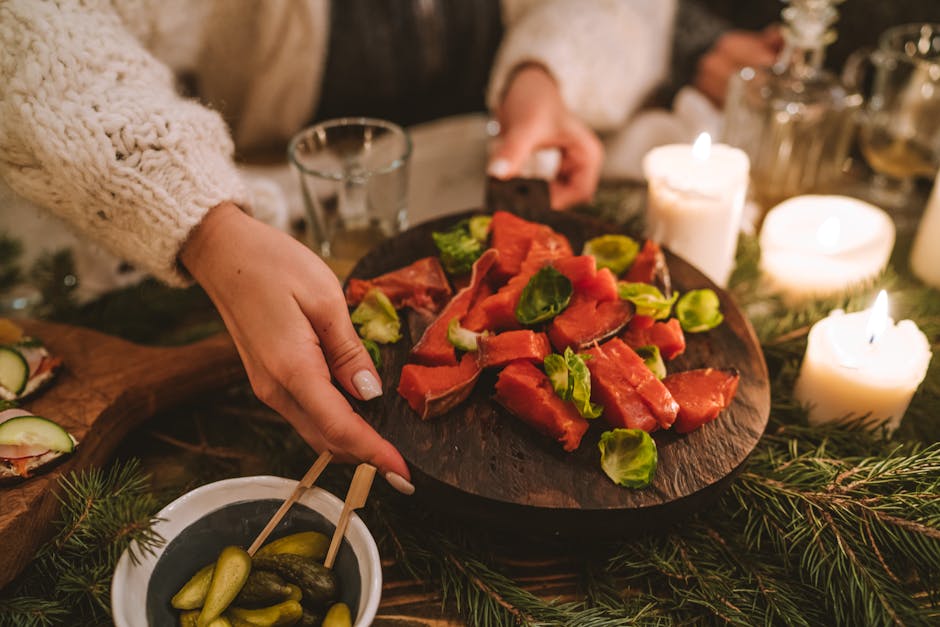
    premium whisky food pairing fine dining restaurant ambiance 2026

    Why Spirits-Food Pairing Has Become a Serious Culinary Movement in 2026

    For decades, wine dominated the fine dining table. Spirits — whisky, mezcal, rum, gin — were considered an aperitif or digestif, bookending the meal rather than weaving through it. That paradigm has genuinely shifted. According to the 2026 Global Beverage Dining Report by Drinks International, over 43% of Michelin-recognized restaurants now offer structured spirits pairing menus, up from just 18% in 2021. That’s a massive leap in less than five years.

    So why the surge? A few key drivers:

    • Flavor complexity: Premium spirits carry aromatic profiles — smoke, fruit, spice, floral, mineral — that can mirror and contrast food ingredients in ways wine sometimes can’t. A peated Islay Scotch, for instance, creates a stunning counterpoint to fatty, rich foods like wagyu beef or foie gras.
    • Lower volume, higher concentration: Because spirits are served in smaller pours (typically 30–45ml), diners can experience multiple pairings across a tasting menu without palate fatigue.
    • The craft cocktail revolution: The bartending community’s obsession with technique — infusions, fat-washing, clarification — has blurred the line between kitchen and bar. Chefs and mixologists are now genuinely co-creating dishes and drinks.
    • Consumer sophistication: Today’s premium dining guest has traveled more, attended more tasting events, and watched more food content than any previous generation. They’re genuinely curious and ready to engage.

    The Science Behind the Sip: What Actually Pairs Well

    Here’s where it gets genuinely interesting. Spirits pairing isn’t arbitrary — it follows some of the same chemical logic as wine pairing, but with unique rules. Let me break down the core principles restaurants are using in 2026:

    Congruent pairing amplifies shared flavor compounds. A bourbon with caramel and vanilla notes alongside a crème brûlée dessert? The lactones and aldehydes in both reinforce each other for an almost surreal depth of sweetness.

    Contrasting pairing uses tension for effect. Think mezcal’s smokiness against the bright acidity of a ceviche — the contrast cleanses the palate and makes each element taste more vivid.

    Bridge ingredients act as a culinary translator. A chef might use a mezcal-infused mole sauce in a dish to literally bridge the gap between the food and the paired spirit, creating a seamless transition.

    Top pairing restaurants in 2026 now employ dedicated spirits sommeliers (sometimes called “whisky ambassadors” or “spirits curators”) who understand these principles at a professional level — much like a wine sommelier would.

    Global Restaurants Leading the Premium Spirits Pairing Scene in 2026

    Let’s get specific, because that’s where the real value is. These are establishments that have genuinely distinguished themselves this year:

    🇯🇵 Bar Benfiddich Elevated Dining, Tokyo, Japan — The legendary Hiroyasu Kayama’s concept has evolved into a full tasting menu experience in 2026, pairing housemade botanical spirits with Japanese-French fusion dishes. Their “Forest Floor” course — pairing a pine-needle-infused gin with matsutake mushroom risotto — has been cited by food critics as one of the most cohesive flavor experiences in Asia right now.

    🇺🇸 Penicillin Table, New York City, USA — Named after the iconic cocktail, this lower Manhattan spot built its entire menu philosophy around smoky and citrus-forward Scotch whisky pairings. Their chef, a former Eleven Madison Park alumna, designs seasonal dishes specifically around their curated barrel-select spirits program.

    🇬🇧 The Grain & Smoke, Edinburgh, Scotland — Honestly, it would be strange if Scotland wasn’t leading in whisky dining. This restaurant offers a six-course tasting menu where every course is paired with a different Scotch expression, including rare single casks from independent bottlers. Local sourcing — Orkney lamb, Hebridean seafood — makes the Scottish terroir connection feel genuine rather than gimmicky.

    🇰🇷 Proof, Seoul, South Korea — Seoul’s cocktail culture has exploded in the 2020s, and Proof in Hannam-dong represents its most refined expression. They focus on Asian spirits — Korean soju premium expressions, Japanese shochu, and Chinese baijiu — alongside a contemporary Korean tasting menu. It’s a genuinely exciting local perspective on a global trend.

    🇲🇽 Mezcalería La Venenosa Dining Room, Guadalajara, Mexico — For agave spirit enthusiasts, this is a pilgrimage destination. Their multi-course menu pairs rare artisanal mezcals (including tobaziche and tepextate expressions) with traditional Jalisco cuisine elevated through modern technique. The regional ingredient connection here is extraordinary.

    mezcal tasting menu artisanal spirits food pairing restaurant table setting

    What to Realistically Expect (and Budget)

    Let me be honest with you here, because I think lifestyle content often glosses over this. Premium spirits pairing dinners are a genuine investment. Here’s what you’re typically looking at in 2026:

    • Entry level (casual spirits pairing, 2–3 courses): $60–$120 per person, often at gastropubs or craft cocktail bars with a food menu. Great starting point.
    • Mid-tier (dedicated pairing menu, 4–5 courses with 4–5 spirit pours): $150–$280 per person. This is where you’ll find the best value-to-experience ratio.
    • Fine dining premium (full tasting menu, rare/allocated spirits): $350–$700+ per person. Includes service, rare pours, and often a highly personalized experience.

    If the high-end tier isn’t accessible right now — and that’s completely reasonable — here’s a realistic alternative that I actually recommend to a lot of friends: spirits pairing events at local distilleries. Most craft distilleries now host pairing evenings with local food producers. You get a curated, intimate experience for $40–$80, often with the distiller present. It’s arguably more educational than a Michelin-starred tasting menu.

    Another underrated option: build your own pairing evening at home. Purchase two or three premium spirits expressions (a blended Scotch, a reposado tequila, and a Japanese whisky make an excellent starter trio), prepare or order complementary dishes, and use free online pairing guides from brands like Glenfiddich or Patrón. The learning is genuinely fun.

    Tips for First-Timers at a Spirits Pairing Restaurant

    • Communicate your palate preferences upfront. Tell your spirits sommelier if you dislike smoke, prefer fruit-forward profiles, or have heat sensitivity. They’ll build around you.
    • Sip before you eat. Get the spirit’s baseline aroma and flavor before introducing food. This is the professional approach and makes a real difference.
    • Use water strategically. A small sip of still water between pairings resets your palate without numbing it the way bread can.
    • Ask about provenance. The best pairing restaurants love talking about where their spirits come from. A question like “Is this a single cask expression?” or “What region is this mezcal from?” will unlock great conversations.
    • Pace yourself. Even at 30ml pours, five or six spirits across an evening adds up. Eat substantial amounts between pours and hydrate.

    Editor’s Comment : The rise of premium spirits pairing dining in 2026 reflects something genuinely beautiful about where food culture is heading — toward deeper curiosity, regional storytelling, and cross-disciplinary creativity between chefs and bartenders. My honest take? You don’t need to spend $500 to access this world. Start with a craft distillery pairing evening or even a thoughtful home experiment. The goal is to slow down, pay attention, and let flavors surprise you. Once you’ve had that moment — where a single sip of the right spirit transforms a dish you thought you knew — you’ll understand exactly why this movement isn’t a passing trend. It’s a permanent shift in how we think about the table.

    태그: [‘premium spirits food pairing’, ‘whisky dining 2026’, ‘fine dining cocktail pairing’, ‘spirits pairing restaurants’, ‘mezcal food pairing’, ‘luxury dining experience’, ‘craft spirits tasting menu’]


    📚 관련된 다른 글도 읽어 보세요

  • 2026년 프리미엄 스피리츠 푸드 페어링 레스토랑 추천 – 술과 음식이 만나는 예술적 경험

    얼마 전 친한 지인과 함께 서울 한남동의 한 바(Bar)에 들렀다가, 싱글몰트 위스키 한 잔에 훈제 오리 리예트(rillette)를 곁들이는 페어링 코스를 처음 경험했어요. 솔직히 처음엔 ‘술이랑 음식이랑 그냥 같이 먹는 거 아닌가?’라고 생각했는데, 한 입 먹고 한 모금 마시는 순간 입 안에서 완전히 다른 풍미가 열리더라고요. 그때부터 ‘프리미엄 스피리츠 푸드 페어링’이라는 세계에 빠지기 시작했습니다. 2026년 현재, 이 문화는 단순한 트렌드를 넘어 하나의 라이프스타일로 자리 잡고 있다고 봐요. 오늘은 그 세계를 함께 탐구해 볼게요.

    premium spirits food pairing restaurant fine dining whisky

    📊 숫자로 보는 프리미엄 스피리츠 푸드 페어링 시장

    먼저 시장 규모를 살펴볼게요. 2026년 글로벌 프리미엄 스피리츠 시장 규모는 약 1,200억 달러(한화 약 160조 원) 수준으로 추산되고 있어요. 이 중 ‘페어링 다이닝 경험’과 결합된 F&B 시장은 전체의 약 18~22%를 차지하며, 매년 평균 9.4%의 성장률을 기록 중이라고 합니다. 특히 아시아-태평양 지역에서의 성장세가 두드러지는데, 한국의 경우 MZ세대를 중심으로 ‘위스키 바’와 ‘럼 다이닝’에 대한 관심이 2023년 대비 약 37% 이상 증가했다고 봐요.

    단순히 술을 마시는 공간이 아니라, 음식과의 조화를 통해 감각적 경험을 극대화하는 ‘가스트로노미 바(Gastronomy Bar)’ 개념이 확산되면서, 1인당 평균 지출 금액도 기존 일반 레스토랑 대비 2~3배 높은 수준인 15만 원~30만 원대로 형성되어 있습니다. 비싸다고 느낄 수 있지만, 그 경험의 밀도를 고려하면 납득이 되는 금액이라고 봐요.

    🌍 국내외 주목할 만한 프리미엄 스피리츠 푸드 페어링 레스토랑

    이제 실제 사례를 살펴볼게요. 국내외에서 주목받는 곳들을 정리해 봤습니다.

    • 📍 서울 · 한남동 — 「쿼터바(Quarter Bar)」
      한국 위스키 마니아들 사이에서 성지로 불리는 곳이에요. 스코틀랜드 싱글몰트와 제철 식재료를 활용한 핑거푸드 페어링 코스를 제공하며, 특히 아이라(Islay) 위스키와 훈제 연어 타르타르의 조합이 압도적이라는 평이 많습니다. 예약은 필수이고, 월 1회 ‘테이스팅 이브닝’ 이벤트도 운영 중이에요.
    • 📍 서울 · 청담동 — 「레이어(LAYER)」
      코냑(Cognac)과 프렌치 퀴진의 만남에 집중한 파인다이닝 형식의 공간입니다. 레미 마르탱 XO와 트러플 리조또, 헤네시 파라디와 푸아그라 테린 등 클래식한 조합을 현대적으로 재해석한 메뉴가 인상적이에요.
    • 📍 부산 · 해운대 — 「시그니처 배럴(Signature Barrel)」
      버번 위스키와 BBQ 스타일의 스모키 요리를 매칭하는 콘셉트로, 부산의 로컬 식재료(돼지국밥 감성을 현대화한 포크 벨리 등)를 활용한다는 점이 독특해요. 국내 스피리츠 커뮤니티에서 ‘가성비 페어링 맛집’으로 꾸준히 언급되는 곳입니다.
    • 🌐 도쿄 · 긴자 — 「Bar Benfiddich(바 벤피딕)」
      세계적으로 유명한 클래식 칵테일 바로, 직접 재배한 허브와 식물성 재료를 활용한 ‘보태니컬 칵테일’과 일본 가이세키(懐石) 스타일의 페어링을 제공해요. 단순히 마시는 경험이 아닌 ‘감각의 여정’이라는 표현이 딱 맞는 곳이라고 봅니다.
    • 🌐 런던 · 메이페어 — 「더 리키 바(The Leykey Bar at Claridge’s)」
      영국 클래식 호텔 클래리지스 내 위치한 이곳은 싱글몰트 스카치와 영국 전통 요리의 현대적 재해석을 테마로 한 정기 페어링 이벤트를 운영해요. 매달 다른 증류소와 협업하는 방식이 신선합니다.
    whisky cocktail gourmet pairing tasting menu bar interior

    🥃 어떤 스피리츠에 어떤 음식이 어울릴까? 기본 페어링 원리

    페어링에는 크게 두 가지 접근법이 있어요. 하나는 ‘보완(Complement)’ 방식으로, 음식과 술의 풍미가 서로 닮아 조화를 이루는 것이고, 다른 하나는 ‘대조(Contrast)’ 방식으로, 정반대의 맛이 서로를 강조하는 방식입니다. 예를 들어 피트향이 강한 아이라 위스키에 짭조름한 굴을 곁들이는 건 ‘보완’ 방식이고, 달콤한 셰리 캐스크 위스키에 블루치즈처럼 강렬한 음식을 매칭하는 건 ‘대조’ 방식이라고 할 수 있어요.

    럼(Rum)의 경우 카리브해 향신료 요리나 망고, 파인애플 같은 열대 과일 디저트와 잘 어울리고, 진(Gin)은 보태니컬한 허브 성분 덕분에 해산물이나 아시안 퓨전 요리와 의외로 잘 맞는 경우가 많아요. 메스칼(Mezcal)과 스모키한 멕시칸 음식의 조합은 국내에서도 점점 인기를 얻고 있다고 봅니다.

    💡 2026년 트렌드 키워드 — “로컬 스피리츠 × 하이퍼로컬 푸드”

    2026년 현재 가장 주목받는 흐름은 로컬 증류 스피리츠(Local Craft Spirits)와 지역 식재료의 결합이에요. 경기도 이천의 쌀로 만든 쌀 소주나 제주 감귤 진(Jeju Citrus Gin), 전남 보성의 녹차 증류주 같은 국산 프리미엄 스피리츠가 대거 등장하면서, 이를 제철 로컬 식재료와 매칭하는 레스토랑이 늘고 있어요. 이 방향이 단순한 수입 스피리츠 추종에서 벗어나 진정한 ‘우리만의 페어링 문화’를 만드는 흐름이라고 봅니다.


    ✅ 현실적인 시작 방법 — 처음이라면 이렇게

    처음부터 고급 레스토랑 예약이 부담스럽다면, 다음 단계로 시작해 보는 걸 권해드려요.

    • 우선 백화점 주류 매장이나 전문 바 숍에서 진행하는 무료 또는 소액 테이스팅 세션에 참여해 보세요. 2026년 기준 현대백화점, 신세계 등 주요 백화점 식품관에서는 정기적으로 스피리츠 페어링 이벤트를 운영 중입니다.
    • 집에서 간단히 시작하고 싶다면, 버번 위스키 + 다크 초콜릿 조합이나 드라이 진 + 생굴 조합처럼 비교적 재료 구하기 쉬운 것부터 도전해 보세요.
    • SNS 해시태그 #스피리츠페어링, #위스키푸드페어링을 통해 국내 커뮤니티와 정보를 공유하는 것도 좋은 방법이에요.
    • 예약제 운영이 많으니, 방문 전 반드시 레스토랑 공식 SNS나 예약 플랫폼을 통해 페어링 메뉴 여부를 확인하세요.

    에디터 코멘트 : 프리미엄 스피리츠 푸드 페어링은 단순히 ‘비싼 술을 마시는 경험’이 아니에요. 각각의 풍미가 서로를 열어주는 그 순간, 음식도 술도 혼자일 때보다 훨씬 입체적으로 느껴지거든요. 2026년에는 꼭 한 번, 믿을 수 있는 공간에서 이 경험을 해보시길 바랍니다. 처음이 어렵지, 한번 빠지면 그 다음 페어링이 자꾸 궁금해지는 세계예요. 작은 한 잔에서 시작되는 미식 여정, 함께 즐겨봐요. 🥃

    태그: [‘프리미엄스피리츠’, ‘푸드페어링’, ‘위스키레스토랑’, ‘가스트로노미바’, ‘파인다이닝추천’, ‘스피리츠페어링2026’, ‘위스키푸드매칭’]


    📚 관련된 다른 글도 읽어 보세요

  • Single Malt Whisky for Beginners: Your No-Nonsense Guide to Getting Started in 2026

    A few months ago, a friend of mine — let’s call him Marcus — walked into a whisky bar in Edinburgh, pointed at the most expensive bottle on the shelf, and said, “I’ll have that.” The bartender raised an eyebrow and asked, “Do you like peaty or fruity?” Marcus stared blankly. He spent about $45 on a dram he didn’t enjoy, not because the whisky was bad, but because nobody had ever sat him down and explained the basics. That experience is more common than you’d think — and it’s exactly why I wanted to write this guide.

    Single malt whisky can feel intimidating at first. The vocabulary alone — terroir, cask maturation, phenol parts per million — sounds like a chemistry lecture. But here’s the thing: once you understand a few core concepts, the whole world of single malt opens up beautifully. So let’s think through this together, step by step.

    single malt whisky bottles scotch distillery amber glass

    What Exactly Is Single Malt Whisky?

    Let’s get the fundamentals right first. “Single malt” doesn’t mean the whisky comes from a single barrel — it means it comes from a single distillery, made using 100% malted barley, and distilled in pot stills. This distinguishes it from blended Scotch (which mixes whiskies from multiple distilleries) and grain whisky (which uses other grains like wheat or corn).

    In 2026, the global single malt Scotch whisky market is valued at approximately $8.7 billion USD, with a compound annual growth rate holding steady around 6.2% — driven largely by growing enthusiasm in Asian markets (particularly South Korea, Japan, and Taiwan) and a resurgent craft movement in the United States. This isn’t just a niche hobby anymore; it’s a thriving, global conversation.

    The Five Major Scotch Whisky Regions (And What They Actually Taste Like)

    Scotland is the spiritual home of single malt, and the country is divided into five recognized whisky-producing regions. Each region tends to produce whiskies with distinct flavor profiles — though keep in mind these are tendencies, not rules.

    • Speyside: The most densely packed region in the world for distilleries. Think fruity, honeyed, and often sherry-influenced. Iconic names here include Glenfarclas, The Macallan, and Glenfiddich. Perfect starting point for most beginners because of its approachable sweetness.
    • Highlands: A huge, diverse region. Flavors range from light and floral (like Glenmorangie) to rich and malty (like Dalmore). If Speyside is the gateway, Highlands is the vast countryside you explore next.
    • Islay (pronounced “Eye-luh”): Famous for intensely peated, smoky, medicinal whiskies. Laphroaig, Ardbeg, and Lagavulin are legends here. This is NOT where beginners should start — but it’s often where people eventually fall in love most deeply.
    • Lowlands: Typically lighter, triple-distilled, and gentle. Auchentoshan is the go-to name. Think of this as the “session whisky” of Scotland — easy-drinking and food-friendly.
    • Campbeltown: A tiny region with only three active distilleries. Known for a briny, slightly oily character. Springbank is the cult favorite here and is notoriously hard to get hold of in 2026.

    Beyond Scotland: Japan, Ireland, and the New Wave

    While Scotch rightfully dominates the conversation, 2026 is an exciting time to explore single malts from other countries — and the quality has genuinely caught up.

    Japanese Single Malt: Distilleries like Nikka (Yoichi and Miyagikyo), Suntory’s Yamazaki, and the newer Akkeshi distillery in Hokkaido are producing whiskies that routinely score 90+ points from major critics. Japanese whisky traditionally emphasizes balance, delicacy, and meticulous craftsmanship. The scarcity issue that plagued Japanese whisky throughout the 2010s has eased slightly as newer distilleries came online — though premium expressions are still competitive.

    Irish Single Malt: Technically separate from Scotch in production rules, Irish single malts like Teeling, Dingle, and the resurrected Waterford (which obsessively tracks terroir through single-farm barley sourcing) are turning heads globally. Waterford in particular has become a darling among whisky geeks who care about provenance.

    American & Craft Single Malts: Distilleries like Westland (Seattle), Balcones (Texas), and Lost Spirits (California) are redefining what American single malt can be. The American Single Malt Whiskey Commission finalized formal legal standards in 2024, giving the category legitimacy — and the momentum hasn’t stopped since.

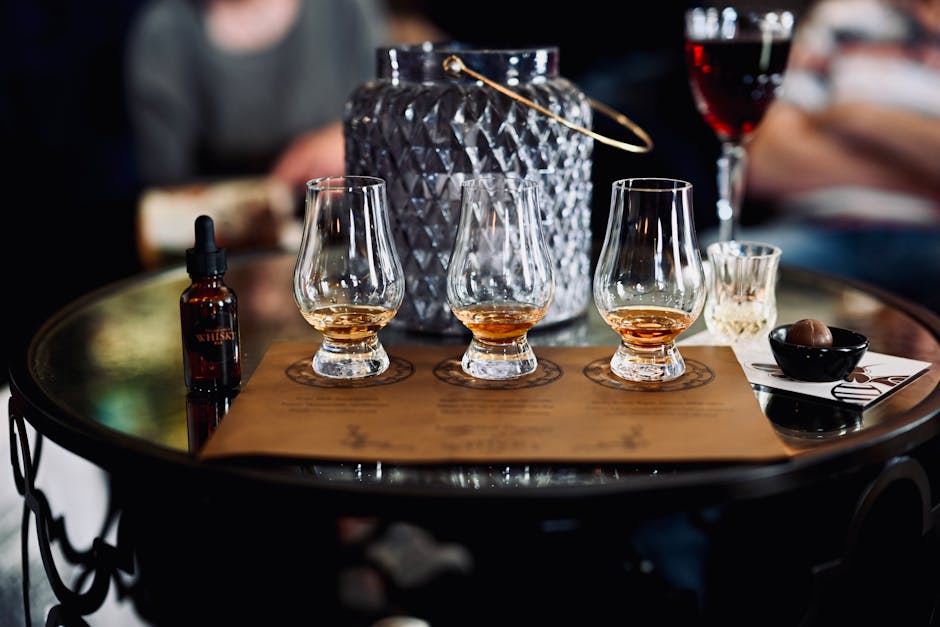
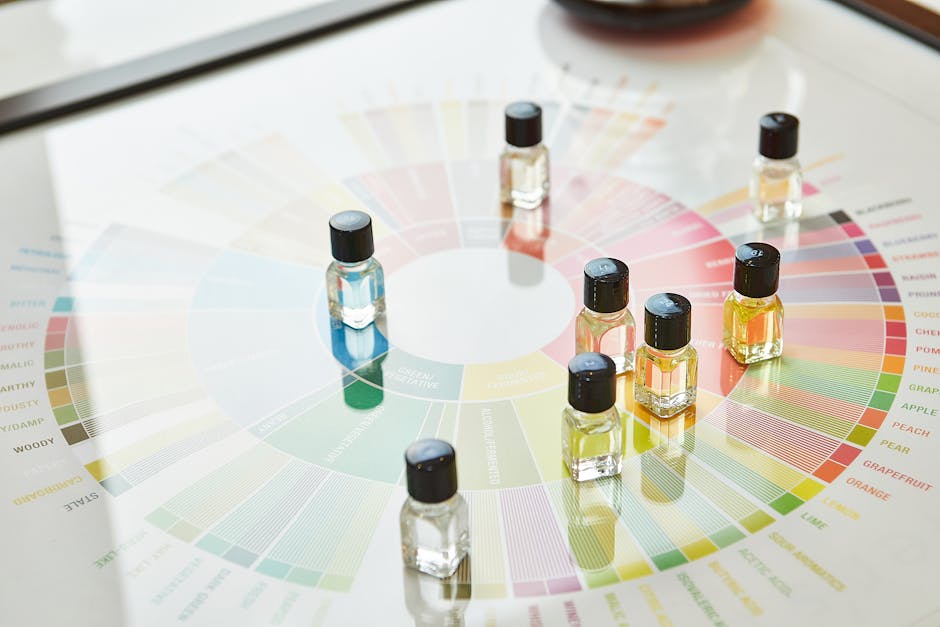
    whisky tasting flight glasses nosing aroma beginner

    How to Actually Taste Whisky Like You Know What You’re Doing

    Here’s where a lot of beginner guides go wrong — they turn tasting into an intimidating ritual. Let’s simplify it. There are three stages: nose (smell), palate (taste), and finish (aftertaste). That’s it.

    • Nosing: Hold the glass slightly away from your nose at first. Scotch is typically 40–46% ABV — stick your nose straight in and you’ll just smell alcohol. Tilt the glass and approach gently. Ask yourself: is it fruity? Floral? Smoky? Woody?
    • Adding water: A few drops of still water genuinely opens up flavors in many whiskies. This isn’t pretentious — it’s chemistry. Water lowers the alcohol surface tension and releases aromatic compounds. Try it before and after.
    • The palate: Let the whisky sit on your tongue for a moment. Notice where the flavor hits — front of the mouth tends to be sweetness, back tends to be spice and bitterness.
    • The finish: How long does the flavor linger after swallowing? A long, complex finish is often a hallmark of quality. A short, harsh finish might indicate young or poorly matured spirit.
    • Don’t force the notes: If someone tells you they detect “leather, dried figs, and sea spray” and you just taste “nice caramel,” you’re not wrong. Tasting is personal.

    Recommended Starting Bottles for 2026 Beginners

    Budget matters, so let’s be realistic. Here’s a tiered approach:

    • Under $40 USD: Glenfiddich 12 Year (Speyside, approachable pear and honey), Auchentoshan Three Wood (Lowlands, soft and sherry-sweet), or Famous Grouse’s blend to ease in before going full single malt.
    • $40–$80 USD: Glenmorangie Original 10 Year (floral, vanilla, crowd-pleaser), Aberlour 12 Year (rich sherry cask, incredible value), Teeling Single Malt (Irish, wine-cask aged, unique).
    • $80–$150 USD: GlenDronach 15 Year (deep sherry bomb, exceptional), Springbank 10 Year (if you can find it), Nikka From The Barrel (Japanese, powerful and complex).

    Realistic Alternatives If Cost Is a Barrier

    Let’s be honest — premium whisky can be expensive, and price doesn’t always equal enjoyment. If you’re budget-conscious or just not sure this hobby is for you yet, here are practical alternatives to consider:

    • Whisky tasting events: In 2026, most major cities host monthly whisky festivals or bar events where you pay a flat fee (~$30–$60) and access 20–40 different expressions. This is the smartest way to educate your palate without committing to full bottles.
    • Whisky subscription boxes: Services like Flaviar, Master of Malt’s Tasting Sets, or The Whisky Exchange’s sample packs let you try 3cl samples of premium bottles for a fraction of the price. Highly recommended for beginners.
    • Start with blended Scotch: There’s zero shame in drinking Johnnie Walker Black or Chivas 12 while you build your palate. Many seasoned enthusiasts still reach for a blend on casual evenings.
    • Explore duty-free: International airports often offer some of the best whisky prices and range. If you travel frequently, this is genuinely one of the best sourcing strategies.

    The bottom line? Your entry point doesn’t define your whisky journey. Marcus, my friend from the opening story, eventually found his groove with a Speyside Aberlour — fruity, rich, and not a hint of smoke. He didn’t need the most expensive bottle; he needed the right one for him. That’s the whole point of this guide: to help you find yours.

    Editor’s Comment : Single malt whisky is one of those rare hobbies where the learning process is genuinely enjoyable — because every “lesson” comes in a glass. Don’t get caught up in scores, price tags, or impressing anyone else. Start simple, stay curious, and let your palate lead. The best whisky is always the one you actually enjoy drinking.

    태그: [‘single malt whisky beginner guide’, ‘scotch whisky regions explained’, ‘best whisky for beginners 2026’, ‘how to taste whisky’, ‘Japanese single malt’, ‘whisky recommendations’, ‘single malt vs blended scotch’]


    📚 관련된 다른 글도 읽어 보세요

  • 싱글몰트 위스키 입문자 가이드 2026 – 처음 시작하는 당신을 위한 완벽한 로드맵

    얼마 전, 친구의 집들이에서 처음으로 싱글몰트 위스키 한 잔을 권유받은 적이 있어요. 라벨에 적힌 낯선 게일어 지명, 묵직한 병 디자인, 그리고 코끝을 먼저 자극하는 독특한 향까지 — 솔직히 말하면 첫 인상은 ‘이게 뭐지?’에 가까웠습니다. 그런데 한 모금을 천천히 넘기고 나서 혀 위에 퍼지는 복잡하고 묵직한 여운에, 저도 모르게 “한 잔 더 주세요

    태그: []


    📚 관련된 다른 글도 읽어 보세요

  • Global Whisky Trends 2026: What’s Shaking Up Your Glass Right Now

    Picture this: it’s a rainy Tuesday evening, and a friend of mine — a self-described “whisky agnostic” who previously swore by craft beer — slides a glass of Japanese single malt across the table and says, “Just try it.” That was two years ago. Today, she runs a monthly whisky tasting club with 40 members in her apartment building. That story, oddly enough, perfectly captures what’s happening across the global whisky landscape in 2026. The category is no longer the exclusive domain of tweed-jacketed connoisseurs. It has become a vibrant, evolving, and genuinely exciting cultural conversation.

    So let’s think through what’s actually driving the market right now, where the most interesting bottles are coming from, and — perhaps most importantly — how you can navigate this world without blowing your entire budget on a hype bottle.

    global whisky bottles collection 2026 luxury tasting bar

    📊 The Numbers Don’t Lie: Global Whisky Market in 2026

    The global whisky market crossed the $115 billion USD valuation mark in early 2026, according to industry tracking by IWSR (International Wine & Spirits Research). That’s a compound annual growth rate hovering around 6.8% since 2022 — and the momentum shows no signs of slowing. But here’s where it gets interesting: growth is no longer concentrated in traditional Western markets.

    • Asia-Pacific now accounts for over 38% of global whisky consumption, with India alone overtaking the United States as the world’s largest whisky market by volume.
    • Indian Single Malts like Indri and Amrut have seen export demand increase by over 200% year-on-year, earning critical acclaim at international competitions.
    • Non-traditional whisky nations — Taiwan, Australia, Sweden, and even South Africa — are producing award-winning expressions that are reshaping what “quality” means in the category.
    • Premiumization continues to dominate purchasing behavior: consumers are buying less frequently but spending significantly more per bottle, with the $80–$150 USD “accessible premium” tier growing fastest.
    • Sustainability credentials have become a genuine purchasing driver — not just a marketing footnote. Distilleries with transparent carbon-neutral or regenerative farming practices report 22% higher brand loyalty scores among under-40 consumers.

    🌍 From Scotland to Seoul: The Brands Defining the Moment

    Let’s look at who’s actually capturing imagination and shelf space right now, because the whisky map in 2026 looks wonderfully different from even five years ago.

    Scotland remains the cornerstone, but the conversation has shifted. The independent bottler scene — names like Hunter Laing, Gordon & MacPhail, and newer players like Elixir Distillers — is arguably generating more excitement than the major distillery releases. Collectors and enthusiasts are hunting single cask expressions with the same fervor once reserved for limited Scotch releases from Macallan or Glenfarclas.

    Japan’s market correction is the industry’s most fascinating subplot. After years of skyrocketing secondary market prices, Japanese whisky has experienced a healthy recalibration. New distilleries — Akkeshi, Mars Shinshu, and the recently opened Kanosuke coastal facility — are releasing mature stocks that bring the quality promise back into accessible price ranges. Meanwhile, Nikka’s cross-malt expressions are winning back drinkers who had been priced out of the category.

    American whiskey is diversifying furiously. While Buffalo Trace’s Antique Collection still causes annual retail chaos, the real energy is in craft distilleries experimenting with heritage grains — heirloom corn varieties, Bloody Butcher, and Jimmy Red — as well as non-traditional cask finishes like Mizunara, Oloroso Sherry, and even Calvados barrels. Tennessee, Texas Hill Country, and the Hudson Valley in New York have all emerged as legitimate regional whiskey identities.

    India’s moment has fully arrived. Amrut’s Fusion and Indri’s Trini have both appeared on multiple “World’s Best” lists in 2025–2026 competition cycles. The tropical aging climate — which causes angels’ share evaporation rates 2–3 times higher than Scotland — produces a concentrated, rich flavor profile that sommeliers describe as uniquely expressive. If you haven’t explored Indian single malts yet, this is genuinely the best entry point in the category right now.

    Indian single malt whisky Indri Amrut tasting glass warm lighting

    🌱 The Sustainability Wave: More Than a Buzzword

    One trend I find genuinely compelling — and worth reasoning through carefully — is the sustainability push. Let’s be honest: distilling is inherently energy-intensive, and the barrel aging process locks up capital and resources for years or decades. So how do you reconcile that with climate consciousness?

    Distilleries are approaching this from several angles. Bruichladdich on Islay now sources 100% of its barley from Scottish farms and runs on 100% renewable energy. Starward in Australia uses local wine barrels rather than shipping American or European oak across the world, reducing the category’s maritime carbon footprint while simultaneously creating a distinctly Australian flavor identity. Even the packaging is evolving — lighter bottles, reduced water usage, and spent grain repurposed as animal feed or biofuel are becoming industry standards rather than marketing novelties.

    For the consumer, this actually matters in a practical sense: distilleries with sustainable supply chains tend to have more stable pricing because they’re less exposed to global commodity and shipping shocks. That’s a real benefit, not just a feel-good story.

    💡 Realistic Alternatives: How to Explore Whisky in 2026 Without Breaking the Bank

    Here’s where I want to talk to you directly, especially if you’re newer to whisky or feeling overwhelmed by the price escalation at the top end. The good news? There has never been a better time to drink excellent whisky at accessible prices, if you know where to look.

    • Try before you buy: Whisky bars with extensive by-the-glass programs have exploded globally. In cities like Seoul, Melbourne, London, and New York, specialist bars now offer 1oz pours of bottles that retail for $300+. A $20 evening of exploration beats a $300 gamble.
    • Explore “World Whisky” expressions: Indian, Taiwanese (Kavalan remains exceptional value), and Australian whiskies consistently punch above their price class in blind tastings.
    • Consider independent bottlers: Companies like Compass Box, Signatory, and Cadenhead’s release single cask expressions from well-known distilleries at lower prices than the official distillery bottlings.
    • Join a tasting club or online community: Communities like r/Scotch, Master of Malt’s Whisky Exchange forums, and local club meetups are genuinely where the most useful, unbiased advice lives.
    • Look at store-pick or private-label expressions: Many specialist retailers negotiate exclusive single barrel picks — these are often the best value per dollar in any market.
    • Don’t overlook blended Scotch: Blended malts like Compass Box’s Great King Street or Monkey Shoulder offer complexity at half the price of single malts and are beautifully versatile for cocktails and sipping alike.

    🔮 Where Is This All Heading?

    If I had to make a few informed predictions for where global whisky goes from here, I’d focus on three things. First, geographic diversification will accelerate — expect meaningful releases from South Korea’s growing craft distillery scene, Scandinavia, and even parts of Latin America within the next few years. Second, transparency will become a competitive differentiator — consumers increasingly want to know the grain source, the distillation date, the cask history, and the true age. Distilleries that can tell that story clearly will win long-term loyalty. Third, the cocktail renaissance will keep pulling new drinkers in — a perfectly made Penicillin or a Highball in a Tokyo-style long glass remains one of the most powerful “gateway” experiences in all of drinks culture.

    Whisky in 2026 is less about gatekeeping and more about invitation. And that, honestly, is the best possible trend of all.

    Editor’s Comment : The biggest mistake first-time whisky buyers make in 2026 is chasing hype bottles at inflated secondary market prices before they even know their own palate. My honest advice? Spend your first $100 on five $20 glasses at a good whisky bar instead of one bottle at home. You’ll learn infinitely more, have a genuinely better time, and when you do decide to commit to a bottle, you’ll make a choice that actually suits you — not the algorithm.

    태그: [‘global whisky trends 2026’, ‘best whisky 2026’, ‘Indian single malt whisky’, ‘Japanese whisky market’, ‘whisky investment guide’, ‘sustainable whisky distilleries’, ‘world whisky buying guide’]


    📚 관련된 다른 글도 읽어 보세요

  • 글로벌 위스키 트렌드 2026: 지금 세계는 어떤 위스키에 열광하고 있을까?

    얼마 전 서울 성수동의 한 위스키 바에서 흥미로운 장면을 목격했어요. 30대 초반으로 보이는 손님이 바텐더에게 “일본산 말고, 요즘 뜨는 다른 나라 싱글몰트 있어요?”라고 묻더군요. 바텐더는 망설임 없이 인도산 싱글몰트 한 병을 꺼내 들었습니다. 5년 전만 해도 상상하기 어려웠을 풍경이에요. 위스키의 세계가 빠르게, 그리고 넓게 확장되고 있다는 걸 실감하는 순간이었습니다.

    2026년 현재, 글로벌 위스키 시장은 단순히 ‘스카치냐 버번이냐’의 이분법을 훌쩍 넘어선 상태라고 봅니다. 오늘은 지금 세계 위스키 씬에서 어떤 흐름이 감지되는지, 함께 살펴볼게요.

    global whisky bottles collection bar 2026 trends

    📊 숫자로 보는 2026 글로벌 위스키 시장

    시장조사기관들의 최근 리포트를 종합해 보면, 2026년 글로벌 위스키 시장 규모는 약 1,100억 달러(한화 약 150조 원)를 넘어설 것으로 추산됩니다. 불과 5년 전인 2021년(약 700억 달러)과 비교하면 연평균 약 8~9%의 성장률을 유지해 온 셈이에요.

    특히 주목할 만한 수치는 ‘프리미엄화(Premiumization)’ 속도입니다. 전체 위스키 판매량에서 12년산 이상 또는 병당 100달러 이상 제품이 차지하는 비중이 2022년 대비 약 22% 증가했다는 점인데요. 단순히 많이 팔리는 게 아니라, ‘더 비싼 걸 제대로 즐기려는’ 소비 패턴으로의 전환이 뚜렷하게 나타나고 있다는 이야기입니다.

    지역별로 보면 아시아-태평양 시장의 성장세가 단연 돋보여요. 인도, 한국, 대만, 동남아시아 일부 국가들이 신흥 소비 강국으로 자리를 굳히고 있고, 특히 인도는 2025년 기준 세계 최대 위스키 소비국 1위 자리를 수년째 유지하며 이제는 자국 생산 싱글몰트로 수출 시장까지 공략하고 있습니다.

    🌍 지금 세계가 주목하는 위스키 트렌드 5가지

    수치 너머로 실제 시장에서 어떤 흐름이 감지되는지, 국내외 사례를 중심으로 살펴볼게요.

    ① 뉴 월드 위스키의 약진
    스카치와 아이리시, 버번이 오랫동안 ‘위스키의 정통’으로 군림해 왔다면, 2026년의 화두는 단연 ‘뉴 월드 위스키(New World Whisky)’입니다. 인도의 암루트(Amrut), 폴 존(Paul John), 대만의 카발란(Kavalan), 호주의 설리반스 코브(Sullivans Cove) 같은 브랜드들이 국제 대회에서 스카치를 제치고 수상하는 일이 더 이상 뉴스거리도 아닌 시대가 됐어요.

    ② 재패니즈 위스키의 ‘정통성’ 논쟁과 재편
    2021년 일본 주류규정 개정 이후 ‘재패니즈 위스키’라는 라벨을 붙이려면 반드시 일본산 원료와 일본 내 숙성 조건을 충족해야 한다는 기준이 정착되었습니다. 이로 인해 시장에선 옥석 가리기가 진행 중이고, 정통성을 갖춘 닛카(Nikka), 야마자키(Yamazaki) 등은 오히려 희소성 프리미엄이 더 강화되는 양상이에요.

    ③ 한국 위스키 씬의 성장
    국내에서도 의미 있는 움직임이 있습니다. 쓰리소사이어티스(Three Societies)의 ‘기원(起源)’ 시리즈가 국제 무대에서 긍정적인 반응을 얻고 있고, 소규모 크래프트 증류소들이 전국 각지에서 문을 열며 ‘한국식 테루아’를 담은 위스키를 실험하고 있어요. 아직 글로벌 시장에서의 존재감은 미미하지만, 5~10년 후를 기약하는 씨앗이 심어지고 있다고 봅니다.

    ④ 캐스크 피니시(Cask Finish)의 다양화
    셰리 캐스크, 버번 캐스크로 대표되던 숙성 방식에서 벗어나 사케 캐스크, 테킬라 캐스크, 미즈나라(水楢) 오크, 심지어 와인 포도 품종별 캐스크까지 활용 범위가 폭발적으로 넓어지고 있어요. 소비자들의 취향이 세분화되면서 증류소들도 ‘한정판 실험’을 마케팅 전략으로 적극 활용하는 모양새입니다.

    ⑤ 저알코올·논알코올 스피릿과의 공존
    의외로 중요한 트렌드인데요. Z세대를 중심으로 ‘소버 큐리어스(Sober Curious, 음주를 의식적으로 줄이는 라이프스타일)’ 문화가 확산되면서 위스키 씬에도 영향을 주고 있어요. 이에 맞서 글렌피딕(Glenfiddich) 등 일부 메이저 증류소들은 논알코올 버전 출시를 검토하거나, ‘위스키 경험’을 소량 고품질로 즐기는 문화를 적극적으로 육성하는 방향으로 대응하고 있습니다.

    whisky cask aging distillery craft single malt

    🛒 2026년 위스키를 즐기는 현실적인 방법

    트렌드를 알았다고 해서 당장 고가의 희귀 위스키를 구매할 필요는 없어요. 오히려 지금이 ‘탐험의 시대’라는 점을 활용하는 게 더 현명한 접근이라고 봅니다.

    • 뉴 월드 위스키로 입문하기: 인도산 암루트 퓨전(Amrut Fusion)이나 대만산 카발란 클래식은 스카치 대비 합리적인 가격에 복잡한 풍미를 경험할 수 있는 훌륭한 선택지예요.
    • 소규모 위스키 클럽 활용하기: 국내에도 월정액으로 다양한 위스키 샘플을 받아볼 수 있는 구독 서비스들이 생기고 있어요. 한 병을 사기 전에 맛을 먼저 경험해 보는 데 유용합니다.
    • 위스키 바에서 하프 샷(Half Shot) 문화 이용하기: 강남, 성수, 홍대 일대의 위스키 전문 바들은 하프 샷이나 테이스팅 플라이트를 제공해요. 한 번에 5~6종을 비교하며 자신의 취향을 파악하는 게 장기적으로 훨씬 경제적입니다.
    • 캐스크 피니시 제품을 출발점으로 삼기: ‘어떤 풍미를 좋아하는지’ 감을 잡고 싶다면, 셰리 피니시(건과일, 초콜릿 계열)나 버번 피니시(바닐라, 꿀 계열)처럼 스타일이 뚜렷한 제품부터 시작해 보세요.
    • 투자 목적의 위스키 컬렉팅은 신중하게: 희귀 위스키 경매 시장이 과열된 측면이 있어요. ‘마시기 위한 위스키’와 ‘자산으로서의 위스키’는 전혀 다른 영역이라는 점을 명심하는 게 좋을 것 같습니다.

    에디터 코멘트 : 2026년 위스키 씬에서 가장 흥미로운 점은, 더 이상 ‘어디서 만들었냐’보다 ‘어떻게 만들었냐’와 ‘무슨 이야기를 담고 있냐’가 중요해지고 있다는 거라고 봐요. 스코틀랜드산이라는 이름 하나로 통하던 시대에서, 인도의 열대 기후가 숙성에 미치는 영향을 진지하게 논하는 시대로 넘어온 거죠. 어쩌면 위스키는 지금 가장 민주적인 방식으로 진화하고 있는 스피릿인지도 모릅니다. 비싼 병을 쫓기보다, 자신만의 한 잔을 찾아가는 여정 자체를 즐겨보시길 권해드립니다. 🥃

    태그: [‘글로벌위스키트렌드2026’, ‘위스키추천’, ‘싱글몰트위스키’, ‘뉴월드위스키’, ‘재패니즈위스키’, ‘위스키입문’, ‘크래프트위스키’]


    📚 관련된 다른 글도 읽어 보세요

  • Whisky & Food Pairing Guide 2026: The Best Combinations You Need to Try Right Now

    A few months ago, I was at a small tasting dinner in Edinburgh — the kind where the host sets out six glasses before you even sit down and says, “We’ll eat around the whisky tonight, not the other way around.” It flipped everything I thought I knew about pairing. I’d always treated whisky as the after-dinner act, the curtain call once the food had already left the stage. But that night, a peaty Islay single malt alongside a slow-braised lamb shoulder wasn’t just complementary — it was revelatory. That experience is really what sent me down this rabbit hole of whisky and food pairing in 2026, and I’m genuinely excited to think through it all with you.

    whisky glass food pairing elegant dinner table 2026

    Why Whisky Pairing Is Having Its Moment in 2026

    Let’s set the scene first. According to the Scotch Whisky Association’s 2026 Market Outlook Report, global whisky consumption has risen roughly 18% over the past three years, with a notable surge in Asia-Pacific and North American markets among diners aged 28–45. More interestingly, Michelin-starred restaurants filing new tasting menu proposals in 2026 are increasingly offering whisky flight pairings alongside their standard wine lists — something that would have felt niche just five years ago.

    The science behind this is actually pretty fascinating. Whisky’s flavor compounds — esters, aldehydes, phenols — interact with food in layered ways that wine sometimes can’t replicate. The higher alcohol content (typically 40–60% ABV) acts as a palate cleanser between bites, while the oak-aged tannins mirror the tannins in certain aged cheeses and cured meats. So pairing whisky with food isn’t a gimmick — it’s genuinely grounded in flavor chemistry.

    The Core Pairing Framework: Think Region, Then Flavor

    Before we dive into specific pairings, here’s the mental model I find most useful: match the whisky’s regional character to the food’s dominant flavor profile. Not every pairing has to be “similar complements similar” — contrast can be just as powerful — but having a regional anchor gives you a starting point that rarely fails.

    • Speyside Scotch (e.g., Glenfiddich, Macallan): Fruity, honeyed, gentle vanilla notes. These work beautifully with smoked salmon, mild aged cheddar, apple tart, and dark chocolate. The sweetness bridges the gap between savory and dessert courses effortlessly.
    • Islay Scotch (e.g., Laphroaig, Ardbeg): Heavy peat, brine, medicinal smoke. Surprisingly excellent with oysters, shellfish, grilled lamb, and blue cheese. The smoke amplifies the umami in seafood rather than overwhelming it.
    • Highland Scotch (e.g., Glenmorangie, Dalmore): Balanced, slightly heathery, dried fruit undertones. Pairs wonderfully with game meats like venison, mushroom risotto, and walnut-based desserts.
    • Japanese Whisky (e.g., Nikka, Suntory Toki): Delicate, floral, green apple, subtle smoke. Designed almost perfectly for sushi, yakitori, miso-glazed fish, and even light egg custard desserts. The refinement is unmatched for Asian cuisine.
    • American Bourbon (e.g., Maker’s Mark, Woodford Reserve): Rich caramel, vanilla, toasted corn sweetness. Fantastic with BBQ brisket, pecan pie, fried chicken, and sharp aged gouda. The sweetness acts as a sauce in itself.
    • Irish Whiskey (e.g., Jameson, Redbreast): Triple-distilled smoothness, light orchard fruit, gentle spice. A crowd-pleaser with charcuterie boards, mild sushi rolls, salmon gravlax, and bread pudding.
    • Rye Whiskey (e.g., Rittenhouse, WhistlePig): Spicy, dry, peppery backbone. Cuts through rich, fatty foods spectacularly — think braised short ribs, aged parmesan, charcuterie, and spiced dark chocolate truffles.

    Real-World Examples: Restaurants Leading the Way in 2026

    It’s one thing to theorize, but let’s look at who’s actually doing this well right now.

    Internationally, The Balmoral Hotel in Edinburgh relaunched their whisky dinner series in early 2026 with a seven-course menu built specifically around cask-strength expressions from five Scottish distilleries. Their standout course? A 25-year Glenfarclas paired with Orkney crab bisque — the sherry-cask sweetness playing against the briny cream in a way that left guests genuinely speechless according to their March 2026 guest review digest.

    In Japan, the Tokyo omakase scene has quietly adopted whisky pairings as a premium upsell. Several kaiseki restaurants in Ginza now offer a Nikka From the Barrel alongside their wagyu tataki course, noting that the whisky’s mild smoke lifts the fat of the wagyu without competing with the delicate soy-based tare.

    In the United States, a Louisville, Kentucky steakhouse called The Bourbon & Barrel Room has built its entire identity around bourbon-anchored food pairing tasting menus since 2024, and their 2026 spring menu introduces a fascinating contrast pairing: a high-rye mash bourbon alongside a citrus-brined halibut — the spice of the rye cutting through the acidity of the citrus in an unexpectedly harmonious way.

    In Korea, Seoul’s Itaewon whisky bar scene has evolved dramatically in 2026. Bars like Whisky Library and Cheers have begun hosting monthly pairing nights where local Korean bar snacks — anju like dried squid, cheese corn, and smoked duck skewers — are matched with both Scotch and Japanese expressions. It’s a brilliant cultural crossover that proves whisky pairing doesn’t have to be Eurocentric.

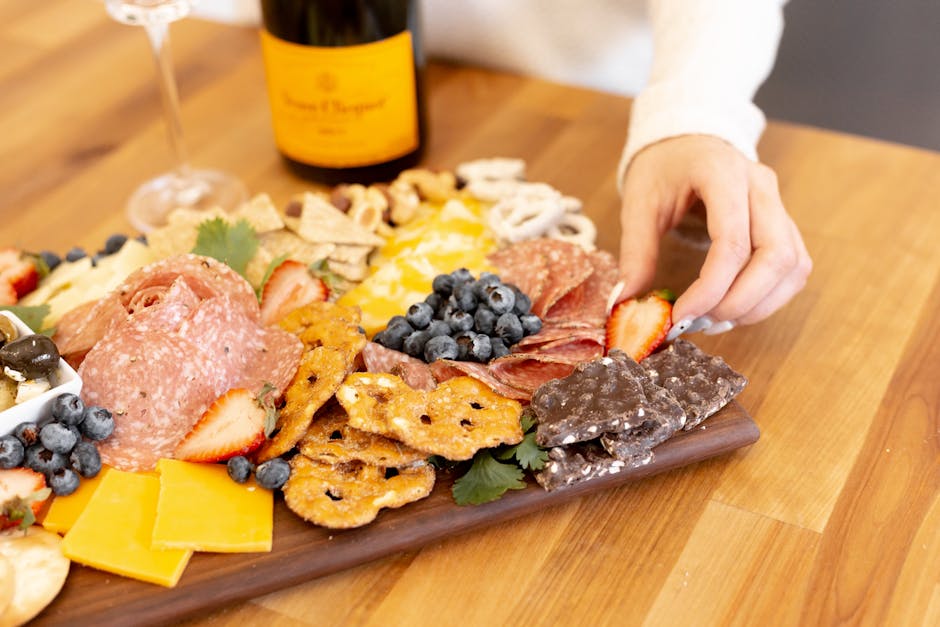
    whisky bottle tasting flight artisan cheese charcuterie board pairing

    Practical Tips for Pairing at Home

    Look, not everyone is heading to a Michelin-starred restaurant every weekend (and you absolutely don’t have to in order to explore this). Here’s how to build a genuinely impressive pairing experience at home without overthinking it:

    • Start with a small pour: Use 20–25ml per pairing course so your palate (and judgment) stays intact throughout the evening.
    • Add a few drops of still water: This opens up the aromatics in cask-strength whiskies and makes pairing notes easier to detect. Room temperature water only — never ice initially.
    • Use a Glencairn glass: The tulip shape concentrates aromatics in a way that a tumbler simply cannot replicate, and it makes the whole experience feel intentional.
    • Taste the whisky before the food: Establish the baseline flavor profile, then take a bite of food, chew fully, swallow, and then sip again. Notice what changed.
    • Don’t fear contrast: Sweet whisky with salty or spicy food often works better than sweet-on-sweet. Balance the experience, don’t just echo it.
    • Keep a pairing journal: Sounds nerdy, but writing down what worked and what clashed helps you build genuine intuition over time rather than guessing every time.

    Realistic Alternatives If Whisky Isn’t Your Thing

    Now, here’s where I want to be honest with you — whisky pairing is genuinely wonderful, but it’s not for everyone, and that’s completely fine. If the alcohol intensity of whisky feels like too much at the dinner table, consider these alternatives that follow similar logic:

    Whisky-adjacent: A good aged rum (like Ron Zacapa 23) follows many of the same pairing rules as bourbon — caramel, vanilla, oak — and tends to be smoother at the same ABV. The food matches are nearly interchangeable.

    Lower ABV option: A smoky mezcal (30–35% ABV versions exist) gives you some of that peaty, earthy character of Islay Scotch without the full alcohol punch, especially next to grilled meats or rich stews.

    Non-alcoholic whisky alternatives: Brands like Lyre’s and Spiritless (whose Julep Kentucky 74 has actually become quite popular in 2026) offer 0% expressions that mimic the oak and vanilla notes of bourbon reasonably well. They won’t replicate the complexity of a 12-year single malt, but for guests who don’t drink, they allow everyone at the table to participate in the pairing conversation.

    The bottom line is that whisky pairing in 2026 is no longer a specialists-only club. Whether you’re cracking open a bottle of Japanese blended whisky alongside homemade sushi on a Friday night or venturing to a proper tasting dinner, the framework is accessible, the logic is learnable, and the rewards — honestly — are some of the best flavor experiences you’ll have all year.

    Editor’s Comment : Whisky pairing genuinely rewards curiosity more than expertise. You don’t need a sommelier certificate or a cabinet full of rare bottles — just one good whisky, one thoughtful food choice, and a willingness to pay attention. Start with a Speyside and a piece of good dark chocolate tonight. Seriously, just try it. I suspect you’ll be building a full pairing menu by next weekend.

    태그: [‘whisky food pairing 2026’, ‘best whisky pairings’, ‘scotch whisky dinner’, ‘bourbon food pairing’, ‘Japanese whisky pairing’, ‘whisky tasting guide’, ‘food and whisky combinations’]


    📚 관련된 다른 글도 읽어 보세요

  • 위스키 음식 페어링 추천 2026 — 어떤 안주가 위스키를 가장 맛있게 만들까?

    몇 달 전, 친한 지인이 집들이 자리에서 꽤 좋은 싱글몰트 위스키를 한 병 열었어요. 그런데 테이블 위에는 치킨과 매운 떡볶이가 한가득이었죠. 위스키를 홀짝이다가 다들 뭔가 아쉽다는 표정을 지었고, 결국 그 위스키는 두 잔도 채 안 나가고 장식품이 되어버렸어요. 그때 든 생각이 “위스키는 혼자 마시는 술이 아니라, 음식과 함께 완성되는 술이구나”였습니다. 2026년 현재, 위스키 문화가 국내에서도 빠르게 성숙해지면서 단순히 ‘어떤 위스키가 좋냐’를 넘어 ‘어떤 음식과 함께 마셔야 하냐’를 고민하는 분들이 정말 많아졌어요. 오늘은 그 고민을 함께 풀어보려 합니다.

    whisky food pairing gourmet flat lay

    1. 위스키 페어링, 왜 ‘맛의 과학’이라 부를까?

    위스키와 음식의 궁합은 단순한 취향의 문제가 아니라, 향미 화학(Flavor Chemistry)의 영역에 가깝다고 봅니다. 위스키에는 평균적으로 200~300가지 이상의 방향족 화합물(aromatic compounds)이 존재하는데요, 이 성분들이 음식 속 지방, 단백질, 당분과 어떻게 반응하느냐에 따라 전체적인 풍미가 확장되기도 하고 충돌하기도 해요.

    특히 2026년 들어 ‘가스트로노미 바(Gastronomy Bar)’ 트렌드가 서울 성수동과 한남동을 중심으로 확산되면서, 소믈리에처럼 위스키 페어링을 안내해주는 ‘위스키 스튜어드(Whisky Steward)’ 직군이 생겨나고 있을 정도입니다. 단순한 유행이 아니라, 음식과 위스키를 함께 설계하는 문화가 자리 잡고 있다고 볼 수 있어요.

    핵심 원칙은 크게 세 가지로 정리됩니다:

    • 보완(Complement): 비슷한 풍미끼리 서로를 강화하는 조합. 예) 바닐라 향의 버번 위스키 + 캐러멜 디저트
    • 대조(Contrast): 서로 다른 성질이 균형을 맞추는 조합. 예) 피티(Peaty)한 아이라 위스키 + 짭조름한 훈제 연어
    • 세정(Cleanse): 음식의 기름기나 강한 여운을 위스키가 깔끔하게 정리해주는 역할. 예) 하이랜드 싱글몰트 + 숙성 치즈

    2. 위스키 종류별 추천 음식 페어링

    위스키는 크게 스카치(스페이사이드, 하이랜드, 아이라 등), 아이리시, 버번, 재패니즈로 나뉘는데요, 각각의 스타일에 따라 잘 맞는 음식이 꽤 다릅니다. 하나씩 살펴볼게요.

    ① 스페이사이드 싱글몰트 (예: 글렌피딕, 맥캘란)
    과일향과 꿀, 은은한 오크 뉘앙스가 특징이에요. 이 스타일에는 연어 카르파초, 생햄(프로슈토), 부드러운 브리 치즈, 그리고 감귤류를 곁들인 샐러드가 잘 어울립니다. 풍미가 너무 강한 음식보다는 섬세한 감칠맛을 가진 요리와 함께했을 때 위스키의 과일 향이 더 살아나는 느낌이라고 봅니다.

    ② 아이라 피트 위스키 (예: 라프로익, 아드벡)
    스모키하고 요오드 향이 강한, 호불호가 갈리는 스타일이죠. 오히려 이 강렬함 덕분에 훈제 연어, 굴, 가리비 같은 해산물과 놀라울 정도로 잘 맞아요. 2026년 국내 오마카세 바들이 아이라 위스키를 해산물 코스에 페어링하는 사례가 급격히 늘어난 것도 이 궁합 때문이라고 할 수 있습니다.

    ③ 버번 위스키 (예: 메이커스 마크, 버팔로 트레이스)
    바닐라, 카라멜, 옥수수 계열의 달콤하고 묵직한 향미가 특징이에요. 바비큐 립, 풀드포크처럼 달콤하고 스모키한 소스의 육류 요리와 거의 완벽에 가까운 조합을 이룹니다. 디저트와 함께할 때는 피칸 파이나 다크초콜릿이 정석이라 할 수 있어요.

    ④ 재패니즈 위스키 (예: 야마자키, 히비키)
    繊細(섬세함)를 최우선으로 설계된 스타일인 만큼, 음식도 그 방향에 맞춰야 해요. 스시, 사시미, 두부 요리처럼 재료 본연의 맛이 살아있는 일식이 가장 잘 어울립니다. 국내에서는 와규 채끝 스테이크와 야마자키 12년을 매칭하는 페어링이 화제가 되기도 했어요.

    ⑤ 아이리시 위스키 (예: 제임슨, 레드브레스트)
    트리플 디스틸링(Triple Distilling)으로 만들어진 부드럽고 가벼운 스타일이에요. 아이리시 위스키는 진입 장벽이 낮은 만큼 대중적인 음식과도 잘 맞는데, 특히 아일랜드식 스튜, 체다 치즈, 그리고 애플파이와의 조합은 꼭 한번 시도해 볼 만합니다.

    Japanese whisky sushi pairing elegant dining

    3. 국내외 사례로 보는 위스키 페어링 트렌드

    일본 도쿄의 바 ‘벤 피들러(Bar Ben Fiddich)’는 수년 전부터 식물 기반의 가니쉬와 희귀 위스키를 매칭하는 ‘보타니컬 페어링’으로 세계적인 주목을 받았어요. 이 흐름이 2026년에는 서울까지 직접적인 영향을 미치고 있는 것 같습니다. 한남동의 한 위스키 바는 제주도산 흑돼지 하몽과 아이라 위스키를 매칭한 코스를 운영 중인데, 예약이 2주 이상 밀릴 정도로 인기라고 해요.

    또한 스카치위스키협회(SWA)가 2025년 말 발표한 자료에 따르면, 아시아 시장에서 위스키 소비 중 ‘식사와 함께한 경우’의 비중이 2023년 대비 약 18% 증가했다고 합니다. 위스키가 더 이상 식후주나 스탠드얼론 음료가 아니라, 식사 전반에 걸쳐 함께하는 ‘테이블 와인’의 역할을 대체하고 있다는 분석이라고 봅니다.

    4. 초보자를 위한 홈 페어링 실전 팁

    • 향부터 맞춰보세요: 위스키 향을 먼저 맡고, 그 향의 결(달콤, 스모키, 과일, 견과류 등)과 비슷한 맛의 안주를 고르는 것이 가장 간단한 방법이에요.
    • 소금과 지방은 친구입니다: 짭조름한 음식과 지방이 풍부한 음식은 대부분의 위스키와 잘 어울려요. 치즈 플레이트나 견과류는 실패 확률이 거의 없는 조합이라 봅니다.
    • 매운 음식은 주의하세요: 고추의 캡사이신은 위스키의 알코올 자극과 시너지를 일으켜 혀를 압도해버릴 수 있어요. 매운 안주를 원한다면 도수가 낮거나 달콤한 스타일의 위스키를 선택하는 것이 현실적입니다.
    • 물 한 잔은 필수: 전문가들도 페어링 사이사이에 물로 입안을 헹구는 것을 권장해요. 이전 음식의 잔향이 위스키 본연의 맛을 방해할 수 있거든요.
    • 온도를 신경 쓰세요: 위스키는 상온(약 18~22도)에서 향미가 가장 잘 열려요. 지나치게 차갑게 마시면 음식과의 향미 대화가 줄어들 수 있습니다.

    결론 — 정답은 없지만, 방향은 있다

    위스키 페어링에는 절대적인 정답이 없다고 생각해요. 같은 위스키라도 사람마다 감지하는 향미가 다르고, 그날의 컨디션과 분위기도 맛에 영향을 미치니까요. 하지만 오늘 소개한 원칙들을 가이드라인 삼아 조금씩 시도해본다면, 그 과정 자체가 굉장히 즐거운 경험이 될 거라고 봅니다.

    처음이라면 너무 어렵게 생각하지 말고, 집에 있는 위스키 한 잔과 체다 치즈 조각 하나부터 시작해보세요. 거창한 레스토랑이 아니어도 충분히 좋은 페어링을 경험할 수 있습니다.

    에디터 코멘트 : 저도 처음엔 위스키는 그냥 스트레이트로 마셔야 진짜라고 생각했는데, 훈제 연어 한 점과 라프로익을 함께 먹어본 순간 완전히 생각이 바뀌었어요. 2026년 지금은 좋은 위스키를 구하는 것만큼, 그 위스키에 맞는 음식을 고르는 안목도 위스키 라이프의 일부가 된 것 같아요. 오늘 소개한 조합 중 하나만이라도 직접 경험해보시길 추천드립니다. 분명 “아, 이래서 페어링이구나” 하는 순간이 올 거예요.

    태그: [‘위스키페어링’, ‘위스키안주추천’, ‘싱글몰트페어링’, ‘버번위스키음식’, ‘위스키문화2026’, ‘가스트로노미바’, ‘홈위스키페어링’]


    📚 관련된 다른 글도 읽어 보세요