A friend of mine came back from Punta Cana last spring looking completely defeated. She’d spent nearly $4,000 on a week-long trip and spent most of it stuck inside an all-inclusive resort that, in her words, ‘could have been in Cancún or Orlando for all I knew.’ The beach was beautiful, sure, but she never found the Punta Cana that the travel brochures promised — the one with hidden coves, local rum shacks, and the kind of sunset that makes you question your entire life plan. Her story stuck with me, and it’s exactly why I started digging into what a Punta Cana trip actually looks like when you go beyond the resort bubble.
So let’s explore this together, because honestly, Punta Cana in 2025 is a tale of two completely different destinations depending on how you approach it.
The All-Inclusive Trap: Why Most Visitors Miss the Real Punta Cana
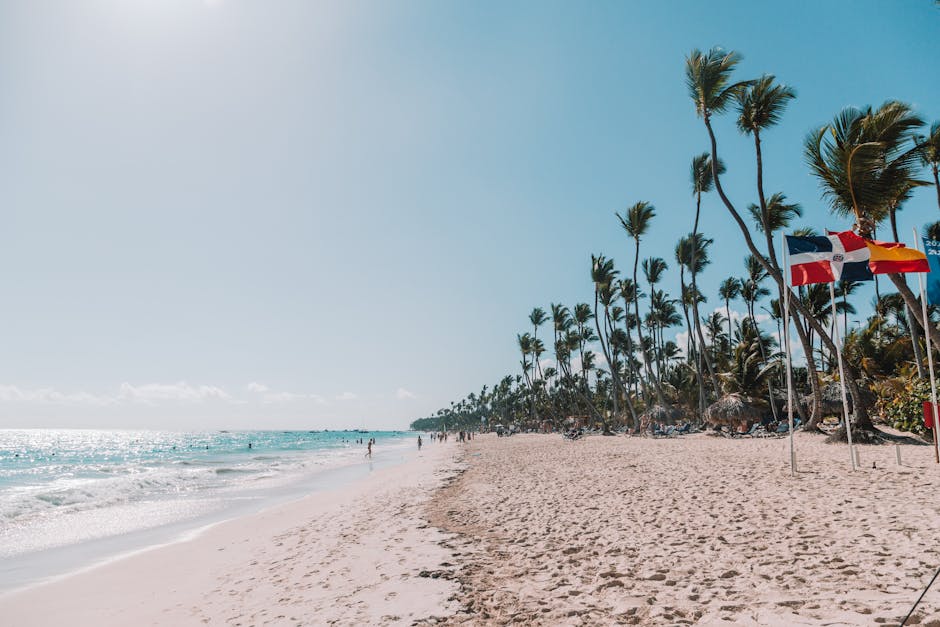
Here’s the uncomfortable truth: the Hotel Zone (Bávaro-Punta Cana strip) is essentially a 30-mile wall of resorts designed to keep your dollars inside. According to the Dominican Republic Ministry of Tourism’s 2024 annual report, over 73% of international visitors to Punta Cana never leave their resort complex for a meal or cultural experience. That’s not an accident — it’s architecture.
The average all-inclusive package in 2025 runs between $280–$480 per person per night at mid-tier properties like Riu Palace, Barceló Bávaro, and Hard Rock Punta Cana. Luxury options like Sanctuary Cap Cana or Tortuga Bay push past $900/night. What you’re buying is convenience, not authenticity. The math makes the resort model very appealing on paper, but the experience often feels like a beautiful, high-end void.
Where it goes wrong: resort beaches, while technically accessible by Dominican law (all beaches are public), are operationally gatekept through chair and service monopolies. Try sitting on Bávaro Beach without a wristband and you’ll understand immediately.
The Route Locals Actually Use in 2025
Here’s what changes everything: rent a car or hire a private driver for $50–$80 USD per day through a local agency (avoid the airport counters — prices are 40% higher there). Local agencies like Sixt Punta Cana Local or connections through your Airbnb host are reliable options. With wheels, the entire eastern tip of Hispaniola opens up.
- Mano Juan, Saona Island: Skip the $120 catamaran party tour. Take the public ferry from Bayahibe (about 45 minutes southwest by car) for roughly $15 round trip. You arrive before the tour groups and leave after them. The village has maybe 300 residents, no resort hotels, and a fish lunch at Comedor Wendy runs under $8.
- Uvero Alto: 40 minutes north of the main strip on Highway 103. The beach here is wider, calmer, and largely uncrowded even in high season (December–April). Bring your own food and drinks — facilities are minimal, which is the whole point.
- El Cortecito Fishing Village: Technically inside the resort zone but almost always skipped. Local fish restaurants like El Pulpo serve fresh catch plates for $10–$15. The contrast with the resort buffets 500 meters away is jarring and wonderful.
- Higüey Basilica (La Altagracia): 45-minute drive inland. The modern basilica completed in 1971 is architecturally striking — think Oscar Niemeyer meets Gothic spire. Entry is free, the surrounding market sells locally made amber and larimar jewelry at 60–70% below resort shop prices.
- Playa Limón: Two hours north via Highway 104 through Los Haitises National Park territory. Completely undeveloped, no facilities whatsoever, and one of the few places in the Caribbean where you can genuinely be alone on a pristine beach. Go in the dry season (January–March) — the road becomes impassable in heavy rain.
Timing, Costs, and the Off-Season Advantage
High season (mid-December through April) brings peak pricing and crowds. Flight prices from major US hubs run $350–$650 round trip during this window. But here’s the local secret: May and June before the hurricane season peaks offer dramatically lower prices (flights drop to $180–$280, hotel rates fall 35–45%) with weather that’s actually quite manageable — afternoon showers, not all-day storms. The resorts are quieter, day-trip sites like Saona Island feel almost private, and locals are genuinely more relaxed.
Hurricane season proper (August–October) carries real risk. The Dominican Republic has seen significant impacts from storms in recent years — don’t gamble with this window unless you’re hyper-flexible with cancellation policies.
Practical cost breakdown for a 7-day trip in 2025 using the local route approach:
- Flights (from US East Coast, May shoulder season): ~$220–$300 round trip
- Accommodation (Airbnb in El Cortecito or Bávaro residential area): $65–$120/night
- Car rental (local agency, 5 days): $50–$65/day including basic insurance
- Daily food budget eating local: $20–$35/person/day
- Activities (Saona ferry, park entries, guides): $80–$150 total for the week
- Total estimated spend: $1,100–$1,800 per person — roughly half the all-inclusive resort package cost
What to Watch Out For: The Real Friction Points
Let me be direct about where things can go sideways so you’re not caught off guard:
- Sanky-panky tourism economy: The beach vendor and “local guide” scene around the resort strip is highly transactional. Polite, firm “no gracias” works. Don’t engage beyond that — extended conversation is interpreted as negotiating interest.
- Road conditions: Highway 104 north toward Miches and Playa Limón has serious potholes. A standard sedan will bottom out. Rent a SUV if you’re venturing north. This isn’t optional advice.
- Drinking water: Tap water is not safe for travelers’ consumption anywhere in the country. Budget for bottled water ($0.50–$1 per large bottle locally) or use a filtered bottle system.
- Health insurance and the Tourist Card: The Dominican Republic Tourist Card ($10, often included in flight prices) is required. Verify before arrival. Separately, travel insurance with medical evacuation coverage is genuinely worth it here — the nearest internationally accredited hospital to the resort zone is Hospiten Bávaro, which is solid but expensive without coverage.
Alternative Framing: When the All-Inclusive Actually Makes Sense
Here’s where I want to push back against reflexive all-inclusive bashing, because sometimes it genuinely is the right call. If your situation is: traveling with young children under 8, celebrating a honeymoon where logistics should disappear, or coming specifically for a golf retreat (Punta Cana has some legitimately world-class courses including the Corales Golf Club, which hosted the PGA Tour Champions in 2024), then a well-chosen all-inclusive removes friction in ways that have real value.
The key is choosing the right property. Tortuga Bay (designed by Oscar de la Renta, part of Puntacana Resort) stands apart because it’s actually integrated with the local community — their Ecological Reserve and farm are accessible to guests and genuinely connect to Dominican ecology. It’s expensive at $600–$900/night, but it’s a different philosophical product than a factory-resort.
If your budget is mid-range and you want resort comfort without full isolation, the Nickelodeon Hotels & Resorts Punta Cana has surprisingly good excursion partnerships with local operators built into packages — an underrated choice for family trips in 2025.
Reader Note: Punta Cana rewards the curious and punishes the passive. The difference between a forgettable resort week and a genuinely transformative Caribbean experience often comes down to one decision: will you rent that car on day two? Based on everything I’ve seen researched and heard from people who’ve done both, the answer that leads to better stories — every single time — is yes.
📚 관련된 다른 글도 읽어 보세요
- World Whisky Styles Compared: A Globe-Trotting Guide to Scotch, Bourbon, Japanese & Beyond (2026 Edition)
- 지구상에서 가장 마시기 힘든 술 7종 직접 마셔봄 – 2026년 세계 희귀 증류주 시음 리뷰
- 세계 위스키 완전 정복: 스카치·버번·아이리시·재패니즈 6종 직접 마셔보고 비교한 2026 가이드
태그: []
Leave a Reply