Blog

  • Korean Traditional Soju Goes Global: How a 700-Year-Old Spirit Is Conquering the World in 2026

    Picture this: you’re sitting at a trendy cocktail bar in New York’s Lower East Side, and the bartender slides over a drink made with andong soju โ€” a traditionally distilled Korean spirit with roots stretching back to the 14th century. A few years ago, that scene would have felt almost fictional. But in 2026, it’s becoming remarkably common. Korean traditional soju, long overshadowed by its mass-market commercial cousin (you know, the green-bottle stuff), is quietly staging one of the most fascinating cultural-culinary comebacks in the global spirits industry.

    So let’s think through this together โ€” what’s actually driving this shift, how far has traditional soju really traveled, and what does the road ahead realistically look like?

    Korean traditional soju clay pot distillation artisan craft spirits

    ๐Ÿ“Š The Numbers Behind the Global Soju Wave

    First, let’s ground ourselves in some data, because the story here is genuinely surprising. According to the Korea Customs Service and Korea Agro-Fisheries & Food Trade Corporation (aT) reports tracked into early 2026, Korean spirits exports โ€” including both commercial and traditional varieties โ€” surpassed $130 million USD in 2025, representing a 22% year-over-year increase. More importantly, the share attributed to jeontong soju (์ „ํ†ต์†Œ์ฃผ, traditional distilled soju) within that figure has been climbing steadily, now accounting for roughly 18โ€“20% of premium Korean spirits exports.

    What’s the difference worth knowing here? Commercial soju (think Chamisul or Jinro) is a diluted ethanol product โ€” efficient, affordable, and wildly popular in volume. Traditional soju, by contrast, is pot-distilled from fermented grains like rice, barley, or sweet potato using a soju gori (๊ณ ๋ฆฌ, a traditional copper distillation vessel), often carrying ABV levels between 25% and 45%. It’s closer in spirit โ€” pun intended โ€” to whisky or artisan brandy than to the commercial version most people outside Korea know.

    Global premium spirits markets are also trending in traditional soju’s favor. The craft and artisan spirits category globally grew by approximately 14% in 2025, and consumers in North America, Western Europe, and Southeast Asia are actively seeking authentic, origin-rooted products โ€” exactly what traditional soju offers.

    ๐ŸŒ Where Is Traditional Soju Actually Landing?

    Let’s look at real-world traction, because anecdotes only go so far.

    United States: The U.S. remains the largest non-Asian export market. Brands like Hwayo (ํ™”์š”) and Andong Soju (์•ˆ๋™์†Œ์ฃผ) have secured shelf space in specialty liquor stores across California, New York, and Texas. Hwayo’s 41% and 53% expressions are frequently spotted in high-end Korean BBQ restaurants and now increasingly in non-Korean fine dining establishments. In 2025, Hwayo partnered with a Seattle-based craft cocktail competition, signaling intentional crossover appeal beyond the Korean diaspora.

    Europe: The UK and Germany have shown particularly strong interest. London’s Soho district has seen at least three dedicated Korean spirits bars open since 2024, and traditional soju is appearing on tasting menus at Michelin-starred establishments in Paris and Copenhagen โ€” often paired with fermented or umami-forward dishes where its clean, grain-forward profile shines.

    Southeast Asia: This is arguably the most organically growing market. In Singapore, Vietnam, and Thailand, Korean cultural influence (Hallyu wave, K-drama, K-food) has created a ready audience. Duty-free channels in Singapore’s Changi Airport now dedicate dedicated premium Korean spirits sections, something unimaginable five years ago.

    Japan: Traditionally complicated due to market protectionism and the dominance of shochu (Japan’s own distilled spirit), Japan has paradoxically become a growing curiosity market โ€” particularly among younger Japanese consumers who differentiate Korean traditional soju from shochu and appreciate the cultural story behind it.

    traditional soju global cocktail bar premium spirits international export

    ๐Ÿ›๏ธ Government & Industry Initiatives Powering the Push

    This globalization isn’t happening by accident. The Korean government designated traditional soju a National Intangible Cultural Heritage, and various regional styles hold their own designations โ€” Andong Soju, Munbaeju, Igangju, and Hongju among the most celebrated. In 2026, the Ministry of Agriculture, Food and Rural Affairs (MAFRA) expanded its “K-Food Plus” export program to include dedicated promotional budgets for traditional spirits at major international food and beverage expos, including Vinexpo and Bar Convent Berlin.

    Meanwhile, craft distillers themselves are innovating thoughtfully. Several producers are now aging their soju in onggi (์˜น๊ธฐ, traditional Korean earthenware) or experimenting with oak cask maturation โ€” bridging the gap between Korean tradition and the aged-spirits vocabulary that Western premium consumers already understand.

    โš ๏ธ Honest Challenges Worth Talking About

    Let’s not paint an entirely rosy picture, because that wouldn’t be fair to you as a reader trying to understand this space realistically.

    • Brand fragmentation: Unlike Scotch whisky or Cognac, which have powerful regional bodies and strict appellations, Korean traditional soju suffers from inconsistent brand awareness globally. Dozens of small producers compete without a unified international marketing identity.
    • Consumer education gap: Most international consumers still conflate all soju with the sweet, low-ABV green-bottle product. Explaining the difference requires sustained education efforts that are expensive and slow.
    • Price sensitivity: Premium traditional soju is genuinely expensive to produce and thus to purchase โ€” a 500ml bottle of aged Hwayo can retail at $60โ€“$90 USD internationally. That positions it against established Western premiums (single malt Scotch, small-batch bourbon) where brand trust is already deeply entrenched.
    • Regulatory complexity: Labeling requirements for spirits vary wildly across markets, and some traditional soju producers have faced delays entering the EU and Canadian markets due to classification and documentation hurdles.
    • Climate & raw material pressures: Rice and grain harvests in Korea face increasing variability due to climate shifts, affecting production volumes for artisan distillers who rely on specific local ingredients.

    ๐Ÿ’ก Realistic Paths Forward โ€” What Could Actually Work

    Here’s where I think the most interesting strategic thinking lives. Rather than trying to replicate the commercial soju marketing playbook globally, traditional soju’s best competitive angle is authenticity and narrative. Think about how Japanese sake or Oaxacan mezcal broke through โ€” not by competing on price or volume, but by making the origin story irresistible.

    A few approaches that seem to be gaining real traction:

    • Chef and sommelier partnerships: Getting traditional soju onto tasting menus and food pairing programs, where the conversation naturally elevates perceived value.
    • Cocktail culture integration: Positioning traditional soju as a mixologist-grade base spirit โ€” its clean distillation profile and moderate ABV range actually make it extremely versatile for high-end cocktail applications.
    • Cultural tourism crossover: Korea’s growing inbound tourism market (which bounced strongly post-pandemic) offers domestic distillery tours that send international visitors home as brand ambassadors โ€” a word-of-mouth pipeline that money can’t easily buy.
    • GI (Geographical Indication) formalization: Pushing for stronger international GI protections โ€” similar to Champagne’s AOC โ€” would help define the category and protect premium positioning.

    If you’re personally interested in exploring traditional soju, I’d genuinely suggest starting with Hwayo 41% or Andong Soju 45% as entry points โ€” both are increasingly available internationally and offer a clear, accessible introduction to what this style is actually about. Pair them lightly chilled with something fermented or umami-rich (aged cheese, kimchi, cured fish) and you’ll understand immediately why sommeliers are getting excited.

    The globalization of Korean traditional soju is real, meaningful, and still very much in its early chapters. The green bottle opened the door worldwide โ€” now the craft distillers are walking through it, clay pot in hand.

    Editor’s Comment : What strikes me most about traditional soju’s global journey in 2026 is that it’s not just a spirits story โ€” it’s a cultural confidence story. Korea is increasingly presenting its deepest culinary traditions not as curiosities, but as equals to the world’s established premium categories. Whether that ambition fully materializes will depend less on the quality of the liquid (which is genuinely exceptional) and more on whether the industry can build the unified storytelling infrastructure that, say, French wine or Japanese whisky took decades to develop. The bones are good. The momentum is real. The next five years will be telling.

    ํƒœ๊ทธ: [‘Korean traditional soju’, ‘soju globalization 2026’, ‘Korean spirits export’, ‘andong soju’, ‘premium Asian spirits’, ‘K-food global expansion’, ‘craft distilled spirits’]


    ๐Ÿ“š ๊ด€๋ จ๋œ ๋‹ค๋ฅธ ๊ธ€๋„ ์ฝ์–ด ๋ณด์„ธ์š”

  • ํ•œ๊ตญ ์ „ํ†ต ์†Œ์ฃผ, ์„ธ๊ณ„ ์‹œ์žฅ์„ ํ”๋“ค๋‹ค โ€” 2026๋…„ K-์†Œ์ฃผ ๊ธ€๋กœ๋ฒŒ ํ˜„ํ™ฉ ์™„์ „ ๋ถ„์„

    ๋ช‡ ํ•ด ์ „, ๋‰ด์š• ๋งจํ•ดํŠผ์˜ ํ•œ ์ผ์‹ ๋ ˆ์Šคํ† ๋ž‘์— ๋“ค์–ด๊ฐ”์„ ๋•Œ์˜ ์ด์•ผ๊ธฐ์˜ˆ์š”. ๋ฉ”๋‰ดํŒ์„ ํŽผ์ณค๋”๋‹ˆ ์‚ฌ์ผ€ ๋ฆฌ์ŠคํŠธ ์˜†์— ๋‚ฏ์„  ์ด๋ฆ„์ด ๋ณด์˜€์Šต๋‹ˆ๋‹ค. ‘์ง„๋กœ ์ด์ฆˆ๋ฐฑ 375ml โ€” $14’. ๊ทธ๋•Œ๋งŒ ํ•ด๋„ ‘์†Œ์ฃผ๊ฐ€ ์—ฌ๊ธฐ๊นŒ์ง€ ์™”๊ตฌ๋‚˜’ ํ•˜๋Š” ์‹ ๊ธฐํ•จ์ด ์•ž์„ฐ๋Š”๋ฐ, 2026๋…„ ํ˜„์žฌ๋Š” ๊ทธ๊ฒŒ ๋” ์ด์ƒ ๋†€๋ผ์šด ์ผ์ด ์•„๋‹Œ ์‹œ๋Œ€๊ฐ€ ๋๋‹ค๊ณ  ๋ด์š”. ์˜คํžˆ๋ ค ์†Œ์ฃผ๋ฅผ ๋‹ค๋ฃจ์ง€ ์•Š๋Š” ์•„์‹œ์•ˆ ๋ ˆ์Šคํ† ๋ž‘์ด ๋‰ด์š•, ๋Ÿฐ๋˜, ํŒŒ๋ฆฌ์—์„œ ์ด์ œ ๋ˆˆ์— ๋Œ ์ •๋„์ž…๋‹ˆ๋‹ค.

    ํ•œ๊ตญ ์ „ํ†ต ์†Œ์ฃผ์˜ ์„ธ๊ณ„ํ™”๋Š” ๋‹จ์ˆœํžˆ K-๋“œ๋ผ๋งˆ๋‚˜ K-ํŒ์˜ ํ›„๊ด‘ ํšจ๊ณผ ๋•๋ถ„๋งŒ์€ ์•„๋‹Œ ๊ฒƒ ๊ฐ™์•„์š”. ๊ทธ ์•ˆ์—๋Š” ๊ฝค ๋ณต์žกํ•œ ์‚ฐ์—…์  ์ „๋žต๊ณผ ๋ฌธํ™”์  ๋งฅ๋ฝ์ด ์–ฝํ˜€ ์žˆ๊ฑฐ๋“ ์š”. ์˜ค๋Š˜์€ ๊ทธ ํ๋ฆ„์„ ํ•จ๊ป˜ ์งš์–ด๋ณด๊ฒ ์Šต๋‹ˆ๋‹ค.

    Korean traditional soju bottle global export premium packaging

    ๐Ÿ“Š ์ˆซ์ž๋กœ ๋ณด๋Š” K-์†Œ์ฃผ ๊ธ€๋กœ๋ฒŒ ์ˆ˜์ถœ ํ˜„ํ™ฉ (2026๋…„ ๊ธฐ์ค€)

    ๊ด€์„ธ์ฒญ ๋ฐ ํ•œ๊ตญ๋†์ˆ˜์‚ฐ์‹ํ’ˆ์œ ํ†ต๊ณต์‚ฌ(aT) ๋ฐ์ดํ„ฐ๋ฅผ ์ข…ํ•ฉํ•˜๋ฉด, 2025๋…„ ๊ธฐ์ค€ ์†Œ์ฃผ ์ˆ˜์ถœ์•ก์€ ์•ฝ 1์–ต 3,200๋งŒ ๋‹ฌ๋Ÿฌ(์•ฝ 1,780์–ต ์›)๋ฅผ ๋ŒํŒŒํ–ˆ์œผ๋ฉฐ, 2026๋…„ 1๋ถ„๊ธฐ ์ž ์ •์น˜ ๊ธฐ์ค€์œผ๋กœ ์ „๋…„ ๋™๊ธฐ ๋Œ€๋น„ ์•ฝ 18% ์„ฑ์žฅ์„ธ๋ฅผ ์ด์–ด๊ฐ€๊ณ  ์žˆ๋Š” ๊ฒƒ์œผ๋กœ ํŒŒ์•…๋ฉ๋‹ˆ๋‹ค. 2020๋…„ ์ˆ˜์ถœ์•ก์ด ์•ฝ 8,500๋งŒ ๋‹ฌ๋Ÿฌ ์ˆ˜์ค€์ด์—ˆ๋˜ ๊ฒƒ๊ณผ ๋น„๊ตํ•˜๋ฉด 6๋…„ ๋งŒ์— ์•ฝ 55% ์ด์ƒ ์„ฑ์žฅํ•œ ์…ˆ์ด๋ผ๊ณ  ๋ณผ ์ˆ˜ ์žˆ์–ด์š”.

    ์ฃผ์š” ์ˆ˜์ถœ๊ตญ ์ˆœ์œ„๋ฅผ ๋ณด๋ฉด ์—ฌ์ „ํžˆ ๋ฏธ๊ตญ, ์ค‘๊ตญ, ์ผ๋ณธ์ด ์ƒ์œ„๊ถŒ์„ ์ฐจ์ง€ํ•˜๊ณ  ์žˆ์ง€๋งŒ, ํฅ๋ฏธ๋กœ์šด ์ ์€ ๋ฒ ํŠธ๋‚จ, ํ˜ธ์ฃผ, ์˜๊ตญ, ์บ๋‚˜๋‹ค ๋“ฑ์˜ ์‹ ํฅ ์‹œ์žฅ์ด ๋น ๋ฅด๊ฒŒ ์„ฑ์žฅํ•˜๊ณ  ์žˆ๋‹ค๋Š” ๊ฒ๋‹ˆ๋‹ค. ํŠนํžˆ ์˜๊ตญ์€ 2022๋…„ ๋Œ€๋น„ ์†Œ์ฃผ ์ˆ˜์ž…๋Ÿ‰์ด ๋ฌด๋ ค 3๋ฐฐ ์ด์ƒ ์ฆ๊ฐ€ํ•œ ๊ฒƒ์œผ๋กœ ์•Œ๋ ค์ ธ ์žˆ์–ด์š”. ์œ ๋Ÿฝ ์‹œ์žฅ์—์„œ์˜ ๊ฐ€๋Šฅ์„ฑ์ด ๋ณธ๊ฒฉ์ ์œผ๋กœ ์—ด๋ฆฌ๊ณ  ์žˆ๋‹ค๋Š” ์‹ ํ˜ธ๋ผ๊ณ  ๋ด…๋‹ˆ๋‹ค.

    ๋˜ํ•œ ์ฃผ๋ชฉํ•  ๋งŒํ•œ ๋ณ€ํ™”๋Š” ํฌ์„์‹ ์†Œ์ฃผ๋ฟ ์•„๋‹ˆ๋ผ ์ฆ๋ฅ˜์‹ ์ „ํ†ต ์†Œ์ฃผโ€”์•ˆ๋™์†Œ์ฃผ, ์ด๊ฐ•์ฃผ, ๊ฐํ™๋กœ ๋“ฑโ€”์˜ ์ˆ˜์ถœ ๋น„์ค‘์ด ์กฐ๊ธˆ์”ฉ ๋Š˜์–ด๋‚˜๊ณ  ์žˆ๋‹ค๋Š” ์ ์ž…๋‹ˆ๋‹ค. ์•„์ง ์ „์ฒด ์ˆ˜์ถœ์•ก์—์„œ ์ฐจ์ง€ํ•˜๋Š” ๋น„์œจ์€ 5% ๋‚ด์™ธ๋กœ ๋‚ฎ์ง€๋งŒ, ํ”„๋ฆฌ๋ฏธ์—„ ์ฃผ๋ฅ˜ ์‹œ์žฅ์„ ๊ณต๋žตํ•˜๋ ค๋Š” ์‹œ๋„๊ฐ€ ๊ฐ€์‹œํ™”๋˜๊ณ  ์žˆ๋‹ค๋Š” ์ ์—์„œ ์˜๋ฏธ ์žˆ๋Š” ํ๋ฆ„์ด๋ผ๊ณ  ๋ผ๊ณ  ๋ด์š”.

    ๐ŸŒ ๊ตญ๋‚ด์™ธ ์‚ฌ๋ก€๋กœ ๋ณธ ์ „๋žต์˜ ๋ช…์•”

    ํ•˜์ดํŠธ์ง„๋กœ๋Š” 2026๋…„ ํ˜„์žฌ๊นŒ์ง€ ๊ธ€๋กœ๋ฒŒ ์†Œ์ฃผ ์‹œ์žฅ์„ ์ด๋„๋Š” ๋Œ€ํ‘œ ์ฃผ์ž์˜ˆ์š”. ‘์ง„๋กœ’ ๋ธŒ๋žœ๋“œ์˜ ๋‘๊บผ๋น„ ์บ๋ฆญํ„ฐ๋ฅผ ํ™œ์šฉํ•œ ๊ตฟ์ฆˆ ๋งˆ์ผ€ํŒ…๊ณผ ํ˜„์ง€ ํŒ์—… ์Šคํ† ์–ด ์ „๋žต์€ ํŠนํžˆ MZ์„ธ๋Œ€๋ฅผ ๊ฒจ๋ƒฅํ•œ ๋ธŒ๋žœ๋”ฉ์œผ๋กœ ๋†’์€ ํ‰๊ฐ€๋ฅผ ๋ฐ›๊ณ  ์žˆ์Šต๋‹ˆ๋‹ค. 2025๋…„์—๋Š” ๋‰ด์š• ํƒ€์ž„์Šค์Šคํ€˜์–ด์™€ ๋Ÿฐ๋˜ ํ”ผ์นด๋”œ๋ฆฌ ์„œ์ปค์Šค์— ์˜ฅ์™ธ ๊ด‘๊ณ ๋ฅผ ์ง‘ํ–‰ํ•˜๋ฉฐ ๋ธŒ๋žœ๋“œ ๋…ธ์ถœ์„ ๊ทน๋Œ€ํ™”ํ–ˆ์ฃ .

    ๋ฐ˜๋ฉด ์ „ํ†ต ๋ฐฉ์‹์œผ๋กœ ์ƒ์‚ฐ๋˜๋Š” ์ฆ๋ฅ˜์‹ ์†Œ์ฃผ๋Š” ์™„์ „ํžˆ ๋‹ค๋ฅธ ๋ฐฉํ–ฅ์˜ ์ „๋žต์„ ์ทจํ•˜๊ณ  ์žˆ์–ด์š”. ๊ฒฝ๋ถ ์•ˆ๋™์˜ ๋ฏผ์†์ฃผ ์•ˆ๋™์†Œ์ฃผ๋Š” ํ”„๋ฆฌ๋ฏธ์—„ ์œ„์Šคํ‚ค ์œ ํ†ต ์ฑ„๋„์„ ํ™œ์šฉํ•ด ์ผ๋ณธ๊ณผ ๋ฏธ๊ตญ์˜ ์ฃผ๋ฅ˜ ์ „๋ฌธ ๋งค์žฅ์— ์ž…์ ํ•˜๋Š” ๋ฐฉ์‹์„ ํƒํ–ˆ๊ณ , ์ „๋ผ๋„์˜ ์ด๊ฐ•์ฃผ๋Š” ํŒŒ๋ฆฌ ํ•œ๊ตญ๋ฌธํ™”์› ์ฃผ์ตœ ํ–‰์‚ฌ์™€ ์—ฐ๊ณ„ํ•˜์—ฌ ์œ ๋Ÿฝ ์†Œ๋ฏˆ๋ฆฌ์—๋“ค์—๊ฒŒ ์‹œ์Œ ๊ธฐํšŒ๋ฅผ ์ œ๊ณตํ•˜๋Š” B2B ๋ฐฉ์‹์œผ๋กœ ์ธ์ง€๋„๋ฅผ ์Œ“์•„๊ฐ€๊ณ  ์žˆ์Šต๋‹ˆ๋‹ค.

    ํ•ด์™ธ ํ˜„์ง€์—์„œ์˜ ๋ฐ˜์‘๋„ ํฅ๋ฏธ๋กญ์Šต๋‹ˆ๋‹ค. ๋ฏธ๊ตญ์˜ ์ฃผ๋ฅ˜ ๋ฏธ๋””์–ด VinePair๋Š” 2025๋…„ ๋ง ๊ธฐ์‚ฌ์—์„œ ์†Œ์ฃผ๋ฅผ ‘๋ณด๋“œ์นด์˜ ์•„์‹œ์•„ํŒ’์ด ์•„๋‹Œ ‘๋…์ž์ ์ธ ์นดํ…Œ๊ณ ๋ฆฌ’๋กœ ๋ถ„๋ฅ˜ํ•ด์•ผ ํ•œ๋‹ค๊ณ  ์ œ์•ˆํ–ˆ๊ณ , ์˜๊ตญ ๋Ÿฐ๋˜์˜ ์œ ๋ช… ์นตํ…Œ์ผ ๋ฐ”๋“ค์€ ์†Œ์ฃผ๋ฅผ ๋ฒ ์ด์Šค ์Šคํ”ผ๋ฆฟ์œผ๋กœ ํ™œ์šฉํ•œ ์‹œ๊ทธ๋‹ˆ์ฒ˜ ์นตํ…Œ์ผ์„ ์„ ๋ณด์ด๋ฉฐ ์†Œ์ฃผ์˜ ํ™œ์šฉ ๋ฒ”์œ„๋ฅผ ํ™•์žฅํ•˜๊ณ  ์žˆ์–ด์š”.

    Korean soju cocktail bar London New York trendy nightlife

    ๐Ÿงฉ ์„ธ๊ณ„ํ™”์˜ ๊ฑธ๋ฆผ๋Œ: ์†”์งํ•˜๊ฒŒ ์งš์–ด๋ณผ ๋ฌธ์ œ๋“ค

    ๋ฌผ๋ก  ์žฅ๋ฐ‹๋น› ๊ทธ๋ฆผ๋งŒ ์žˆ๋Š” ๊ฑด ์•„๋‹Œ ๊ฒƒ ๊ฐ™์•„์š”. ๋ช‡ ๊ฐ€์ง€ ํ˜„์‹ค์ ์ธ ๊ณผ์ œ๊ฐ€ ์žˆ์Šต๋‹ˆ๋‹ค.

    • ์นดํ…Œ๊ณ ๋ฆฌ ์ •์ฒด์„ฑ ํ˜ผ๋ž€: ํ•ด์™ธ ์†Œ๋น„์ž๋“ค์ด ์†Œ์ฃผ๋ฅผ ์‚ฌ์ผ€, ๋ฐ”์ด์ฃผ, ์‹ฌ์ง€์–ด ๋ณด๋“œ์นด์™€ ํ˜ผ๋™ํ•˜๋Š” ๊ฒฝ์šฐ๊ฐ€ ์—ฌ์ „ํžˆ ๋งŽ์•„์š”. ‘์†Œ์ฃผ๋งŒ์˜ ์–ธ์–ด’๋ฅผ ํ™•๋ฆฝํ•˜๋Š” ๊ฒƒ์ด ์‹œ๊ธ‰ํ•œ ๊ณผ์ œ๋ผ๊ณ  ๋ด…๋‹ˆ๋‹ค.
    • ๋‚ฎ์€ ๋„์ˆ˜ = ๋‚ฎ์€ ํ”„๋ฆฌ๋ฏธ์—„ ์ธ์‹: ํฌ์„์‹ ์†Œ์ฃผ์˜ 16~25๋„ ์•Œ์ฝ”์˜ฌ ๋„์ˆ˜๊ฐ€ ์˜คํžˆ๋ ค ‘๊ฐ€๋ฒผ์šด ์ˆ ’์ด๋ผ๋Š” ์ธ์‹์„ ์‹ฌ์–ด์ค˜ ๊ณ ๊ธ‰ ์ฃผ๋ฅ˜ ์‹œ์žฅ ์ง„์ž…์— ๊ฑธ๋ฆผ๋Œ์ด ๋˜๊ธฐ๋„ ํ•ด์š”.
    • ์ฆ๋ฅ˜์‹ ์†Œ์ฃผ์˜ ์ƒ์‚ฐ๋Ÿ‰ ํ•œ๊ณ„: ์ „ํ†ต ๋ฐฉ์‹์„ ๊ณ ์ˆ˜ํ•˜๋Š” ์†Œ๊ทœ๋ชจ ์–‘์กฐ์žฅ์€ ์ˆ˜์ถœ ์ˆ˜์š”๋ฅผ ๋งž์ถ”๊ธฐ ์–ด๋ ค์šด ๊ตฌ์กฐ์  ๋ฌธ์ œ๋ฅผ ์•ˆ๊ณ  ์žˆ์Šต๋‹ˆ๋‹ค.
    • ๊ทœ์ œ ์žฅ๋ฒฝ: ์œ ๋Ÿฝ ์ผ๋ถ€ ๊ตญ๊ฐ€์—์„œ๋Š” ์ธ๊ณต ๊ฐ๋ฏธ๋ฃŒ ๋˜๋Š” ์ฒจ๊ฐ€๋ฌผ ๊ด€๋ จ ๊ทœ์ •์ด ํฌ์„์‹ ์†Œ์ฃผ ์ˆ˜์ถœ์— ์ œ์•ฝ์ด ๋˜๋Š” ๊ฒฝ์šฐ๊ฐ€ ์žˆ์–ด์š”.
    • ์ง€๋‚˜์นœ K-์ฝ˜ํ…์ธ  ์˜์กด: K-๋“œ๋ผ๋งˆ๋‚˜ K-ํŒ ์—ดํ’์ด ์ˆ˜๊ทธ๋Ÿฌ๋“ค ๊ฒฝ์šฐ, ๋ฌธํ™”์  ๊ธฐ๋ฐ˜ ์—†์ด ์ œํ’ˆ ์ž์ฒด์˜ ๊ฒฝ์Ÿ๋ ฅ๋งŒ์œผ๋กœ ๋ฒ„ํ‹ธ ์ˆ˜ ์žˆ๋Š”์ง€์— ๋Œ€ํ•œ ์˜๋ฌธ๋„ ๊พธ์ค€ํžˆ ์ œ๊ธฐ๋ฉ๋‹ˆ๋‹ค.

    ๐Ÿ’ก ์•ž์œผ๋กœ์˜ ๋ฐฉํ–ฅ: ํ˜„์‹ค์  ๋Œ€์•ˆ์€ ๋ฌด์—‡์ผ๊นŒ์š”?

    ์ „๋ฌธ๊ฐ€๋“ค ์‚ฌ์ด์—์„œ๋Š” ํฌ๊ฒŒ ๋‘ ๊ฐ€์ง€ ๋ฐฉํ–ฅ์˜ ์ „๋žต์ด ๊ฑฐ๋ก ๋˜๊ณ  ์žˆ์–ด์š”. ์ฒซ์งธ๋Š” ‘์†Œ์ฃผ’๋ผ๋Š” ์นดํ…Œ๊ณ ๋ฆฌ ์ž์ฒด๋ฅผ ๊ธ€๋กœ๋ฒŒ ์Šคํƒ ๋”๋“œ๋กœ ๋งŒ๋“œ๋Š” ๊ฒƒ์ž…๋‹ˆ๋‹ค. ์ผ๋ณธ ์‚ฌ์ผ€๊ฐ€ ์ˆ˜์‹ญ ๋…„์— ๊ฑธ์ณ ๋…์ž์ ์ธ ์ฃผ๋ฅ˜ ์นดํ…Œ๊ณ ๋ฆฌ๋กœ ์ธ์ •๋ฐ›์€ ๊ฒƒ์ฒ˜๋Ÿผ, ์†Œ์ฃผ๋„ ๊ตญ์ œ ์ฃผ๋ฅ˜ ์‹œ์žฅ์—์„œ ๊ณ ์œ ํ•œ ๋ถ„๋ฅ˜ ๊ธฐ์ค€๊ณผ ์Šคํ† ๋ฆฌํ…”๋ง์„ ๊ฐ–์ถฐ์•ผ ํ•œ๋‹ค๋Š” ์‹œ๊ฐ์ด์—์š”.

    ๋‘˜์งธ๋Š” ์ฆ๋ฅ˜์‹ ์ „ํ†ต ์†Œ์ฃผ์˜ ํ”„๋ฆฌ๋ฏธ์—„ํ™”๋ฅผ ๊ฐ€์†ํ™”ํ•˜๋Š” ๊ฒƒ์ž…๋‹ˆ๋‹ค. ์œ„์Šคํ‚ค๋‚˜ ์ฝ”๋ƒ‘์ฒ˜๋Ÿผ ์ˆ™์„ฑ ๊ธฐ๊ฐ„, ์›๋ฃŒ ์‚ฐ์ง€, ์ œ์กฐ ๋ฐฉ์‹์„ ์ „๋ฉด์— ๋‚ด์„ธ์šฐ๋Š” ๋งˆ์ผ€ํŒ… ์ „๋žต์ด ํ•„์š”ํ•˜๋‹ค๊ณ  ๋ด…๋‹ˆ๋‹ค. ์‹ค์ œ๋กœ ์ผ๋ถ€ ์ฆ๋ฅ˜์‹ ์†Œ์ฃผ ์ƒ์‚ฐ์ž๋“ค์€ ์˜คํฌ ์ˆ™์„ฑ ์†Œ์ฃผ๋ฅผ ์‹œํ—˜์ ์œผ๋กœ ์ถœ์‹œํ•˜๋ฉฐ ํ•ด์™ธ ์œ„์Šคํ‚ค ์• ํ˜ธ๊ฐ€์ธต์„ ๊ณต๋žตํ•˜๊ณ  ์žˆ์–ด์š”.

    ๊ฒฐ๊ตญ ํ•œ๊ตญ ์ „ํ†ต ์†Œ์ฃผ์˜ ์„ธ๊ณ„ํ™”๋Š” ‘๋น ๋ฅธ ํ™•์‚ฐ’๋ณด๋‹ค๋Š” ‘๊นŠ์ด ์žˆ๋Š” ๋ฟŒ๋ฆฌ๋‚ด๋ฆฌ๊ธฐ’๊ฐ€ ๋” ์ค‘์š”ํ•œ ์‹œ์ ์— ์™€ ์žˆ๋Š” ๊ฒƒ ๊ฐ™์Šต๋‹ˆ๋‹ค. ์ˆซ์ž๊ฐ€ ์„ฑ์žฅํ•˜๋Š” ๊ฒƒ๋งŒํผ์ด๋‚˜, ์†Œ์ฃผ๊ฐ€ ์™œ ๋งˆ์‹ค ๋งŒํ•œ ์ˆ ์ธ์ง€๋ฅผ ํ•ด์™ธ ์†Œ๋น„์ž ์Šค์Šค๋กœ ๋‚ฉ๋“ํ•  ์ˆ˜ ์žˆ๋Š” ๊ฒฝํ—˜์„ ์„ค๊ณ„ํ•˜๋Š” ๊ฒƒ์ด ํ•ต์‹ฌ์ด๋ผ๊ณ  ๋ด์š”.


    ์—๋””ํ„ฐ ์ฝ”๋ฉ˜ํŠธ : ์ €๋Š” ๊ฐœ์ธ์ ์œผ๋กœ ์ „ํ†ต ์ฆ๋ฅ˜์‹ ์†Œ์ฃผ์˜ ๊ฐ€๋Šฅ์„ฑ์„ ๊ฝค ํฌ๊ฒŒ ๋ณด๊ณ  ์žˆ์–ด์š”. ๊ฐํ™๋กœ ํ•œ ์ž”์„ ์ฒ˜์Œ ๋งˆ์…จ์„ ๋•Œ ๋А๊ผˆ๋˜ ๊ทธ ๋ณต์žกํ•˜๊ณ  ์„ฌ์„ธํ•œ ํ–ฅ๋ฏธ๊ฐ€, ์ œ๋Œ€๋กœ ๋œ ์Šคํ† ๋ฆฌํ…”๋ง๊ณผ ๋งŒ๋‚œ๋‹ค๋ฉด ๋ถ„๋ช… ์„ธ๊ณ„ ์–ด๋”˜๊ฐ€์˜ ์ˆ  ์ข‹์•„ํ•˜๋Š” ์‚ฌ๋žŒ๋“ค์˜ ๋งˆ์Œ์„ ์›€์ง์ผ ์ˆ˜ ์žˆ๋‹ค๊ณ  ๋ฏฟ๊ฑฐ๋“ ์š”. ๋Œ€์ค‘์ ์ธ ํฌ์„์‹ ์†Œ์ฃผ๊ฐ€ ‘๊ด€๋ฌธ’์„ ์—ด์–ด๋‘๋Š” ์—ญํ• ์„ ํ•œ๋‹ค๋ฉด, ์ „ํ†ต ์ฆ๋ฅ˜์‹ ์†Œ์ฃผ๊ฐ€ ๊ทธ ๋ฌธ ์•ˆ์œผ๋กœ ์‚ฌ๋žŒ๋“ค์„ ๊นŠ์ด ๋Œ์–ด๋“ค์ด๋Š” ์—ญํ• ์„ ํ•ด์ค„ ์ˆ˜ ์žˆ์ง€ ์•Š์„๊นŒ์š”? ๊ทธ ๋‘ ์ถ•์ด ๊ท ํ˜• ์žˆ๊ฒŒ ์„ฑ์žฅํ•  ๋•Œ, K-์†Œ์ฃผ์˜ ์„ธ๊ณ„ํ™”๊ฐ€ ์ง„์งœ ์˜๋ฏธ๋ฅผ ๊ฐ–๊ฒŒ ๋  ๊ฒƒ ๊ฐ™์Šต๋‹ˆ๋‹ค.

    ํƒœ๊ทธ: [‘ํ•œ๊ตญ์†Œ์ฃผ์„ธ๊ณ„ํ™”’, ‘K์†Œ์ฃผ์ˆ˜์ถœ’, ‘์ „ํ†ต์†Œ์ฃผ๊ธ€๋กœ๋ฒŒ’, ‘์ฆ๋ฅ˜์‹์†Œ์ฃผ’, ‘์•ˆ๋™์†Œ์ฃผํ•ด์™ธ’, ‘์†Œ์ฃผ๋งˆ์ผ€ํŒ…์ „๋žต’, ‘K์ฃผ๋ฅ˜ํŠธ๋ Œ๋“œ2026’]


    ๐Ÿ“š ๊ด€๋ จ๋œ ๋‹ค๋ฅธ ๊ธ€๋„ ์ฝ์–ด ๋ณด์„ธ์š”

  • Irish Whiskey vs Scotch: The Real Differences Every Whisky Lover Should Know in 2026

    Picture this: you’re at a bar in 2026, and your well-meaning friend slides two glasses toward you โ€” one a golden-amber Irish pour, the other a smokier, darker Scotch. “They’re basically the same thing,” they say confidently. If you’ve ever nodded along to that statement while secretly wondering if it’s actually true, you’re in the right place. Spoiler: they are not the same thing, and the differences are fascinating enough to completely change how you shop, sip, and appreciate whisky.

    Let’s think through this together โ€” from the grain fields of Ireland to the misty Scottish Highlands โ€” and figure out exactly what sets these two legendary spirits apart.

    Irish whiskey glass vs Scotch whisky glass side by side comparison bar setting

    1. Spelling Is the First Clue (And It’s Not Trivial)

    Here’s something most casual drinkers overlook: the Irish spell it whiskey (with an ‘e’), while the Scots spell it whisky (without the ‘e’). This isn’t a typo โ€” it’s a badge of national identity. The Irish introduced the extra ‘e’ in the 19th century to differentiate their product from Scotch in the export market. Even today, if you see a bottle labeled “whiskey,” it’s almost certainly Irish or American. “Whisky” points to Scotland, Japan, or Canada.

    2. The Distillation Process: Triple vs. Double

    This is arguably the biggest functional difference between the two spirits, and it directly shapes what ends up in your glass.

    • Irish Whiskey: Traditionally distilled three times in pot stills. This triple distillation strips away more congeners (flavor compounds), resulting in a smoother, lighter, and more approachable spirit. That’s why Irish whiskey is often recommended as a gateway whisky for beginners.
    • Scotch Whisky: Typically distilled twice. The extra layer of flavor compounds that remain give Scotch its characteristic complexity โ€” ranging from fruity and honeyed to intensely peaty and medicinal, depending on the region.
    • Exception worth noting: Some Irish distilleries now experiment with double distillation, and a handful of Scotch producers use triple distillation (notably Auchentoshan in the Lowlands), so the line isn’t absolute โ€” but it holds as a general rule.

    3. The Grain Bill: What Goes Into the Mash

    Both spirits use malted barley as a core ingredient, but what else goes into the mix is quite different.

    • Irish Whiskey โ€” especially the uniquely Irish “Single Pot Still” style โ€” uses a combination of malted and unmalted barley. This unmalted barley gives Irish whiskey a distinctive spicy, creamy, oily texture that you simply won’t find in Scotch. Brands like Redbreast and Green Spot are celebrated for this quality.
    • Scotch Single Malt uses 100% malted barley. Scottish grain whiskies use other cereals like wheat or corn, but the premium single malt category sticks firmly to malted barley only.

    4. The Peat Factor: Smoke Signals

    Ask someone to describe Scotch, and “smoky” is usually one of the first words out of their mouth. That smokiness comes from peat โ€” partially decomposed organic matter used to dry malted barley during production. When peat burns, its smoke infuses the barley with earthy, medicinal, and even coastal flavors.

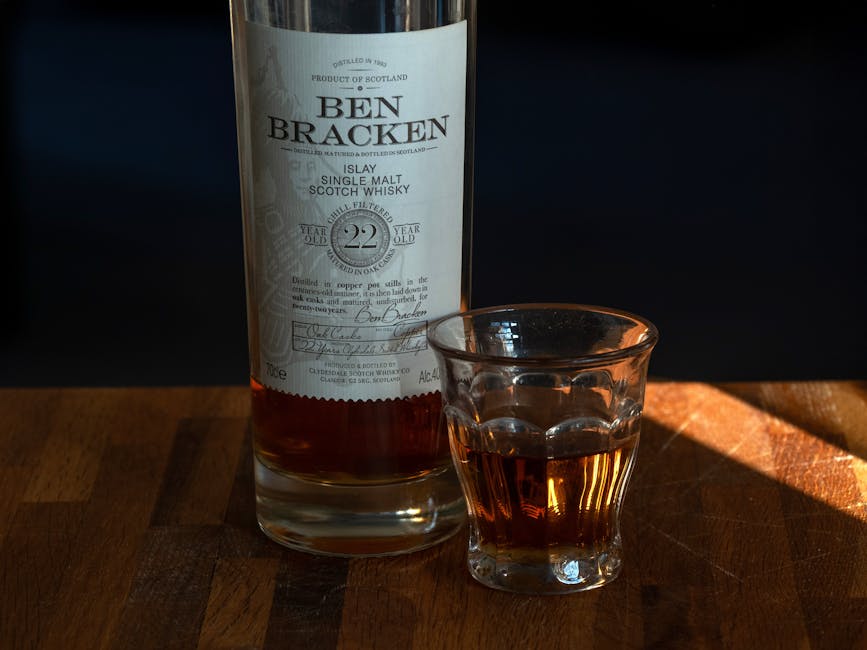
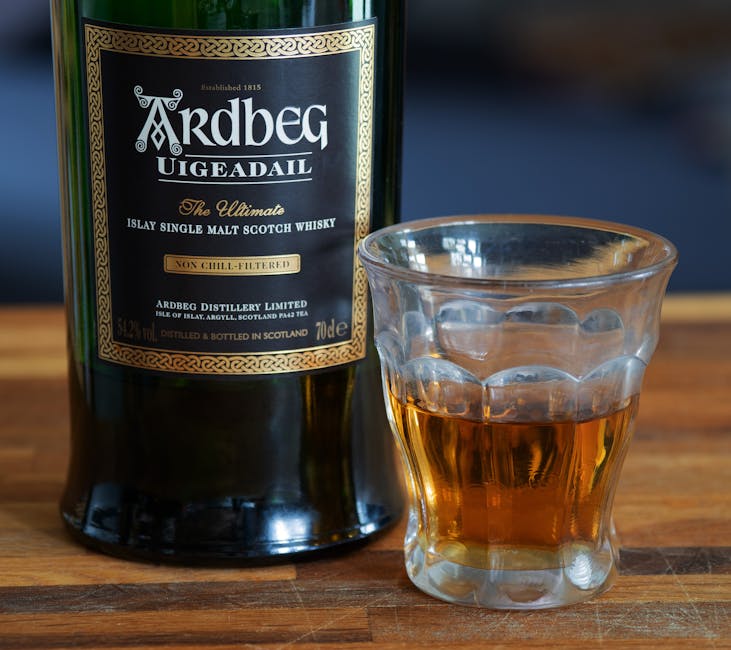
    Scottish regions like Islay (home to Laphroaig, Ardbeg, and Bruichladdich) are legendary for intensely peated whiskies measured in phenol parts per million (ppm). Ardbeg’s Uigeadail, for example, clocks in at around 54 ppm โ€” a serious smoke bomb.

    Irish whiskey, on the other hand, traditionally uses kiln-dried barley, largely bypassing peat entirely. This is a deliberate stylistic choice that contributes to Ireland’s reputation for smooth, accessible drams. There are some notable exceptions emerging โ€” Connemara by Cooley Distillery has been producing peated Irish whiskey for years, and in 2026, several craft Irish distilleries are experimenting with light peat โ€” but it remains the minority, not the norm.

    5. Aging Requirements and Legal Definitions

    Both countries have strict legal frameworks governing what can be called their respective spirits:

    • Irish Whiskey must be aged for a minimum of 3 years in wooden casks on the island of Ireland.
    • Scotch Whisky must also be aged for a minimum of 3 years in oak casks in Scotland.
    • Both must have a minimum ABV of 40% when bottled.
    • The key difference: Scotch regulations specify oak casks with a maximum capacity of 700 liters, while Irish regulations are slightly more flexible on cask type and size, which has opened the door to interesting wine cask and rum cask finishes from Irish producers.
    whisky barrels aging in Irish distillery warehouse oak casks

    6. Regional Diversity Within Each Category

    This is where things get really exciting โ€” both countries offer incredible regional variety that most newcomers don’t realize exists.

    Scotch Whisky Regions (2026 recognized):

    • Speyside: Fruity, floral, often sherried. Think Macallan, Glenfiddich, Balvenie.
    • Islay: Heavy peat, maritime, medicinal. Think Laphroaig, Ardbeg, Kilchoman.
    • Highlands: Highly diverse โ€” heathery, rich, fruity. Think Dalmore, Glenmorangie, Oban.
    • Lowlands: Light, grassy, delicate. Think Auchentoshan, Ailsa Bay.
    • Campbeltown: Briny, complex, slightly smoky. Think Springbank, Glen Scotia.
    • Islands: Often peaty with coastal character. Think Talisker (Skye), Highland Park (Orkney).

    Irish Whiskey Styles:

    • Single Pot Still: The most uniquely Irish style. Spicy, creamy, full-bodied. Think Redbreast 12, Powers John’s Lane.
    • Single Malt: 100% malted barley, single distillery. Think Teeling Single Malt, Bushmills 10.
    • Single Grain: Lighter, column-distilled. Think Teeling Single Grain (often wine-cask finished).
    • Blended Irish Whiskey: Most commercially consumed category. Think Jameson, Powers Gold Label, Tullamore D.E.W.

    7. Flavor Profile Side-by-Side: What Should You Actually Expect?

    Let’s cut to the practical part. If you’re standing in a shop or at a bar, here’s a rough sensory map:

    • Irish Whiskey (typical): Light to medium body, vanilla, fresh fruit (green apple, pear), honey, light spice, creamy mouthfeel. Very approachable. Almost never smoky unless specifically labeled as peated.
    • Scotch Single Malt (typical Speyside/Highland): Medium to full body, dried fruit, toffee, oak, sometimes sherry richness, subtle spice. More complexity, slightly drier finish.
    • Scotch Single Malt (Islay): Smoke, ash, seaweed, iodine, sometimes dark chocolate or tropical fruit underneath the peat. Bold and polarizing โ€” you’ll either love it or want to politely push the glass away.

    8. Market Trends in 2026: Where Are Both Categories Heading?

    The whisky world in 2026 is more vibrant than ever. Irish whiskey has been on an extraordinary growth trajectory โ€” exports from Ireland hit record highs in 2025, and that momentum has continued into 2026, with markets in Southeast Asia and Latin America showing particularly strong demand. The number of active Irish distilleries has grown from just 4 in 2010 to over 50 today, meaning consumers now have access to a far more diverse range of Irish expressions than ever before.

    Scotch, meanwhile, remains the global prestige benchmark, with premium and ultra-premium expressions (particularly from Speyside and Islay) continuing to command strong auction prices. Japanese whisky’s ongoing influence has also pushed Scotch producers toward more experimental cask finishes โ€” a trend that’s benefiting drinkers enormously.

    Realistic Alternatives: Which One Should You Choose?

    The right choice really does depend on your situation and preferences. Here’s a practical guide:

    • If you’re new to whisky: Start with an Irish whiskey. Jameson is the obvious entry point, but if you want something more interesting right away, try Redbreast 12 or Teeling Small Batch. The smoothness will make the learning curve much gentler.
    • If you enjoy complex, nuanced flavors: A Speyside Scotch like Glenfiddich 15 or Balvenie DoubleWood 12 offers remarkable depth without overwhelming your palate.
    • If you’re adventurous and love bold flavors: Jump into Islay Scotch. Start with Laphroaig 10 or Kilchoman Machir Bay โ€” but go in knowing it’s intentionally intense.
    • If budget matters: Irish whiskey generally offers better value per bottle at the entry-to-mid level. Powers Gold Label and Tullamore D.E.W. 12 are excellent overperformers for their price point in 2026.
    • If you want to impress a whisky enthusiast: Bring a Redbreast 15 or a lesser-known distillery expression like Dingle Single Malt (Irish) or Springbank 10 (Scotch). Either will earn serious respect.

    The beautiful thing is that you don’t have to choose a permanent side. Many enthusiasts โ€” myself included โ€” rotate freely between Irish and Scotch depending on mood, occasion, and food pairing. Exploring both is far more rewarding than pledging allegiance to one.

    Editor’s Comment : After thinking through everything together, the Irish vs. Scotch debate isn’t really a competition โ€” it’s a spectrum. Irish whiskey’s approachable smoothness and Scotch’s complex regionality serve completely different moments and moods. The smartest move in 2026 is to keep a bottle of each at home: something smooth and Irish for casual evenings or cocktail hours, and a quality Scotch for those moments when you want to slow down and really pay attention to what’s in the glass. Your palate โ€” and your guests โ€” will thank you.

    ํƒœ๊ทธ: [‘Irish whiskey vs Scotch’, ‘whiskey differences explained’, ‘best Irish whiskey 2026’, ‘Scotch whisky guide’, ‘single malt vs pot still whiskey’, ‘whisky tasting guide’, ‘Irish whiskey recommendations’]


    ๐Ÿ“š ๊ด€๋ จ๋œ ๋‹ค๋ฅธ ๊ธ€๋„ ์ฝ์–ด ๋ณด์„ธ์š”

  • ์•„์ด๋ฆฌ์‹œ ์œ„์Šคํ‚ค vs ์Šค์นด์น˜ ์œ„์Šคํ‚ค ์ฐจ์ด์  ์™„๋ฒฝ ์ •๋ฆฌ | 2026๋…„ ์ž…๋ฌธ์ž ๊ฐ€์ด๋“œ

    ์–ผ๋งˆ ์ „ ์ง€์ธ๊ณผ ํ•จ๊ป˜ ์ฐพ์€ ์œ„์Šคํ‚ค ๋ฐ”์—์„œ ์žˆ์—ˆ๋˜ ์ผ์ด์—์š”. ๋ฉ”๋‰ดํŒ์„ ๋ณด๋˜ ์นœ๊ตฌ๊ฐ€ ์Šฌ์ฉ ๋ฌผ์–ด์˜ค๋”๊ตฐ์š”. “์•„์ด๋ฆฌ์‹œ๋ž‘ ์Šค์นด์น˜๊ฐ€ ๋ญ๊ฐ€ ๋‹ฌ๋ผ์š”? ๊ทธ๋ƒฅ ๋‹ค ์œ„์Šคํ‚ค ์•„๋‹Œ๊ฐ€์š”?” ์‚ฌ์‹ค ์ด ์งˆ๋ฌธ, ์œ„์Šคํ‚ค๋ฅผ ์ฒ˜์Œ ์ ‘ํ•˜๋Š” ๋ถ„์ด๋ผ๋ฉด ๋ˆ„๊ตฌ๋‚˜ ํ•œ ๋ฒˆ์ฏค ํ’ˆ์–ด๋ดค์„ ๊ฒƒ ๊ฐ™์Šต๋‹ˆ๋‹ค. ๋‘˜ ๋‹ค ์˜๊ตญ ์ œ๋„(British Isles) ๊ทผ๋ฐฉ์—์„œ ๋งŒ๋“ค์–ด์ง€๊ณ , ๋ณด๋ฆฌ๋ฅผ ์ฃผ์›๋ฃŒ๋กœ ์“ฐ๋Š”๋ฐ ๋„๋Œ€์ฒด ๋ฌด์—‡์ด ๋‹ค๋ฅธ ๊ฑธ๊นŒ์š”? ์˜ค๋Š˜์€ ๊ทธ ์ฐจ์ด๋ฅผ ํ•จ๊ป˜ ์ฐจ๊ทผ์ฐจ๊ทผ ํ’€์–ด๋ณด๋ ค๊ณ  ํ•ด์š”.

    irish whiskey vs scotch whisky comparison bottles bar

    โ‘  ์ฆ๋ฅ˜ ํšŸ์ˆ˜: 3๋ฒˆ์ด๋ƒ, 2๋ฒˆ์ด๋ƒ๊ฐ€ ๋งŒ๋“ค์–ด๋‚ด๋Š” ์ฐจ์ด

    ๊ฐ€์žฅ ๋จผ์ € ์•Œ์•„๋‘ฌ์•ผ ํ•  ํ•ต์‹ฌ์€ ์ฆ๋ฅ˜ ํšŸ์ˆ˜์ž…๋‹ˆ๋‹ค. ์ผ๋ฐ˜์ ์œผ๋กœ ์•„์ด๋ฆฌ์‹œ ์œ„์Šคํ‚ค๋Š” 3ํšŒ ์ฆ๋ฅ˜(Triple Distillation)๋ฅผ ๊ฑฐ์น˜๋Š” ๋ฐ˜๋ฉด, ์Šค์นด์น˜ ์œ„์Šคํ‚ค๋Š” ๋Œ€๋ถ€๋ถ„ 2ํšŒ ์ฆ๋ฅ˜(Double Distillation)๋ฅผ ์‚ฌ์šฉํ•ด์š”.

    ์ฆ๋ฅ˜๋ฅผ ํ•œ ๋ฒˆ ๋” ๊ฑฐ์น ์ˆ˜๋ก ๋ถˆ์ˆœ๋ฌผ์ด ๊ฑธ๋Ÿฌ์ง€๊ณ  ์•Œ์ฝ”์˜ฌ ์ˆœ๋„๊ฐ€ ์˜ฌ๋ผ๊ฐ€๊ธฐ ๋•Œ๋ฌธ์—, ์•„์ด๋ฆฌ์‹œ ์œ„์Šคํ‚ค๋Š” ์ƒ๋Œ€์ ์œผ๋กœ ๋ถ€๋“œ๋Ÿฝ๊ณ (smooth) ๊ฐ€๋ฒผ์šด(light) ํ’๋ฏธ๋ฅผ ๊ฐ–๊ฒŒ ๋˜๋Š” ๊ฒƒ์ด๋ผ๊ณ  ๋ด…๋‹ˆ๋‹ค. ๋ฐ˜๋ฉด ์Šค์นด์น˜๋Š” 2ํšŒ ์ฆ๋ฅ˜ ํŠน์œ ์˜ ๋ฌต์งํ•จ๊ณผ ๋ณต์žกํ•œ ํ’๋ฏธ๊ฐ€ ์‚ด์•„ ์žˆ์–ด์š”.

    ์ˆซ์ž๋กœ ๋ณด๋ฉด ์ด ์ฐจ์ด๊ฐ€ ๋” ๋ช…ํ™•ํ•ด์ ธ์š”. ์•„์ด๋ฆฌ์‹œ ์œ„์Šคํ‚ค์˜ ๋Œ€ํ‘œ ๋ธŒ๋žœ๋“œ ์ œ์ž„์Šจ(Jameson)์€ ์—ฐ๊ฐ„ ์•ฝ 9,000๋งŒ ๋ณ‘(2026๋…„ ๊ธฐ์ค€ ์ถ”์‚ฐ) ์ด์ƒ์ด ์ „ ์„ธ๊ณ„์—์„œ ์†Œ๋น„๋˜๋Š”๋ฐ, ์ด ์••๋„์ ์ธ ํŒ๋งค๋Ÿ‰์˜ ๋ฐฐ๊ฒฝ์—๋Š” “์ฒ˜์Œ ๋งˆ์…”๋„ ๊ฑฐ๋ถ€๊ฐ ์—†๋Š” ๋ถ€๋“œ๋Ÿฌ์›€”์ด ํฌ๊ฒŒ ์ž‘์šฉํ•œ๋‹ค๋Š” ๋ถ„์„์ด ๋งŽ์Šต๋‹ˆ๋‹ค.

    โ‘ก ์›๋ฃŒ์™€ ๋งฅ์•„ ์ฒ˜๋ฆฌ๋ฒ•: ํ”ผํŠธ(Peat)์˜ ์œ ๋ฌด๊ฐ€ ํ•ต์‹ฌ

    ๋‘ ๋ฒˆ์งธ ์ฐจ์ด์ ์€ ๋งฅ์•„(Malt) ๊ฑด์กฐ ๋ฐฉ์‹์— ์žˆ์–ด์š”. ์Šค์นด์น˜ ์œ„์Šคํ‚ค, ํŠนํžˆ ์•„์ด์Šฌ๋ ˆ์ด(Islay) ์ง€์—ญ ์ œํ’ˆ๋“ค์€ ํ”ผํŠธ(Peat, ์ดํƒ„)๋ฅผ ํƒœ์›Œ ๋ณด๋ฆฌ ๋งฅ์•„๋ฅผ ๊ฑด์กฐ์‹œํ‚ต๋‹ˆ๋‹ค. ์ด ๊ณผ์ •์—์„œ ์—ฐ๊ธฐ ์„ฑ๋ถ„์ธ ํŽ˜๋†€(Phenol)์ด ๋งฅ์•„์— ํก์ˆ˜๋˜์–ด ํŠน์œ ์˜ ์Šค๋ชจํ‚คํ•˜๊ณ  ํ›ˆ์—ฐ๋œ ํ–ฅ์ด ๋งŒ๋“ค์–ด์ง€๋Š” ๊ตฌ์กฐ์˜ˆ์š”.

    ๋ฐ˜๋ฉด ์•„์ด๋ฆฌ์‹œ ์œ„์Šคํ‚ค๋Š” ๋Œ€๋ถ€๋ถ„ ํ”ผํŠธ๋ฅผ ์‚ฌ์šฉํ•˜์ง€ ์•Š๊ฑฐ๋‚˜ ๊ทนํžˆ ์†Œ๋Ÿ‰๋งŒ ์‚ฌ์šฉํ•ด์š”. ๊ทธ๋ž˜์„œ ํ›ˆ์—ฐํ–ฅ ์—†์ด ๊ณผ์ผํ–ฅ, ๊ฟ€ํ–ฅ, ๋ฐ”๋‹๋ผํ–ฅ ๊ฐ™์€ ๋‹ฌ์ฝคํ•˜๊ณ  ์ฒญ๋ช…ํ•œ ์บ๋ฆญํ„ฐ๊ฐ€ ๋„๋“œ๋ผ์ง€๋Š” ๊ฒฝํ–ฅ์ด ์žˆ์Šต๋‹ˆ๋‹ค. ํ”ผํŠธ PPM(Parts Per Million) ์ˆ˜์น˜๋ฅผ ๋น„๊ตํ•ด ๋ณด๋ฉด ์ด๊ฒŒ ํ™• ์™€๋‹ฟ์•„์š”.

    • ๋ผํ”„๋กœ์ต(Laphroaig) 10๋…„ โ€“ ์Šค์นด์น˜: ์•ฝ 40~45 PPM (๊ฐ•ํ•œ ์Šค๋ชจํ‚คํ•จ)
    • ๋ณด๋ชจ์–ด(Bowmore) 12๋…„ โ€“ ์Šค์นด์น˜: ์•ฝ 20~25 PPM (์ค‘๊ฐ„ ์Šค๋ชจํ‚คํ•จ)
    • ์ œ์ž„์Šจ(Jameson) โ€“ ์•„์ด๋ฆฌ์‹œ: ์•ฝ 1~2 PPM ๋ฏธ๋งŒ (๊ฑฐ์˜ ์—†์Œ)
    • ๋ ˆ๋“œ๋ธŒ๋ ˆ์ŠคํŠธ(Redbreast) 12๋…„ โ€“ ์•„์ด๋ฆฌ์‹œ: ์•ฝ 0 PPM (๋ฌดํ”ผํŠธ)

    โ‘ข ์ˆ™์„ฑ ๊ทœ์ •: ๋ฒ•์œผ๋กœ ์ •ํ•ด์ง„ ์ตœ์†Œ ์—ฐ์ˆ˜

    ๋‘ ์œ„์Šคํ‚ค ๋ชจ๋‘ ์˜คํฌ ์บ์Šคํฌ(Oak Cask)์—์„œ ์ˆ™์„ฑํ•˜์ง€๋งŒ, ๋ฒ•์  ๊ทœ์ •์— ์•ฝ๊ฐ„์˜ ์ฐจ์ด๊ฐ€ ์žˆ์–ด์š”.

    • ์Šค์นด์น˜ ์œ„์Šคํ‚ค: ์Šค์ฝ”ํ‹€๋žœ๋“œ์—์„œ ์ตœ์†Œ 3๋…„ ์ด์ƒ ์˜คํฌ ์บ์Šคํฌ ์ˆ™์„ฑ ํ•„์ˆ˜
    • ์•„์ด๋ฆฌ์‹œ ์œ„์Šคํ‚ค: ์•„์ผ๋žœ๋“œ์—์„œ ์ตœ์†Œ 3๋…„ ์ด์ƒ ๋‚˜๋ฌด ์บ์Šคํฌ ์ˆ™์„ฑ ํ•„์ˆ˜

    ์ตœ์†Œ ์ˆ™์„ฑ ์—ฐ์ˆ˜๋Š” ๋™์ผํ•˜์ง€๋งŒ, ์Šค์นด์น˜๋Š” ‘์˜คํฌ(Oak)’๋กœ ์ˆ˜์ข…์„ ํŠน์ •ํ•˜๊ณ  ์žˆ๊ณ , ์•„์ด๋ฆฌ์‹œ๋Š” ‘๋‚˜๋ฌด(Wood)’๋กœ ๊ทœ์ •ํ•ด ์กฐ๊ธˆ ๋” ์œ ์—ฐํ•œ ํŽธ์ด์—์š”. ์‹ค์ œ๋กœ ์•„์ด๋ฆฌ์‹œ ์œ„์Šคํ‚ค ์ค‘์—๋Š” ๋ฒ„๋ฒˆ ์บ์Šคํฌ, ์…ฐ๋ฆฌ ์บ์Šคํฌ, ๋Ÿผ ์บ์Šคํฌ ๋“ฑ ๋‹ค์–‘ํ•œ ์บ์Šคํฌ๋ฅผ ์‹คํ—˜์ ์œผ๋กœ ์กฐํ•ฉํ•˜๋Š” ์ œํ’ˆ๋“ค์ด ๋Š˜์–ด๋‚˜๋Š” ์ถ”์„ธ๋ผ๊ณ  ๋ด…๋‹ˆ๋‹ค.

    โ‘ฃ ์ง€์—ญ ๋ถ„๋ฅ˜ ์ฒด๊ณ„: ์Šค์นด์น˜์˜ ๋ณต์žกํ•œ ์‚ฐ์ง€ ๊ตฌ๋ถ„

    ์Šค์นด์น˜ ์œ„์Šคํ‚ค๋Š” ์ƒ์‚ฐ ์ง€์—ญ์— ๋”ฐ๋ผ ํ’๋ฏธ๊ฐ€ ํฌ๊ฒŒ ๋‹ฌ๋ผ์ง€๋ฉฐ, ๊ณต์‹์ ์œผ๋กœ 5๊ฐœ ์ฃผ์š” ์‚ฐ์ง€๋กœ ๊ตฌ๋ถ„๋ฉ๋‹ˆ๋‹ค.

    • ํ•˜์ด๋žœ๋“œ(Highland): ๋‹ค์–‘ํ•œ ์Šคํƒ€์ผ, ๋ฌต์งํ•˜๊ณ  ๊ณผ์ผํ–ฅ
    • ์ŠคํŽ˜์ด์‚ฌ์ด๋“œ(Speyside): ๋‹ฌ์ฝคํ•˜๊ณ  ์„ฌ์„ธ, ๊ธ€๋ Œํ”ผ๋”•ยท๋งฅ์บ˜๋ž€ ๋“ฑ
    • ์•„์ด์Šฌ๋ ˆ์ด(Islay): ๊ฐ•ํ•œ ํ”ผํŠธํ–ฅ๊ณผ ํ•ดํ’, ๋ผํ”„๋กœ์ตยท์•„๋“œ๋ฒก
    • ๋กœ๋žœ๋“œ(Lowland): ๊ฐ€๋ณ๊ณ  ํ”Œ๋กœ๋Ÿดํ•œ ์Šคํƒ€์ผ
    • ์บ ๋ฒจํƒ€์šด(Campbeltown): ์†Œ๊ธˆ๊ธฐ, ์˜ค์ผ๋ฆฌํ•œ ๋ณตํ•ฉ๋ฏธ

    ๋ฐ˜๋ฉด ์•„์ด๋ฆฌ์‹œ ์œ„์Šคํ‚ค๋Š” ์‚ฐ์ง€๋ณ„ ๋ฒ•์  ๋ถ„๋ฅ˜๋ณด๋‹ค๋Š” ์ œ์กฐ ๋ฐฉ์‹(ํฌํŠธ ์Šคํ‹ธ, ๋ชฐํŠธ, ๊ทธ๋ ˆ์ธ, ๋ธ”๋ Œ๋””๋“œ)์œผ๋กœ ์Šคํƒ€์ผ์ด ๋‚˜๋‰˜๋Š” ํŽธ์ด์—์š”. ํŠนํžˆ ์‹ฑ๊ธ€ ํฌํŠธ ์Šคํ‹ธ(Single Pot Still) ๋ฐฉ์‹์€ ์•„์ด๋ฆฌ์‹œ ์œ„์Šคํ‚ค๋งŒ์˜ ๋…์ž์ ์ธ ์นดํ…Œ๊ณ ๋ฆฌ๋กœ, ๋งฅ์•„ ๋ณด๋ฆฌ์™€ ๋น„๋งฅ์•„ ๋ณด๋ฆฌ๋ฅผ ํ˜ผํ•ฉํ•ด ์ฆ๋ฅ˜ํ•˜๋Š” ์ „ํ†ต ๋ฐฉ์‹์ž…๋‹ˆ๋‹ค. ๋ ˆ๋“œ๋ธŒ๋ ˆ์ŠคํŠธ, ๊ทธ๋ฆฐ ์ŠคํŒŸ ๋“ฑ์ด ๋Œ€ํ‘œ์ ์ด์—์š”.

    scotch whisky highland islay distillery aged barrels

    โ‘ค 2026๋…„ ๊ธ€๋กœ๋ฒŒ ์‹œ์žฅ ํŠธ๋ Œ๋“œ: ์•„์ด๋ฆฌ์‹œ์˜ ๊ธ‰์„ฑ์žฅ

    ์‹œ์žฅ ๋ฐ์ดํ„ฐ๋ฅผ ๋ณด๋ฉด ํŠธ๋ Œ๋“œ์˜ ๋ฐฉํ–ฅ์ด ๋ณด์ž…๋‹ˆ๋‹ค. ์•„์ด๋ฆฌ์‹œ ์œ„์Šคํ‚ค ์‹œ์žฅ์€ 2010๋…„๋Œ€ ์ค‘๋ฐ˜๋ถ€ํ„ฐ ์—ฐํ‰๊ท  ์„ฑ์žฅ๋ฅ (CAGR) ์•ฝ 8~10%๋ฅผ ๊ธฐ๋กํ•˜๋ฉฐ ์ฃผ์š” ์œ„์Šคํ‚ค ์นดํ…Œ๊ณ ๋ฆฌ ์ค‘ ๊ฐ€์žฅ ๋น ๋ฅด๊ฒŒ ์„ฑ์žฅํ•˜๊ณ  ์žˆ๋Š” ๊ฒƒ์œผ๋กœ ๋ถ„์„๋ฉ๋‹ˆ๋‹ค. 2026๋…„ ํ˜„์žฌ ์•„์ด๋ฆฌ์‹œ ์œ„์Šคํ‚ค ์ฆ๋ฅ˜์†Œ ์ˆ˜๋Š” 40๊ฐœ ์ด์ƒ์œผ๋กœ, ๋ถˆ๊ณผ 20๋…„ ์ „๊นŒ์ง€๋งŒ ํ•ด๋„ ์†์— ๊ผฝ์„ ์ˆ˜ ์žˆ๋˜ ๊ฒƒ๊ณผ ๋น„๊ตํ•˜๋ฉด ๋†€๋ผ์šด ๋ณ€ํ™”์˜ˆ์š”.

    ์Šค์นด์น˜๋Š” ์—ฌ์ „ํžˆ ๊ธ€๋กœ๋ฒŒ ์œ„์Šคํ‚ค ์‹œ์žฅ์˜ ์ ˆ๋Œ€ ๊ฐ•์ž๋กœ ์ˆ˜์ถœ ๊ทœ๋ชจ ๊ธฐ์ค€ ์„ธ๊ณ„ 1์œ„ ์ž๋ฆฌ๋ฅผ ์ง€ํ‚ค๊ณ  ์žˆ์ง€๋งŒ, ํ”„๋ฆฌ๋ฏธ์—„ยท์Šˆํผ ํ”„๋ฆฌ๋ฏธ์—„ ์„ธ๊ทธ๋จผํŠธ์—์„œ ์•„์ด๋ฆฌ์‹œ ์œ„์Šคํ‚ค์˜ ์ถ”๊ฒฉ์ด ๋งŒ๋งŒ์น˜ ์•Š์€ ์ƒํ™ฉ์ด๋ผ๊ณ  ๋ด…๋‹ˆ๋‹ค. ๊ตญ๋‚ด ํŽธ์˜์ ๊ณผ ๋งˆํŠธ์—์„œ๋„ ์ œ์ž„์Šจ, ๋ธŒ๋กœ๋งฌ๋กœ์ด, ๋ ˆ๋“œ๋ธŒ๋ ˆ์ŠคํŠธ ๋“ฑ ์•„์ด๋ฆฌ์‹œ ์œ„์Šคํ‚ค์˜ ์ง„์—ด ๊ณต๊ฐ„์ด ํ™•์‹คํžˆ ๋Š˜์—ˆ์ฃ .

    ํ•œ๋ˆˆ์— ๋น„๊ต: ์•„์ด๋ฆฌ์‹œ vs ์Šค์นด์น˜ ํ•ต์‹ฌ ์š”์•ฝ

    • ์›์‚ฐ์ง€: ์•„์ด๋ฆฌ์‹œ โ†’ ์•„์ผ๋žœ๋“œ ๊ณตํ™”๊ตญ ๋ฐ ๋ถ์•„์ผ๋žœ๋“œ / ์Šค์นด์น˜ โ†’ ์Šค์ฝ”ํ‹€๋žœ๋“œ
    • ์ฆ๋ฅ˜ ํšŸ์ˆ˜: ์•„์ด๋ฆฌ์‹œ โ†’ ์ฃผ๋กœ 3ํšŒ / ์Šค์นด์น˜ โ†’ ์ฃผ๋กœ 2ํšŒ
    • ํ”ผํŠธ ์‚ฌ์šฉ: ์•„์ด๋ฆฌ์‹œ โ†’ ๊ฑฐ์˜ ์‚ฌ์šฉ ์•ˆ ํ•จ / ์Šค์นด์น˜ โ†’ ์ง€์—ญ์— ๋”ฐ๋ผ ์ ๊ทน ์‚ฌ์šฉ
    • ํ’๋ฏธ ๊ฒฝํ–ฅ: ์•„์ด๋ฆฌ์‹œ โ†’ ๋ถ€๋“œ๋Ÿฝ๊ณ  ๋‹ฌ์ฝค, ๊ณผ์ผํ–ฅ / ์Šค์นด์น˜ โ†’ ๋ณต์žกํ•˜๊ณ  ๋ฌต์ง, ์Šค๋ชจํ‚ค ๊ฐ€๋Šฅ
    • ์ž…๋ฌธ ๋‚œ์ด๋„: ์•„์ด๋ฆฌ์‹œ โ†’ ์ƒ๋Œ€์ ์œผ๋กœ ์‰ฌ์›€ / ์Šค์นด์น˜ โ†’ ์ง€์—ญยท์Šคํƒ€์ผ ๋‹ค์–‘ํ•ด ํƒ๊ตฌ ํ•„์š”
    • ๋Œ€ํ‘œ ๋ธŒ๋žœ๋“œ: ์•„์ด๋ฆฌ์‹œ โ†’ ์ œ์ž„์Šจ, ๋ถ€์‹œ๋ฐ€์Šค, ๋ ˆ๋“œ๋ธŒ๋ ˆ์ŠคํŠธ / ์Šค์นด์น˜ โ†’ ๋งฅ์บ˜๋ž€, ๊ธ€๋ Œํ”ผ๋”•, ๋ผํ”„๋กœ์ต, ๋ฐœ๋ Œํƒ€์ธ
    • ์ŠคํŽ ๋ง: ์•„์ด๋ฆฌ์‹œ โ†’ Whiskey(e ํฌํ•จ) / ์Šค์นด์น˜ โ†’ Whisky(e ์—†์Œ)

    ์ฐธ๊ณ ๋กœ, ๋ณ‘ ๋ผ๋ฒจ์˜ ์ŠคํŽ ๋ง๋งŒ ๋ด๋„ ๊ตฌ๋ถ„์ด ๊ฐ€๋Šฅํ•ด์š”. Whiskey(e ํฌํ•จ)๋Š” ์•„์ด๋ฆฌ์‹œ์™€ ๋ฏธ๊ตญ์‚ฐ(๋ฒ„๋ฒˆ ๋“ฑ), Whisky(e ์—†์Œ)๋Š” ์Šค์นด์น˜์™€ ์ผ๋ณธ ์œ„์Šคํ‚ค์— ์ฃผ๋กœ ์“ฐ์ž…๋‹ˆ๋‹ค.


    ์—๋””ํ„ฐ ์ฝ”๋ฉ˜ํŠธ : ์ฒ˜์Œ ์œ„์Šคํ‚ค๋ฅผ ์‹œ์ž‘ํ•˜๋Š” ๋ถ„์ด๋ผ๋ฉด ์•„์ด๋ฆฌ์‹œ ์œ„์Šคํ‚ค, ํŠนํžˆ ์ œ์ž„์Šจ ์˜ค๋ฆฌ์ง€๋„์ด๋‚˜ ๋ ˆ๋“œ๋ธŒ๋ ˆ์ŠคํŠธ 12๋…„์„ ๊ฐ€๋ณ๊ฒŒ ๋‹ˆํŠธ(Neat, ๋ฌผ์ด๋‚˜ ์–ผ์Œ ์—†์ด ๊ทธ๋Œ€๋กœ)๋กœ ๋งˆ์…”๋ณด๋Š” ๊ฒƒ์„ ๊ถŒํ•ด๋“œ๋ฆฝ๋‹ˆ๋‹ค. ๋ถ€๋“œ๋Ÿฝ๊ณ  ๊ฑฐ๋ถ€๊ฐ์ด ์—†์–ด์„œ “์œ„์Šคํ‚ค๋Š” ์“ฐ๊ณ  ๋…ํ•˜๋‹ค”๋Š” ์„ ์ž…๊ฒฌ์„ ์ž์—ฐ์Šค๋Ÿฝ๊ฒŒ ํ—ˆ๋ฌผ์–ด์ค„ ๊ฑฐ์˜ˆ์š”. ๊ทธ ๋‹ค์Œ ๋‹จ๊ณ„๋กœ ์ŠคํŽ˜์ด์‚ฌ์ด๋“œ ์Šค์นด์น˜(๊ธ€๋ Œํ”ผ๋”• 12๋…„ ๋“ฑ)๋กœ ๋„˜์–ด๊ฐ€ ๋ณต์žกํ•œ ํ’๋ฏธ๋ฅผ ํƒํ—˜ํ•˜๊ณ , ์ทจํ–ฅ์ด ์–ด๋А ์ •๋„ ์žกํ˜”๋‹ค๋ฉด ํ”ผํ‹ฐํ•œ ์•„์ด์Šฌ๋ ˆ์ด ์Šค์นด์น˜์— ๋„์ „ํ•ด ๋ณด๋Š” ํ๋ฆ„์ด ์ œ๊ฐ€ ์ƒ๊ฐํ•˜๋Š” ๊ฝค ํ˜„์‹ค์ ์ธ ์œ„์Šคํ‚ค ์ž…๋ฌธ ๋กœ๋“œ๋งต์ธ ๊ฒƒ ๊ฐ™์Šต๋‹ˆ๋‹ค. ํ•œ ๋ณ‘ ํ•œ ๋ณ‘, ์ฒœ์ฒœํžˆ ์ฆ๊ธฐ๋‹ค ๋ณด๋ฉด ์–ด๋А ๋‚  ์ž์‹ ๋งŒ์˜ “๊ทธ ํ•œ ๋ณ‘”์ด ์ƒ๊ธธ ๊ฑฐ์˜ˆ์š”.

    ํƒœ๊ทธ: [‘์•„์ด๋ฆฌ์‹œ์œ„์Šคํ‚ค’, ‘์Šค์นด์น˜์œ„์Šคํ‚ค’, ‘์œ„์Šคํ‚ค์ฐจ์ด์ ’, ‘์œ„์Šคํ‚ค์ž…๋ฌธ’, ‘์ œ์ž„์Šจ’, ‘์‹ฑ๊ธ€๋ชฐํŠธ’, ‘์œ„์Šคํ‚ค์ถ”์ฒœ2026’]


    ๐Ÿ“š ๊ด€๋ จ๋œ ๋‹ค๋ฅธ ๊ธ€๋„ ์ฝ์–ด ๋ณด์„ธ์š”

  • Irish Whiskey Renaissance 2026: Why the World Can’t Stop Sipping the Green Isle’s Finest

    Picture this: it’s a rainy Thursday evening in Dublin, and a line stretches out the door of a newly opened craft distillery on the banks of the Liffey. Inside, a young couple from Tokyo is sharing a flight of single pot still expressions with a retired farmer from County Cork โ€” neither speaks the other’s language, but they’re nodding enthusiastically over the same glass. That scene, unthinkable just fifteen years ago when Irish whiskey was considered the underdog of the spirits world, is now playing out in cities from Seoul to Sรฃo Paulo.

    So what’s fueling this extraordinary comeback? Let’s think through it together, because the Irish whiskey renaissance of 2026 is far more nuanced โ€” and exciting โ€” than just a marketing story.

    Irish whiskey distillery barrels copper pot still Dublin 2026

    The Numbers Don’t Lie: Irish Whiskey’s Explosive Growth Trajectory

    To understand the scale of what’s happening, we need to look at the data with clear eyes. According to the Irish Whiskey Association’s 2026 market report, global Irish whiskey exports have surpassed โ‚ฌ1.2 billion annually, with volume sales growing at approximately 9โ€“11% year-over-year for the third consecutive year. Compare that to Scotch whisky, which is growing at roughly 4โ€“5%, and you start to see why investors and enthusiasts alike are paying close attention.

    Here’s a breakdown of what’s driving those numbers:

    • Distillery count explosion: Ireland now boasts over 42 operational distilleries as of early 2026, up from just four in 2010. That’s a tenfold increase in roughly 15 years โ€” a pace virtually unmatched in the spirits industry.
    • Premium and super-premium segment surge: Bottles priced above โ‚ฌ80 now account for nearly 28% of total Irish whiskey revenue, signaling a clear shift away from the category’s old “easy-drinking budget option” perception.
    • Asian market penetration: South Korea, Japan, and China collectively represent the fastest-growing regional bloc, with Korean whiskey bar culture in particular driving a 34% year-on-year volume increase in the Seoul metropolitan area alone.
    • United States resilience: Despite broader spirits market headwinds in the US, Irish whiskey has maintained positive growth, largely on the back of cocktail culture and the enduring dominance of brands like Jameson, which commands nearly 30% of the total category volume.
    • Female consumer demographic shift: Industry research shows that women now represent approximately 41% of Irish whiskey consumers globally in 2026, a sharp jump from under 25% a decade ago, driven partly by lighter, more approachable flavor profiles.

    What’s Actually Different About Irish Whiskey โ€” And Why It Matters Now

    Let’s be honest: not everyone immediately understands what sets Irish whiskey apart. If you’re newer to the whiskey world, here’s the quick, logical breakdown. Irish whiskey is typically triple-distilled (meaning it passes through the still three times versus Scotch’s usual two), which results in a noticeably smoother, lighter spirit. The defining style โ€” Single Pot Still โ€” uses a mash of both malted and unmalted barley, producing a distinctively creamy, spicy, and fruity character you simply won’t find anywhere else.

    In 2026, master distillers are leveraging this heritage while aggressively innovating. We’re seeing:

    • Experimental cask finishes using Japanese mizunara oak, Oloroso sherry butts, and even Irish craft beer barrels
    • Age-statement releases from distilleries whose whiskey is only now reaching maturity after being laid down in the mid-2010s expansion wave
    • Terroir-driven expressions emphasizing locally grown Irish barley varieties โ€” think of it as the “craft beer meets fine wine” philosophy applied to whiskey
    • Non-chill filtered and natural color bottlings becoming mainstream rather than niche

    Global Examples: Who’s Setting the Pace in 2026?

    It’s worth zooming in on specific players to understand how diverse and dynamic this space has become.

    Established giants evolving: Midleton Distillery in County Cork โ€” home of Jameson, Redbreast, and Powers โ€” launched its ambitious “Distiller’s Anatomy” series in late 2025, a limited release line exploring micro-distillation variables. Bottles sold out within hours on secondary markets. Meanwhile, Bushmills, the world’s oldest licensed distillery, unveiled a 30-year-old single malt in February 2026 that drew comparisons to some of Scotland’s most revered Speysides โ€” high praise indeed.

    The new wave making noise: Connacht Whiskey Company in County Mayo is earning critical acclaim for its maritime-influenced expressions, while Waterford Distillery continues to push the boundaries of provenance-based whiskey, releasing farm-by-farm single-origin bottles that read almost like wine labels. Their 2026 “Arcadian” series has been particularly well received by the premium on-trade (that’s industry speak for high-end bars and restaurants).

    International crossover moments: In South Korea, the bar group Zest Collective in Seoul recently curated an eight-week Irish whiskey residency that became a cultural phenomenon, blending Irish traditional music evenings with structured tasting flights. In the United States, Nashville and Austin have emerged as surprising hotbeds of Irish whiskey appreciation, driven by a crossover audience of bourbon drinkers curious about smoother alternatives.

    Irish whiskey tasting flight premium bar Seoul cocktail culture 2026

    Challenges Worth Acknowledging Honestly

    No good analysis is complete without a reality check. The Irish whiskey revival faces some genuine headwinds worth thinking about:

    • Supply constraints: With distilleries that only started producing in 2015โ€“2018, many are still waiting for their spirit to reach the age statements consumers expect. Demand is, in places, outrunning supply.
    • Consumer education gap: Outside of enthusiast circles, many consumers still perceive Irish whiskey as simply “cheaper Scotch” โ€” a misconception the industry is actively working to correct but hasn’t fully overcome.
    • Category congestion: With 42+ distilleries now operating, shelf space and distributor attention are becoming battlegrounds. Smaller craft producers face real challenges breaking through in crowded markets.
    • Sustainability scrutiny: Like all spirits, Irish whiskey is under increasing pressure to demonstrate environmental credentials โ€” water usage, energy consumption, and packaging waste are all areas consumers and regulators are watching closely in 2026.

    Realistic Alternatives: How to Engage with the Irish Whiskey Renaissance at Every Level

    Whether you’re a casual drinker, a growing enthusiast, or a hospitality professional, here’s how to genuinely participate in this moment โ€” without breaking the bank or feeling overwhelmed:

    • If you’re just starting out: Begin with Redbreast 12 Year (a benchmark single pot still at a reasonable price point) or Teeling Small Batch for something approachable and slightly sweeter. Both are widely available and give you an authentic foundation.
    • If you’re an intermediate enthusiast: Explore the Dingle Single Malt or Green Spot Chรขteau Lรฉoville Barton finish โ€” these will stretch your palate and introduce you to cask-influence complexity without requiring a second mortgage.
    • If you’re a hospitality or retail professional: Consider hosting a comparative Irish vs. Scotch tasting flight โ€” the contrast is educational and commercially effective. Pairing Irish whiskey with Irish farmhouse cheeses or dark chocolate is a proven crowd-pleaser at events.
    • If you’re a serious collector: Watch the secondary market for early releases from newer distilleries like Lough Ree or Clonakilty, whose limited initial runs are already appreciating in value. Early adoption here mirrors what happened with craft Scotch independents in the 2010s.
    • If budget is a concern: Don’t overlook Powers Gold Label or Jameson Black Barrel โ€” these are genuinely well-crafted whiskeys at accessible prices, and understanding them deeply is more valuable than chasing expensive bottles blindly.

    The key insight here is that the Irish whiskey renaissance isn’t a trend you need expensive entry tickets to enjoy. It’s a category rich enough to reward curiosity at every price point โ€” and that accessibility is arguably its greatest competitive strength.

    Editor’s Comment : What strikes me most about Irish whiskey’s 2026 moment isn’t the sales figures or the distillery count โ€” it’s the quality of conversation happening around the category. People are talking about terroir, heritage grain varieties, and barrel provenance in the same breath as they would fine wine. That’s not marketing spin; that’s genuine cultural elevation. The green isle’s liquid legacy has spent decades in the shadow of Scotch and bourbon, but in 2026, Irish whiskey isn’t playing catch-up anymore โ€” it’s setting its own terms. If you haven’t revisited this category recently, now is genuinely the best time in history to do so.

    ํƒœ๊ทธ: [‘Irish whiskey 2026’, ‘Irish whiskey renaissance’, ‘whiskey trends 2026’, ‘single pot still whiskey’, ‘craft distillery Ireland’, ‘premium whiskey market’, ‘Irish whiskey guide’]


    ๐Ÿ“š ๊ด€๋ จ๋œ ๋‹ค๋ฅธ ๊ธ€๋„ ์ฝ์–ด ๋ณด์„ธ์š”

  • ์•„์ด๋ฆฌ์‹œ ์œ„์Šคํ‚ค ๋ถ€ํฅ ํŠธ๋ Œ๋“œ 2026: ์Šค์นด์น˜์˜ ์•„์„ฑ์„ ํ”๋“œ๋Š” ์—๋ฉ”๋ž„๋“œ ์„ฌ์˜ ๋ฐ˜๊ฒฉ

    ๋”๋ธ”๋ฆฐ์˜ ํ•œ ๋ฐ”์—์„œ ๋ฐ”ํ…๋”๊ฐ€ ์ž”์„ ๋‚ด๋ฐ€๋ฉฐ ์ด๋ ‡๊ฒŒ ๋งํ–ˆ๋‹ค๊ณ  ํ•ด์š”. “์Šค์นด์น˜๋Š” ์•„๋ฒ„์ง€ ์„ธ๋Œ€์˜ ์ˆ ์ด์—์š”. ์ง€๊ธˆ ์ Š์€ ์นœ๊ตฌ๋“ค์€ ์•„์ด๋ฆฌ์‹œ๋ฅผ ๋งˆ์‹ญ๋‹ˆ๋‹ค.” ๋ถˆ๊ณผ 10์—ฌ ๋…„ ์ „๋งŒ ํ•ด๋„ ์•„์ด๋ฆฌ์‹œ ์œ„์Šคํ‚ค๋Š” ์Šค์นด์น˜ ์œ„์Šคํ‚ค์™€ ๋ฒ„๋ฒˆ ์œ„์Šคํ‚ค ์‚ฌ์ด์—์„œ ์กด์žฌ๊ฐ์ด ํฌ๋ฏธํ•œ ‘์กฐ์šฉํ•œ ์นดํ…Œ๊ณ ๋ฆฌ’์˜€๋Š”๋ฐ์š”. 2026๋…„ ํ˜„์žฌ, ์ด ํ’๊ฒฝ์€ ์™„์ „ํžˆ ๋‹ฌ๋ผ์กŒ๋‹ค๊ณ  ๋ด…๋‹ˆ๋‹ค. ๊ธ€๋กœ๋ฒŒ ์œ„์Šคํ‚ค ์‹œ์žฅ์—์„œ ์•„์ด๋ฆฌ์‹œ ์œ„์Šคํ‚ค๋Š” ๊ฐ€์žฅ ๋น ๋ฅด๊ฒŒ ์„ฑ์žฅํ•˜๋Š” ์นดํ…Œ๊ณ ๋ฆฌ ์ค‘ ํ•˜๋‚˜๋กœ ์ž๋ฆฌ๋งค๊น€ํ–ˆ๊ณ , ๊ตญ๋‚ด ์œ„์Šคํ‚ค ์• ํ˜ธ๊ฐ€๋“ค ์‚ฌ์ด์—์„œ๋„ ์กฐ์šฉํ•˜์ง€๋งŒ ํ™•์‹คํ•œ ํŒฌ๋ค์ด ํ˜•์„ฑ๋˜๊ณ  ์žˆ์–ด์š”.

    Irish whiskey distillery copper pot still Dublin Ireland

    ๐Ÿ“Š ์ˆซ์ž๋กœ ๋ณด๋Š” ์•„์ด๋ฆฌ์‹œ ์œ„์Šคํ‚ค์˜ ๋ถ€ํ™œ: ์–ผ๋งˆ๋‚˜ ์ปค์กŒ๋‚˜์š”?

    ์•„์ด๋ฆฌ์‹œ ์œ„์Šคํ‚ค ์—…๊ณ„์˜ ์„ฑ์žฅ ์ˆ˜์น˜๋ฅผ ๋ณด๋ฉด ๊ฝค ๋†€๋ž์Šต๋‹ˆ๋‹ค. ์•„์ด๋ฆฌ์‹œ ์œ„์Šคํ‚ค ์ƒ์‚ฐ์ž ํ˜‘ํšŒ(IWA, Irish Whiskey Association)์— ๋”ฐ๋ฅด๋ฉด, ์•„์ผ๋žœ๋“œ ๋‚ด ๊ฐ€๋™ ์ค‘์ธ ์ฆ๋ฅ˜์†Œ ์ˆ˜๋Š” 2010๋…„ ๋‹จ 4๊ฐœ์— ๋ถˆ๊ณผํ–ˆ์ง€๋งŒ 2026๋…„ ๊ธฐ์ค€ 42๊ฐœ ์ด์ƒ์œผ๋กœ ๋Š˜์–ด๋‚ฌ์–ด์š”. ๋ถˆ๊ณผ 16๋…„ ๋งŒ์— 10๋ฐฐ ์ด์ƒ ์ฆ๊ฐ€ํ•œ ์…ˆ์ด์—์š”.

    ์ˆ˜์ถœ ์ˆ˜์น˜๋„ ์ธ์ƒ์ ์ž…๋‹ˆ๋‹ค. ์•„์ด๋ฆฌ์‹œ ์œ„์Šคํ‚ค์˜ ์—ฐ๊ฐ„ ๊ธ€๋กœ๋ฒŒ ์ˆ˜์ถœ๋Ÿ‰์€ 2025๋…„ ๊ธฐ์ค€ ์•ฝ 1์–ต 4์ฒœ๋งŒ ๋ณ‘(700ml ๊ธฐ์ค€ ํ™˜์‚ฐ)์„ ๋„˜์–ด์„ฐ์œผ๋ฉฐ, ์ด๋Š” 2010๋…„ ๋Œ€๋น„ ์•ฝ 400% ์ด์ƒ ์„ฑ์žฅํ•œ ์ˆ˜์น˜๋ผ๊ณ  ์•Œ๋ ค์ ธ ์žˆ์–ด์š”. ํŠนํžˆ ๋ฏธ๊ตญ, ์œ ๋Ÿฝ ๋Œ€๋ฅ™, ๊ทธ๋ฆฌ๊ณ  ์•„์‹œ์•„ ์‹œ์žฅ์—์„œ์˜ ์ˆ˜์š” ์ฆ๊ฐ€๊ฐ€ ๋‘๋“œ๋Ÿฌ์ง‘๋‹ˆ๋‹ค. 2026๋…„ ๋“ค์–ด์„œ๋Š” ํŠนํžˆ ์ผ๋ณธ๊ณผ ํ•œ๊ตญ์„ ํฌํ•จํ•œ ๋™์•„์‹œ์•„ ์‹œ์žฅ์—์„œ์˜ ํ”„๋ฆฌ๋ฏธ์—„ ์•„์ด๋ฆฌ์‹œ ์œ„์Šคํ‚ค ์ˆ˜์ž…์ด ์ „๋…„ ๋Œ€๋น„ 20~25% ์ด์ƒ ์ฆ๊ฐ€ํ•˜๋Š” ์ถ”์„ธ๋ฅผ ๋ณด์ด๊ณ  ์žˆ๋‹ค๊ณ  ๋ด…๋‹ˆ๋‹ค.

    ์‹œ์žฅ์กฐ์‚ฌ ๊ธฐ๊ด€๋“ค์˜ ๋ถ„์„์— ๋”ฐ๋ฅด๋ฉด, ๊ธ€๋กœ๋ฒŒ ์•„์ด๋ฆฌ์‹œ ์œ„์Šคํ‚ค ์‹œ์žฅ ๊ทœ๋ชจ๋Š” 2030๋…„๊นŒ์ง€ ์—ฐํ‰๊ท  ์„ฑ์žฅ๋ฅ (CAGR) ์•ฝ 8~10%๋ฅผ ์œ ์ง€ํ•  ๊ฒƒ์œผ๋กœ ์ „๋ง๋˜๊ณ  ์žˆ์–ด์š”. ์ด๋Š” ๊ฐ™์€ ๊ธฐ๊ฐ„ ์Šค์นด์น˜ ์œ„์Šคํ‚ค์˜ ์˜ˆ์ƒ ์„ฑ์žฅ๋ฅ (4~5%)์„ ํฌ๊ฒŒ ์›ƒ๋„๋Š” ์ˆ˜์ค€์ž…๋‹ˆ๋‹ค.

    ๐ŸŒ ๊ตญ๋‚ด์™ธ ์‚ฌ๋ก€: ๋ฌด์—‡์ด ์ด ํ๋ฆ„์„ ๋งŒ๋“ค์—ˆ๋‚˜์š”?

    ํ•ด์™ธ ์‚ฌ๋ก€ โ€” ์ œ์ž„์Šจ ๋„ˆ๋จธ๋กœ ๋ˆˆ์„ ๋Œ๋ฆฌ๋‹ค
    ์˜ค๋žซ๋™์•ˆ ์•„์ด๋ฆฌ์‹œ ์œ„์Šคํ‚ค ์‹œ์žฅ์€ ์‚ฌ์‹ค์ƒ ์ œ์ž„์Šจ(Jameson) ํ•œ ๋ธŒ๋žœ๋“œ์˜ ๋…์ฃผ ์ฒด์ œ์˜€์–ด์š”. ํ•˜์ง€๋งŒ 2026๋…„ ํ˜„์žฌ, ์†Œ๋น„์ž๋“ค์˜ ๋ˆˆ๊ธธ์€ ํ›จ์”ฌ ๋‹ค์–‘ํ•ด์กŒ์Šต๋‹ˆ๋‹ค. ๋ฏธ๊ตญ ์‹œ์žฅ์—์„œ๋Š” ๋ ˆ๋“œ๋ธŒ๋ ˆ์ŠคํŠธ(Redbreast)์˜ ๋‹จ์ผ ํฌํŠธ ์Šคํ‹ธ(Single Pot Still) ์œ„์Šคํ‚ค๊ฐ€ ‘์ปฌํŠธ ์œ„์Šคํ‚ค’๋กœ ์ž๋ฆฌ ์žก์œผ๋ฉฐ ๋งค๋…„ ๋ฐฐ์ • ๋ฌผ๋Ÿ‰์ด ๋ถ€์กฑํ•  ๋งŒํผ ์ธ๊ธฐ๋ฅผ ๋Œ๊ณ  ์žˆ์–ด์š”. ์˜๊ตญ๊ณผ ์œ ๋Ÿฝ์—์„œ๋Š” ๊ทธ๋ฆฐ ์ŠคํŒŸ(Green Spot), ์™ˆ์‹ฑ์—„(Walsh Whiskey)์˜ ๋ผ์ดํ„ฐ์Šค ํ‹ฐ์–ด์Šค(Writers’ Tears) ๊ฐ™์€ ๋ธŒ๋žœ๋“œ๊ฐ€ ์‹ฑ๊ธ€ ๋ชฐํŠธ ์Šค์นด์น˜์˜ ๋Œ€์•ˆ์œผ๋กœ ์ฃผ๋ชฉ๋ฐ›๊ณ  ์žˆ๋‹ค๊ณ  ๋ด…๋‹ˆ๋‹ค.

    ๋˜ํ•œ ์•„์ด๋ฆฌ์‹œ ์œ„์Šคํ‚ค๋งŒ์˜ ๋…์ž์ ์ธ ์ œ์กฐ ๋ฐฉ์‹์ธ ‘์‹ฑ๊ธ€ ํฌํŠธ ์Šคํ‹ธ(Single Pot Still)’ โ€” ๋ฐœ์•„ ๋ณด๋ฆฌ์™€ ๋น„๋ฐœ์•„ ๋ณด๋ฆฌ๋ฅผ ํ•จ๊ป˜ ์ฆ๋ฅ˜ํ•˜๋Š” ์•„์ผ๋žœ๋“œ ๊ณ ์œ ์˜ ๋ฐฉ์‹ โ€” ์ด ์œ„์Šคํ‚ค ์• ํ˜ธ๊ฐ€๋“ค ์‚ฌ์ด์—์„œ ์Šค์นด์น˜ ์‹ฑ๊ธ€ ๋ชฐํŠธ์— ํ•„์ ํ•˜๋Š” ๋ณต์žก์„ฑ์„ ๊ฐ€์ง„๋‹ค๋Š” ํ‰๊ฐ€๋ฅผ ๋ฐ›์œผ๋ฉด์„œ ํ”„๋ฆฌ๋ฏธ์—„ ํฌ์ง€์…”๋‹์— ์„ฑ๊ณตํ•˜๊ณ  ์žˆ์–ด์š”.

    ๊ตญ๋‚ด ์‚ฌ๋ก€ โ€” ํ•œ๊ตญ ์‹œ์žฅ์˜ ๋ณ€ํ™”
    ๊ตญ๋‚ด์—์„œ๋„ ๋ณ€ํ™”์˜ ๋ฐ”๋žŒ์ด ๋А๊ปด์ง‘๋‹ˆ๋‹ค. 2026๋…„ ํ˜„์žฌ ์„œ์šธ ์„ฑ์ˆ˜๋™, ์ดํƒœ์›, ๊ฐ•๋‚จ ์ผ๋Œ€์˜ ์œ„์Šคํ‚ค ๋ฐ”์—์„œ๋Š” ์•„์ด๋ฆฌ์‹œ ์œ„์Šคํ‚ค ์ „์šฉ ์…€๋ ‰์…˜์„ ๋”ฐ๋กœ ๊ตฌ์„ฑํ•˜๋Š” ๊ณณ๋“ค์ด ๋ˆˆ์— ๋„๊ฒŒ ๋Š˜์—ˆ์–ด์š”. ์ฃผ๋ฅ˜ ์ˆ˜์ž… ํ†ต๊ณ„๋ฅผ ๋ณด๋ฉด, ํ•œ๊ตญ ๋‚ด ์•„์ด๋ฆฌ์‹œ ์œ„์Šคํ‚ค ์ˆ˜์ž…๋Ÿ‰์€ ์ตœ๊ทผ 3๋…„ ์‚ฌ์ด ๊พธ์ค€ํžˆ ๋‘ ์ž๋ฆฟ์ˆ˜ ์„ฑ์žฅ๋ฅ ์„ ๊ธฐ๋กํ•˜๊ณ  ์žˆ์œผ๋ฉฐ, ํŠนํžˆ 12๋…„ ์ด์ƒ ์ˆ™์„ฑ๋œ ํ”„๋ฆฌ๋ฏธ์—„ ๋ผ์ธ์—…์˜ ์„ฑ์žฅ์ด ๋‘๋“œ๋Ÿฌ์ง‘๋‹ˆ๋‹ค. ์ด๋Š” ๊ตญ๋‚ด ์†Œ๋น„์ž๋“ค์˜ ์œ„์Šคํ‚ค ์ทจํ–ฅ์ด ์ ์ฐจ ๋‹ค์–‘ํ•ด์ง€๊ณ , ‘๊ฐ€์„ฑ๋น„’๋ณด๋‹ค ‘๊ฐœ์„ฑ ์žˆ๋Š” ๋ง›’์„ ์ถ”๊ตฌํ•˜๋Š” ๋ฐฉํ–ฅ์œผ๋กœ ์ด๋™ํ•˜๊ณ  ์žˆ์Œ์„ ์‹œ์‚ฌํ•˜๋Š” ๊ฒƒ ๊ฐ™์•„์š”.

    Irish whiskey glass tasting premium bottle collection bar

    ๐Ÿ” ์™œ ์ง€๊ธˆ ์•„์ด๋ฆฌ์‹œ ์œ„์Šคํ‚ค์ธ๊ฐ€? ํŠธ๋ Œ๋“œ์˜ ๋ฐฐ๊ฒฝ

    ๋‹จ์ˆœํžˆ ๋งˆ์ผ€ํŒ…์ด ์ž˜ ๋œ ๊ฒƒ์ด๋ผ๊ณ  ๋ณด๊ธฐ์—” ๊ตฌ์กฐ์ ์ธ ์ด์œ ๊ฐ€ ๊ฝค ํƒ„ํƒ„ํ•ฉ๋‹ˆ๋‹ค. ์•„์ด๋ฆฌ์‹œ ์œ„์Šคํ‚ค ๋ถ€ํฅ์„ ์ด๋„๋Š” ํ•ต์‹ฌ ์š”์ธ๋“ค์„ ์ •๋ฆฌํ•ด ๋ณด๋ฉด ๋‹ค์Œ๊ณผ ๊ฐ™์•„์š”.

    • ์ ‘๊ทผํ•˜๊ธฐ ์‰ฌ์šด ํ’๋ฏธ ํ”„๋กœํŒŒ์ผ: ์•„์ด๋ฆฌ์‹œ ์œ„์Šคํ‚ค๋Š” ์ผ๋ฐ˜์ ์œผ๋กœ 3ํšŒ ์ฆ๋ฅ˜๋ฅผ ๊ฑฐ์ณ ์Šค์นด์น˜๋ณด๋‹ค ๋ถ€๋“œ๋Ÿฝ๊ณ  ๊ฐ€๋ฒผ์šด ํ…์Šค์ฒ˜๋ฅผ ๊ฐ€์ ธ์š”. ์œ„์Šคํ‚ค ์ž…๋ฌธ์ž์—๊ฒŒ ์ง„์ž… ์žฅ๋ฒฝ์ด ๋‚ฎ์€ ํŽธ์ด๋ผ ์ƒˆ๋กœ์šด ์†Œ๋น„์ธต ์œ ์ž…์ด ์‰ฝ์Šต๋‹ˆ๋‹ค.
    • ํฌ๋ž˜ํ”„ํŠธ ์ฆ๋ฅ˜์†Œ์˜ ํญ๋ฐœ์  ์ฆ๊ฐ€: 2010๋…„๋Œ€ ์ค‘๋ฐ˜ ์ดํ›„ ์•„์ผ๋žœ๋“œ ์ „์—ญ์— ์†Œ๊ทœ๋ชจ ์žฅ์ธ ์ฆ๋ฅ˜์†Œ๋“ค์ด ๊ธ‰๊ฒฉํžˆ ๋Š˜์–ด๋‚˜๋ฉฐ ๋‹ค์–‘ํ•œ ์Šคํƒ€์ผ๊ณผ ๊ฐœ์„ฑ ์žˆ๋Š” ์œ„์Šคํ‚ค๊ฐ€ ์Ÿ์•„์ง€๊ณ  ์žˆ์–ด์š”. ์ด๋Š” ์†Œ๋น„์ž๋“ค์—๊ฒŒ ‘ํƒํ—˜’์˜ ์ฆ๊ฑฐ์›€์„ ์ œ๊ณตํ•ฉ๋‹ˆ๋‹ค.
    • ํ”„๋ฆฌ๋ฏธ์—„ํ™”(Premiumization) ์ „๋žต ์„ฑ๊ณต: ๊ณ ๊ฐ€ ์‹ฑ๊ธ€ ๋ชฐํŠธ ์Šค์นด์น˜์— ์ต์ˆ™ํ•ด์ง„ ์†Œ๋น„์ž๋“ค์ด ‘์•„์ง ํ•ฉ๋ฆฌ์ ์ธ ๊ฐ€๊ฒฉ๋Œ€์—์„œ ๋†’์€ ํ€„๋ฆฌํ‹ฐ๋ฅผ ์ฐพ์„ ์ˆ˜ ์žˆ๋Š” ์นดํ…Œ๊ณ ๋ฆฌ’๋กœ ์•„์ด๋ฆฌ์‹œ๋ฅผ ์žฌ๋ฐœ๊ฒฌํ•˜๊ณ  ์žˆ๋‹ค๊ณ  ๋ด…๋‹ˆ๋‹ค.
    • ์นตํ…Œ์ผ ๋ฌธํ™”์™€์˜ ์‹œ๋„ˆ์ง€: ์•„์ด๋ฆฌ์‹œ ์œ„์Šคํ‚ค ํŠน์œ ์˜ ๋ถ€๋“œ๋Ÿฌ์›€์€ ํ•˜์ด๋ณผ, ์˜ฌ๋“œ ํŒจ์…˜๋“œ, ์œ„์Šคํ‚ค ์‚ฌ์›Œ ๋“ฑ ๋‹ค์–‘ํ•œ ์นตํ…Œ์ผ๊ณผ์˜ ๊ถํ•ฉ์ด ์ข‹์•„ ๋ฐ” ๋ฌธํ™”์™€ ๋งž๋ฌผ๋ ค ์„ฑ์žฅํ•˜๊ณ  ์žˆ์–ด์š”.
    • ์ง€์†๊ฐ€๋Šฅ์„ฑ ์ด๋ฏธ์ง€: ๋‹ค์ˆ˜์˜ ์•„์ด๋ฆฌ์‹œ ์ฆ๋ฅ˜์†Œ๋“ค์ด ์žฌ์ƒ ์—๋„ˆ์ง€ ์‚ฌ์šฉ, ์นœํ™˜๊ฒฝ ํฌ์žฅ ๋“ฑ ESG ๊ฒฝ์˜์„ ์ ๊ทน ๋„์ž…ํ•˜๋ฉด์„œ ํ™˜๊ฒฝ์— ๋ฏผ๊ฐํ•œ MZ ์„ธ๋Œ€ ์†Œ๋น„์ž๋“ค์—๊ฒŒ ๊ธ์ •์ ์ธ ๋ธŒ๋žœ๋“œ ์ด๋ฏธ์ง€๋ฅผ ๊ตฌ์ถ•ํ•˜๊ณ  ์žˆ์Šต๋‹ˆ๋‹ค.
    • ๊ด€๊ด‘ ์—ฐ๊ณ„ ์ฆ๋ฅ˜์†Œ ๊ฒฝํ—˜ ๋งˆ์ผ€ํŒ…: ๋”๋ธ”๋ฆฐ์˜ ์ œ์ž„์Šจ ๋””์Šคํ‹ธ๋Ÿฌ๋ฆฌ ๋ณด์šฐ ์ŠคํŠธ๋ฆฌํŠธ, ๋ฏธ๋“คํ„ด ์ฆ๋ฅ˜์†Œ ๋“ฑ์€ ์—ฐ๊ฐ„ ์ˆ˜์‹ญ๋งŒ ๋ช…์ด ๋ฐฉ๋ฌธํ•˜๋Š” ๊ด€๊ด‘ ๋ช…์†Œ๊ฐ€ ๋˜์—ˆ์–ด์š”. ์ง์ ‘ ์ฒดํ—˜ํ•œ ์†Œ๋น„์ž๊ฐ€ ๋ธŒ๋žœ๋“œ ์•ฐ๋ฐฐ์„œ๋”๊ฐ€ ๋˜๋Š” ๊ตฌ์กฐ๊ฐ€ ํ˜•์„ฑ๋œ ์…ˆ์ด์—์š”.

    ๐Ÿฅƒ 2026๋…„ ์ฃผ๋ชฉํ•  ์•„์ด๋ฆฌ์‹œ ์œ„์Šคํ‚ค ํŠธ๋ Œ๋“œ

    2026๋…„์—๋Š” ๋ช‡ ๊ฐ€์ง€ ๊ตฌ์ฒด์ ์ธ ํ๋ฆ„์ด ๋” ๋šœ๋ ทํ•ด์ง€๊ณ  ์žˆ๋Š” ๊ฒƒ ๊ฐ™์•„์š”. ์ฒซ์งธ๋กœ ์บ์Šคํฌ ํ”ผ๋‹ˆ์‹ฑ(Cask Finishing)์˜ ๋‹ค์–‘ํ™”์ž…๋‹ˆ๋‹ค. ๋ฒ„๋ฒˆ ์บ์Šคํฌ, ์…ฐ๋ฆฌ ์บ์Šคํฌ์— ์ด์–ด ์‚ฌ์ผ€ ์บ์Šคํฌ, ํ…Œํ‚ฌ๋ผ ์บ์Šคํฌ, ์•„์ด๋ฆฌ์‹œ ์Šคํƒ€์šฐํŠธ ์บ์Šคํฌ ๋“ฑ ์ด์ƒ‰์ ์ธ ์บ์Šคํฌ์—์„œ ๋งˆ๋ฌด๋ฆฌ ์ˆ™์„ฑํ•œ ์ œํ’ˆ๋“ค์ด ์†์† ์ถœ์‹œ๋˜๋ฉฐ ์œ„์Šคํ‚ค ์”ฌ์— ์‹ ์„ ํ•œ ์ž๊ทน์„ ์ฃผ๊ณ  ์žˆ์–ด์š”.

    ๋‘˜์งธ๋กœ ๋นˆํ‹ฐ์ง€ ๋ฐ ํ•œ์ •ํŒ ์ถœ์‹œ ๊ฒฝ์Ÿ์ด ์‹ฌํ™”๋˜๊ณ  ์žˆ์Šต๋‹ˆ๋‹ค. ๋ ˆ๋“œ๋ธŒ๋ ˆ์ŠคํŠธ 27๋…„, ๋ฏธ๋“คํ„ด ๋ฐฐ๋ฆฌ ํฌ๋กœ์ผ“ ๋ ˆ๊ฑฐ์‹œ ๊ฐ™์€ ์ดˆํ”„๋ฆฌ๋ฏธ์—„ ๋ผ์ธ์—…์ด ๊ฒฝ๋งค ์‹œ์žฅ์—์„œ๋„ ๋†’์€ ๊ฐ€๊ฒฉ์„ ํ˜•์„ฑํ•˜๋ฉด์„œ ์•„์ด๋ฆฌ์‹œ ์œ„์Šคํ‚ค๋ฅผ ‘์ปฌ๋ ‰ํ„ฐ๋ธ” ์•„์ดํ…œ’์œผ๋กœ ๋ฐ”๋ผ๋ณด๋Š” ์‹œ๊ฐ๋„ ์ƒ๊ฒจ๋‚˜๊ณ  ์žˆ๋‹ค๊ณ  ๋ด…๋‹ˆ๋‹ค.

    ์…‹์งธ๋กœ ์—ฌ์„ฑ ์†Œ๋น„์ธต์˜ ํ™•๋Œ€์˜ˆ์š”. ๋ถ€๋“œ๋Ÿฌ์šด ํ…์Šค์ฒ˜์™€ ๋‹ค์–‘ํ•œ ํ’๋ฏธ ์ŠคํŽ™ํŠธ๋Ÿผ ๋•๋ถ„์— ์•„์ด๋ฆฌ์‹œ ์œ„์Šคํ‚ค๋Š” ๊ธฐ์กด ์œ„์Šคํ‚ค ์‹œ์žฅ์—์„œ ์ƒ๋Œ€์ ์œผ๋กœ ์†Œ์™ธ๋๋˜ ์—ฌ์„ฑ ์†Œ๋น„์ž๋“ค์—๊ฒŒ๋„ ์ ๊ทน์ ์œผ๋กœ ์–ดํ•„ํ•˜๊ณ  ์žˆ์œผ๋ฉฐ, ๊ด€๋ จ ๋ธŒ๋žœ๋“œ๋“ค๋„ ์ด๋ฅผ ์ธ์‹ํ•˜๊ณ  ๋งˆ์ผ€ํŒ… ์ „๋žต์„ ์žฌํŽธํ•˜๊ณ  ์žˆ๋Š” ์ถ”์„ธ์ž…๋‹ˆ๋‹ค.


    ์—๋””ํ„ฐ ์ฝ”๋ฉ˜ํŠธ : ์•„์ด๋ฆฌ์‹œ ์œ„์Šคํ‚ค์˜ ๋ถ€ํฅ์€ ๋‹จ์ˆœํ•œ ์œ ํ–‰์ด ์•„๋‹ˆ๋ผ ๊ตฌ์กฐ์  ๋ณ€ํ™”๋ผ๊ณ  ๋ด…๋‹ˆ๋‹ค. ์Šค์นด์น˜ ์‹ฑ๊ธ€ ๋ชฐํŠธ๋ฅผ ์ถฉ๋ถ„ํžˆ ์ฆ๊ฒจ์˜จ ๋ถ„์ด๋ผ๋ฉด, ์ด์ œ ์•„์ด๋ฆฌ์‹œ ์‹ฑ๊ธ€ ํฌํŠธ ์Šคํ‹ธ ์นดํ…Œ๊ณ ๋ฆฌ๋ฅผ ํƒํ—˜ํ•ด ๋ณผ ํƒ€์ด๋ฐ์ธ ๊ฒƒ ๊ฐ™์•„์š”. ์‹œ์ž‘์ ์œผ๋กœ๋Š” ๋ ˆ๋“œ๋ธŒ๋ ˆ์ŠคํŠธ 12๋…„์ด๋‚˜ ๊ทธ๋ฆฐ ์ŠคํŒŸ์„ ์ถ”์ฒœํ•ฉ๋‹ˆ๋‹ค. ๊ฐ€๊ฒฉ ๋Œ€๋น„ ๋ณต์žกํ•œ ํ’๋ฏธ์™€ ๋ถ€๋“œ๋Ÿฌ์šด ์งˆ๊ฐ์ด ๊ธฐ๋Œ€ ์ด์ƒ์œผ๋กœ ๋งŒ์กฑ์Šค๋Ÿฌ์šธ ๊ฑฐ์˜ˆ์š”. ์•„์ง ๊ตญ๋‚ด ์•„์ด๋ฆฌ์‹œ ์œ„์Šคํ‚ค ๋ฐ”๊ฐ€ ๋งŽ์ง€ ์•Š๋‹ค๋ฉด, ์ˆ˜์ž… ์ฃผ๋ฅ˜ ์ „๋ฌธ์ ์ด๋‚˜ ์œ„์Šคํ‚ค ์ „๋ฌธ ์˜จ๋ผ์ธ ์ปค๋ฎค๋‹ˆํ‹ฐ๋ฅผ ํ†ตํ•ด ์‹œ์Œ ํ–‰์‚ฌ ์ •๋ณด๋ฅผ ์ฐพ์•„๋ณด๋Š” ๊ฒƒ๋„ ์ข‹์€ ๋ฐฉ๋ฒ•์ด๋ผ๊ณ  ์ƒ๊ฐํ•ฉ๋‹ˆ๋‹ค.

    ํƒœ๊ทธ: [‘์•„์ด๋ฆฌ์‹œ์œ„์Šคํ‚ค’, ‘์œ„์Šคํ‚คํŠธ๋ Œ๋“œ2026’, ‘์•„์ด๋ฆฌ์‹œ์œ„์Šคํ‚ค์ถ”์ฒœ’, ‘์‹ฑ๊ธ€ํฌํŠธ์Šคํ‹ธ’, ‘์œ„์Šคํ‚ค๋ถ€ํฅ’, ‘ํฌ๋ž˜ํ”„ํŠธ์ฆ๋ฅ˜์†Œ’, ‘๋ ˆ๋“œ๋ธŒ๋ ˆ์ŠคํŠธ’]


    ๐Ÿ“š ๊ด€๋ จ๋œ ๋‹ค๋ฅธ ๊ธ€๋„ ์ฝ์–ด ๋ณด์„ธ์š”

  • New Distillery Spirits Trends 2026: The Boldest Craft Producers Reshaping Your Glass

    Picture this: it’s a rainy Thursday evening, and a friend slides a small pour across the bar toward you. No famous label, no legacy distillery name โ€” just a sleek, minimalist bottle with a founding year stamp that reads 2023. One sip in, and you’re genuinely confused in the best possible way. How is something this nuanced, this expressive, coming from a distillery that barely existed three years ago?

    That moment of pleasant confusion is happening to spirits lovers all over the world right now, and in 2026, it’s accelerating faster than most industry veterans predicted. The new distillery wave isn’t just a hipster footnote anymore โ€” it’s a full-blown structural shift in how great spirits get made, discovered, and consumed. Let’s think through what’s actually driving this together.

    craft distillery copper still new spirits 2026

    Why 2026 Is a Tipping Point for New Distilleries

    Here’s some context worth chewing on. According to the American Craft Spirits Association’s 2026 market pulse report, craft and emerging distilleries now account for approximately 11.4% of total spirits volume in the U.S. โ€” up from just under 7% in 2022. That might sound modest, but in a category dominated by multi-generational giants, that growth rate is seismic. In the UK, the Scottish Distillers Forum tracked over 60 new distillery licenses granted in 2025 alone, with production from newer operations projected to double in export value by 2028.

    The economics have finally caught up with the passion. Fermentation technology has become more accessible, aging acceleration research (think micro-oxygenation and alternative wood finishing) has legitimized shorter maturation windows, and โ€” crucially โ€” the consumer appetite for provenance storytelling has never been stronger. People in 2026 don’t just want a good drink; they want to know who made it, where the water comes from, and why the distiller chose that particular grain bill. New distilleries are, almost by structural necessity, better at telling that story.

    The Five Defining Trends Shaping New Distillery Spirits in 2026

    • Hyper-Local Grain Sourcing: New producers in regions like the American Midwest, South Korea’s Jeju Island, and Tasmania are building their entire identity around single-farm or single-region grains. This isn’t just marketing โ€” it creates genuinely distinct flavor profiles that legacy brands, locked into massive commodity supply chains, simply cannot replicate.
    • Alternative Cask Innovation: Forget standard ex-bourbon or ex-sherry. Emerging distilleries in 2026 are experimenting with Korean onggi pottery aging, acacia wood from Eastern Europe, and even repurposed mezcal barrels to create crossover flavor bridges that blur category lines entirely.
    • Climate-Adaptive Botanicals for Gin & Aquavit: As traditional botanical growing regions face crop stress, new craft producers are partnering directly with local foragers and regenerative farms. The result? Gins that taste like a specific coastline or forest floor โ€” a concept the industry is calling terroir-forward distilling.
    • Functional & Low-ABV Expressions: This is a big one. New distilleries aren’t abandoning full-strength spirits, but many are launching companion 20โ€“30% ABV expressions designed for the wellness-conscious drinker who doesn’t want to sacrifice complexity. It’s a smart diversification play.
    • Direct-to-Consumer Subscription Models: Bypassing the traditional three-tier distribution system (where legally permitted), cutting-edge new distilleries are building direct subscriber communities โ€” think quarterly allocations, founder’s notes, and early-access barrel picks. It creates loyalty that big brands envy.

    Distilleries Worth Watching: Real-World Examples

    Let’s make this concrete. Westward Whiskey in Portland, Oregon โ€” while not brand new โ€” exemplifies the template younger producers are following: Pacific Northwest barley, craft beer fermentation techniques applied to whiskey, and a strong community identity. More recently, Firescake Distillery (founded 2022, based in Glasgow) has attracted serious attention in European specialty retail for their malted oat spirit finished in Sauternes casks, selling out allocations within hours of release.

    In Asia, the story is equally compelling. South Korea’s Hwayo Distillery continues to evolve its soju-adjacent premium expressions, but newer players like Jeju Single Malt Co. (launched commercially in 2024) are proving that Korean whisky can compete on the global stage with genuinely age-appropriate complexity โ€” not just novelty. Japan, of course, remains a benchmark, but watch for Taiwan’s Nantou Distillery expanding its craft sub-label with longer-aged expressions releasing in late 2026.

    In Australia, the number of craft distilleries has surpassed 700 operating licenses as of early 2026, and producers like Bass & Flinders in Victoria are demonstrating that eau-de-vie and brandy-style expressions from New World producers can carry genuine depth alongside their whisky counterparts.

    craft spirits tasting flight small batch bottles artisan

    The Honest Challenges New Distilleries Still Face

    Let’s be realistic here, because the picture isn’t entirely golden. Cash flow remains the existential pressure point. Spirits require time โ€” and time costs money before a single bottle sells. Many promising new distilleries launched between 2020 and 2023 have quietly closed or been absorbed by larger groups precisely because they underestimated working capital requirements during the maturation phase. In 2026, the distilleries navigating this most successfully are those that launched a ready-to-sell product first โ€” gin, unaged whisky (white dog), or a botanical spirit โ€” to generate revenue while their aged products develop.

    Distribution is the other wall. Getting shelf space in premium retail or on-premise accounts in major cities remains deeply competitive, and new distilleries often underestimate how relationship-dependent that ecosystem is. The brands winning this game in 2026 are investing heavily in education โ€” sending their founders and distillers directly into bars and restaurants, not just relying on distributor reps to carry the story.

    Realistic Alternatives: How to Engage With This Trend on Your Own Terms

    You don’t need to be a spirits professional to participate meaningfully in this moment. Here’s how to engage based on where you’re starting from:

    • If you’re a curious casual drinker: Start by visiting one local or regional distillery in 2026. The tasting room experience at a new distillery is fundamentally different from a legacy tour โ€” you’ll likely meet the actual distiller, taste things that aren’t commercially available yet, and understand the process in a way that changes how you evaluate every spirit afterward.
    • If you’re a home enthusiast building a collection: Prioritize buying at least one bottle from a distillery founded after 2020. Document it โ€” take notes on flavor, look up the founder’s story. In five to ten years, that bottle may represent a genuinely historic moment in a region’s spirits development.
    • If you’re in the hospitality industry: The smartest bar programs in 2026 are allocating 15โ€“20% of their spirits list to new and emerging producers. It differentiates your menu, supports the craft ecosystem, and gives your staff genuinely exciting stories to tell guests.
    • If you’re considering entering the industry: Before committing to distillery ownership, seriously explore the distillery-in-residence or contract distilling model. Several established craft producers now offer time on their equipment to new brands, which dramatically reduces capital entry barriers while you validate your concept in the market.

    The new distillery movement in 2026 rewards curiosity above all else. The best bottles aren’t always in the most prominent position on the shelf โ€” sometimes they’re tucked in a corner of a specialty shop, hand-labeled, with a QR code linking to a 10-minute documentary the distiller shot themselves. That’s not a weakness. That’s the whole point.

    Editor’s Comment : What genuinely excites me about the new distillery landscape in 2026 isn’t just the liquid in the bottles โ€” it’s the democratization of ambition. For most of spirits history, making world-class whisky or gin required either generational wealth or corporate backing. Now, a farmer with exceptional grain, a scientist with a precision palate, or a chef with an instinct for flavor can build something genuinely remarkable within a decade. The gatekeeping is crumbling, and honestly? Your glass is better for it. Next time you’re choosing a bottle, give the underdog a shot โ€” you might be tasting the next legend before anyone else knows the name.

    ํƒœ๊ทธ: [‘new distillery spirits 2026’, ‘craft spirits trends’, ’emerging distilleries’, ‘small batch whisky’, ‘artisan gin trends’, ‘craft distillery investment’, ‘terroir spirits’]


    ๐Ÿ“š ๊ด€๋ จ๋œ ๋‹ค๋ฅธ ๊ธ€๋„ ์ฝ์–ด ๋ณด์„ธ์š”

  • ์‹ ์ƒ ์ฆ๋ฅ˜์†Œ ์Šคํ”ผ๋ฆฟ ํŠธ๋ Œ๋“œ 2026: ์ง€๊ธˆ ์ฃผ๋ชฉํ•ด์•ผ ํ•  ‘๋งˆ์ดํฌ๋กœ ๋””์Šคํ‹ธ๋Ÿฌ๋ฆฌ’์˜ ๋ชจ๋“  ๊ฒƒ

    ์–ผ๋งˆ ์ „ ์„œ์šธ ์„ฑ์ˆ˜๋™์˜ ํ•œ ๋ฐ”์—์„œ ์žˆ์—ˆ๋˜ ์ผ์ด์—์š”. ๋ฉ”๋‰ดํŒ์„ ํŽผ์ณค๋”๋‹ˆ ์œ„์Šคํ‚ค, ์ง„, ๋Ÿผ ์˜†์— ๋‚ฏ์„  ์ด๋ฆ„์ด ํ•˜๋‚˜ ์žˆ์—ˆ์–ด์š”. ‘๊ตญ๋‚ด OO ์ฆ๋ฅ˜์†Œ, ์‹ฑ๊ธ€ ๋ชฐํŠธ ๋‰ด๋ฉ”์ดํฌ’. ๋ฐ”ํ…๋”์—๊ฒŒ ๋ฌผ์–ด๋ดค๋”๋‹ˆ “์ž‘๋…„์— ๋ฌธ ์—ฐ ๊ฐ•์›๋„ ์ฆ๋ฅ˜์†Œ์ธ๋ฐ, ์ด๋ฏธ ๋Œ€๊ธฐ ๋ฆฌ์ŠคํŠธ๊ฐ€ ๊ฝค ๊ธธ์–ด์š””๋ผ๋Š” ๋‹ต์ด ๋Œ์•„์™”์ฃ . ๊ทธ ํ•œ ์ž”์ด ๊ณ„๊ธฐ๊ฐ€ ๋˜์–ด ์‹ ์ƒ ์ฆ๋ฅ˜์†Œ, ์ด๋ฅธ๋ฐ” ‘๋งˆ์ดํฌ๋กœ ๋””์Šคํ‹ธ๋Ÿฌ๋ฆฌ(Micro Distillery)’ ํŠธ๋ Œ๋“œ๋ฅผ ๋ณธ๊ฒฉ์ ์œผ๋กœ ๋“ค์—ฌ๋‹ค๋ณด๊ฒŒ ๋์Šต๋‹ˆ๋‹ค. 2026๋…„ ํ˜„์žฌ, ์ „ ์„ธ๊ณ„ ์Šคํ”ผ๋ฆฟ ์‹œ์žฅ์—์„œ ๊ฐ€์žฅ ๋œจ๊ฒ๊ฒŒ ์ด์•ผ๊ธฐ๋˜๋Š” ๊ฑด ๋Œ€ํ˜• ๋ธŒ๋žœ๋“œ์˜ ํ•œ์ •ํŒ์ด ์•„๋‹ˆ๋ผ, ์ด๋Ÿฐ ์ž‘์€ ์ฆ๋ฅ˜์†Œ๋“ค์˜ ์ด์•ผ๊ธฐ์ธ ๊ฒƒ ๊ฐ™์•„์š”.

    craft distillery barrel aging whisky 2026

    ๐Ÿ“Š ์ˆซ์ž๋กœ ๋ณด๋Š” ๋งˆ์ดํฌ๋กœ ๋””์Šคํ‹ธ๋Ÿฌ๋ฆฌ์˜ ์„ฑ์žฅ์„ธ

    ๋ฐ์ดํ„ฐ๋ถ€ํ„ฐ ํ•จ๊ป˜ ์งš์–ด๋ณผ๊ฒŒ์š”. ๊ธ€๋กœ๋ฒŒ ์‹œ์žฅ์กฐ์‚ฌ๊ธฐ๊ด€ IWSR(International Wine & Spirits Research)์˜ 2025๋…„ ๋ง ๋ณด๊ณ ์„œ์— ๋”ฐ๋ฅด๋ฉด, ์ „ ์„ธ๊ณ„ ํฌ๋ž˜ํ”„ํŠธ ์Šคํ”ผ๋ฆฟ ์‹œ์žฅ ๊ทœ๋ชจ๋Š” 2026๋…„ ๊ธฐ์ค€ ์•ฝ 220์–ต ๋‹ฌ๋Ÿฌ(ํ•œํ™” ์•ฝ 30์กฐ ์›)์— ๋‹ฌํ•  ๊ฒƒ์œผ๋กœ ์ถ”์ •๋ฉ๋‹ˆ๋‹ค. ์ด๋Š” 2020๋…„ ๋Œ€๋น„ ์•ฝ 2.4๋ฐฐ ์„ฑ์žฅํ•œ ์ˆ˜์น˜์˜ˆ์š”. ํŠนํžˆ ์•„์‹œ์•„-ํƒœํ‰์–‘ ์ง€์—ญ์˜ ์„ฑ์žฅ๋ฅ ์ด ์—ฐํ‰๊ท  18~22%๋กœ ๋ถ๋ฏธ(์•ฝ 9%)์™€ ์œ ๋Ÿฝ(์•ฝ 11%)์„ ํฌ๊ฒŒ ์•ž์ง€๋ฅด๊ณ  ์žˆ๋‹ค๋Š” ์ ์ด ์ธ์ƒ์ ์ž…๋‹ˆ๋‹ค.

    ๊ตญ๋‚ด ์ƒํ™ฉ๋„ ๋ฌด์‹œํ•  ์ˆ˜ ์—†์–ด์š”. ํ•œ๊ตญ์—์„œ๋Š” 2021๋…„ ์ฃผ์„ธ๋ฒ• ๊ฐœ์ • ์ดํ›„ ์†Œ๊ทœ๋ชจ ์ฃผ๋ฅ˜ ์ œ์กฐ ๋ฉดํ—ˆ ์ทจ๋“ ์š”๊ฑด์ด ์™„ํ™”๋˜๋ฉด์„œ, ์‹ ์ƒ ์ฆ๋ฅ˜์†Œ ์ˆ˜๊ฐ€ 2022๋…„ ์•ฝ 40์—ฌ ๊ณณ์—์„œ 2026๋…„ ํ˜„์žฌ 130๊ณณ ์ด์ƒ์œผ๋กœ 3๋ฐฐ ์ด์ƒ ๋Š˜์–ด๋‚œ ๊ฒƒ์œผ๋กœ ๋ผ์ด์„ ์Šค ๋“ฑ๋ก ํ˜„ํ™ฉ์„ ํ†ตํ•ด ์ถ”์‚ฐ๋ฉ๋‹ˆ๋‹ค. ์ง„(Gin)์ด ๊ฐ€์žฅ ๋งŽ๊ณ , ์œ„์Šคํ‚คยท์†Œ์ฃผยท์•„์ฟ ์•„๋น—ยท๋Ÿผ ์ˆœ์œผ๋กœ ๋’ค๋ฅผ ์ž‡๊ณ  ์žˆ์–ด์š”.

    ๐ŸŒ ๊ตญ๋‚ด์™ธ ์ฃผ๋ชฉํ•  ๋งŒํ•œ ์‹ ์ƒ ์ฆ๋ฅ˜์†Œ ์‚ฌ๋ก€

    ํ•ด์™ธ๋ถ€ํ„ฐ ์‚ดํŽด๋ณด๋ฉด, ์ผ๋ณธ์˜ ๊ฐ€๋ฃจ์ด์ž์™€ ๋‰ด์›จ์ด๋ธŒ ์ฆ๋ฅ˜์†Œ ๊ฐ™์€ ํ๋ฆ„์ด ๋Œ€ํ‘œ์ ์ด์—์š”. ๊ธฐ์กด ์ผ๋ณธ ์œ„์Šคํ‚ค ๋ถ์ด ๋‹ˆ์นด(Nikka), ์‚ฐํ† ๋ฆฌ(Suntory) ๊ฐ™์€ ๋ ˆ๊ฑฐ์‹œ ๋ธŒ๋žœ๋“œ ์ค‘์‹ฌ์ด์—ˆ๋‹ค๋ฉด, 2024๋…„ ์ดํ›„์—” ๊ตํ† , ํ™‹์นด์ด๋„, ๊ทœ์Šˆ ์ง€์—ญ์˜ ์†Œ๊ทœ๋ชจ ์ฆ๋ฅ˜์†Œ๋“ค์ด ‘ํ…Œ๋ฃจ์•„๋ฅด(terroir)’ ๊ฐœ๋…์„ ์ „๋ฉด์— ๋‚ด์„ธ์šฐ๋ฉฐ ๊ตญ์ œ ๋ฌด๋Œ€์—์„œ ์ˆ˜์ƒ ์†Œ์‹์„ ์ด์–ด๊ฐ€๊ณ  ์žˆ์Šต๋‹ˆ๋‹ค. ์Šค์ฝ”ํ‹€๋žœ๋“œ์—์„œ๋„ ์•„์ผ๋žœ๋“œ ํ•ด์•ˆ์˜ ํฌํŠธ ์ƒฌ๋Ÿฟ(Port Charlotte) ์Šคํƒ€์ผ์— ์˜ํ–ฅ์„ ๋ฐ›์€ ์„ฌ ์ง€์—ญ ๋งˆ์ดํฌ๋กœ ๋””์Šคํ‹ธ๋Ÿฌ๋ฆฌ๋“ค์ด ์ œํ•œ ์ƒ์‚ฐ ๋ฐฉ์‹์œผ๋กœ ํฌ์†Œ์„ฑ์„ ์˜๋„์ ์œผ๋กœ ์„ค๊ณ„ํ•˜๋Š” ์ „๋žต์„ ์ทจํ•˜๊ณ  ์žˆ์–ด์š”.

    ๊ตญ๋‚ด์—์„œ๋Š” ๊ฐ•์›๋„ ์ •์„ ์˜ ํ•œ ์ฆ๋ฅ˜์†Œ๊ฐ€ ๊ตญ์‚ฐ ๋ณด๋ฆฌ์™€ ๊ฐ•์› ๊ณ ์‚ฐ์ง€ ๋ฌผ์„ ์‚ฌ์šฉํ•œ ์‹ฑ๊ธ€ ๋ชฐํŠธ๋กœ 2025 WWA(World Whisky Awards)์—์„œ ์•„์‹œ์•„ ํƒœํ‰์–‘ ๋ถ€๋ฌธ ์€์ƒ์„ ์ˆ˜์ƒํ•˜๋ฉฐ ํ™”์ œ๊ฐ€ ๋๊ณ , ์ œ์ฃผ๋„์˜ ํ•œ ๋งˆ์ดํฌ๋กœ ์ง„ ์ฆ๋ฅ˜์†Œ๋Š” ํ•œ๋ผ๋ด‰, ์ œ์ฃผ ๋…น์ฐจ ๋“ฑ ๋กœ์ปฌ ๋ณดํƒœ๋‹ˆ์ปฌ์„ ํ™œ์šฉํ•œ ์ œํ’ˆ์œผ๋กœ ๋ฉด์„ธ์  ์ž…์ ์— ์„ฑ๊ณตํ•˜๋ฉฐ ์—ฐ๊ฐ„ ์ƒ์‚ฐ๋Ÿ‰์ด 6๊ฐœ์›” ๋งŒ์— ์™„ํŒ๋˜๋Š” ๊ธฐ๋ก์„ ์„ธ์šฐ๊ธฐ๋„ ํ–ˆ์Šต๋‹ˆ๋‹ค. ์ด๋Ÿฐ ํ๋ฆ„์ด ๋‹จ์ˆœํ•œ ์œ ํ–‰์ด ์•„๋‹ˆ๋ผ ‘์žฅ์†Œ์„ฑ(locality)’๊ณผ ‘์ด์•ผ๊ธฐ(narrative)’๋ฅผ ์†Œ๋น„ํ•˜๋Š” ์ƒˆ๋กœ์šด ์ฃผ๋ฅ˜ ๋ฌธํ™”๋กœ ์ž๋ฆฌ ์žก๊ณ  ์žˆ๋‹ค๊ณ  ๋ด…๋‹ˆ๋‹ค.

    korean craft gin botanical local distillery

    ๐Ÿ” 2026๋…„ ์‹ ์ƒ ์ฆ๋ฅ˜์†Œ ์Šคํ”ผ๋ฆฟ, ์™œ ์ง€๊ธˆ์ธ๊ฐ€

    ์ด ํŠธ๋ Œ๋“œ๊ฐ€ ์ง€๊ธˆ ํญ๋ฐœ์ ์œผ๋กœ ์„ฑ์žฅํ•˜๋Š” ์ด์œ ๊ฐ€ ๋ญ”์ง€ ๋…ผ๋ฆฌ์ ์œผ๋กœ ์งš์–ด๋ณด๋ฉด, ๋ช‡ ๊ฐ€์ง€ ๊ตฌ์กฐ์ ์ธ ๋ฐฐ๊ฒฝ์ด ๊ฒน์ณ ์žˆ๋Š” ๊ฒƒ ๊ฐ™์•„์š”.

    • MZ์„ธ๋Œ€์˜ ‘๋””์ฝœ๋ ‰ํ„ฐ๋ธ”(Dcollectable)’ ๋ฌธํ™”: ์œ ๋ช… ๋ธŒ๋žœ๋“œ๋ณด๋‹ค ํฌ์†Œํ•˜๊ณ  ‘๋ฐœ๊ตดํ•œ’ ๋А๋‚Œ์˜ ์ œํ’ˆ์— ๋” ๋†’์€ ๊ฐ€์น˜๋ฅผ ๋ถ€์—ฌํ•˜๋Š” ์†Œ๋น„ ์‹ฌ๋ฆฌ๊ฐ€ ํ™•์‚ฐ๋˜๊ณ  ์žˆ์–ด์š”. ์†Œ๊ทœ๋ชจ ๋ฐฐ์น˜(batch), ๋„˜๋ฒ„๋ง ๋ณ‘, ์ง์ ‘ ๋ฐฉ๋ฌธ ํ”ฝ์—… ๋“ฑ์˜ ๊ฒฝํ—˜์ด ์ด๋ฅผ ์ž๊ทนํ•ฉ๋‹ˆ๋‹ค.
    • ์ง„ ๋ฅด๋„ค์ƒ์Šค์˜ ์„ฑ์ˆ™๊ณผ ํ™•์žฅ: 2010๋…„๋Œ€๋ถ€ํ„ฐ ์‹œ์ž‘๋œ ํฌ๋ž˜ํ”„ํŠธ ์ง„ ๋ถ์ด ์ด์ œ๋Š” ์•„์ฟ ์•„๋น—, ์†Œ์ฃผ ์ฆ๋ฅ˜์‹, ๋ฉ”์Šค์นผ ์˜๊ฐ ๋ฐ›์€ ์ œํ’ˆ ๋“ฑ ๋” ๋‹ค์–‘ํ•œ ์นดํ…Œ๊ณ ๋ฆฌ๋กœ ๋„˜์–ด๊ฐ€๊ณ  ์žˆ์–ด์š”.
    • ์œ„์Šคํ‚ค ๊ฐ€๊ฒฉ ๊ฑฐํ’ˆ์— ๋Œ€ํ•œ ๋ฐ˜์‘: ๋Œ€ํ˜• ๋ธŒ๋žœ๋“œ ์œ„์Šคํ‚ค์˜ ๊ฐ€๊ฒฉ์ด ์ฒœ์ •๋ถ€์ง€๋กœ ์˜ค๋ฅด๋ฉด์„œ, ์˜คํžˆ๋ ค ‘๊ฐ€๊ฒฉ ๋Œ€๋น„ ์Šคํ† ๋ฆฌ๊ฐ€ ์žˆ๋Š”’ ์‹ ์ƒ ์ฆ๋ฅ˜์†Œ ์ œํ’ˆ์ด ์• ํ˜ธ๊ฐ€๋“ค ์‚ฌ์ด์—์„œ ์žฌํ‰๊ฐ€๋ฐ›๊ณ  ์žˆ์Šต๋‹ˆ๋‹ค.
    • ๋กœ์ปฌ ์›๋ฃŒ & ์ง€์†๊ฐ€๋Šฅ์„ฑ ๊ฐ•์กฐ: ํƒ„์†Œ ๋ฐœ์ž๊ตญ, ์ง€์—ญ ๋†๊ฐ€ ์ƒ์ƒ ๋“ฑ์˜ ๊ฐ€์น˜๊ฐ€ ๊ตฌ๋งค ๊ฒฐ์ •์— ์‹ค์งˆ์ ์œผ๋กœ ์˜ํ–ฅ์„ ๋ฏธ์น˜๋Š” 2026๋…„์˜ ์†Œ๋น„ ํŠธ๋ Œ๋“œ์™€ ๋งž๋‹ฟ์•„ ์žˆ์–ด์š”.
    • SNS ๊ธฐ๋ฐ˜ ๋ฐœ๊ตด ๋ฌธํ™”: ์ธ์Šคํƒ€๊ทธ๋žจ, ์ˆํผ ์ฝ˜ํ…์ธ  ํ”Œ๋žซํผ์—์„œ ‘์ˆจ๊ฒจ์ง„ ์ฆ๋ฅ˜์†Œ ๋ฐฉ๋ฌธ๊ธฐ’๋ฅ˜์˜ ์ฝ˜ํ…์ธ ๊ฐ€ ํญ๋ฐœ์ ์ธ ๋ฐ˜์‘์„ ์–ป์œผ๋ฉฐ ๋ฐ”์ด๋Ÿด ๋งˆ์ผ€ํŒ… ๋น„์šฉ ์—†์ด๋„ ๋ธŒ๋žœ๋“œ๊ฐ€ ์•Œ๋ ค์ง€๋Š” ๊ตฌ์กฐ๊ฐ€ ์ƒ๊ฒผ์Šต๋‹ˆ๋‹ค.

    ๐Ÿ’ก ํ˜„์‹ค์ ์œผ๋กœ, ์–ด๋–ป๊ฒŒ ์ ‘๊ทผํ•˜๋ฉด ์ข‹์„๊นŒ์š”?

    ๋ง‰์ƒ ์‹ ์ƒ ์ฆ๋ฅ˜์†Œ ์Šคํ”ผ๋ฆฟ์„ ์ง์ ‘ ๊ฒฝํ—˜ํ•˜๊ณ  ์‹ถ์–ด๋„ ์–ด๋””์„œ๋ถ€ํ„ฐ ์‹œ์ž‘ํ•ด์•ผ ํ• ์ง€ ๋ง‰๋ง‰ํ•  ์ˆ˜ ์žˆ์–ด์š”. ์•„๋ž˜ ๋ช‡ ๊ฐ€์ง€ ๋ฐฉ๋ฒ•์„ ์ถ”์ฒœ๋“œ๋ฆฝ๋‹ˆ๋‹ค.

    • ์ฆ๋ฅ˜์†Œ ์ง์ ‘ ๋ฐฉ๋ฌธ: ๋งŽ์€ ๊ตญ๋‚ด ๋งˆ์ดํฌ๋กœ ๋””์Šคํ‹ธ๋Ÿฌ๋ฆฌ๊ฐ€ ํˆฌ์–ด ํ”„๋กœ๊ทธ๋žจ๊ณผ ํ…Œ์ด์ŠคํŒ… ์„ธ์…˜์„ ์šด์˜ํ•˜๊ณ  ์žˆ์–ด์š”. ์ œํ’ˆ์„ ๊ฐ€์žฅ ์‹ ์„ ํ•˜๊ฒŒ, ๊ทธ๋ฆฌ๊ณ  ์ด์•ผ๊ธฐ์™€ ํ•จ๊ป˜ ๊ฒฝํ—˜ํ•  ์ˆ˜ ์žˆ๋Š” ๋ฐฉ๋ฒ•์ž…๋‹ˆ๋‹ค.
    • ์ „๋ฌธ ๋ฐ”(Bar) ํ™œ์šฉ: ์„ฑ์ˆ˜๋™, ์ดํƒœ์›, ๊ด‘์ฃผ ์–‘๋ฆผ๋™ ๋“ฑ ํฌ๋ž˜ํ”„ํŠธ ์Šคํ”ผ๋ฆฟ์„ ์ „๋ฌธ์œผ๋กœ ๋‹ค๋ฃจ๋Š” ๋ฐ”๋“ค์ด ๋Š˜๊ณ  ์žˆ์–ด์š”. ํ•œ ์ž”์”ฉ ๋น„๊ต ํ…Œ์ด์ŠคํŒ…ํ•˜๋Š” ๊ฒŒ ๊ฐ€์žฅ ๊ฒฝ์ œ์ ์ธ ์ž…๋ฌธ ๋ฐฉ๋ฒ•์ž…๋‹ˆ๋‹ค.
    • ํ•œ๊ตญ ํฌ๋ž˜ํ”„ํŠธ ์Šคํ”ผ๋ฆฟ ์ปค๋ฎค๋‹ˆํ‹ฐ ์ฐธ์—ฌ: ๊ตญ๋‚ด์—๋„ ๋งˆ์ดํฌ๋กœ ๋””์Šคํ‹ธ๋Ÿฌ๋ฆฌ ์‹ ์ž‘์„ ๋ชจ์•„ ์†Œ๊ฐœํ•˜๋Š” ๋‰ด์Šค๋ ˆํ„ฐ์™€ ์˜จ๋ผ์ธ ์ปค๋ฎค๋‹ˆํ‹ฐ๊ฐ€ ํ™œ์„ฑํ™”๋˜๊ณ  ์žˆ์Šต๋‹ˆ๋‹ค. ์ •๋ณด์˜ ์†๋„๊ฐ€ ์ผ๋ฐ˜ ์œ ํ†ต๋ณด๋‹ค ํ›จ์”ฌ ๋นจ๋ผ์š”.
    • ์„ธ๊ณ„ ์‹œ์žฅ ์ ‘๊ทผ: ์ผ๋ถ€ ๊ตญ๋‚ด ์ „๋ฌธ ์ฃผ๋ฅ˜ ์ˆ˜์ž…์‚ฌ๋“ค์ด ํ•ด์™ธ ์†Œ๊ทœ๋ชจ ์ฆ๋ฅ˜์†Œ์™€ ์ง๊ณ„์•ฝํ•˜์—ฌ ์†Œ๋Ÿ‰ ์ˆ˜์ž…ํ•˜๋Š” ๋ฐฉ์‹์„ ๋Š˜๋ฆฌ๊ณ  ์žˆ์–ด์š”. ํ๋ ˆ์ด์…˜ ์ฃผ๋ฅ˜ ๊ตฌ๋… ์„œ๋น„์Šค๋„ ๋ˆˆ์—ฌ๊ฒจ๋ณผ ๋งŒํ•ฉ๋‹ˆ๋‹ค.

    ๋ฌด์—‡๋ณด๋‹ค ์ค‘์š”ํ•œ ๊ฑด, ๋ผ๋ฒจ์— ์ ํžŒ ์Šคํ† ๋ฆฌ๋ฅผ ๋‹จ์ˆœํ•œ ๋งˆ์ผ€ํŒ… ๋ฌธ๊ตฌ๊ฐ€ ์•„๋‹ˆ๋ผ ํ•˜๋‚˜์˜ ‘๊ฒ€์ฆ ๊ฐ€๋Šฅํ•œ ์ •๋ณด’๋กœ ์ฝ์œผ๋ ค๋Š” ํƒœ๋„์ธ ๊ฒƒ ๊ฐ™์•„์š”. ์›๋ฃŒ ์‚ฐ์ง€, ์ฆ๋ฅ˜ ๋ฐฉ์‹, ์ˆ™์„ฑ ๊ธฐ๊ฐ„, ์ƒ์‚ฐ ๋ฐฐ์น˜ ๋ฒˆํ˜ธ ๋“ฑ์ด ํˆฌ๋ช…ํ•˜๊ฒŒ ๊ณต๊ฐœ๋œ ์ œํ’ˆ์ด ์ง„์ •ํ•œ ํฌ๋ž˜ํ”„ํŠธ ์Šคํ”ผ๋ฆฟ์ด๋ผ ๋ณผ ์ˆ˜ ์žˆ์Šต๋‹ˆ๋‹ค.


    ์—๋””ํ„ฐ ์ฝ”๋ฉ˜ํŠธ : ์†”์งํžˆ ๋งํ•˜๋ฉด, ์ €๋„ ์ฒ˜์Œ์—” ์‹ ์ƒ ์ฆ๋ฅ˜์†Œ ์Šคํ”ผ๋ฆฟ์— ํšŒ์˜์ ์ด์—ˆ์–ด์š”. ‘์Šคํ† ๋ฆฌํ…”๋ง์— ๊ฐ€๊ฒฉ๋งŒ ์˜ฌ๋ฆฐ ๊ฑฐ ์•„๋‹Œ๊ฐ€?’ ์‹ถ์—ˆ๊ฑฐ๋“ ์š”. ๊ทธ๋Ÿฐ๋ฐ ์ง์ ‘ ์ฆ๋ฅ˜์†Œ๋ฅผ ๋ฐฉ๋ฌธํ•˜๊ณ , ๋งŒ๋“œ๋Š” ์‚ฌ๋žŒ๊ณผ ์ด์•ผ๊ธฐ๋ฅผ ๋‚˜๋ˆ ๋ณด๋‹ˆ ์ƒ๊ฐ์ด ๋‹ฌ๋ผ์กŒ์Šต๋‹ˆ๋‹ค. ์ด๊ฑด ๋‹จ์ˆœํžˆ ์ˆ  ํ•œ ๋ณ‘์„ ์‚ฌ๋Š” ๊ฒŒ ์•„๋‹ˆ๋ผ, ํ•œ ์ง€์—ญ์˜ ๋†์—…, ๊ธฐํ›„, ์‚ฌ๋žŒ์˜ ์ฒ ํ•™์„ ํ•œ ์ž”์— ๋‹ด์€ ๋ฌธํ™”๋ฅผ ๊ฒฝํ—˜ํ•˜๋Š” ๊ฑฐ๋”๋ผ๊ณ ์š”. 2026๋…„, ๋น„์‹ผ ์œ ๋ช… ์œ„์Šคํ‚ค๋ฅผ ์ซ“๋Š” ๊ฒƒ๋ณด๋‹ค ์•„์ง ์•„๋ฌด๋„ ๋ชจ๋ฅด๋Š” ์ฆ๋ฅ˜์†Œ ํ•œ ๊ณณ์„ ๋จผ์ € ๋ฐœ๊ตดํ•˜๋Š” ์žฌ๋ฏธ๊ฐ€ ํ›จ์”ฌ ํด ์ˆ˜ ์žˆ๋‹ค๊ณ  ๋ด์š”. ๋‹น์‹ ์˜ ๋‹ค์Œ ‘์ตœ์•  ํ•œ ์ž”’์ด ์˜์™ธ์˜ ์žฅ์†Œ์—์„œ ๊ธฐ๋‹ค๋ฆฌ๊ณ  ์žˆ์„์ง€๋„ ๋ชจ๋ฆ…๋‹ˆ๋‹ค.

    ํƒœ๊ทธ: [‘์‹ ์ƒ์ฆ๋ฅ˜์†Œ’, ‘ํฌ๋ž˜ํ”„ํŠธ์Šคํ”ผ๋ฆฟ’, ‘๋งˆ์ดํฌ๋กœ๋””์Šคํ‹ธ๋Ÿฌ๋ฆฌ’, ‘์œ„์Šคํ‚คํŠธ๋ Œ๋“œ2026’, ‘ํฌ๋ž˜ํ”„ํŠธ์ง„’, ‘ํ•œ๊ตญ์ฆ๋ฅ˜์†Œ’, ‘์Šคํ”ผ๋ฆฟํŠธ๋ Œ๋“œ’]


    ๐Ÿ“š ๊ด€๋ จ๋œ ๋‹ค๋ฅธ ๊ธ€๋„ ์ฝ์–ด ๋ณด์„ธ์š”

  • Soju, Shochu, or Scotch? A Deep Dive Into Traditional Distilled Spirit Cultures in Korea, Japan, and Scotland (2026)

    Picture this: it’s a rainy Tuesday evening, and you’re sitting across from three strangers โ€” a Korean grandmother nursing a small glass of andong soju, a Japanese craftsman savoring a smoky imo shochu, and a Scottish distiller quietly swirling a dram of 18-year single malt. All three are drinking spirits distilled from the earth, shaped by centuries of tradition. But their rituals, philosophies, and even the reasons they drink couldn’t be more different.

    In 2026, the global craft spirits market has ballooned past $28 billion USD, and the renewed fascination with traditional distillation isn’t just a trend โ€” it’s a cultural reckoning. Let’s sit down together and think through what makes these three traditions so distinct, so deeply human, and surprisingly interconnected.

    traditional distillery Korea Japan Scotland soju whisky shochu barrels wooden

    ๐Ÿ‡ฐ๐Ÿ‡ท Korea: Soju and the Art of Communal Drinking

    Korean jeontong soju (์ „ํ†ต ์ฆ๋ฅ˜์ฃผ) isn’t the convenience-store green-bottle stuff most people know globally. Traditional distilled soju โ€” particularly Andong Soju and Munbaeju โ€” dates back to the Goryeo Dynasty (918โ€“1392), when Mongol invaders introduced Arabian-style distillation techniques. These spirits are typically distilled from grains like rice, barley, or sorghum, hitting alcohol levels between 40โ€“45% ABV.

    What’s fascinating from a cultural standpoint is that Korean drinking culture is fundamentally collective. The concept of jeong (์ •) โ€” a deeply untranslatable emotional bond โ€” permeates every pour. You never fill your own glass; someone else does it for you. Age and hierarchy shape who pours for whom, and turning away a drink can genuinely feel like a social rupture.

    • Key spirit: Andong Soju (์•ˆ๋™์†Œ์ฃผ) โ€” government-designated intangible cultural heritage since 1987
    • Base ingredients: Rice, nuruk (fermentation starter), water from Andong region
    • ABV range: 35โ€“45% (traditional craft varieties)
    • Cultural ritual: Two-handed pouring, elder-first serving order, geonbae (๊ฑด๋ฐฐ) toasts
    • 2026 trend: Seoul’s craft soju bars are pairing heritage spirits with modern Korean cuisine, drawing international sommeliers

    ๐Ÿ‡ฏ๐Ÿ‡ต Japan: Shochu and the Philosophy of Quiet Complexity

    Japan’s honkaku shochu (ๆœฌๆ ผ็„ผ้…Ž) operates on a completely different emotional frequency. Where Korean soju culture is warm and boisterous, shochu culture is quieter, more introspective โ€” almost meditative. Distilled primarily in Kyushu (Kagoshima, Miyazaki, Oita), shochu uses an extraordinary range of base ingredients: sweet potato (imo), barley (mugi), buckwheat (soba), and even chestnut or sesame.

    The single distillation rule for honkaku shochu is particularly important โ€” unlike whisky which is double or triple distilled, shochu’s single-pass distillation preserves the raw material’s character more faithfully. This is a deliberate philosophical choice. Japanese aesthetics value imperfection and rawness (think wabi-sabi), and that ethos shows up directly in the glass.

    In 2026, the global shochu market has been quietly growing at roughly 6.3% CAGR, especially in Southeast Asia and among Western bartenders who discovered its incredible cocktail versatility. The Kirishima Distillery in Kagoshima, for instance, now exports to over 40 countries โ€” a number that has nearly doubled since 2022.

    • Key spirit: Iichiko Silhouette (mugi shochu) โ€” the gateway bottle for international fans
    • Base ingredients: Sweet potato, barley, rice, buckwheat (varies by region)
    • ABV range: 25โ€“35%
    • Cultural ritual: Drinking oyuwari (with hot water) in winter, mizuwari (with cold water) in summer โ€” temperature signals the season
    • 2026 trend: Tokyo izakayas now offer “shochu flight” menus similar to whisky tastings, attracting younger drinkers aged 25โ€“35
    Japanese shochu distillery Kyushu imo sweet potato fermentation traditional craft

    ๐Ÿด๓ ง๓ ข๓ ณ๓ ฃ๓ ด๓ ฟ Scotland: Whisky and the Identity of a Nation

    Scottish whisky (always spelled without the ‘e’, unless you’re American or Irish โ€” a surprisingly passionate debate) is arguably the most globally codified traditional spirit in existence. The Scotch Whisky Regulations 2009 legally define five categories, minimum aging requirements (3 years in oak), and geographic indications. This isn’t bureaucracy for its own sake โ€” it’s a 500-year-old culture protecting itself.

    What separates Scotch is the weight of terroir โ€” a French wine term that Scots have thoroughly claimed. Islay malts carry the peaty smoke of coastal bogs. Speyside whiskies are fruity and approachable from centuries of cold river water and copper pot stills. Highland distilleries like Glenfarclas or Dalmore express something almost rugged and geological.

    In 2026, Scotland hosts over 140 active distilleries (a record high), and whisky tourism contributes approximately ยฃ900 million annually to the Scottish economy. The trend toward non-age-statement (NAS) whisky โ€” releasing bottles based on flavor profile rather than years aged โ€” reflects a fascinating tension between tradition and modern market demands.

    • Key spirit: Glenfiddich 18-Year Single Malt โ€” the perennial ambassador for Speyside style
    • Base ingredients: Malted barley, water, yeast (legally only these three for malt whisky)
    • ABV range: Minimum 40% at bottling; cask strength can reach 60%+
    • Cultural ritual: The dram culture โ€” a small, deliberate pour shared among equals regardless of age or status (a notable contrast to Korea)
    • 2026 trend: Climate change is forcing Scottish distilleries to experiment with alternative grains and earlier harvest barley, subtly shifting flavor profiles

    What Connects These Three Traditions? More Than You’d Think

    When you lay these three cultures side by side, some genuinely surprising parallels emerge:

    • All three use fermentation starters unique to their region โ€” Korean nuruk, Japanese koji mold, and Scottish malted barley represent distinct but parallel biotechnological traditions developed independently over centuries.
    • Geography is flavor โ€” Andong’s clean mountain water, Kagoshima’s volcanic soil for sweet potatoes, and Islay’s peat bogs all argue the same thing: place matters more than technique.
    • All three face modernization pressure โ€” mass production threatens authenticity in all three cultures. Korea’s industrial soju (diluted ethanol, not distilled) now dominates 97% of the Korean spirits market, nearly drowning out heritage producers.
    • Revival movements are underway in all three โ€” South Korea’s gaju* (๊ฐ€์ฃผ) craft movement, Japan’s shochu craft renaissance, and Scotland’s micro-distillery boom are all driven by younger consumers in their 20s and 30s seeking authenticity.

    Realistic Alternatives: How to Explore These Traditions Without a Plane Ticket

    Not everyone can visit Andong, Kagoshima, or Speyside this weekend โ€” and honestly, you don’t need to. Here’s how to meaningfully engage with each tradition from where you are:

    • For Korean tradition: Seek out Andong Soju or Hwayo 41 through Asian specialty importers. Pair with jeon (Korean pancakes) and practice pouring for someone else first โ€” even at home, the ritual matters.
    • For Japanese tradition: Start with Iichiko Silhouette or Satsuma Shiranami (imo shochu). Try it oyuwari-style (1:1 with hot water, 50ยฐC) โ€” it completely transforms the spirit’s aroma and reveals flavors cold water masks.
    • For Scottish tradition: Rather than jumping to peaty Islay expressions, begin with a Speyside like Glenfiddich 12 or Aberlour 12. Add a few drops of still water โ€” it “opens” the whisky by breaking the surface tension and releasing aromatic compounds.
    • Cross-cultural experiment: Host a blind tasting of all three at similar ABV levels. You’ll discover that your flavor preferences often reveal surprising things about your cultural wiring.

    The deeper you go into any one of these traditions, the more you realize you’re not just learning about a drink โ€” you’re learning about how a culture processes time, community, and the land it comes from. And that, honestly, is worth savoring slowly.

    Editor’s Comment : What strikes me most after exploring these three traditions in depth is how each spirit functions as a kind of cultural mirror. Korean soju reflects a society built on relational reciprocity. Japanese shochu embodies a philosophical patience โ€” let the ingredient speak. And Scotch whisky carries the weight of national identity in every barrel. In 2026, as globalization continues to flatten so many cultural distinctions, these distilled traditions are quietly pushing back โ€” one carefully crafted dram at a time. If you ever get the chance to sit with a master distiller from any of these traditions, don’t ask them about process. Ask them what they taste when they close their eyes. The answer will tell you everything.

    ํƒœ๊ทธ: [‘traditional distilled spirits’, ‘Korean soju culture’, ‘Japanese shochu’, ‘Scotch whisky’, ‘craft spirits 2026’, ‘global spirits comparison’, ‘distillery culture’]


    ๐Ÿ“š ๊ด€๋ จ๋œ ๋‹ค๋ฅธ ๊ธ€๋„ ์ฝ์–ด ๋ณด์„ธ์š”

  • ํ•œ๊ตญ ์†Œ์ฃผ vs ์ผ๋ณธ ์‚ฌ์ผ€ vs ์Šค์ฝ”ํ‹€๋žœ๋“œ ์œ„์Šคํ‚ค: 2026๋…„ ์ „ํ†ต ์ฆ๋ฅ˜์ฃผ ๋ฌธํ™” ์™„์ „ ๋น„๊ต

    ๋ช‡ ํ•ด ์ „, ์„œ์šธ ์ธ์‚ฌ๋™์˜ ์ž‘์€ ์ „ํ†ต์ฃผ ๋ฐ”์—์„œ ์Šค์ฝ”ํ‹€๋žœ๋“œ ์ถœ์‹  ์นœ๊ตฌ์™€ ๋‚˜๋ž€ํžˆ ์•‰์•„ ๊ฐ์ž์˜ ‘์ˆ  ๋ฌธํ™”’๋ฅผ ์ด์•ผ๊ธฐํ•œ ์ ์ด ์žˆ์–ด์š”. ๊ทธ ์นœ๊ตฌ๋Š” ํ•œ๊ตญ์˜ ์†Œ์ฃผ๋ฅผ ํ•œ ๋ชจ๊ธˆ ๋งˆ์‹œ๋”๋‹ˆ “์ด๊ฒŒ ์–ด๋–ป๊ฒŒ ๋งŒ๋“ค์–ด์ง€๋Š” ๊ฑฐ์•ผ?”๋ผ๋ฉฐ ์‹ ๊ธฐํ•ดํ–ˆ๊ณ , ์ €๋Š” ๋ฐ˜๋Œ€๋กœ ๊ทธ๊ฐ€ ๊บผ๋‚ธ ์‹ฑ๊ธ€ ๋ชฐํŠธ ์œ„์Šคํ‚ค์˜ ๋ณต์žกํ•œ ํ–ฅ์— ๋ง๋ฌธ์ด ๋ง‰ํ˜”๋˜ ๊ธฐ์–ต์ด ๋‚ฉ๋‹ˆ๋‹ค. ๊ทธ๋‚  ์ดํ›„๋กœ ์ค„๊ณง ์ƒ๊ฐํ•ด ์™”์–ด์š”. ๊ฐ ๋‚˜๋ผ์˜ ์ „ํ†ต ์ฆ๋ฅ˜์ฃผ๋Š” ๋‹จ์ˆœํ•œ ์ˆ ์ด ์•„๋‹ˆ๋ผ, ๊ทธ ๋ฏผ์กฑ์˜ ๊ธฐํ›„์™€ ์ง€ํ˜•, ์‚ถ์˜ ๋ฐฉ์‹์ด ๊ณ ์Šค๋ž€ํžˆ ๋‹ด๊ธด ๋ฐœํšจ ๋ฌธ๋ช…์˜ ๊ฒฐ์ •์ฒด๊ฐ€ ์•„๋‹๊นŒ ํ•˜๊ณ ์š”. ์˜ค๋Š˜์€ ํ•œ๊ตญ์˜ ์ฆ๋ฅ˜ ์†Œ์ฃผ(์ „ํ†ต ์†Œ์ฃผ), ์ผ๋ณธ์˜ ์‡ผ์ถ”(็„ผ้…Ž), ๊ทธ๋ฆฌ๊ณ  ์Šค์ฝ”ํ‹€๋žœ๋“œ์˜ ์‹ฑ๊ธ€ ๋ชฐํŠธ ์œ„์Šคํ‚ค, ์ด ์„ธ ๊ฐ€์ง€ ์ „ํ†ต ์ฆ๋ฅ˜์ฃผ ๋ฌธํ™”๋ฅผ ํ•จ๊ป˜ ๋œฏ์–ด๋ณด๋ ค ํ•ฉ๋‹ˆ๋‹ค.

    traditional distilled spirits Korea Japan Scotland whisky comparison

    ๐Ÿ“Š ์ˆซ์ž๋กœ ๋ณด๋Š” ์„ธ ๋‚˜๋ผ ์ฆ๋ฅ˜์ฃผ ์‚ฐ์—…์˜ ํ˜„์žฌ (2026๋…„ ๊ธฐ์ค€)

    ๋จผ์ € ๊ทœ๋ชจ๋ฅผ ์‚ดํŽด๋ณผ๊ฒŒ์š”. ๊ธ€๋กœ๋ฒŒ ์‹œ์žฅ ์กฐ์‚ฌ ๊ธฐ๊ด€ IWSR์˜ 2025๋…„ ๋ฐœํ‘œ ์ž๋ฃŒ์— ๋”ฐ๋ฅด๋ฉด, ์Šค์ฝ”ํ‹€๋žœ๋“œ ์œ„์Šคํ‚ค(์Šค์นด์น˜)๋Š” ์—ฐ๊ฐ„ ์•ฝ 60์–ต ํŒŒ์šด๋“œ(์•ฝ 10์กฐ ์›) ์ด์ƒ์˜ ์ˆ˜์ถœ ๊ฐ€์น˜๋ฅผ ๊ธฐ๋กํ•˜๋ฉฐ ์„ธ๊ณ„ ์ฆ๋ฅ˜์ฃผ ์‹œ์žฅ์—์„œ ๋…๋ณด์ ์ธ ์œ„์น˜๋ฅผ ์ฐจ์ง€ํ•˜๊ณ  ์žˆ์–ด์š”. 180๊ฐœ๊ตญ ์ด์ƒ์— ์ˆ˜์ถœ๋œ๋‹ค๋Š” ์ ๋„ ๋†€๋ž์Šต๋‹ˆ๋‹ค.

    ์ผ๋ณธ์˜ ํ˜ผ์นด์ฟ  ์‡ผ์ถ”(ๆœฌๆ ผ็„ผ้…Ž)๋Š” ๋‚ด์ˆ˜ ์‹œ์žฅ ์ค‘์‹ฌ์ด์ง€๋งŒ, 2025~2026๋…„์„ ๊ธฐ์ ์œผ๋กœ ๋ฏธ๊ตญ๊ณผ ์œ ๋Ÿฝ ์‹œ์žฅ์—์„œ ‘์žฌํŒจ๋‹ˆ์ฆˆ ์Šคํ”ผ๋ฆฟ’์œผ๋กœ ์ฃผ๋ชฉ๋ฐ›์œผ๋ฉฐ ์ˆ˜์ถœ๋Ÿ‰์ด ์ „๋…„ ๋Œ€๋น„ ์•ฝ 18% ์ฆ๊ฐ€ํ•œ ๊ฒƒ์œผ๋กœ ์ถ”์ •๋ฉ๋‹ˆ๋‹ค. ํŠนํžˆ ๊ณ ๊ตฌ๋งˆ ์‡ผ์ถ”(์ด๋ชจ์กฐ์ถ”)์™€ ๋ณด๋ฆฌ ์‡ผ์ถ”(๋ฌด๊ธฐ์กฐ์ถ”)๊ฐ€ ํ”„๋ฆฌ๋ฏธ์—„ ์นดํ…Œ๊ณ ๋ฆฌ๋กœ ์žฌํ‰๊ฐ€๋ฐ›๊ณ  ์žˆ์–ด์š”.

    ํ•œ๊ตญ์˜ ์ „ํ†ต ์ฆ๋ฅ˜ ์†Œ์ฃผ(ํฌ์„์‹ ์†Œ์ฃผ์™€ ๊ตฌ๋ถ„๋˜๋Š” ๊ฐœ๋…)๋Š” 2026๋…„ ํ˜„์žฌ ๊ตญ๋‚ด ์ „ํ†ต์ฃผ ์‹œ์žฅ์ด ์•ฝ 1์กฐ 2์ฒœ์–ต ์› ๊ทœ๋ชจ๋กœ ์„ฑ์žฅํ–ˆ์œผ๋ฉฐ, ๊ทธ์ค‘ ์ฆ๋ฅ˜์‹ ์†Œ์ฃผ ๋ถ€๋ฌธ์ด ์—ฐํ‰๊ท  15% ์ด์ƒ์˜ ๊ฐ€ํŒŒ๋ฅธ ์„ฑ์žฅ์„ธ๋ฅผ ๋ณด์ด๊ณ  ์žˆ์Šต๋‹ˆ๋‹ค. ‘์•ˆ๋™์†Œ์ฃผ’, ‘์ด๊ฐ•์ฃผ’, ‘๋ฌธ๋ฐฐ์ฃผ’ ๊ฐ™์€ ๋ธŒ๋žœ๋“œ๋“ค์ด ํ•ด์™ธ ํ•œ์‹๋‹น๊ณผ ์—ฐ๊ณ„๋˜๋ฉฐ ์„œ์„œํžˆ ๊ธ€๋กœ๋ฒŒ ๋ฌด๋Œ€์— ๋ฐœ์„ ์˜ฌ๋ฆฌ๋Š” ์ค‘์ด๋ผ๊ณ  ๋ด…๋‹ˆ๋‹ค.

    ๐ŸŒพ ์›๋ฃŒ์™€ ์ฆ๋ฅ˜ ๋ฐฉ์‹: ๋•…์ด ์ˆ ์„ ๋งŒ๋“ ๋‹ค

    ์„ธ ๋‚˜๋ผ์˜ ์ฆ๋ฅ˜์ฃผ๊ฐ€ ์ดํ† ๋ก ๋‹ค๋ฅธ ์ด์œ ๋Š” ๊ฒฐ๊ตญ ์›๋ฃŒ(ๅŽŸๆ–™)์™€ ํ…Œ๋ฃจ์•„(terroir)์—์„œ ์ถœ๋ฐœํ•œ๋‹ค๊ณ  ๋ด์š”. ์™€์ธ์—์„œ ์ฃผ๋กœ ์“ฐ์ด๋Š” ๊ฐœ๋…์ธ ํ…Œ๋ฃจ์•„, ์ฆ‰ ‘๋•…์˜ ๋ง›’์ด ์ฆ๋ฅ˜์ฃผ์—๋„ ๊นŠ์ด ์ ์šฉ๋ฉ๋‹ˆ๋‹ค.

    • ์Šค์ฝ”ํ‹€๋žœ๋“œ ์‹ฑ๊ธ€ ๋ชฐํŠธ ์œ„์Šคํ‚ค: 100% ๋งฅ์•„(๋ชฐํŠธ) ๋ณด๋ฆฌ๋ฅผ ์›๋ฃŒ๋กœ ํ•˜๋ฉฐ, ๊ตฌ๋ฆฌ ํฌํŠธ ์Šคํ‹ธ(pot still)์„ ์ด์šฉํ•œ ๋‹จ์‹ ์ฆ๋ฅ˜ ๋ฐฉ์‹์„ ์”๋‹ˆ๋‹ค. ์ดํ›„ ์˜คํฌํ†ต ์ˆ™์„ฑ์ด ํ•„์ˆ˜์ด๋ฉฐ, ์Šค์ฝ”ํ‹€๋žœ๋“œ ๋ฒ•์ƒ ์ตœ์†Œ 3๋…„ ์ด์ƒ ์ˆ™์„ฑํ•ด์•ผ ์œ„์Šคํ‚ค๋ฅผ ์นญํ•  ์ˆ˜ ์žˆ์–ด์š”. ์ŠคํŽ˜์ด์‚ฌ์ด๋“œ, ํ•˜์ด๋žœ๋“œ, ์•„์ผ๋ผ ๋“ฑ ์ง€์—ญ์— ๋”ฐ๋ผ ํ–ฅ๋ฏธ๊ฐ€ ๊ทน๋ช…ํ•˜๊ฒŒ ๊ฐˆ๋ฆฌ๋Š”๋ฐ, ์ด๋Š” ์ดํƒ„(peat)์˜ ํ•จ๋Ÿ‰๊ณผ ์ง€์—ญ ์ˆ˜์›(ๆฐดๆบ)์˜ ์ฐจ์ด ๋•Œ๋ฌธ์ด๋ผ๊ณ  ์•Œ๋ ค์ ธ ์žˆ์Šต๋‹ˆ๋‹ค.
    • ์ผ๋ณธ ํ˜ผ์นด์ฟ  ์‡ผ์ถ”: ๊ณ ๊ตฌ๋งˆ, ๋ณด๋ฆฌ, ์Œ€, ํ‘์„คํƒ• ๋“ฑ ๋‹ค์–‘ํ•œ ์›๋ฃŒ๋ฅผ ์‚ฌ์šฉํ•˜๋ฉฐ ๋‹จ์‹ ์ฆ๋ฅ˜(๋‹จๅผ่’ธ็•™)๊ฐ€ ์›์น™์ž…๋‹ˆ๋‹ค. ์ผ๋ณธ ํŠน์œ ์˜ ๊ณ ์ง€(้บน, ๋ˆ„๋ฃฉ๊ณฐํŒก์ด) ๋ฌธํ™”๊ฐ€ ํ•ต์‹ฌ์ธ๋ฐ, ํ‘๊ตญ๊ท (้ป’้บน่Œ)์ด๋‚˜ ๋ฐฑ๊ตญ๊ท ์„ ์‚ฌ์šฉํ•ด ์ „๋ถ„์„ ๋‹นํ™”ํ•˜๋Š” ๊ณผ์ •์ด ์‡ผ์ถ”์˜ ๊นŠ์ด๋ฅผ ๊ฒฐ์ •ํ•ด์š”. ์•Œ์ฝ”์˜ฌ ๋„์ˆ˜๋Š” ์ผ๋ฐ˜์ ์œผ๋กœ 25~45๋„ ์‚ฌ์ด์ž…๋‹ˆ๋‹ค.
    • ํ•œ๊ตญ ์ „ํ†ต ์ฆ๋ฅ˜ ์†Œ์ฃผ: ์ฃผ๋กœ ์Œ€์ด๋‚˜ ๋ณด๋ฆฌ, ์ˆ˜์ˆ˜๋ฅผ ์›๋ฃŒ๋กœ ํ•˜๊ณ , ๋ˆ„๋ฃฉ(์ž…๊ตญ ๋˜๋Š” ์ „ํ†ต ๋ˆ„๋ฃฉ)์œผ๋กœ ๋ฐœํšจํ•œ ๋’ค ์†Œ์ค๊ณ ๋ฆฌ๋ผ๋Š” ์ „ํ†ต ์ฆ๋ฅ˜๊ธฐ๋กœ ๋‚ด๋ ค์š”. ์•Œ์ฝ”์˜ฌ ๋„์ˆ˜๋Š” ์›์•ก ๊ธฐ์ค€ 45~50๋„์— ๋‹ฌํ•˜๋ฉฐ, ์ˆ™์„ฑ ์—ฌ๋ถ€์™€ ๊ธฐ๊ฐ„์— ๋”ฐ๋ผ ๋ง›์˜ ์ŠคํŽ™ํŠธ๋Ÿผ์ด ๋งค์šฐ ๋„“์Šต๋‹ˆ๋‹ค. ์กฐ์„ ์‹œ๋Œ€ ๋ฌธํ—Œ์ธ ใ€Ž์Œ์‹๋””๋ฏธ๋ฐฉใ€๊ณผ ใ€Ž๊ทœํ•ฉ์ด์„œใ€์—๋„ ์ฆ๋ฅ˜ ๋ฐฉ์‹์ด ๊ธฐ๋ก๋˜์–ด ์žˆ์„ ๋งŒํผ ์—ญ์‚ฌ๊ฐ€ ๊นŠ๋‹ค๋Š” ์ ์ด ์ธ์ƒ์ ์ด์—์š”.

    ๐Ÿถ ๋ฌธํ™”์  ๋งฅ๋ฝ: ์ˆ ์„ ๋งˆ์‹œ๋Š” ๋ฐฉ์‹๋„ ๋‹ค๋ฅด๋‹ค

    ์ˆ  ์ž์ฒด๋งŒํผ ํฅ๋ฏธ๋กœ์šด ๊ฑด ๊ทธ ์ˆ ์„ ๋‘˜๋Ÿฌ์‹ผ ์Œ์ฃผ ๋ฌธํ™”์™€ ์˜๋ก€(ritual)๋ผ๊ณ  ์ƒ๊ฐํ•ด์š”.

    ์Šค์ฝ”ํ‹€๋žœ๋“œ์—์„œ ์‹ฑ๊ธ€ ๋ชฐํŠธ ์œ„์Šคํ‚ค๋Š” ‘์ฒœ์ฒœํžˆ ์Œ๋ฏธํ•˜๋Š” ์ˆ ’์ž…๋‹ˆ๋‹ค. ์†Œ๋Ÿ‰์˜ ๋ฌผ(์Šคํ‹ธ ์›Œํ„ฐ)์„ ํ•œ๋‘ ๋ฐฉ์šธ ๋–จ์–ด๋œจ๋ ค ํ–ฅ์„ ์—ด์–ด์ฃผ๋Š” ๋ฐฉ์‹์ด ์ „ํ†ต์ ์ด์—์š”. ์œ„์Šคํ‚ค ์• ํ˜ธ๊ฐ€๋“ค์€ ์ด๋ฅผ ‘์›Œํ„ฐ๋ง’์ด๋ผ๊ณ  ๋ถ€๋ฅด๋Š”๋ฐ, ์—ํƒ„์˜ฌ ๋ถ„์ž์™€ ๊ฒฐํ•ฉ๋œ ํ–ฅ๊ธฐ ์„ฑ๋ถ„์„ ๋ฌผ์ด ํ‘œ๋ฉด์œผ๋กœ ๋Œ์–ด์˜ฌ๋ฆฐ๋‹ค๋Š” ํ™”ํ•™์  ๊ทผ๊ฑฐ๊ฐ€ ์žˆ์Šต๋‹ˆ๋‹ค. ์œ„์Šคํ‚ค ๋ฐ”์—์„œ ํ˜ผ์ž ์กฐ์šฉํžˆ ํ•œ ์ž” ๋งˆ์‹œ๋Š” ๊ฒƒ์ด ํ•˜๋‚˜์˜ ๋ฌธํ™”์  ์ฝ”๋“œ๋กœ ์ž๋ฆฌ ์žกํ˜€ ์žˆ์ฃ .

    ์ผ๋ณธ ์‡ผ์ถ” ๋ฌธํ™”์—์„œ๋Š” ‘์˜จ๋”๋ก(์˜จ๋กœ์ฟ )’, ‘๋ฏธ์ฆˆ์™€๋ฆฌ(๋ฌผ๊ณผ ์„ž๊ธฐ)’, ‘์˜ค์œ ์™€๋ฆฌ(๋”ฐ๋œปํ•œ ๋ฌผ๊ณผ ์„ž๊ธฐ)’ ๋“ฑ ๋‹ค์–‘ํ•œ ์Œ์šฉ ๋ฐฉ์‹์ด ๋ฐœ๋‹ฌํ•ด ์žˆ์–ด์š”. ํŠนํžˆ ์ด์ž์นด์•ผ ๋ฌธํ™”์™€ ๊ฒฐํ•ฉ๋˜์–ด ์‹์‚ฌ ์ค‘์— ์ฒœ์ฒœํžˆ ์ฆ๊ธฐ๋Š” ์ˆ ๋กœ ์ธ์‹๋ฉ๋‹ˆ๋‹ค. ๋„์ˆ˜๋ฅผ ๋‚ฎ์ถฐ ๋งˆ์‹œ๋Š” ๋ฐฉ์‹์ด ์ผ๋ฐ˜์ ์ด๋ผ, ํ•œ ์ž๋ฆฌ์—์„œ ์—ฌ๋Ÿฌ ์ž”์„ ๋งˆ์…”๋„ ๋ถ€๋‹ด์ด ๋œํ•œ ํŽธ์ด์—์š”.

    ํ•œ๊ตญ์˜ ์ฆ๋ฅ˜ ์†Œ์ฃผ๋Š” ์—ญ์‚ฌ์ ์œผ๋กœ ์•ฝ์šฉ(่—ฅ็”จ)๊ณผ ์˜๋ก€์šฉ(ๅ„€็ฆฎ็”จ)์˜ ์„ฑ๊ฒฉ์ด ๊ฐ•ํ–ˆ์–ด์š”. ์ œ์‚ฌ์ƒ์— ์˜ฌ๋ฆฌ๋Š” ์ฒญ์ฃผ๋‚˜ ์†Œ์ฃผ๋Š” ์ •์„ฑ์˜ ํ‘œํ˜„์ด์—ˆ๊ณ , ํ•œ๋ฐฉ์—์„œ๋Š” ์•ฝ์žฌ๋ฅผ ์นจ์ถœํ•˜๋Š” ๊ธฐ์ฃผ(ๅŸบ้…’)๋กœ๋„ ํ™œ์šฉ๋์Šต๋‹ˆ๋‹ค. ์ตœ๊ทผ์—๋Š” ์ Š์€ ์„ธ๋Œ€๋ฅผ ์ค‘์‹ฌ์œผ๋กœ ์ „ํ†ต ์ฆ๋ฅ˜ ์†Œ์ฃผ๋ฅผ ‘ํ•˜์ด๋ณผ ๋ฒ ์ด์Šค’๋‚˜ ์นตํ…Œ์ผ ์žฌ๋ฃŒ๋กœ ํ™œ์šฉํ•˜๋Š” ์ƒˆ๋กœ์šด ํŠธ๋ Œ๋“œ๊ฐ€ ์ƒ๊ฒจ๋‚˜๊ณ  ์žˆ์–ด์š”. 2026๋…„ ํ˜„์žฌ ์„œ์šธ ์„ฑ์ˆ˜๋™๊ณผ ๋ถ€์‚ฐ ์ „ํฌ๋™ ์ผ๋Œ€์˜ ์ „ํ†ต์ฃผ ๋ฐ”์—์„œ ์ด๋Ÿฐ ํฌ๋กœ์Šค์˜ค๋ฒ„ ์Œ์šฉ๋ฒ•์„ ์‹ฌ์‹ฌ์ฐฎ๊ฒŒ ๋ณผ ์ˆ˜ ์žˆ์Šต๋‹ˆ๋‹ค.

    Korean traditional soju distillery craft spirits tasting culture

    ๐Ÿ† ๊ณตํ†ต์ ๊ณผ ์ฐจ์ด์ : ๋ฌด์—‡์ด ‘์ „ํ†ต’์„ ์ง€ํ‚ค๊ฒŒ ํ•˜๋Š”๊ฐ€

    ์„ธ ๋‚˜๋ผ ์ฆ๋ฅ˜์ฃผ ๋ฌธํ™”์˜ ํฅ๋ฏธ๋กœ์šด ๊ณตํ†ต์ ์€, ๋ชจ๋‘ ์ง€๋ฆฌ์  ํ‘œ์‹œ(GI, Geographical Indication) ์ œ๋„๋กœ ๋ณดํ˜ธ๋ฐ›๊ณ  ์žˆ๋‹ค๋Š” ์ ์ด์—์š”. ์Šค์นด์น˜ ์œ„์Šคํ‚ค๋Š” EU ๋ฐ ์˜๊ตญ ๋ฒ•๋ฅ , ์ผ๋ณธ ์‡ผ์ถ”๋Š” ๊ตญ์„ธ์ฒญ ๊ณ ์‹œ, ํ•œ๊ตญ ์ „ํ†ต์ฃผ๋Š” ๋†์‹ํ’ˆ๋ถ€ ์ง€์ • ์ œ๋„๋กœ ๊ฐ๊ฐ ๋ณดํ˜ธ๋ฉ๋‹ˆ๋‹ค. ์ด๋Š” ๋‹จ์ˆœํ•œ ์ƒํ‘œ ๋ณดํ˜ธ๊ฐ€ ์•„๋‹ˆ๋ผ, ํ•ด๋‹น ์ง€์—ญ์˜ ์ž์—ฐํ™˜๊ฒฝ๊ณผ ์—ญ์‚ฌ์  ์ œ์กฐ ๋ฐฉ์‹์„ ํ•จ๊ป˜ ๋ณด์ „ํ•œ๋‹ค๋Š” ์˜๋ฏธ๊ฐ€ ์žˆ์–ด์š”.

    ๋ฐ˜๋ฉด ๊ฐ€์žฅ ํฐ ์ฐจ์ด์ ์€ ๊ธ€๋กœ๋ฒŒํ™”์˜ ์†๋„์™€ ์ „๋žต์ด๋ผ๊ณ  ๋ด์š”. ์Šค์นด์น˜๋Š” ์ด๋ฏธ ์ˆ˜์‹ญ ๋…„๊ฐ„ ํ”„๋ฆฌ๋ฏธ์—„ ๋งˆ์ผ€ํŒ…์œผ๋กœ ์ „ ์„ธ๊ณ„ ์‹œ์žฅ์„ ๊ณต๋žตํ•ด์™”๊ณ , ์ผ๋ณธ ์‡ผ์ถ”๋Š” ‘ํ—ฌ์‹œ ์Šคํ”ผ๋ฆฟ’ ์ด๋ฏธ์ง€๋ฅผ ์•ž์„ธ์›Œ ์ตœ๊ทผ ๋น ๋ฅด๊ฒŒ ํ™•์žฅ ์ค‘์ž…๋‹ˆ๋‹ค. ํ•œ๊ตญ ์ „ํ†ต ์ฆ๋ฅ˜ ์†Œ์ฃผ๋Š” ์ƒ๋Œ€์ ์œผ๋กœ ํ›„๋ฐœ ์ฃผ์ž์ด์ง€๋งŒ, K-ํ‘ธ๋“œ์™€ ํ•œ๋ฅ˜ ์ฝ˜ํ…์ธ ๋ผ๋Š” ๊ฐ•๋ ฅํ•œ ๋ฌธํ™”์  ๋งฅ๋ฝ์„ ๋“ฑ์— ์—…๊ณ  ์žˆ๋‹ค๋Š” ์ ์—์„œ ์ž ์žฌ๋ ฅ์ด ์ž‘์ง€ ์•Š๋‹ค๊ณ  ์ƒ๊ฐํ•ด์š”.

    ๐Ÿ’ก ๊ฒฐ๋ก : ๋‚˜์—๊ฒŒ ๋งž๋Š” ์ „ํ†ต ์ฆ๋ฅ˜์ฃผ ํƒํ—˜ ๊ฐ€์ด๋“œ

    ์„ธ ๋‚˜๋ผ์˜ ์ „ํ†ต ์ฆ๋ฅ˜์ฃผ๋Š” ๊ฐ๊ฐ ๋‹ค๋ฅธ ์–ธ์–ด๋กœ ‘์‹œ๊ฐ„’๊ณผ ‘๋•…’์„ ์ด์•ผ๊ธฐํ•˜๊ณ  ์žˆ๋‹ค๋Š” ๋А๋‚Œ์ด ๋“ค์–ด์š”. ์œ„์Šคํ‚ค๋Š” ์˜คํฌํ†ต ์† ์ˆ˜์‹ญ ๋…„์˜ ๊ธฐ๋‹ค๋ฆผ์„, ์‡ผ์ถ”๋Š” ํ‘๊ตญ๊ท ์˜ ๋ฏธ์„ธํ•œ ๋ณ€์ฃผ๋ฅผ, ํ•œ๊ตญ ์ฆ๋ฅ˜ ์†Œ์ฃผ๋Š” ์†Œ์ค๊ณ ๋ฆฌ์—์„œ ํ”ผ์–ด์˜ค๋ฅด๋Š” ๊ณก๋ฌผ์˜ ๋‚ ์ˆจ์„ ๋‹ด๊ณ  ์žˆ์Šต๋‹ˆ๋‹ค.

    ๋งŒ์•ฝ ์ „ํ†ต ์ฆ๋ฅ˜์ฃผ์— ์ž…๋ฌธํ•˜๊ณ  ์‹ถ๋‹ค๋ฉด ์ด๋ ‡๊ฒŒ ์ ‘๊ทผํ•ด ๋ณด์‹œ๊ธธ ๊ถŒํ•ด์š”:

    • ์ž…๋ฌธ์ž๋ผ๋ฉด: ์ผ๋ณธ ๋ณด๋ฆฌ ์‡ผ์ถ”(๋ฌด๊ธฐ์กฐ์ถ”) ๋˜๋Š” ํ•œ๊ตญ ์Œ€ ์ฆ๋ฅ˜ ์†Œ์ฃผ๋กœ ์‹œ์ž‘ํ•ด ๋ณด์„ธ์š”. ์ž๊ทน์ด ์ ๊ณ  ๋ถ€๋“œ๋Ÿฌ์šด ํŽธ์ด๋ผ ์ฒ˜์Œ ์ ‘ํ•˜๊ธฐ์— ์ข‹์Šต๋‹ˆ๋‹ค.
    • ํ–ฅ๋ฏธ์˜ ๋ณต์žก์„ฑ์„ ์ฆ๊ธฐ๊ณ  ์‹ถ๋‹ค๋ฉด: ์Šค์ฝ”ํ‹€๋žœ๋“œ ์ŠคํŽ˜์ด์‚ฌ์ด๋“œ ๊ณ„์—ด ์‹ฑ๊ธ€ ๋ชฐํŠธ(์˜ˆ: ๋‹ฌ์œ„๋‹ˆ, ๊ธ€๋ Œ๋ฆฌ๋ฒณ ๊ณ„์—ด)๋ฅผ ์ถ”์ฒœํ•ด ๋“œ๋ฆฝ๋‹ˆ๋‹ค.
    • ๊ฐœ์„ฑ ๊ฐ•ํ•œ ๋ง›์— ๋„์ „ํ•˜๊ณ  ์‹ถ๋‹ค๋ฉด: ์•„์ผ๋ผ ์œ„์Šคํ‚ค(ํ”ผํŠธํ–ฅ ๊ฐ•ํ•จ) ๋˜๋Š” ์ผ๋ณธ ๊ณ ๊ตฌ๋งˆ ์‡ผ์ถ”(์ด๋ชจ์กฐ์ถ”)๋ฅผ ์‹œ๋„ํ•ด ๋ณด์„ธ์š”.
    • ํ•œ๊ตญ ์ „ํ†ต์ฃผ์— ๊ด€์‹ฌ ์žˆ๋‹ค๋ฉด: ์•ˆ๋™์†Œ์ฃผ 45๋„, ๋ฌธ๋ฐฐ์ฃผ, ์ด๊ฐ•์ฃผ ์ˆœ์œผ๋กœ ๊ฒฝํ—˜ํ•ด ๋ณด๋Š” ๊ฒƒ์ด ์ข‹๋‹ค๊ณ  ๋ด…๋‹ˆ๋‹ค. ๊ฐ๊ฐ์˜ ๊ฐœ์„ฑ์ด ๋šœ๋ ทํ•˜๊ฑฐ๋“ ์š”.

    ์—๋””ํ„ฐ ์ฝ”๋ฉ˜ํŠธ : ์ „ํ†ต ์ฆ๋ฅ˜์ฃผ๋ฅผ ๋น„๊ตํ•˜๋‹ค ๋ณด๋ฉด ๊ฒฐ๊ตญ “์–ด๋–ค ์ˆ ์ด ๋” ์šฐ์›”ํ•œ๊ฐ€”๊ฐ€ ์•„๋‹ˆ๋ผ “๊ฐ์ž์˜ ๋ฌธํ™”๊ฐ€ ์–ผ๋งˆ๋‚˜ ๋‹ค์–‘ํ•˜๊ฒŒ ์ˆ ์„ ๋นš์–ด์™”๋Š”๊ฐ€

    ํƒœ๊ทธ: []


    ๐Ÿ“š ๊ด€๋ จ๋œ ๋‹ค๋ฅธ ๊ธ€๋„ ์ฝ์–ด ๋ณด์„ธ์š”