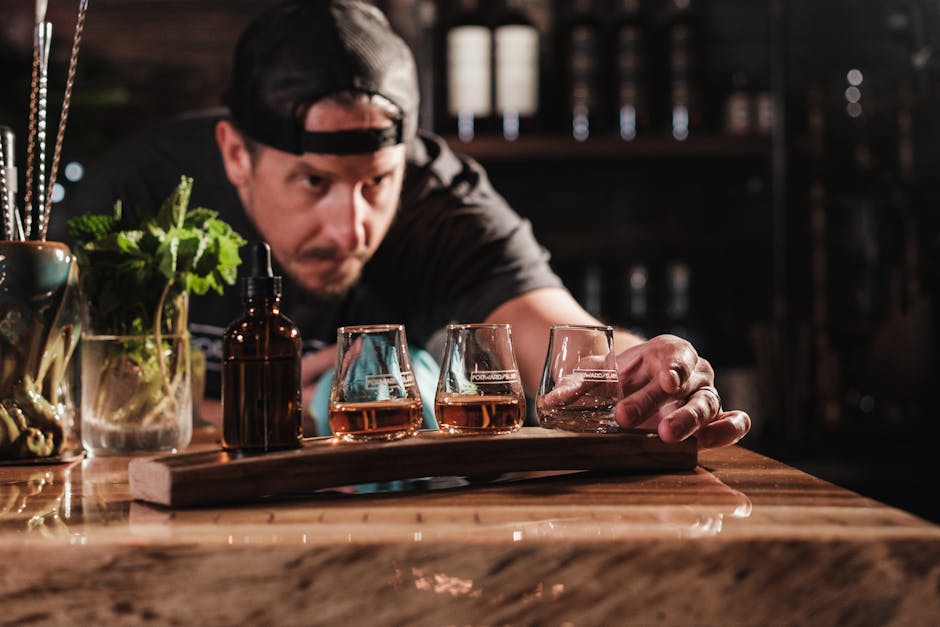
Picture this: It’s a rainy Tuesday evening in Dublin, and a group of twenty-somethings are crowded around a sleek tasting bar — not sipping craft beer, not swirling wine, but carefully nosing a flight of single pot still Irish whiskeys. The bartender rattles off flavor notes like a sommelier, and the crowd is genuinely riveted. This scene, unthinkable a decade ago, is now playing out from Dublin to Detroit, from Tokyo to Toronto. Irish whiskey isn’t just back — it’s rewriting its own story.
So what’s actually driving this revival, and more importantly, how do you — whether you’re a curious newcomer or a seasoned spirits enthusiast — navigate this exciting landscape in 2026? Let’s think through this together.
The Numbers Don’t Lie: Irish Whiskey’s Explosive Growth Trajectory
Let’s ground ourselves in some hard data first. According to the Irish Whiskey Association’s 2026 market report, Irish whiskey exports have surpassed €1.2 billion annually, with the United States still commanding roughly 40% of global demand. But here’s the fascinating shift — emerging markets in Asia-Pacific, particularly South Korea, Japan, and Vietnam, now collectively account for nearly 18% of export volume, up from a modest 7% just five years ago.
The distillery count tells an equally compelling story. In 2010, Ireland had only four operating distilleries. As of early 2026, that number has surged past 45 active distilleries, with another dozen in various stages of development. Compare that to Scotland’s 130+ and you start to appreciate just how young and hungry this industry still is — which, paradoxically, is one of its greatest competitive advantages.
- Global export value (2026 est.): €1.2 billion+
- Active distilleries in Ireland: 45+
- Fastest-growing market: Asia-Pacific (+18% volume share)
- CAGR over last decade: Approximately 10-12% annually
- Premium/super-premium segment growth: Up 34% since 2022
- New product releases in 2026 alone: Over 80 new expressions launched
What’s Actually Fueling the Renaissance? Three Core Drivers
When I dig into why Irish whiskey is resonating so powerfully right now, three forces stand out — and they’re more interconnected than they might first appear.
1. The Approachability Advantage. Irish whiskey has always been defined by its triple-distillation process (for most expressions), which produces a notoriously smooth, lighter spirit compared to Scotch’s more aggressive peat profiles. In 2026’s wellness-conscious, flavor-curious drinking culture, that smoothness isn’t a weakness — it’s a strategic asset. Younger drinkers who find heavily peated Scotch overwhelming, or who are transitioning from sweeter American bourbon, find Irish whiskey to be an ideal on-ramp into the broader whiskey world.
2. The Authenticity Economy. Consumers in 2026 don’t just want a drink — they want a story, a place, a heritage. Irish whiskey brands have become increasingly sophisticated at communicating their terroir (yes, whiskey terroir is a thing — local barley varieties, water sources, and even the humid Atlantic climate all influence flavor). Distilleries like Waterford have gone so far as to release single-farm-origin expressions, essentially doing for whiskey what Burgundy did for wine generations ago.
3. Premium Trading-Up Behavior. Post-pandemic spending patterns have consolidated around a “drink less, drink better” philosophy. The average transaction price for an Irish whiskey bottle has increased by roughly 22% since 2021. Consumers are bypassing mid-shelf options entirely and reaching directly for aged statements, limited editions, and cask-strength releases — a segment where Irish distilleries are now investing heavily.
Spotlight: Key Players Redefining the Category in 2026
Let me walk you through some of the most exciting examples from both established giants and exciting newcomers — because this renaissance is being written by very different hands.
Jameson (Irish Distillers/Pernod Ricard) remains the category’s global ambassador, shifting approximately 10 million cases annually. But what’s interesting in 2026 is how Jameson has successfully “premiumized upward” without abandoning its approachable image. The Jameson Caskmates series — finished in craft beer and whiskey barrels — has been a masterstroke in cross-community marketing, pulling in craft beer enthusiasts who might never have reached for a whiskey otherwise.
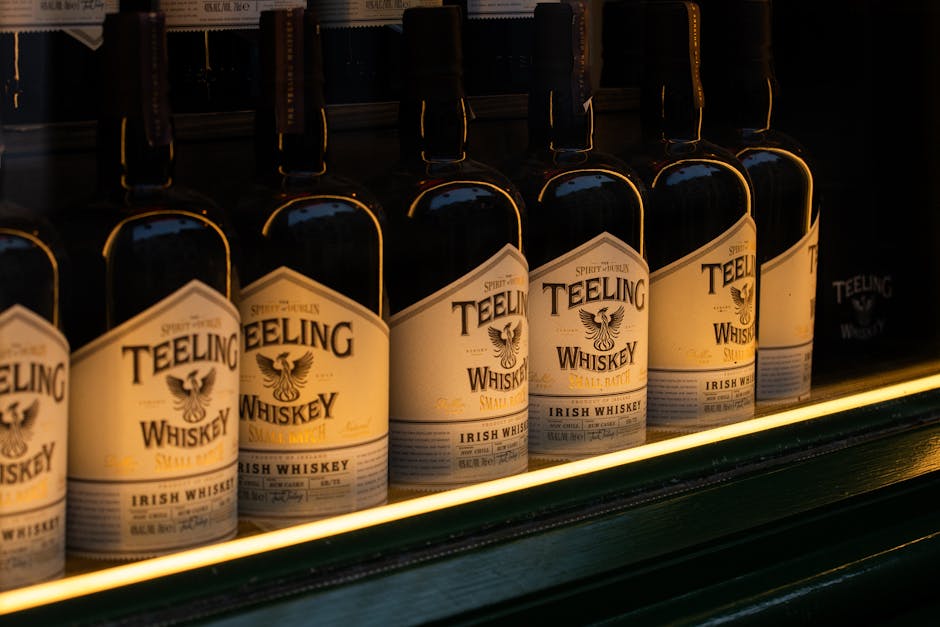
Teeling Whiskey, operating out of Dublin’s Liberties district since 2015, has become the poster child for the craft revival. Their single pot still expressions have won consistent international awards, and their visitor center now draws over 120,000 tourists annually — making it one of Dublin’s top cultural attractions. In 2026, their 10-year aged expressions are generating serious conversation among collectors.
Waterford Distillery deserves special mention for its almost obsessively philosophical approach to provenance. Founder Mark Reynier (previously of Bruichladdich Scotch fame) has built an entire operating system around traceability — every bottle references specific farms, harvest dates, and barley varieties. It’s polarizing among traditionalists but deeply compelling to the new generation of whiskey geeks.
Connacht Whiskey Company in County Mayo represents a wave of genuinely regional Irish distilleries — producers committed to hyper-local ingredients and reflecting their specific geographic terroir. These smaller operations are creating a level of diversity within the Irish category that simply didn’t exist a decade ago.
On the international reception front, South Korea’s craft whiskey bar scene — particularly concentrated in Seoul’s Itaewon and Seongsu districts — has embraced Irish expressions with notable enthusiasm. Korean whiskey importers report that single pot still expressions from Redbreast and Green Spot are now frequently requested alongside Japanese and Scotch whiskies at high-end establishments, a positioning that would have been almost inconceivable five years ago.
The Challenges Worth Talking About Honestly
Now, because we’re thinking this through together rather than just cheering from the sidelines, let’s acknowledge the headwinds. The age statement shortage is real — with so many distilleries opening in the 2015-2020 wave, the industry is facing a temporary gap in mature stock. Some releases that command premium prices are surprisingly young (3-5 years), and consumers need to be discerning. Always check the age statement, and don’t conflate price with maturity.
There’s also the consolidation risk. Several of the most exciting craft distilleries have already been acquired by large multinationals (Slane Castle by Brown-Forman being one prominent example). This isn’t inherently negative — investment brings quality infrastructure — but it does raise questions about whether the authentic, independent spirit of the renaissance can survive at scale.
Your Realistic Path Into Irish Whiskey: A Starter Framework
Whether you’re brand new to the category or looking to deepen your exploration, here’s how I’d approach 2026’s Irish whiskey landscape:
- Start here (newcomers): Jameson Original, Tullamore D.E.W. Original — approachable, affordable, genuinely representative of the style
- Step up to (intermediate): Redbreast 12 Year, Green Spot Single Pot Still — these are considered benchmarks of the single pot still style
- Explore the craft tier: Teeling Single Malt, Waterford Gaia 2.1 — flavor complexity without the age-statement premium
- For serious collectors: Redbreast 21, Midleton Very Rare 2026 release, Teeling 24 Year — limited allocation, genuine investment-grade bottles
- If budget is a concern: Powers Gold Label and Writers’ Tears Copper Pot offer excellent quality-to-price ratios well under €40
One practical tip that’s easy to overlook: explore the single pot still style specifically. It’s uniquely Irish — a legal requirement that the mash must include a combination of malted and unmalted barley — and produces a creamy, spicy complexity that no other whiskey tradition replicates. If you want to understand what makes Irish whiskey genuinely distinct (not just a smoother alternative to Scotch), this is your entry point.
Editor’s Comment : The Irish whiskey renaissance of 2026 isn’t hype built on marketing budgets — it’s a convergence of genuine quality improvement, intelligent category storytelling, and shifting global consumer tastes. What excites me most isn’t the headline export figures or the celebrity endorsements; it’s the 40-something distilleries quietly aging their first serious batches right now, waiting for the moment their 10 and 12-year expressions hit the shelves around 2030-2032. That’s when this story gets really interesting. For now, there’s never been a better — or more affordable — moment to start paying attention to what Ireland is pouring. Sláinte. 🥃
태그: [‘Irish whiskey 2026’, ‘Irish whiskey renaissance’, ‘single pot still whiskey’, ‘craft distillery Ireland’, ‘whiskey trends 2026’, ‘Teeling Redbreast Waterford whiskey’, ‘premium spirits market’]
Leave a Reply