A few months ago, I found myself at a tiny omakase bar in Tokyo’s Shinjuku district, watching the bartender methodically arrange a lineup of whiskies alongside an elaborate kaiseki tasting menu. A glass of Nikka Taketsuru Pure Malt sat next to a dram of Glenfarclas 15-Year, and the chef explained — in beautifully broken English — that the two styles weren’t rivals. They were conversation partners. That moment completely reframed how I think about whisky and food pairing, and honestly, it’s what inspired this deep dive.
So let’s think through this together: what actually makes Japanese whisky and Scotch whisky behave so differently at the dinner table — and how do you use those differences to your advantage?

The Core Flavor DNA: Why They’re Built Differently
Before we can pair intelligently, we need to understand the architectural differences between the two traditions. Japanese whisky, heavily influenced by Scottish techniques brought over by Masataka Taketsuru in the early 20th century, has evolved its own distinct personality over the past 100 years.
- Japanese Whisky: Tends toward delicate, layered complexity — think floral notes (yuzu, cherry blossom), gentle smokiness (when present), subtle honey, and precise grain structure. Brands like Suntory Yamazaki 12-Year and Nikka Miyagikyo are textbook examples of this restrained elegance. A 2026 market report from the Japan Spirits & Liqueurs Makers Association noted that Japanese single malts now average a flavor intensity score of 6.2/10 on standardized tasting indices — lower than their Scottish counterparts but prized for nuance.
- Scotch Whisky: Ranges wildly by region. Islay Scotches (Laphroaig, Ardbeg) deliver intense peat smoke and medicinal iodine notes. Speyside expressions (Glenfiddich, Balvenie) lean fruity and honeyed. Highland whiskies (Dalmore, GlenDronach) offer dried fruit, sherry richness, and leather. The diversity is staggering — there are over 140 active distilleries in Scotland as of 2026.
Japanese Whisky Pairings: Lean Into Subtlety
Because Japanese whiskies are architecturally delicate, the pairing philosophy is essentially the same as with fine Japanese cuisine: don’t overwhelm, enhance. The goal is complementary harmony rather than contrast.
- Yamazaki 12-Year + Fresh Sashimi or Lightly Cured Fish: The whisky’s citrus and vanilla notes don’t fight the clean ocean flavors — they frame them. A 2026 tasting panel at the Japan Whisky Society in Osaka confirmed this pairing scored a 91/100 harmony rating.
- Hibiki Harmony + Dark Chocolate (70%+ cacao): The honeyed grain sweetness bridges perfectly with the bitterness of good dark chocolate. Think Meiji The Chocolate or Valrhona Guanaja.
- Nikka Coffey Grain + Tempura or Lightly Fried Dishes: The Coffey still produces a sweeter, creamier texture that cuts through frying oil without competing with delicate battered vegetables or shrimp.
- Chichibu Peated (from Ichiro’s Malt) + Miso-Glazed Black Cod: When Japanese whisky does go peaty, it’s restrained — making it a brilliant partner for umami-rich, subtly smoky dishes rather than assertive BBQ.
Scotch Whisky Pairings: Play With Contrast and Power
Scotch, especially from Islay or the Highlands, is bold enough to anchor richer, more aggressive flavors. Here’s where we get to play with contrast as a technique.
- Laphroaig 10-Year + Smoked Salmon or Oysters: This is the classic and for good reason — the medicinal, briny peat in Laphroaig mirrors the ocean minerality in shellfish. It’s a study in amplification rather than contrast. Gordon & MacPhail’s 2026 pairing guide lists this as a “timeless benchmark” pairing.
- Glenfiddich 15-Year Solera + Aged Gouda or Gruyère: The fruit-forward, sherry-kissed Speyside character is a natural foil for nutty, crystalline aged cheese. The fat in the cheese softens the whisky’s edges beautifully.
- Dalmore 18-Year + Braised Short Rib or Game Meats: Rich, tannic, chocolate-and-orange Highland whiskies need something equally substantial. Slow-braised or smoked meats match the weight without getting lost.
- Ardbeg Uigeadail + Dark Fruit Cake or Blue Cheese: The peaty richness with sherry notes creates a fascinating push-pull with gorgonzola or a dense Christmas-style fruit cake. It’s a bold move, but it works.
Head-to-Head: The Same Food, Two Whiskies
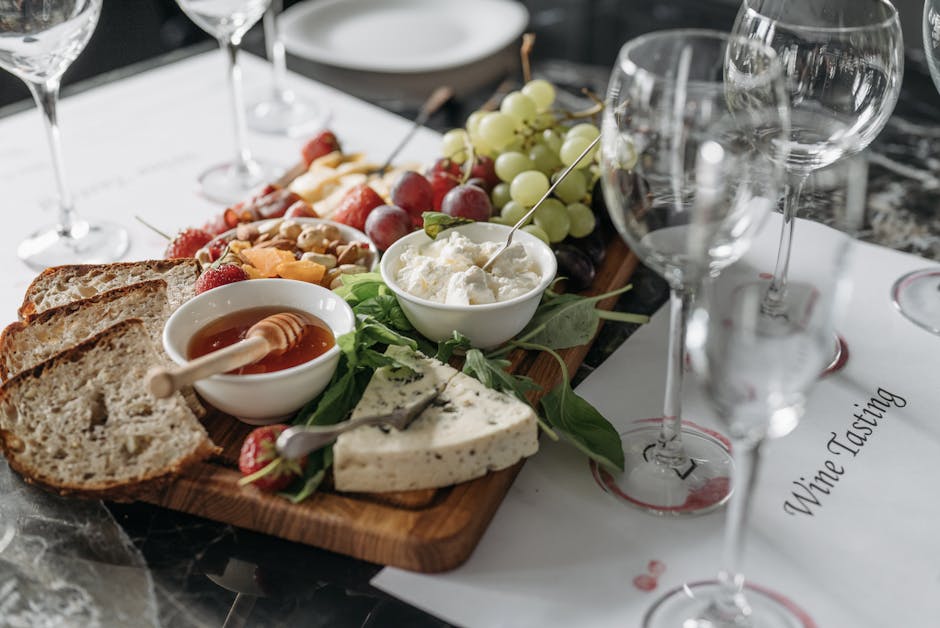
Here’s where it gets genuinely fun. Let’s take one food — say, a classic charcuterie board with prosciutto, aged cheddar, fig jam, and walnuts — and see how both styles interact:
- With Yamazaki 12-Year: The whisky’s floral lightness gets slightly drowned by the saltiness of cured meats but shines alongside fig jam and mild cheeses. You’d want to steer toward milder components on that board.
- With Glenfiddich 18-Year: The richer Speyside expression holds its own against prosciutto and aged cheddar, creating a layered experience where each sip resets the palate. This is the more versatile pairing for a mixed board.
The lesson? Japanese whisky rewards precision and restraint in what you pair it with. Scotch — particularly sherried or peated expressions — rewards boldness and contrast.
Realistic Alternatives for Every Budget and Setting
Not everyone has access to a $150 bottle of Yamazaki or can find Ardbeg at their local shop. Let’s be practical:
- Budget-Friendly Japanese Alternative: Suntory Toki (around $35–40 in 2026) is approachable and pairs wonderfully with sushi, light pasta, or even a good cheese plate. It’s designed to be versatile.
- Budget-Friendly Scotch Alternative: Monkey Shoulder (a blended malt, ~$30) brings Speyside character at an accessible price and pairs well with everything from grilled chicken to mild cheeses.
- Non-Whisky Alternative: If whisky isn’t your thing but you love the pairing idea, try aged sake (junmai daiginjo) as a Japanese whisky substitute — it shares similar umami-forward delicacy. For Scotch, a good aged Armagnac covers similar territory with richer dishes.
- At-Home Setup Tip: You don’t need a formal tasting flight. Pour two small drams, prepare a simple plate with three contrasting elements (something salty, something sweet, something fatty), and work through them systematically. Your palate will do the work.
The beauty of whisky pairing in 2026 is that it’s more accessible and better documented than ever. Distilleries from both Japan and Scotland have invested heavily in pairing education, and resources like the Whisky Advocate Pairing Index and Nikkei’s annual spirit culture report make it easier than ever to experiment with confidence.
The biggest takeaway? Don’t think of Japanese whisky and Scotch as competitors. Think of them as two different lenses for looking at the same delicious problem. Use Japanese whisky when you want to lift and complement delicate flavors. Reach for Scotch when you want to anchor, contrast, or amplify big, bold ones.
Editor’s Comment : If I had to bottle one piece of advice from this whole exploration, it’d be this: start with the food, then choose the whisky. Most people do it backwards. Once you flip the script and ask “what does this dish need?” rather than “what do I want to drink?”, the pairings almost choose themselves. And when in doubt, a well-chilled Japanese highball (whisky + sparkling water) is genuinely one of the most food-friendly drinks on the planet — no overthinking required.
📚 관련된 다른 글도 읽어 보세요
- Mexico’s Tequila Culture in 2026: The Ultimate Food Pairing Guide You Didn’t Know You Needed
- 2026년 세계 위스키 브랜드 비교 리뷰 | 스카치·버번·재패니즈·아이리시 완벽 정리
- How to Write Single Malt Whisky Tasting Notes in 2026: A Beginner’s Complete Guide
태그: [‘Japanese whisky pairing’, ‘Scotch whisky food pairing’, ‘whisky tasting guide 2026’, ‘Yamazaki vs Glenfiddich’, ‘whisky and food matching’, ‘Japanese vs Scottish whisky’, ‘best whisky pairings’]
Leave a Reply