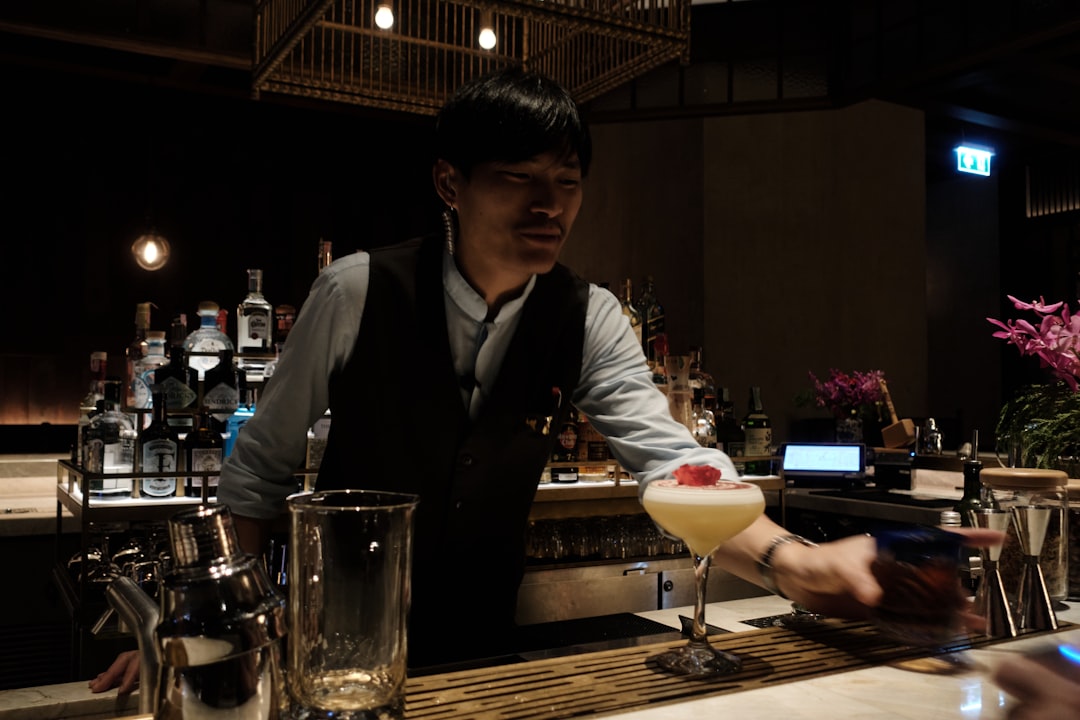
Picture this: It’s a crisp evening in New York City, and a sleek cocktail bar in Manhattan has just added something unexpected to its menu — a smoky, floral baijiu-based negroni. The bartender explains it with quiet confidence: “Think of it like mezcal, but older. Much, much older.” The couple at the bar exchange curious glances, shrug, and order two. That scene, once unthinkable outside of Chengdu or Shanghai, is becoming increasingly common in 2026 — and it tells us something important about where the global spirits market is heading.
Baijiu (白酒), which literally translates to “white liquor,” is the world’s best-selling spirit by volume — outselling whisky, vodka, and rum combined. Yet until recently, nearly all of that consumption happened within China’s borders. So what changed? And more importantly, what does the global baijiu push mean for consumers, bartenders, and investors worldwide?
Let’s think through this together.
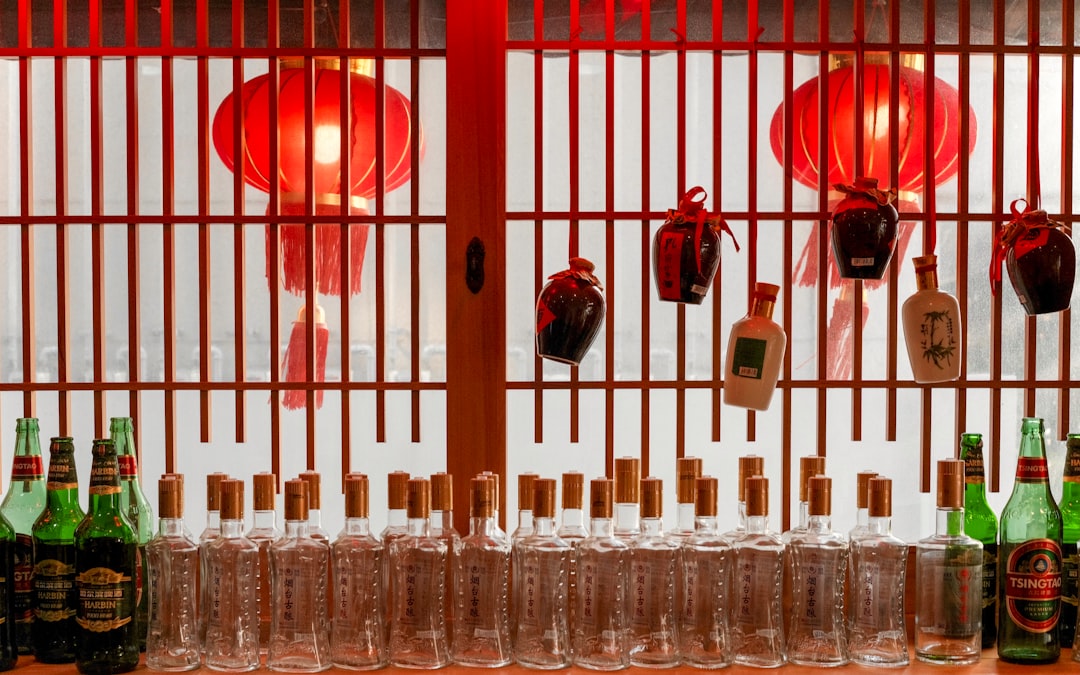
The Numbers Don’t Lie: Baijiu’s Global Ambition Is Real
In 2026, the global baijiu export market is estimated to surpass $1.2 billion USD — a figure that sounds modest compared to Scotch whisky’s $7+ billion, but represents a dramatic acceleration from just a few years ago. According to industry reports from the IWSR (International Wine & Spirits Research), baijiu exports have grown at roughly 18–22% annually since 2022, with the steepest upticks in North America, Western Europe, and Southeast Asia.
The key driver? A deliberate premiumization strategy by China’s top baijiu brands. Rather than competing on price or volume in foreign markets, houses like Moutai (茅台), Wuliangye (五粮液), and Luzhou Laojiao (泸州老窖) are positioning their flagship products as ultra-premium luxury spirits — the kind that belong next to aged Cognac and single-malt Scotch on the top shelf.
Why Now? The Perfect Storm of Factors in 2026
Several converging trends explain the timing of baijiu’s international breakout moment:
- The Chinese diaspora effect: An estimated 50+ million overseas Chinese now represent a built-in consumer base that’s been quietly purchasing baijiu in specialty Asian grocery stores for decades. Brands are finally formalizing this channel.
- Cocktail culture’s thirst for novelty: The global craft cocktail scene, post-pandemic, has been aggressively hunting for new base spirits. Baijiu — with its extraordinary aromatic complexity (there are 12 recognized aroma categories!) — offers bartenders something genuinely new to work with.
- Sustainability credibility: Many baijiu producers use traditional fermentation pits that are hundreds of years old, and the production process is deeply terroir-driven — narratives that resonate strongly with today’s conscious luxury consumer.
- Diplomatic soft power: China’s cultural export strategy increasingly uses baijiu as a prestige ambassador. State banquets, international sports events, and cultural festivals in 2025–2026 have featured baijiu prominently.
- Digital discovery: Short-form video content on platforms popular globally has created genuine viral moments around baijiu tasting and cocktail experiments, sparking organic curiosity among younger consumers.
Real-World Examples: Who’s Making It Work?
Let’s look at concrete cases that illustrate both the opportunities and the challenges:
Moutai’s Luxury Play in Europe: Kweichow Moutai has opened branded experience stores (think Apple Store meets distillery museum) in Paris and London. Their flagship sauce-aroma (酱香型) baijiu retails at €300–€500 per bottle, and they’ve partnered with Michelin-starred restaurants to offer curated food pairings. Early reception has been cautiously positive — critics describe it as “challenging but rewarding,” which in wine-speak is practically a rave review.
Luzhou Laojiao in the US Cocktail Scene: Luzhou Laojiao has taken a smarter grassroots approach in North America, sponsoring cocktail competitions and working directly with influential bartenders in cities like San Francisco, Chicago, and Toronto. Their strong-aroma (浓香型) style is generally considered more approachable for Western palates. The strategy is working — brand mentions in cocktail menus have tripled since 2024.
Wuliangye’s Southeast Asia Pivot: Rather than fighting an uphill battle in markets with zero cultural familiarity, Wuliangye doubled down on Southeast Asia — Vietnam, Thailand, Singapore, and Indonesia — where Chinese culinary culture already has deep roots. This pragmatic approach has delivered the fastest volume growth of any major baijiu brand internationally in 2026.
Startup Challengers — The Neo-Baijiu Movement: Interestingly, a new wave of craft baijiu producers — some Chinese, some Western-founded — are emerging specifically for international palates. Brands like Ming River (a collaboration between Chinese distillers and American spirits professionals) have been quietly winning converts in the UK and US by offering lighter, lower-ABV expressions designed to ease newcomers into the category.
The Real Challenges: Let’s Be Honest
It would be intellectually dishonest not to address the significant hurdles. Baijiu typically clocks in at 40–60% ABV, and its flavor profile — which can include notes of soy sauce, dried fruit, barnyard, and petrol (yes, petrol — think Riesling) — is a genuine acquired taste. Western consumers raised on the relative smoothness of vodka or the vanilla warmth of bourbon face a real palatability gap.
There’s also a regulatory maze: import classifications, labeling requirements, and alcohol marketing restrictions vary enormously across markets, adding cost and complexity that smaller baijiu brands simply can’t absorb.
Realistic Alternatives: How to Engage With This Trend
Whether you’re a curious consumer, a bar professional, or someone with a business interest in spirits, here’s how to think about approaching baijiu realistically in 2026:
- If you’re a first-time taster: Start with light-aroma (清香型) baijiu, which is cleaner and more neutral. Try it in a cocktail first — a baijiu mojito or baijiu-based sour is a genuinely excellent entry point.
- If you’re a bartender: The strong-aroma category (浓香型) is your playground. Its fruity, earthy complexity pairs brilliantly with citrus, ginger, and herbal liqueurs. Don’t try to hide it — let it speak.
- If you’re an investor or retailer: The premium tier is crowded and capital-intensive. The smarter play in 2026 is mid-range approachable baijiu targeting the cocktail-on-premise channel in major urban centers.
- If you’re hosting a dinner: Pair sauce-aroma baijiu with umami-rich foods — aged cheeses, cured meats, miso-glazed dishes. The synergy is remarkable and makes for a memorable conversation piece.
The global baijiu story is still in its early chapters. The brands that win internationally won’t necessarily be the ones with the deepest Chinese heritage credentials — they’ll be the ones that best translate an ancient, complex tradition into a language that curious global consumers can access and enjoy on their own terms.
And honestly? That’s a fascinating translation project worth watching.
Editor’s Comment : Baijiu’s global expansion in 2026 is one of the most genuinely interesting stories in the spirits world right now — not because success is guaranteed, but because the tension between cultural authenticity and market accessibility makes it a real test case for how traditional products can evolve without losing their soul. My honest take: give it five more years and a good cocktail bar near you will have at least two baijiu expressions on the menu. Start exploring now, before it becomes trendy and you lose your bragging rights.
📚 관련된 다른 글도 읽어 보세요
- Korean Traditional Soju Goes Global: How a 700-Year-Old Spirit Is Conquering the World in 2026
- Bourbon Whiskey Beginner’s Guide 2026: Everything You Need to Know Before Your First Sip
- 테킬라 vs 메즈칼, 뭐가 다를까? 멕시코 증류주 문화의 모든 것 (2026년 완벽 가이드)
태그: [‘baijiu global market 2026’, ‘Chinese spirits international expansion’, ‘baijiu cocktails’, ‘premium spirits trends’, ‘Moutai export strategy’, ‘craft spirits discovery’, ‘China soft power drinks’]
Leave a Reply