A few years back, I was sitting in a small pub in Dublin, nursing a glass of Jameson and sharing a plate of smoked salmon with a local barman named Seamus. He leaned over the counter and said something I’ve never forgotten: “The whiskey doesn’t finish in the glass — it finishes on the plate.” That single moment rewired everything I thought I knew about Irish whiskey. It wasn’t just a drink; it was half of a conversation that food needed to complete.
Fast forward to 2026, and Irish whiskey is experiencing one of its most exciting renaissance periods in modern history. Global sales have grown by over 300% in the past decade, and with over 50 active distilleries now operating across the island of Ireland (up from just a handful in the early 2000s), the category has never been more diverse or food-pairing-friendly. So let’s think through this together — what actually works, why it works, and how you can build your own perfect pairing table at home or at your next dinner party.
Understanding the Flavor Spectrum of Irish Whiskey
Before we pair anything, we need to understand what we’re working with. Irish whiskey is legally required to be distilled and aged on the island of Ireland for a minimum of three years in wooden casks. Unlike Scotch, which often uses peat in malting, most Irish whiskeys are triple-distilled for a noticeably smoother, lighter, and more approachable profile. But “smooth” doesn’t mean “simple” — the range is genuinely impressive:
- Single Malt Irish Whiskey (e.g., Teeling Single Malt, Bushmills 10 Year): Rich, fruity, sometimes nutty with hints of vanilla and toasted oak. These tend to be the most complex and pair beautifully with aged cheeses and charcuterie.
- Single Pot Still Irish Whiskey (e.g., Redbreast 12, Powers John’s Lane): Uniquely Irish — made from a mash of malted and unmalted barley. Delivers a spicy, creamy, almost oily texture with orchard fruit and spice notes. This is your best friend for hearty, savory foods.
- Blended Irish Whiskey (e.g., Jameson, Tullamore D.E.W.): Light, approachable, gentle grain notes with soft fruit and floral undertones. Perfect for casual food pairings and lighter dishes.
- Single Grain Irish Whiskey (e.g., Teeling Single Grain, Glendalough Single Grain): Sweet, delicate, and often wine-cask finished. Exceptional with desserts and sweet-savory combinations.
The Science Behind Why Flavor Pairing Works
Here’s where it gets genuinely fascinating. Flavor pairing theory — popularized by chefs like Heston Blumenthal and supported by food scientists at institutions like the Flemish Institute for Biotechnology — suggests that two foods (or a food and a drink) pair well when they share key volatile aromatic compounds. Irish whiskey, particularly pot still expressions, contains compounds like ethyl acetate (fruity, sweet), guaiacol (smoky, spicy), and lactones (coconut, vanilla) that overlap significantly with foods like roasted meats, aged dairy, caramelized vegetables, and dark chocolate.
A 2024 flavor mapping study published by the Irish Whiskey Association identified over 200 distinct aromatic compounds across the major Irish whiskey categories. The takeaway? This spirit’s profile is broad enough to anchor an entire tasting menu — not just a post-dinner pour.
Classic Pairings: Proven and Beloved
Let’s look at some tried-and-true combinations that have stood the test of time, both in Ireland and across the international food scene:
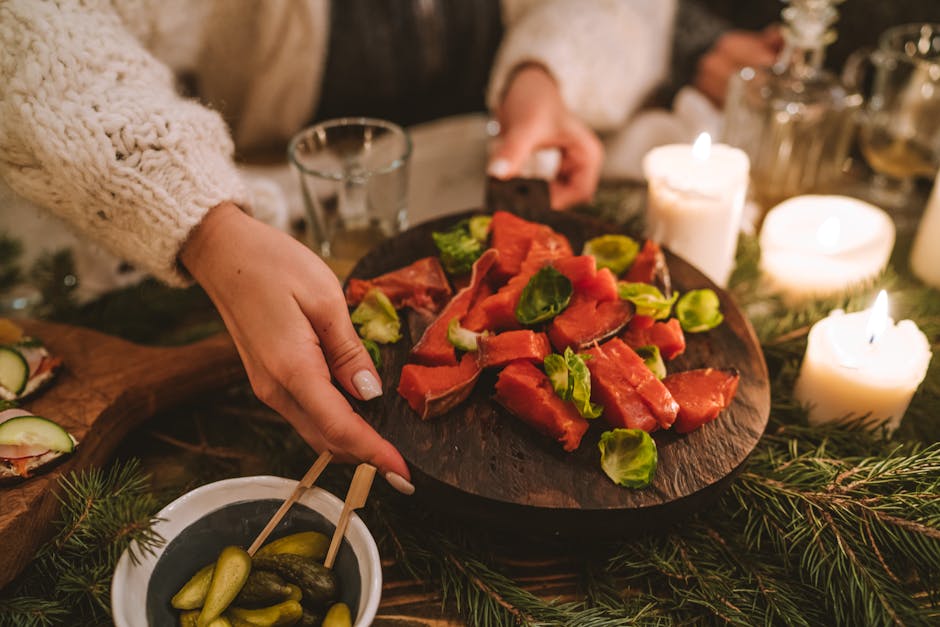
- Blended Irish Whiskey + Smoked Salmon: The smokiness of cured Atlantic salmon mirrors the subtle grain sweetness of a Jameson or Tullamore D.E.W. A squeeze of lemon bridges the gap. This is practically a national tradition in Ireland.
- Redbreast 12 (Pot Still) + Aged Cheddar or Comté: The creamy, spicy complexity of Redbreast meets the crystalline, nutty depth of a well-aged hard cheese. The fat in the cheese softens the whiskey’s spice while amplifying its fruit notes.
- Bushmills 16 (Single Malt) + Dark Chocolate (70%+): The dried fruit and oak in Bushmills 16 create an almost confectionery experience when paired with high-cacao chocolate. Think of it as a deconstructed chocolate whiskey truffle.
- Teeling Single Grain + Crème Brûlée or Vanilla Panna Cotta: The wine-cask influence in many Teeling expressions (often Cabernet Sauvignon or Sauternes) gives a gentle sweetness that wraps around custard-based desserts like a warm blanket.
- Powers John’s Lane + Irish Stew or Braised Short Rib: Hearty, warming, and deeply satisfying. The spice and body of this pot still legend can hold its own against braised meats with rich, reduced sauces.
International Examples: How the World Is Pairing Irish Whiskey in 2026
The global conversation around Irish whiskey pairing has gotten remarkably sophisticated. At Dead Rabbit NYC — consistently ranked among the world’s best bars — the cocktail-forward menu has evolved to include formal whiskey pairing flights matched with artisanal bar snacks. Their 2026 spring menu features a Redbreast Lustau Edition paired with Manchego and quince paste, drawing on the sherry-cask influence in the whiskey to echo the sweet-savory Spanish profile of the food.
In Tokyo, the Poitin Bar in Shibuya has become a destination for Irish whiskey enthusiasts who pair expressions like Method and Madness with Japanese-Irish fusion small plates — think miso-glazed black cod alongside a dram of Dingle Single Malt. The umami-rich fermented flavors of Japanese cuisine interact surprisingly well with the fruity esters in Irish malt whiskey.
Closer to home in Ireland itself, the Waterford Distillery’s Whisky Experience (yes, they use the Scotch spelling — it’s a long story) has pioneered terroir-driven tasting sessions where single-farm barley expressions are paired with cheese and charcuterie from the same county. It’s hyperlocal storytelling through food and drink.
Building Your Own Irish Whiskey Pairing Board at Home
You don’t need a Michelin-starred kitchen or a cellar full of rare expressions to do this well. Here’s a practical, budget-conscious framework for hosting your own pairing night in 2026:
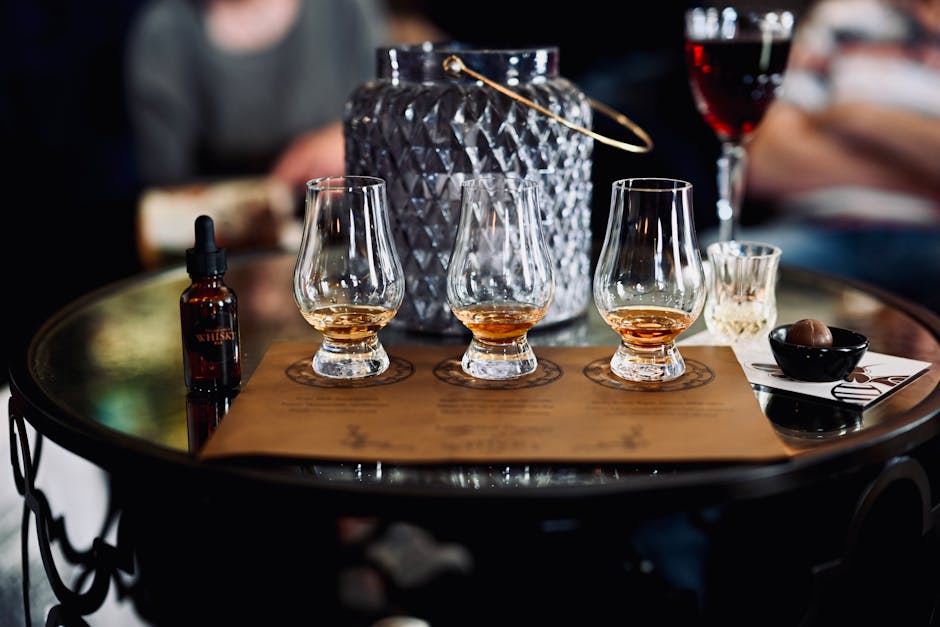
- Anchor with three expressions: Choose one blended (Jameson Black Barrel is excellent value), one pot still (Redbreast 12 or Green Spot), and one single malt (Teeling or Bushmills 10). This gives you a full spectrum.
- Build a complementary board: Smoked salmon or gravlax, a semi-hard aged cheese (Comté, aged Gouda, or Irish Cheddar), dark chocolate bark, salted honeycomb, and a few slices of cured meats like bresaola or prosciutto.
- Contrast elements: Add something acidic (cornichons, pickled onions) and something sweet (dried apricots, fig jam). Contrast can be just as exciting as complementary pairing.
- Serve whiskey at room temperature: Around 15–18°C (59–64°F). Cold suppresses aromatics. A small splash of still water (not ice) can open up the nose beautifully.
- Pace yourself: Start with the lightest expression (blended) and move toward the most complex (pot still or single malt). Your palate will thank you.
Realistic Alternatives for Every Budget and Lifestyle
Not everyone has access to premium expressions or a specialty cheese shop — and that’s completely fine. Here’s how to adapt:
- Budget-friendly: Jameson Original paired with good-quality dark chocolate from a grocery store and some smoked almonds is genuinely wonderful. Total spend? Under $30.
- Non-alcoholic parallel: If you’re hosting someone who doesn’t drink, a cold-brew coffee or a lapsang souchong tea (smoky, complex) can mimic some of the savory, roasted qualities of Irish whiskey alongside the same food board.
- Cheese substitutes: If dairy is an issue, roasted cashews and miso-glazed walnuts provide similar fat and umami bridges that aged cheese would offer.
- No-cook approach: A well-assembled charcuterie and cheese platter from your local deli, a tablet of 72% dark chocolate, and two or three bottles of Irish whiskey from different styles is genuinely all you need for a memorable evening.
The beauty of Irish whiskey pairing is that it rewards curiosity more than expertise. You don’t need to know the difference between a pot still and a grain whiskey to notice that a sip of Redbreast tastes suddenly brighter after a bite of aged cheddar. Trust your palate. Experiment without pressure.
Editor’s Comment : Irish whiskey is one of the most underrated pairing spirits in the world right now — and 2026 might genuinely be the year it claims its seat at the food table alongside wine and craft beer. What I love most about building a pairing session around Irish whiskey is how forgiving it is. Its naturally smooth, layered profile means it rarely clashes dramatically with food; instead, it finds ways to highlight and be highlighted. Start with one good bottle, a wedge of cheese, and some dark chocolate this weekend. Seamus was right — the whiskey really does finish on the plate.
📚 관련된 다른 글도 읽어 보세요
- Baijiu Goes Global: How China’s Fiery Spirit Is Crashing Western Dinner Tables in 2026
- Irish Whiskey vs Scotch: The Real Differences Every Whisky Lover Should Know in 2026
- 싱글몰트 위스키 초보자 추천 2026 — 처음 한 병, 절대 후회 없는 선택 가이드
태그: [‘Irish whiskey food pairing’, ‘whiskey and cheese pairing’, ‘Irish whiskey guide 2026’, ‘pot still whiskey pairing’, ‘best Irish whiskey’, ‘whiskey tasting board’, ‘food and whiskey matching’]
Leave a Reply