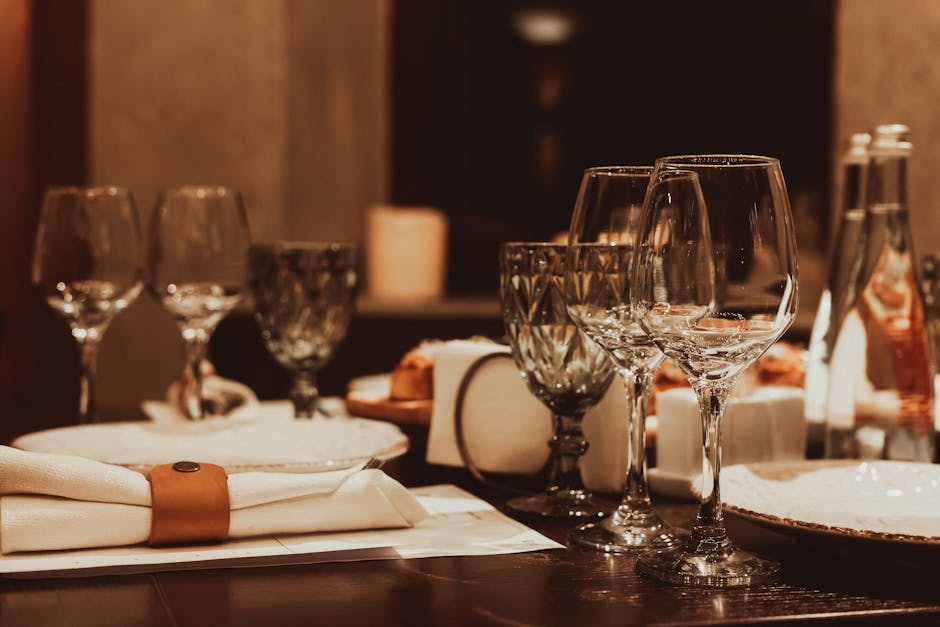
Picture this: it’s a Tuesday evening in a Michelin-starred restaurant in Copenhagen, and the sommelier slides a small ceramic cup toward you alongside a plate of slow-roasted duck breast with cherry reduction. ‘Try this instead of the Pinot Noir,’ she says with a knowing smile. What’s in the cup? A 53% ABV sauce-aroma baijiu from Guizhou, China. Just five years ago, this scene would have been unthinkable. Today, in 2026, it’s quietly becoming a reality — and the story behind it is genuinely fascinating.
Baijiu (白酒, literally ‘white liquor’) is the world’s best-selling spirit by volume — it has been for decades. Yet until recently, almost none of that volume was consumed outside of China. The globalization push that’s been building since the mid-2010s has finally hit an inflection point, and understanding why it’s happening now, and how it pairs with Western cuisine, is the perfect rabbit hole for any curious food-and-drink lover.
The Numbers Behind the Push: Why 2026 Is a Turning Point
Let’s ground ourselves in some real data before we get to the fun part. According to the International Wine and Spirit Research (IWSR) 2025 Global Spirits Report, baijiu’s export volume grew by approximately 18% year-on-year between 2023 and 2025, with the largest markets outside China now being the United States, the United Kingdom, Australia, and Germany. This follows a decade of deliberate, sometimes frustrating, sometimes brilliant global marketing efforts by the major producers.
The top players driving this globalization strategy are worth knowing:
- Kweichow Moutai (茅台) — The undisputed prestige brand, often called the ‘Cognac of China.’ Its sauce-aroma (酱香, jiànxiāng) profile has been the flagship for international tastings and Michelin collaborations in 2025–2026.
- Wuliangye (五粮液) — A five-grain strong-aroma (浓香, nóngxiāng) baijiu that’s arguably been more aggressively marketed to younger Western consumers through cocktail culture and bar partnerships.
- Luzhou Laojiao (泸州老窖) — Another strong-aroma heavyweight that partnered with several London craft cocktail bars in 2024–2025 to create baijiu-forward menus.
- Jiangxiaobai (江小白) — The ‘millennial baijiu’ brand with lighter, rice-aroma (米香) profiles specifically engineered to be approachable entry points for first-time drinkers globally.
The challenge has always been sensory. Western palates, trained on grain whiskeys, herbal gins, and fruity wines, find baijiu’s complexity — often described as containing notes of soy, overripe fruit, dried herbs, mushroom, and ethanol heat — disorienting at first. The industry’s current strategy isn’t to simplify baijiu; it’s to educate the context around it, much like how peated Scotch whisky was once considered ‘too smoky’ for mainstream acceptance.
The Four Aroma Categories: Your Pairing Roadmap
Here’s where it gets genuinely useful. Baijiu isn’t one thing — it comes in four primary aroma classifications (香型, xiānxíng), and each pairs radically differently with Western food. Knowing this is the key to not having a frustrating first experience.
- Sauce Aroma (酱香 Jiànxiāng) — Think Moutai. Deep, complex, fermented, savory, with notes of aged soy, dark chocolate, and dried fruits. Best Western pairings: aged hard cheeses (Comté, aged Gouda), charcuterie boards, roasted game meats, truffle dishes.
- Strong Aroma (浓香 Nóngxiāng) — Think Wuliangye. Fruity, sweet-ish, with pineapple and banana esters, plus a clean heat. Best Western pairings: duck confit, caramelized onion tarts, mushroom risotto, pork belly with fruit-based sauces.
- Light Aroma (清香 Qīngxiāng) — Think Fen Jiu. Clean, crisp, slightly floral and grainy. Best Western pairings: raw oysters, ceviche, light pasta dishes, fresh goat cheese, sushi-adjacent preparations.
- Rice Aroma (米香 Mǐxiāng) — The most approachable for newcomers. Soft, slightly sweet, with rice wine characteristics. Best Western pairings: seafood risotto, creamy sauces, light chicken dishes, even vanilla-forward desserts.

Real-World Examples: From Beijing Banquets to Brooklyn Bars
The pairing conversations happening right now aren’t just theoretical. Let’s look at what’s actually unfolding in 2026.
In New York City, a handful of Chinatown-adjacent and fusion restaurants have begun offering formal baijiu pairing menus. One notable example is the growing trend of pairing sauce-aroma baijiu with dry-aged beef — the fermented, umami-heavy notes in both create a parallel intensity that sommeliers describe as ‘conversational rather than competing.’ Several craft cocktail bars in Brooklyn now stock at least three baijiu expressions, using strong-aroma varieties as bourbon substitutes in spirit-forward cocktails like Old Fashioned riffs and Negroni twists.
In London, the 2025 collaboration between Luzhou Laojiao and a prominent Soho cocktail bar generated significant press coverage. The bar created a ‘Baijiu Flight’ pairing menu — four cocktails, each showcasing a different aroma type alongside a small Western snack — and sold out most nights for three months. The menu deliberately used familiar flavor anchors: the strong-aroma cocktail was paired with a truffle arancini, making the mushroom-fermented notes in both feel intuitive.
In Australia, where a large Chinese diaspora community meets an adventurous food culture, the normalization has arguably gone furthest. Melbourne’s dining scene in 2026 increasingly treats baijiu as a legitimate fine dining pairing option, with several non-Chinese restaurants adding it to their beverage programs after sommelier training programs — offered by Moutai and Wuliangye directly — gained traction in 2024–2025.
The Realistic Challenges: Let’s Not Oversell This
Honest conversation time. Baijiu globalization still faces real hurdles, and pretending otherwise doesn’t help anyone make good decisions.
First, there’s the price-to-unfamiliarity ratio. Premium Moutai bottles retail internationally for $150–$300+, which is a significant investment for something most Western consumers have never tasted. This is why the entry-level rice-aroma and light-aroma expressions are strategically important as gateways.
Second, there’s the alcohol content. Most baijiu runs between 40% and 60% ABV. The traditional serving method — small cups, sipped alongside food, not chugged — is culturally unfamiliar to Western drinkers accustomed to lingering over a glass of wine. The cocktail route has proven smarter for initial adoption precisely because it normalizes the spirit within a familiar framework.
Third, distribution and education infrastructure outside China is still patchy. Even in 2026, many Western wine shops carry at most one or two baijiu expressions, and staff training on how to describe them is inconsistent.
Realistic Alternatives: Where to Start If You’re Curious
You don’t need to book a fine dining experience to start exploring this. Here’s a practical entry ladder:
- Start with rice aroma or light aroma — Jiangxiaobai’s Expression series (available internationally) or Fen Jiu’s Blue and White bottle are genuinely approachable and pair well with everyday food like grilled fish or pasta.
- Try it in a cocktail first — Ask a craft cocktail bar if they carry baijiu. A Baijiu Sour (strong-aroma baijiu, lemon juice, simple syrup, egg white) is an excellent, low-intimidation introduction.
- Build a pairing meal at home — A strong-aroma baijiu alongside a mushroom-forward dish (like a simple mushroom pasta or pork belly with plum sauce) gives you the ‘aha’ moment without the restaurant price tag.
- Join a tasting event — Moutai and Wuliangye have both been running international tasting events and pop-up experiences throughout 2025–2026. Check their official international sites for 2026 schedules.
- Watch the cocktail world — If you follow craft cocktail culture, baijiu’s integration into that world is your clearest signal of mainstream Western adoption progress. It’s happening faster than most people realize.
The bigger picture here is that we’re watching a genuine cultural negotiation happen in real time — a 5,000-year-old spirit category finding its footing in a global market that didn’t grow up with it. That’s rare, and it’s interesting regardless of whether you ever take a sip.
Editor’s Comment : Baijiu’s globalization story is one of the most genuinely compelling food-and-drink narratives of this decade — precisely because it’s not simple. It’s not a spirit that’s going to win everyone over immediately, and that’s actually fine. The most interesting culinary experiences rarely are instant conversions. If you’re the type of person who gave natural wine a chance before the crowd arrived, or who learned to appreciate peated whisky by pairing it with the right food, baijiu deserves the same open-minded experiment. Start small, start with food, and let the context do the heavy lifting. You might just find your new favorite dinner companion.
태그: [‘baijiu globalization’, ‘Chinese spirits Western food pairing’, ‘Moutai international market 2026’, ‘baijiu cocktails’, ‘fine dining spirits pairing’, ‘Chinese liquor food pairing guide’, ‘baijiu aroma types’]
Leave a Reply