Picture this: It’s a warm evening, and you’re sitting at a rustic table somewhere in Oaxaca. A clay cup of smoky mezcal lands in front of you alongside a plate of tlayudas — those giant, crisped tortillas loaded with black beans, tasajo (dried beef), and quesillo (Oaxacan string cheese). You take a sip, then a bite, and suddenly the smokiness of the mezcal and the earthy richness of the beans create something that feels almost spiritual. That moment? That’s the whole point of Mexican spirits culture — and it’s something most people outside Mexico have never truly experienced.
In 2026, interest in agave-based spirits is absolutely exploding worldwide. Global mezcal sales grew by over 34% between 2022 and 2025 according to IWSR Drinks Market Analysis, and the category shows no signs of slowing. Yet most enthusiasts still approach tequila and mezcal the way they’d approach whiskey or wine — as standalone sipping experiences — missing the deeper cultural conversation these spirits are designed to have with food.
Let’s think through this together and figure out how to actually unlock that conversation.
Tequila vs. Mezcal: They’re Not the Same Thing (And That Matters for Pairing)
Before we even get to the food, we need to clear up one of the most persistent misconceptions in the spirits world. Many people treat tequila and mezcal as interchangeable, but they’re actually quite distinct — and those distinctions directly affect how they pair with food.
Tequila is made exclusively from Blue Weber agave (Agave tequilana), primarily in the state of Jalisco. The agave hearts (piñas) are steamed in industrial ovens, which produces a clean, bright, herbaceous spirit. Good blanco tequila has notes of citrus, white pepper, and fresh agave. Reposado (rested 2–12 months in oak) adds vanilla and caramel. Añejo (aged 1–3 years) brings deeper, almost bourbon-like complexity.
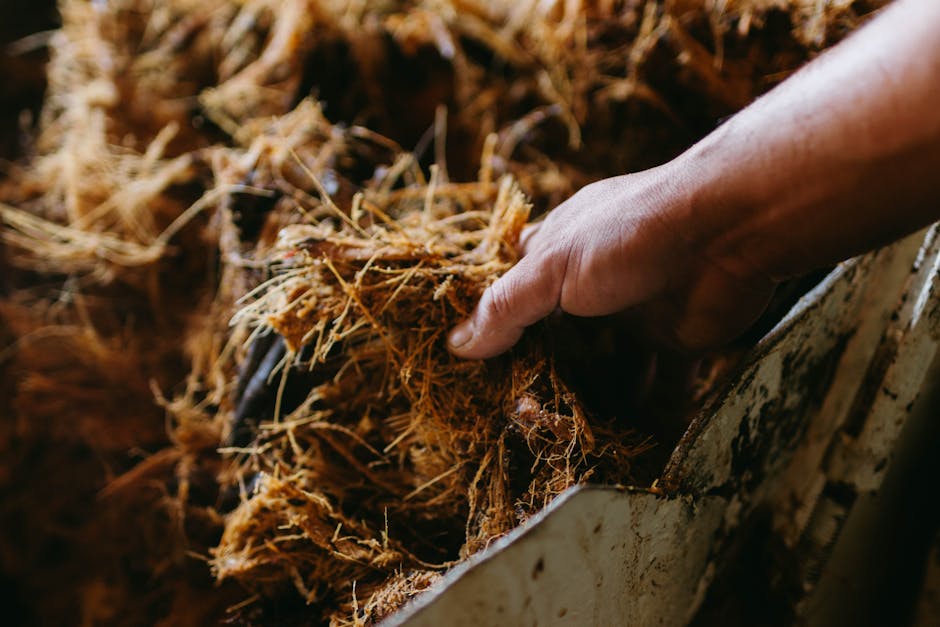
Mezcal, on the other hand, can be made from over 30 different agave varieties — espadín, tobalá, madrecuixe, tepeztate, and many more — primarily in Oaxaca, Guerrero, San Luis Potosí, and Durango. The defining production step is roasting the piñas in earthen pit ovens, which creates that signature smoky, complex, sometimes funky flavor profile. Think of mezcal as having the same relationship to tequila that Scotch whisky has to Irish whiskey — same family, wildly different personalities.
Why does this matter? Because clean and bright calls for different food partners than smoky and complex. Let’s break this down methodically.
The Science (and Pleasure) of Agave Spirit Pairing
Pairing logic for agave spirits follows a few key principles that culinary experts and bartenders in Mexico City, Guadalajara, and Oaxaca have refined over generations:
- Complementary earthiness: Both tequila and mezcal carry a distinctive mineral, vegetal agave core. Foods with their own earthy, mineral qualities — black beans, corn masa, dried chiles, mushrooms — naturally harmonize rather than clash.
- Acid as a bridge: Citrus (lime, especially) is the classic bridge between agave spirits and food. It softens the alcohol, lifts the agave flavors, and connects the spirit to acidic ingredients in dishes like ceviche or salsa verde.
- Fat as a buffer: High-fat foods — avocado, cheese, pork lard-based preparations — coat the palate and allow the spirit’s subtler notes to emerge. This is why guacamole and a good blanco tequila is practically a perfect system.
- Smoke meets smoke: Mezcal’s smokiness pairs brilliantly with charred, grilled, or smoked ingredients — chapulines (grasshoppers), grilled cactus (nopalitos), tasajo, or even wood-fired birria.
- Sweetness as contrast: Aged spirits (reposado, añejo) with their caramel and vanilla notes create a beautiful contrast with mildly spicy or slightly sweet preparations like mole negro or chiles en nogada.
Specific Pairings That Actually Work: Traditional Mexican Dishes and Their Ideal Matches
Let’s get specific, because general advice only gets you so far.
Blanco Tequila + Seafood Preparations: The crisp, citrus-forward nature of a quality blanco tequila (think Fortaleza, Siete Leguas, or G4 — all widely available internationally in 2026) makes it the obvious partner for coastal Mexican food. Aguachile (raw shrimp cured in lime and chile), fish tacos from Baja California, and ceviche de camarón are textbook matches. The acid in the dish mirrors the spirit’s brightness; the seafood’s delicacy isn’t overwhelmed.
Reposado Tequila + Corn-Based Dishes: There’s something almost poetic about pairing a rested tequila with corn — both are products of Mexican agricultural heritage refined over millennia. Tamales, pozole (hominy soup), and elotes (street corn with crema and cheese) all love the slight vanilla and oak warmth of a good reposado. Try Olmeca Altos or Cimarron Reposado if you’re watching your budget, or splurge on Casa Noble.
Añejo Tequila + Mole: This is an advanced pairing, but it’s extraordinary when it works. A complex mole negro from Oaxaca — with its 30+ ingredients including chocolate, dried chiles, and charred tortilla — needs a spirit with equal depth. An aged añejo brings cocoa, dried fruit, and spice that create a back-and-forth dialogue rather than one flavor dominating. Patron Añejo or Don Julio 1942 (if you’re feeling extravagant) work beautifully here.
Espadín Mezcal + Grilled Proteins: This is the workhorse of mezcal pairings. Espadín-based mezcals (from brands like Vago, Banhez, or Del Maguey) with moderate smokiness complement tasajo, cecina (cured pork), and memelas with beans and cheese. The smoke in the glass and the char on the meat are speaking the same language.
Wild-Agave Mezcal (Tobalá, Tepeztate) + Insects and Fungi: This is where things get genuinely exciting and culturally meaningful. Wild-agave mezcals are intense, often floral or earthy, and complex in ways that commercial spirits simply aren’t. In Oaxaca, these are traditionally served alongside chapulines (toasted grasshoppers with lime and salt), gusanos de maguey (agave worms, often ground into sal de gusano salt), and wild mushroom preparations. The intensity matches intensity, and both carry that wild, terroir-driven quality. These aren’t novelty foods — they’re ancient protein sources that connect you to pre-Columbian food culture.
What’s Happening in 2026: The Mezcal Renaissance and Cultural Preservation
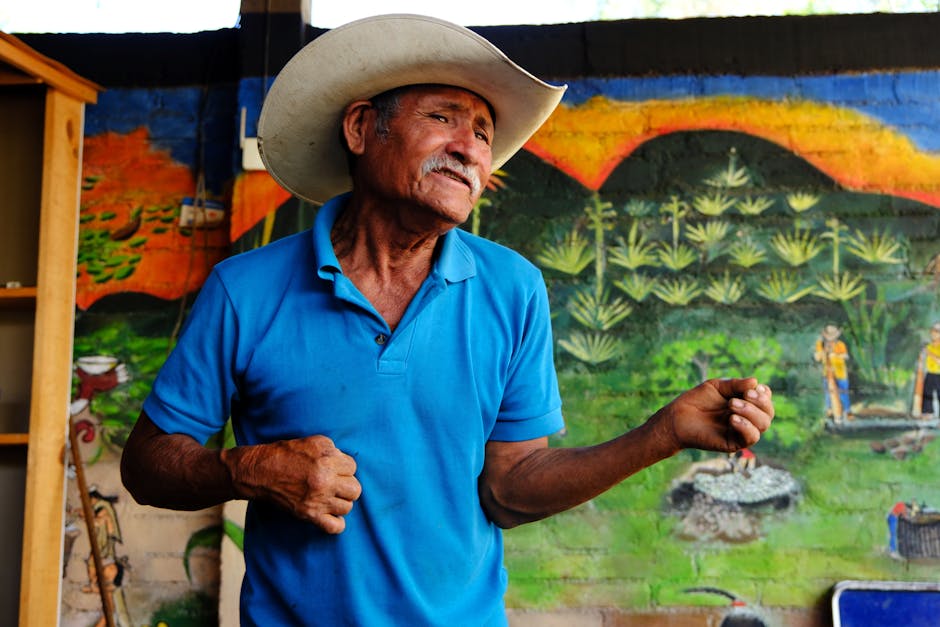
The mezcal market in 2026 is navigating a fascinating tension. On one hand, global demand is driving production expansion, with major spirits conglomerates acquiring small-batch mezcal producers. On the other hand, a strong counter-movement led by organizations like the Consejo Regulador del Mezcal (CRM) and advocacy groups such as Mezonte in Guadalajara is pushing for stricter provenance labeling and protection of small-scale palenqueros (mezcal producers).
In practical terms for consumers: look for mezcal labels that specify the agave variety, the state of production, the producer’s name, and whether it was made in traditional clay pot stills (olla de barro) versus copper pot stills. This information tells you the story of what you’re drinking — and that story is inseparable from the food culture it was born alongside.
Meanwhile, in Mexico City’s restaurant scene, 2026 has seen a wave of mezcalerías that double as cultural education spaces. Spots like La Botica (which has multiple CDMX locations) and the internationally recognized Quinto Patio in Oaxaca now offer structured tasting menus that pair regional agave spirits with hyper-local, seasonal ingredients — sometimes sourcing both the spirit and the food from the same village. This farm-to-glass-to-table approach is the gold standard for understanding the culture authentically.
Realistic Alternatives: You Don’t Have to Go to Oaxaca
Here’s where I want to be genuinely practical, because not everyone can book a flight to Mexico this week (though I’d encourage you to consider it for 2026!).
If you’re building your own pairing experience at home or at a local Mexican restaurant, here’s a tiered approach:
- Budget-friendly starting point: Pick up a bottle of Altos Plata tequila (around $25–30 USD) and pair it with quality fish tacos or a good guacamole. Make your own agua fresca as a palate cleanser between sips and bites. This alone will teach you the acid-agave-fat triangle.
- Intermediate exploration: Try a mid-range espadín mezcal like Banhez (it has a slight banana note from the barril agave blend) or Montelobos. Pair with grilled chicken tinga tacos or a mushroom-based dish. The smoke contrast will be immediately apparent.
- Advanced cultural dive: Source a small-batch mezcal from a specialty spirits shop (most major cities have them in 2026) and build a full Oaxacan-inspired spread: black bean tlayuda, chapulines with lime (available online from Mexican food importers), quesillo, and sal de gusano as your mezcal accompaniment. Invite friends who are curious but uninitiated — sharing this is half the pleasure.
- If you can’t find mezcal locally: A good sotol (from Chihuahua — not technically tequila or mezcal but an agave-adjacent spirit) or even a quality raicilla from Jalisco can give you a similar cultural pairing experience with slightly different flavor profiles.
The goal isn’t to consume these spirits in isolation or to turn them into cocktail ingredients alone (though a classic Paloma or Tommy’s Margarita are masterpieces in their own right). The goal is to understand them as cultural artifacts that were always meant to live alongside food, community, and conversation.
When you approach a glass of mezcal that way — knowing the agave took 8 to 25 years to mature, that a family in a Oaxacan village hand-harvested it, roasted it in a pit their grandfather dug, and distilled it in clay pots — it doesn’t just taste different. It means something different.
And that meaning? That’s what makes the pairing transcend flavor and become an experience.
Editor’s Comment : If there’s one thing I want you to take from this deep dive, it’s that tequila and mezcal are not party spirits wearing cultural costumes — they are the culture, and food is their natural habitat. Start with what’s accessible to you right now, follow your curiosity toward the more obscure agave varieties, and don’t be afraid to bring these spirits to the dinner table rather than just the cocktail hour. The conversation they’ll start there is worth every sip.
태그: [‘mezcal food pairing’, ‘tequila Mexican cuisine’, ‘agave spirits culture’, ‘traditional Mexican food 2026’, ‘mezcal vs tequila’, ‘Oaxacan food and drink’, ‘Mexican spirits guide’]
Leave a Reply