A few years back, I found myself standing at a whisky bar in Nashville, completely paralyzed. The bartender asked, “Bourbon or single malt?” — and I realized I had absolutely no idea what I was really choosing between. I just knew one was American and one was… Scottish? That moment of honest confusion is probably why you’re here right now, and honestly, I’m glad you are. Let’s think through this together, because once you understand the *why* behind each spirit, you’ll never feel lost at a bar again.
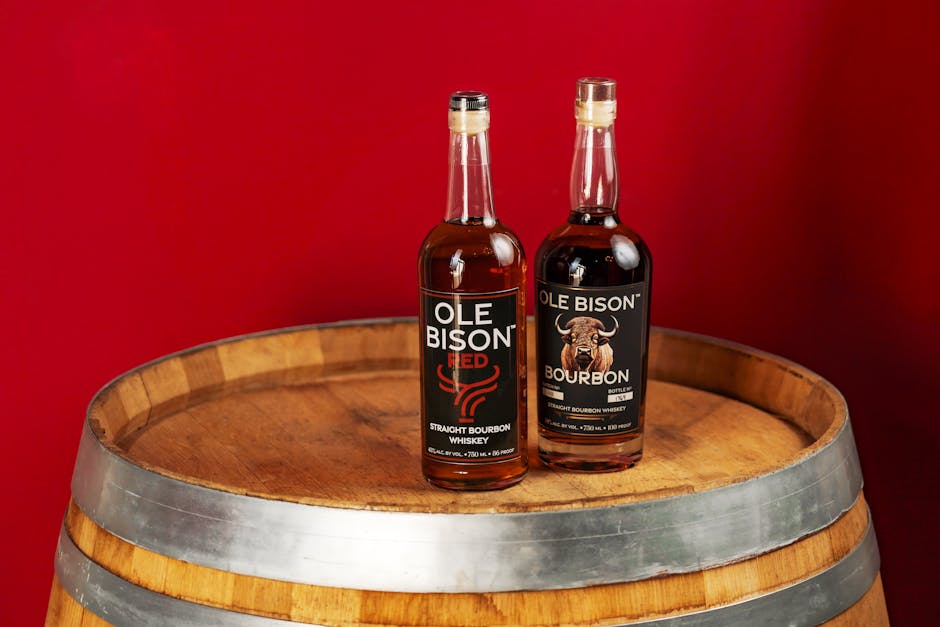
🌽 What Even Is Bourbon? The Legal Definition You Actually Need to Know
Bourbon isn’t just “American whiskey” — it’s a legally protected category governed by U.S. federal law. Think of it like Champagne: you can’t just slap the name on anything. To be called bourbon, a spirit must meet all of these strict requirements:
- Produced in the USA — While Kentucky makes over 95% of the world’s bourbon, it doesn’t legally have to come from there.
- Made from at least 51% corn — The rest of the “mash bill” is typically rye, wheat, and malted barley. This corn dominance is why bourbon tastes sweeter than most Scotch.
- Distilled to no more than 160 proof (80% ABV) — This preserves more grain character than ultra-filtered neutral spirits.
- Aged in new, charred oak barrels — This is a critical differentiator. The char creates a natural filter and infuses vanilla, caramel, and toasty notes.
- Entered into the barrel at no more than 125 proof — Ensures the wood interaction isn’t diluted too aggressively.
- Bottled at a minimum of 80 proof (40% ABV)
There is no minimum aging requirement for standard bourbon, though “Straight Bourbon” must be aged at least two years. This flexibility is part of why the American craft distillery boom of the 2020s exploded so dramatically — smaller producers can bring products to market faster.
🏴 Single Malt Scotch: The Terroir-Driven Counterpart
Single malt Scotch whisky operates on an entirely different philosophy. Here, the rules and the culture prioritize place, patience, and raw material purity. Let’s break down what “single malt” actually means, because it confuses even seasoned drinkers:
- “Single” = one distillery — It doesn’t mean one barrel or one batch. It means every drop in the bottle came from a single production facility.
- “Malt” = 100% malted barley — Unlike bourbon’s mixed grain bill, single malt uses only barley that has been malted (soaked, germinated, and dried). This process unlocks enzymes and creates complex flavor precursors.
- Distilled in pot stills — Traditional copper pot stills produce a heavier, more character-rich spirit than the column stills common in bourbon production.
- Aged a minimum of 3 years in Scotland — In practice, most reputable expressions are aged 10, 12, 15, or 18+ years.
- Aged in previously used oak casks — Often ex-bourbon barrels (yes, there’s a beautiful circular relationship here!), ex-sherry, ex-port, or ex-wine casks. Used barrels impart flavor more gently than the new charred oak required for bourbon.
- Must be produced, matured, and bottled in Scotland
📊 Side-by-Side Comparison: The Data That Tells the Story
Let’s get concrete. Here’s how the two categories compare across the metrics that actually shape flavor and experience:
- Primary grain: Bourbon = min. 51% corn | Single Malt = 100% malted barley
- Still type: Bourbon = typically column still | Single Malt = copper pot still
- Barrel type: Bourbon = new charred American oak | Single Malt = used oak (various origins)
- Minimum aging: Bourbon = none (2 yrs for “Straight”) | Single Malt = 3 years (typically much longer)
- Flavor profile: Bourbon = vanilla, caramel, oak, corn sweetness, often spicy | Single Malt = enormous range — coastal brine, dried fruit, heather, peat smoke, sherry richness
- Average price point (2026 market): Entry bourbon ~$25–$45 | Entry single malt ~$40–$70
- Geographic diversity: Bourbon = USA-centric | Single Malt = Scotland’s five regions (Highlands, Lowlands, Speyside, Islay, Campbeltown), each with distinct character
🥃 Real-World Examples: Learning Through Bottles
Theory is great, but let’s talk actual bottles — because that’s where the rubber meets the road.
On the Bourbon Side: Buffalo Trace (Kentucky) is arguably the best entry-level education in classic bourbon — you get that textbook caramel-vanilla-oak trifecta without spending a fortune. Step up to Blanton’s Single Barrel if you want to see how individual barrel variation works in bourbon. For something pushing boundaries in 2026, Wilderness Trail (also Kentucky) has been making waves with their wheated mash bills that bring a softer, more approachable sweetness.
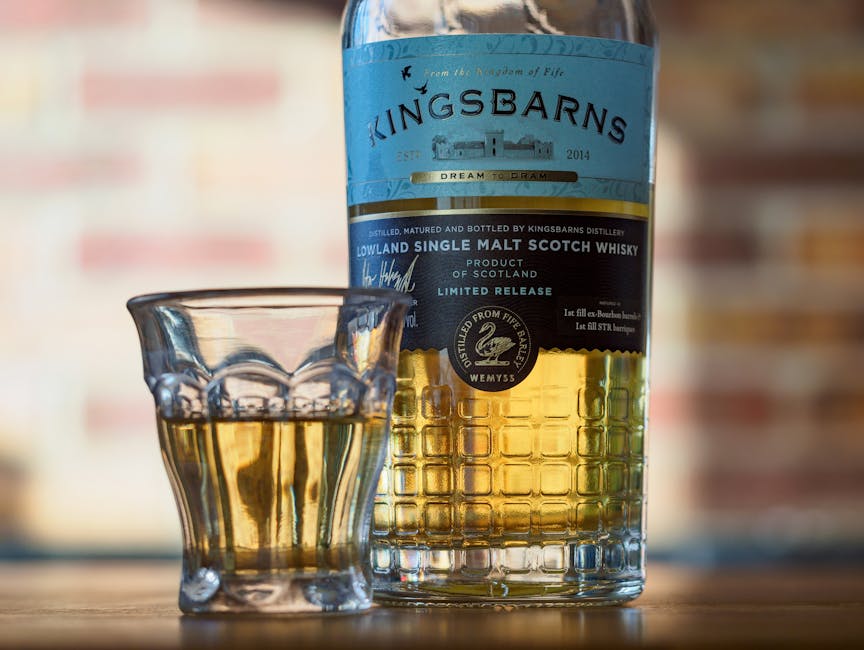
On the Single Malt Side: Glenfiddich 12-Year (Speyside) is the global bestseller for good reason — fruity, gentle, and non-threatening for newcomers. Want to understand what peat smoke tastes like? Laphroaig 10-Year (Islay) will hit you like a bonfire on a Scottish beach — and I mean that as a compliment. For sherry cask influence, Macallan 12 Double Cask offers rich dried fruit and chocolate notes that make bourbon drinkers feel right at home transitioning into Scotch.
🔄 The Surprising Connection Between the Two
Here’s something that delights me every time I explain it: bourbon and single malt are deeply intertwined industries. When bourbon distilleries retire their barrels after use (since U.S. law requires new barrels each time), those used barrels are shipped to Scotland and Ireland by the thousands. The ex-bourbon cask is, in fact, the most commonly used aging vessel in Scotch production. So that vanilla-and-coconut note you detect in your Glenfiddich? You’re literally tasting the ghost of a Kentucky barrel.
💡 Which Should YOU Choose? Realistic Alternatives Based on Your Situation
This is where I want to think practically with you rather than just listing facts:
- You’re brand new to whisky: Start with an entry bourbon like Buffalo Trace or Maker’s Mark. The sweetness is approachable and the price is forgiving. Once comfortable, bridge to a Speyside single malt like Glenfiddich 12.
- You love sweet, dessert-like drinks: Bourbon is your natural home. Explore wheated bourbons (Maker’s Mark, Larceny) or honey-forward expressions.
- You want the widest possible flavor spectrum: Single malt wins here. Scotland’s five producing regions offer everything from delicate florals to intense smoke, and no two distilleries taste alike.
- Budget is a real concern: Solid bourbons are generally more affordable than comparable quality single malts. A $35 bourbon often punches above its weight against a $60 Scotch.
- You’re buying a gift for a whisky enthusiast in 2026: Ask them which region they prefer. A Speyside lover and an Islay devotee are essentially different people.
- You want to explore without committing to full bottles: Look for whisky bars offering flights — many upscale bars now offer curated “bourbon vs. single malt” comparative tastings, which is genuinely the fastest education money can buy.
The honest truth? There’s no winner in this comparison. Bourbon and single malt are like jazz and classical music — different disciplines born from different cultures, both worthy of deep exploration. The question isn’t which is better, but which one speaks to you at this moment in your journey.
Editor’s Comment : After years of writing about spirits, the most common mistake I see is people treating bourbon and single malt as competitors when they’re really complementary chapters in the same story. My honest suggestion for 2026? Build a small “reference shelf” — one classic Kentucky bourbon (Buffalo Trace is perfect), one Speyside single malt (Glenfiddich 12), and one Islay single malt (Laphroaig 10). Tasting across those three bottles will teach you more in an evening than any article ever could. Sip slowly, think about what you’re actually tasting, and let your palate lead the way. Cheers. 🥃
태그: [‘bourbon vs single malt’, ‘whisky guide 2026’, ‘bourbon whiskey explained’, ‘single malt scotch guide’, ‘whisky tasting for beginners’, ‘scotch vs bourbon differences’, ‘best whisky recommendations 2026’]
Leave a Reply