Picture this: It’s a rainy Tuesday evening, and you’re tucked into a corner booth at a dimly lit Dublin pub. The bartender slides a glass of amber liquid across the worn wooden bar with a quiet nod. You take a sip — and suddenly, everything makes sense. That silky smoothness, the gentle warmth, the faint hint of vanilla and toasted grain… welcome to the world of Irish whiskey. Whether you stumbled onto this page as a total newbie or a seasoned spirits enthusiast, let’s think through Irish whiskey together — what it is, why it’s different, and how to find your perfect pour.
Why Irish Whiskey Is Having Its Biggest Moment Yet
Irish whiskey is no longer just the underdog hiding in Scotch’s shadow. As of 2026, global Irish whiskey exports have surpassed €1.4 billion annually, with the U.S., France, and increasingly Southeast Asia driving demand. The category has grown at an average of 7–9% per year over the past decade — outpacing Scotch and Bourbon in several key markets. There are now over 50 active distilleries on the island of Ireland, compared to just two in the 1980s. That’s a renaissance, and it’s bringing exciting new styles, flavors, and producers to the table.
But here’s the thing — Irish whiskey isn’t one monolithic style. It’s actually a beautifully diverse family of spirits united by geography, legal requirements, and a shared cultural soul. Let’s break it down properly.
The Legal Backbone: What Makes Irish Whiskey “Irish”?
Before diving into types, it helps to understand the rules. Under EU and Irish law, Irish whiskey must:
- Be produced and aged on the island of Ireland (Republic of Ireland or Northern Ireland)
- Be distilled from a mash of malted cereals, with or without whole unmalted cereals
- Be aged in wooden casks for a minimum of 3 years
- Have a minimum bottling strength of 40% ABV
- Retain the color, aroma, and taste derived from the raw materials and production process
These rules provide the guardrails, but within them, distillers have enormous creative latitude — which is exactly where things get interesting.
The Four Main Types of Irish Whiskey
1. Single Malt Irish Whiskey
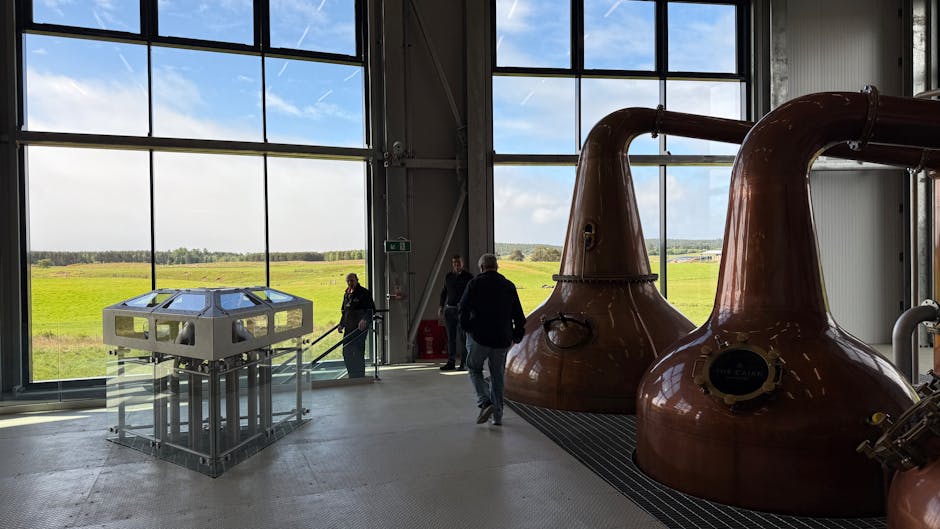
Made from 100% malted barley in a pot still at a single distillery. Sound familiar? Yes, the definition mirrors Scotch single malt — but the key difference is that Irish single malts are almost never peated. Instead of smoky campfire notes, expect lush stone fruit, honeysuckle, and creamy vanilla. Bushmills 10 Year Old and Teeling Single Malt are textbook examples. For beginners: this is one of the most approachable starting points because of its clean, fruit-forward profile.
2. Single Pot Still Irish Whiskey
This one is uniquely Irish — you literally cannot find this style anywhere else in the world. It’s made from a mash of both malted AND unmalted barley, distilled in a traditional copper pot still. The unmalted barley gives it a distinctively spicy, creamy, and oily texture that whiskey geeks describe as “pot still spice” — think green apple, cinnamon, nutmeg, and a rich, almost savory creaminess. Redbreast 12, Green Spot, and Powers John’s Lane are the standard-bearers here. If you want the most “authentically Irish” whiskey experience, this is it.
3. Single Grain Irish Whiskey
Produced from grains other than malted barley (typically corn or wheat) in a column still at a single distillery. Grain whiskeys are lighter and more neutral by nature — think gentle toffee, vanilla, and soft cereal notes. On their own, they’re pleasant and easy-drinking, but their real magic happens in the blending room. Teeling Single Grain and Glendalough Double Barrel are making grain whiskey stand on its own feet in 2026.
4. Blended Irish Whiskey
The category’s workhorse — and the most commercially dominant style globally. A blend combines two or more of the above types (typically single malt + grain whiskey, or pot still + grain). Master blenders craft these to achieve consistency, accessibility, and a specific flavor profile year after year. Jameson, Tullamore D.E.W., and Proper No. Twelve dominate bar shelves worldwide. Don’t dismiss blends as “lesser” — when done well, blending is genuinely a high craft.
International & Craft Examples Worth Knowing in 2026
The Irish whiskey landscape in 2026 looks radically different from even five years ago. Here’s a quick tour:
- Redbreast 12 (Midleton Distillery) — Widely considered the gold standard of single pot still whiskey. Rich, complex, and deeply satisfying. It regularly tops global whiskey rankings.
- Teeling Whiskey Co. (Dublin) — One of the first new distilleries to open in Dublin in over 125 years. Their small batch and single malt expressions are beloved by modernists and traditionalists alike.
- Waterford Distillery — The philosophical provocateur of Irish whiskey. Founder Mark Reynier applies Burgundy wine’s terroir philosophy to whiskey — each release tracks the specific farm where the barley was grown. Controversial? Yes. Fascinating? Absolutely.
- Dingle Distillery (Kerry) — Small-batch, pot still focused, and deeply regional. Their single malt batches sell out almost instantly each year.
- Bushmills (Northern Ireland) — One of the world’s oldest licensed distilleries (1608). Their 16 and 21 Year Old expressions showcase what patient aging does to Irish single malt.
- Glendalough (Wicklow) — An indie craft producer leaning into Irish botanicals and experimental cask finishes. Great entry point for gin crossover drinkers exploring whiskey.
Flavor Profiles at a Glance: Where to Start?
Here’s a practical framework if you’re figuring out where to begin:
- If you like light & approachable: Start with a blended Irish whiskey like Jameson Original or Tullamore D.E.W. No rough edges, just smooth sipping.
- If you like fruity & floral: Move toward a single malt like Teeling or Bushmills 10 Year Old.
- If you like spice & complexity: Go straight to single pot still. Green Spot is an affordable but genuinely impressive entry point.
- If you’re a whiskey adventurer: Explore experimental cask finishes — sherry casks, rum casks, wine casks. Redbreast Lustau (Sherry finish) is revelatory.
- If you’re on a budget: Writers’ Tears or Method & Madness grain whiskey offer excellent quality-to-price ratios in 2026.
Realistic Alternatives for Every Situation
Not everyone can drop €80 on a bottle of Redbreast 21 — and honestly, you don’t need to. Here’s how to navigate Irish whiskey smartly:
If you’re buying for a crowd or cocktails, a good blended whiskey is your best friend — economical, consistent, and crowd-pleasing in an Irish Coffee or Whiskey Sour. If you’re gifting to a whiskey enthusiast, a single pot still expression will always impress more than a fancy-labeled blend. And if you’re genuinely curious about terroir-driven craft spirits but find Waterford’s philosophical approach overwhelming, start with Dingle’s accessible single malt — it’s rooted in place without requiring a PhD to appreciate.
For home bartenders: keeping both a blended Irish whiskey (for mixing) and a single pot still (for sipping) covers essentially every occasion without breaking the bank.
Editor’s Comment: Irish whiskey in 2026 sits at a genuinely exciting crossroads — it has the heritage credibility of centuries-old tradition AND the innovation energy of a craft spirits boom happening in real time. What I love most about this category is that it rewards curiosity without demanding expertise. You don’t have to decode smoke levels or regional dialects of peat. Irish whiskey, at its best, just wants you to enjoy it. So pick up a bottle of Green Spot or Teeling Single Malt this week, pour it neat (or with just a tiny splash of water to open it up), and settle in. The island of Ireland has been perfecting this art for centuries — the least we can do is pay attention.
태그: [‘Irish whiskey types’, ‘single pot still whiskey’, ‘Irish whiskey guide 2026’, ‘best Irish whiskey brands’, ‘Irish whiskey flavor profiles’, ‘single malt Irish whiskey’, ‘blended Irish whiskey’]
Leave a Reply