Picture this: it’s a rainy Thursday evening, and you’re standing in front of a whisky shop shelf that looks nothing like it did just five years ago. Japanese single malts sit next to Taiwanese expressions, an Indian single grain whisky catches your eye, and there’s even a bottle from Scandinavia aged in reindeer-smoked barrels. The global whisky map has been redrawn — and 2026 is arguably the most exciting chapter yet.
I’ve spent the better part of this year tasting, researching, and chatting with distillers across three continents, and what I’ve found is that whisky isn’t just a drink anymore. It’s a cultural statement, an investment vehicle, and — for a growing community of enthusiasts — a lifestyle philosophy. Let’s think through what’s actually happening, why it matters, and how you can navigate it whether you’re a seasoned collector or someone who just graduated from bourbon to Scotch.
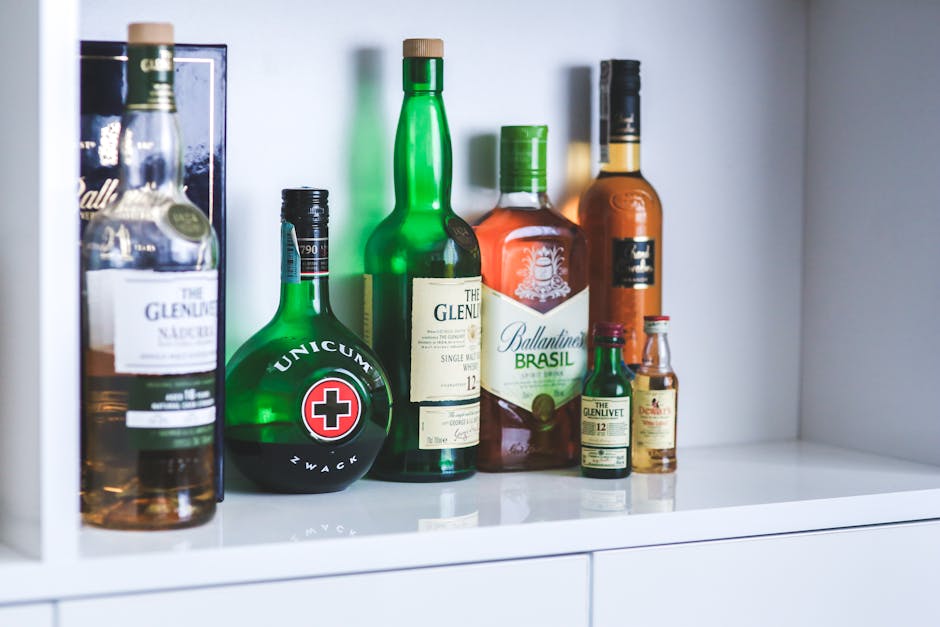
📊 The Big Picture: Where the Numbers Are Pointing
The global whisky market crossed an estimated $90 billion USD in value in early 2026, according to industry forecasting aggregators like IWSR and Statista’s updated spirits index. But raw market size tells only part of the story. Here’s where it gets genuinely interesting:
- Asia-Pacific now accounts for over 38% of premium whisky consumption — a figure that would have seemed fantastical a decade ago. South Korea, Vietnam, and India are driving unprecedented volume growth.
- Non-Scotch categories grew 22% year-over-year in international retail. Japanese, Indian, and Taiwanese whiskies are no longer niche — they’re mainstream premium choices.
- The “entry-luxury” segment ($60–$120 per bottle) is outperforming both budget and ultra-premium tiers, suggesting consumers are trading up thoughtfully rather than extravagantly.
- Cask investment platforms saw a 31% increase in registered users in Q1 2026 alone, reflecting whisky’s dual identity as pleasure and portfolio asset.
- Female consumers now represent approximately 34% of new whisky enthusiasts globally — a demographic shift that distilleries are actively redesigning their experiences around.
🌍 Regional Stars: Who’s Making Noise in 2026
Let’s walk through the regions that are genuinely reshaping conversations at tasting rooms and auction houses alike.
Scotland (The Reliable Giant, But Evolving): Traditional Scotch isn’t resting on its laurels. Distilleries like GlenAllachie and Ardnamurchan are winning over younger drinkers with transparent production practices and more approachable flavor profiles. The “terroir movement” — borrowed from wine culture — is gaining traction, with distillers emphasizing locally-grown barley, specific water sources, and regional peat character. In 2026, “provenance” is the word Scotch marketing can’t stop using, and honestly, the liquid often backs it up.
Japan (Still Commanding, Now More Accessible): After years of scarcity-driven mania, Japanese whisky supply chains are stabilizing. New distilleries that opened between 2018 and 2022 are now releasing their first proper aged expressions. Look out for Akkeshi, Nagahama, and Mars Shinshu — these aren’t the easy-to-find supermarket names, but they’re increasingly findable at specialty retailers globally.
India (The Fastest-Moving Story Right Now): Amrut and Paul John have been household names for enthusiasts for years, but 2026 introduces a new wave. Distilleries like Indri (Piccadily Distilleries) are winning international awards that actually mean something, and the tropical aging climate produces a depth of flavor in shorter timeframes that Scotch distillers genuinely envy. India’s domestic consumption also means these bottles are sometimes genuinely rare outside the subcontinent — which adds collector intrigue.
The Americas (Bourbon’s Confident Maturity): American whiskey — particularly craft bourbon from states beyond Kentucky — is flexing. Tennessee, Colorado, New York, and Texas distilleries are establishing distinct regional identities. Meanwhile, Canadian whisky is experiencing a quiet renaissance, with producers like Stauning (technically Danish but heavily North American in style influence) and Crown Royal’s XR series finding serious appreciation among blended whisky converts.
Emerging Frontiers (Europe & Beyond): This is perhaps the most exciting development of 2026. Swedish, English, Welsh, French, and even South African whiskies are collecting serious critical attention. Waterford Distillery from Ireland continues its farm-by-farm terroir experiment with almost scientific rigor. Stauning from Denmark is selling out allocations within hours. The message is clear: geography no longer dictates quality — philosophy and craft do.
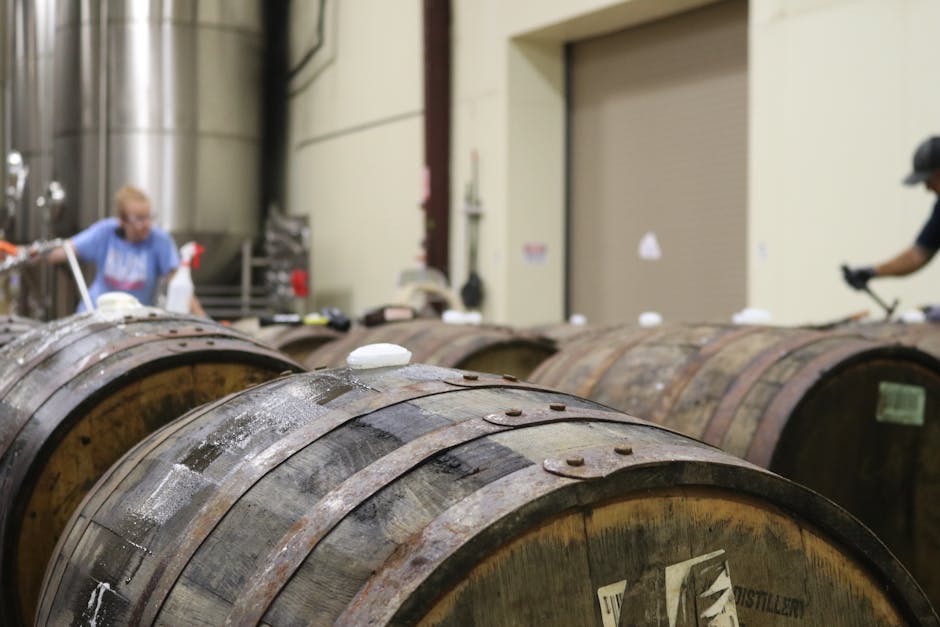
🔍 Flavor Trends: What Palates Are Seeking in 2026
Beyond geography, there’s a clear directional pull in terms of flavor preferences that’s worth understanding:
- Lower peat, higher complexity: Big-smoke expressions are giving way to subtly smoky or completely unpeated whiskies where wood, fruit, and grain character can shine without the campfire dominance.
- Alternative cask finishing: Mizunara oak (Japanese), Oloroso Sherry, Amontillado, Armagnac, and even Cognac cask finishes are transforming flavor profiles in ways that feel genuinely novel rather than gimmicky.
- Lower ABV appreciation: Counterintuitively, the community is warming to well-crafted 40–43% expressions that prioritize elegance and drinkability over cask-strength intensity.
- Grain whisky rehabilitation: Single grain whiskies — long dismissed as “filler” in blends — are getting serious solo treatment and winning converts who appreciate their lighter, more dessert-like character.
💡 Realistic Alternatives: How to Engage With These Trends on Any Budget
Here’s where I want to be genuinely useful rather than just enthusiastic. Not everyone has $300 to spend on a bottle chasing trends, and that’s completely fine — actually, it might be better.
If you’re new to whisky, the Indian single malt category offers extraordinary value right now. A bottle of Indri Trini or Paul John Brilliance sits under $60 in most markets and delivers complexity that embarrasses whiskies twice the price. Start there.
If you’re a bourbon fan looking to expand, Irish single pot still whisky is your logical bridge. Redbreast 12 and Green Spot share bourbon’s approachable sweetness while introducing you to a completely different production tradition. They’re widely available and reasonably priced.
If you’re interested in investment without committing to full cask ownership (which typically requires $5,000–$15,000+), consider joining reputable cask-sharing platforms like Cask Trade or WhiskyInvestDirect, which allow fractional ownership. But be clear-eyed: this is speculative, illiquid, and requires patience measured in years, not months.
If you’re a seasoned enthusiast wanting to explore 2026’s cutting edge, seek out single-distillery releases from English or Scandinavian producers. Yes, they’re pricier per milliliter. But you’re genuinely tasting history in the making — and that has its own intangible value.
The whisky world in 2026 rewards curiosity more than expenditure. A willingness to try the unfamiliar, to engage with the story behind the bottle, and to taste with an open mind will take you further than any budget allocation alone.
Editor’s Comment : What strikes me most about whisky in 2026 isn’t any single bottle or region — it’s the democratization of quality. The assumption that great whisky must come from Scotland or Japan, must be old, must be expensive, is dissolving bottle by bottle. Whether you’re sipping a $45 Indian malt or a $400 limited Scotch release, the most important thing is that you’re engaging with it thoughtfully. Cheers to that.
태그: [‘2026 whisky trends’, ‘global whisky guide’, ‘single malt whisky’, ‘whisky investment 2026’, ‘craft distillery’, ‘Japanese whisky’, ‘Indian single malt’]
📚 관련된 다른 글도 읽어 보세요
- Scotland’s Single Malt Whisky Regions Explained: A 2026 Tasting Journey Through the Highlands, Islay & Beyond
- Irish Whiskey New Releases 2026: The Most Exciting Bottles to Watch (And Smart Alternatives If They Sell Out)
- Single Malt Whisky for Beginners: The Ultimate Starter’s Guide to Choosing Your First Bottle in 2026
Leave a Reply