A few years ago, I found myself sitting in a quiet izakaya in Kyoto, nursing a small ceramic cup of aged shochu that the owner had been keeping behind the counter for a decade. He didn’t offer it on the menu — it was simply something he shared with guests he felt deserved it. That moment crystallized something for me: distilled spirits aren’t just beverages. They’re living archives of a culture’s relationship with land, time, and community.
Fast-forward to 2026, and the global conversation around traditional distilled spirits has never been more dynamic. Japan’s whisky scene continues to command record auction prices. Scotch whisky exports are navigating post-Brexit trade reshuffles. And Korea’s soju and makgeolli-adjacent craft distilling movement is quietly becoming one of the most exciting stories in the spirits world. So let’s think through all three — not just as products, but as entire cultural ecosystems.
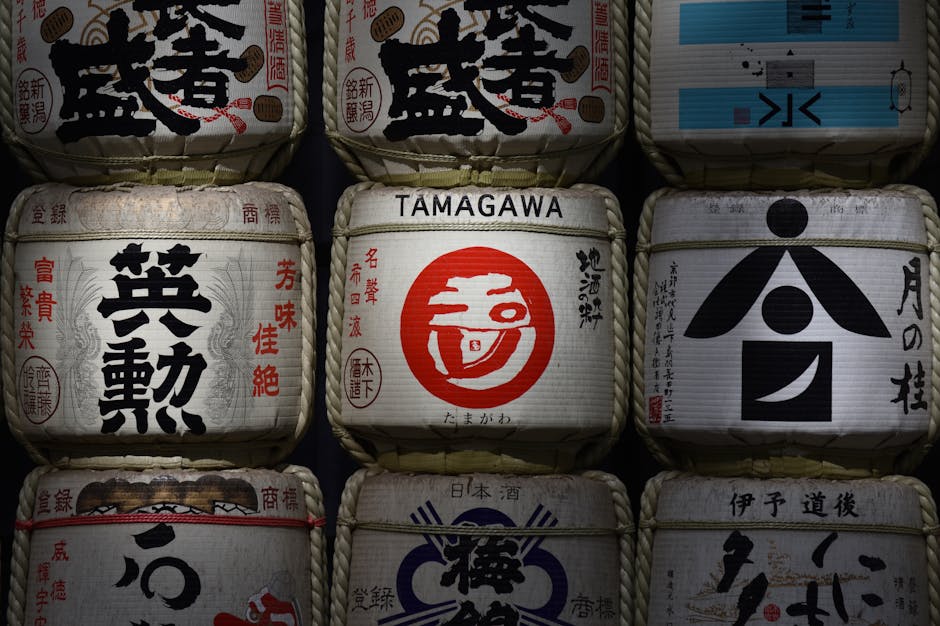
The Philosophy of Distillation: How Each Culture Frames the Craft
Before we get into numbers and tasting notes, it’s worth asking: why does each culture distill? The answer shapes everything from ingredient choice to aging philosophy.
- Japan: Distillation is framed through the lens of monozukuri (the art of making things), where precision, restraint, and respect for ingredients are paramount. Japanese whisky, for instance, draws heavily on the idea of mizuwari (diluting with water) — the spirit is designed to be versatile and harmonious, not domineering.
- Scotland: The Scottish distilling philosophy is deeply tied to terroir and legacy. The concept of a “distillery character” — the unique fingerprint of a single site — is almost sacred. Speyside single malts taste fundamentally different from Islay peated expressions, and Scots will argue passionately that geography is destiny in whisky.
- Korea: Traditional Korean distillation, particularly of andong soju (the original pot-distilled variety, not the modern low-ABV commercial version), is rooted in Confucian ceremony and medicinal tradition. Spirits were historically served at ancestral rites (jesa) and shared communally. The 2026 craft distilling revival is reclaiming this heritage aggressively.
By the Numbers: Market Realities in 2026
Let’s ground ourselves in some data, because the numbers tell a fascinating story about where each culture’s spirits industry currently stands.
Scotch Whisky remains the global benchmark by sheer export volume. As of early 2026, Scotch accounts for approximately 25% of all global spirits exports by value, with the US, India, and France remaining its top three markets. The industry weathered significant tariff turbulence over 2023–2025 but has stabilized, with premium single malts continuing to outperform blended categories in growth rate.
Japanese Whisky officially entered regulated territory in 2021 when the Japan Spirits & Liqueurs Makers Association introduced labeling standards requiring Japanese-made ingredients and aging. By 2026, this has meaningfully sorted the market — consumers now have clearer signals about authenticity, and premium expressions from Nikka and Suntory consistently fetch $300–$1,500+ at retail. The secondary market remains frothy.
Korean Craft Spirits represent the smallest but fastest-growing segment of the three. The number of licensed craft distilleries in Korea has grown from roughly 40 in 2020 to over 140 by early 2026, according to Korea’s Ministry of Food and Drug Safety licensing data. Traditional andong soju, goryeo soju, and emerging Korean single malts are finding audiences both domestically and among Korean diaspora communities globally.
Ingredient Philosophy: Grain, Peat, and Rice
One of the most enjoyable ways to understand these three cultures is through their base ingredients — because ingredients are never just practical choices. They’re ecological and historical ones.
- Scotland: Malted barley is king, with peat smoke being the most iconic flavor variable. Islay distilleries like Laphroaig and Ardbeg use locally cut peat to dry their malt, creating those famous medicinal, smoky, coastal flavors. Water source (often from peat bogs or granite springs) is considered equally critical.
- Japan: While Japanese whisky mirrors Scottish grain selection, the shochu tradition is far more diverse — sweet potato (imo), barley (mugi), rice (kome), buckwheat (soba), and even chestnuts or sesame are used. This ingredient diversity is something Japanese distillers wear as a badge of honor.
- Korea: Traditional soju and related spirits historically used rice, but regional variations incorporated barley, millet, and various nuruk (a fermentation starter unique to Korea). The nuruk is arguably Korea’s most underappreciated contribution to world fermentation science — it’s a complex mold-and-bacteria culture that gives Korean spirits their distinctive earthy, floral character.
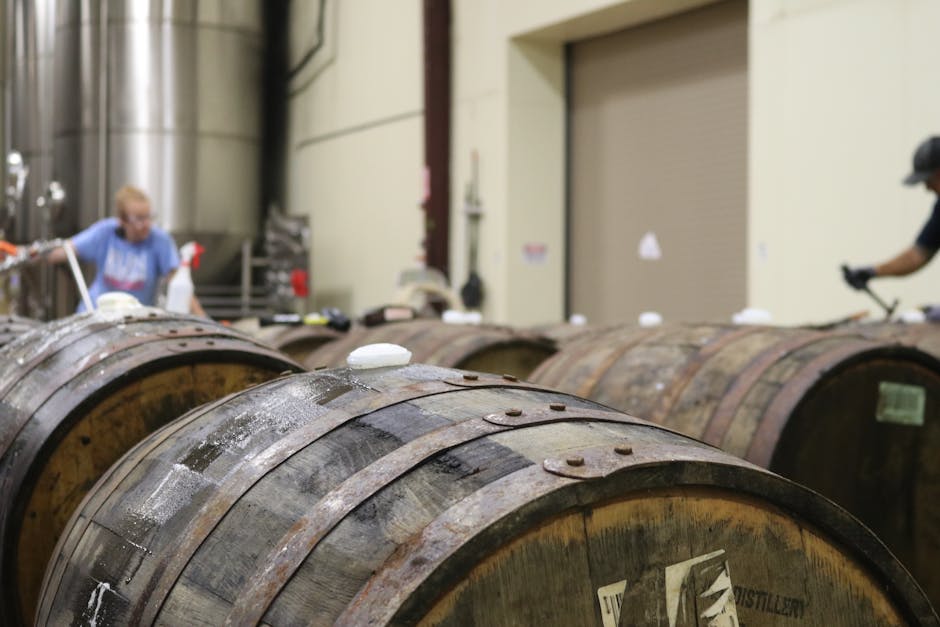
Aging & Time: Three Very Different Relationships
How a culture relates to time in its distilling process is deeply revealing. Scotland built an entire regulatory framework around time — Scotch whisky must age a minimum of three years in oak casks, and age statements are a major commercial and cultural marker. The “12-year,” “18-year,” and “25-year” expressions aren’t just flavor profiles; they’re status signals.
Japan adopted oak aging enthusiastically from Scotland but brought its own sensibility — including the use of Mizunara oak (Japanese oak), which imparts incense-like, sandalwood notes that are entirely distinct from American or European oak. Mizunara is notoriously difficult to work with (it’s porous and prone to leaking), but the flavor payoff is unique enough that it commands a serious premium.
Korea’s traditional spirits, by contrast, often valued freshness over aging. Andong soju was historically consumed relatively young, with the focus on the purity of the distillate rather than wood influence. The current craft movement is experimenting with Korean oak and even onggi (traditional Korean earthenware) aging — producing results that have genuinely excited international spirits writers in 2026.
Cultural Ritual: How Spirits Are Consumed and Shared
This is where the cultures diverge most dramatically from Western spirits norms, and where I think the most interesting lessons lie.
In Scotland, whisky appreciation culture has a strong solo or connoisseur dimension — the lone dram by the fire, the whisky society tasting, the personal cask. It’s contemplative and individualistic in a particularly Scottish way.
In Japan, spirits etiquette is deeply social but structured. Who pours for whom, whether you drink straight, mizuwari, or on the rocks, the pace of drinking — all of these are loaded with social meaning. Refusing to pour for your senior colleague or rushing your drink sends clear signals.
Korea’s drinking culture is perhaps the most communal and egalitarian of the three — at least in its modern form. The tradition of pouring for others (never yourself), turning away from elders when drinking, and the one-shot culture all reflect Confucian values of hierarchy and togetherness simultaneously. The craft spirits movement is introducing a more contemplative, wine-style appreciation approach, which is creating a genuinely interesting cultural negotiation in 2026.
Realistic Alternatives for the Curious Drinker: Where to Start
If you’re reading this and thinking “I want to explore all three cultures but I don’t know where to begin,” here’s a practical, budget-conscious entry path:
- For Scotland: Start with a blended Scotch like Monkey Shoulder or Johnnie Walker Black before investing in single malts. This gives you a flavor baseline without a steep price barrier.
- For Japan: Rather than chasing expensive Japanese whisky, explore mugi shochu (barley shochu) first — it’s far more accessible, genuinely traditional, and gives you insight into Japanese distilling sensibility at a fraction of the cost.
- For Korea: Seek out authentic andong soju (45% ABV, pot-distilled — NOT the green-bottle commercial variety) or try one of the new Korean craft distillery releases now appearing on specialist import sites in the US and Europe. The price-to-experience ratio is exceptional right now.
The beauty of approaching all three cultures through their spirits is that you’re essentially taking a master class in how geography, history, and social values ferment (quite literally) into something you can taste. Each sip is an argument about what matters.
In 2026, as craft and heritage distilling continues to push back against mass-market homogenization, these three traditions offer a compelling reminder that the most interesting things in food and drink are almost always the ones rooted in a specific place, time, and community — things that can’t be easily replicated at industrial scale.
Editor’s Comment : If there’s one takeaway from comparing these three distilling cultures, it’s that the spirits themselves are almost secondary to the systems of meaning surrounding them. Scotland’s reverence for provenance, Japan’s obsession with process harmony, and Korea’s reclamation of ceremonial heritage are all doing the same essential work — insisting that how and why something is made is inseparable from what it tastes like. Whether you’re a seasoned collector or someone who’s never thought much about what’s in your glass, that’s a lens worth keeping.
태그: [‘traditional distilled spirits’, ‘Japanese whisky culture’, ‘Scotch whisky 2026’, ‘Korean craft soju’, ‘andong soju’, ‘global spirits comparison’, ‘whisky culture Japan Scotland Korea’]
Leave a Reply