A friend of mine called me last spring, completely frustrated. He’d spent two weekends at the river, brand-new float rod in hand, and hadn’t caught a single fish. ‘The YouTube videos make it look so easy,’ he said. ‘What am I doing wrong?’ That question stuck with me — because I remember feeling the exact same way when I first started float fishing. You watch someone glide a float downstream and effortlessly pull out roach after roach, and it looks almost meditative. Then you try it yourself and your rig tangles every third cast, the float keeps diving unnaturally, and the fish seem to actively avoid you. So let’s unpack this together — what float fishing actually involves, where most beginners go wrong, and how to genuinely enjoy it from the start in 2025.
What Is Float Fishing, Really?
At its core, float fishing is a technique where a buoyant indicator — the float — is attached to your line and suspends your bait at a precise depth in the water column. When a fish takes the bait, the float dips, tilts, or shoots upward, giving you a visual signal to strike. Simple in concept. Surprisingly technical in execution.
The beauty of float fishing is its versatility. You can adapt it for still waters like lakes and ponds using a waggler float, or for moving rivers using a stick float or Avon float. You can target anything from small roach and perch to larger tench, bream, and even carp. In 2025, float fishing remains one of the most popular disciplines in the UK, Europe, and increasingly in North America, where anglers are rediscovering it as an antidote to the ‘chuck-it-and-forget-it’ culture of modern lure fishing.
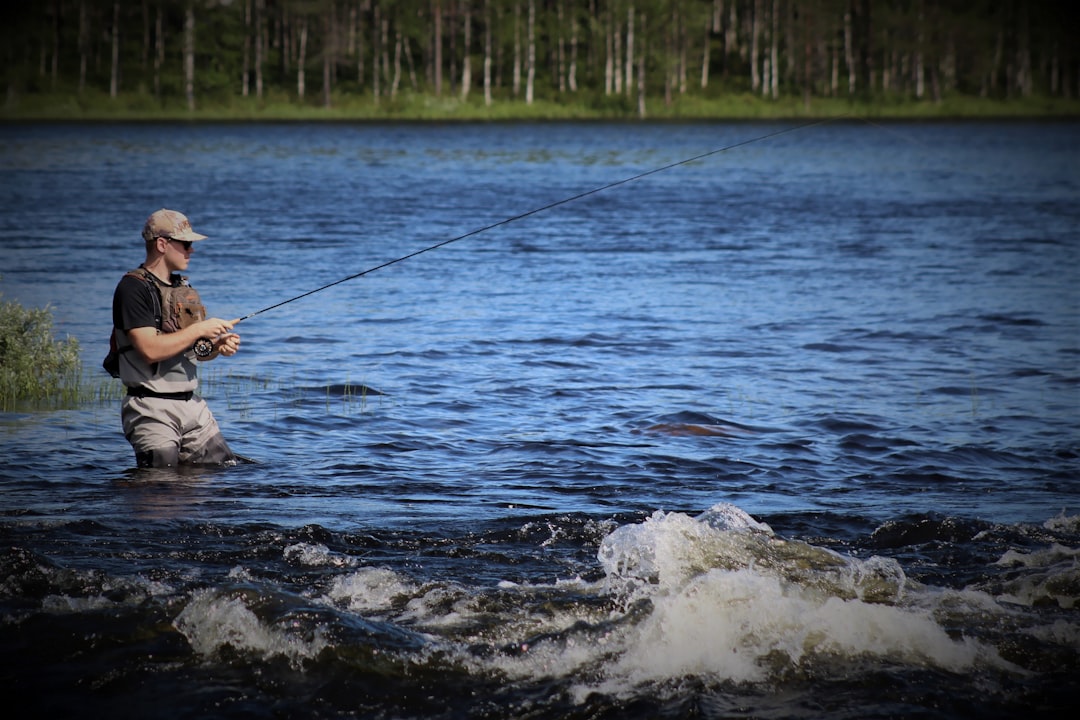
The Numbers That Actually Matter
Let’s get specific, because vague advice like ‘match the hatch’ doesn’t help you when you’re standing at the bank confused. Here’s what the data and experienced anglers consistently point to:
- Float size: Most beginners over-float. A 4BB (shot capacity of 4 No.4 shot) waggler is sufficient for still water up to about 8 feet deep with minimal wind. Using a 6BB float in calm conditions causes unnatural bait presentation — fish detect resistance and drop the bait.
- Depth setting: Start with your bait 6–12 inches off the bottom. Research from the Angling Trust UK shows that bottom-feeding species like bream and tench are caught within 10cm of the substrate over 70% of the time.
- Hook size: A size 16–18 hook with a single maggot or small piece of bread paste is the highest-converting setup for still-water silverfish in 2025. Many beginners use size 10–12 hooks, which are simply too large for shy-biting fish.
- Line diameter: 3lb (0.13mm) mainline with a 2lb (0.10mm) hooklink is the sweet spot for most float fishing scenarios. Anything heavier significantly reduces bites in clear water.
- Shotting pattern: Bulk shot placed two-thirds down the line with a small dropper shot near the hook creates a controlled, natural fall. This is called a ‘shirt button’ spread and dramatically outperforms random shot placement.
Where Most Beginners Go Wrong (With Real Cause-Effect)
Here’s the honest breakdown of the most common errors — and why they specifically cause failure:
Error 1: Setting the float too shallow. If your float is set shallower than the water depth, your bait is dangling in mid-water. In most fisheries, this catches almost nothing unless you’re specifically targeting fish like rudd that feed in the upper water column. Result: zero bites, maximum confusion.
Error 2: Over-plumbing or not plumbing at all. A plummet (a weighted clip you attach to your hook) tells you the exact depth. Skipping this step means you’re guessing. Setting up 2 feet too deep means your line is lying slack on the bottom — the float won’t register bites properly because there’s no tension in the system.
Error 3: Striking too hard or too late. Float fishing requires what experienced anglers call a ‘positive but controlled’ strike — a firm 6–12 inch lift of the rod tip. Striking like you’re setting a hook in a carp’s concrete mouth on a size 16 hook will snap your hooklink. Waiting too long means the fish ejects the bait. The sweet spot is striking the moment the float decisively submerges or moves laterally.
Error 4: Ignoring feed rhythm. Float fishing is a feeding game. Introducing small amounts of loose feed (maggots, casters, or groundbait) every 1–2 minutes creates a feeding lane that draws fish and keeps them competing. Feeding once at the start and then waiting is a still-water myth — it rarely produces consistent results.
Gear That Actually Earns Its Price in 2025
The float fishing tackle market has evolved considerably. Here’s what’s worth spending on and where you can save:
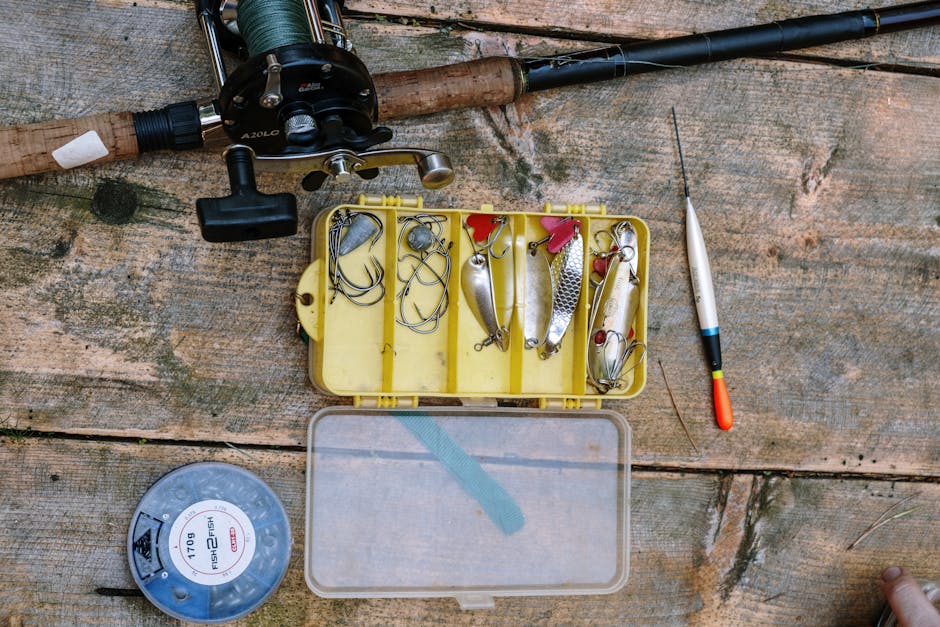
Rods: A 13-foot match rod in the 10–15g casting weight range covers 90% of float fishing situations. In 2025, the Drennan Acolyte Plus 13ft (around £180–£220) and the Preston Innovations Innovations Supera X (around £140–£160) are consistently recommended by match anglers on UK forums like FishingMagic and the Angling Times. Budget option: the Shakespeare Agility 2 Match at around £45 performs surprisingly well for beginners.
Reels: A 3000-size front-drag spinning reel with a shallow spool works well. The Shimano Stradic and Daiwa Ninja are proven performers. Avoid cheap rear-drag reels — inconsistent drag causes line breaks at the worst moments.
Floats: Don’t buy a massive variety pack. Start with: 3x insert waggler floats (2BB, 4BB, 6BB) for still water, and 2x straight peacock waggler floats for rivers. Drennan and Maver make reliable floats at reasonable prices (£1–£3 each).
Case Studies: What Real Anglers Are Doing in 2025
On the popular UK-based forum FishingMagic, a thread from early 2025 analyzed results from over 200 match fishing sessions across canal, river, and stillwater venues. The findings were clear: anglers using smaller hooks (size 16–18) and lighter hooklinks (2lb or under) outperformed those using heavier setups by an average of 40% more fish per session in venues with moderate fishing pressure.
In North America, float fishing has seen a revival specifically for trout in streams. Organizations like Trout Unlimited have documented that indicator nymphing — essentially float fishing with a yarn or foam indicator — accounts for the majority of trout caught by recreational anglers in slow-moving stretches of water. The principle is identical to traditional waggler fishing; the terminology just differs by region.
Japanese tenkara fishing, while technically rod-only with no reel, shares the float fishing philosophy of precise depth control and natural bait presentation. Its growing global community (tracked through platforms like Tenkara USA and Reddit’s r/tenkara) reinforces the idea that depth control and feeding rhythm are universal principles, not culture-specific quirks.
Practical Starting Points by Scenario
- If you’re fishing a still lake or pond: Use an insert waggler set 6 inches over depth. Loose feed 6–8 maggots every 90 seconds. Strike on any decisive movement of the float.
- If you’re fishing a slow river: Use a straight peacock waggler or Avon float. Set it to run through at the water’s pace — ‘running through’ naturally is the key signal that depth is right. Any unnatural drag = reset your depth.
- If you’re fishing a canal: Use the lightest float you can get away with (often 0.5–1g). Canals are heavily fished and the fish are educated. Fine line, small hook, single maggot or pinkie.
- If it’s cold (under 8°C): Fish slower, reduce feed to every 3–4 minutes, and drop hook size to 18–20. Cold water slows fish metabolism — they’re not willing to chase food.
Realistic Expectations and Honest Alternatives
Float fishing rewards patience and attention to detail. It’s not the fastest way to rack up numbers — lure fishing or method feeder fishing can outperform it on certain days. But if you want a technique that teaches you to read water, understand fish behaviour, and connect with fishing on a more instinctive level, float fishing is genuinely one of the best investments of your time.
If you find still-water float fishing too slow to start, try it on a commercial fishery or ‘match lake’ where fish stocks are high — these venues are specifically designed for beginners to learn without long blank sessions. In the UK, many fisheries charge £7–£12 for a day ticket. In the US, state-stocked trout ponds during spring offer similar guaranteed-fish environments.
Don’t give up after two sessions. Most experienced float anglers I know say the ‘click’ moment — where the rig feels right, the feeding rhythm clicks into place, and bites come consistently — usually happens somewhere between session 4 and session 8.
Angler’s Tip: Before your next session, spend 15 minutes in your garden or a bucket of water plumbing your float and checking your shotting pattern before you ever reach the bank. More fish are caught in preparation than on the day itself — and that’s the honest truth most beginners don’t hear early enough.
📚 관련된 다른 글도 읽어 보세요
- 어릴 때 이것 키워주지 않으면 후회해도 소용없어요 — 2026년 기준 수학 사고력, 지금 시작 안 하면 진짜 늦습니다
- Why I Almost Gave Up on Pull-Up Bars — The 2025 Home Gym Setup That Actually Works
- 2026년 가성비 쩌는 싱글몰트 위스키 Top3 — 돈 더 쓰기 전에 이것부터 마셔봐요
태그: float fishing, beginner fishing guide, waggler fishing, match fishing, fishing tips 2025, float fishing setup, freshwater fishing
Leave a Reply