A friend of mine — let’s call him Marcus — spent the better part of last winter buying and returning pull-up bars. Wall-mounted ones that cracked his doorframe. Freestanding towers that wobbled like a toddler on roller skates. Ceiling-mounted rigs that required a structural engineer and the patience of a saint. By February, he’d spent over $400 and still couldn’t do a clean set of pull-ups at home. Sound familiar?
I hear versions of this story constantly, and honestly, I’ve lived a version of it myself. Pull-up bars seem deceptively simple — a bar, some grip, done, right? But the gap between a bar that technically works and one that actually fits your space, your goals, and your body is enormous. So let’s break this down properly.
The Pull-Up Bar Market in 2025: What’s Changed
The home fitness market didn’t slow down after the pandemic-era boom — it matured. In 2025, we’re seeing a clear bifurcation: budget bars flooding in from overseas marketplaces sitting under $30, and a premium segment pushing $200–$600 for modular, multi-function rigs. The mid-range ($60–$150) is where most serious home gym builders land, and it’s also where the most interesting engineering decisions happen.
Key trends reshaping the category right now:
- Weight ratings are being standardized — after several injury-related lawsuits in 2023–2024, reputable brands now publish static load ratings (typically 250–300 lbs for door-frame bars, 400–600 lbs for ceiling mounts) separately from dynamic load ratings, which matter far more during kipping or muscle-up movements.
- Multi-grip designs dominate — neutral grip (palms facing each other), wide overhand, and close underhand options are now standard on anything above $80.
- Tension vs. hardware mounting — door-frame bars still split into two camps: those relying on pure tension (no screws) and those using door stop brackets. Each has specific failure conditions we’ll cover below.
- Freestanding power towers are getting smarter — brands like Rogue, REP Fitness, and Titan Fitness have released compact footprint towers (as small as 36″ × 48″) that fit studio apartments without sacrificing stability.
Door-Frame Pull-Up Bars: Where Most People Start (and Sometimes Get Hurt)
Tension-based door bars like the Iron Gym Total Upper Body or the Perfect Fitness Multi-Gym rely on leverage against the door molding. They’re convenient, affordable ($25–$60), and require zero tools. But here’s the specific failure scenario nobody puts in the instructions: if your door molding protrudes less than 1.5 inches from the wall surface, the bar cannot seat properly and will slip under dynamic load. This is how people end up on the floor mid-set.
Hardware-mounted door bars (think Garren Fitness Maximiza or ProsourceFit) use actual screws into the door frame and are dramatically safer for heavier users or kipping movements. The trade-off is that you’re putting holes in your trim — something renters obviously need to think carefully about.
If your situation is A (renter, standard door frame, bodyweight under 200 lbs, strict pull-up form only): tension bar works fine.
If your situation is B (homeowner, heavier load, dynamic movements planned): go hardware-mounted or skip door bars entirely.
Wall and Ceiling Mounts: The Real Long-Term Play
If you have even a small dedicated space — a garage corner, a basement alcove, a spare room — wall or ceiling-mounted options pay dividends. The Rogue Monster Lite Wall Mount Pull-Up System (around $195–$275 depending on configuration) lets you bolt directly into studs and handles 1,000+ lbs static. Yes, that’s overkill for pull-ups, but it means zero flex, zero worry, and zero movement under any realistic load.
Ceiling mounts work beautifully in spaces with 8–9 foot ceilings, but you must anchor into joists, not just drywall. A 3/8″ lag bolt into drywall alone will pull out under dynamic load — this is the error that generates the most alarming gym injury stories on Reddit’s r/homegym community. Stud finders + a proper joist map before drilling is non-negotiable.
Freestanding Towers: Best for Apartment Dwellers Who Are Serious
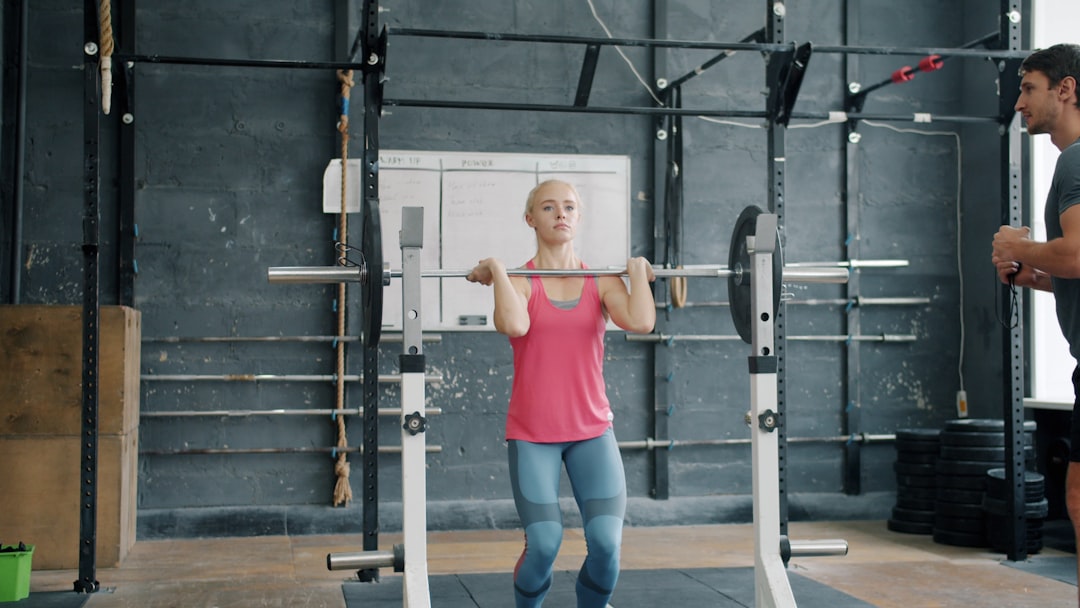
The REP Fitness FT-100 and Titan Fitness T-2 Series represent the current sweet spot for apartment or rental situations where wall damage is off the table. These run $150–$350, offer pull-up bars at multiple heights, dip stations, and vertical knee raise pads. Footprint matters enormously here:
- REP FT-100: 44″ × 25″ footprint, 300 lb capacity, ships in one box — genuinely manageable for a solo setup.
- Titan T-2 Short: Designed specifically for 7’6″ ceiling clearance, making it viable in older homes with lower ceilings.
- Body-Solid Powerline: The budget pick at ~$150, wobbles slightly during explosive movements but holds fine for strict pull-ups and dips.
- Rogue SML-1 Squat Stand with Pull-Up Attachment: More expensive (~$435+) but if you’re planning to add a barbell eventually, this path makes financial sense — one frame covers multiple exercises.
Grip, Knurling, and Why the “Feel” Actually Matters
One underrated factor: bar diameter and surface texture. Standard pull-up bars are 1.25″ diameter, which suits most hands. Thicker bars (1.5″–2″) increase grip demand significantly — great for grip training, but fatiguing if you’re chasing pull-up volume. Knurling (the crosshatch texture on metal bars) varies wildly: aggressive knurling like Rogue’s standard spec feels great with chalk but shreds bare hands after 20+ reps. Smoother bars or foam-grip bars favor high-rep sets without gloves.
If you’re just building a pull-up base for the first time, a smooth or lightly textured 1.25″ bar is genuinely more practical than aggressive knurling — save the thick-bar work for when you’re past 10 clean reps.
Honest Cost Breakdown for 2025
- Tension door bar: $25–$55 — entry level, situationally appropriate
- Hardware door bar: $40–$80 — better safety margin, minor installation required
- Wall-mounted standalone bar: $60–$150 + hardware — excellent value for dedicated spaces
- Freestanding tower: $150–$400 — best for renters with floor space
- Ceiling rig or full rack with pull-up bar: $250–$600+ — long-term investment, best performance
The math Marcus eventually did: he spent $400 on returns and frustration. A single $220 REP FT-100 purchase upfront would have cost him $180 less and far fewer holes in his walls.
What to Actually Do Before Buying
Before spending a dollar, answer these five questions honestly:
- Do you rent or own? (This eliminates wall/ceiling mounts for many renters)
- What’s your ceiling height? (Under 7’6″ kills most towers and ceiling mounts)
- What’s your bodyweight + dynamic load? (Kipping adds roughly 1.5–2× your static weight)
- How much floor space can you commit? (Measure in tape, not imagination)
- Are you planning to expand your home gym in 12–18 months? (If yes, buy into an ecosystem now)
Answering these honestly narrows your options from twenty products to two or three. That’s the real research shortcut.
Here’s the thing I keep telling people: the best pull-up bar is the one you’ll actually use consistently — and that almost always means the one that causes zero daily friction. If you have to drag it out of a closet, it won’t happen. If it wobbles and scares you, form breaks down. Match the bar to your actual living situation first, your fitness goals second, and the price tag last. Do that, and you’ll be cranking sets six months from now instead of posting another “what went wrong” thread online.
📚 관련된 다른 글도 읽어 보세요
- 그냥 사면 후회합니다 — 2026년 기준 실제로 써본 사람이 말하는 야외 태양광 충전기 완전 정복
- 테슬라 사자마자 후회한 이유 — 6개월 타고 팔아버린 실제 후기 2026년 기준
- 2026년 가성비 쩌는 싱글몰트 위스키 Top3 — 10만원대에서 진짜 마실 만한 거 골라봤다
태그: pull-up bar, home gym setup, pull-up bar comparison, best pull-up bar 2025, home workout equipment, freestanding pull-up bar, door frame pull-up bar
Leave a Reply