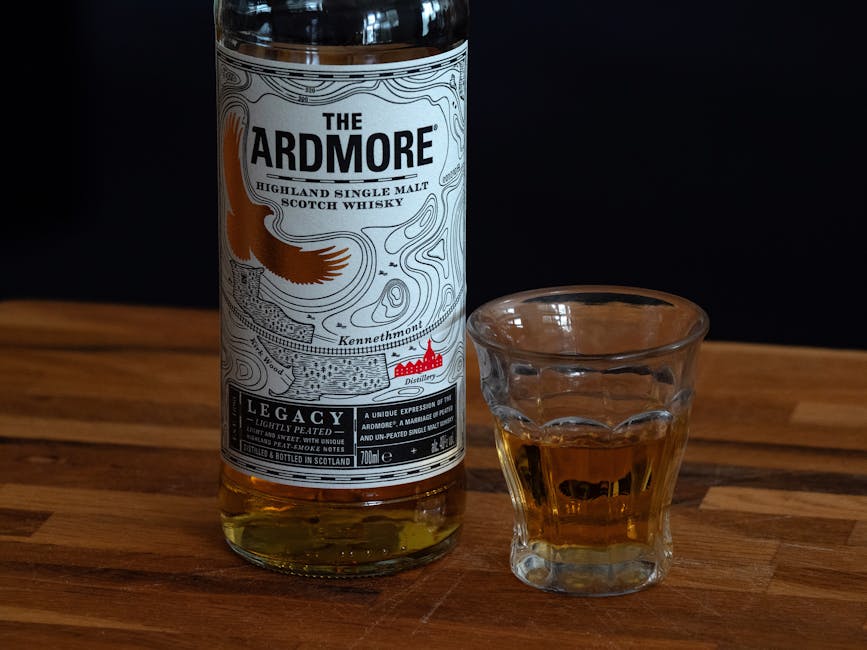
A few years back, a friend of mine — let’s call him Marcus — walked into a whisky bar, pointed confidently at the menu, and ordered something called a “peated Islay single malt.” He had no idea what he was getting into. One sip later, his face contorted like he’d accidentally licked a campfire-soaked leather boot. “That’s not whisky,” he insisted. “That’s a punishment.”
Here’s the thing — Marcus wasn’t wrong to try it. He was just missing the roadmap. And that’s exactly what we’re building together today. Whether you’ve never touched whisky or you’ve been circling the category cautiously for a while, this 2026 guide is designed to walk you from curious outsider to genuinely confident beginner — without the snobbery that so often surrounds this world.
Let’s dig in.
Why Whisky? Understanding What’s Actually in Your Glass
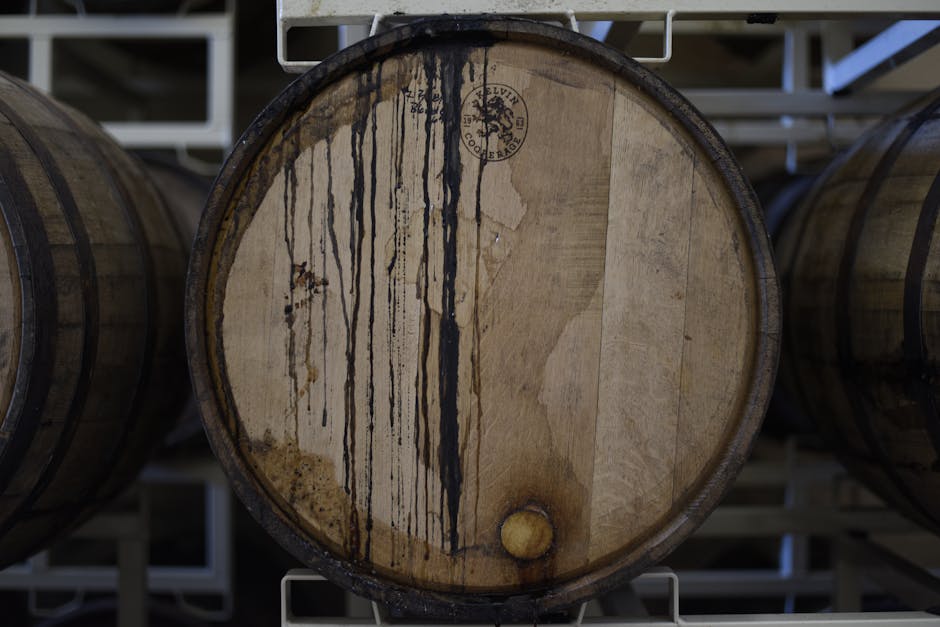
Whisky (or “whiskey” if it’s Irish or American — yes, the spelling differs by region) is a distilled spirit made from fermented grain mash. Grains like barley, corn, rye, or wheat are fermented, distilled, and then aged in wooden casks — usually oak. That aging process is where most of the magic happens. The spirit interacts with the wood over years, sometimes decades, picking up color, tannins, vanilla notes, and layers of complexity that raw spirit simply doesn’t have.
In 2026, the global whisky market is valued at over $95 billion USD, with demand surging particularly across Asia-Pacific markets, the United States, and increasingly, Africa. That’s not just a trend — it’s a cultural shift. People want to understand what they’re drinking, not just consume it. And that curiosity is the perfect starting point.
The Major Whisky Styles: Your First Real Map
Here’s where beginners often get overwhelmed — there are so many styles. But let’s simplify this logically. Think of whisky styles as flavor neighborhoods. Some are smoky and bold, others are sweet and approachable. Here’s a breakdown:
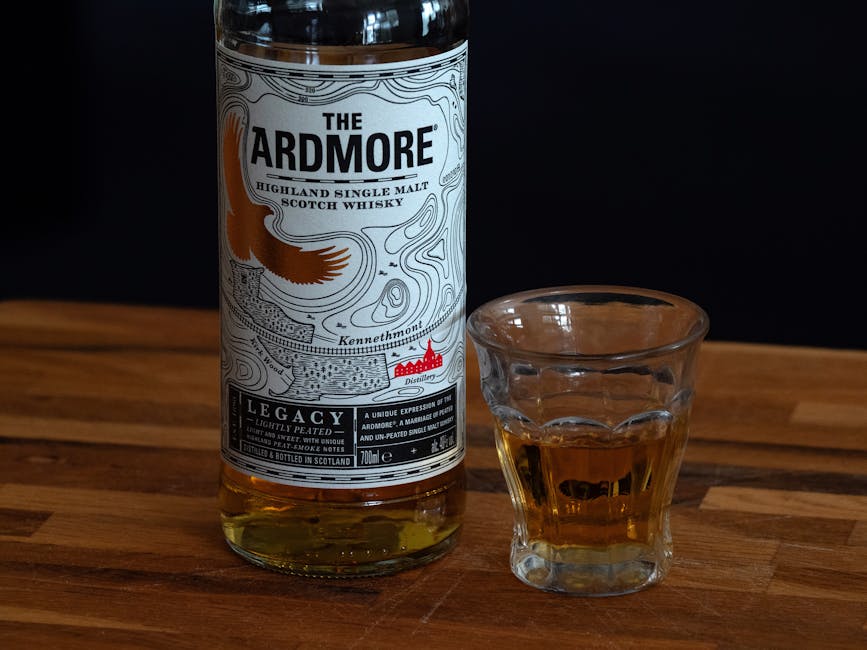
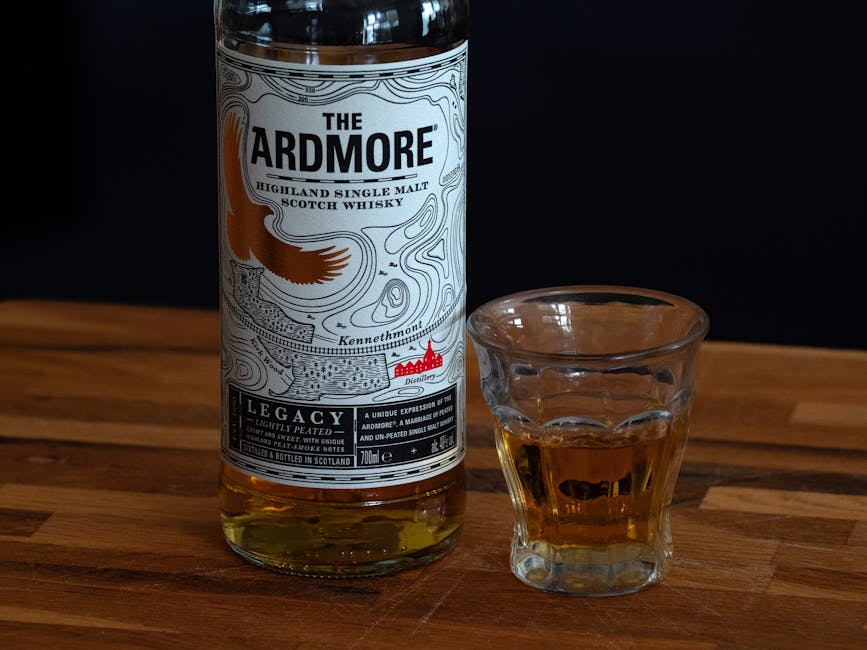
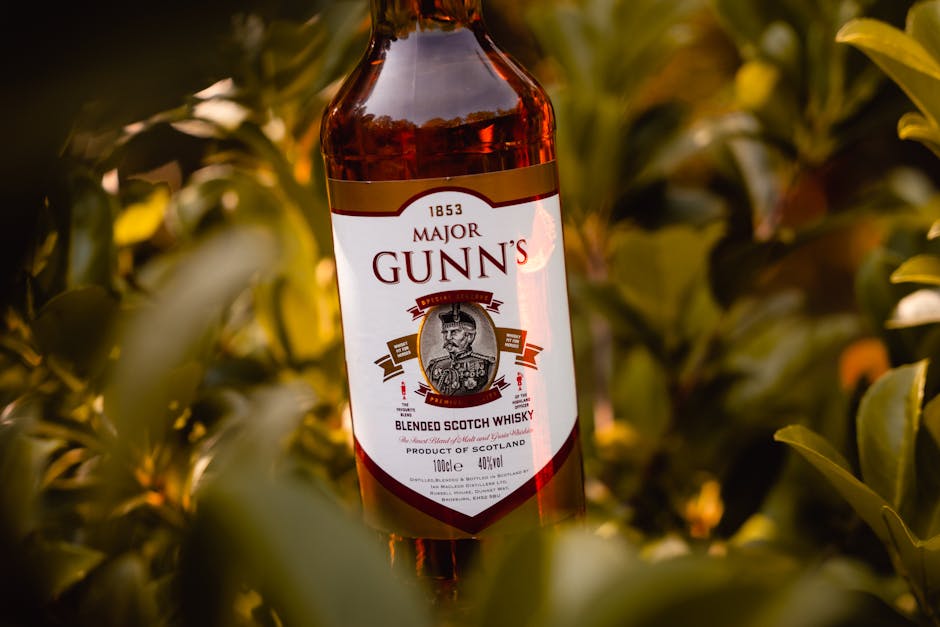
- Scotch Whisky: Made in Scotland, aged at least 3 years in oak casks. Subcategories include Single Malt (one distillery, malted barley), Blended Scotch (multiple distilleries blended together), and regional expressions like the smoky Islays or the fruity Speysides. Brands like Glenfiddich, Laphroaig, and The Macallan live here.
- Irish Whiskey: Generally triple-distilled, making it notably smoother and lighter. It’s a fantastic entry point for newcomers. Jameson and Redbreast are classics worth knowing.
- American Bourbon: Made primarily from corn (at least 51%), aged in new charred oak barrels — which gives it that distinctive sweetness and vanilla warmth. Think Maker’s Mark, Buffalo Trace, or Woodford Reserve.
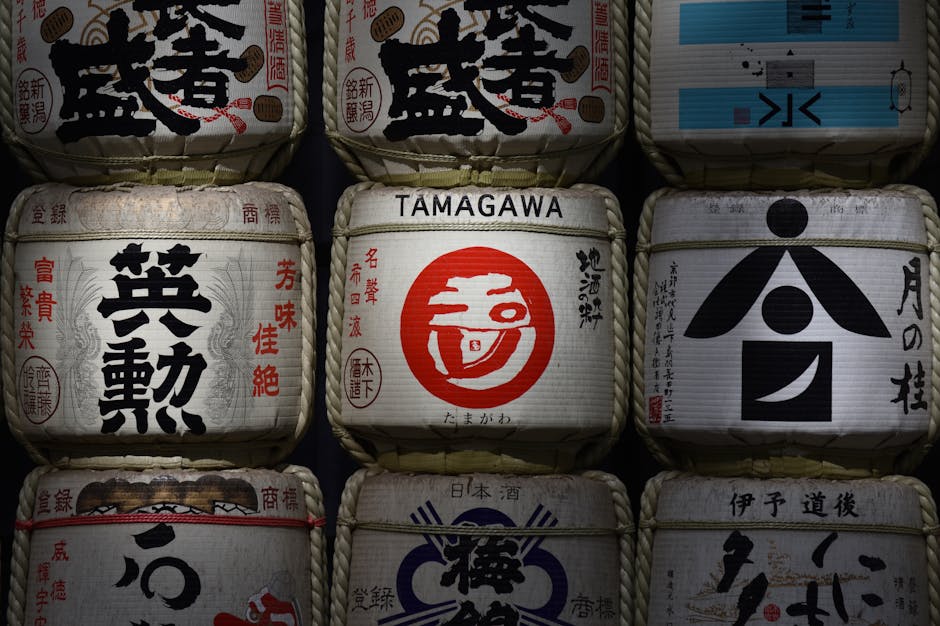
- Japanese Whisky: Heavily influenced by Scotch tradition but refined with Japanese precision. Brands like Suntory’s Hibiki and Nikka’s From the Barrel have earned global acclaim. Expect balanced, elegant profiles.
- Rye Whiskey: Made primarily from rye grain. Spicier and drier than bourbon. It’s had a major resurgence since the mid-2010s, and in 2026, craft rye distilleries are booming across Canada and the U.S.
- World Whisky: A catch-all for everything outside the above — including increasingly impressive bottles from India (Amrut, Paul John), Taiwan (Kavalan), and Australia (Starward).
How to Actually Taste Whisky (Without Feeling Silly)
Here’s something most guides skip over: there’s no wrong way to enjoy whisky — but there IS a smarter way to explore it, especially as a beginner. Let’s think through this step by step.
Glassware matters more than you’d think. A tulip-shaped glass (like the Glencairn) concentrates the aromas toward your nose. Avoid wide-mouthed rocks glasses for serious tasting — those are great for a relaxed evening, not for learning a spirit’s nuances.
Add a few drops of water. This isn’t weakness — it’s chemistry. A tiny splash of still water (around 3-5 drops) opens up aromatic compounds in cask-strength or high-ABV whiskies, revealing layers that alcohol intensity would otherwise mask. Even the late master blender Richard Paterson advocated for this. In 2026, this technique is now standard practice at whisky education events worldwide.
Engage all three phases:
- Nose: Swirl gently, hover your nose just above the rim, mouth slightly open. What do you smell? Fruit? Wood? Vanilla? Smoke? There are no wrong answers.
- Palate: Take a small sip, let it coat your tongue. Where do you feel it — front, middle, back? What flavors emerge? Let it breathe in your mouth for 5-10 seconds.
- Finish: The sensation after you swallow. Does it linger? Is it warm? Dry? Spicy? A long, complex finish is often the mark of a quality dram.

Real-World Starting Points: What to Actually Buy in 2026
Let’s get practical. Based on flavor profile and price-to-quality ratio, here are logically sound starting recommendations for 2026:
- For the smoothness seeker: Jameson Irish Whiskey or Nikka Coffey Grain — both approachable, no harsh edges, great for neat or on the rocks.
- For the sweet tooth: Buffalo Trace Bourbon or Maker’s Mark — corn-forward sweetness, vanilla, caramel. Easy to love immediately.
- For the adventurous beginner: Kavalan Concertmaster (Taiwan) — fruity, approachable complexity from port cask finishing. It wins awards for a reason.
- For the budget-conscious: Monkey Shoulder (Blended Scotch) — approachable, versatile, under $35 in most U.S. markets in 2026, and genuinely enjoyable neat or in cocktails.
- For those who want to go deeper: GlenDronach 12 Year — sherry cask matured Scotch that introduces you to rich dried fruit and chocolate notes without the smoke intimidation factor.
The Peated Whisky Problem (And How to Approach It Smartly)
Remember Marcus? He jumped straight into peated Islay Scotch — something like Laphroaig or Ardbeg — without preparation. These are incredible whiskies, but their intense smoke and medicinal character (think iodine, seaweed, bonfire) is genuinely polarizing. The logical approach isn’t to avoid them forever, but to work toward them gradually.
Try this progression: Start with a lightly peated option like Bowmore 12 or Highland Park 12, where smoke is present but balanced with sweetness. Once you appreciate that interplay, Ardbeg 10 becomes thrilling rather than shocking. The key insight here is that your palate is trainable — and the journey of training it is genuinely fun.
Building a Whisky Vocabulary (So You Sound Like You Know What You’re Doing)
A quick glossary for navigating menus, bottles, and conversations without feeling lost:
- ABV (Alcohol by Volume): Standard whisky sits at 40-46% ABV. Cask strength bottles can reach 55-65%+.
- Age Statement: The number on the bottle (e.g., “12 Year”) refers to the youngest whisky in the bottle — not the average age.
- NAS (No Age Statement): Not necessarily inferior — many award-winning whiskies have no age statement. Judge by taste, not age.
- Cask Finish: When whisky is moved into a second barrel (sherry, port, wine, rum casks) for additional maturation, adding extra flavor layers.
- Dram: A serving of whisky. Use this word confidently.
- Neat: Whisky served at room temperature with nothing added — no ice, no water.
- On the Rocks: Served over ice. Note that ice significantly mutes aromas and flavors, especially in complex bottles.
Realistic Alternatives If Whisky Still Feels Overwhelming
Not every palate takes to whisky immediately — and that’s completely okay. Here’s how to think about alternatives that can actually build the bridge:
If you love wine already, start with sherry cask-aged Scotch or port-finished Irish whiskey, since those flavor profiles will feel familiar. If you’re a cocktail person, bourbon-based drinks like the Old Fashioned or Whiskey Sour are excellent entry points — the sweetness and dilution make the spirit approachable before you try it neat. If gin or rum is your comfort zone, Japanese whisky’s delicate, clean profile may feel more welcoming than heavy, oaky American bourbons.
The point is: there’s a whisky — or a whisky-adjacent pathway — for nearly every flavor preference. It’s about logical sequencing, not forcing yourself into an experience you’re not ready for.
The whisky world in 2026 is more diverse, more inclusive, and more accessible than it’s ever been. There are masterclasses happening in Seoul and Nairobi, online whisky communities with thousands of active members, and distilleries in places no one expected — like Vietnam and South Africa — producing remarkable spirits. The barriers to entry have never been lower. The only thing left is your curiosity.
Start with one bottle. Take notes — even just on your phone. Share it with someone. And trust that your palate will grow naturally from there.
Editor’s Comment : The whisky world can feel gatekept — but it genuinely isn’t, not anymore. The best advice I can give any beginner in 2026 is this: buy one approachable bottle, open it with an open mind (and maybe open notes app), and resist the urge to compare yourself to seasoned drinkers. Your journey is your own, and honestly, the early discoveries are some of the most exciting ones you’ll ever have with this spirit. Cheers — or as the Scots say, slàinte mhath.
태그: [‘whisky for beginners’, ‘whisky guide 2026’, ‘how to taste whisky’, ‘best beginner whisky’, ‘scotch vs bourbon’, ‘whisky types explained’, ‘whisky tasting tips’]