Let me paint you a picture. It’s a quiet Friday evening in March 2026, and a friend slides a glass of amber liquid across the table toward you. “Just try it,” he says with that insufferable smirk of someone who’s discovered something remarkable. One sip later, you’re mentally rearranging your entire weekend budget. Sound familiar? That’s the magic — and the danger — of single malt whisky.
Whether you’re a seasoned dram enthusiast or someone who just graduated from blended Scotch and is wondering what all the fuss is about, 2026 is genuinely one of the most exciting years to explore the world of single malts. Distilleries are releasing age-stated expressions that were laid down during some of the most innovative periods in modern distilling, and new craft players are disrupting the old guard in ways we haven’t seen in decades. So let’s think through this together — what’s actually worth your attention (and your wallet) right now?
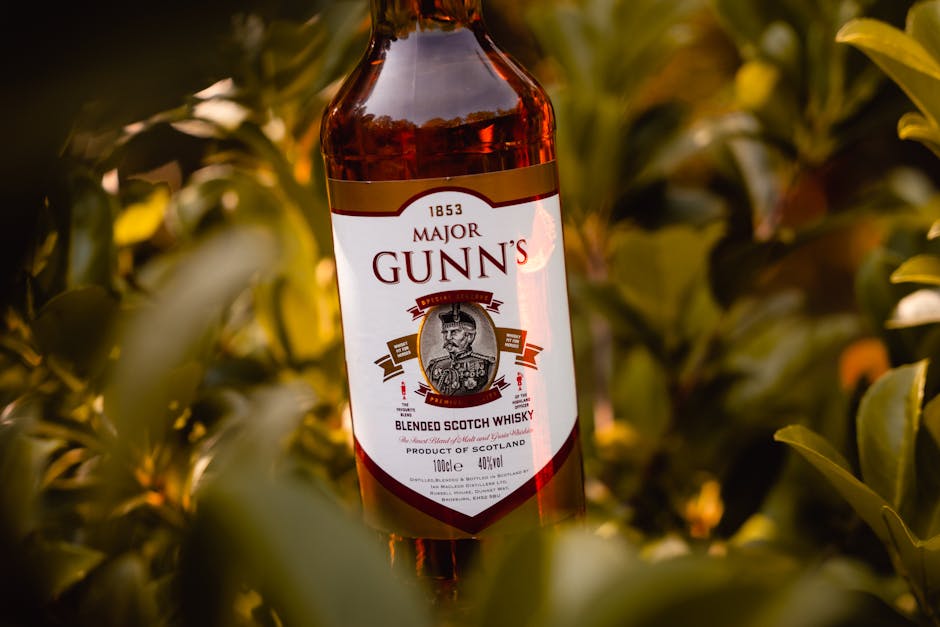
What Exactly Is a Single Malt, and Why Does It Matter?
Before we dive into rankings, let’s quickly set the stage for newcomers. A single malt whisky is made from 100% malted barley, distilled at a single distillery, using pot stills. That last part is crucial — “single” refers to the distillery, not a single barrel. This distinction gives single malts their terroir-driven personality, much like how a wine from Burgundy tastes fundamentally different from one made in Napa, even if both are Pinot Noir.
In 2026, the global single malt market has expanded well beyond Scotland’s borders, with Japanese, Irish, Indian, and even Taiwanese distilleries commanding serious respect at international competitions. The playing field has never been more level — or more interesting.
2026 Single Malt Whisky Rankings: The Bottles That Are Turning Heads
Here’s the thing about rankings — they’re inherently subjective, but we can use a combination of industry scores, retail demand data, release scarcity, and value-for-money ratios to build a genuinely useful list. Let’s break it down by category so you can find your perfect match.
- 🥇 Glenfarclas 25 Year Old (Speyside, Scotland) — Still the quiet giant of the Speyside region in 2026. Aged in first-fill Oloroso sherry casks, this expression delivers rich dried fruit, dark chocolate, and a warming spice finish that lingers beautifully. At roughly $180–220 USD, it punches far above its price point compared to flashier competitors. Distillery scores consistently sit at 94–96/100 across major tasting panels.
- 🥈 Nikka Yoichi 10 Year Old (Hokkaido, Japan) — Japanese whisky has had its rollercoaster years, but Nikka’s Yoichi 10 has found renewed availability in 2026 after production scaling efforts. Coal-fired distillation gives it a distinctive peaty-maritime character unlike anything in Scotland. Expect notes of brine, smoked apple, and dark toffee. Around $120–150 USD.
- 🥉 Bruichladdich Port Charlotte 10 (Islay, Scotland) — For peat lovers who want complexity beyond “just smoke,” Port Charlotte 10 is the 2026 answer. At 50% ABV and heavily peated (40 PPM), it balances maritime saltiness with vanilla and citrus in a way that surprises even seasoned Islay fans. Exceptional value at $80–100 USD.
- 🏅 Amrut Fusion (Bangalore, India) — Indian whisky in 2026 is no longer a novelty — it’s a benchmark. Amrut Fusion blends Indian barley with Scottish peated malt, aged in American oak in Bangalore’s extreme heat, which accelerates maturation dramatically. The result is a whisky that tastes 15+ years old at just 8–10 years of aging. Widely available at $70–90 USD.
- 🏅 Kavalan Solist Vinho Barrique (Taiwan) — Kavalan continues to dominate Asian whisky awards in 2026. The Vinho Barrique expression, finished in Portuguese wine casks, offers tropical fruit, passion fruit, and a creamy vanilla backbone. If you want to impress guests who think whisky is “too harsh,” this is your gateway bottle. Around $130–160 USD.
- 🏅 GlenDronach 18 Parliament (Highland, Scotland) — Named after the rooks that nest on the distillery’s roof, this 18-year-old sherry bomb has become the cult favorite of 2026 for those stepping up from entry-level drams. Deeply layered with walnut, espresso, and Christmas cake. Budget around $150–180 USD.
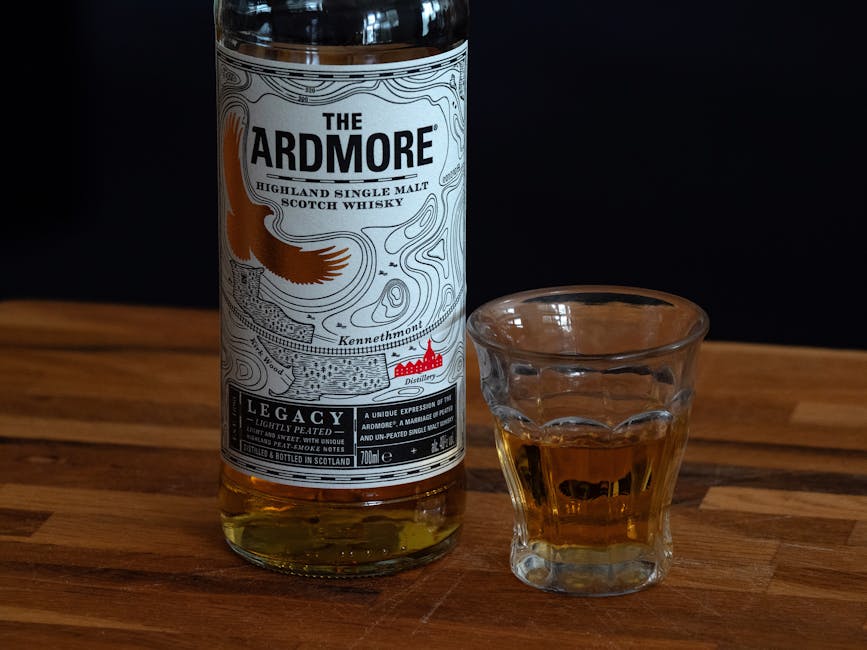
Real-World Context: How These Bottles Are Performing Globally
To ground this in something tangible — at the 2026 World Whiskies Awards held earlier this month, Kavalan and Amrut both claimed category gold medals, continuing a trend we’ve seen building since the early 2020s where Asian distilleries are no longer just “interesting alternatives” but outright champions. Meanwhile, in the secondary market, bottles like GlenDronach 21 and older Nikka expressions are trading at 2–4x retail on platforms like Whisky Auctioneer, which tells you something important: the smart money is buying these mid-tier expressions now before they become the collectibles of 2030.
Domestically in South Korea — which is one of the fastest-growing single malt markets in Asia right now — the trend has shifted noticeably. Local enthusiasts are moving away from trophy bottles (your 30-year Macallans priced at $1,000+) toward what industry insiders call “the intelligent middle tier”: bottles in the $80–200 range that offer genuine complexity without requiring a second mortgage.
Realistic Alternatives: Not Everyone Needs to Spend $200
Here’s where I want to have an honest conversation with you. The bottles above are all genuinely excellent, but I understand that not everyone is ready to drop $150+ on a single bottle, especially if you’re still exploring your palate. So let’s think about some smarter entry points for 2026:
- Glenfiddich 15 Solera Reserve (~$65 USD) — The Solera system means every batch has a consistent, honeyed, fruit-forward richness. It’s the reliable all-rounder that won’t disappoint guests.
- Auchentoshan Three Wood (~$60 USD) — Triple distilled Lowland Scotch with a silky, approachable character. Great for people transitioning from Irish whiskey.
- Old Pulteney 12 (~$55 USD) — Coastal Highland malt with subtle brine and vanilla. Underrated and widely available in 2026.
- Tomatin 12 (~$45 USD) — Perhaps the best value Highland malt on the market right now. Criminally underpriced for what’s in the bottle.
The honest truth? Your palate develops fastest not by buying one expensive bottle but by trying many different expressions across regions and styles. Consider a whisky tasting flight at a bar before committing to a full bottle — your future shelf will thank you.
How to Choose: A Quick Decision Framework
Rather than telling you what to buy, let’s think through how to decide:
- If you love rich, fruity, dessert-like flavors → go sherry-cask (GlenDronach, Glenfarclas)
- If you want smoke and coastal drama → Islay or Japanese peated (Port Charlotte, Yoichi)
- If you prefer light, floral, and approachable → Lowland or Speyside (Auchentoshan, Glenfiddich)
- If you want to impress and surprise → Asian distilleries (Kavalan, Amrut) — guaranteed conversation starters
- If you’re on a tight budget but refuse to compromise → Tomatin 12 or Old Pulteney 12, full stop
The single malt world in 2026 rewards curiosity over brand loyalty. The most interesting bottles aren’t always the most famous labels — they’re the ones that tell a story of place, time, and craft that you can taste with every sip.
Editor’s Comment : I’ve been following the single malt scene for years now, and 2026 genuinely feels like a turning point. The democratization of great whisky — where a $70 Indian malt can outperform a $300 Scotch on pure pleasure — is the best thing to happen to this category in decades. My personal recommendation? Buy one bottle from your comfort zone and one bottle that makes you slightly nervous. That second bottle is usually where the magic happens. Sláinte! 🥃
태그: [‘single malt whisky 2026’, ‘best whisky ranking 2026’, ‘Scotch whisky recommendations’, ‘Japanese whisky 2026’, ‘whisky buying guide’, ‘premium whisky bottles’, ‘Asian whisky distilleries’]
Leave a Reply