A neighbor of mine — let’s call him Dave — spent nearly $600 on a shiny new gas grill last summer, only to show up at my backyard cookout two months later quietly asking if he could use my old kettle charcoal grill instead. “The steaks just don’t taste the same,” he said, poking at the perfectly seared crust on my ribeye with a mix of envy and buyer’s remorse. That conversation stuck with me, and it’s honestly what pushed me to dig deeper into the gas vs charcoal grill debate — not as a marketing exercise, but as someone who’s actually burned through (pun intended) both sides of this argument.
So let’s think through this together. Because the “best grill” isn’t universal — it genuinely depends on your situation, your cooking style, your space, and yes, your patience level on a Tuesday night.
The Core Difference: How Heat Is Actually Generated
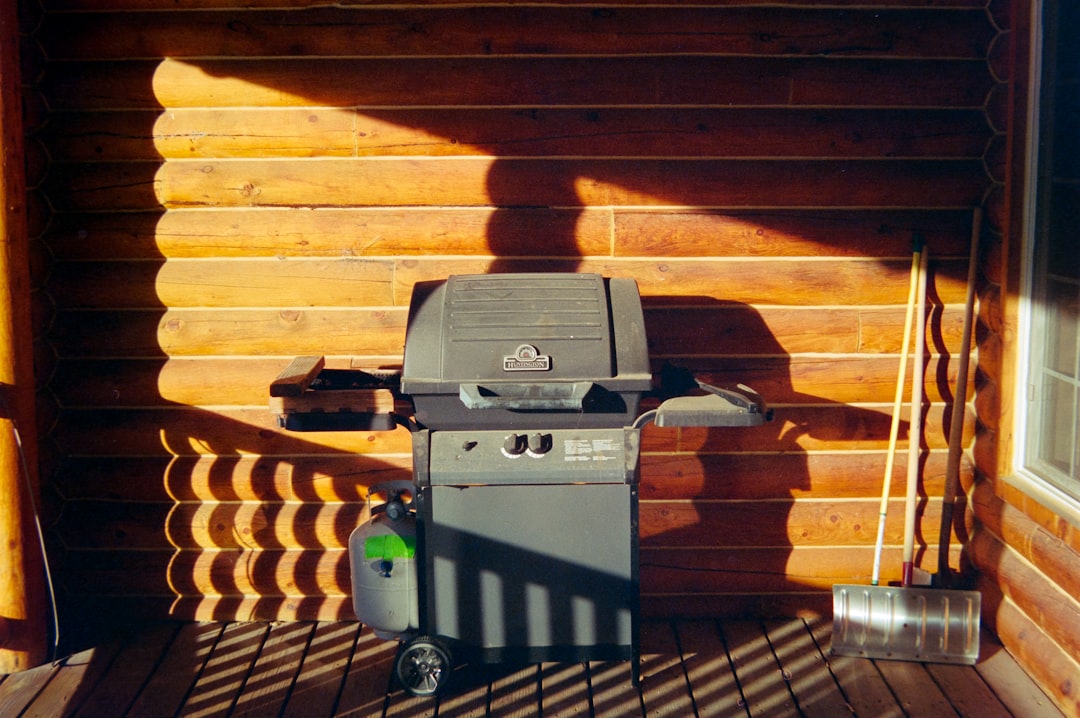
Here’s the fundamental thing most buying guides gloss over. A gas grill burns propane or natural gas through a burner system, generating radiant heat that’s clean, consistent, and controllable via a dial. A charcoal grill, on the other hand, burns lump charcoal or briquettes — and that combustion process releases not just heat but also tiny volatile compounds, wood-derived aromatic smoke, and carbon particles that physically deposit onto your food. That’s where the flavor difference comes from. It’s not mystical — it’s chemistry.
According to a 2023 study from the American Meat Science Association, food grilled over charcoal showed measurably higher concentrations of guaiacol and syringol — two compounds directly responsible for that smoky, complex flavor profile most people associate with “real BBQ.” Gas simply can’t replicate this without add-ons like wood chip smoker boxes, and even then, the effect is partial.
Speed, Convenience, and the “I Just Want Dinner” Factor
Let’s be honest about time. Gas grills win here — no question. You turn a knob, wait 10–15 minutes for the grates to preheat, and you’re cooking. Charcoal is a different story:
- Chimney starter method: 15–25 minutes from lighting to ready-to-cook temperature
- Lighter fluid method: Faster ignition but you risk chemical taste transfer if you cook too soon
- Lump charcoal vs briquettes: Lump burns hotter (up to 1,100°F) and faster; briquettes burn more evenly at 700–900°F for longer sessions
- Cleanup: Charcoal ash disposal adds 10–20 minutes post-cook; gas just needs a quick brush of the grates
- Weather sensitivity: Wind and humidity directly affect charcoal performance; gas is far more consistent
If you’re a weeknight griller who just wants chicken thighs done by 7pm, charcoal may genuinely frustrate you. That’s not a character flaw — it’s a lifestyle mismatch.
Temperature Control: The Real Learning Curve
Gas grills offer zone control — most mid-range models like the Weber Spirit II E-310 (street price around $549 in 2025) give you independent burner control, making it easy to set up a two-zone cooking environment: high heat sear on one side, indirect finish on the other. This is beginner-friendly and genuinely useful for proteins that need searing followed by gentle finishing (think thick-cut pork chops or whole chicken pieces).
Charcoal temperature control is an art. You’re managing airflow through vents — bottom vent feeds oxygen to increase heat, top vent controls smoke and exhaust. Close both and you’ll smother your fire. Open both fully and a standard kettle can spike past 600°F quickly. Learning vent management typically takes 5–10 sessions before it feels intuitive. But once you get it, the precision is actually remarkable — experienced charcoal grillers can hold 225°F for hours for low-and-slow barbecue, something that’s much harder to do cheaply on gas.
Cost Breakdown: Entry Point vs Long-Term Running Costs
Let’s talk numbers, because this is where a lot of people get surprised:
- Budget charcoal kettle (Weber Original Kettle 22″): ~$139–$179 in 2025
- Mid-range gas grill (3-burner): $400–$700 depending on brand and features
- Premium gas (Weber Genesis or Napoleon Prestige): $900–$1,800+
- Charcoal fuel cost: ~$1.50–$2.50 per session using lump; briquettes slightly cheaper
- Propane cost: A standard 20lb tank (~$25–$35 to fill) lasts roughly 18–25 hours of grilling
- Natural gas line installation: $150–$400 one-time, then essentially free fuel (if you have gas service)
If you grill 3x per week through a 6-month season, charcoal will cost you roughly $130–$200/year in fuel. Propane will run about $80–$120/year. Neither is bankrupting anyone — but the capital cost of entry is where gas pulls ahead in value if you’re already spending $500+.
What Real Grillers and Research Actually Say
The folks over at Serious Eats (seriouseats.com) have done extensive side-by-side testing, and their consistent finding is that charcoal produces superior crust formation on steaks due to higher surface temperatures and the Maillard reaction being accelerated by radiant + convective + contact heat simultaneously. Their test kitchen noted that a charcoal-seared ribeye hit 650°F surface contact temperature vs around 480°F on most residential gas grates — that 170°F gap is significant for crust development.
Meanwhile, Consumer Reports’ 2024 grill ratings consistently ranked gas grills higher in “ease of use” and “temperature consistency” categories, with charcoal grills dominating the “flavor” and “versatility” scores. The Weber Kettle Premium remains one of the highest-rated grills across all categories combined — at under $200, its price-to-performance ratio is almost unfairly good.
In competitive BBQ circuits, charcoal (and specifically offset wood smokers) dominates. The Kansas City Barbeque Society (KCBS) rules don’t ban gas, but you’d be hard-pressed to find a top-10 finisher using it. However — and this is important — competitive BBQ is a completely different activity than backyard grilling. Confusing the two is like saying you shouldn’t buy a Honda Civic because it won’t win Le Mans.
The Hybrid and Alternative Middle Ground
If you genuinely can’t choose, 2025 has some interesting options worth exploring:
- Kamado-style grills (Big Green Egg, Kamado Joe): Charcoal-powered but with ceramic insulation that makes temperature control much more forgiving — you can hold 225°F or spike to 700°F+ with airflow adjustments. Expensive ($800–$2,000+) but extremely versatile.
- Pellet grills (Traeger, Pit Boss, Weber SmokeFire): Feed compressed wood pellets automatically, combining the convenience of gas with actual wood smoke flavor. Great for low-and-slow. Struggle at very high sear temperatures (most cap around 500–600°F). Prices from $400–$1,200.
- Dual-fuel grills: Some brands offer gas burners + charcoal trays in one unit. Convenient but often mediocre at both; the charcoal side is usually too small for serious use.
My Honest Conditional Recommendation
Here’s the framework I’d suggest thinking through:
- If you grill 1–3 times per week, value convenience over flavor nuance, cook for families or guests who need predictable timing: Go gas. A Weber Spirit II or Napoleon Rogue 425 in the $500–$700 range will serve you well for 10+ years.
- If you grill on weekends, love the process as much as the result, want authentic crust and smoke character, or grill mostly steaks, burgers, and chicken: Charcoal. Start with a Weber 22″ Kettle and spend $30 on a chimney starter. You won’t look back.
- If you want to do low-and-slow BBQ (brisket, ribs, pork shoulder) and have the budget: Kamado Joe Classic II or a pellet grill like the Traeger Pro 780.
- If you’re renting, have a small balcony, or cook for one or two people: A portable charcoal option like the Weber Jumbo Joe ($89) or a small propane tabletop grill is smarter than overbuying.
The point isn’t that one is objectively better — it’s that the wrong tool for your lifestyle will collect dust while the right one gets used three times a week and earns back its cost in happiness per session.
💬 Quick thought before you go: If Dave had spent 20 minutes thinking through his actual grilling habits before buying, he’d probably still have that $600 — or at least a grill he actually loves using. The best grill isn’t the one with the most features on the spec sheet; it’s the one you fire up without hesitation every time the weather’s right. Whatever side of this debate you land on, start there.
📚 관련된 다른 글도 읽어 보세요
- Why I Almost Gave Up on Beekeeping After Year One — Honest 2025 Survival Guide
- 무조건 사면 후회? 2026년 기준 전기차 진짜 유지비 계산해봤습니다
- Why I Almost Gave Up on Portable Power — The Honest Jackery Explorer 1000 Review for 2025
태그: gas vs charcoal grill, best grill 2025, charcoal grill review, gas grill buying guide, backyard BBQ tips, Weber grill comparison, grilling for beginners
Leave a Reply