A friend of mine came back from a trip last spring absolutely buzzing — not about the resort pool or the fancy dinner, but about an afternoon she spent drifting above a coral garden she nearly didn’t find. She’d been following a popular travel blog’s directions and ended up at a crowded, bleached-out reef. It wasn’t until a local boat captain pointed her somewhere else entirely that the magic happened. That story stuck with me, and honestly, it’s the reason I went deep on researching snorkeling the right way before my own trip.
So let’s think through this together — what actually makes a snorkeling experience worth the trip, and how do you avoid wasting a perfectly good day on a mediocre spot?
What the Brochures Don’t Tell You About Snorkeling Conditions
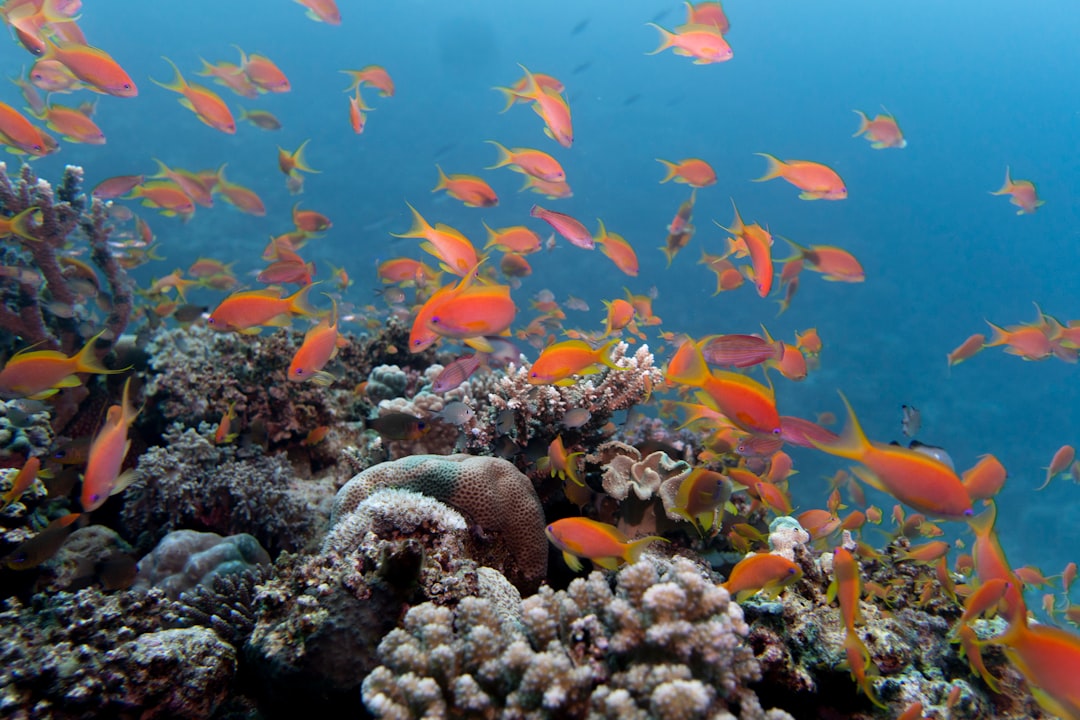
Most travel content glosses over the single biggest variable in snorkeling: water visibility. In 2025, with ocean temperatures running warmer than historical averages in many tropical regions, coral bleaching events have shifted which reefs are worth visiting in which seasons. According to NOAA’s coral reef monitoring data, peak visibility windows have shifted by roughly 2–4 weeks in Southeast Asian and Caribbean destinations compared to five years ago.
Here’s what actually matters when you’re planning:
- Tidal timing: Slack tide (the 30–60 minute window between tidal flows) gives you the calmest, clearest water. Most booking sites don’t mention this at all.
- Wind direction: Onshore winds stir up sand and drop visibility to near zero. Leeward sides of islands are your friend.
- Depth range: 3–8 meters is the sweet spot for snorkeling — deep enough for diverse marine life, shallow enough to dive down and interact without freediving experience.
- Season vs. shoulder season: Peak season means crowds. Visibility can actually be better in shoulder season because there’s less boat traffic churning up sediment.
- Recent weather: Heavy rain runoff clouds coastal water for 48–72 hours. Always check local rainfall, not just your destination’s weather app.
Gear That Actually Changes the Experience
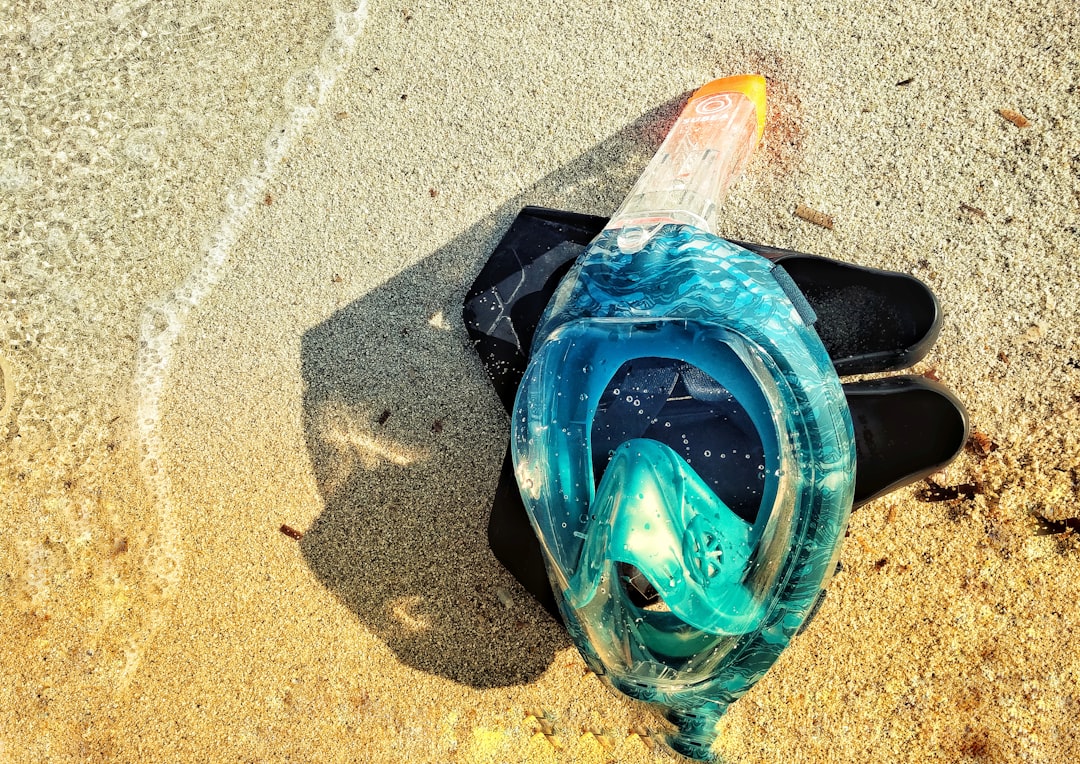
I used to think a snorkel was a snorkel. Then I tried a dry-top snorkel with a full-face mask option versus a classic split-fin setup — and the difference was genuinely night and day. That said, gear choice is conditional on your situation.
If you’re a casual snorkeler doing 30–45 minute sessions in calm lagoons, a full-face mask (like the Cressi Duke or the Subea 900) gives you a wider field of view and is much easier to breathe through for beginners. However, if you plan to freedive even a meter or two below the surface, full-face masks are a safety hazard — the equalization mechanics don’t work properly under pressure. In that case, go with a traditional two-piece setup: a low-volume mask (Mares X-Vision or Scubapro Spectra) paired with a dry-top snorkel like the Atomic Aquatics SV2.
Fins matter more than most people think. Open-heel adjustable fins are great for reef walking and getting in from rocky shores. Full-foot fins are more efficient in the water but less versatile on land. If you’re renting, always check that the blade isn’t cracked — a delaminating fin blade kills your propulsion and tires you out fast.
Real Destination Intelligence: Where the Locals Actually Go
Let’s get concrete. I cross-referenced recent reports from DiveAdvisor, Tripadvisor’s snorkel-specific reviews, and local dive operator forums across three major regions to find spots that consistently outperform their reputation — and spots that have quietly declined.
Southeast Asia (Thailand/Philippines/Indonesia): The Tubbataha Reefs Natural Park in the Philippines remains genuinely world-class, but access is permit-controlled and seasonal (March–June only). Raja Ampat in Indonesia consistently earns the highest marine biodiversity ratings globally — but budget at least $150–$300/day for liveaboard access to the best sites. In Thailand, the heavily promoted Similan Islands are worth visiting but go early in the morning before the day-trip boats arrive — after 10am, you’re sharing the water with 200+ tourists.
Caribbean: Bonaire’s shore snorkeling is exceptional and genuinely accessible without a boat — sites like Karpata and 1000 Steps can be reached by rental car. Entry to Bonaire National Marine Park runs about $40/year or $25/week in 2025. Meanwhile, many once-great Jamaican reefs near Montego Bay have suffered from anchor damage and overfishing — local NGO Reef Check’s 2024 survey rated coral cover there at under 15%, which is sobering.
Red Sea (Egypt/Jordan): Ras Mohammed National Park near Sharm el-Sheikh is still one of the best value-for-visibility ratios in the world. Entry fees are around $10–$15, and the wall dives accessible to snorkelers at Shark Reef are genuinely spectacular. Jordan’s Aqaba has the added advantage of being a year-round destination — water temperature stays above 20°C even in January.
Safety Considerations That Don’t Get Enough Airtime
Here’s something that doesn’t make it into most travel guides: snorkeling has a higher drowning rate per participant than scuba diving, largely because it’s perceived as low-risk and attracts people with little swimming experience. A 2021 study published in the journal Injury Prevention analyzed Hawaiian snorkeling fatalities and found that cardiovascular events (not drowning per se) in swimmers over 50 accounted for the majority of deaths.
Practical takeaways:
- Never snorkel alone — always use the buddy system, no exceptions.
- Use a surface marker buoy (SMB) or snorkel vest if you’re in an area with boat traffic.
- Limit sessions to 45–60 minutes max in warm water — heat exhaustion sneaks up on you when you’re distracted by fish.
- Learn the local current patterns before entering. A 0.5 knot current sounds harmless but will exhaust an average swimmer in 20 minutes fighting it.
- If you see jellyfish, moon jellyfish are generally harmless, but Portuguese man-o’-war and box jellyfish are serious — exit the water immediately.
Budget Reality Check for 2025
Let’s talk numbers honestly. A well-organized snorkeling trip doesn’t have to be expensive, but the costs stack up in ways that catch people off guard.
Renting gear on-site typically runs $15–$30/day in most tropical destinations. Buying your own basic kit (mask, snorkel, fins) starts around $60–$80 for decent entry-level gear (Cressi, Mares, or US Divers brand) and pays for itself after 3–4 rentals. A guided half-day snorkel tour ranges from $25 in Egypt to $150+ in the Maldives. Liveaboard snorkel trips — the gold standard for remote reef access — run $150–$400/day depending on the region.
The honest alternative if budget is tight: shore snorkeling in established marine parks (Bonaire, Florida Keys, parts of Hawaii) gives you 80% of the experience at a fraction of the cost. The Florida Keys National Marine Sanctuary, for example, offers free access to multiple shore-entry sites, and the Molasses Reef in Key Largo is legitimately world-class without a boat.
💬 Bottom line from someone who’s been down this rabbit hole: The best snorkeling experiences rarely happen at the most-hyped spots on Instagram. They happen when you do 20 minutes of homework on tides and local conditions, talk to one person who was actually in the water that week, and show up at 7am before anyone else. Start with shore snorkeling at a well-rated marine park if you’re new — save the liveaboard splurge for when you know you love it. And please, always go with a buddy.
📚 관련된 다른 글도 읽어 보세요
- Why I Almost Gave Up on Pull-Up Bars — The 2025 Home Gym Setup That Actually Works
- Why I Stopped Ignoring Mold Symptoms — The 2025 Black Mold Exposure Truth Nobody Talks About
- Why I Almost Gave Up on Microneedling — Honest 2025 Guide for Real Results
태그: snorkeling tips, best snorkeling spots 2025, snorkeling gear guide, coral reef travel, underwater adventure, marine park snorkeling, snorkeling safety
Leave a Reply